
92汽油

Search documents
油价,即将调整
新华网财经· 2026-03-08 01:16
Group 1 - The core viewpoint of the article indicates that domestic refined oil prices are expected to rise due to the continuous increase in international crude oil prices, with the adjustment window opening soon [2] - According to industry monitoring data, as of March 5, the reference crude oil price change rate is 11.35%, suggesting a probable price increase [2] - The estimated increase for gasoline and diesel is approximately 500 yuan per ton, exceeding the 50 yuan per ton adjustment threshold [2] Group 2 - Based on the current increase, the prices for 92 gasoline, 95 gasoline, and diesel are expected to rise by 0.39 yuan/liter, 0.41 yuan/liter, and 0.42 yuan/liter respectively [2] - For a full tank of 50 liters, filling up with 92 gasoline will cost an additional 19.5 yuan, while 95 gasoline will increase by 20.5 yuan [2] - The expected implementation time for this round of price adjustment is March 9 at 24:00, with the final adjustment amount to be confirmed by the National Development and Reform Commission [2]


油价,即将调整
财联社· 2026-03-07 14:38
Core Viewpoint - The article highlights that due to the continuous rise in international crude oil prices, domestic refined oil prices are expected to be adjusted soon, with a likely increase in prices [1]. Group 1: Price Adjustment Forecast - The current monitoring data indicates that the reference crude oil change rate is at 11.35% as of March 5, marking the 9th working day of the pricing cycle [1]. - Based on the current data, the estimated increase for gasoline and diesel is approximately 500 yuan per ton, surpassing the adjustment threshold of 50 yuan per ton [1]. - The projected price increases for 92 gasoline, 95 gasoline, and diesel are expected to be 0.39 yuan/liter, 0.41 yuan/liter, and 0.42 yuan/liter, respectively [1]. Group 2: Impact on Consumers - For consumers, filling a 50L tank with 92 gasoline will result in an additional cost of approximately 19.5 yuan, while filling the same tank with 95 gasoline will increase the cost by about 20.5 yuan [1]. - The expected implementation date for this round of oil price adjustment is March 9 at 24:00, with the final adjustment magnitude to be confirmed by the National Development and Reform Commission [2].

油价悬殊之谜!2月10日最新数据,92、95汽油价格相差之大,令人咋舌!
Sou Hu Cai Jing· 2026-02-10 16:45
Core Viewpoint - The recent fluctuations in oil prices reflect a complex interplay of market psychology and geopolitical factors, with potential implications for consumer behavior and investment strategies [1][6]. Market Dynamics - Last week, WTI crude oil futures experienced a significant drop of over 5%, marking the largest single-day decline in recent times, driven by rising U.S. crude oil production and a rebound in the dollar [1][6]. - Following the initial drop, oil prices rebounded unexpectedly on Tuesday and Wednesday, recovering nearly all losses, but then fell again on Thursday and exhibited a mixed performance on Friday [3][6]. - The volatility in oil prices has led to fluctuating investor sentiment, oscillating between panic and hope, which is intricately linked to the price movements [3][6]. Geopolitical Influences - Ongoing geopolitical tensions, particularly in the Middle East, continue to impact market sentiment, with recent talks between Iran and the U.S. aimed at easing nuclear tensions, while U.S. maritime advisories add uncertainty [6]. - The Federal Reserve's monetary policy signals, including a notable drop in the dollar index, further complicate the market landscape, intertwining with oil price fluctuations [6]. Consumer Impact - Domestic consumers are closely monitoring oil price trends, with expectations of a potential increase in gasoline prices by approximately 0.06 yuan per liter, following a projected rise of 70 yuan per ton [6][8]. - This could mark the first decrease in oil prices in over seven months, breaking a trend of nine consecutive price hikes since July 2017, which may positively influence consumer sentiment [6][8]. Price Data - Current gasoline prices across various regions in China show a range for 92, 95, and 98 octane fuels, with prices varying from 6.84 to 8.87 yuan per liter [4][5]. - Diesel prices also reflect regional variations, with 0号柴油 prices ranging from 6.37 to 7.61 yuan per liter [7]. Future Outlook - Analysts suggest that international oil prices may continue to face downward pressure, with expectations of a potential "double decline" in the next round of refined oil price adjustments [6][8]. - The market remains influenced more by speculative sentiment than by fundamental factors, indicating a need for careful monitoring of price movements and consumer behavior [6][8].

油价调整谜团!1月31日,各地区92、95汽油新售价藏着啥?
Sou Hu Cai Jing· 2026-02-01 06:20
Group 1 - The international oil prices have experienced significant volatility, with WTI prices dropping from $71.71 to $59.58 in a short period, influenced by geopolitical factors and OPEC's unexpected decision to increase production [1][3] - Market sentiment has shifted, with speculative capital heavily shorting oil, leading to a tenfold increase in put option prices, creating a vicious cycle of capital withdrawal from the oil market [3] - The current oil price fluctuations are primarily driven by policy factors rather than historical events like the shale oil revolution or the pandemic-induced demand collapse [3] Group 2 - Geopolitical tensions, such as the potential blockade of the Strait of Hormuz and the ongoing Russia-Ukraine conflict, add uncertainty to oil prices, with possible scenarios leading to significant price increases or decreases [3][4] - Oil companies are facing challenges as upstream profitability is squeezed, requiring reassessment of project viability, while refining companies must balance raw material cost reductions with market demand [3] - The low oil price environment may delay the green transition for the traditional energy sector, as the cost advantages of fossil fuels could hinder investments in renewable energy [3] Group 3 - China, as the world's largest oil importer, spends over $100 billion annually on crude oil imports, and while lower oil prices can improve the international balance of payments, there are risks associated with over-reliance on external oil sources [4] - The market is divided on future oil price predictions, with some analysts suggesting a potential rebound to $70 if OPEC agrees on compensatory production cuts, while others warn of a drop to the $30-$40 range if trade tensions persist [6] - New variables, such as potential changes in the Federal Reserve's interest rate policy and geopolitical actions regarding Venezuela, are expected to influence the oil market dynamics leading into 2026 [7]
惊爆!1月23日油价调整,全国92、95汽油新售价超乎想象!
Sou Hu Cai Jing· 2026-01-24 16:43
Core Viewpoint - Oil prices are no longer just economic indicators but a battleground for global political and economic forces, with ongoing volatility in the market [1] Group 1: Market Dynamics - Recent fluctuations in oil prices include a drop in WTI crude by $1.26 (2.08%) to $59.36 per barrel and Brent crude by $1.30 to $63.96 per barrel, indicating a continued tug-of-war in the oil market [1] - The market is currently experiencing a fierce battle between bullish and bearish factors, with U.S. easing tensions with Iran providing some support for prices, while trade concerns and a strong dollar continue to suppress risk assets [3] - The balance in the oil market is fragile, with any minor changes potentially leading to significant price volatility [3] Group 2: Supply and Demand Factors - A report from OPEC highlighted a supply surplus, with global oil production exceeding demand by 500,000 barrels per day, a stark reversal from a previous estimate of a 400,000 barrel shortage [3] - The surge in U.S. shale oil production is a key contributor to the supply surplus, with October data showing combined U.S. crude oil and LNG output reaching a record 15.9 million barrels per day, up 2 million barrels per day year-on-year [4] - Global economic growth is sluggish, particularly in the U.S. and Europe, leading to lowered expectations for oil demand [7] Group 3: Monetary Policy Impact - The strong dollar, driven by persistent expectations of no rate cuts from the Federal Reserve, has made oil more expensive for non-dollar buyers, thereby suppressing actual purchasing power in the international market [3] - The recent interest rate cuts by the Federal Reserve did not yield positive reactions in the commodity markets, with prices for key industrial raw materials like oil and copper declining [7] - The anticipated impact of monetary policy changes on the oil market has been disrupted, challenging the traditional view that rate cuts benefit commodity prices [7] Group 4: Geopolitical Risks - Geopolitical risks remain significant, with the current stability in the Middle East reducing risk premiums on oil, but potential escalations could reignite market fears [9] - The focus is shifting to OPEC's upcoming meetings to determine if production cuts will be adjusted in response to falling prices [9] - The presence of U.S. military forces in the Caribbean and Venezuela's military readiness could also influence market sentiment [9] Group 5: Consumer Impact - Fluctuations in oil prices directly affect consumer fuel costs, with projections indicating a potential increase of 0.09 yuan per liter due to recent price adjustments [7] - While lower oil prices may benefit consumers by reducing transportation and logistics costs, prolonged low prices could signal economic recession risks [8]

1月11日油价大揭秘:加油站92、95汽油新售价!
Sou Hu Cai Jing· 2026-01-12 04:12
Core Viewpoint - The recent surge in international oil prices has created a stark contrast between rising global costs and the anticipated domestic price drop, reflecting the complexities of current economic conditions and consumer sentiment [1][3]. Group 1: Oil Price Movements - On January 10, WTI crude oil futures closed at $59.12 per barrel, up 2.35%, while Brent crude rose 2.18% to $63.34 per barrel [3]. - The unexpected increase in oil prices is attributed to a combination of weak U.S. non-farm employment growth and a paradoxical drop in the unemployment rate to 4.4% [3][4]. - The market is experiencing a tug-of-war between short-term pessimism and long-term optimism regarding interest rate cuts, which is influencing oil price stability [4]. Group 2: Domestic Fuel Prices - The next round of domestic oil price adjustments is expected to decrease by 80 yuan per ton, translating to a potential drop of 5-7 cents per liter [6]. - Current fuel prices across various regions in China show significant variation, with 92 gasoline prices ranging from 6.53 to 7.82 yuan per liter [5][6]. Group 3: Economic Context - The economic landscape is characterized by uncertainty, with questions surrounding whether inflationary pressures will lead to further increases in energy prices or if underlying economic weakness will negatively impact commodity performance [8]. - The oil price serves as a critical indicator of economic health, reflecting either recovery or stagnation, as consumers and investors navigate a landscape of unpredictability [8].

答案即将揭晓!92、95汽油新售价背后的信号,预示了怎样的未来?
Sou Hu Cai Jing· 2025-12-12 17:25
Core Viewpoint - The recent sharp decline in oil prices, with WTI crude falling below $58, raises questions about whether this is a temporary relief for consumers or a warning sign of economic troubles ahead [1][3]. Oil Price Movement - As of the latest report, WTI crude oil futures are priced at $57.39 per barrel, reflecting a daily drop of over 1.8%, while Brent crude also fell to $61.07 per barrel [3]. - The market's initial optimism following the Federal Reserve's interest rate cut was quickly dampened by the EIA's report indicating a mere 1.8 million barrel decrease in commercial crude oil inventories, significantly below the expected 4.8 million barrels [3][4]. Consumer Impact - The anticipated reduction in oil prices is expected to translate to a decrease of approximately 6 to 7 cents per liter for gasoline, which could have a substantial cumulative effect on consumers across the country [6][7]. - The next adjustment window for oil prices is set for December 22, with expectations that the current downward trend could lead to a more significant price drop by year-end [7]. Market Sentiment - The psychological impact of fluctuating oil prices is evident, as traders and consumers alike experience a rollercoaster of emotions, oscillating between hope for a rebound and disappointment when faced with unfavorable data [4][5]. - The ongoing decline in oil prices may reflect a broader trend of traditional energy sources facing challenges from the rise of renewable energy, prompting questions about whether this is a cyclical downturn or a structural shift in the market [7].
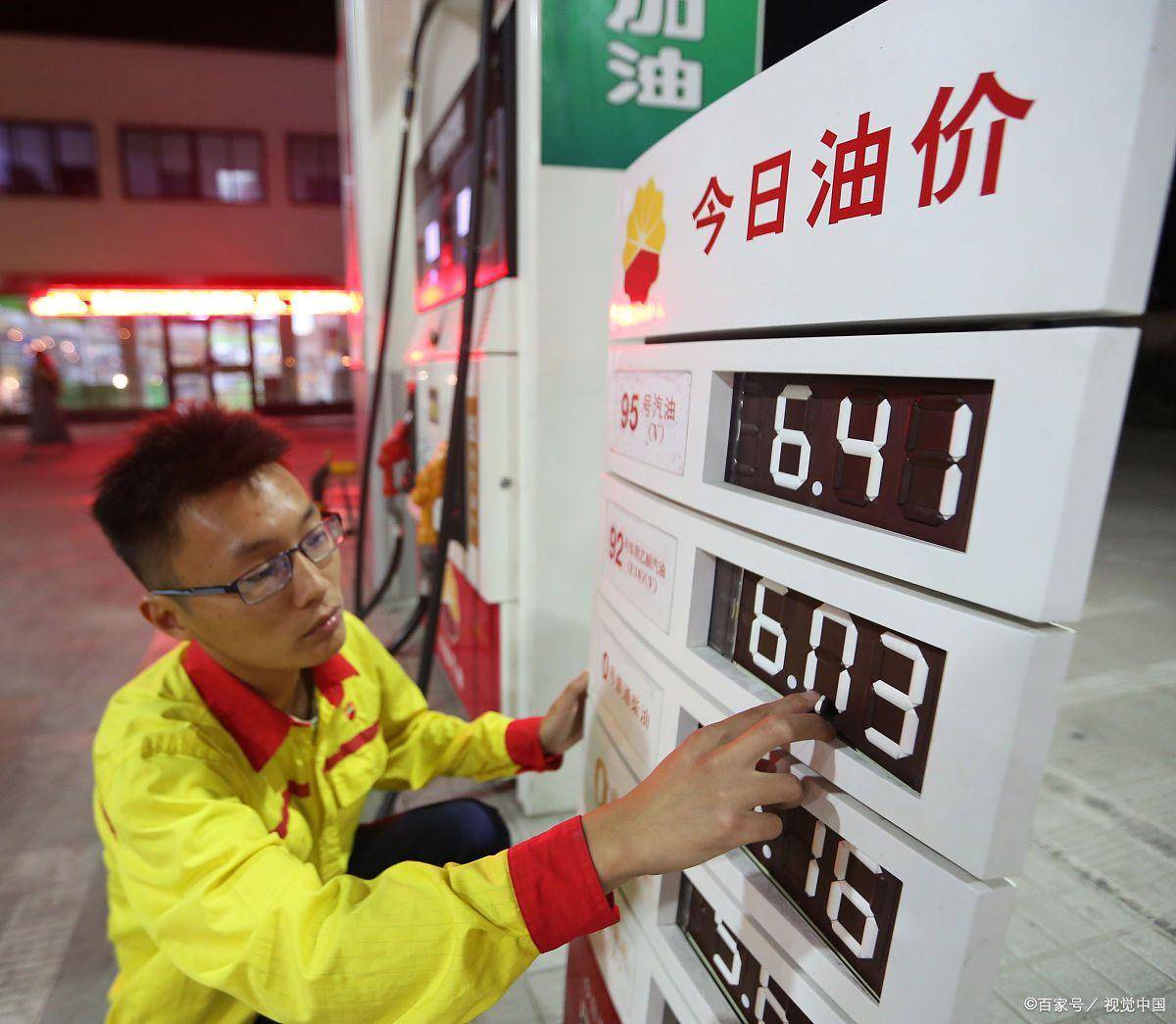
今日油价12月12日更新,92、95零售价会打破啥惯例?
Sou Hu Cai Jing· 2025-12-12 16:38
Core Viewpoint - Oil prices are on the verge of a significant drop due to potential oversupply from geopolitical developments and increased production from Iraq, which could lead to a relief for consumers at the pump [1] Group 1: Market Dynamics - Initial optimism arose from potential peace talks regarding the Russia-Ukraine conflict, but concerns about increased oil supply if sanctions are lifted have dampened this sentiment [1] - Iraq's resumption of production from major oil fields adds to the oversupply concerns in an already volatile market [1] - The market is experiencing extreme fluctuations, reflecting a mix of greed and fear among investors [1] Group 2: Price Adjustments - As of the latest data, WTI crude oil futures fell by 1.83% to $57.39 per barrel, while Brent crude dropped by 2.48% to $61.07 per barrel, indicating a collective panic in the market [5] - Domestic oil price adjustments are expected soon, with a projected decrease of 80 yuan per ton, translating to a potential drop of 0.06 to 0.07 yuan per liter for gasoline and diesel [5] - The downward trend in oil prices may continue, with further reductions anticipated if international prices remain low [5] Group 3: Economic Implications - Expectations of a Federal Reserve interest rate cut, which typically boosts oil demand, are met with skepticism due to the overwhelming supply pressures [3] - Investors are cautious ahead of the decision, as oil prices struggle within a narrow range, reflecting the uncertainty in the market [3] - The balance between supply and demand remains precarious, with geopolitical factors potentially leading to either a sharp decline or an unexpected rebound in oil prices [6]
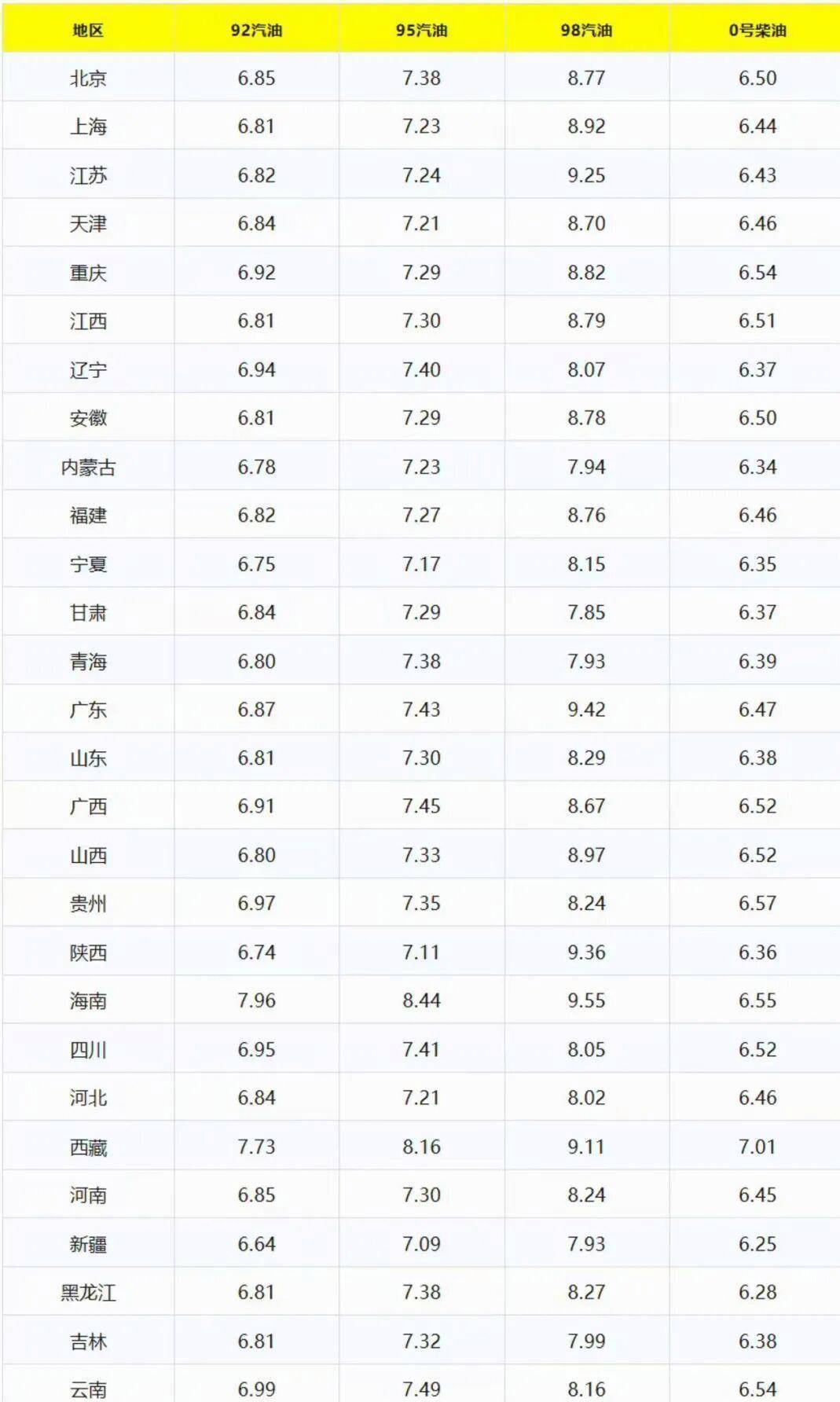
油价冰火两重天!12月10日,92、95汽油新售价,差距大到离谱!
Sou Hu Cai Jing· 2025-12-10 16:58
Core Viewpoint - The oil prices have plummeted to a four-year low, with a significant drop of over 0.6 yuan per liter in just one year, reflecting broader economic implications and consumer sentiment [1] Group 1: Current Oil Prices - As of the latest data, WTI crude oil is priced at $58.23 per barrel, down 1.10%, while Brent crude oil has fallen to $61.91 per barrel [1] - The current price levels indicate a return to the lows seen four years ago, impacting consumer budgets and overall economic sentiment [1] Group 2: Market Dynamics - The oil market is experiencing a complex interplay of supply and demand, characterized by a "supply glut" due to increased production signals from Iraq, which is pressuring prices downward [3] - Geopolitical tensions, particularly the Russia-Ukraine conflict and uncertainties surrounding Venezuela's policies, contribute to market volatility and risk premiums [3] Group 3: Monetary Policy Influence - The Federal Reserve's interest rate decisions significantly affect the strength of the dollar and global economic expectations, which in turn influence oil prices [4] - The next adjustment window for domestic oil prices is on December 22, with a current oil change rate of -0.89%, suggesting a potential price reduction of 40 yuan per ton [4] Group 4: Consumer Sentiment - There is a shift in consumer psychology from passive acceptance of rising prices to a more proactive wait-and-see approach regarding potential further declines in oil prices [4] - The emotional response to falling oil prices is mixed, with consumers feeling both relief and concern about the underlying economic implications of sustained low prices [6][7]
国内油价或现年内第七涨 加满一箱油将多5.5元
Xin Lang Cai Jing· 2025-11-09 23:27
Core Viewpoint - The new round of domestic refined oil price adjustment window will open at 24:00 on November 10, with expectations for the seventh price increase of the year [1] Group 1: Price Adjustment Details - According to data from Zhuochuang Information, as of the close on November 6, the reference crude oil price change rate is 3.12%, indicating a projected increase in gasoline and diesel prices by 135 yuan per ton [1] - The expected price increase translates to an increase of 0.11 yuan for 92 gasoline, 95 gasoline, and 0 diesel [1] - Based on the current increase, filling a 50-liter tank of 92 gasoline will cost an additional 5.5 yuan for private car owners after the price adjustment is confirmed [1]