AION V

Search documents
专访全国人大代表冯兴亚:汽车、低空经济与人形机器人要融合发展
21世纪经济报道· 2026-03-06 06:37
Core Viewpoint - The article emphasizes the importance of accelerating the development of legal regulations and standards for autonomous driving to facilitate the large-scale deployment of autonomous vehicles in China [1]. Group 1: Autonomous Driving and Technology Development - Multiple representatives at the National People's Congress highlighted autonomous driving as a key topic, with suggestions to advance policies from L2 to L4 levels while simplifying L3 [1]. - Morgan Stanley's report indicates that global automotive giants like Tesla will face competition from capable Chinese companies like Xpeng in the autonomous driving technology space [1]. - GAC Group's chairman, Feng Xingya, advocates for the integration of smart vehicles with low-altitude economy and humanoid robots, aiming to leverage the potential of low-altitude economic development [1]. Group 2: GAC's Strategic Initiatives - GAC has a mature supply chain and technology in the automotive sector, with over 70% of its components reusable in flying cars [2]. - The company is undergoing a transformation called "Panyu Action," focusing on self-revolution and integrated operations for its brands [2][12]. - GAC aims to enhance its market responsiveness and customer satisfaction through a customer-centric organizational transformation [14]. Group 3: Global Expansion and Ecosystem Building - GAC plans to expand its global footprint, transitioning from product exports to a comprehensive industry chain export model by 2026 [3]. - The company has seen a 47% year-on-year increase in overseas sales, with significant growth in new markets [18]. - GAC is actively building partnerships with leading companies like Huawei and Alibaba to enhance its technological capabilities and create a robust ecosystem [17]. Group 4: Innovation in Robotics and Low-Altitude Economy - GAC's humanoid robot, GoMate Mini, is set for small-scale production in March 2026, targeting the security sector as its initial application [9][8]. - The company is leveraging its experience in autonomous driving data collection to enhance the development of its humanoid robots [8]. - GAC's flying car, GOVY AirCab, has received nearly 2,000 orders and is expected to begin deliveries in 2026, showcasing the company's rapid production capabilities [10].



昊铂埃安BU:存量竞争下体系破局,以改革势能重塑竞争格局
Di Yi Cai Jing· 2026-02-11 09:05
Core Insights - The core viewpoint of the articles emphasizes the strategic transformation of GAC Group's Aion BU, focusing on user-centric approaches and comprehensive upgrades in product matrix, brand channels, and service experiences as key to overcoming challenges in the automotive market, particularly in the context of increasing penetration of electric vehicles [1][2][3]. Sales Performance - In January 2026, Aion BU reported a total sales volume of 23,591 vehicles, marking a year-on-year increase of 63.9% despite a general market decline, indicating successful penetration during a traditionally slow sales period [1]. - The narrow passenger vehicle retail market was estimated at approximately 1.8 million units, reflecting a month-on-month decrease of 20.4% and a slight year-on-year increase of 0.3% [1]. Product Strategy - Aion BU's "National Good Car" strategy has shown results, with models like AION UT, RT, and V series achieving annual sales of 50,000 units, and the newly launched AION i60 exceeding 10,000 units in its first month [2][10]. - The product lineup will expand with the introduction of at least five new models in 2026, including the A800 flagship sedan and S600 SUV, aiming for a comprehensive product matrix covering mainstream to high-end segments [10][12]. Organizational Reform - Aion BU has undergone significant organizational restructuring, granting the BU president full operational decision-making authority, which enhances resource allocation and responsiveness to market demands [3][6]. - The management team, consisting of Zhang Xiong, Yang Long, and Feng Yu, has established a collaborative framework that integrates research, marketing, and product development [4][7]. Brand Positioning - Aion BU has adopted a dual-brand strategy with Aion targeting the mainstream market (10-20 million yuan) and Haopai focusing on the high-end segment (20-30 million yuan), effectively avoiding internal competition and enhancing market coverage [8][19]. - The initial success of this strategy is evident, with the Aion i60 achieving over 10,000 sales in its first month, contributing to a significant increase in overall sales [8]. Channel Integration - Aion BU has implemented a deep integration strategy for its dual-brand channels, resulting in 254 sales outlets across 147 cities by January 2026, enhancing resource sharing and customer experience [18][19]. - This integration has led to improved dealer performance, with increased customer conversion rates and a healthier inventory turnover of less than 1.5 months [19]. User Experience and Trust - Aion BU has introduced a "three responsibilities" service commitment to address customer concerns regarding electric vehicle reliability, enhancing user trust [21]. - The company has established a robust charging infrastructure with 24,000 self-operated charging stations and achieved high customer satisfaction ratings in after-sales service [22]. Conclusion - Aion BU's reform practices demonstrate a comprehensive approach to building competitive advantages through agile organization, brand collaboration, efficient channels, and user trust, as evidenced by significant sales growth and initial successes in brand synergy [23].
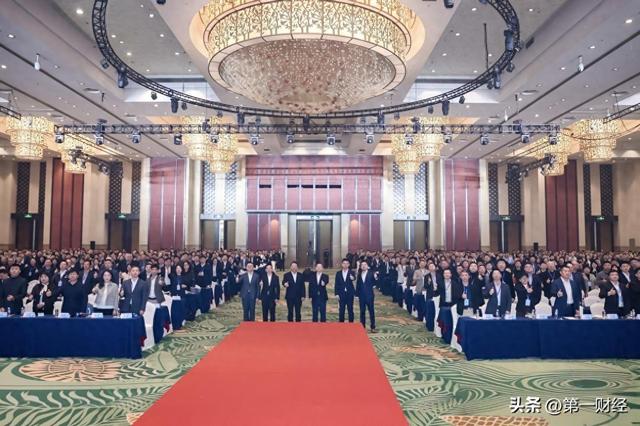
昊铂埃安BU:存量竞争下体系破局,以改革势能重塑竞争格局
第一财经· 2026-02-11 08:46
Core Viewpoint - The article emphasizes the strategic transformation of GAC Group's Aion BU, focusing on user-centric approaches and comprehensive upgrades in product matrix, brand channels, and service experiences, which have led to significant sales growth despite a challenging market environment [1][2][23]. Market Performance - In January 2026, Aion BU achieved a total sales volume of 23,591 vehicles, marking a year-on-year increase of 63.9% [1]. - The narrow passenger car retail market size was estimated at approximately 1.8 million units, reflecting a month-on-month decline of 20.4% but a slight year-on-year increase of 0.3% [1]. Strategic Initiatives - Aion BU is implementing a "National Good Car" strategy, successfully launching models like AION UT, RT, and V series, each achieving annual sales of 50,000 units [2]. - The new model AION i60 became a bestseller with over 10,000 units sold in its first month, showcasing the brand's strong appeal in the personal consumer market [2][10]. Organizational Restructuring - Aion BU has undergone a significant organizational restructuring, granting it full decision-making authority across the value chain, which allows for rapid resource allocation and market responsiveness [4][9]. - The management team, consisting of Zhang Xiong, Yang Long, and Feng Yu, has established a closed-loop system connecting R&D, marketing, and product development [5][7]. Brand Positioning - Aion BU has adopted a dual-brand strategy with Aion targeting the mainstream market (10-20 million yuan) and Haobo focusing on the high-end market (20-30 million yuan), creating a complementary market coverage [9][10]. Product Development - Aion BU plans to launch at least five new models this year, including the A800 flagship sedan and S600 SUV, with over 30 new and updated models expected in the next three years [10][14]. - The A800 will feature Huawei's HarmonyOS and advanced driving systems, targeting tech-savvy elite users, while the N60 will focus on family users with its spacious and energy-efficient design [12][14]. Technological Advancements - Aion BU is pursuing a dual approach of self-research and collaboration, achieving significant advancements in battery technology with energy density reaching 350Wh/kg and drive efficiency exceeding 97% [14]. - Collaborations with Huawei and other tech giants are enhancing Aion BU's capabilities in smart driving and cockpit technology, positioning it for competitive advantages in the intelligent vehicle market [15][14]. Channel Strategy - Aion BU has integrated sales and service channels for both Aion and Haobo brands, covering 147 cities with 254 stores, enhancing resource sharing and reducing internal competition [18][19]. - The new channel strategy has improved dealer performance, with increased customer conversion rates and optimized inventory levels [19]. Customer Trust and Service - Aion BU has introduced a "three responsibilities" service commitment to address customer concerns regarding vehicle quality and safety, enhancing user trust [21][22]. - The company has established a robust charging infrastructure with 24,000 self-operated charging stations and high customer satisfaction ratings in after-sales service [22]. Conclusion - The reforms at Aion BU reflect a shift towards agile organization, brand collaboration, and efficient channels, demonstrating significant sales growth and setting a foundation for future success in the competitive automotive market [23].

销量未达预期:广汽进入转型关键期
Xin Lang Cai Jing· 2026-02-10 09:47
Core Insights - GAC Group reported a total sales volume of 116,600 vehicles in January 2026, representing an 18.47% year-on-year increase, with self-owned brands achieving over 49,000 units sold, a remarkable 87.58% growth [2][3] - The sales performance in January 2026 serves as a positive signal for GAC Group's operational resilience, countering the negative impact of a projected net loss of 8 to 9 billion yuan for 2025 [2][3] Sales Performance - GAC Toyota's January sales exceeded 62,600 units, marking a 9.82% increase year-on-year, with several high-value models experiencing double-digit growth [2][3] - GAC Honda's January sales reached over 27,600 units, reflecting a significant decline compared to GAC Toyota [4] - AION V achieved record overseas sales in January, contributing to the overall growth of GAC Group's self-owned brands [2][3] Brand Performance - GAC Toyota's cumulative sales for 2025 reached 772,668 units, a slight increase of 0.3%, with new energy vehicles accounting for over 9% of total sales [3][4] - GAC Honda's total sales for 2025 were 351,926 units, down 25.22%, indicating a stark contrast to GAC Toyota's performance [4] - GAC Aion has emerged as a leader in the new energy segment, achieving 480,000 deliveries in 2023, significantly outperforming competitors [11][14] Strategic Adjustments - GAC Group initiated a comprehensive reform called "Panyu Action" aimed at increasing self-owned brand sales to 60% of total sales by 2027 [18][20] - The company has streamlined its new vehicle development cycle from 26 months to 18-21 months, reducing R&D costs by over 10% and improving overall business efficiency by approximately 50% [18][20] - GAC Group's collaboration with Huawei on the "Qijing" project is expected to enhance its technological capabilities and brand strength [21][24] Market Challenges and Opportunities - GAC Group faces challenges in enhancing brand recognition and market competitiveness in the personal consumer segment while continuing to optimize product offerings [18][24] - The overseas market is identified as a crucial growth engine, with GAC's self-owned brands achieving a 47% increase in overseas sales in 2025, nearing 130,000 units [24]
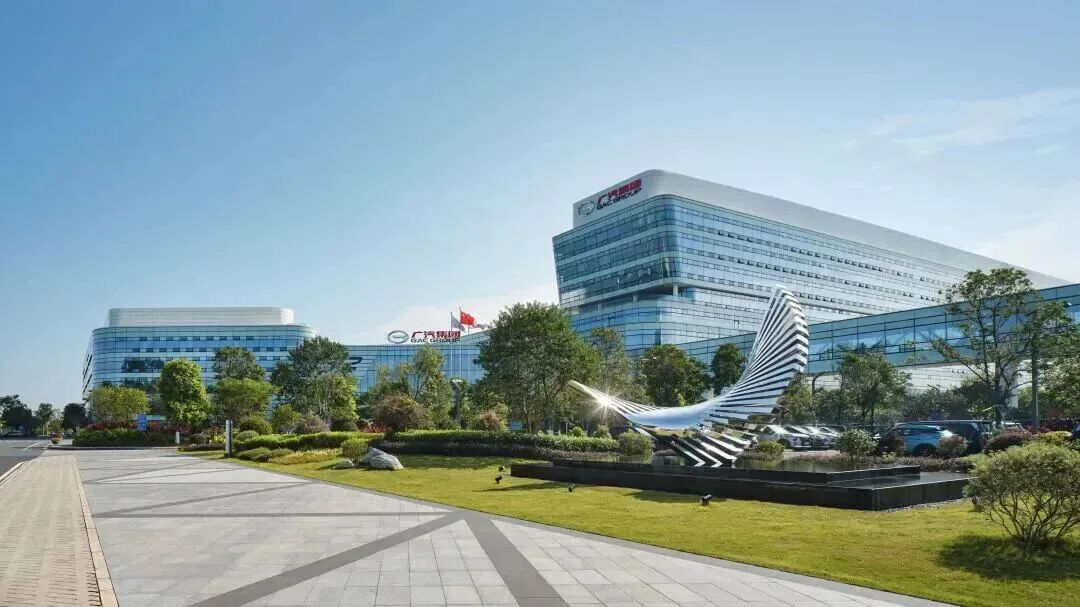
百年难遇!外国汽车扎堆进攻日本市场
汽车商业评论· 2026-02-07 23:07
Core Viewpoint - The Japanese automotive market, historically dominated by local brands, is witnessing a significant shift as foreign electric vehicle (EV) manufacturers are beginning to penetrate this previously closed market, driven by the slow electrification of domestic brands and changing consumer preferences [4][5][6]. Group 1: Market Overview - Japan's automotive market has long been considered one of the most challenging for foreign brands, with local manufacturers holding over 90% market share [4]. - In 2025, Japan's total new car sales are projected to reach 4.5658 million units, with a 3.3% year-on-year increase, while foreign brands are starting to gain traction [5]. - The electric vehicle market in Japan is still in its infancy, with only 60,677 EVs sold in 2025, representing a mere 1.6% of total vehicle sales [5]. Group 2: Foreign Brands' Entry - The Japanese Imported Automobile Association reported a 7% increase in non-local brand vehicle sales in 2025, totaling 243,129 units, with pure electric imports surging by 26% to a record 30,513 units [6]. - Hyundai is making a comeback in Japan, with a 89% increase in sales in 2025, reaching 1,169 units, driven by the introduction of several electric models [8][10]. - Tesla's sales in Japan saw a remarkable 90% increase in 2025, reaching approximately 10,600 units, attributed to a shift in sales strategy towards physical stores [12][14]. Group 3: Chinese Brands' Expansion - BYD entered the Japanese market in 2023 and aims to establish 100 dedicated stores by 2025, achieving a 62% sales increase to 3,870 units in 2025 [15][18]. - Other Chinese brands, such as Zeekr and GAC, are also planning to enter the Japanese market, with unique offerings tailored to local consumer preferences [19][21]. Group 4: Domestic Brands' Response - Japanese automakers are not standing still; Toyota's new EV model bZ4X received over 10,000 orders within three months of its launch in late 2025, becoming the top-selling EV in Japan [24][27]. - Nissan and Honda are also launching new EV models to compete with foreign brands, with Nissan's new LEAF and Honda's N-ONE e: entering the market [27][28].



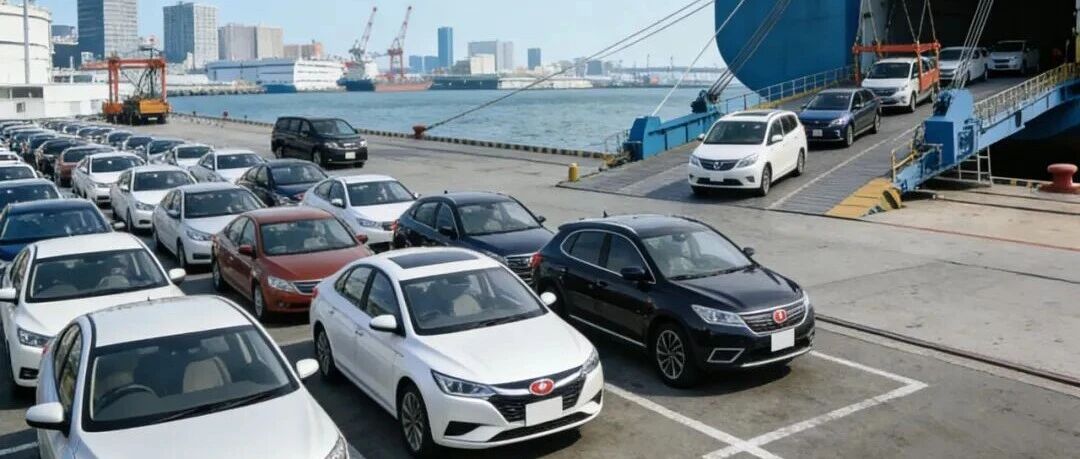
2025中国企业出海年鉴
Sou Hu Cai Jing· 2026-02-06 04:11
Core Insights - In 2025, the globalization journey of Chinese enterprises has not shifted due to any single event, but rather has undergone a paradigm evolution through multiple accelerating and intersecting trajectories [1] - The core logic of going abroad is transitioning from a clear path focused on scale and efficiency to a more complex, decentralized reality that is difficult to replicate [1][10] - Success in overseas operations increasingly depends on deep localization capabilities, forward-looking compliance layouts, and technology and system outputs beyond the products themselves [1][10] Overall Changes in 2025 - The industry coverage of Chinese enterprises going abroad has expanded, with sectors such as AI, new energy vehicles, cross-border e-commerce, and cultural consumption accelerating their globalization efforts [2][15] - Southeast Asia remains a stable testing ground, while regions like the Middle East, Latin America, and Africa are emerging as crucial sources of growth, with the European and American markets evolving into high-value, high-barrier strategic competitions [2][15] - The shift in overseas business models is marked by a transition from light to heavy investments, with companies focusing on foundational infrastructure like cloud computing and AI computing power [2][19] Regional Dynamics - The "Global South" has surpassed its role as a mere market supplement, becoming a core area for Chinese enterprises to build strategic depth, leveraging demographic dividends and digital transformation opportunities [2][14] - The Gulf region is notable for its significant investments in data centers and computing clusters, aiming to create a self-sufficient AI industry ecosystem [3][14] - In contrast, competition in the European and American markets has escalated to regulatory and compliance levels, with a shift towards capital control and safety reviews, creating high-cost institutional barriers [3][14] Industry Restructuring - The path for key industries going abroad is fundamentally being restructured, with the AI sector transitioning from a follower to a leader, achieving breakthroughs in open-source model capabilities [4][15] - The automotive industry's focus has shifted from mere export expansion to deep localization, with many companies establishing complete vehicle factories or CKD assembly plants overseas [4][15] - Cross-border e-commerce is experiencing a revolution in fulfillment models, with "overseas warehouses + local fulfillment" becoming mainstream, marking a shift in competition towards backend fulfillment and infrastructure capabilities [4][15] Strategic Evolution - Chinese brands are improving their global reputation, entering a critical window for transitioning from a focus on sales volume to brand premium [5][15] - The first generation of overseas expansion experiences, reliant on platform dividends and low-cost traffic, is systematically failing under increasing competition and high traffic costs [5][15] - The overseas service system is evolving from passive responses to proactive layouts in key regions, expanding service offerings to local and global clients, marking a new phase of "serving globally" [5][15] Conclusion - The landscape of Chinese enterprises going abroad in 2025 indicates that globalization has entered an era requiring greater resilience, where success depends not only on the courage and speed of going out but also on the determination to integrate deeply and build sustainable competitive advantages in complex environments [6][10]
自主爆发、海外提速:广汽打出2026年“开门红”
Zhong Guo Jing Ying Bao· 2026-02-04 13:49
Core Viewpoint - GAC Group achieved significant sales growth in January 2026, outperforming the overall market despite challenging conditions, with total vehicle sales reaching 116,600 units, a year-on-year increase of 18.47% [2] Group Performance - GAC Group's January sales included over 49,000 units from its self-owned brands, marking a substantial year-on-year growth of 87.58% [2] - Overseas sales also saw a remarkable increase of 68.59% year-on-year, indicating strong international demand [2] - The overall passenger car retail market in China was approximately 1.8 million units in January, reflecting a month-on-month decline of 20.4% and a slight year-on-year increase of 0.3% [2] Business Unit Highlights - The newly formed Aion BU and Trumpchi BU contributed significantly to GAC's growth, with Aion BU's sales exceeding 21,600 units, a year-on-year increase of 171.63%, and Trumpchi BU's sales surpassing 27,600 units, up 51.06% [2][3] - Aion BU plans to launch at least five new models in 2026, including high-end vehicles co-created with Huawei [3] - Trumpchi BU achieved the highest three-year resale value among domestic brands, with models like GS8, M8, and E8 leading their respective segments [3] Joint Venture Performance - GAC Toyota's January sales exceeded 62,600 units, a year-on-year increase of 9.82%, with notable performances from models like Camry and Sienna [4] - GAC Honda's sales reached over 27,600 units, with the new 2026 Fit model seeing strong pre-orders [4] Overseas Expansion Strategy - GAC Group aims to achieve overseas sales of 250,000 units in 2026, with a target of 300,000 units, and plans to establish over 1,000 dealerships globally [5] - The company is transitioning from "product export" to "system export," enhancing global R&D efficiency and market responsiveness [5] - GAC plans to establish 10-15 KD factories worldwide and develop a comprehensive service system for green intelligent mobility [5] New Business Developments - GAC's new venture, Qijing Automotive, is preparing for the launch of its first model in June, focusing on performance and intelligent driving capabilities [6] - GAC Aion is also advancing in the Robotaxi sector, with the R2 model beginning mass delivery and obtaining road testing licenses [6] - The company is building a resilient growth structure through organizational adjustments, strengthening its own brands, stabilizing joint ventures, and accelerating overseas expansion [6]
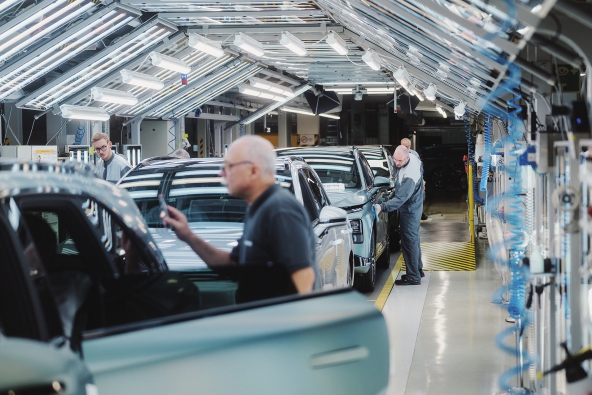
2026中国车企欧洲本土化动真格
Zhong Guo Qi Che Bao Wang· 2026-02-04 08:04
Group 1 - The EU is considering extending anti-subsidy tariffs on Chinese electric vehicles to include hybrid vehicles due to the rapid increase in sales of Chinese plug-in hybrids in Europe [3][4] - In October 2023, the EU initiated an anti-subsidy investigation into Chinese electric vehicles, claiming they distort the European market due to unreasonable subsidies [3][4] - The EU's investigation could lead to additional tariffs on Chinese electric vehicles, with rates potentially reaching up to 35.3% for certain manufacturers [3][4] Group 2 - Chinese car manufacturers are accelerating local production in Europe, with companies like Chery, Xpeng, and GAC already establishing assembly operations [2][6] - BYD plans to start trial production at its Hungarian passenger car factory in Q1 2026, with full production expected in Q2 2026 [2][8] - The overall sales of Chinese plug-in hybrids in Europe are projected to grow significantly, with a 645% increase expected in 2025, capturing a market share of 14% [4][5] Group 3 - The local production strategy of Chinese car manufacturers is characterized by a comprehensive approach, including supply chain, R&D, and service localization [6][9] - Xpeng is establishing a localized supply chain team in Europe and has opened a R&D center in Munich to better align with local market demands [9][10] - BYD has set up its European headquarters in Budapest, focusing on sales, after-sales, and local vehicle design, indicating a commitment to the European market [9][10] Group 4 - GAC aims to achieve an overseas sales target of 250,000 units by 2026, with Europe being a key market for its expansion [10][11] - NIO is establishing user experience centers in Norway and Germany to enhance brand perception and service offerings in Europe [11] - Xpeng leads the European market in customer satisfaction with an 81% rating, surpassing Tesla, while NIO ranks seventh among traditional luxury brands [11]

以生态出海筑全球化根基 广汽2026冲刺30万销量新目标
Xin Hua Wang· 2026-02-03 02:26
Core Viewpoint - In 2025, GAC Group's international business experienced significant growth, with a focus on expanding its global presence and establishing itself as a key player in the automotive industry's transformation, particularly in the electric vehicle sector [1][3]. Group 1: Overseas Performance - GAC Group's overseas sales reached over 130,000 units in 2025, marking a 47% year-on-year increase, positioning the company among the industry's leaders in growth [3]. - The company successfully introduced five new vehicle models in overseas markets, enhancing its product matrix and providing diverse options for global consumers [3]. - GAC expanded its market presence by entering 16 new markets, including Brazil and Australia, bringing its total coverage to 86 countries and regions [3]. Group 2: Localization and Production - GAC's localization efforts in Indonesia and Malaysia saw successful production launches in 2025, with ongoing projects in Europe, strengthening its global production and sales system [7]. - The company emphasizes a long-term strategy focused on building a globally trusted automotive brand rather than pursuing short-term scale expansion [7]. Group 3: Strategic Insights - GAC Group identified three key trends in the international expansion of Chinese electric vehicles: a shift from simple vehicle exports to a more systematic and localized approach, a transition from product competition to ecosystem competition, and a focus on quality over mere scale [8][9]. - The company aims to achieve sales targets of 250,000 to 300,000 units in 2026, with a strategic focus on new products, markets, networks, models, and marketing [10][12]. Group 4: Global Strategy and Ecosystem - GAC has developed a comprehensive global market layout and diverse localized production models, guided by its "1551" overseas strategy and "Panyu Action" plan [13]. - The company is committed to "ecological export," providing not just vehicles but a complete suite of low-carbon, green, and intelligent mobility solutions, establishing a strong competitive edge [15]. - GAC collaborates with local institutions to enhance industry standards and develop talent, while also building energy supply networks in various markets [15][16].

广汽埃安失速:B端红利消退 C端攻坚失利 昔日“黑马”陷连续下滑困局
Xi Niu Cai Jing· 2026-01-30 08:28
Core Insights - The Chinese electric vehicle market is experiencing a significant shift, with GAC Aion facing a severe decline in sales, marking a second consecutive year of over 20% year-on-year drop in 2025 [2][3] - GAC Aion's sales in December 2025 were reported at 42,140 units, a substantial decrease of 37.74% compared to December 2024, and the total sales for 2025 reached 290,081 units, down 22.62% from 2024 [2] - The company's reliance on the B-end market, particularly in ride-hailing and taxi services, has led to its current predicament as the market becomes saturated, and the transition to the C-end consumer market has proven challenging [2][3] Sales Performance - GAC Aion's flagship models, AION S and AION Y, which previously had stable monthly sales exceeding 10,000 units, fell below this threshold in 2025 [3] - New models aimed at the C-end market, such as AION V, have underperformed, averaging monthly sales of only 3,000 to 4,000 units, failing to break into the top ten in their segment [3] Strategic Challenges - The company attempted to implement promotional strategies, such as "one-price" offers in collaboration with dealers, to attract consumers, but these efforts did not reverse the declining sales trend [3] - GAC Aion's two-year sales decline signals a critical need for strategic transformation, as its brand image, shaped by a focus on B-end markets, poses challenges in appealing to C-end consumers [3][4] Market Dynamics - The current competitive landscape in the electric vehicle sector involves a comprehensive battle across technology, products, brands, and distribution channels [4] - For GAC Aion, the key to stabilizing its position in the next competitive phase lies in breaking free from its dependency on the B-end market and redefining its products and brand around C-end consumer needs [4]