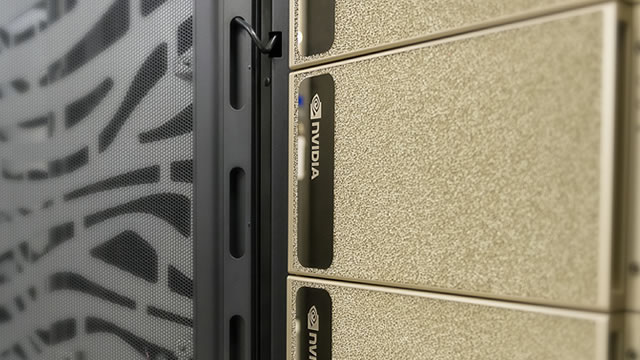
AMD MI325X

Search documents
美国再加25%关税,特朗普提前开香槟庆贺,中国:抛售5000亿美债
Sou Hu Cai Jing· 2026-02-11 17:50
Group 1 - The Trump administration has implemented a 25% import tariff on specific high-performance AI chips, including Nvidia's H200 and AMD's MI325X, requiring all related products to clear customs in the U.S. before being sold to the Chinese market [1][3] - The policy is expected to generate significant revenue for the U.S. government, with an estimated annual increase of $264 billion in fiscal income, although market reactions indicate a decrease in orders from Chinese companies, putting pressure on Nvidia's revenue expectations [3][4] - The tariff is seen as a tool to reshape the manufacturing landscape, encouraging companies to bring testing and certification processes back to the U.S., but it has led to increased costs for U.S. importers and extended logistics cycles for Silicon Valley AI startups [3][6] Group 2 - China has strategically reduced its holdings of U.S. Treasury bonds, with a decrease of approximately $70 billion in 2025, reflecting a systematic operation to diversify foreign exchange reserves and reduce risk concentration in dollar assets [4][6] - The reduction in U.S. debt holdings has been partially redirected into increasing gold reserves, with China's gold holdings reaching 7.415 million ounces by the end of 2025, indicating concerns over the long-term safety of dollar assets [6] - The tariff policy has unexpectedly spurred rapid growth in China's domestic AI chip industry, with significant revenue increases for companies like Huawei and Baidu, as well as a shift in procurement strategies by firms like ByteDance towards domestic suppliers [6][13] Group 3 - China has decided to continue imposing anti-dumping duties of 53.3% to 57% on U.S. solar-grade polysilicon, blocking U.S. manufacturers from accessing the largest photovoltaic application market [7] - The U.S. semiconductor industry faces increased uncertainty due to internal conflicts and policy changes, with significant losses reported by companies reliant on imports, while the fiscal revenue from tariffs has not offset the broader economic impacts [9][11] - The Chinese semiconductor industry is experiencing a technological breakthrough, with companies like Ruisi Chip and Zhuhai Silicon Chip making significant advancements in chip design and manufacturing, driven by the need to adapt to changing market conditions [13][15] Group 4 - The U.S. has adjusted its export licensing model for AI chips, moving from presumed denial to case-by-case reviews, which complicates the export process despite appearing to relax restrictions [9][15] - China's semiconductor equipment imports have increased significantly, with a 40% year-on-year growth in Q3 2025, highlighting the efficiency of its customs system compared to the U.S. [15] - The ongoing geopolitical tensions and tariff policies are leading multinational tech companies to reassess their investment priorities, with some shifting planned production lines from the U.S. to regions like ASEAN or the EU [13][15]

美国再加25%关税,特朗普半路开香槟庆祝,中国:抛售5000亿美债
Sou Hu Cai Jing· 2026-02-11 14:51
Core Viewpoint - The implementation of tariffs on high-end AI chips by the Trump administration is expected to generate additional revenue for the U.S. while limiting technology transfer to China, but it has led to increased costs and logistical challenges for companies in the semiconductor industry [2][4][7]. Group 1: Tariff Policy Impact - The tariffs specifically target high-performance AI chips produced in Taiwan, such as NVIDIA's H200 and AMD's MI325X, requiring them to clear U.S. customs before being exported to China [2][7]. - The U.S. Customs expects an additional revenue of $264 billion from these tariffs, although 92% of the costs will be borne by domestic importers [2][5]. - Companies like NVIDIA and AMD have reported supply chain disruptions and delivery delays due to the new logistics requirements, which may affect their overall competitiveness [2][7]. Group 2: Market Reactions - The semiconductor industry is experiencing volatility, with a 28% decline in new investments in the U.S. and a significant increase in investments in ASEAN (42%) and Europe (31%) as companies seek to diversify their operations [5][9]. - Chinese companies are reducing their purchases from NVIDIA and shifting towards domestic alternatives, leading to a decline in NVIDIA's market share [5][9]. - The policy has prompted a shift in global capital flows, with U.S. businesses facing increased uncertainty and startups in Silicon Valley experiencing budget pressures due to rising chip prices [4][11]. Group 3: Strategic Adjustments - Chinese domestic industries are accelerating their development, with the market share of domestic AI chips projected to rise from 12% to 27% by 2025, driven by local demand [9]. - Companies like BYD and XPeng are making strategic acquisitions to strengthen their supply chains and enhance their technological capabilities [9]. - The U.S. policy is seen as a short-term solution to fill budget gaps, but it may lead to long-term inefficiencies and a decline in the U.S. manufacturing sector's competitiveness [9][11].
美国再加25%关税,特朗普提前庆祝,中国抛售5000亿美债
Sou Hu Cai Jing· 2026-02-09 09:25
Group 1 - The core argument of the article highlights the unintended consequences of Trump's tariffs on Chinese chips, which primarily burden American importers rather than China [1][8][10] - The new tariff policy requires high-end chips, originally produced in Taiwan for China, to first pass through the U.S. for taxation, significantly increasing logistics costs and supply chain delays [3][5] - The tariffs are projected to generate $264 billion annually for the U.S. government, but 92% of the costs are ultimately borne by American companies [5][8] Group 2 - The tariffs have led to a significant increase in costs for U.S. AI startups, forcing them to divert funds from core operations to cover these unexpected expenses [10][12] - In response to the tariffs, many semiconductor companies are relocating production to countries like Vietnam and Malaysia to avoid the tax burden [12][14] - The market share of Chinese AI chips has risen from 12% to 27% by 2025, indicating a shift in industry power dynamics as U.S. companies struggle with increased costs [16][18] Group 3 - U.S. military contractors are facing budget overruns due to rising costs of AI chips, impacting projects like automated vehicles and drones [20] - The article notes significant corporate mergers and acquisitions in China, such as BYD's acquisition of Jabil's operations, aimed at enhancing local data-driven algorithm development [22] - China's strategy includes a calculated reduction of U.S. Treasury holdings by approximately $70 billion, reflecting a shift towards gold reserves as a safer asset [28][30] Group 4 - The semiconductor industry in the U.S. has seen a 28% drop in new investments, while Southeast Asia and Europe have experienced growth of 42% and 31% respectively [34][36] - The article emphasizes that the ongoing trade tensions are reshaping global supply chains, with companies seeking alternative solutions and diversifying their supply sources [40][42] - China's continued high tariffs on U.S. polysilicon are part of a broader strategy to maintain control over upstream resources, contrasting with U.S. attempts to disrupt markets through tariffs [42][44] Group 5 - The article concludes that true economic security comes from a robust domestic industry rather than trade barriers, as global supply chains are rapidly reorganizing [44][48] - The narrative suggests that markets reward value creation and penalize those focused solely on imposing tariffs, indicating a need for the U.S. to address its internal economic vulnerabilities [46][48]
美国再加25%关税,特朗普提前庆祝,中国:抛售5000亿美债
Sou Hu Cai Jing· 2026-02-07 17:25
Group 1 - The article discusses a new policy signed by Trump imposing a 25% "toll" on AI chips, which is expected to generate $264 billion annually for the U.S. government [1] - The policy distorts international trade, forcing companies like TSMC to reroute shipments of high-end chips, such as Nvidia's H200 and AMD's MI325X, through the U.S. to pay the toll [5] - The burden of the tariff primarily falls on U.S. importers, with 92% of the costs ultimately borne by them, leading to increased prices for AI startups [7] Group 2 - China's response to the U.S. policy has been strategic and measured, resulting in a significant reduction of approximately $70 billion in U.S. Treasury holdings by the end of November 2025 [11][13] - In November 2025 alone, China sold $6.1 billion in U.S. debt, marking the largest sell-off since the 2008 financial crisis, indicating a shift towards risk isolation [13] - China's gold reserves have increased to 74.12 million ounces, as the country shifts from dollar assets to gold, which is seen as a more stable store of value [15] Group 3 - The article highlights a significant increase in China's domestic AI chip market share from 12% to 27% by 2025, indicating a fundamental shift in the industry [20] - Companies like BYD and Xpeng are actively consolidating their positions in the market, with BYD acquiring Jabil's operations in Chengdu and Wuxi for $15.8 billion [20][22] - The U.S. semiconductor industry has seen a 28% decline in new investments, while Southeast Asia and Europe have experienced growth of 42% and 31%, respectively, indicating a shift in capital flows [22][24] Group 4 - The article argues that the U.S. attempts to manipulate the market through tariffs are pushing allies towards competitors and driving capital out of the country [24] - China's strategy in the photovoltaic sector includes maintaining high anti-dumping tariffs on U.S. polysilicon, aimed at securing control over upstream resources [24] - The narrative concludes that attempts to artificially segment the global market will ultimately backfire, emphasizing the importance of internal strength and open cooperation over trade barriers [26]
宏观周报:高频数据显示经济呈现开门红-20260118
Yin He Zheng Quan· 2026-01-18 07:44
Economic Overview - The economic outlook for Q1 2026 is optimistic, with high-frequency data indicating a strong start to the year[1] - Moderate re-inflation is expected to be a key macro theme influencing asset allocation in the first quarter[1] Policy Measures - Domestic macro policies are showing a clear trend of proactive measures, with a focus on the coordination of monetary and fiscal policies[1] - Fiscal policy is set to issue 8,000 billion yuan, while monetary policy is expected to adjust interest rates by 50 basis points[1] Demand Side Analysis - Consumer activity remains stable, with a 4.9% increase in travel, although movie box office revenues have seen a decline of 13.4%[2] - External demand shows resilience, with port cargo and container throughput exceeding last year's levels, despite a 26.6% drop in the Baltic Dry Index (BDI)[2] Production Insights - Production remains robust during the off-peak season, with a 1.44 percentage point increase in operational rates across various sectors[2] - The production index for PTA has increased by 1.12%, indicating a healthy production environment[2] Price Trends - Consumer Price Index (CPI) shows a marginal recovery in pork prices, while vegetable prices continue to decline, with a CPI increase of 0.27%[3] - Producer Price Index (PPI) reflects fluctuations in crude oil prices, with a 4.50% increase noted[3] Fiscal and Monetary Dynamics - Fiscal issuance is strategically positioned, with multiple measures being implemented to support economic growth[3] - The yield curve for government bonds has shifted downward, indicating a potential easing of monetary conditions[3] Global Economic Context - Global growth expectations have been slightly revised upward, with a projected GDP growth of 2.6% for 2026, reflecting a 0.2% increase[4] - The U.S. inflation rate remains stable at 2.7%, with strong employment data supporting consumer spending[4]
AI周报|ChatGPT广告来了;台积电最新季度净利润创新高
Di Yi Cai Jing Zi Xun· 2026-01-18 00:59
Group 1: TSMC Financial Performance - TSMC reported record net profit of NT$505.7 billion (approximately US$16 billion) for Q4 2025, a year-on-year increase of 35%, marking the seventh consecutive quarter of double-digit growth [1] - The company's revenue for the quarter reached NT$1.046 trillion (approximately US$33.73 billion), reflecting a 20.5% year-on-year growth, with 77% of total revenue coming from advanced processes of 7nm and below [1] - TSMC's growth is significantly driven by strong AI demand, with expectations for Q1 2026 revenue projected between US$34.6 billion and US$35.8 billion [1] Group 2: OpenAI Advertising Initiative - OpenAI announced plans to test advertisements in ChatGPT for free and entry-level subscription users, while Plus, Pro, Business, and Enterprise subscribers will remain ad-free [2] - The initiative aims to diversify revenue streams amid pressures for sustainable growth, as previous monetization attempts have not yielded significant results [2] - User reactions to the ad integration have been mixed, with some expressing discomfort at the idea of advertisements in a conversational AI context [2] Group 3: Nvidia Copper Usage Controversy - Nvidia's blog initially claimed that a 1GW data center using traditional 54V DC power systems could require up to 500,000 tons of copper, a statement later corrected to 200 tons following scrutiny [3] - The initial claim had been leveraged to suggest that AI data centers would significantly increase global copper demand, but analysts believe this narrative may be overstated [3] - Goldman Sachs noted that the current copper market does not show signs of significant supply tightness, predicting a slight surplus by 2026 [3] Group 4: Apple and Google Collaboration - Apple announced a partnership with Google to utilize Google's Gemini model architecture for the next generation of Apple Foundation Models, which will support an upgrade to Siri [4] - Reports suggest Apple will pay Google approximately US$1 billion annually for technology licensing, indicating a strategic shift from potential collaboration with OpenAI [4] - This partnership raises concerns about the concentration of power among a few tech giants in the AI space, as highlighted by industry figures [4] Group 5: DeepSeek's New Research - DeepSeek published a new paper focusing on conditional memory modules for large models, proposing that this will be a core component of the next generation of sparse large models [5][6] - The research aims to optimize resource allocation by separating tasks between specialized modules, enhancing efficiency and performance [6] - DeepSeek is expected to release its flagship model, DeepSeek V4, in February, which reportedly surpasses competitors in programming capabilities [6] Group 6: Alibaba's Qianwen App Upgrade - Alibaba's Qianwen app has integrated various services from its ecosystem, including Taobao and Alipay, enhancing its functionality significantly [7] - The app has seen rapid user growth, surpassing 1 million monthly active users within two months of launch, indicating strong market reception [7] - The upgrade positions Qianwen as a competitive AI assistant, differentiating it from other AI tools in the market [7] Group 7: UBS on AI Bubble in China - UBS analysts believe the probability of an AI bubble forming in China is low compared to the US, citing the lack of excessive financing among leading model firms [8] - Chinese AI companies are reportedly more prudent in capital expenditure, with a total of approximately 400 billion yuan spent last year, significantly less than their US counterparts [8] - The report suggests that by 2026, the development paths of AI in China and the US will diverge, impacting foreign investment strategies [8] Group 8: US Tariffs on Semiconductor Imports - The US government announced a 25% tariff on certain imported semiconductors and related products, including Nvidia's AI chips [9] - This move aligns with the US's push for domestic semiconductor manufacturing, although companies like Nvidia still rely on overseas supply chains [9] - The tariffs apply to a limited range of products, with some essential for US technology supply chains exempted [9] Group 9: OpenAI's Power Purchase Agreement - OpenAI plans to purchase up to 750 megawatts of computing power from Cerebras over three years, integrating their chips into OpenAI's solutions [10] - The contract is valued at over US$10 billion, indicating a significant investment in enhancing AI response capabilities [10] - Cerebras, a competitor to Nvidia, aims to diversify its revenue sources through this partnership, which could help it compete more effectively in the market [10] Group 10: ChatGPT's Entry into Translation Market - OpenAI has launched a standalone translation tool, ChatGPT Translate, which is currently free for all users [12] - The tool aims to compete directly with established services like Google Translate, although it currently supports fewer languages and lacks advanced features [12] - The launch appears rushed, with some functionalities still under development, indicating that ChatGPT's translation capabilities are in the early stages [12]


Trump’s Market Mayhem: A Daily Dose of Volatility, Served Fresh
Stock Market News· 2026-01-16 06:00
Financial Sector - The financial sector experienced a significant downturn following President Trump's announcement of a one-year cap of 10% on credit card interest rates, effective January 20, 2026, aimed at protecting consumers from high rates averaging around 20% [2][3] - Major financial institutions like JPMorgan Chase, Bank of America, Citigroup, and Wells Fargo saw their stock prices drop significantly, with JPMorgan's shares falling 4.2% to $310.90 despite better-than-expected earnings [3][4] - Consumer finance firms specializing in credit cards faced even steeper declines, with drops between 8% and 11% for companies like Synchrony Financial and Capital One, while Visa and Mastercard also saw declines of over 2% [4] Semiconductor Industry - A trade deal between the U.S. and Taiwan resulted in a reduction of tariffs on Taiwanese goods from 20% to 15%, in exchange for Taiwan's commitment to invest $250 billion in U.S. semiconductor and AI sectors [6][7] - Taiwan Semiconductor Manufacturing Co. reported a 35% year-over-year increase in fourth-quarter profit, leading to a 4.5% surge in its U.S.-listed shares, with trading volume increasing by 159% [7] - Despite a new 25% tariff on specific high-end AI chips, Nvidia's stock rebounded by around 3% due to positive earnings from TSMC and exemptions for companies investing in America [8][9] Healthcare Sector - President Trump introduced "The Great Healthcare Plan" aimed at lowering prescription drug prices and insurance premiums, but the lack of details and the need for Congressional approval left the market skeptical [10] - Some healthcare stocks like UnitedHealth Group and Cigna saw modest gains, but the overall market impact was minimal due to concerns over rising premium costs for millions of Americans [10] Geopolitical Developments - President Trump's announcement of a "Board of Peace" in Gaza and withdrawal from 66 global organizations had little immediate market impact, overshadowed by economic news [11] - Oil prices dropped approximately 5% following Trump's de-escalation of military threats against Iran, indicating a positive market reaction to reduced geopolitical tensions [11] Market Volatility - The week illustrated the unpredictable nature of the market under Trump's administration, characterized by sudden policy announcements and immediate market reactions, creating a challenging environment for investors [12]



Nvidia H200 and AMD MI325X Got Hit With New Tariffs
The Motley Fool· 2026-01-16 02:47
Core Viewpoint - The recent updates regarding semiconductor tariffs may indicate a potential reopening of the Chinese market for companies like Nvidia and AMD [1] Group 1: Company Impact - Nvidia's stock price increased by 2.06% following the news [1] - Advanced Micro Devices (AMD) saw a stock price rise of 1.87% in response to the developments [1] Group 2: Industry Context - The discussion centers around the implications of new semiconductor tariffs on the AI sector and related stocks [1]


1月16日收盘:美股周四收高 芯片与银行股领涨
Xin Lang Cai Jing· 2026-01-15 21:08
Market Overview - US stock market rebounded with major indices rising after two days of decline, led by the chip and banking sectors [1][11] - Dow Jones increased by 292.81 points (0.60%) to 49,442.44; Nasdaq rose by 58.27 points (0.25%) to 23,530.02; S&P 500 gained 17.87 points (0.26%) to 6,944.47 [3][13] Semiconductor Sector - TSMC shares rose by 4.5% after reporting record quarterly earnings with a profit increase of 35%, boosting investor confidence in AI demand resilience [3][10] - Following TSMC's earnings report, other chip stocks like Micron Technology, NVIDIA, and AMD saw widespread gains [3][10] - US President Trump announced a 25% tariff on certain chip products, including NVIDIA H200 and AMD MI325X, but exempted chips imported to support the US technology supply chain [3][10] Economic Data - Initial jobless claims decreased to 198,000 for the week ending January 10, down by 9,000 from the previous week and below the Dow Jones estimate of 215,000 [5][15] - The four-week moving average of jobless claims fell to 205,000, the lowest level since January 20, 2024 [5][15] - The Empire State Manufacturing Index for January rose to 7.7, up 11 points from December and exceeding expectations of 1.0 [16] - The Philadelphia Fed Manufacturing Index increased to 12.6, significantly higher than the previous month's -8.8 and the expected -4.5 [17] Focus Stocks - Lumentum, Coherent, and Astera Labs saw gains in the optical communications sector [18] - SanDisk's stock rose after Bernstein raised its target price from $300 to $580 [18] - Boston Scientific announced plans to acquire Penumbra for $14.5 billion [18] - Morgan Stanley reported fourth-quarter net revenue exceeding expectations [19] - Spotify announced a price increase for subscriptions in the US and other regions [20] - Bank of America expects GE Vernova's fourth-quarter orders to grow strongly, with adjusted EBITDA surpassing expectations [21] - The FDA is set to make a decision on Eli Lilly's weight loss drug on April 10 [22]

The US imposes 25% tariff on Nvidia's H200 AI chips headed to China
TechCrunch· 2026-01-15 16:56
Group 1 - The Trump administration has announced a 25% tariff on certain advanced AI semiconductors, including Nvidia's H200 chips, which are set to ship to China [1] - The U.S. Department of Commerce has approved Nvidia to start shipping H200 chips to vetted customers in China, despite the tariffs [2] - Nvidia expressed support for the decision, highlighting the balance it strikes for the American chip industry and the demand for H200 semiconductors from Chinese companies [3] Group 2 - The Chinese government is drafting regulations on semiconductor imports, which may allow for the purchase of Nvidia's chips, indicating a potential shift in its stance on chip imports [7] - China aims to enhance its domestic semiconductor industry while not falling behind in the global AI race [6] - The U.S. currently manufactures only about 10% of the chips it requires, indicating a heavy reliance on foreign supply chains, which poses economic and national security risks [8][9]