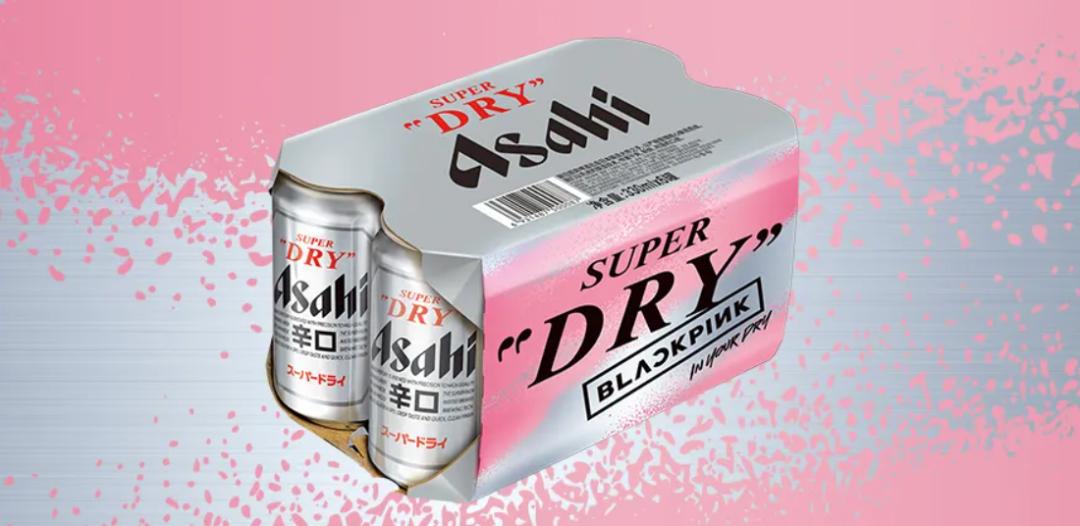
Super Dry

Search documents
Asahi nine-month profits down by quarter
Yahoo Finance· 2026-03-10 13:57
Core Insights - Asahi Group Holdings reported a 26% decline in net profit for the first nine months of 2025, amounting to Y103.96 billion ($658.6 million) due to a cyberattack that affected operations [1] - Operating profit decreased by 18% to Y158.71 billion, with a 5.5% drop in "core" operating profit, or 4.6% on a constant-currency basis [1] Revenue Performance - Revenue fell 0.6% to Y2.15 trillion during the first nine months of 2025, with a similar decline when adjusted for exchange rates [2] - In Japan & East Asia, revenue grew by 1.3% to Y1.03 trillion on a constant-currency basis, attributed to "price revisions" [5] - Revenue in Europe declined by 3% to Y582.6 billion, impacted by "unseasonal weather" [5] - Asia Pacific revenue increased by 3.1% to Y531.3 million, driven by sales of non-alcoholic products [5] Operational Impact - The cyberattack in September caused a "systems failure" that affected production and distribution in Japan, but operations resumed a week later [4] - The European operations were not impacted by the cyberattack, and cost efficiencies led to a 1% increase in core operating profit for the European arm [6] - The Asia Pacific unit's core operating profit decreased by 0.9% [6] Market Conditions - Revenue in Europe shrank by 2.5% compared to 2024, which was below expectations, although core operating profit remained "in line with plan" with low single-digit growth [7] - Asia-Pacific recorded a revenue growth of 3.7% versus 2024, but this was below plan due to slower-than-expected recovery in demand, particularly in Oceania markets [7][8]
Asahi domestic beer sales remain under pressure
Yahoo Finance· 2026-02-12 13:14
Group 1 - Asahi Group Holdings' beer sales in Japan declined again in January due to the ongoing impact of a cyberattack that occurred in September [1][4] - Sales of "beer-type beverages" from the domestic Asahi Breweries unit fell 11% year-on-year in January, with Super Dry volumes down 9% compared to January 2025 [2] - Ready-to-drink (RTD) sales dropped 14% and wine sales decreased by 13%, while sales of whiskey and spirits grew by 16% [2] Group 2 - The Asahi Soft Drinks division reported a 16% decrease in sales, although the food business experienced a mid-single-digit sales increase [3][2] - Domestic logistics operations have normalized, allowing for the resumption of shipments for all products except certain discontinued items and new product launches [3] - The cyberattack led to a systems failure that affected production and distribution, but Asahi's factories resumed operations a week later [4]
董广阳最新发声:传统消费一定能走出来不用太过悲观…
YOUNG财经 漾财经· 2025-12-23 07:31
Core Viewpoint - The traditional consumption sector in China is expected to recover, and there is no need for excessive pessimism. The consumption market is showing significant differentiation, moving away from homogenization towards personalized choices driven by consumer characteristics [2][3]. Group 1: Industry Trends - The consumption industry is entering a new adjustment period post-2022, influenced by the AI wave, leading to the emergence of a "super consumer" and "super entrepreneur" era [3][31]. - The overall valuation of the food and beverage industry is currently at a reasonable low level, with historical and international comparisons indicating a moderate undervaluation [2][58]. - The consumer demand is becoming more personalized and segmented, moving away from the previous era of mass production [36][61]. Group 2: Investment Opportunities - Companies should focus on their second growth curve, exploring new demands and innovative business models to adapt to the changing market [10][22]. - There are four key directions for companies seeking sustainable growth: new product varieties and models, concentric diversification, international expansion, and comprehensive transformation [18][19][21]. - The consumer goods sector's core value lies in long-term, stable, and sustainable performance, with a significant portion of valuation based on long-term earnings rather than short-term fluctuations [65][66]. Group 3: Specific Sector Insights - The white liquor industry is expected to experience a cyclical downturn, but quality business models will still provide opportunities for market share recovery [43][45]. - The durable goods sector, including automotive and home appliances, is seeing a shift towards international markets, with companies leveraging their manufacturing capabilities in China while enhancing product design for overseas markets [59]. - The service consumption sector aligns well with the characteristics of the super consumer and super entrepreneur era, emphasizing consumer-centric product development and marketing strategies [60][62].




华创董广阳最新发声:当前食品饮料行业整体估值合理偏低估,传统消费一定能走出来不用太过悲观……
聪明投资者· 2025-12-23 07:05
Core Viewpoints - The traditional consumption market in China is expected to recover, and there is no need for excessive pessimism [9] - The consumption market is showing significant differentiation, moving away from the homogenized phase of mass production to a stage where consumers choose products based on their individual characteristics [44] - The rise of AI is ushering in an era of super consumers and super entrepreneurs, where consumer power is increasingly shifting [38][46] Industry Analysis - The food and beverage industry is currently valued at a reasonable low level, with overall valuations being moderate to undervalued [70][78] - The consumption industry has entered a new adjustment period post-2022, driven by the AI wave, leading to the emergence of super consumers and super entrepreneurs [4][40] - The industry is experiencing a cyclical pattern that is closely related to its own development characteristics and is not significantly affected by economic growth rates [24][51] Investment Opportunities - Companies that can adapt to new consumer demands and innovate will find growth opportunities, particularly in new product varieties and business models [16][19] - Diversification strategies, such as concentric diversification, can help companies navigate challenging market conditions [19][20] - International expansion is becoming a clear strategy for many companies, with a focus on markets like Southeast Asia and Africa [22][73] Consumer Behavior - The shift in consumer power means that products must be designed around consumer needs, leading to a reversal of traditional business logic [75] - The demand for personalized and segmented products is increasing, reflecting a more individualized consumer landscape [44][76] Long-term Value - The core value of consumer goods lies in their long-term, stable, and sustainable performance rather than short-term fluctuations [78][80] - Companies with strong business models and the ability to adapt to market changes will continue to thrive, even in challenging economic conditions [53][59]

海通国际:全球啤酒行业发生结构性变革 中国酒企国际化尚处初级阶段
智通财经网· 2025-12-22 09:04
Core Insights - The global beer industry is undergoing a profound transformation from cyclical fluctuations to structural changes, driven by heightened health awareness and generational shifts in consumption patterns [1] - The market for traditional beer is being increasingly eroded by the rapid rise of craft and non-alcoholic beers, while soft drink sales continue to grow steadily, diverting consumers from alcoholic beverages [1] Group 1: Industry Trends - Global beer sales are projected to decline by 1% in 2024, remaining below pre-pandemic levels from 2019, with 49% of American consumers planning to reduce alcohol consumption, and this figure rises to 65% among Generation Z [1] - The Chinese market faces unique challenges, including a shift towards premiumization, the inefficacy of traditional distribution models, and intensified cross-industry competition [1] Group 2: Strategies for Chinese Companies - Chinese beer companies should focus on three main areas: enhancing quality through premiumization, optimizing cost structures via digitalization and capacity integration, and solidifying local market positions before expanding regionally [2] - Successful diversification requires meeting three core elements: category synergy, channel reuse, and brand extension, with a success rate exceeding 60% for expansions into related categories like spirits and ready-to-drink beverages [3] Group 3: Internationalization - Internationalization is crucial for overcoming domestic market limitations, with companies that have higher international exposure enjoying significant valuation premiums [4] - Chinese beer exports are currently at a nascent stage, accounting for only 2% of production in 2024, and companies should adopt a cautious approach by testing markets through exports and prioritizing investments in Belt and Road countries [4] Group 4: Investment Recommendations - The experience of global beer leaders suggests that Chinese beer companies should focus on enhancing operational efficiency, driving innovation, and pursuing steady expansion [5] - Future investments should concentrate on three main lines: value re-evaluation through operational improvements, long-term beneficiaries of structural upgrades, and pioneers in emerging categories [6]

全球啤酒变革启示:中国的三大战略进阶
Haitong Securities International· 2025-12-22 01:02
Investment Rating - The report assigns an "Outperform" rating to multiple companies in the Chinese staples sector, including Guizhou Moutai, Wuliangye, and Yanjing Beer among others [1]. Core Insights - The global beer industry is undergoing a profound transformation, shifting from cyclical fluctuations to structural changes, driven by health consciousness and generational shifts in consumption [3][10]. - In China, the beer market faces unique challenges, including a transition to value-driven consumption, the failure of traditional distribution models, and intensified cross-industry competition [17][18]. Summary by Sections Global Beer Industry Transformation - Global beer sales are projected to decline by 1% in 2024, remaining below pre-pandemic levels, with significant shifts in consumer behavior noted, particularly among younger generations [10][12]. - Health awareness is leading to a reduction in alcohol consumption, with 49% of American consumers planning to drink less, a trend that is even more pronounced among Generation Z [12][17]. Strategic Directions for Chinese Beer Companies - **Leadership and Efficiency**: Establishing a dominant position in the local market is crucial for global expansion. Companies should focus on high-end product quality, optimizing cost structures, and building strong regional brands before expanding nationally [4][19]. - **Diversification**: Successful diversification should focus on product synergy, channel reuse, and brand extension, with a high success rate in expanding into related categories like low-alcohol and soft drinks [5][37]. - **Internationalization**: Companies should adopt a cautious approach to internationalization, starting with exports and partnerships in Belt and Road countries to mitigate risks [6][7]. Investment Recommendations - The report suggests that Chinese beer companies should enhance operational efficiency, innovate product offerings tailored to local tastes, and pursue diversification and internationalization strategies that are risk-controlled [7][34]. - Key investment lines include operational improvements leading to value reassessment, beneficiaries of structural upgrades, and pioneers in emerging categories [7][34].



Asahi moves for Diageo’s Kenya business in $2.3bn deal
Yahoo Finance· 2025-12-17 10:46
Core Viewpoint - Asahi Group Holdings is acquiring Diageo's business in Kenya for $2.3 billion, which includes a 65% stake in East African Breweries and a 53.7% shareholding in UDVK, marking Asahi's first asset acquisition in the region [1][2] Group 1: Acquisition Details - The acquisition includes Diageo's majority stake in East African Breweries, which markets popular beer brands such as Tusker and Serengeti Lager [1] - Asahi aims to establish a foundation for medium- to long-term growth in Kenya and the East African market, driven by population growth and economic expansion [2] - Diageo has previously engaged in asset disposals in Africa, including the sale of its stake in Guinness Ghana Breweries for $81 million [2][3] Group 2: Strategic Implications - Diageo will enter into long-term licensing agreements and transitional service agreements with EABL, allowing EABL to produce Diageo's spirits brands under license [4] - The transaction is expected to deliver significant value for Diageo shareholders and strengthen its balance sheet, with a focus on maintaining a target leverage ratio of 2.5 to three times [6] - Asahi plans to maintain EABL's listing status and will not increase its stake beyond 65% [6] Group 3: Management Perspectives - Diageo's interim CEO indicated that the company could make substantial changes to its product portfolio through further asset disposals [5] - Asahi's CEO highlighted the high-quality nature of the acquired business, emphasizing its strong market position and commitment to sustainable growth and local economic development [7]

Cyberattack Cripples Asahi Operations, Lifts Rival Brewers
Insurance Journal· 2025-11-12 06:05
Core Insights - Japan's largest brewer, Asahi Group Holdings Ltd., is facing significant operational challenges due to a cyberattack that has disrupted its supply chain and internal systems for over a month [1][2][3] Company Impact - The ransomware attack disabled Asahi's online order and shipment processing system, forcing the company to revert to manual processing methods, which has severely slowed operations to just 10% of normal shipment levels [2][3] - December, typically Asahi's strongest sales month, is particularly affected, with Super Dry accounting for 12% of annual sales volume [3] - Asahi has lost its position as the number one brewer in Japan's retail beer market to Kirin, which has seen strong sales growth following the attack [9] Competitor Dynamics - Competitors such as Kirin, Suntory, and Sapporo are capitalizing on Asahi's supply issues by replacing Asahi's dispensing units and branded glassware, making it difficult for bars to revert back to Asahi products once supply normalizes [7] - Kirin and Suntory are adjusting their shipments to meet surging demand, while Sapporo has increased production to capitalize on the situation [10] Market Conditions - The cyberattack is part of a broader trend of cyber incidents affecting Japanese companies, with other firms like Askul Corp. and Nikkei Inc. also experiencing disruptions [4] - Despite the challenges, some retail outlets still have Asahi products in stock, indicating a mixed supply situation across different sales channels [11] Financial Outlook - Analysts have cut Asahi's core operating profit forecast to a ¥15 billion loss for the fourth quarter due to the disruption and increased marketing costs to regain customers, with expectations of missing full-year guidance by 13% [13] - Asahi's recovery is hindered by outdated systems that were in the process of integration when the cyberattack occurred, highlighting vulnerabilities in its operational infrastructure [14] Industry Trends - Japan's beer market is evolving, with domestic consumption stagnating due to an aging population, prompting brewers to seek growth overseas [17] - The home market remains crucial, accounting for 46% of Asahi's total revenue last year, emphasizing the importance of on-premise sales for brand loyalty [17][18]
日本消费行业8月跟踪报告:消费者信心反弹,饮料板块“旺季不旺”
Haitong Securities International· 2025-09-29 14:44
Investment Rating - The report does not explicitly provide an investment rating for the industry Core Insights - Consumer confidence in Japan rebounded in August, with the consumer confidence index rising to 34.9, up from 33.7 in July, marking the highest level since January [1][7] - The beverage sector experienced a sluggish peak season due to extreme high temperatures, leading to significant declines in sales for soft drinks and beer [2][14] - The retail sector saw a return to positive growth after seven months, with department store sales increasing by 2.6% year-on-year [2][33] Summary by Sections Macroeconomic Overview - Inflationary pressures eased, with the core CPI rising by 2.7% year-on-year in August, down from 3.1% in July, the lowest since March [1][9] - Real wages fell by 0.2% year-on-year in July, marking the seventh consecutive month of decline, despite nominal wages reaching a yearly high due to summer bonuses [1][7] Beverage and Beer Industry - The beverage and beer sectors faced a "peak season not booming" scenario, with extreme heat suppressing outdoor consumption and previous price increases affecting sales [2][14] - Major companies like Suntory and Asahi reported significant declines in soft drink sales, with Suntory down 18% and Asahi down 8% year-on-year in August [3][21] Essential Consumer Goods - Essential retail sales for major players like Aeon and 7-Eleven showed modest growth, with Aeon reporting a 2.1% increase in same-store sales [3][15] - The overall retail environment was impacted by high temperatures, which shifted consumer preferences towards indoor products [3][15] Discretionary Consumer Goods - The restaurant sector saw strong performance, with companies like Saizeriya and McDonald's reporting year-on-year same-store sales growth of 19.3% and 5.3% respectively [4][26] - Clothing retailers like ABC-MART and Uniqlo also experienced positive sales growth, with same-store sales increasing by 8.5% and 5.3% respectively [4][30] Tourism and Hospitality - The tourism sector continued its robust recovery, with foreign visitors to Japan reaching 3.428 million in August, a 16.9% increase year-on-year [2][38] - Domestic travel demand surged during the Obon holiday, contributing to increased hotel revenues [2][38] Stock Market Performance - The consumer sector underperformed the broader market in August, with the food and beverage index rising by only 1.3% compared to the overall market [5] - Investment recommendations focus on companies with optimistic profit outlooks, such as Saizeriya and Asahi Group [5]
每箱最高涨20元:朝日啤酒在华部分产品发调价通知,称是“艰难决定”,有啤酒经销商预计同行不会贸然跟涨
3 6 Ke· 2025-09-28 02:38
Core Viewpoint - Asahi Beer has announced a price increase for two imported beer products in China due to rising operational costs, effective from September 25, 2023, with specific increases of 5 yuan and 20 yuan per box for different product sizes [1][3][5]. Price Adjustment Details - The price adjustment affects two products: Asahi Super Dry Beer 135ml*24 cans, with a price increase of 5 yuan per box, and Asahi Super Dry Beer 2L*6 cans, with a price increase of 20 yuan per box [3][5]. - Orders placed and paid for before September 24, 2023, will be honored at the original prices to mitigate the impact on distributors [3][5]. Reasons for Price Increase - The company cites a complex global market environment and continuous cost increases as the primary reasons for the price adjustment, emphasizing the need to maintain high-quality product offerings and service levels [3][5][8]. - Asahi Beer has previously implemented multiple price increases in the Japanese market, with a notable increase planned for April 2024 affecting 68 products, with price hikes ranging from 6% to 62% due to rising costs of raw materials and transportation [5][7]. Market Impact and Competitor Response - The price increase may not immediately affect the end consumer, as online flagship store prices remained unchanged at the time of inquiry [5]. - Other Japanese beer brands, such as Kirin and Suntory, are also facing similar cost pressures, leading to speculation that they may adopt a cautious approach to price adjustments to avoid losing core customers [8][10]. - Non-Japanese imported brands may benefit from this price increase by capturing market share, as their prices are generally lower than Asahi's [8][10]. Asahi Beer’s Market Position - Asahi Beer has a significant presence in Japan and has expanded to over 50 countries, becoming a representative brand in the international beer market [11][13]. - The company entered the Chinese market in 1994 and has made strategic decisions to withdraw and re-enter based on market conditions, with a renewed focus on high-end products in China due to growing demand [13][15]. - Despite having a loyal consumer base, Asahi Beer currently holds a market share that does not place it among the top ten in China, where major competitors dominate [16].