Ren Min Ri Bao Hai Wai Ban

Search documents
茶山开园早 茶农致富忙(新春走基层)
Ren Min Ri Bao Hai Wai Ban· 2026-02-01 22:55
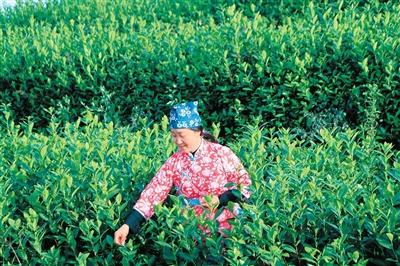
图为在江安县怡乐镇的茶山上,茶农在采摘新茶。 马 云摄 还这么早,就有春茶采? 原来,在怡乐镇长沙村的茶山上,有一片茶园,种的是峨眉问春,1月15日就开园采茶了。 到了茶山上,棉袄套上个围裙,拎了个纸兜,杨训文沿着垄间的小道钻进茶树丛中。 "要采芽头,要提着采,不得用指甲掐。"采起茶来,杨训文在行得很,一天下来,收入上百元,"活儿 不重,中午还管饭,既能在家带孙孙,又能挣到钱,巴适。" 在她附近,茶树之间,10多个采茶工的身影穿梭忙碌。 凭借得天独厚的长江河谷气候,雨水充沛、气候温和,江安这里的茶树年年率先萌芽。 "我们这里的茶山,搞的是'轮流唱戏'。"王华文从小跟在大人后面种茶制茶,现在回乡创业办了江安县 竹都茶业有限责任公司,担任总经理,在长沙村和滥池村流转了土地800多亩。 数九寒天,全国多数茶区还在等待春芽"睡醒",四川省宜宾市江安县,青翠的茶山已经悄悄开园。 1月24日,早晨7点刚过,江安县怡乐镇,天刚蒙蒙亮。薄雾都没来及散开,59岁的茶农杨训文,已经吃 好饭准备出门了。 这是去做啥子?上山采茶。 "这个冬天气温高,茶树醒得早,开采时间比去年还早。"罗加奎,竹秀家庭农场负责人,家里有300亩 茶园, ...

足球“点燃”一座城(“融”观中国)
Ren Min Ri Bao Hai Wai Ban· 2026-02-01 22:55
1月24日,湖南永州市体育馆,CMG群众足球邀请赛决赛现场。 雷中祥摄 本版图片均由永州市融媒体中心提供 2025年10月26日,道县球迷历时三天,划龙舟300里水路到达永州市区,并护送龙舟进入市体育场。 潘 华摄 扫码观看记者探访视频 《如此足球,怎能不爱?》 扫码观看记者探访视频 永州爆火的密码是什么?记者进行了实地探访。 "永州因为足球大变样了" 抵达永州,仿佛闯进一片蓝色的海洋,处处是足球留下的印记。 蓝色是永州队的球衣颜色。路边一块块广告牌上,蓝底白字写着"这里是永州 我们是冠军""永州不大 创 造神话"等内容。大街上,随处可见穿着"永冲锋"蓝色外套的市民。 饭店里、广场上,只要是比赛时间,只要有一块大屏幕,就会有人聚在一起,跟随比赛进程,或屏气凝 神,或欢呼雀跃。不分男女老少,不论职业身份,也不管懂不懂球,都徜徉在足球带来的快乐氛围中。 从去年"湘超"逆袭夺冠,到今年举办首届"央超"(CMG群众足球邀请赛)邀请广东湛江、山东泰安、 青海玉树、内蒙古呼和浩特、黑龙江哈尔滨5支各省(自治区)冠军球队同台竞技,永州这座城市彻底 被足球"点燃"。 "我以前从不看足球,直到'湘超'。从去年7月到现在的'央超 ...

何时“回家”
Ren Min Ri Bao Hai Wai Ban· 2026-02-01 22:49
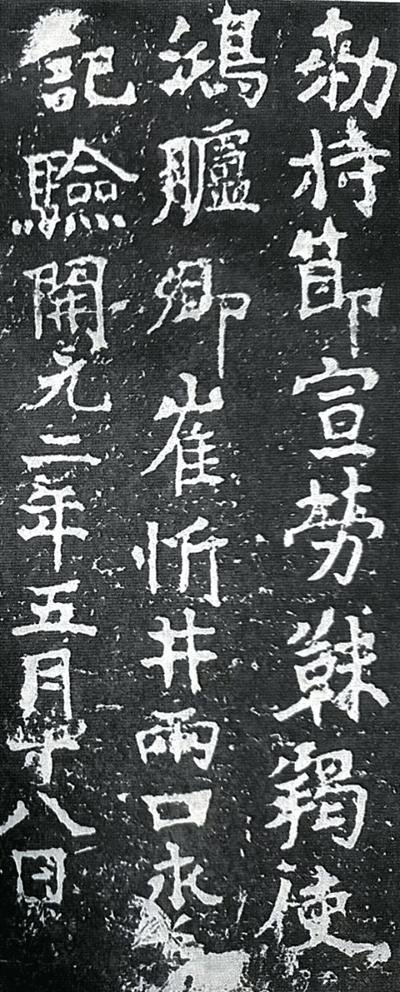
"崔忻题刻"拓片。 "刘含芳题刻"拓片。 二十世纪初,关重忠拍摄的在旅顺原址的唐鸿胪井碑及碑亭。 唐鸿胪井碑遗址现场及文保碑。 本文配图均由上海大学中国海外文物研究中心提供 立于唐开元二年(公元714年)的唐鸿胪井碑是唐朝中央政府特使奉命册封中国东北地区少数民族靺鞨 族地方政权首领,确立该地区隶属于唐王朝的重要历史物证。但在1908年,却被以"战利品"的名义非法 运至日本,自此远离故土118年。 中国相关政府部门、中外专家学者和社会各界有识之士一直为唐鸿胪井碑回归中国而不懈努力。就在今 年1月,由上海大学中国海外文物研究中心、大连市国韵文化促进会714志愿会联合编纂的《唐鸿胪井碑 档案文献总汇》(以下简称《总汇》)在上海发布,完成唐鸿胪井碑流失日本的溯源及流转历史研究, 形成完整证据链,还原了日本以日俄战争"战利品"为由,非法劫掠唐鸿胪井碑及碑亭并将其运至日本的 事实。 这本800多页的书系统梳理了迄今存世的唐鸿胪井碑在旅顺原址及日本的图片、唐鸿胪井碑题刻拓片、 唐鸿胪井碑自诞生至被掠入日本期间的相关档案文献资料,以及20世纪以来中外学者对于唐鸿胪井碑的 研究著述,为唐鸿胪井碑的进一步研究和追索搭建起完整、系 ...
“冬游热”激荡中国
Ren Min Ri Bao Hai Wai Ban· 2026-02-01 22:49
Core Insights - The winter tourism market in China is experiencing a significant surge, driven by innovative offerings that combine cultural experiences, local traditions, and winter sports, transforming "cold resources" into a "hot economy" [8][14]. Group 1: Regional Highlights - In Guangxi, tourists are enjoying boat rides along the Li River, showcasing the region's natural beauty during winter [2]. - Shandong is enhancing its winter appeal by integrating food, sports, and tourism activities, attracting visitors to enjoy snow and local cuisine [4]. - In Sichuan, various winter activities are being promoted, including ice swimming and unique dining experiences, appealing to tourists seeking adventure and nostalgia [8]. Group 2: Experience-Driven Tourism - The focus of winter tourism has shifted from mere sightseeing to immersive experiences, with activities like local feasts and cultural performances becoming popular [9]. - In Zhejiang, a winter pig feast combined with outdoor activities has attracted over 600 outdoor enthusiasts, emphasizing the importance of personalized experiences [9]. - The Qiang People's Valley ski resort in Sichuan has introduced new attractions, including snow-themed dining and cultural experiences, enhancing visitor engagement [9]. Group 3: Integrated Tourism Strategies - Many regions are adopting a "whole area tourism" approach to create seamless travel experiences, linking various attractions and services [12][13]. - In Guizhou, a ticketing system has been established to facilitate travel between major scenic spots, improving convenience for tourists [13]. - Shandong's winter tourism strategy includes diverse offerings such as bird watching, hot springs, and snow activities, promoting a comprehensive winter experience [12]. Group 4: Economic Impact - Winter tourism is becoming a catalyst for regional economic growth, benefiting multiple industries beyond just tourism [14]. - In Inner Mongolia, local fishing events have attracted tourists, creating a vibrant atmosphere and boosting local commerce [10]. - The increase in winter tourism has led to higher occupancy rates in accommodations, with some regions reporting up to 80% occupancy during the winter season [14].

锐财经丨中国财政运行平稳有序
Ren Min Ri Bao Hai Wai Ban· 2026-02-01 02:17
Core Viewpoint - The Ministry of Finance announced a stable fiscal operation for 2025, with a focus on a more proactive fiscal policy to support economic growth and ensure budget execution remains satisfactory [1]. Fiscal Revenue - In 2025, the national general public budget revenue is projected to be 21.6 trillion yuan, a decrease of 1.7% from 2024 [2]. - Central government revenue is expected to be 939.63 billion yuan, down 6.5%, while local government revenue is projected to grow by 2.4% to 1.22082 trillion yuan [2]. - Nearly 90% of regions are expected to see revenue growth, with 27 out of 31 provinces, autonomous regions, and municipalities reporting increases compared to 2024 [2]. - Tax revenue is anticipated to grow by 0.8%, while non-tax revenue is expected to decline by 11.3% due to a high base from 2024 [2]. - Specific tax categories show growth: domestic VAT up 3.4%, domestic consumption tax up 2%, and corporate income tax up 1% [2][3]. Fiscal Expenditure - Total general public budget expenditure is projected at 28.74 trillion yuan, a year-on-year increase of 1% [4]. - Key areas of expenditure include social security and employment (up 6.7%), education (up 3.2%), and health (up 5.7%) [4]. - A new childcare subsidy policy will allocate approximately 100 billion yuan, with 90.4 billion yuan from the central government [4]. - Significant funding for agriculture includes 176.6 billion yuan for high-standard farmland construction, a 53% increase, and 20.8 billion yuan for enhancing agricultural machinery [4]. Government Fund Budget - Government fund budget revenue is expected to be 5.77 trillion yuan, with expenditures rising to 11.29 trillion yuan, an increase of 11.3% from 2024 [5]. - The spending on special bonds and other financial instruments is projected to reach 6.19 trillion yuan, a 37.6% increase [5]. Support for Consumption - The Ministry of Finance is implementing policies to boost consumption, including 300 billion yuan in special bonds for consumer goods replacement programs [6][7]. - Estimated sales from these programs are projected to exceed 2.6 trillion yuan, benefiting over 360 million people [7]. - In Hainan Free Trade Port, "zero tariff" policies have led to a significant increase in imported goods, with a value of 857 million yuan, a 243% increase year-on-year [7].
台胞热衷大陆游——跨越山海,来一场“说走就走的旅行”
Ren Min Ri Bao Hai Wai Ban· 2026-01-31 12:39
在福建厦门五通客运码头,台胞通过智能快捷通道快速通关。中新社记者 王东明摄 到"尔滨"看冰雪、飞三亚吹椰风、赴广州品早茶、来北京逛故宫…… 2025年,两岸人员往来持续热络,台胞纷纷跨越海峡,在饱览大好河山、遍尝美食佳肴的同时,亲身感 受大陆丰富灿烂的历史文化和无处不在的同胞温情。 在云南大理的民宿里,与当地白族匠人一起学习扎染;在内蒙古呼伦贝尔的草原上,感受"风吹草低见 牛羊"的辽阔;在贵州黔东南的苗寨内,沉浸式参与一场民族节庆…… 随着大陆各地文旅产业朝着品质化、差异化发展,台胞赴大陆旅游目的地更加多元丰富,旅游方式也更 具深度。越来越多的台湾游客将目光投向北国的冰雪奇缘、蜀地的热情似火、江南的烟雨水乡、西北的 丝路风情,在"冰雪游""徒步游""非遗游"等个性化路线中,追寻属于自己的"诗与远方"。 台湾青年在哈尔滨冰雪大世界拍照。新华社发 "两岸同胞是一家人,一家人就应该常来常往、走亲走近。"国台办发言人彭庆恩近日表示,新的一年, 我们热忱欢迎广大台胞尤其是青少年朋友们来大陆走一走,看一看。 大陆文旅热度高 尽管民进党当局发布的大陆旅游"禁团令"和台湾居民来大陆旅游"橙色"警示仍未解除,两岸客运直航航 点 ...

字载匠心|这项古代发明,让璀璨的文明传承数千年
Ren Min Ri Bao Hai Wai Ban· 2026-01-31 01:19
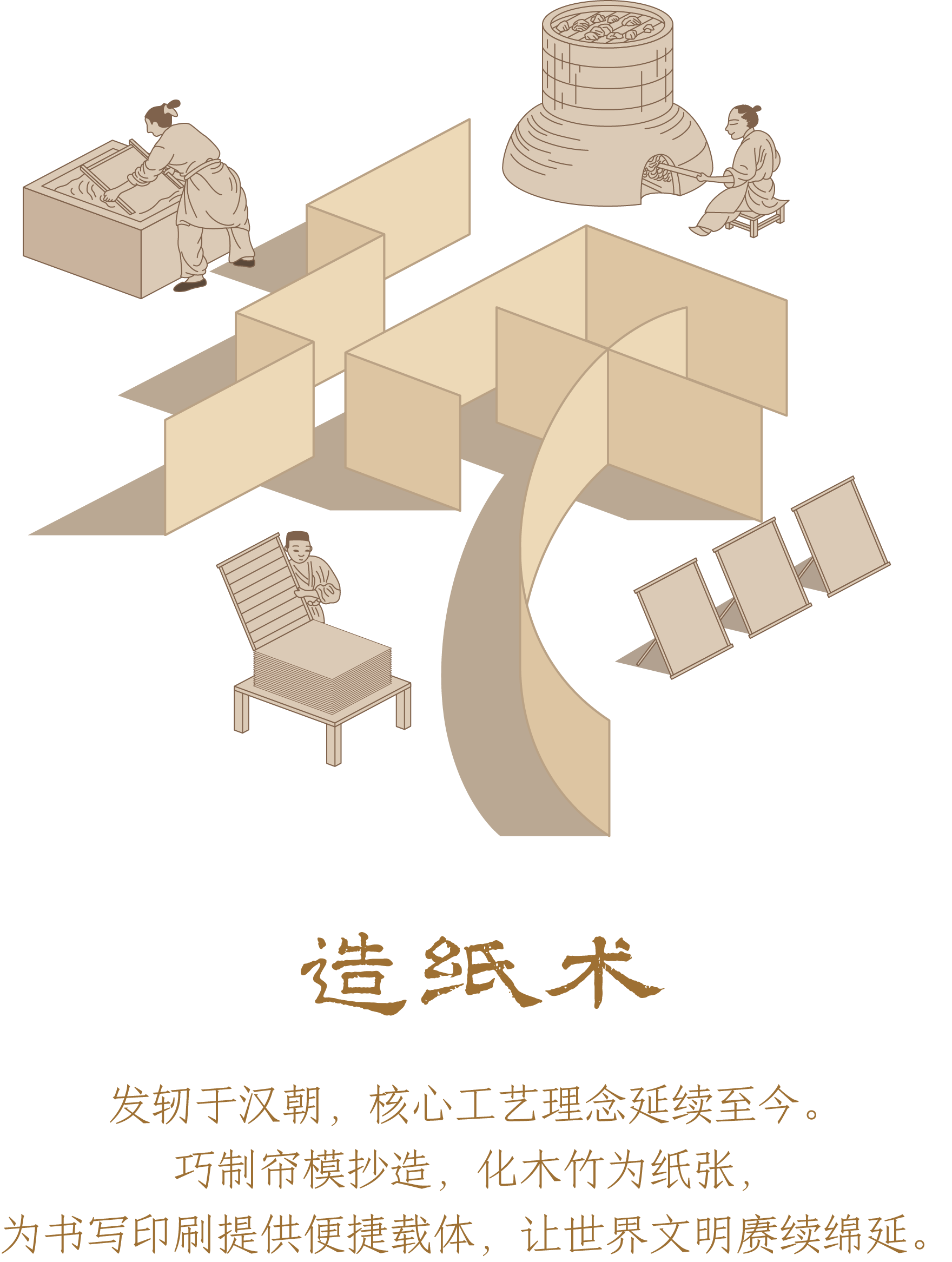
Core Viewpoint - The invention and evolution of papermaking technology have significantly contributed to the preservation and dissemination of Chinese and world civilization, with various materials and techniques being developed over time to enhance paper quality and accessibility [1][4][10]. Group 1: Historical Development of Papermaking - The traditional narrative attributes the invention of papermaking to Cai Lun during the Eastern Han Dynasty, but archaeological findings suggest that the origins of papermaking may date back to the Western Han Dynasty [4][6]. - Archaeological discoveries, such as the "Baqiao paper" and other ancient paper remnants, indicate that papermaking technology was evolving earlier than previously thought, with evidence of paper dating back to the mid to late Western Han period [6][8]. - The continuous improvement of papermaking techniques and materials, including the use of hemp, mulberry bark, and bamboo, reflects a long history of innovation in the industry [9][10]. Group 2: Material Innovations in Papermaking - The transition from hemp paper to other materials like mulberry bark and bamboo paper illustrates the ongoing search for more sustainable and cost-effective raw materials in papermaking [9][10]. - The introduction of various types of paper, such as bamboo paper, which became popular during the Tang Dynasty, showcases the adaptability of the industry to meet the demands of different users [9][10]. - The evolution of papermaking materials has been marked by three significant breakthroughs, enhancing the availability and affordability of paper products [9]. Group 3: Cultural and Economic Impact - Papermaking has played a crucial role in the development of Chinese literature, art, and commerce, facilitating the creation of books, calligraphy, and even early forms of currency [16][17]. - The spread of papermaking technology beyond China to regions such as Vietnam, Korea, Japan, and later to Europe, highlights its global significance and influence on cultural exchanges [17][18]. - The introduction of paper as a medium for printing and documentation has been pivotal in the advancement of knowledge and education, contributing to significant historical movements such as the Renaissance in Europe [17][18]. Group 4: Modern Papermaking Techniques - The traditional craftsmanship involved in making Xuan paper, a high-quality paper used for Chinese painting and calligraphy, exemplifies the enduring legacy of ancient papermaking techniques [10][14]. - Modern advancements in papermaking have led to innovations that prioritize environmental sustainability, such as the use of recycled materials and the development of multifunctional paper products [18]. - Despite the rise of digital media, the fundamental principles of papermaking continue to influence contemporary practices, ensuring that paper remains a vital part of human communication and culture [18].
陆上之舟
Ren Min Ri Bao Hai Wai Ban· 2026-01-31 01:19
Core Viewpoint - The article highlights the unique cultural and artistic significance of the "陆上书店" (Land Bookstore) in Nanchang, which serves as a creative space blending history, literature, and art, providing a sanctuary for readers and a platform for cultural exchange [3][10]. Group 1: Cultural Significance - The Land Bookstore is described as a spiritual haven for book lovers, inspired by the film "The Pianist on the Ocean," symbolizing a retreat from the chaos of modern life [3][4]. - The bookstore is located in a historically significant Soviet-style building from 1974, which has been transformed into a space that merges historical elements with modern creativity, hosting various art exhibitions and cultural events [3][5]. Group 2: Architectural and Aesthetic Features - The interior features antique lighting and furniture, including a brass ship's wheel lamp and various European and Asian chairs, each carrying historical narratives and cultural significance [4][5][8]. - The design elements, such as the spiral staircase and carefully curated furniture, reflect a commitment to aesthetic quality and historical preservation, creating a unique atmosphere for visitors [8][10]. Group 3: Community Engagement and Activities - The bookstore serves multiple functions, including a venue for literary discussions, art exhibitions, and music performances, fostering a vibrant community of readers and artists [7][9]. - The owner, referred to as "老周," emphasizes the emotional connection to the space, viewing it as an extension of personal and familial dreams, and actively engages with the community through events like jazz concerts [10][12].
无限创意点亮时代灯火(我与非遗)
Ren Min Ri Bao Hai Wai Ban· 2026-01-31 00:41
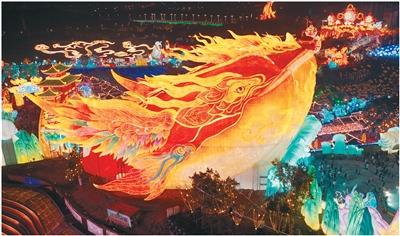
Core Insights - The 32nd Zigong International Dinosaur Lantern Festival showcases a blend of traditional and modern elements in lantern design, highlighting the evolution of this cultural event over centuries [12][14]. Group 1: Lantern Festival Overview - The festival, rooted in the Tang Dynasty, has transformed into a vibrant display of creativity, featuring nearly 6,000 children's drawings turned into lantern designs [12]. - The event attracts global attention, with Zigong lanterns illuminating over 80 countries and regions, achieving a domestic market share of 92% and an international share of 85% [14]. Group 2: Artistic Development - Wang Lu, a key figure in lantern design, emphasizes the importance of meticulous craftsmanship and innovative design, merging traditional techniques with modern technology [13]. - The integration of new materials and technologies, such as LED lighting and 3D printing, has revitalized the lantern-making process, allowing for larger and more intricate designs [15]. Group 3: Cultural Significance - The lantern festival serves as a cultural bridge, preserving traditional art forms while adapting to contemporary aesthetics and technologies [14]. - The festival not only celebrates the artistic heritage of Zigong but also fosters a global cultural exchange, resonating with audiences worldwide [14].
“把‘塞上江南’的产品带给世界”(我在中外交流第一线)
Ren Min Ri Bao Hai Wai Ban· 2026-01-31 00:41
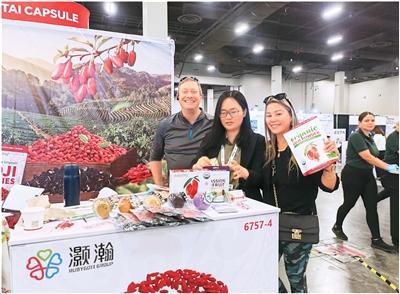
Core Insights - Ningxia Hui Autonomous Region is leveraging its geographical disadvantages by implementing a "Westward Opening" strategy, aiming for a total foreign trade import and export value of 20.99 billion yuan by 2025 [1] - The region has seen a year-on-year growth of 3.4% in foreign trade, with exports to Belt and Road countries increasing by 8.8%, agricultural product exports rising by 20.1%, and electromechanical product exports growing by 19.2% [2] Group 1: Trade and Economic Development - Ningxia's foreign trade environment is improving due to increased government support for cross-border e-commerce and foreign trade enterprises, leading to a more robust talent pool in the industry [4][7] - The introduction of the "TIR+ Bonded" innovative business model has streamlined international logistics, allowing for efficient cross-border transport and reducing transit times by nearly half [6] Group 2: Company Operations and Market Expansion - Companies like Haohan Biotechnology are actively expanding their overseas markets, transitioning from exporting basic agricultural products to high-value-added processed goods, such as goji berry juice and powder [3][4] - The export business now constitutes 60% of Haohan's total operations, with products reaching markets in Germany, the Netherlands, Japan, Thailand, and Vietnam [4] Group 3: Logistics and Customs Operations - The Silver River Customs is enhancing its operations to facilitate the export of local specialty products, focusing on small but high-quality goods like goji berry juice and wine [7][8] - Innovations in customs procedures, such as simplified filing processes and dedicated cross-border e-commerce channels, are supporting the growth of local businesses in international markets [8]