Ren Min Ri Bao Hai Wai Ban

Search documents
跨越山海,来一场“说走就走的旅行”
Ren Min Ri Bao Hai Wai Ban· 2026-01-31 00:41
2025年,两岸人员往来持续热络,台胞纷纷跨越海峡,在饱览大好河山、遍尝美食佳肴的同时,亲身感 受大陆丰富灿烂的历史文化和无处不在的同胞温情。 台湾青年在哈尔滨冰雪大世界拍照。新华社发 在福建厦门五通客运码头,台胞通过智能快捷通道快速通关。中新社记者 王东明摄 到"尔滨"看冰雪、飞三亚吹椰风、赴广州品早茶、来北京逛故宫…… "两岸同胞是一家人,一家人就应该常来常往、走亲走近。"国台办发言人彭庆恩近日表示,新的一年, 我们热忱欢迎广大台胞尤其是青少年朋友们来大陆走一走,看一看。 大陆文旅热度高 两岸航班时常满载运行、"小三通"船票一票难求,正是台胞热衷大陆游的真实写照。在不久前举办的高 雄冬季旅展上,福建旅游推介展位吸引不少岛内旅游业者和当地民众前来咨询。除了厦门、泉州等台胞 赴大陆旅游的传统热门目的地,华东、华南、西南等区域的旅游手册也供不应求,新疆的旅游资料最为 抢手,不少台湾业者主动索取以便向游客推介。 "近两年,新疆持续居于台湾民众赴大陆旅游目的地榜首,重庆、四川成都、湖南张家界等地也保持较 高热度。"高雄市旅行商业同业公会理事长蔡宗佑介绍,大陆游一直深受年长者喜爱,旅游服务品质近 年来也不断提升。随着 ...


【人民日报海外版】我国首个星际航行学院成立
Ren Min Ri Bao Hai Wai Ban· 2026-01-30 06:07
Core Viewpoint - The establishment of the Interstellar Navigation College at the University of Chinese Academy of Sciences aims to cultivate high-quality, innovative talents in the fields of interstellar propulsion, deep space communication and navigation, and space science, responding to national strategic needs in space exploration [1] Group 1: Institutional Development - The Interstellar Navigation College was officially inaugurated on January 27, focusing on cutting-edge areas of space exploration [1] - The college is part of the "Science and Education Integration 3.0" strategy of the Chinese Academy of Sciences, aiming to integrate education, technology, and talent development [1] Group 2: National Strategic Importance - China's space industry is transitioning from "low Earth orbit" to "deep space exploration," with significant national strategic tasks such as lunar research station planning and exoplanet exploration [1] - The next 10 to 20 years are seen as a critical window for leapfrog development in the field of interstellar navigation, with original innovation and technological breakthroughs expected to reshape deep space exploration [1] Group 3: Future Aspirations - The college aims to become a high ground for basic research in aerospace, providing original support for major national tasks [1] - It seeks to cultivate high-level innovative talents capable of tackling unknown challenges and taking on significant responsibilities [1] - The college also aspires to be a hub for international academic exchange, contributing to global discourse with solid research outcomes [1]
锐财经|房地产市场不断趋稳
Ren Min Ri Bao Hai Wai Ban· 2026-01-30 04:36
Core Insights - By the end of 2025, China's economic and social development goals are expected to be achieved, with positive changes observed in the real estate market, including a reduction in unsold housing inventory [1] - The overall trend in the real estate market is stabilizing, despite some fluctuations in investment and sales figures, indicating a potential recovery [2][3] Group 1: Market Performance - As of 2025, the total real estate development investment reached 82,788 billion yuan, with new housing sales area at 88,101 million square meters [2] - The inventory of unsold commercial housing decreased by 3,259 million square meters compared to the beginning of the year, indicating effective inventory reduction measures [1][2] - In November 2025, the unsold housing inventory decreased by approximately 3 million square meters from October, reflecting the effectiveness of supply-side and demand-side policies [2] Group 2: Policy Measures - Various local governments have implemented effective measures to stabilize the real estate market, such as easing purchase conditions for non-local families in Beijing [4] - Qingdao City offers substantial housing subsidies for graduate students to attract talent, with subsidies of 300,000 yuan for PhD holders and 200,000 yuan for master's degree holders [4] - Hangzhou initiated a "housing + consumption voucher" subsidy program, leading to increased visitor and transaction volumes in related projects [4] Group 3: Transition and Development - The real estate sector is undergoing a transformation towards high-quality development, with 38 cities promoting the self-renewal of old housing and 42 cities piloting safety management for housing [7] - In 2025, 2.71 million urban old residential units were renovated, with an investment of 1,332 billion yuan, indicating a focus on urban renewal and quality improvement [7] - The industry is encouraged to align housing supply with population movement and industrial development to meet diverse housing needs [8]
“十四五”时期 全国新增减税降费退税超10万亿元
Ren Min Ri Bao Hai Wai Ban· 2026-01-30 04:36
会议要求,2026年,全国税务系统要深入推进税务领域改革,积极健全有利于高质量发展、社会公 平、市场统一的税费制度体系。扎实推动增值税法及其实施条例平稳落地,会同相关部门深化税收制度 改革,优化税制结构。在完善对重点领域和关键环节支持政策的基础上,加力推进规范税收优惠政策。 积极会同有关部门推动基本养老保险全国统筹、基本医疗保险省级统筹,鼓励支持新就业形态人员参加 职工保险。持续深化税收征管改革,加快税收征管法修订进度,深入推进智慧税务建设,集成提升税费 征管效能。 人民日报海外版北京1月29日电(记者汪文正)记者近日从在北京召开的全国税务工作会议上获 悉,在经济增长等因素带动下,2025年,税务部门征收各项税费33.1万亿元,其中税收收入17.8万亿 元,税费收入预算目标圆满完成;落实支持科技创新和制造业发展的主要优惠政策减税降费退税超2.8 万亿元。"十四五"时期,税务部门累计征收税费超156万亿元,约占全口径财政收入的80%;累计新增 减税降费退税超10万亿元。 ...
青海湟源:沙棘果成了“黄金果”
Ren Min Ri Bao Hai Wai Ban· 2026-01-30 04:36
在资源利用上,湟源县制定了严格的轮采、补种制度。"我们明确采摘强度和周期,确保沙棘林能 够自然恢复。同时建立沙棘良种繁育基地,为补种提供优质种苗。"蒋友胜说。目前,湟源县已落实多 个沙棘相关项目,投资建设了沙棘采摘基地、沙棘良种繁育圃、种质资源圃等。 人民日报海外版记者 江萌 产业要发展,模式需创新。湟源县通过"龙头企业+合作社+农户"的产业化联合体模式,将企业与 农户紧密相连。在青海宜健沙棘产业化开发有限公司的生产车间,一筐筐沙棘果经过验收,被送入智能 化生产线急冻处理。"沙棘娇贵,保鲜是关键。我们建成一体化冷冻仓库,采用智能温控系统,确保营 养成分不流失。"公司负责人马显德说。目前,该公司的沙棘产品通过电商平台畅销全国。 沙棘浑身尖刺、果实娇嫩,传统采摘效率低。湟源县借助东西部协作科技帮扶力量,开展技术创 新。在前沟村的沙棘生态经济林改造项目嫁接试点区,技术人员优选中国沙棘雌株接穗,嫁接到健壮的 雄株砧木上。这一举措既提高了产量、优化了林分结构,也为机械化采摘奠定了基础。 产业发展,生态保护要跟上。湟源县构建了完善的林(草)长制组织体系和责任体系,326名林 (草)长、488名管护员实现网格化管理。同时, ...
河北沧县推动红枣产业链数字化升级 大数据助金丝小枣“七十二变”
Ren Min Ri Bao Hai Wai Ban· 2026-01-30 03:28
人民日报海外版记者 邵玉姿 红枣可以做成什么食品?传统技术制作的干红枣、受年轻人喜爱的奶香夹心枣、适合养生的党参红 枣……在河北省沧州市沧县,答案可以有很多。 沧县有3000多年金丝小枣栽培历史,种植面积达19.1万亩,建有大型红枣交易市场。近年来,当地 在龙头企业带动下,运用大数据、人工智能等技术,推动枣业"跨界"创新,网红产品不断上新。 "我们每年从1万个产品创意里选出1000个做成样品,再从样品中选出100个进行试销,根据试销反 馈最终选定10个产品进行量产。"在沧州美枣王食品有限公司展厅,总经理王云飞介绍。他身后的展架 上,摆满了公司生产的各种红枣及干坚果食品。 数据还连接起了抱团发展的"生态链"。孙泽辉说,依托数据平台实现资源共享,公司积极整合物 流、仓储、批发市场等资源,带动中小企业共同发展。 "我们积极推进红枣产业集群建设,推动红枣产业链优化升级,鼓励企业借助数字化增品种、提品 质、创品牌。"沧县科技工信和商务局局长蔡勇说。目前,沧县有红枣相关加工和销售企业3000多家, 年深加工红枣约30万吨。 "系统可以自动生成创意,也可以根据需求进行针对性设计。"王云飞在系统里输入"以红枣、人 参、桂圆、 ...
今年春运全社会跨区域人员流动量预计达95亿人次
Ren Min Ri Bao Hai Wai Ban· 2026-01-30 02:03
本报北京1月29日电(记者严冰)2026年春运将于2月2日启动。记者从29日国新办举行的新闻发布会上 获悉,今年春运期间全社会跨区域人员流动量预计达95亿人次,创历史新高。 在增加运力方面,铁路实施了新的列车运行图,预计客流高峰日最高可开行旅客列车超1.4万列,客座 能力同比增5.3%。民航重点增加前往枢纽机场、热门旅游地的航班,预计日均保障航班1.94万班次,同 比增5%。公路加强对热门旅游地、农村客运等方面的运力投放。水路加强海南省和广东省之间的琼州 海峡等重点航线的运力保障。 [ 责编:刘晗旭 ] 国家发展改革委副主任李春临介绍,今年春运期间,自驾出行将继续处于主体地位,占比八成左右。铁 路、民航客运量预计分别达5.4亿人次和9500万人次,总体规模和单日峰值均有望超历史同期峰值。 ...
“超级食物”网红标签下的真相
Ren Min Ri Bao Hai Wai Ban· 2026-01-29 23:15
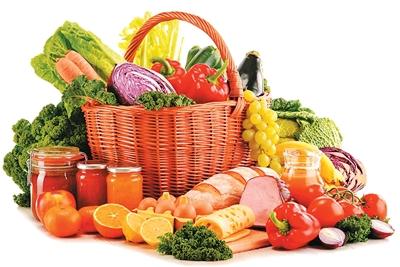
Core Viewpoint - The rise of "superfoods" in the market has sparked discussions about their actual nutritional value versus their marketing appeal, with experts suggesting that they are often more of a marketing concept than scientifically defined foods [2][3][4]. Group 1: Definition and Popularity of Superfoods - "Superfoods" are described as nutrient-dense foods rich in antioxidants, vitamins, or minerals, but lack a standardized scientific definition [3][4]. - Consumers are willing to pay a premium for foods labeled as healthy, driving the food industry's promotion of "superfoods" [4]. - Popularity among younger consumers is evident, with many seeking these foods for perceived health benefits [3]. Group 2: Nutritional Analysis of Specific Superfoods - Kale is noted for its high nutritional value, containing vitamins K and C, calcium, iron, and significant amounts of potassium (395mg/100g) and dietary fiber (3.2g/100g) [5][6]. - Acai berry powder has strong antioxidant properties but does not stand out compared to other berries [6]. - Beetroot is rich in calcium, iron, and vitamin A, with antioxidant components beneficial for gut health [7]. - Quinoa is a good source of plant protein but lacks advantages over common grains like oats, which are more economical and beneficial for blood sugar control [8]. - Blueberries and cranberries are rich in anthocyanins, beneficial for brain and cardiovascular health, but similar nutrients can be found in other common fruits and vegetables [9]. - Chia seeds can help delay gastric emptying but require adequate hydration; their omega-3 fatty acids are less efficiently converted to DHA compared to fish sources [10]. Group 3: General Recommendations on Superfoods - While "superfoods" can offer health benefits, they should not be relied upon solely for health maintenance; a balanced diet is crucial [12]. - General populations do not need to pursue "superfoods" specifically; those with nutritional deficiencies may consider specialized foods or supplements under professional guidance [13]. - Whole, fresh foods are preferred over supplements for nutrient absorption and safety [14]. Group 4: Practical Advice for Consumers - Consumers should clarify their needs when purchasing "superfoods" and be cautious of products with high sugar content or misleading health claims [15]. - Affordable, nutrient-rich foods such as oats, soybeans, cruciferous vegetables, and eggs are recommended as part of a balanced diet [16][17][18][19][20].
2025年末商品房待售面积较年初有所减少 房地产市场不断趋稳
Ren Min Ri Bao Hai Wai Ban· 2026-01-29 23:15
2025年,中国经济社会发展主要目标任务圆满实现。在此过程中,房地产市场展现出一些积极变化。国 家统计局数据显示,截至2025年末,商品房待售面积76632万平方米,较年初减少3259万平方米。住房 城乡建设部表示,中国新型城镇化仍在持续推进,城市存量优化调整也有广阔空间,人民群众对高品质 住房充满期待,房地产高质量发展仍有较大潜力。 交易总规模趋稳 2025年,全国房地产开发投资82788亿元,新建商品房销售面积88101万平方米。 如何看待房地产的年度数据?清华大学房地产研究中心主任吴璟认为,从2025年全年来看,全国层面房 地产开发投资、新建商品房销售等指标同比仍有下降,部分城市房地产市场在二季度后也出现一定反 复。但这些波动和反复并未改变房地产市场趋稳的整体态势,其中一些积极信号尤其值得关注。 比如,交易总规模趋稳。将新房市场与二手房市场合并观察,无论全国还是主要城市,全年合计销售规 模已明显趋稳,部分主要城市甚至同比小幅增长。从房地产市场发展的规律看,销售规模变化通常领先 于价格,是一个重要的前导信号。 不久前,北京市相关部门印发通知,进一步放宽非京籍家庭购房条件,并明确多子女家庭可在五环内多 买一 ...
“卖得好”“叫得响”
Ren Min Ri Bao Hai Wai Ban· 2026-01-29 22:51
"832平台"联合墨玉县政府、北京援疆和田指挥部出品"墨玉福袋"系列产品。中国供销电子商务有限公 司供图 2025年4月27日至28日,"寻味832"宁夏原州美食周推介品鉴活动在中华全国供销合作总社举办。中国供 销电子商务有限公司供图 "832平台"微信小程序界面。 在重庆市黔江区"832平台"优选年货暨"农合联"特产嘉年华活动上,商家在直播销售红苕粉。杨敏摄 (人民视觉) 在"832平台"(脱贫地区农副产品网络销售平台)上,新疆的葡萄干、灰枣,西藏的高原土蜂蜜、青稞 饼干等众多来自脱贫地区的特色农副产品,通过线上销售,跨越山海进入千家万户。 据了解,"832平台"是在财政部、农业农村部、中华全国供销合作总社指导下,由中国供销电子商务有 限公司建设和运营的。最新数据显示,截至2025年底,该平台累计成交额已超600亿元。 从土特产到精品礼 从帮销到促产 新疆维吾尔自治区和田地区墨玉县,位于昆仑山北麓、塔克拉玛干沙漠南缘。2025年9月,在北京举办 的"援定南疆 情牵和田"新疆和田地区地铁城市客厅活动上,"832平台"与墨玉县政府携手打造的区域公 用品牌"墨玉福袋"系列产品,以其精美的包装和优质的品质吸引了众多 ...