
Xiao Fei Ri Bao Wang

Search documents
21种重点劳动防护用品安全隐患专项整治工作开启
Xiao Fei Ri Bao Wang· 2025-09-08 02:51
Core Viewpoint - The article discusses a joint initiative by the State Administration for Market Regulation, the Ministry of Housing and Urban-Rural Development, and the Ministry of Emergency Management to conduct a nationwide special rectification of safety hazards related to key labor protection products, aiming to eliminate quality safety risks and enhance product quality standards [1][2]. Group 1: Focus Areas of the Initiative - The special rectification focuses on 21 types of key labor protection products, including safety helmets, self-absorbing filter gas masks, and self-absorbing filter particulate respirators, covering production, circulation, usage, and inspection [1]. - In the production sector, the initiative will closely monitor enterprises that produce products under industrial product production licensing management [1]. - In the circulation sector, there will be strengthened supervision of construction material markets, hardware labor protection stores, and e-commerce platforms [1]. - In the usage sector, the focus will be on the procurement, acceptance, and on-site management of using units [1]. - In the inspection sector, there will be strict checks on the illegal activities of qualified inspection and testing institutions [1]. Group 2: Key Tasks and Responsibilities - The plan outlines nine main tasks, including strengthening source governance, urging production and sales enterprises to fulfill quality safety responsibilities, and enhancing supervision of online sales [2]. - It emphasizes the establishment of product quality traceability management and the strengthening of procurement, acceptance, and on-site management [2]. - The initiative aims to enhance credit supervision, accident investigation, law enforcement, and the construction of a long-term mechanism for social governance [2]. - Local departments are encouraged to tailor tasks to their specific circumstances, improve communication and coordination, and enhance public awareness of safety knowledge related to key labor protection products [2].
在星河与人声之间看见湖北的烟火
Xiao Fei Ri Bao Wang· 2025-09-08 02:44
Core Insights - The integration of culture and tourism in Hubei is not merely about combining scenic spots with performances, but represents a profound transformation of urban character, consumer logic, and lifestyle [1][2][3] Group 1: Cultural and Tourism Integration - The first step in cultural tourism integration is to make culture "return" to the memories that people want to revisit, creating reasons for tourists to visit [1] - The immersive experiences in places like Xiangyang and Wudang Mountain highlight the importance of emotional connections and interactions that keep visitors engaged beyond discounts [2][3] Group 2: Economic Impact - The new night consumption model in Xiaogan, which includes diverse activities such as market browsing, food tasting, and performances, has led to an average nightly reception of 15,000 visitors and increased local merchant revenue by over 300,000 yuan [3] - The shift from tourism projects to lifestyle consumption scenarios indicates a successful migration of cultural experiences into everyday life, enhancing the overall economic impact of the tourism sector [3]
以“全链条治理”重塑消费信任新生态
Xiao Fei Ri Bao Wang· 2025-09-05 02:40
Core Viewpoint - The article highlights the significant regulatory reforms in China's health food industry over the past five years, emphasizing the low non-compliance rate and the establishment of a comprehensive regulatory framework aimed at enhancing consumer trust and ensuring product safety [1][2]. Regulatory Achievements - The National Market Supervision Administration has conducted over 175,000 product inspections in five years, maintaining a non-compliance rate below 0.6% [1]. - A total of 31,000 illegal cases have been investigated, resulting in fines amounting to 540 million yuan and the resolution of 12,000 criminal cases [1]. - The self-inspection report and issue rectification rates for production companies have reached 100%, indicating thorough oversight at every production stage [1]. Regulatory Framework - The regulatory approach employs a "full-chain supervision" model, which includes pre-registration checks, dynamic monitoring during production, and random inspections in the market [1]. - Innovations in regulation, such as the "You Shoot, I Check" initiative, empower consumers to act as watchdogs by reporting illegal activities through mobile devices [1]. - The introduction of a "responsibility list" for direct sales companies extends regulatory oversight to sales terminals, enhancing accountability [1]. Consumer Trust and Market Impact - Continuous low non-compliance rates and effective curtailment of false advertising have led to a gradual increase in consumer confidence in domestic health food products [2]. - Surveys indicate that most respondents prefer purchasing health foods through legitimate channels, reflecting the trust built over five years of regulatory efforts [2]. - The regulatory reforms are seen as a critical step in constructing a vibrant and orderly health food market, contributing to the broader goal of a "Healthy China" initiative [2].
“小魔方”撬动全球大市场
Xiao Fei Ri Bao Wang· 2025-09-05 02:40
Core Insights - FancyCube, a Shanghai-based cosmetics brand, is gaining international recognition by focusing on innovation and quality, particularly in the youth makeup segment [1] - The brand emphasizes safety and health in its products, establishing strict standards to cater to the needs of young consumers and their parents [2] - FancyCube's innovative approach to product development and marketing has allowed it to break traditional barriers and redefine the makeup experience for modern consumers [3] Company Overview - Founded by Guo Dingqi, FancyCube targets the youth market by addressing the lack of suitable makeup products for teenagers, which often either cater to adults or are low-quality and unsafe [2] - The brand has gained a reputation among parents in Europe and the U.S. as a safe choice for children's makeup, collaborating with prestigious international schools and beauty academies [2] Product Innovation - FancyCube's flagship product, a versatile cream makeup, allows users to achieve various looks with ease, addressing the need for convenience in a fast-paced lifestyle [3] - The product underwent over 10,000 mixing tests to ensure color stability and is designed for use in multiple scenarios, validating its "scene freedom" concept [3] Marketing Strategy - The brand initially faced challenges due to limited funding and brand recognition, prompting a focus on social media marketing through collaborations with influencers [4] - FancyCube has successfully utilized content marketing and cross-industry partnerships to enhance brand visibility without heavy marketing expenditures [4] Global Expansion - Unlike traditional strategies, FancyCube adopted a global approach from the outset, launching its website in both China and the U.S. simultaneously in 2021 and entering the Japanese market in 2022 [6] - The brand has established a presence in over 30 countries, with international prices being 30% higher than domestic ones, indicating strong market acceptance [6] Future Plans - FancyCube aims to deepen its brand value by focusing on experiential and educational initiatives, including opening art experience stores and collaborating with educational institutions [6] - The company plans to enhance its product offerings with personalized services and AI color detection technology, reinforcing its commitment to individual expression [6] Cultural Impact - The brand seeks to convey unique Chinese aesthetic values globally, emphasizing the concept of "leaving blank" in beauty, which resonates with diverse cultural audiences [5] - FancyCube's approach to beauty reflects a shift from merely covering imperfections to highlighting individuality, aligning with contemporary trends among younger consumers [6]
燕赵赓续抗战精神 奋进现代化新征程
Xiao Fei Ri Bao Wang· 2025-09-05 02:40
Group 1: Historical Significance - The year marks the 80th anniversary of the victory in the Chinese People's War of Resistance Against Japanese Aggression and the World Anti-Fascist War, highlighting the historical importance of this event [1] - The visit to various historical sites in Hebei reveals the enduring spirit of resistance and its transformation into a driving force for modern development [1][2] Group 2: Cultural Heritage and Education - The memorials and historical sites, such as the Jinji-Lu-Pu Martyrs' Cemetery and Yingtan Village, serve as living narratives of the anti-Japanese war, preserving the stories of sacrifice and resilience [2][3] - The Anti-Japanese Military and Political University has become a center for cultural education, promoting the "Anti-Da Spirit" through various activities and attracting thousands of participants [6] Group 3: Economic Development and Modernization - The integration of red resources and green development in villages like Qianshuyuan has led to significant economic benefits, with annual fruit income reaching 87 million yuan [5] - Companies in Hebei, such as Midea Group, are leveraging advanced technologies and sustainable practices, with projected revenues of 15.489 billion yuan in 2024 [7] Group 4: Environmental Monitoring and Innovation - The establishment of an ecological environment monitoring system in Xiong'an New Area utilizes advanced technologies like remote sensing and AI for effective water quality management [8][9] - Continuous improvements in water quality at Baiyangdian Lake demonstrate the successful application of innovative monitoring techniques, with water quality maintaining a Class III standard for four consecutive years [9]
“养生经济”正在拿捏“Z世代”
Xiao Fei Ri Bao Wang· 2025-09-05 02:34
Group 1 - The core idea is that traditional Chinese medicine brands are transforming their offerings to appeal to younger consumers, focusing on a "light health" lifestyle rather than just selling beverages [1][2] - Several century-old brands, such as Tongrentang and Pianzaihuang, are innovating in products, scenarios, and business models to create shareable experiences that resonate with the Gen Z demographic [1][2] - The new store layout of Tongrentang emphasizes tea drinks and wellness products, attracting significant foot traffic even on weekdays, indicating a successful engagement with younger consumers [1] Group 2 - Pianzaihuang is revitalizing its brand image to connect with younger audiences through interactive marketing on platforms like Douyin and Xiaohongshu, utilizing engaging content to educate consumers about the brand [2] - The brand's Douyin challenge in 2025 achieved a remarkable 180 million views, showcasing the effectiveness of modern marketing strategies in reaching younger demographics [2] - Traditional brands are expanding their consumer engagement by developing creative products and collaborating across industries, such as launching health-focused coffee and unique medicinal dishes [2][3]

上海九院与正雅等合作产学研项目 获上海市科技进步一等奖
Xiao Fei Ri Bao Wang· 2025-09-04 06:51
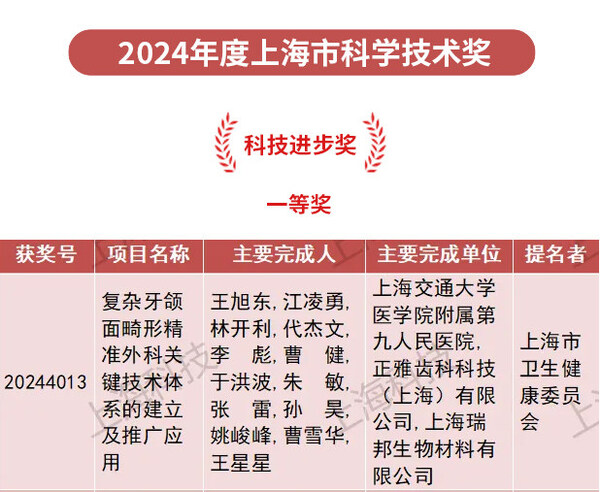
8月26日,2024年度上海市科学技术奖励大会召开,揭晓了2024年度上海市科学技术奖。由上海交 通大学医学院附属第九人民医院作为第一完成人、正雅齿科科技(上海)有限公司作为第二完成人,其 合作项目"复杂牙颌面畸形精准外科关键技术体系的建立及推广应用"获上海市科技进步奖一等奖。本项 目是产学研深度合作的创新标杆。它成功融合了上海九院口腔颅颌面科在复杂牙颌面畸形领域的顶尖临 床技术、与正雅公司领先的数字化软件模拟与智能生产能力,携手为复杂牙颌面畸形患者开启了优质的 诊疗新体验。 | 获奖号 | 项目名称 | 主要完成人 | 主要完成单位 提名者 | | | --- | --- | --- | --- | --- | | 20244013 | 复杂牙颔 | 王旭东,江凌勇, 于洪波, 朱 敏, 生涯齿科科技 于洪波, 朱 敏, 吴, 上海)有限 | 上海交通大学 医学院附属第 | 上海市 | | | 面畸形精 | 林开利,代杰文, | | | | | | | 九人民医院, | | | | 准外科关 | 李 彪,曹 健, | 正雅齿科科技 | 卫生健 | | | 键技术体 | | | 康委员 = | | | 系的建 ...

四川乐至回澜镇:蚕桑“吐”出致富丝 织就乡村振兴新画卷
Xiao Fei Ri Bao Wang· 2025-09-02 07:01
Core Insights - The silkworm industry in Lezhi County, Sichuan Province, has become a key driver for rural revitalization and income increase for farmers [1][2] - The industry has seen significant growth, with the number of silkworms raised expected to exceed 10,000 in 2024, generating over 22 million yuan in output value [2] Group 1: Industry Development - Lezhi County has established a comprehensive silkworm industry development model involving government guidance, collective participation, leading enterprises, demonstration bases, and farmers [1] - The total area of mulberry planting in Huailan Town has reached over 13,000 acres, with 15 enterprises introduced, including 4 with over 100 acres [2] Group 2: Economic Impact - Farmers in the region are experiencing increased income, with an average income of over 12,000 yuan per household from silkworm farming [2] - The silkworm industry has become a primary industry for promoting rural revitalization and increasing farmers' income in Huailan Town [2]
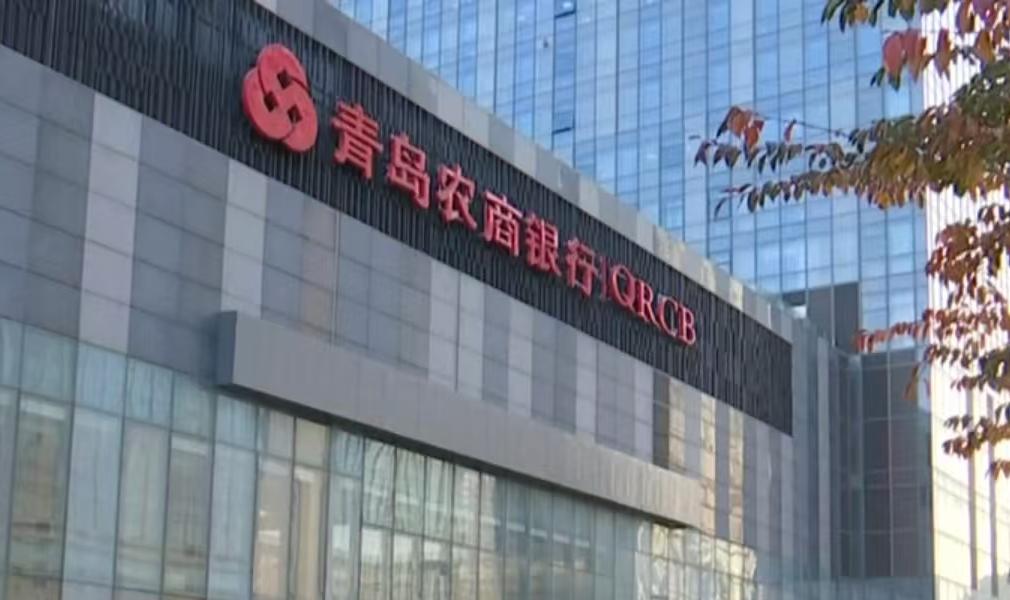
青农商行上半年营收下滑:小股东分红遭否、董事长薪酬195万拔头筹
Xiao Fei Ri Bao Wang· 2025-09-02 03:57
Core Viewpoint - Qingnong Commercial Bank reported a "profit growth without revenue growth" for the first half of 2025, with net profit increasing by 5.22% to 2.134 billion, while operating income decreased by 1.83% to 5.752 billion, making it one of only two banks among ten A-share rural commercial banks to experience a revenue decline [2][3]. Financial Performance - For the first half of 2025, Qingnong Commercial Bank's operating income was 5.752 billion, down 1.83% from 5.859 billion in the same period of 2024 [4]. - The total profit for the period was 2.303 billion, reflecting a 15.01% increase from 2.003 billion in the previous year [4]. - The net profit attributable to shareholders was 2.134 billion, up 5.22% from 2.028 billion year-on-year [4]. - The bank's cash flow from operating activities saw a significant decline of 91.67%, dropping to 736 million from 8.844 billion [4]. Dividend Strategy - Qingnong Commercial Bank rejected a proposal from shareholders for a cash dividend based on the third-quarter report for three consecutive years, and it does not plan to distribute dividends for the first half of 2025 [5][6]. - The bank's dividend payout ratio has decreased over the years, with a cash dividend payout of 21.64% in 2023 and 23.34% in 2024, which is lower than the average for A-share listed banks [6][8]. - Since its listing, the bank has distributed cash dividends six times, with an average payout ratio of 20.23% [7]. Asset Quality - As of the end of 2024, Qingnong Commercial Bank had the highest non-performing loan (NPL) ratio among A-share rural commercial banks at 1.79%, despite a slight decrease from the previous year [12][13]. - The bank's NPL balance increased from 4.642 billion to 4.781 billion, while the provision coverage ratio improved to 250.53% [11][12]. Executive Compensation - The chairman of Qingnong Commercial Bank, Wang Xifeng, had a pre-tax salary of 1.9584 million in 2024, the highest among A-share rural commercial banks, significantly exceeding the salaries of chairmen from other banks with higher net profits [15]. - The bank's executive compensation is said to follow relevant management regulations and is linked to performance metrics [15].

中国民营企业500强榜单发布 多家轻工企业跻身前列
Xiao Fei Ri Bao Wang· 2025-09-01 02:52
Core Insights - The "2025 China Top 500 Private Enterprises" list was released by the All-China Federation of Industry and Commerce on August 28, highlighting strong performances from several light industry companies, including Midea Group, CATL, Tianneng Holding Group, Gree Electric Appliances, and TCL Technology [1] Group 1: Company Performance - The threshold for entry into the top 500 has increased to 27.023 billion yuan, with total revenue surpassing 4.3 trillion yuan, reaching 4.305 trillion yuan, and total net profit amounting to 1.8 trillion yuan [1] - Among the 500 companies, 361 reported revenue growth, with 237 experiencing an increase of over 5% and 161 over 10% [1] - The average revenue per company reached 86.102 billion yuan, reflecting a year-on-year growth of 2.72% [1] Group 2: Manufacturing Sector - Manufacturing plays a crucial role, with 72% of the top 500 companies belonging to the secondary industry and 66.4% being manufacturing enterprises [2] - The total revenue from manufacturing companies reached 29.63 trillion yuan, marking a growth of 7.66%, which constitutes 68.84% of the total revenue of the top 500 [2] Group 3: R&D Investment - Private enterprises have significantly increased R&D investments, totaling 1.13 trillion yuan, with 1.1517 million R&D personnel and an average R&D intensity of 2.77% [3] - Key investment areas include electronic equipment manufacturing, internet services, automotive manufacturing, electrical machinery, chemical products, and software information technology [3] - The top 500 companies hold 721,600 valid patents, an increase of 8.23%, with domestic patents growing by 12.42% [3] Group 4: Transformation and Social Contribution - A majority of the top 500 companies are accelerating digital and green transformation, with 64.20% having established digital transformation strategies and 83.00% promoting green low-carbon transitions [4] - The total employment provided by these companies is 11.0912 million, with an average of 22,200 jobs per company [4] - The implementation of the "Private Economy Promotion Law" is expected to provide comprehensive legal support for the sustainable and healthy development of the private economy [4]



