
Xiao Fei Ri Bao Wang

Search documents
政策组合拳激活服务消费新动能
Xiao Fei Ri Bao Wang· 2025-09-01 02:52
Group 1 - The Ministry of Commerce is set to introduce a series of policies to promote service exports, focusing on fiscal, financial, and regulatory measures to reshape the industry landscape and consumer lifestyles [1][2] - In Q1 2025, China's service exports grew by 12.2% year-on-year, with knowledge-intensive service exports increasing to 2.1% and travel service exports leading with a remarkable growth rate of 97.5% [1][3] - Financial innovations, such as targeted export credit insurance, are enabling small and micro enterprises to confidently take on orders and expand their markets, addressing the issue of risk aversion [1][2] Group 2 - The travel service sector has seen significant improvements in consumer experience due to regulatory reforms, with travel service imports and exports reaching 584.9 billion yuan, driven by visa facilitation and optimized duty-free policies [2] - The cross-border flow of data has enabled a digital service import and export value of 2.13 trillion yuan in 2024, reflecting a 5.3% year-on-year increase, and enhancing operational efficiency for businesses [2] - The role of service trade intermediary organizations is evolving from a "bridge" to an "engine," facilitating international market expansion and supporting enterprises in establishing overseas marketing networks [2] Group 3 - In the first half of 2025, service exports accounted for 11.5% of total exports, indicating a shift towards a service-oriented economy, with a surplus in knowledge-intensive service exports expanding by 40.92 billion yuan [3] - The combination of precise fiscal funding, financial support for small enterprises, and regulatory innovations is fostering a more dynamic and resilient service consumption market in China [3] - This transformation signifies not only quantitative growth but also qualitative improvements, offering consumers richer choices and better experiences, while paving the way for high-quality economic development driven by services [3]
汇全球智慧 促罐头行业共荣共强
Xiao Fei Ri Bao Wang· 2025-09-01 02:45
Core Points - The 16th World Fruit Processing Conference and the 30th Anniversary of the China Canned Food Industry Association were held in Beijing, highlighting the achievements and future direction of the canned food industry in China [1][3][4] Industry Overview - The China Canned Food Industry Association was established in 1995 and has played a significant role in the development of the canned food sector over the past 30 years, focusing on innovation and industry leadership [4][6] - China's canned food production has grown significantly, with annual output exceeding 10 million tons, which is six times that of 30 years ago, and the industry now includes over a thousand product varieties [4][5] Achievements and Developments - The canned food industry in China has become a global leader, exporting to over 200 countries and regions, and has transitioned from a focus on scale to quality and smart manufacturing [4][6] - The conference aims to promote innovation and sustainable development in the fruit processing sector, featuring various activities such as forums and exhibitions [5][8] Future Directions - Industry leaders emphasized the need for political guidance, food safety, and a focus on health and nutrition in product development, as well as the importance of international cooperation to enhance competitiveness [6][7] - The association plans to continue fostering high-quality development in the canned food industry, aligning with national strategies and addressing global challenges [7][8]

2025学习桌十大品牌
Xiao Fei Ri Bao Wang· 2025-08-29 04:44
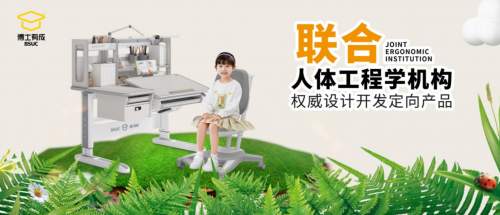
Core Insights - The learning desk market is experiencing intense competition driven by technological innovation and user experience optimization, with a focus on quality, design, and smart features for children's health and learning needs by 2025 [1] Brand Summaries - **博士有成 (Boshi Youcheng)**: Established in 2004, this brand focuses on children's health with a modern industrial park of nearly 80,000 square meters and over 1,000 service outlets across 300 cities, serving over 5 million families. It has pioneered ergonomic designs and introduced AI technology into learning desks, enhancing safety and convenience [2] - **护童 (Totguard)**: Launched the "易升" system in 2008 to address the issue of children's growth outpacing desk height adjustments, allowing for easy height adjustments to match children's growth [4] - **摩尔 (MOLL)**: A German brand founded in 1925, known for its minimalist design and precision craftsmanship. It revolutionized children's desks with adjustable height and tiltable surfaces, catering to various activities and growth stages [6] - **爱果乐 (igrow)**: Focuses on children aged 3-14, creating a product ecosystem around health that includes learning, sleeping, and exercise. Its desks feature a minimalist design to enhance focus and ergonomic details for comfort [8] - **乐歌 (Loctek)**: Founded in 2002 and listed in 2017, this company specializes in smart height-adjustable desks, promoting a "sit-stand" approach to learning, which helps maintain children's vitality [10] - **光明园迪 (Guangming Yuandi)**: Entered the children's furniture market in 2002, emphasizing health and safety through eco-friendly materials and a commitment to high-quality learning desks [12] - **大将作 (Kid2youth)**: A Taiwanese brand with 25 years of experience, known for high-quality furniture and its E6 electric growth desk set, which combines ergonomic design with electric height adjustment [14] - **康朴乐 (COMF-PRO)**: Established in 1984, this brand adheres to high European standards in materials, offering desks that support quick height adjustments and ergonomic chair designs for children's safety and flexibility [16] - **2平米 (2 Ping Mi)**: A brand under Hangzhou Ruid Design Company, focusing on original designs that promote good learning habits, recognized for its ergonomic standards and leading sales in high-end wooden desks [18] - **黑白调 (Hbada)**: A health-focused home brand with 16 years of experience in ergonomic research, known for its innovative designs that enhance comfort and efficiency in learning environments [20] Industry Trends - The top ten brands are collectively driving technological upgrades and experiential innovations in the learning desk industry, emphasizing smart exploration, growth adaptability, material safety, and scene integration to support children's healthy learning [22]
中国五金制品协会吸油烟机分会2025年度会长会议在青岛召开
Xiao Fei Ri Bao Wang· 2025-08-29 02:40
Group 1 - The meeting focused on summarizing industry development experiences, analyzing current market conditions and challenges, and discussing future high-quality development paths for the kitchen appliance industry [1] - Key industry leaders emphasized the importance of the "Private Economy Promotion Law" in supporting the legal development of the private economy and highlighted the shift of China from a "world factory" to a "brand power" [2] - The overall growth of the Chinese kitchen appliance industry in the first half of the year was attributed to national policy support, encouraging industry peers to maintain confidence and pursue high-quality innovative development [2] Group 2 - A professional analysis of the Southeast Asian kitchen appliance market forecast for 2025 indicated strong economic resilience in ASEAN countries, with Indonesia and Vietnam presenting significant market opportunities for Chinese kitchen appliance companies [3] - Industry leaders agreed on the need to enhance internal management, improve operational efficiency, and adapt to external uncertainties while focusing on core areas and product innovation [3] - The meeting concluded with a call for companies to uphold the spirit of "friendly competition and product competition" and to avoid price wars, fostering a healthy industry ecosystem [4] Group 3 - The meeting successfully gathered industry leaders, fostering a consensus among "guardians" of the industry and inspiring "pioneers" to innovate and lead [4] - The emphasis was placed on continuous technological, product, and management innovation to enhance corporate strength, product quality, brand power, and service capabilities [4] - The event aimed to unite member companies to collaboratively write a new chapter in the high-quality development of China's kitchen appliance industry [4]

中国家具协会设计工作委员会举办“设计云享会”
Xiao Fei Ri Bao Wang· 2025-08-29 02:40
Core Insights - The "Design Cloud Sharing Conference" successfully focused on breaking through and upgrading the furniture industry, promoting design innovation and deep integration with the industry [1][2] - The event attracted nearly a thousand participants, including entrepreneurs, designers, and media professionals, highlighting the importance of collaboration in the industry [1][2] Group 1: Design Committee's Role - The Design Committee aims to gather top design resources and create a high-level communication platform to lead industry development through design innovation [2] - The committee addresses industry pain points and opportunities, emphasizing the need for collaboration among educational institutions, designers, enterprises, and media experts [2] Group 2: Market Dynamics and Strategies - The furniture industry is transitioning through different development phases, and companies must rely on knowledge and internal capabilities to face challenges in a stagnant market [2][3] - Custom furniture should evolve towards standardization, utilizing AI algorithms to optimize products, reduce costs, and enhance quality [3] - New materials, processes, and production management models are essential for furniture companies to navigate current market demands [3] Group 3: Consumer Trends and Value Creation - The market shows increased consumer price sensitivity and a growing demand for differentiated and personalized products [3][4] - Companies should focus on co-creating value with users through innovative design strategies, including modular design and industry collaboration [3][4] - Identifying new market growth points, such as home office solutions and emotional healing for Generation Z, is crucial for industry advancement [3][4] Group 4: Brand Differentiation and Market Opportunities - Companies must address product DNA and brand differentiation to remain competitive in the market [5] - Understanding consumer segmentation and focusing on unique brand positioning and product features are vital for meeting diverse consumer needs [5][6] - Identifying essential needs across different consumer tiers can help companies discover new growth opportunities [6] Group 5: Future Directions - The successful hosting of the Design Cloud Sharing Conference provides a valuable platform for thought exchange and exploration of industry upgrades [5] - The China Furniture Association's Design Committee will continue to collaborate with industry peers to inject high-quality momentum into the long-term development of the furniture industry [5]
美国要对进口家具加征关税 中国企业未雨绸缪
Xiao Fei Ri Bao Wang· 2025-08-29 02:34
Core Viewpoint - The U.S. government's investigation into imposing significant tariffs on imported furniture has raised concerns among Chinese furniture exporters, prompting them to prepare for potential impacts on their businesses [1][3]. Group 1: U.S. Tariff Policy and Its Impact - The U.S. imported approximately $25.5 billion worth of furniture in 2024, a 7% increase from 2023, with around 60% of imports coming from Vietnam and China [3]. - The American Home Furnishings Alliance has criticized the tariff policy, arguing that it does not correlate with national security and will harm the domestic manufacturing sector [3]. - Home Depot has indicated that rising import costs due to tariffs will lead to price increases for some products, and the company has experienced a decline in net profit due to these rising costs [4]. Group 2: Chinese Furniture Companies' Response - Chinese furniture companies are considering relocating production to countries with lower tariffs, such as the Philippines, Morocco, and Thailand, to mitigate the impact of U.S. tariffs [6]. - Companies are also exploring new markets, with a focus on Europe and Australia, although challenges exist due to differing consumer preferences and established competition in those regions [6][7]. - Recent data shows a significant decline in trade value between China and the U.S., with furniture exports particularly affected, while trade with ASEAN countries has increased by 9.4% [7]. Group 3: Expert Recommendations - Experts suggest that Chinese furniture companies should proactively increase exports and stock in the U.S. during the tariff investigation period, while also improving product quality and reducing production costs [8]. - Strengthening partnerships with U.S. importers and distributors is recommended to share tariff costs and mitigate market risks [8]. - The current tariff situation presents both challenges and opportunities, encouraging companies to expand overseas warehouses and explore new markets [8][9].
中国家具协会发布2025年上半年中国家具行业经济运行简报
Xiao Fei Ri Bao Wang· 2025-08-29 02:33
Core Viewpoint - The Chinese furniture industry is experiencing a decline in revenue and profit in the first half of 2025, with a need for innovation and diversification to adapt to market pressures and geopolitical uncertainties [1][2][3] Revenue and Profit - In the first half of 2025, the revenue of large-scale furniture enterprises in China reached 302.39 billion yuan, a year-on-year decrease of 4.9% [1] - The total profit for the same period was 10.64 billion yuan, down 23.1% year-on-year, although it showed a recovery of 4.8 percentage points compared to January-May [2] Production and Sales - The cumulative production of the furniture industry decreased by 0.6% year-on-year, with specific declines in metal furniture (2.6%) and soft furniture (5.0%) [2] - Retail sales of furniture products in June reached 20.77 billion yuan, a year-on-year increase of 28.7%, contributing to a cumulative retail sales of 98.21 billion yuan in the first half, up 22.9% year-on-year [2] Export Performance - Cumulative exports of the furniture industry amounted to 34.92 billion USD in the first half of 2025, a decline of 6.7% year-on-year, though the decline rate improved by 1.5 percentage points compared to January-May [3] - In June, exports reached 5.93 billion USD, showing a year-on-year increase of 1.3% [3] Investment Trends - Fixed asset investment in the furniture manufacturing sector grew by 17.5% in the first half of 2025, reflecting a positive long-term outlook despite a 50.2% decline in investment returns [3]
佰鸿集团以超分子微球化技术树立行业新标杆
Xiao Fei Ri Bao Wang· 2025-08-28 06:27
Core Viewpoint - The integration of regenerative medicine and synthetic biology is reshaping the skincare industry, moving from "empirical" to "scientific precision" skincare solutions, with breakthroughs in supramolecular microencapsulation technology leading the way [2][4][6]. Group 1: Technological Breakthroughs - Supramolecular microencapsulation technology represents a significant transformation in the skincare industry, allowing active ingredients to effectively reach the core of skin issues, thus enhancing anti-aging and repair mechanisms [6][9]. - This technology can compress large biomolecules to 1/500 of their original size, enabling them to penetrate the skin barrier and stimulate collagen synthesis, significantly improving skin elasticity and smoothness [9][12]. Group 2: Industry Standards and Applications - The release of the white paper establishes quantifiable and traceable scientific standards for the precision skincare sector, providing clear guidance from R&D to product implementation [4][15]. - The white paper details successful applications of supramolecular microencapsulation technology in various skincare products, showcasing its practical effectiveness [23]. Group 3: Expert Insights and Future Trends - Industry experts emphasize the importance of understanding skin issues at the cellular level, advocating for solutions that target cellular mechanisms for effective skincare [16][18]. - The future of the skincare industry is expected to see a shift towards technology-driven solutions, with a focus on establishing standards and creating a shared technology formula library to enhance innovation [24][26].

读懂养老需求 撬动银发“经济圈”
Xiao Fei Ri Bao Wang· 2025-08-28 02:41
Core Insights - The silver economy is evolving beyond traditional concepts of elderly care, encompassing diverse consumer scenarios such as health management, entertainment, and smart products [1][4] - There is a significant gap in service standards and market regulations within the silver economy, leading to mismatches between products and the actual needs of elderly consumers [1][4] Market Growth - According to the latest data from the State Taxation Administration, the number of entities engaged in the production of silver products is expected to grow by 14.1% year-on-year by mid-2025 [1] - Revenue from the manufacturing of elderly fitness equipment, rehabilitation aids, and nutritional health products has increased by 14.7%, 12.1%, and 6.9% year-on-year, respectively, surpassing the average growth rates of the manufacturing industry by 9.5, 6.9, and 1.7 percentage points [1] Consumer Challenges - Many elderly consumers find smart wearable devices cumbersome, with issues such as inconvenient charging and lack of usability leading to low adoption rates [2][4] - Elderly travel groups often provide generic itineraries that do not cater to the varying physical capabilities of participants, resulting in dissatisfaction among travelers [2][4] Need for Adaptation - Experts emphasize that the silver economy must transition from merely providing "elderly care" to enhancing the "enjoyment of aging" [4][5] - True adaptation for elderly consumers involves rethinking technology and services from their perspective, ensuring ease of use and integration into their daily lives [5] Government and Industry Initiatives - The government is increasing support for the silver economy, with initiatives such as the "Silver Travel" train service and upgrades to public transportation to better accommodate elderly passengers [6] - There is a call for greater involvement of elderly individuals in the development of products and services, suggesting a shift from user interviews to collaborative creation [6] Future Opportunities - The silver economy presents opportunities to address higher-level needs of elderly individuals, such as social engagement, skill training, and mental health services [8] - The potential for mixed services combining AI companionship with human therapists could lead to significant market growth in the mental health sector for the elderly [6][8]

传统玩具行业积极投身AI转型
Xiao Fei Ri Bao Wang· 2025-08-28 02:41
Group 1: Market Overview - The launch of the world's first Ultraman AI toy by Haivivi has garnered significant attention in the toy industry, indicating a growing consumer interest in AI-integrated toys [1] - The AI toy market is projected to reach $18.1 billion in 2024 and is expected to grow to $60 billion by 2033, with Asia leading the market [2] - Guangdong province anticipates that the electronic information and AI toy industries could generate over 100 billion yuan in additional output value, with the total toy output expected to exceed 300 billion yuan [1] Group 2: Consumer Demand - The primary consumer demographic for AI toys consists of parents of children aged 3 to 8, who prioritize emotional companionship and educational interaction in toys [2] - Emotional interaction is considered a fundamental feature of AI toys, with parents valuing the ability of these toys to provide both companionship and educational value [2][5] Group 3: Industry Trends - Traditional toy manufacturers are increasingly entering the AI toy market, driven by technological advancements and the need to innovate [3] - The integration of popular IPs with AI technology is seen as a mutually beneficial strategy, enhancing product appeal and driving consumer engagement [3][4] - Strategic partnerships, such as the one between Shifeng Culture and Haivivi, are being formed to leverage brand strengths and accelerate product development in the AI toy sector [4] Group 4: Technological Challenges - The industry faces challenges in enhancing emotional interaction capabilities in AI toys, with a need for advancements in key technologies such as voice recognition and emotional computing [5][6] - Concerns regarding user privacy and data security are significant, as AI toys often require the collection of sensitive information from children [5][6] Group 5: Future Outlook - Despite existing challenges, the AI toy industry is poised for rapid growth, supported by technological advancements, market integration, and the exploration of ethical considerations [6]