
Jing Ji Guan Cha Bao

Search documents
这次4000点不一样,看多也要防“疯牛”
Jing Ji Guan Cha Bao· 2025-11-01 06:56
Core Viewpoint - The recent surge of the Shanghai Composite Index (SHCI) above 4000 points is met with both optimism and caution, emphasizing the need for rational market perspectives to avoid past bubbles [2][4]. Market Performance - On October 28, the SHCI surpassed 4000 points, marking a ten-year high, which has invigorated market sentiment and led analysts to raise their forecasts [2]. - Historical analysis shows that previous instances of the index crossing 4000 points were followed by significant market bubbles, driven by leveraged investments and speculative behavior [2][3]. Economic Fundamentals - The current market environment is supported by a more solid foundation compared to past instances, with market valuations at a reasonable level and a notable contribution from technology stocks [2][4]. - The Chinese economy's steady growth provides a favorable backdrop for the SHCI's return to 4000 points, although challenges such as trade friction and the need for consumption growth remain [4]. Regulatory Environment - The "924 policy package" introduced by key financial regulators has implemented systemic reforms aimed at enhancing market stability and investor confidence, which are crucial for the long-term health of the A-share market [3][4]. - Continuous efforts to optimize listing mechanisms, attract long-term capital, and improve information disclosure are part of the regulatory framework supporting the market [3]. Sector Analysis - The current market rally is characterized by a structural trend, with technology sectors such as semiconductors, AI, robotics, and new energy leading the charge, while consumer and pharmaceutical sectors have underperformed [4]. - There is a need for vigilance against irrational exuberance in technology stock valuations, as the market must adhere to fundamental economic principles [3][4].


固态电池“水火相融”:尾部拱火与头部降温、资本炒作与瓶颈待破
Jing Ji Guan Cha Bao· 2025-11-01 05:01
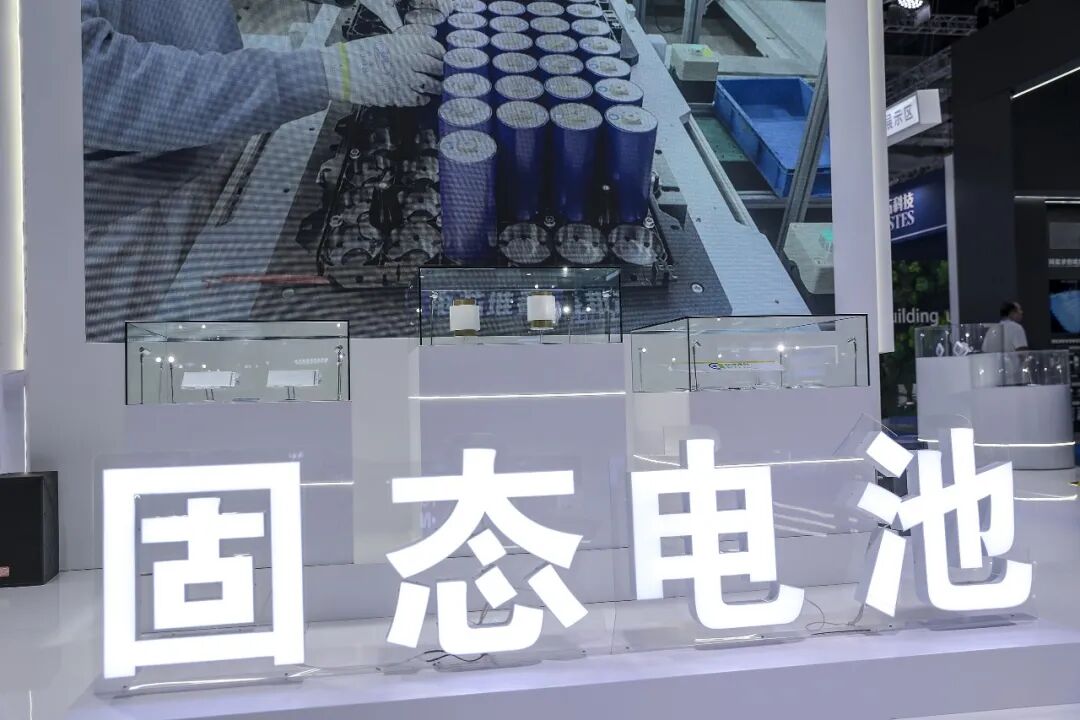
Core Viewpoint - Solid-state batteries are gaining significant attention in the market, with many companies announcing advancements and plans for mass production, but industry experts caution that true commercialization will take time and patience [2][3][7]. Industry Developments - Numerous automotive and battery companies, including Chery Automobile and Guoxuan High-Tech, have recently announced new solid-state battery developments or plans for pilot production lines [2][4]. - The solid-state battery sector has seen a surge in activity, with companies like Aoxin Technology and Huizhou Huasheng announcing plans for production lines and capacity expansion [4][6]. Technological Advancements - Tsinghua University and the Chinese Academy of Sciences have made breakthroughs in solid-state battery materials, enhancing safety, energy density, and lifespan [3]. - Companies like XINWANDA and Guoxuan High-Tech have reported high energy densities for their solid-state batteries, with XINWANDA achieving 400Wh/kg and Guoxuan High-Tech reaching 600Wh/kg [4][9]. Market Trends - The solid-state battery sector has experienced a dramatic increase in stock prices, with the sector index rising from 1200 points in April to 2426 points by October, indicating strong investor interest [6]. - Many lesser-known companies are entering the solid-state battery market, with significant investments being made in production facilities [6]. Expert Opinions - Industry experts express skepticism about the rapid commercialization of solid-state batteries, emphasizing that many claims are misleading and that the technology remains largely in the experimental phase [3][7]. - Leading battery manufacturers like CATL and BYD maintain a cautious stance, predicting that mass production of solid-state batteries may not occur until 2027 or later [7][8]. Challenges and Limitations - Solid-state batteries face significant technical challenges, including slow charge/discharge rates and high production costs, which hinder their commercialization [10][12]. - The current production yield for solid-state batteries is low, with laboratory yields at 60%-70% and pilot line yields dropping to 40%-50% [13]. Financial Performance - Companies involved in solid-state battery development, such as Guoxuan High-Tech and Aoxin Technology, have reported mixed financial results, with some experiencing significant losses despite high revenue growth [16][17]. - The financial health of these companies raises questions about their ability to sustain solid-state battery development without substantial external funding [16][17].





一台爆款AI PC如何炼成?实探联想“灯塔”工厂
Jing Ji Guan Cha Bao· 2025-11-01 04:38
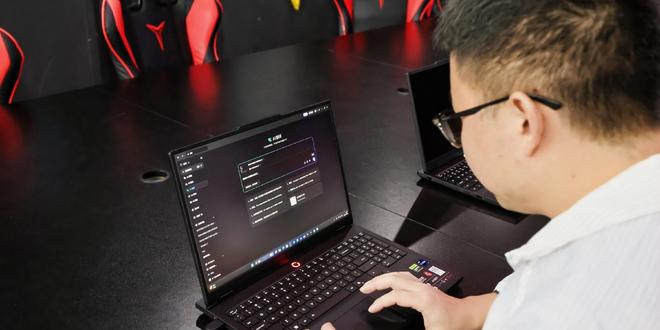
Core Insights - The article highlights the rapid response of JD.com to consumer demand for the Lenovo Y7000P 2025 AI version, driven by the search interest in the RTX 5070 graphics card, indicating a strong market demand for AI PCs [2][3][8] Group 1: Consumer Demand and Product Development - JD.com identified a surge in searches for "RTX 5070" and related terms, signaling a strong consumer interest in new gaming laptops [2][3] - The collaboration between JD.com and Lenovo led to the development of the Y7000P 2025 AI version, featuring an RTX 5070 GPU, 16GB RAM, and 1TB SSD, which quickly became popular during the "11·11" shopping festival [3][19] - The integration of JD.com's consumer insights into Lenovo's production process allowed for real-time adjustments in manufacturing priorities based on anticipated sales [3][23] Group 2: Supply Chain and Manufacturing Innovations - Lenovo's manufacturing facility in Hefei operates with high automation, capable of producing customized orders efficiently, reflecting a shift towards flexible manufacturing [3][22] - The collaboration is described as a "deep integration of smart manufacturing and digital retail," where consumer demand drives production rather than traditional supply chain methods [5][23] - JD.com's "super supply chain" model enhances efficiency by ensuring that production aligns closely with real-time consumer demand, reducing waste and optimizing costs [19][27] Group 3: Market Trends and Future Outlook - The article notes that the AI PC market is expected to see a penetration rate exceeding 10% by the end of 2025, driven by the transition to Windows 11 and the demand for AI capabilities [6][8] - Lenovo defines the characteristics of an AI PC, emphasizing the need for local AI computing power, personal knowledge management, and data privacy [11][12] - The partnership between JD.com and Lenovo is set to continue evolving, focusing on building an AI ecosystem and enhancing consumer insights for future product development [30][32][34]


一个让孩子“觉醒”最快的方式:吃高级的苦
Jing Ji Guan Cha Bao· 2025-11-01 01:59
Core Viewpoint - The article emphasizes the importance of allowing children to experience "high-level suffering" rather than "low-level suffering" to foster their growth and resilience. It argues that the right kind of challenges can enhance children's abilities and self-confidence, while unnecessary hardships can lead to negative outcomes. Group 1: Types of Suffering - Low-level suffering is described as passive and depleting, such as forced tasks and criticism, which can lead to feelings of helplessness and low self-worth [4][5] - High-level suffering is characterized as active and growth-oriented, enabling children to enhance their mental strength through challenges and self-initiated efforts [6][8] - Four types of high-level suffering are identified: 1. **Self-chosen suffering**: Children who actively choose their challenges, like learning an instrument, are more motivated and resilient [6][7] 2. **Enduring failure**: Learning from failures, as illustrated by a child who improved through repeated attempts, builds confidence and determination [8][9] 3. **Self-discipline**: Children who practice self-control, such as limiting gaming time, are more likely to succeed academically and professionally [10][11][12] 4. **Learning and thinking**: Engaging in deep learning and critical thinking prepares children for future challenges [13][14] Group 2: Guiding Children to Embrace High-level Suffering - **Cultivating autonomy**: Providing children with choices fosters a sense of control and willingness to face challenges [15][16][17] - **Encouraging inquiry**: Parents should promote curiosity by encouraging children to ask questions and think critically [18][19][21] - **Accepting failure**: A supportive attitude towards failure helps children view setbacks as opportunities for growth [22][23][24] - **Setting an example**: Parents serve as role models; their actions influence children's attitudes towards challenges and self-discipline [25][26][27][28] - The article concludes that allowing children to experience high-level suffering will empower them to thrive and grow stronger through challenges [29]
海外 Z 世代最爱哪些中国品牌?Snapchat 联手凯度发布出海 50 强榜单
Jing Ji Guan Cha Bao· 2025-10-31 14:05
Core Insights - Snapchat and KANTAR released the first "Top 50 Favorite Chinese Global Brands Among Gen Z" list, highlighting Tencent Games, Xiaomi, and SHEIN as the top three brands [1][2] - The report emphasizes the shift in Chinese brands' goals from sales growth to building cross-cultural, sustainable, and reputable global brands [2][3] Industry Overview - Gen Z accounts for approximately 25% of the global population, with a projected consumption scale of $9.8 trillion by 2025, expected to grow to $12.6 trillion by 2030 [2][3] - The report identifies key industries for Chinese brands, including 3C, gaming, e-commerce, and electric vehicles (EV), focusing on their appeal to Gen Z consumers [3][4] Brand Evaluation - The "Top 50" list was created using KANTAR's MDS model, evaluating brands based on "meaningfulness," "differentiation," and "engagement," with over 4,000 Gen Z consumers surveyed across Europe, the Middle East, and North America [3][5] - The top ten brands include 50% from the 3C sector, with Tencent Games, Xiaomi, and SHEIN leading the rankings [3][4] Sector-Specific Insights - **3C Sector**: Xiaomi, Huawei, and Hisense are recognized for their high cost-performance ratio and innovative technology, appealing to global young consumers [3][4] - **Gaming Sector**: Tencent Games, miHoYo, and DianDian Interactive leverage strong IP capabilities and local cultural integration to connect with Gen Z [3][4] - **E-commerce Sector**: SHEIN, AliExpress, and SHEGLAM utilize video-driven personalized content and AR technology to enhance user engagement [3][4] - **EV Sector**: BYD, Chery, and Geely focus on digital connectivity and social responsibility to resonate with Gen Z values [3][4] Engagement Strategies - Snapchat serves as a key platform for connecting Chinese brands with global Gen Z, emphasizing the importance of meaningful interactions in areas of interest [5][6] - The platform boasts 9.32 billion monthly active users, with 94% of users being Gen Z and Millennials, facilitating effective brand communication [6][7] Advertising Solutions - Snapchat offers comprehensive advertising solutions to help brands engage with users throughout the customer journey, from conversion to retention [7] - The platform has successfully collaborated with various brands in the 3C, gaming, e-commerce, and automotive sectors to establish valuable connections with Gen Z [7]


董峰:资产端数字化是RWA的本质特征
Jing Ji Guan Cha Bao· 2025-10-31 11:42
Core Viewpoint - Shenzhen Qianhai Hesu Technology Co., Ltd. and Zhengding Shumao Center launched the first fully closed-loop RWA product in mainland China, the eRWA (enhanced Real World Asset) brown sugar chain, aiming to provide a replicable case and standard for the digital transformation of industries [1][5]. Group 1: Product Launch and Features - The eRWA brown sugar chain product is based on the digitalization of physical assets, specifically in the agricultural sector, utilizing advanced technologies such as drones and algorithms for data collection [5]. - The product emphasizes the importance of strict one-to-one mapping between physical assets and their digital representations, distinguishing it from other RWA products that may rely on vague or virtual rights [7][8]. - eRWA products are characterized by their ability to be fully digitalized and must possess independent, usable value after physical segmentation, ensuring they can generate actual benefits in both industrial and consumer contexts [6][7]. Group 2: Market Context and Differentiation - The eRWA product is positioned as a pre-sale of physical production capacity rather than a tokenized financing tool, marking a significant distinction from many existing RWA products that are based on the credit of the issuing entity [8]. - The launch of eRWA aims to create a complete commercial closed loop within China, avoiding the complexities and costs associated with cross-border transactions that many current RWA products face [8][9]. - The product seeks to enhance the connection between production and consumption, thereby optimizing resource allocation and improving market efficiency through digitalization [9][10]. Group 3: Broader Implications and Future Vision - The introduction of eRWA is seen as a step towards the digitalization of the asset side of the economy, potentially transforming the modern financial system by eliminating the need for intermediaries in asset-funding matching [10][13]. - The initiative aligns with China's goal of surpassing the income threshold of $30,000 per capita by 2035, emphasizing the need for continuous industrial upgrading and technological innovation [11][12]. - The eRWA product is viewed as a pioneering effort in the Web3 space, aiming to bind digital assets with various stakeholders, thus representing a significant commercial innovation [13][14].
低空经济从“景观体验”迈向“产业集群”
Jing Ji Guan Cha Bao· 2025-10-31 10:50
Core Viewpoint - The low-altitude economy in Lianyungang's Haizhou District is transitioning from "scenic experience" to "industrial cluster," enhancing high-quality development through the establishment of specialized operational entities, diverse application scenarios, and targeted professional talent cultivation [1] Group 1: Low-altitude Economy Development - Haizhou District has invested in 500 high-performance drones and formed a drone performance cluster with over 1,000 drones, launching regular drone light shows and aerial shadow performances, significantly boosting local tourism and consumption [1] - The establishment of Lianyungang Low-altitude Industry Investment and Operation Co., Ltd. has led to the creation of a low-altitude security laboratory, integrating resources from various disciplines to enhance the low-altitude security system [1] Group 2: Logistics and Urban Management - The opening of the first cross-province drone logistics route has reduced delivery time for fresh seafood from one hour to thirty minutes, demonstrating the efficiency of drone logistics [2] - Drones are being utilized for urban management tasks, such as high-rise building cleaning, achieving a tenfold increase in efficiency and a 70% reduction in water usage compared to traditional methods [2] Group 3: Talent Development - The "order-based" training model at the Jindouyun Drone Training Base has enrolled 121 students, achieving a pass rate of over 95%, ensuring a steady supply of skilled professionals for the low-altitude economy [3]
国家发改委等五部门印发《深化智慧城市发展推进全域数字化转型行动计划》
Jing Ji Guan Cha Bao· 2025-10-31 09:58
Core Viewpoint - The article discusses the "Action Plan for Deepening Smart City Development and Promoting Comprehensive Digital Transformation," aimed at enhancing urban governance and improving the quality of life through data-driven initiatives and digital infrastructure development [1][2]. Summary by Sections Overall Requirements - The plan is guided by Xi Jinping's thoughts and aims to integrate data into urban economic and social development, focusing on building a digital foundation and enhancing urban governance by 2027 [3]. Implementation of Smart Governance - Establish a smart governance system through integrated management and data sharing, enhancing capabilities in monitoring, decision-making, and emergency management [4]. - Develop a risk monitoring and early warning system for urban safety, utilizing advanced technologies for disaster prevention and response [5]. - Improve public service efficiency by integrating various governance channels and enhancing community engagement [5]. Digital Quality of Life Initiatives - Promote integrated public services through digital platforms, reducing processing times and improving accessibility in healthcare and education [6]. - Foster innovative digital lifestyles by enhancing cultural and recreational services through technology [7]. Economic Empowerment through Digitalization - Leverage urban data resources to stimulate economic growth and innovation, supporting the development of data-driven industries [8]. - Encourage the transformation of underutilized spaces into innovation hubs, fostering collaboration between traditional and emerging industries [9]. Urban Digital Renewal - Accelerate the digital transformation of urban infrastructure, focusing on smart sensing and management of essential services [10]. - Support the development of smart communities with enhanced digital services and community engagement [11]. Foundation for Digital Transformation - Build a robust digital infrastructure that supports data sharing and integration across various platforms [12]. - Establish a comprehensive data resource system to enhance public data management and accessibility [13]. Reform and Innovation in Governance - Innovate governance structures to facilitate data-driven decision-making and improve inter-departmental collaboration [14]. - Develop a standardization framework to guide the digital transformation process across cities [14]. Implementation and Coordination - The National Data Bureau will oversee the implementation of the action plan, ensuring collaboration among various departments and local governments [15].

三十年后,我们还需要《新世纪福音战士》吗?
Jing Ji Guan Cha Bao· 2025-10-31 09:58
Core Insights - The article discusses the cultural impact and enduring relevance of "Neon Genesis Evangelion" (EVA), highlighting its exploration of human emotions and existential themes over the past thirty years [1][2][3] Group 1: Historical Context - "Neon Genesis Evangelion" emerged during a time of social upheaval in Japan, marked by economic collapse and a series of disasters that shattered the illusion of safety and order [2][6] - The series reflects the collective sense of loss and anxiety experienced by Japanese youth in the 1990s, addressing themes of isolation and the struggle for identity in a rapidly changing society [5][6] Group 2: Themes and Characters - The protagonist, Shinji Ikari, represents a departure from traditional heroic narratives, embodying reluctance and emotional turmoil rather than strength and confidence [7][8] - The "Human Instrumentality Project" serves as a metaphor for the desire to eliminate individual differences in pursuit of a harmonious existence, raising questions about identity and autonomy [8][9] Group 3: Modern Relevance - The article draws parallels between the themes of EVA and contemporary issues such as algorithm-driven social interactions and the commodification of emotions, suggesting that the quest for understanding has evolved but remains fraught with challenges [9][10] - The concept of "self-exploitation" in modern society is highlighted, where individuals feel pressured to constantly improve and produce, reflecting a shift in the nature of personal responsibility and societal expectations [11][12] Group 4: Cultural Impact - EVA has influenced the animation industry by integrating complex psychological themes into storytelling, moving beyond mere entertainment to address deeper emotional and social issues [17][18] - The series has opened up discussions about mental health and personal identity, resonating with audiences who grapple with similar feelings of isolation and confusion in today's digital age [16][18]
日赚超6亿,“寿险一哥”中国人寿是怎么做到的?
Jing Ji Guan Cha Bao· 2025-10-31 06:43
Core Insights - China Life Insurance Company reported a strong growth in new business value by 41.8% for the first three quarters of 2025, with net profit exceeding 167.8 billion yuan, marking a 60.5% increase year-on-year [1][2] Group 1: Financial Performance - The company achieved a daily profit of 614 million yuan during the first three quarters [2] - Total premium income reached 669.645 billion yuan, reflecting a year-on-year growth of 10.1%, with renewal premiums at 451.611 billion yuan and new single premiums at 218.034 billion yuan, both showing positive growth [4][5] - Total investment income for the first three quarters was 368.551 billion yuan, an increase of 40% compared to the same period in 2024, with an investment yield of 6.42% [6] Group 2: Business Strategy - The significant increase in net profit is attributed to the diversification of liability-side business and enhanced investment income from the asset side [3] - The company has focused on floating income products, which have increased their share in first-year premiums by over 45 percentage points compared to the previous year, helping to lower liability costs [6] - The company has actively invested in the equity market, which has contributed to the overall increase in investment income, coinciding with a 15.84% rise in the Shanghai Composite Index [6]
