Cai Jing Wang

Search documents
云南“十五五”规划建议:打造“旅居云南”大IP、大生态、大产业
Cai Jing Wang· 2025-12-29 03:09
Group 1 - The core viewpoint of the article emphasizes the need to enhance cultural tourism consumption and develop various initiatives such as "Travel in Yunnan," "Colorful Clouds" series, and "Yunnan Night" to stimulate economic growth [1][3] Group 2 - The proposal aims to consolidate and elevate the特色优势产业 (characteristic advantageous industries) by focusing on highland特色农业 (highland characteristic agriculture) and promoting deep processing of agricultural products [2] - The plan includes the development of a world-class fresh-cut flower industry and the modernization and international branding of the coffee industry [2] - It seeks to strengthen the entire industry chain of traditional Chinese medicine and establish a "second tobacco industry" while enhancing the natural rubber industry [2] - The initiative promotes the deep integration of culture and tourism, aiming to enhance the appeal of Yunnan as a travel destination and build a trustworthy tourism service brand [2] Group 3 - The proposal outlines actions to unleash consumer potential by optimizing consumption structure and promoting the construction of a strong commercial province [3] - It emphasizes the importance of utilizing consumption promotion policies to release potential in sectors such as home appliances, travel, and housing [3] - The plan includes expanding cultural tourism consumption and developing new consumption growth points, such as emotional economy and new retail models [3] - Support for the integration of online and offline shopping, as well as the development of new business models like "smart retail" and social e-commerce, is also highlighted [3]
云南“十五五”规划建议:着眼住房消费新需求和“旅居云南”高质量发展,大力推进“好房子”建设
Cai Jing Wang· 2025-12-29 03:09
《建议》提出,推动房地产高质量发展。建立与人口规模和流向、产业基础、公共服务设施等核心要素 相适配的房地产开发机制,加快构建房地产发展新模式。建立健全满足保障性、刚性、改善性、外向型 购房需求的多层次住房供应体系。着眼住房消费新需求和"旅居云南"高质量发展,大力推进"好房子"建 设。建立房屋全生命周期安全管理制度,实施房屋品质提升计划和物业服务质量提升行动。 建立健全满足保障性、刚性、改善性、外向型购房需求的多层次住房供应体系 12月29日,《中共云南省委关于制定云南省国民经济和社会发展第十五个五年规划的建议》发布(以下 简称《建议》)。 ...
恒瑞医药:将公司SHR6508项目有偿许可给翰森制药, 首付款为3000万元
Cai Jing Wang· 2025-12-29 03:08
Core Viewpoint - Recently, Heng Rui Medicine (600276) signed an exclusive licensing agreement with Hansoh Pharmaceutical Group Co., Ltd. to license its SHR6508 project, which is currently in Phase III clinical trials for treating secondary hyperparathyroidism in chronic kidney disease patients undergoing dialysis [1] Group 1: Licensing Agreement - The licensing agreement involves a payment of RMB 30 million as an upfront fee from Hansoh Pharmaceutical to Heng Rui Medicine [1] - Heng Rui Medicine is eligible to receive regulatory milestone payments and commercial milestone payments related to the inclusion of the licensed product in the national medical insurance directory, which can total up to RMB 190 million [1] - The company is entitled to a tiered sales commission based on quarterly net sales, with a maximum rate of 9% [1] Group 2: Product Details - SHR6508 is a novel calcium-sensing receptor allosteric modulator intended for the treatment of secondary hyperparathyroidism in adult patients with chronic kidney disease requiring dialysis [1] - The mechanism of SHR6508 involves enhancing sensitivity to calcium ions, which reduces the secretion of parathyroid hormone (PTH) in patients with secondary hyperparathyroidism [1] Group 3: Related Parties - Hansoh Pharmaceutical and its subsidiary, Jiangsu Hengrui Pharmaceutical Group Co., Ltd., are considered related parties due to the control of the company's actual controller and chairman, Sun Piaoyang, by his spouse [1] - This transaction constitutes a related party transaction as per the listing rules [1]

零跑CEO朱江明回应一汽入股,称将保持创始团队控制权
Cai Jing Wang· 2025-12-29 02:25
Core Viewpoint - The CEO of Leap Motor, Zhu Jiangming, emphasized that the company will maintain control by the founding team despite the investment from FAW Group, which is expected to enhance the company's stability and risk resilience [1] Group 1: Investment and Control - FAW Group will become a strategic shareholder in Leap Motor through an increase in domestic shares, as per the investment and cooperation agreement signed on December 28 [1] - The agreement includes collaboration between FAW's subsidiary, Qixin Power, and Leap Motor for the joint development and production of plug-in hybrid and range-extended powertrains [1] Group 2: Market Outlook - Zhu Jiangming acknowledged that the automotive sector will face challenges in the coming years, indicating that having major shareholders and collaboration in components is a beneficial choice for Leap Motor [1]



德意志银行(中国)总行副行长彭彦杰:自贸港为跨境金融创新提供了独一无二的“试验田”
Cai Jing Wang· 2025-12-28 17:28
Core Insights - The wealth management industry is undergoing a significant transformation from a product-centric approach to a client-centric model, emphasizing personalized services for high-net-worth individuals [1][3]. Group 1: Wealth Management Trends - Deutsche Bank's private banking division primarily serves entrepreneurs, indicating that wealth management must integrate personal wealth, family legacy, and corporate financial needs into a cohesive service offering [3]. - Effective wealth transfer strategies should utilize tools like family trusts and insurance to ensure asset protection and risk isolation, tailored to the different life stages of families and businesses [3]. Group 2: Opportunities in Hainan Free Trade Port - The policies of Hainan Free Trade Port provide a favorable environment for family trusts, enhancing their security, flexibility, and international appeal, supported by advantageous tax and foreign exchange management policies [3]. - The Free Trade Port serves as a unique "testing ground" for innovative cross-border financial products and services, catering to the diverse needs of high-net-worth individuals [4]. Group 3: Client Engagement and Education - The concept of "accompanying financial education" emphasizes clear communication of complex product terms to help clients understand risks and returns, highlighting the importance of ongoing client engagement [5]. - Financial institutions are encouraged to collaborate with local universities and regulatory bodies to establish educational programs that enhance investor understanding of the new financial ecosystem post-border closure [6].
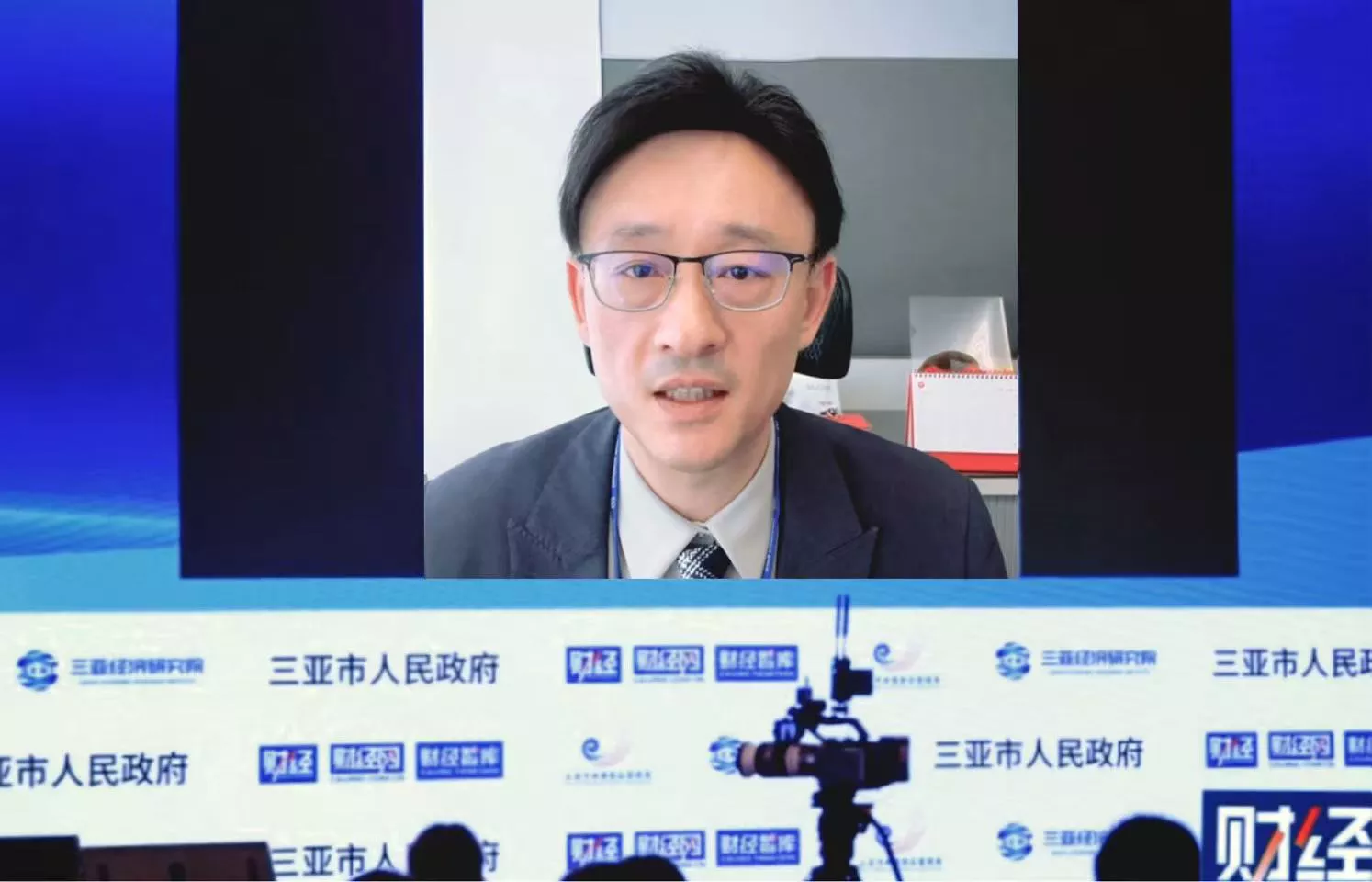
傅诚刚:海南需重点打造能吸引全球投资和人才的“名片经济”
Cai Jing Wang· 2025-12-28 16:16
Core Viewpoint - The Sanya International Forum emphasizes the future positioning of Hainan Free Trade Port and new opportunities in Sanya, highlighting the need for offshore finance development to align with the real economy through institutional supply and ecological construction [1]. Group 1: Development Strategies - Hainan should leverage its proximity to the mainland economy while also looking globally to facilitate the smooth flow of capital and talent [3]. - The focus should be on creating a "brand economy" that attracts global investment and talent, including hosting top international events and developing education, healthcare, and offshore service trade [3]. - Utilizing free trade port policies to explore new fields such as bulk commodity spot trading is essential for Hainan's development [3]. Group 2: International Financial Centers - Global offshore centers can be categorized into virtual and physical types, with notable examples including Hong Kong and Singapore as established financial hubs [4]. - Middle Eastern financial centers, such as Dubai and Abu Dhabi, follow a phased development strategy, emphasizing the importance of a supportive economic environment [5][6]. - Key characteristics of successful financial centers include independent regulatory powers, common law application, full foreign ownership, and low tax rates [7][12]. Group 3: Economic Integration and Talent Attraction - Hainan's development must focus on integrating with the mainland economy while also appealing to international markets [13]. - The region should aim to create a high-quality living environment that matches the lifestyle of high-income international professionals [13]. - Attracting global talent requires a diverse economic landscape and high-end service industry development to enhance Hainan's global brand influence [15]. Group 4: Education and Infrastructure - Hainan should invest in international higher education and vocational training to support the needs of professionals in the free trade port [17]. - The development of financial and trade infrastructure is crucial for enhancing connectivity and influence on a global scale [18].
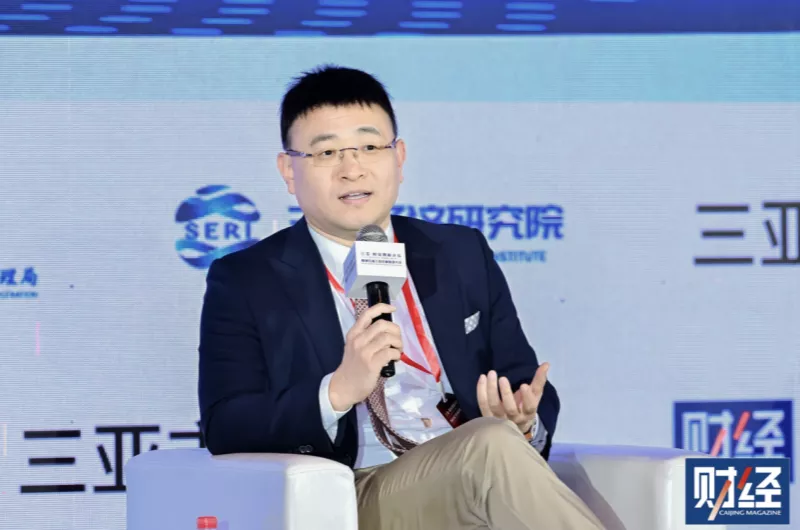
中国服务贸易协会副会长赵晋平:服务出口对经济增长的拉动作用正逐步增强
Cai Jing Wang· 2025-12-28 15:10
Core Viewpoint - The "Sanya International Forum and the Fifth Sanya Wealth Management Conference" highlighted the strong growth phase of service trade, particularly service exports, which are increasingly vital for economic growth in the context of rising trade protectionism [1][4]. Group 1: Service Trade Growth - Service exports grew by 14.2% from January to October 2024, with an expected annual growth of 18.2% [5][6]. - Travel service exports surged by 54.4%, driven by high-level unilateral open policies and visa exemptions for 75 countries [6][7]. - The contribution of service exports to nominal GDP growth reached 0.34% in the first three quarters of 2024, indicating a rising impact on economic growth [9]. Group 2: Industry Integration and Opportunities - The integration of service trade with secondary industries is enhancing service export growth, particularly in maintenance and repair services [7][9]. - The establishment of a maintenance base for international cruise ships in Hainan represents a significant opportunity for service exports [11]. - The digital economy is driving growth in data trade, which constitutes about 20% of service exports [8][9]. Group 3: Hainan Free Trade Port Advantages - Hainan's local product exports grew at an annual rate of 13.6%, surpassing the national average of 8.1% [10]. - Companies registered in Hainan experienced a 25.3% annual growth in exports, indicating the effectiveness of Hainan's geographical advantages [10][11]. - The service trade growth rate in Hainan from January to October was 84.6%, significantly higher than the national average of 5.8% [11]. Group 4: Emerging Sectors and Cultural Exports - Personal cultural entertainment service exports from Hainan increased by 20 times compared to the previous year, showcasing substantial growth potential [12]. - The financial sector in Hainan has seen a 16-fold increase in imports and a 4.6-fold increase in service exports, indicating a competitive edge in financial services [12][14]. - The overall service export dependency in Hainan is 6.2%, compared to the national average of 2.6%, highlighting Hainan's unique advantages in service trade [13].
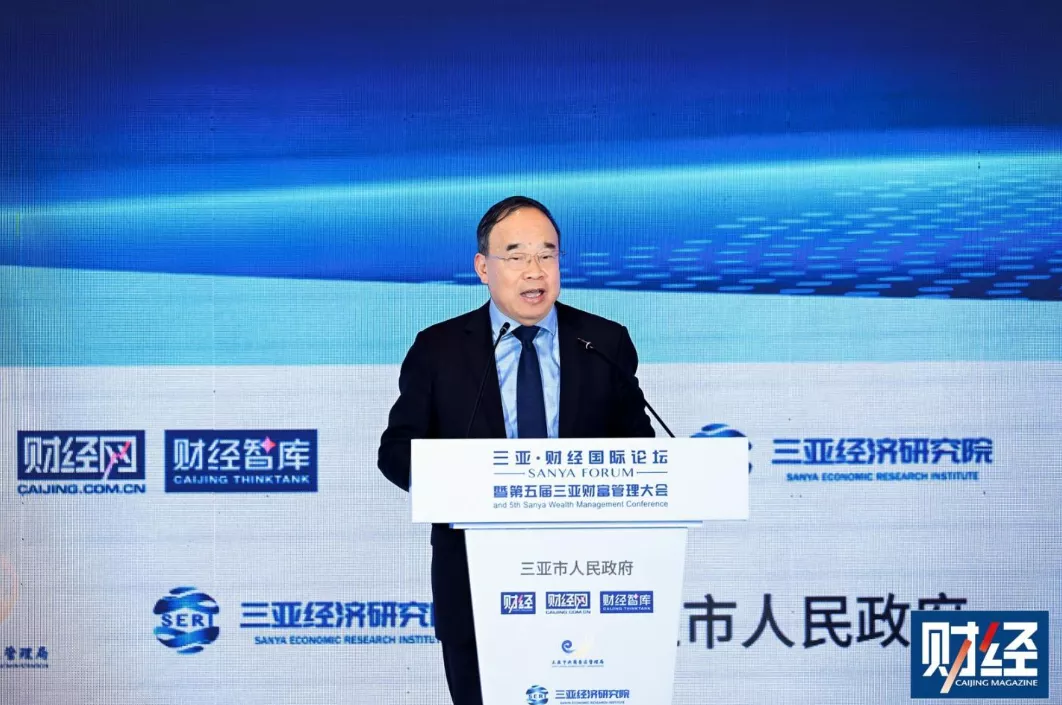
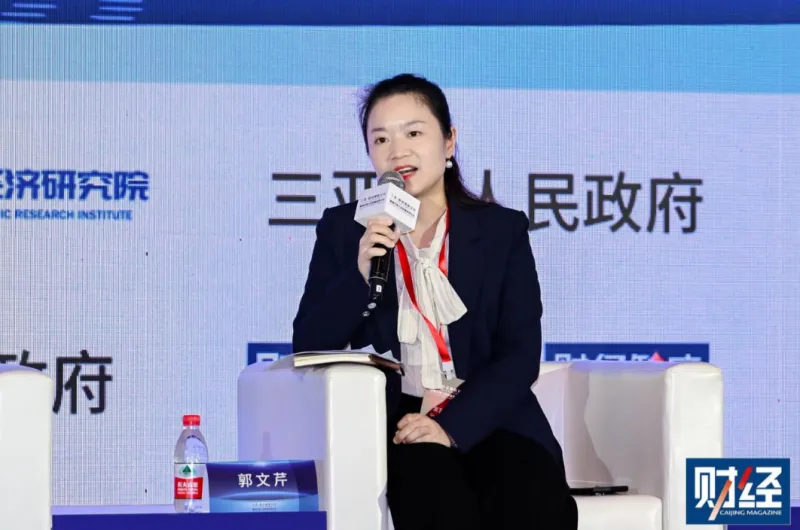
郭文芹:海南自由贸易港要在中国-东盟经贸合作中发挥战略枢纽的作用
Cai Jing Wang· 2025-12-28 15:10
Core Viewpoint - The Sanya International Forum and the Fifth Sanya Wealth Management Conference highlighted the strategic importance of Hainan Free Trade Port as a significant milestone in China's reform and opening-up process, emphasizing its role in enhancing China-ASEAN economic cooperation [1][3]. Group 1: Strategic Role of Hainan Free Trade Port - Hainan Free Trade Port is positioned to serve as a strategic hub for China-ASEAN economic cooperation, acting as a base for comprehensive strategic collaboration and a connection point to the RCEP market [3][5]. - The port is expected to facilitate the establishment of a blue economy market between China and ASEAN, leveraging Hainan's jurisdiction over 200,000 square kilometers of maritime territory [5][6]. Group 2: Policy Implementation and Development Goals - The implementation of core policies focusing on "zero tariffs, low tax rates, and simplified tax systems" is crucial for the success of Hainan Free Trade Port [7]. - The port aims to become a leading open gateway for China's new era of foreign trade, aligning with the strategic goals set by the Chinese leadership [4][7]. Group 3: Economic and Market Potential - Hainan's unique advantages in tropical agriculture, green economy, healthcare, and marine economy position it well for collaboration with ASEAN countries [6]. - The expected annual growth rate of China's retail sales of consumer goods is projected at 5.5% from 2020 to 2024, indicating a robust domestic market that Hainan can leverage for international trade [5].
小米联合创始人林斌拟减持不超20亿美元股份用于成立基金
Cai Jing Wang· 2025-12-28 14:24
Core Viewpoint - The co-founder of Xiaomi, Lin Bin, plans to sell up to $2 billion worth of Class B ordinary shares over the next few years, starting from December 2026, while expressing confidence in the company's business prospects [1] Group 1 - Lin Bin intends to sell no more than $500 million of Class B ordinary shares every 12 months [1] - The total amount he plans to sell will not exceed $2 billion [1] - The proceeds from the share sales will primarily be used to establish an investment fund company [1]


茅台2026年减少高附加值产品投放,取消分销方式
Cai Jing Wang· 2025-12-28 14:15
Core Viewpoint - In 2026, Kweichow Moutai plans to reduce the supply of high-value-added products and will stop using the distribution model, aiming to stabilize product prices and increase the market share of its regular Moutai products [1] Group 1: Product Strategy - The company will appropriately reduce the supply of high-value-added products, including a cut in the production of zodiac Moutai and a complete halt on the supply of rare Moutai [1] - The focus will shift towards increasing the market share of regular Moutai products [1] Group 2: Distribution Model - Kweichow Moutai will no longer use the distribution model starting in 2026, which previously allowed distributors to purchase products at approximately 90% of the suggested retail price [1] - The decision to stop the distribution model is influenced by the significant price discrepancies between non-standard Moutai products and their suggested retail prices, which have led to losses for some distributors [1] Group 3: Pricing Strategy - The company plans to adjust product prices according to market conditions in the coming year, with an emphasis on stabilizing prices [1]