Hua Xia Shi Bao

Search documents
甘李药业在研新药进度落后同行,Q3业绩环比双降,应收账款激增147%藏隐忧
Hua Xia Shi Bao· 2025-12-11 06:03
Core Viewpoint - Ganli Pharmaceutical Co., Ltd. has received approval for clinical trials of its biosimilar drug GLR1044, targeting a significant market for atopic dermatitis, which has a global annual sales potential of €13.072 billion [2][4] Group 1: Clinical Development and Market Position - GLR1044 is a biosimilar of Dupixent (dupilumab) and aims to enter the atopic dermatitis market, which has approximately 204 million global patients, with an estimated 75 million patients in China by 2025 [2][4] - The drug has only received clinical trial approval and has not yet begun patient enrollment, with a projected clinical trial timeline of 3 to 5 years [3][4] - Competitors such as Qilu Pharmaceutical and Innovent Biologics have advanced clinical trials for similar products, putting Ganli at a disadvantage as a "follower" in the market [3][4] Group 2: Financial Performance and Challenges - Ganli's revenue for the first three quarters of 2025 was CNY 3.047 billion, with a net profit of CNY 818 million, indicating a recovery after previous performance issues [3] - However, the company reported a significant decline in revenue and profit in Q3 2025, with total revenue of CNY 980 million, down 9.4% from Q2, and a net profit decrease of 26% [7] - The core product, insulin glargine, has seen a drop in sales volume and price, leading to concerns about maintaining profitability [8][10] Group 3: Operational and Financial Risks - The company's accounts receivable increased significantly, reaching CNY 530 million, a 147.86% rise compared to the previous year, indicating potential credit policy relaxation [11][13] - High inventory levels of CNY 1.125 billion, which account for approximately 9.3% of total assets, pose risks of depreciation due to market changes or technological updates [15][16] - The slow growth of cash flow compared to net profit raises concerns about the company's operational efficiency and financial health [15][16]


上海11月二手房成交创7个月新高!房东“锁盘”引关注,核心区与刚需盘分化明显
Hua Xia Shi Bao· 2025-12-11 04:29
Core Insights - The Shanghai second-hand housing market experienced a significant increase in transaction volume in November 2025, reaching 22,943 units, the highest since May of the same year, with a growth rate of approximately 24% compared to October [3][5] - The "Six Policies" implemented in August have positively impacted the market, leading to a structural shift where demand for lower-priced properties is driving transactions, while higher-end properties face more pressure [5][9] - There is a notable trend of landlords withdrawing listings, with reports suggesting a withdrawal rate of 15.3%, although this figure has been disputed by industry experts [3][7] Market Dynamics - The transaction volume in November ranked third in the past year, only behind the peak periods of March and April, indicating a "small tail" market trend [5] - The market is characterized by a clear division between core areas, which are seeing price stability and increased demand, and suburban areas, which are under more price pressure [6][9] - The average price of second-hand homes in Shanghai decreased by 1.24% month-on-month and 5.56% year-on-year, with the average price recorded at 56,708 yuan per square meter [6][9] Supply and Demand Trends - The supply of second-hand homes is decreasing, with a 2.6% drop in listings in November, particularly in core areas where the withdrawal of quality listings is more pronounced [8] - Landlords are increasingly reluctant to sell at lower prices, leading to a rise in rental listings as they opt to convert properties from sale to rental [8][9] - The proportion of transactions for properties priced below 3 million yuan reached 60%, highlighting the dominance of demand from first-time buyers [6][9] Future Outlook - Predictions for December suggest continued high transaction volumes, potentially reaching annual peaks, supported by the ongoing effects of the "Six Policies" and the traditional year-end market activity [9] - The market is expected to maintain a trend of price differentiation, with the "price-for-volume" strategy continuing to dominate [10] - Long-term forecasts indicate resilience in the second-hand housing market in first-tier cities, driven by the recognition of quality assets and adjusted price levels [10]

盲人门球运动员的坚守与热爱:黑暗中,他们听见梦想的回声
Hua Xia Shi Bao· 2025-12-11 04:21
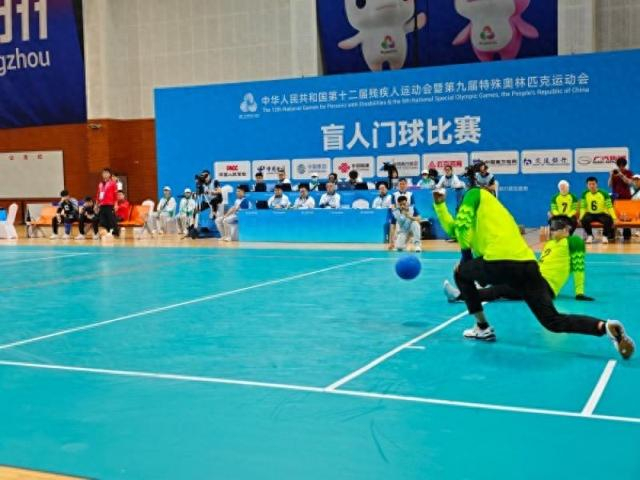
李云鹏/摄 本报(chinatimes.net.cn)记者王敬 广州摄影报道 当呐喊助威成为竞技赛场的标配,广州市残疾人体育运动中心却沉浸在一片精心守护的寂静里。走进场 馆,安静到可以听到呼吸的声音。 在全国第十二届残疾人运动会暨第九届特殊奥林匹克运动会(下称"残特奥会")的盲人门球赛场上,没 有震耳欲聋的呐喊助威,只有球体滚动、球员扑救的摩擦声与时不时响起的清脆铃声。这是一项需要极 度安静环境的运动,观众的每一次掌声都恰到好处,这是对这项特殊运动与运动员们最深刻的理解与尊 重。 "我们这个项目的特殊之处是,观众不能像其他赛事一样太过于热情。希望观众能够更多的是理解,不 要发出干扰我们判断的声音。"12月10日,盲人门球上海队队长胡晓挺在赛后接受《华夏时报》记者采 访时表示。 这份"安静的支持"成为观赛礼仪的核心。胡晓挺还补充道:"无论我们进球还是对手进球,都希望观众 能给予掌声。虽然我们在赛场上是对手,但是私下都是很好的朋友。" 无声战场:对抗,在绝对的黑暗中 "盲人门球是一项为视觉障碍运动员设计的项目。运动员需要戴上双层眼罩——一层内眼罩、一层外眼 罩。" 残特奥会盲人门球竞委会技术代表郝国华介绍道,"这 ...
分歧添新动向,平安系起诉华夏幸福和王某|快讯

Hua Xia Shi Bao· 2025-12-11 04:12
近期,平安系与华夏幸福的分歧持续发酵,双方的博弈再添新动向。天眼查信息显示,中国平安人寿保 险股份有限公司及平安资产管理有限责任公司起诉华夏幸福基业控股股份公司(下称"华夏幸福")及王 某,案由为申请确认仲裁协议效力。该案件将于12月17日14时在上海金融法院开庭。 文/董红艳 同时值得留意的是,平安方面原计划2025年9到11月通过大宗交易或集中竞价方式,减持华夏幸福3%股 份,截至11月30日减持期限届满,仅完成0.2%的减持。减持后,平安系仍持有华夏幸福24.99%股权, 仍是其第一大股东。 编辑:张蓓 此前华夏幸福被债权人申请预重整并获廊坊中院受理后,平安系通过派驻董事公开质疑预重整程序合规 性,且作为华夏幸福债委会主席单位,牵头主张对华夏幸福开展专项财务尽职调查;而华夏幸福方面回 应称预重整程序符合规定,已配合法院指定的临时管理人开展资产负债调查,无义务配合债委会另行组 织的尽调。 ...

全球最大冰淇淋公司梦龙上市,在核心高地中国市场面临质价比挑战
Hua Xia Shi Bao· 2025-12-11 04:12
Core Viewpoint - The independent listing of the ice cream giant Magnum marks a significant shift in the global ice cream market, with a market capitalization exceeding 64 billion RMB and projected revenue of nearly 8 billion euros in 2024 [2][3]. Group 1: Company Overview - Magnum officially announced its listing on December 8, with shares traded in Amsterdam, London, and New York, totaling 612 million shares [3]. - The company holds a global market share of 21% as of 2024, significantly higher than its closest competitor, Froneri, at 11% [4]. - Magnum's brand portfolio includes top-tier ice cream brands such as Cornetto, Häagen-Dazs, and Ben & Jerry's, covering a full range from mass-market to premium products [4]. Group 2: Market Position and Strategy - The CEO of Magnum emphasized the company's agility and focus as an independent entity, aiming for growth and productivity improvements [3]. - The company plans to invest in marketing, product development, and capital operations to enhance its competitive position in the global market [2][3]. - The Chinese market remains a strategic focus for Magnum, despite facing intense competition from local players and cross-industry competitors [2][6]. Group 3: Challenges and Opportunities - The Chinese ice cream market is characterized by fierce competition, with local brands and tea beverage companies increasingly encroaching on market share [6][7]. - Analysts suggest that Magnum must innovate and adapt to local consumer preferences to succeed in China, including product diversification and pricing flexibility [8][9]. - The potential for growth in the Chinese market presents a significant opportunity for multinational companies like Magnum, provided they can navigate the competitive landscape effectively [7][9].

账上资金仅6.61亿元!中能电气却拟豪掷8.57亿元拿下三家公司控制权
Hua Xia Shi Bao· 2025-12-11 02:54
Core Viewpoint - Zhongneng Electric Co., Ltd. is planning to acquire 65% stakes and associated debts in three companies, which may exert significant financial pressure due to the cash outlay of approximately 857 million yuan [2][3][5]. Financial Position - As of the end of Q3 this year, Zhongneng Electric reported cash reserves of 661 million yuan, accounts receivable of 1.07 billion yuan, total assets of 2.948 billion yuan, short-term loans of 243 million yuan, and total liabilities of 1.706 billion yuan, resulting in a debt-to-asset ratio of 57.88% [2]. - The company has shown negative operating cash flow and declining net profits, indicating weakened self-financing capabilities and a tight cash flow situation [3]. Acquisition Details - The acquisition involves three target companies: Shandong Dacheng Electric Co., Ltd., Shandong Dacheng High Voltage Switch Co., Ltd., and Shandong Shui Fa Chi Xiang Electric Co., Ltd., with a total transfer base price of 857.27 million yuan [2][5]. - The first two companies are currently operating at a loss, with combined losses exceeding 44 million yuan for the first ten months of 2025 [4][5]. - The third company, Shui Fa Chi Xiang Electric, is the only profitable entity among the three, reporting a net profit of 10.54 million yuan in the same period [6]. Strategic Rationale - The acquisition is positioned as a strategic move to enhance Zhongneng Electric's product offerings in the high-voltage sector, aiming to fill existing gaps and improve market share through synergies [6]. - The target companies primarily engage in the research, production, and sales of high-voltage transformers and switches, aligning with Zhongneng Electric's operational focus in the power industry [6]. Market Challenges - Zhongneng Electric has faced significant challenges in its business segments, particularly in the renewable energy sector, leading to a loss in 2023 due to various policy impacts and increased competition in the smart electrical equipment market [8][9]. - The company reported a 30.85% decline in revenue for 2024, with a net profit loss of 77.53 million yuan, indicating ongoing financial difficulties [8][9].

五矿系整合 “冰火两重天”:公告次日中国中冶跌停、五矿发展涨停,后者单季净利暴跌 92%
Hua Xia Shi Bao· 2025-12-11 01:29
Core Viewpoint - The integration of assets within the "Wujin System" is progressing, while the injection of black metal assets remains uncertain, leading to contrasting market performances for Wujin Development and China Metallurgical Group [2][3][11]. Group 1: Financial Performance - Wujin Development's revenue for the first three quarters of 2025 was 40.89 billion yuan, a year-on-year decline of 20.42%, with a net profit attributable to shareholders of 114 million yuan, down 16.47% [7][8]. - In Q3 2025, Wujin Development reported revenue of 13.91 billion yuan, a year-on-year decrease of 16.75% and a net profit of only 6.26 million yuan, a sharp decline of 92.68% [8]. - The company is facing significant financial pressure, with a recent legal case potentially providing only limited relief to its profitability [8][9]. Group 2: Market Reactions - On December 9, Wujin Development's stock price surged by 9.98% to 9.48 yuan per share, while China Metallurgical Group's stock fell to a new low of 3.05 yuan per share due to concerns over asset outflows [3][4]. - The market's reaction reflects a speculative belief that Wujin Development may benefit from potential asset acquisitions, despite the lack of clear announcements regarding asset injections [5][7]. Group 3: Asset Integration and Strategy - China Metallurgical Group announced the sale of its non-core assets, including real estate and related subsidiaries, for a total consideration of 60.68 billion yuan, aiming to refocus on its core business [11][12]. - The transaction is part of a broader strategy to optimize resource allocation and enhance operational efficiency within the Wujin System [11][15]. - The market is questioning the timing and rationale behind the divestment of high-value resource assets, contrasting with the expected focus on core operations [14][15].

近百轮厮杀!中海42%溢价拿下深圳超总宅地,利润腰斩仍在逆势加仓
Hua Xia Shi Bao· 2025-12-11 00:57
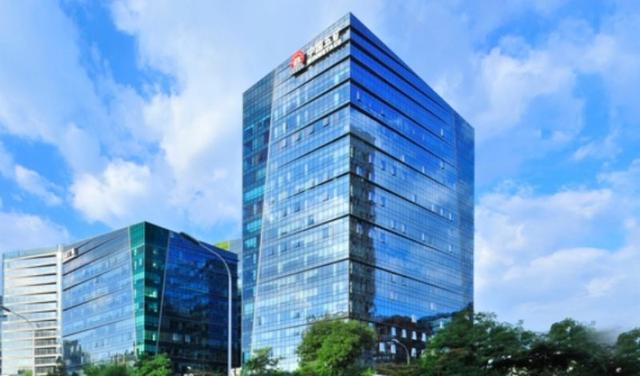
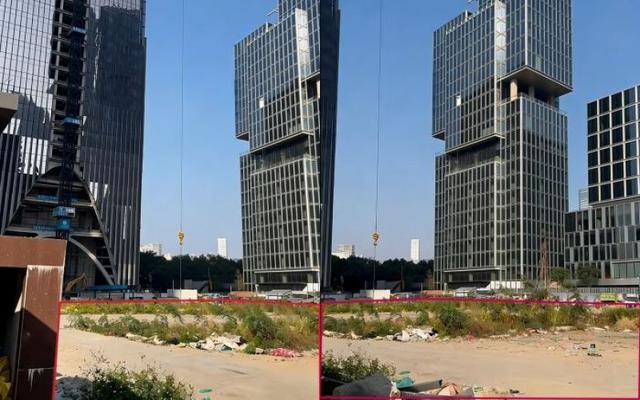
Core Insights - China Overseas Land & Investment (COLI) has successfully acquired the second residential land parcel in the Shenzhen Super Headquarters area, reflecting strong confidence in core assets despite high land prices [3][4][5]. Group 1: Market Dynamics - The land auction in December marked a significant competitive environment, particularly in the Guangzhou and Shenzhen markets, indicating a recovery momentum in the industry [3]. - COLI's acquisition involved a competitive bidding process with a 42.49% premium over the starting price, highlighting the intense interest in prime real estate [6][7]. Group 2: Land Acquisition Details - The T207-0068 land parcel, measuring 11,800 square meters with a building capacity of 41,100 square meters, was sold for 31.86 billion yuan, with a floor price of 77,300 yuan per square meter [6][7]. - This land was previously designated for commercial use but was converted to residential use, reflecting a strategic shift in urban planning and land value [5]. Group 3: Financial Performance - In the first three quarters of the year, COLI reported a revenue of 1,030 billion yuan, a 6% year-on-year decline, and a significant drop in operating profit by 27.7% [11]. - Despite a contraction in sales, COLI acquired 27 land parcels totaling 82.7 billion yuan, a 40.7% increase year-on-year, indicating a focus on core city investments [11][12]. Group 4: Strategic Challenges - The high land acquisition costs juxtaposed with declining sales prices have created a challenging environment for profitability, with land prices increasing significantly compared to sales prices [13][15]. - COLI's strategy of acquiring prime land in first-tier cities is seen as a long-term investment, but it raises concerns about the sustainability of profit margins amid rising costs [14][15].

房贷贴息传闻点燃地产股?万科涨停,多地已经实行房贷贴息
Hua Xia Shi Bao· 2025-12-10 14:43
多只地产股涨停 《华夏时报》记者注意到,A股房地产服务板块报收1272.25点,涨幅为2.39%。其中,世联行 (002285.SZ)、南都物业(603056.SH)涨停,分别报收3.17元/股和13.51元/股,而特发服务 (300917.SZ)、电子城(600658.SH)、我爱我家(000560.SZ)、皇庭国际(000056.SZ)等股票涨幅 均超过3%。A股房地产开发板块紧随其后,报收15042.96点,涨幅为1.59%。其中万科A、财信发展 (000838.SZ)、华夏幸福(600340.SH)、广宇集团(002133.SZ)涨停,沙河股份(000014.SZ)、金 地集团(600383.SH)、保利发展(600048.SH)涨幅则超过5%。 值得关注的是,万科A在不久之前股价刚刚出现连续下跌,此次涨停之后,万科A报收5.25元/股。除了 股价之外,12月10日,万科A境内债也普遍上涨。其中,"21万科06""23万科01"涨幅超过40%。 港股方面,地产板块报收1202.94点,涨幅为1.36%。其中,鋑联控股(00459.HK)报收0.121港元/股, 涨幅为61.33%。12月10日,鋑联控 ...

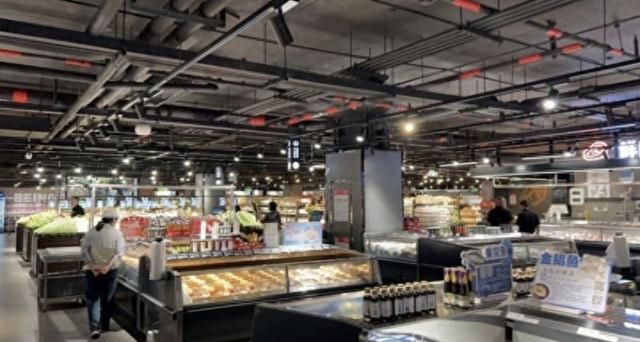
斩获三连板!永辉超市股价回暖,调改大考拐点未至
Hua Xia Shi Bao· 2025-12-10 12:01
Core Viewpoint - Yonghui Supermarket's stock has recently shown signs of recovery after a prolonged period of decline, but its operational fundamentals remain weak, with significant losses reported despite some successful store renovations [2][3][6]. Group 1: Stock Performance - Yonghui Supermarket's stock price experienced a notable increase, reaching 5.23 yuan per share on December 10, marking a 10.11% rise and a total market capitalization of 47.462 billion yuan [2]. - The stock had previously been in a downward trend, with a year-to-date decline of 38.01% as of December 5, when it was priced at 3.93 yuan per share [3]. - The recent surge in stock price coincided with a 1% share reduction by major shareholders, which may have influenced market sentiment positively [3][4]. Group 2: Financial Performance - As of the end of Q3 2025, Yonghui Supermarket reported a revenue of 42.434 billion yuan, a year-on-year decrease of 22.21%, and a net loss of 710 million yuan, worsening from a loss of 77.87 million yuan in the same period last year [6]. - The company has faced cumulative losses of 9.5 billion yuan over four years from 2021 to 2024, indicating ongoing financial distress [6]. Group 3: Store Renovation and Strategy - Since May 2024, Yonghui Supermarket has been implementing a transformation strategy inspired by the "Pang Donglai model," with 222 out of 450 opened stores undergoing renovations [2][5]. - Some renovated stores have shown positive sales growth, with specific locations achieving profitability shortly after opening, indicating potential for recovery [5]. - However, the overall financial situation remains strained, with 228 stores still awaiting renovation and a significant debt burden, including short-term loans exceeding cash reserves [6]. Group 4: Capital Raising and Management Changes - To address financial pressures, Yonghui Supermarket initiated a fundraising plan aiming to raise up to 3.992 billion yuan, later adjusted to 3.114 billion yuan for store renovations [7]. - The company appointed a new CEO, Wang Shoucheng, who has been with Yonghui since 2017 and is expected to drive the ongoing transformation efforts [7].