Zhong Guo Neng Yuan Wang

Search documents
东方日升新能源打造标杆场景,样板店建设全面加速
Zhong Guo Neng Yuan Wang· 2026-01-05 08:34
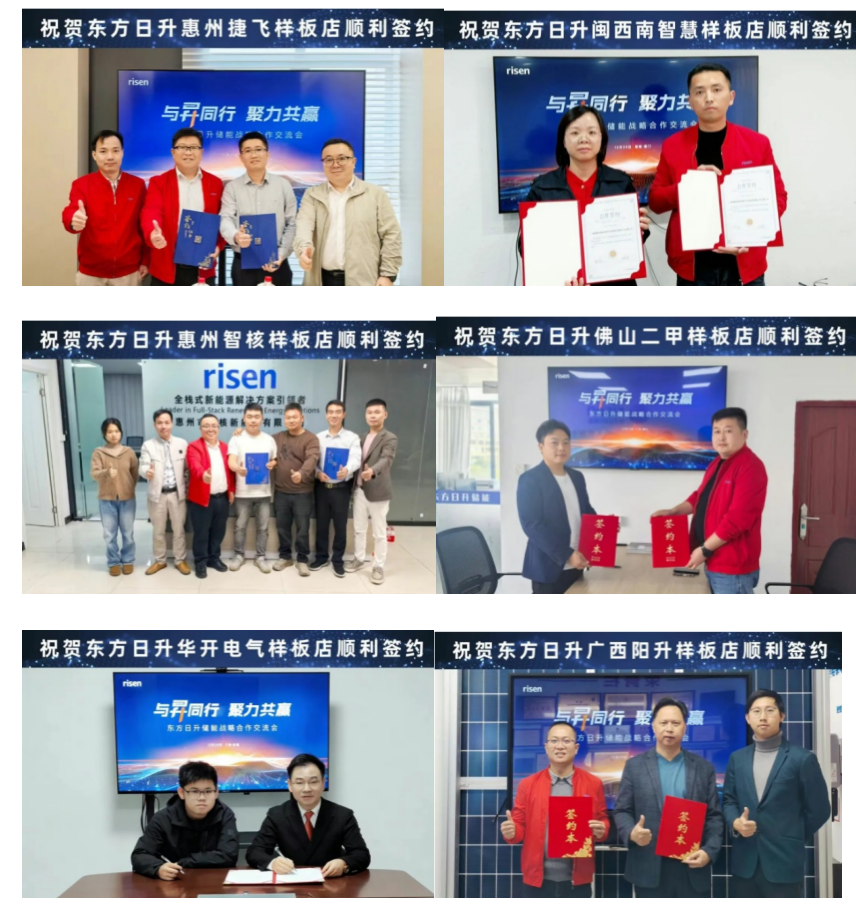
Core Viewpoint - Dongfang Risen is advancing its channel system construction and market service capabilities through the establishment of energy storage model stores, planning to set up 100 stores in key regions across the country [1] Group 1: Model Store Development - The model stores have already been established in cities such as Guangzhou, Zhongshan, Foshan, Dongguan, Huizhou, Xiamen, Nanchang, and Nanning, with plans for further expansion [1] - The company aims to enhance local service and channel collaboration by providing more intuitive and experiential display and communication scenarios through these model stores [1][3] Group 2: Partnerships and Collaborations - Recently, Dongfang Risen signed cooperation agreements with 13 partners in the key regions of South China to promote model store construction and order signing simultaneously [3] - The collaboration leverages the channel advantages and regional resources of both parties to create a comprehensive demonstration space that integrates product display, technical exchange, and customer reception [3] Group 3: Market Expansion and Strategy - Dongfang Risen is steadily expanding its domestic and overseas market presence by attracting more partners to explore valuable commercial energy storage application paths [1] - The company invites enterprises with channel foundations, project experience, or market resources to join its model store and strategic cooperation system to create more demonstrative commercial energy storage application scenarios [5]


走进2025光辉大赛:奉节菜籽坝抽水蓄能电站的科技破局之旅
Zhong Guo Neng Yuan Wang· 2026-01-05 08:30
Core Insights - The Fengjie Caizhiba Pumped Storage Power Station is a groundbreaking clean energy project in Chongqing, China, representing the first large-scale pumped storage project in a complex karst region and the first fully self-designed project by the Three Gorges Group [1][9] - The project has been recognized in the 2025 Infrastructure Digitalization Glorious Awards held in Amsterdam, highlighting its innovative approach in the clean energy sector [1] Group 1: Challenges and Technological Responses - The geological conditions in Fengjie, characterized by caves, fissures, and underground rivers, pose significant challenges for the construction of the power station, including difficulties in seepage prevention and potential ecological impacts [3] - Engineers from Shanghai Survey and Design Institute are leveraging technology to navigate these challenges, initiating a technological offensive to address the complexities of the karst landscape [3] Group 2: Data Integration and Collaborative Design - The project team faced limitations with traditional design workflows, including data fragmentation and high iteration costs, prompting the adoption of Bentley's technology for enhanced data integration and customized solutions [5] - The integration of OpenRoads and OpenBuildings Designer allows for seamless compatibility across various professional data, meeting the integrated design needs of the pumped storage station [5] Group 3: Geological Insights and Safety Design - Advanced technologies, such as iTwin Capture, have been utilized to create high-precision geological models, which are essential for safe design and risk visualization [6] - The project successfully constructed a 3D karst geological model that identifies the spatial distribution of geological features, aiding in the prediction of potential leakage paths and high-risk areas [6] Group 4: Digital Twin Technology - Digital twin technology plays a crucial role in the construction of the power station, enabling the integration of all professional models into a unified platform for dynamic data correlation and operational simulations [7] - The use of digital twin technology has optimized excavation volumes by 120,000 cubic meters, shortened construction time by 42 days, and reduced carbon emissions by 8,960 tons, supporting the region's clean energy transition [7] Group 5: Empowering Digital Components - A comprehensive digital component system has been established, including a parameterized equipment library and a standardized component library, achieving an 85% reuse rate in design and significantly reducing modeling workload [8] - The standardized product library developed from this project has been applied in five similar projects, achieving a 75% resource reuse rate, facilitating rapid construction of pumped storage power stations [8] Group 6: Conclusion and Future Outlook - The successful realization of the Fengjie Caizhiba Pumped Storage Power Station marks a significant technological breakthrough in constructing pumped storage facilities in karst regions, serving as a major demonstration for the development of clean energy [9] - The project exemplifies the power of technology in advancing clean energy initiatives, paving the way for a greener and more sustainable energy future [9]

国网兰州供电公司:元旦期间兰州电网运行平稳
Zhong Guo Neng Yuan Wang· 2026-01-05 08:21
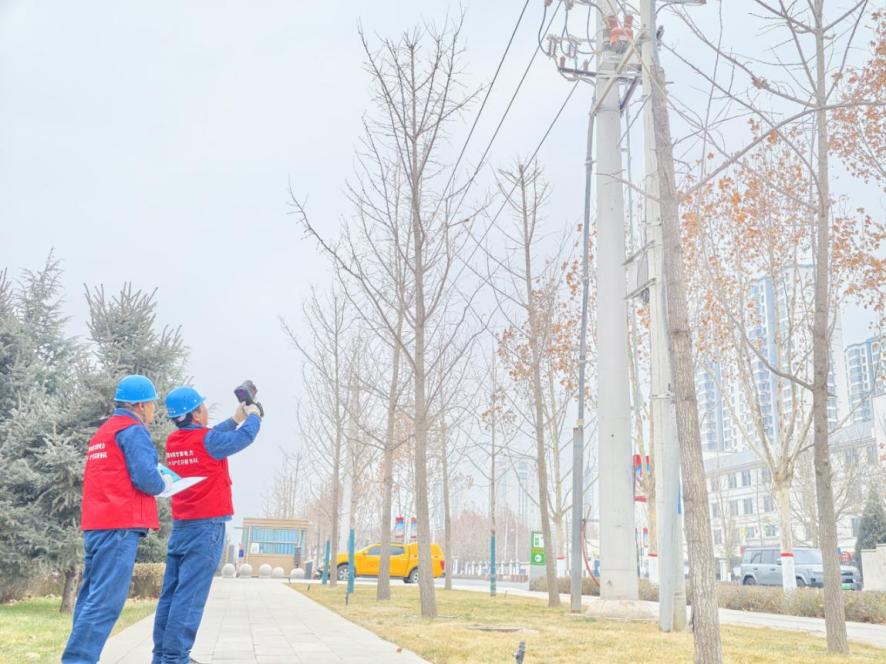
Core Viewpoint - The company successfully ensured stable power supply and grid safety during the New Year holiday by implementing multiple measures and maintaining a strong operational presence [1][3] Group 1: Power Supply Assurance - The company closely monitored weather conditions and load changes to arrange grid operations effectively, ensuring smooth overall operation during the holiday [1] - The power dispatch center enhanced grid operation management, identifying and controlling potential risks while monitoring key users and transmission paths [1][3] Group 2: Focus on Key Areas - The company strengthened power supply services in high-traffic areas such as transportation hubs, tourist attractions, and commercial districts, conducting load assessments in these hotspots [3] - Maintenance personnel were deployed to inspect equipment at key transmission lines, substations, and cable tunnels, promptly identifying and eliminating safety hazards [3] Group 3: Digital Monitoring and Customer Service - The company utilized an intelligent remote monitoring system for 24-hour video surveillance of power facilities and surrounding environments, ensuring continuous oversight [3] - The company enhanced service channels, leveraging online platforms like the "State Grid" app for efficient customer service and timely response to customer needs [3]
新年“开门红”!阿坝—成都东特高压首个标段贯通
Zhong Guo Neng Yuan Wang· 2026-01-05 08:19
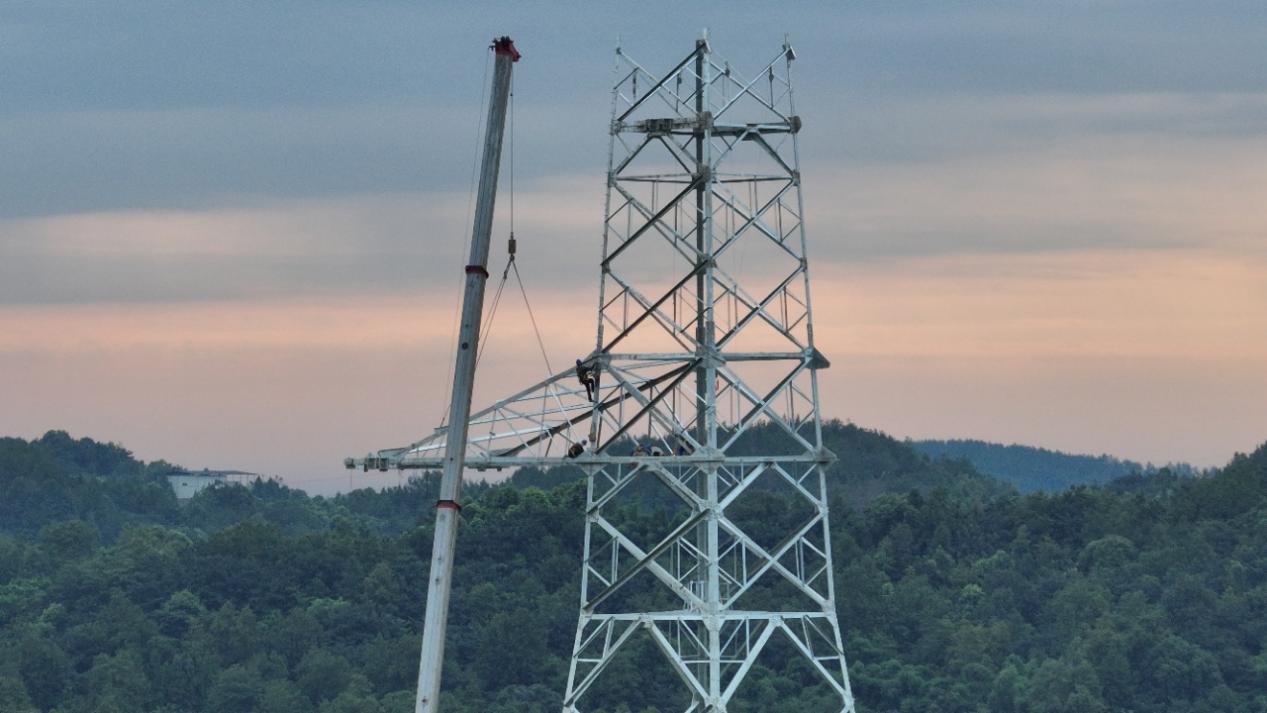
Core Viewpoint - The Aba-Chengdu East UHV AC Transmission Project is progressing rapidly, with the first segment successfully completed, marking a significant milestone in the construction of this critical infrastructure for clean energy transmission in the Sichuan region [1][3]. Group 1: Project Progress - The first segment of the project, approximately 85 kilometers long, has successfully connected, featuring 176 new transmission towers [3]. - Construction teams are utilizing advanced techniques and equipment to overcome challenging terrain and weather conditions, with nearly 90% of tower assembly completed and over 40% of wire installation achieved [3][4]. - The project involves over 3,000 workers across 16 segments, emphasizing the importance of maximizing the winter construction window for efficient progress [3]. Group 2: Project Significance - The Aba-Chengdu East UHV project, spanning 734.8 kilometers, is designed to enhance the transmission capacity of the Aba corridor by more than double, meeting the integration needs of hydropower and renewable energy sources [4]. - Scheduled for completion by the end of 2026, the project aims to support the economic development of the Chengdu-Chongqing economic circle by delivering clean electricity to major load centers [4].
西北电网2025年跨区外送电量超4000亿千瓦时
Zhong Guo Neng Yuan Wang· 2026-01-05 08:19
Core Viewpoint - The Northwest Power Grid is set to achieve a cross-regional electricity delivery volume of 4,110 billion kilowatt-hours by 2025, marking a significant increase and establishing its position as the largest regional power grid in China [1][3]. Group 1: Electricity Delivery Volume - The cross-regional electricity delivery volume for 2025 is projected to exceed 4,000 billion kilowatt-hours for the first time, representing a 16.4% increase from 2024 and a 71% increase from the end of the 13th Five-Year Plan [1]. - The Northwest Power Grid will deliver 1,402.3 billion kilowatt-hours of renewable energy in 2025, a 38.5% increase from 2024, accounting for 34.1% of the total delivery volume [3]. Group 2: Regional Contributions - All provinces in the Northwest, including Shaanxi, Gansu, Qinghai, Ningxia, and Xinjiang, are expected to achieve record-high cross-regional electricity delivery volumes in 2025, contributing to the national energy structure transformation and supporting economic development in central and southwestern China [3][5]. - The Northwest Power Grid has established a robust electricity delivery framework through 14 cross-regional direct current channels, supplying power to 24 provinces and municipalities across North China, East China, Central China, and Southwest China [5]. Group 3: Strategic Initiatives - The Northwest Power Grid will leverage its role as a major electricity delivery hub to optimize resource allocation, with nearly half of the total electricity delivery volume from the State Grid system coming from this region in 2025 [7]. - The implementation of the "Shagehuang" large base market mechanism aims to enhance the high proportion of renewable energy delivery and ensure stable direct current transmission, thereby driving economic and social development in the five provinces [7].
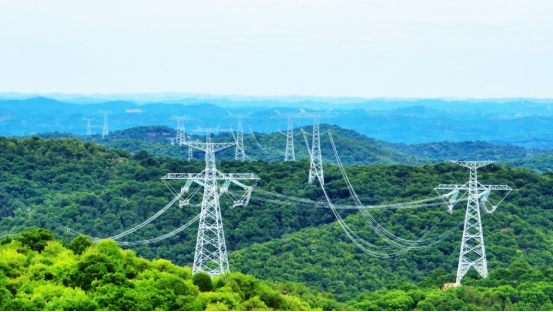
锚定“双碳”目标引领 加快推进能源强国建设
Zhong Guo Neng Yuan Wang· 2026-01-05 08:13
Core Viewpoint - The "dual carbon" goal serves as a strategic engine for accelerating the construction of an energy powerhouse in China, emphasizing the need for a comprehensive approach across production, technology, systems, consumption, and institutional frameworks to achieve energy security and high-quality economic development [1][2]. Group 1: Strategic Importance of the "Dual Carbon" Goal - The "dual carbon" goal transcends mere environmental commitments, becoming a core strategic pivot for reshaping China's energy development logic and driving the construction of an energy powerhouse [2]. - It aims to establish a modern energy system characterized by "clean, low-carbon, safe, and efficient" attributes, addressing the challenges of high carbon dependency and low efficiency in traditional energy [2][3]. - The goal provides a clear value framework and action plan through rigid carbon constraints and guiding resource allocation, facilitating a new pattern of green and low-carbon development [2][3]. Group 2: Technological Innovation and Energy Transition - The "dual carbon" goal reinforces the need for technological innovation, particularly in the renewable energy sector, acting as a catalyst for disruptive breakthroughs [3][5]. - It emphasizes the importance of developing efficient photovoltaic cells, large-capacity wind turbines, and advanced hydropower equipment to enhance the competitiveness of the renewable energy industry [5]. - The goal promotes a virtuous cycle of "technological innovation—industrial upgrading—efficiency improvement," establishing a solid technological foundation for the energy powerhouse [3][5]. Group 3: Five-Dimensional Collaborative System - The construction of an energy powerhouse requires a five-dimensional collaborative system encompassing production transformation, technological breakthroughs, system optimization, consumption upgrades, and institutional guarantees [4][6]. - A multi-faceted clean supply system is essential, focusing on the large-scale development of non-fossil energy and the clean utilization of fossil fuels [4][6]. - The system aims to enhance operational efficiency through integrated energy systems, smart grid technologies, and cross-regional energy interconnections [6]. Group 4: Economic and Environmental Benefits - The "dual carbon" goal contributes to energy security by establishing a diverse clean supply system, reducing reliance on traditional fossil fuels and enhancing energy independence [8][9]. - It supports high-quality economic development by fostering new strategic industries such as renewable energy and smart grids, driving technological breakthroughs and job growth [8][9]. - The goal facilitates the transition to a low-carbon society through industrial green transformation and the promotion of electric transportation, thereby supporting innovative practices for achieving zero-carbon models [8][9]. Group 5: Global Governance and Responsibility - The "dual carbon" goal positions China to actively participate in global governance, showcasing its commitment to emission reduction and enhancing its role in international energy climate discussions [9]. - It aims to create favorable conditions for a fair and reasonable international energy climate order through technology standard exports and international cooperation in green energy [9].
数据赋能能源脉:李红梅与丰聚能源的数字化革新
Zhong Guo Neng Yuan Wang· 2026-01-05 07:55
Core Insights - The article emphasizes the importance of natural gas as a clean and efficient energy source in China's energy system, driven by the dual goals of carbon neutrality and energy structure transformation [1] - The company Gansu Fengju Energy Technology Development Co., Ltd. is leading the development of a distributed energy management platform based on IoT technology to address challenges in the distributed natural gas management sector [1][2] Group 1: Industry Challenges - The distributed natural gas management sector faces significant challenges, including delayed data collection, disconnected equipment monitoring, and insufficient energy consumption optimization [1] - Traditional management methods relying on manual inspections and experience are inadequate for ensuring supply stability and improving energy utilization efficiency [1][2] Group 2: Development of the Management Platform - The company conducted a comprehensive survey of 32 industrial parks and 156 distributed gas enterprises in Gansu Province, identifying four core pain points: low data collection efficiency, difficult equipment monitoring, lack of energy consumption analysis, and untimely emergency response [2] - The company aims to create a data-centric platform that enables real-time perception, intelligent analysis, and precise control of distributed energy management [2][3] Group 3: Technological Innovations - The platform's development focuses on solving three key issues: data sourcing, stable transmission, and effective utilization [3] - Customized terminal devices were developed to adapt to various scenarios, ensuring accurate data collection with a target accuracy rate of over 99% [3][4] Group 4: Platform Implementation and Impact - The platform's implementation has significantly transformed operational efficiency, reducing the workforce required for meter reading and inspection from 20 to just 3, resulting in an 85% reduction in labor costs [4] - The average response time for equipment failures has decreased from 3 hours to under 15 minutes, marking a substantial improvement in operational efficiency [4] - The platform has also enhanced gas utilization rates by an average of 12% among partner industrial enterprises, leading to a reduction of over 8,000 tons of carbon emissions annually [4] Group 5: Future Developments - The company is planning to develop a version 2.0 of the platform, which will incorporate AI predictive models for more accurate forecasting of gas demand [5] - The ongoing efforts reflect the company's commitment to leveraging data as a core element in the digital transformation of the energy sector [5]
煤矿救援添重磅利器!中煤科工重庆研究院通信系统改写密闭空间救援格局
Zhong Guo Neng Yuan Wang· 2026-01-05 07:37
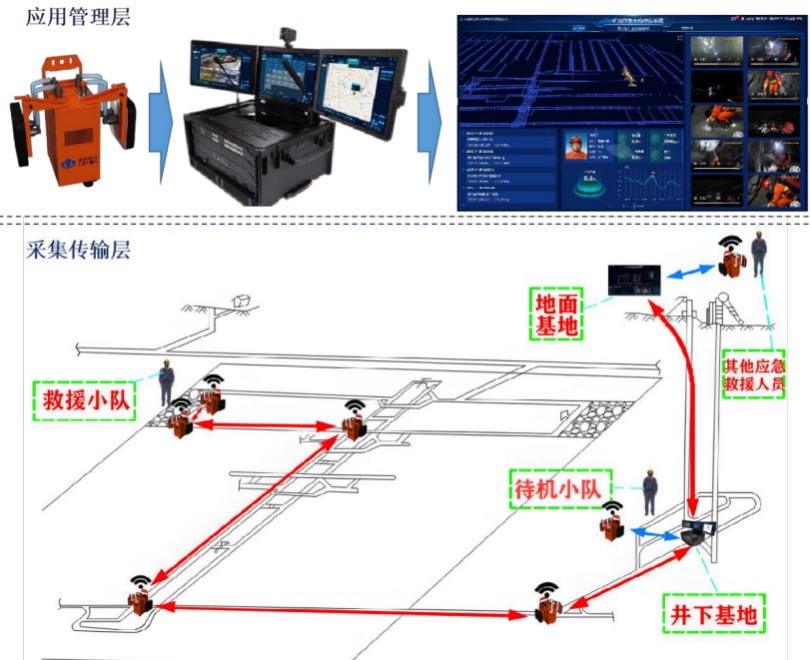
长期以来,地下矿井、交通隧道、熔岩洞穴等受限空间在突发事故后,常面临"断路、断网、断电"的极端恶劣条 件,如何在此类场景下实现高效、稳定的音视频通信与可视化指挥,一直是我国应急救援领域亟待突破的技术瓶 颈。如今,这一困扰行业多年的难题迎来重大进展。中煤科工集团重庆研究院有限公司(以下简称"重庆研究院")依 托2024年工业和信息化部、应急管理部联合实施的应急通信装备创新揭榜挂帅项目,成功自主研发了CES-80矿用 应急无线通信系统。该系统具备强大的环境适应能力,有效攻克了无线通信在复杂受限空间中传输距离短、中继跳 转损耗大等痛点,为用户提供了一套部署快捷、扩展性强、性能稳定的无线自组网解决方案。 展望未来,该无线通信系统的应用将从井工矿山进一步拓展至地下管廊、交通隧道、水利涵洞等各类复杂地下空 间,致力于实现应急救援装备的广泛互联互通,有效打通作业人员与调度指挥中心之间"最后一公里"的通信瓶颈, 扫清应急救援任务中的关键堵点。重庆研究院应急救援研发团队将持续推进技术集成与系统优化,为实现高效应 急、精准救援提供有力支撑,为践行"人民至上、生命至上"理念贡献更坚实的技术力量。 该系统在密闭空间内可实现单跳无线通 ...
十一冶建设集团有限责任公司因围标串标被罚
Zhong Guo Neng Yuan Wang· 2026-01-05 07:35
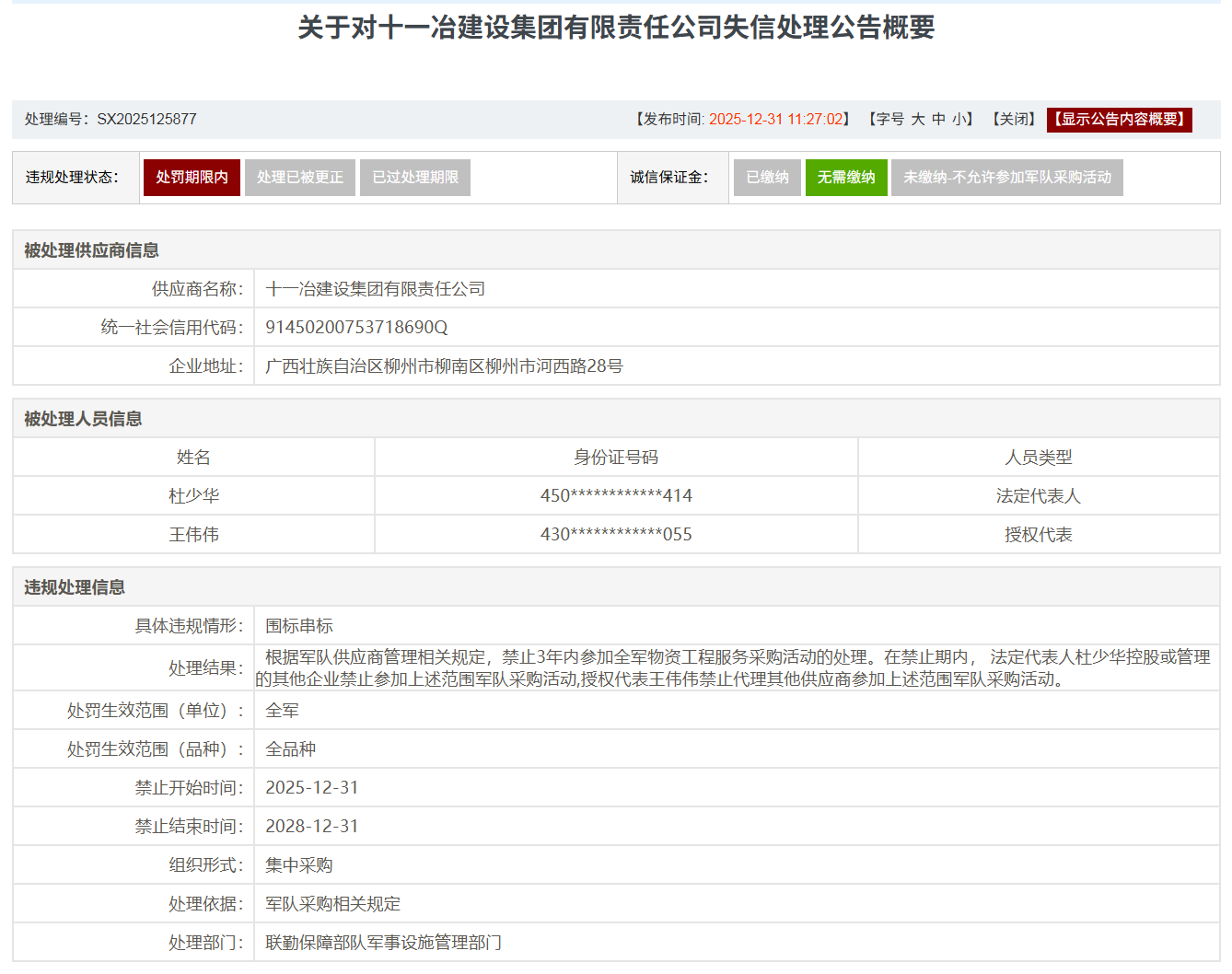
近日,军队采购网信息显示,十一冶建设集团有限责任公司因围标串标。被联勤保障部队军事设施管理部门根据军队供应商管理相关规定,禁止3年内参加 全军物资工程服务采购活动的处理。在禁止期内,法定代表人杜少华控股或管理的其他企业禁止参加上述范围军队采购活动,授权代表王伟伟禁止代理其他 供应商参加上述范围军队采购活动。处罚生效范围为全军、全品种。 天眼查显示十一冶建设集团有限责任公司,成立于2003年,广西柳州钢铁集团成员,位于广西壮族自治区柳州市,是一家以从事房屋建筑业为主的企业。 | 处理编号: SX2025125877 | | | | | 【发布时间: 2025-12-31 11:27:02】 | | 【字号 大 中 小】 | 【关 | | --- | --- | --- | --- | --- | --- | --- | --- | --- | | 违规处理状态: | 处罚期限内 | 处理目被更正 | 已过处理期限 | 诚信保证金: | 已缴纳 | 无需缴纳 | 未缴纳-不允许参 | | | 被处理供应商信息 | | | | | | | | | | 供应商名称: | | 十一冶建设集团有限责任公司 | | | | ...
广西建工第五建筑工程集团有限公司因围标串标被罚
Zhong Guo Neng Yuan Wang· 2026-01-05 07:24
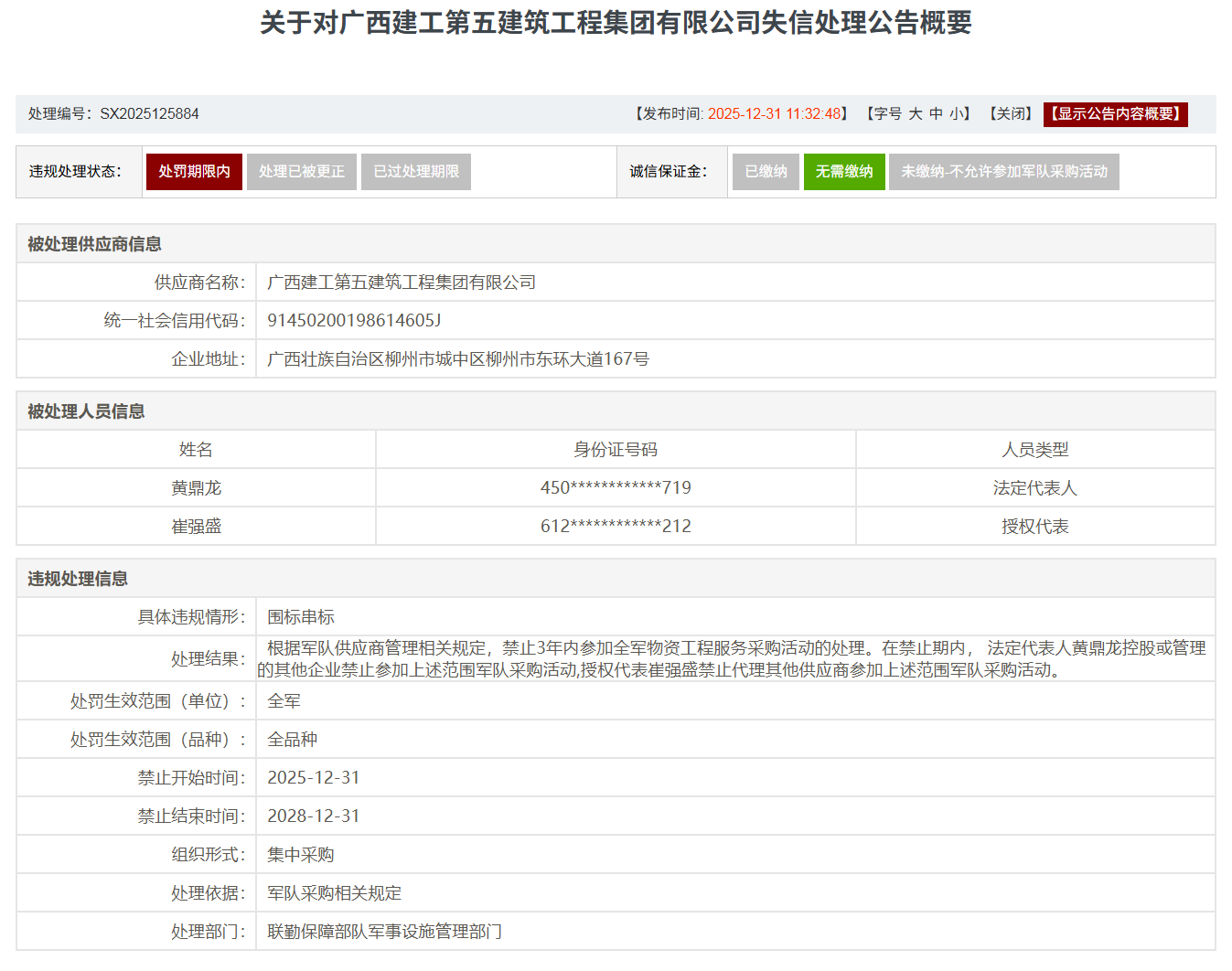
Core Viewpoint - Guangxi Construction Fifth Engineering Group Co., Ltd. has been banned from participating in military procurement activities for three years due to bid-rigging practices, affecting all military supplies and services [1][5]. Group 1: Company Information - Guangxi Construction Fifth Engineering Group Co., Ltd. was established in 1980 and is a member of Greenland Holdings Group, primarily engaged in the construction industry [1]. - The company is located in Liuzhou City, Guangxi Zhuang Autonomous Region, with its registered address at No. 167, Donghuan Avenue, Liuzhou City [4]. Group 2: Violation Details - The specific violation involved bid-rigging, leading to a three-year ban from military procurement activities [5]. - The ban is effective from December 31, 2025, to December 31, 2028, and applies to all military supplies and services [5]. - During the ban, the legal representative Huang Dinglong and any other enterprises he controls or manages are also prohibited from participating in military procurement activities [1][5].