Guo Ji Jin Rong Bao

Search documents
金融服务直达企业“家门口”!金洽会“园区行”打卡区块链宝藏地
Guo Ji Jin Rong Bao· 2025-11-21 05:38
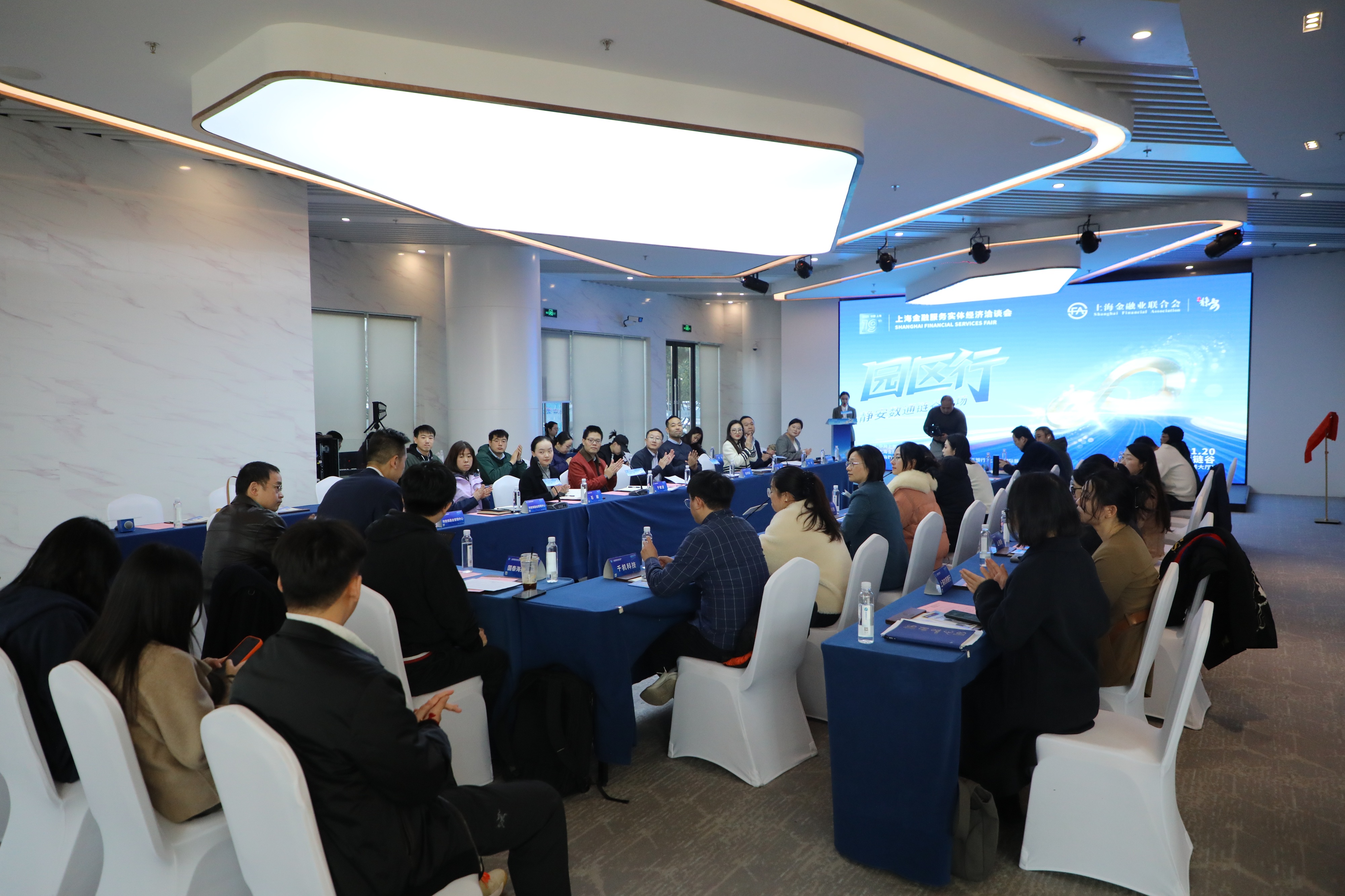
Core Insights - The "Shu Tong Chain Valley" has been established as a national blockchain application demonstration zone, aiming to create a global blockchain ecosystem [4] - The event highlighted the integration of financial resources with emerging industries, showcasing blockchain technology's potential to bridge digital and real economies [4][5] - The Shanghai Inclusive Finance Advisory System, initiated in September 2022, aims to provide financial consulting services to enterprises, addressing challenges in financing [5][6] Group 1: Event Overview - The 19th Shanghai Financial Services Entity Economy Negotiation Conference featured a special event at "Shu Tong Chain Valley," focusing on financial empowerment for the real economy [1][4] - The event served as a practical implementation of the conference's theme, facilitating connections between financial resources and emerging industry parks [4] Group 2: Blockchain Industry Growth - "Shu Tong Chain Valley" has seen explosive growth in the blockchain industry within the Jing'an District, demonstrating significant clustering effects [4] - The establishment of the financing service center within "Shu Tong Chain Valley" marks a key step in integrating blockchain industry clusters into a broader financial service network [4][5] Group 3: Financial Services and Challenges - Jing'an District has achieved dual coverage of financing service centers and inclusive finance advisory studios across three strategic emerging sectors: blockchain, ultra-high-definition audio-visual, and beauty health [5] - Enterprises expressed urgent needs for funding and resources to support rapid growth and operational challenges, highlighting the importance of investment partnerships [5][6] - Financial advisors from various institutions provided insights on enhancing enterprise value, utilizing regional policies, and managing financial operations effectively [6]

特朗普修改对巴西商品关税范围
Guo Ji Jin Rong Bao· 2025-11-21 01:01
Core Points - The White House announced that President Trump signed an executive order modifying the tariff scope on goods imported from Brazil [1] - A 40% ad valorem tariff remains unchanged on certain products, but specific Brazilian agricultural products entering the U.S. after November 13 at midnight will have the additional tariff removed [1] - The executive order also eliminates the 40% tariff on aircraft parts imported from Brazil [1] - The White House stated that this action aims to balance national security concerns with the development of trade relations with Brazil [1]
申万宏源刘健:数据、能源、场景是AI产业化三大关键卡点
Guo Ji Jin Rong Bao· 2025-11-20 23:57
Core Insights - The AI industry is at a critical intersection of a new technological and industrial revolution, with AI as a core driver transforming production relationships and accelerating the formation of "intelligent-driven" new productive forces [1] Challenges in AI Development - Insufficient data supply is a major challenge, as AI model capabilities depend on large-scale, structured, and labeled data. Issues like "data silos" and low-quality data are prevalent, necessitating the establishment of industry data standards and promoting data assetization and trustworthy transactions [2] - The green energy gap poses another challenge, as the surge in computing power demand leads to significant energy consumption. Training mainstream large models requires substantial GPU resources, resulting in energy consumption far exceeding traditional internet services. Some countries are experiencing power shortages, and while China ranks high in computing power, there is a regional imbalance in energy demand and supply, with low green computing ratios and infrastructure growth lagging behind AI needs [2] - Insufficient product scenario implementation is hindering AI innovation, as the focus is not on algorithms but rather on the lack of deep business scenario support. The future competition in the industry will shift from "large model competition" to "productization and scenario capability competition" [2] Strategies for Overcoming Bottlenecks - Collaboration among government, enterprises, and investment institutions is essential to break through AI industrialization bottlenecks. The focus should be on ecosystem building, where AI competition shifts from single-point technological breakthroughs to systematic collaboration, emphasizing scenario and data governance [3] - Financial empowerment is crucial, leveraging the characteristics of the AI industry, which requires heavy assets, long cycles, and significant investments. The company aims to support equity financing and mergers and acquisitions, enhance professional research and valuation in new technology fields, and establish industry funds and investment platforms [3] - Promoting "technology for good" is vital, with a focus on AI enabling rather than replacing core functions. Safety should be the baseline for promoting trustworthy AI, while ensuring accessibility for small and medium enterprises and grassroots industries, enhancing service quality in the livelihood sector through human-machine collaboration [3]

月内超150亿元!险企发债“补血”迎小高潮
Guo Ji Jin Rong Bao· 2025-11-20 15:48
Core Viewpoint - Insurance companies are increasingly issuing perpetual bonds and capital supplementary bonds to enhance their capital and solvency, with a total issuance exceeding 15 billion yuan since November [1][2]. Group 1: Bond Issuance Trends - The total bond issuance by insurance companies has decreased compared to last year but remains at a high level, with a notable preference for perpetual bonds [1][2]. - In November, several insurance companies accelerated their bond issuance, including Zhongyou Life (1.27 billion yuan), Yingda Taihe Life (2.5 billion yuan), Zhongzheng Property Insurance (4 billion yuan), Ping An Property Insurance (6 billion yuan), and others [2]. - The primary purpose of these bond issuances is to supplement capital and enhance the companies' solvency to support sustainable business development [2]. Group 2: Factors Influencing Bond Issuance - The surge in bond issuance is attributed to multiple factors, including a favorable regulatory approval timeline and the need to address the impact of new accounting standards on solvency ratios [3]. - The relatively low financing costs have also encouraged insurance companies to issue bonds, with coupon rates ranging from 2.15% to 2.40%, significantly lower than the previous years' rates around 3.5% [3][4]. Group 3: Perpetual Bonds as a Financing Tool - Perpetual bonds have emerged as a new tool for capital supplementation, allowing insurance companies to meet regulatory capital requirements without a fixed maturity [5]. - The issuance of perpetual bonds has gained momentum since the regulatory framework was established in 2022, with major companies like Taikang Life leading the way [5][6]. - The total issuance of perpetual bonds in 2023 reached 35.77 billion yuan, with projections for 2024 indicating further growth [6]. Group 4: Long-term Capital Strategies - While bond issuance provides short-term capital relief, the long-term solution lies in enhancing the insurance companies' internal capital generation capabilities [7]. - Companies are encouraged to focus on high-quality development, optimize business structures, and improve operational efficiency to reduce reliance on external capital [7]. - Strengthening asset-liability management and leveraging technology for operational efficiency are essential for sustainable growth in the insurance sector [7].





金价大幅波动!上金所紧急提示风险
Guo Ji Jin Rong Bao· 2025-11-20 15:45
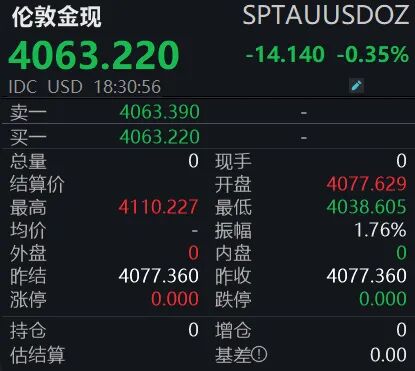
经过短期调整后,金价虽重回4000美元/盎司上方,但始终未能形成稳定上行趋势,震荡整理特征显 著。 金价大幅波动之下,11月20日,上海黄金交易所发布了《关于继续做好近期市场风险控制工作的通 知》。 该《通知》称,近期影响市场不稳定的因素较多,为防范市场波动可能带来的风险,请各会员单位继续 做好风险应急预案,维护市场平稳运行,并及时采取相应风控措施,提示投资者做好风险防范工作,合 理控制仓位,理性投资,切实保障投资者合法权益。 展望后市,排排网财富研究总监刘有华向记者表示,"金价在突破历史高位后,正处于震荡探顶阶段, 预计这一态势将持续较长时间。" 11月20日,国际金价呈现明显下行趋势。截至记者发稿,伦敦金现下跌0.35%,报4066.22美元/盎司, 盘中最低跌破4038.605美元/盎司。 | 伦敦金现 | | | SPTAUUSDOZ | | --- | --- | --- | --- | | 4063.220 | | | -14.140 -0.35% | | IDC USD 18:30:56 | | | 8 | | 一 | 4063.390 | | | | 买一 | 4063.220 | | | | ...
黑芝麻智能发布 SesameX 平台:以多维智能破局 开启机器人 “全脑智能” 新纪元
Guo Ji Jin Rong Bao· 2025-11-20 15:30
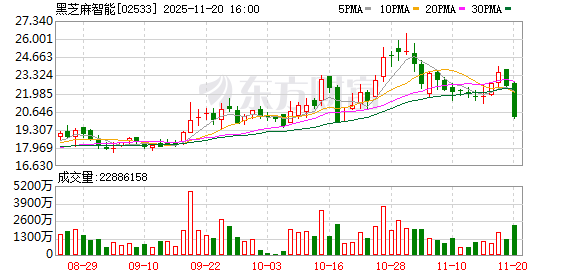
Core Insights - The next decade is expected to usher in a "robotic new era," with significant advancements in the integration of intelligent technology into the physical world [2] - Black Sesame Intelligence has launched the SesameX multidimensional intelligent computing platform, marking the industry's first dedicated deployment platform for commercial robots [2][5] Group 1: Company Developments - Black Sesame Intelligence's founder and CEO, Dan Jizhang, emphasized the company's experience in the smart automotive sector will support new applications in robotics, aiming to drive the evolution of embodied intelligence [4][5] - The SesameX platform is designed to address four major technical pain points in the robotics industry, including safety mechanisms and system integration [7][11] - The platform consists of a four-layer system architecture, including a computing platform, middleware, atomic application layer, and a comprehensive safety framework [8][11] Group 2: Technological Innovations - The SesameX platform features three core computing modules: Kalos, Aura, and Liora, each targeting different levels of robotic intelligence and capabilities [8][11] - Kalos is designed for low-speed robotic applications, while Aura serves as a high-performance computing platform for more complex robotic tasks [8][11] - Liora is positioned as the most advanced robotic brain, capable of handling complex tasks with a processing power of nearly 600 TOPS [11] Group 3: Market Strategy and Collaborations - Black Sesame Intelligence aims to foster an open ecosystem for robotics, collaborating with various partners to drive the commercialization of robotic solutions [12][13] - The company has already established partnerships with several firms, including Junsheng Electronics and Hubei Huazhong Electric Power Technology, to explore applications in the robotics sector [13] - The launch event included a roundtable forum discussing the future of intelligent robotics, featuring experts from academia and industry [13]

助贷新规重塑行业格局,中小银行迎多维度挤压考验
Guo Ji Jin Rong Bao· 2025-11-20 15:29
Core Insights - The implementation of the new regulations on internet lending by commercial banks has led to a cautious approach among regional small and medium-sized banks, with many suspending new lending partnerships and reducing the number of cooperative institutions [1][2][5] Group 1: Regulatory Impact - The new regulations require banks to reassess their existing cooperation models due to stricter requirements on funding ratios, concentration management, and the qualifications of cooperative institutions [5][7] - Regional banks are facing dual pressures from regulatory compliance and cost considerations, leading to a rational choice to halt new business [5][7] Group 2: Business Adjustments - Several banks, such as Urumqi Bank and Guiyang Bank, have announced the suspension of new internet lending partnerships and are focusing on managing existing loans [4][5] - Jilin Yilian Bank has significantly reduced its cooperative institutions from 56 to just 10, indicating a shift towards partnerships with major platforms like Ant Group and JD [4][5] Group 3: Market Dynamics - The new regulations are expected to shift the competitive landscape of the lending market from a focus on scale and flow to risk management capabilities and financial technology strength [8] - Banks are encouraged to enhance their internal risk management systems and improve transparency in loan processes to comply with the new regulations [8][9] Group 4: Strategic Recommendations - Regional banks should focus on local market advantages and develop differentiated credit products tailored to specific regional needs [9] - Accelerating digital transformation and exploring collaborative development models among small banks can help share costs and improve efficiency [9]

白名单失守!AI路演纪要“黑市”现形
Guo Ji Jin Rong Bao· 2025-11-20 15:21
Core Viewpoint - The legal dispute between Shenzhen Jinmen Finance Technology Co., Ltd. and Xunru Technology (Shanghai) Co., Ltd. centers around allegations of unfair competition, where Xunru is accused of unlawfully using Jinmen's online meeting data without permission, violating market competition order and damaging Jinmen's legitimate competitive interests [1][4][6]. Group 1: Legal Proceedings - The Shanghai Pudong New District People's Court ruled in favor of Jinmen, stating that Xunru's actions constituted unfair competition by exceeding the whitelist mechanism and using meeting data without authorization [1][7]. - The court ordered Xunru to cease the unfair competition behavior, pay Jinmen 4 million yuan in economic damages, and publish a statement to mitigate the negative impact of its actions [8][19]. - The case is currently in the second instance of trial [3]. Group 2: Company Backgrounds - Jinmen, established in 2013, is a leading AI investment research platform that collaborates with 74 brokerage research institutes, focusing on compliance and efficient communication in the financial market [8][12]. - Xunru, founded in 2021, is an AI-driven financial data service provider that aims to enhance the efficiency of institutional investors through AI technology [9][10]. Group 3: Industry Context - The dispute highlights the challenges of using emerging technologies in the financial sector, particularly regarding compliance with regulations and the ethical use of data [10][21]. - The "whitelist" mechanism is crucial for ensuring that only qualified investors access sensitive meeting content, and violations of this mechanism can undermine market integrity [10][22]. - The rise of AI-generated content has led to concerns about the potential for unauthorized dissemination of non-public information, which could disrupt the market ecosystem [10][21]. Group 4: Implications and Reactions - Jinmen's founder expressed frustration over the unauthorized use of their data, likening the situation to "stealing peaches" from a hard-earned investment [1][14]. - The court's ruling is seen as a critical step in protecting the rights of companies in the financial sector against unauthorized data usage [19]. - Jinmen is committed to legal action to safeguard its interests and maintain the integrity of the financial information ecosystem [21][22].
A股继续调整 投资者如何应对?
Guo Ji Jin Rong Bao· 2025-11-20 15:21
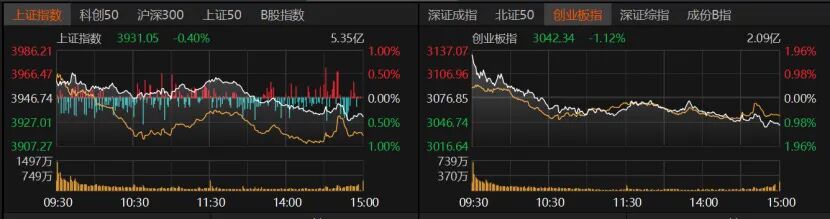
Core Viewpoint - The A-share market experienced a high opening followed by a decline, with the banking sector providing support while new consumption and power equipment sectors led the losses. The daily trading volume dropped to 1.72 trillion yuan, with over 3,800 stocks closing lower [1][2]. Market Performance - The major indices closed lower, with the Shanghai Composite Index down 0.4% at 3,931.05 points, the ChiNext Index down 1.12% at 3,042.34 points, and the Shenzhen Component Index down 0.76%. The trading volume continued to shrink, with the margin balance falling below 2.5 trillion yuan as of November 19 [2][4]. Sector Analysis - The banking sector showed resilience, with China Bank rising 4% to 6.24 yuan per share, giving it a total market capitalization of 2.01 trillion yuan. In contrast, sectors such as power equipment, coal, and leisure services saw declines exceeding 2%, while certain technology-related sectors experienced drops over 3% [4][6]. Investment Strategy - Analysts suggest a defensive investment strategy, recommending a portfolio allocation of 60% to 70% in equities, with the remainder in cash or short-term bond funds. The focus should be on low-risk, high-dividend stocks, particularly in banking and insurance, which typically offer yields above 4% and are currently undervalued [11][13]. Market Sentiment - The market sentiment remains cautious, influenced by factors such as year-end profit-taking by institutions and geopolitical tensions affecting risk appetite. Analysts expect this cautious sentiment to persist until December, when institutional pressures may ease, allowing for potential early positioning for 2026 [10][12]. Future Outlook - The market is anticipated to continue its oscillation until December, with a focus on sectors showing growth potential such as AI applications, robotics, and new energy. Investors are advised to avoid chasing short-term trends and instead concentrate on fundamentally strong companies [12][13].
实控人变更!国盛证券划归江西省国资委
Guo Ji Jin Rong Bao· 2025-11-20 15:17
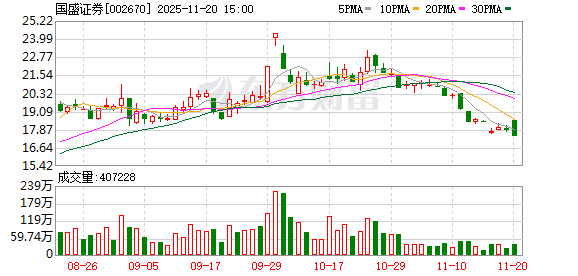
Group 1: Change of Actual Controller - The actual controller of Guosheng Securities will change to Jiangxi Provincial State-owned Assets Supervision and Administration Commission (Jiangxi State-owned Assets Commission) from Jiangxi Provincial Department of Transportation [2][4][6] - Before the transfer, Jiangxi Transportation Investment Group held 25.52% of Guosheng Securities directly and 4.06% indirectly, making it the controlling shareholder [4][6] - The transfer is approved by the government and complies with relevant laws and regulations, and it is stated that it will not have a significant impact on the company's governance and operations [8] Group 2: Shareholder Reduction Plans - Three shareholders holding more than 5% of Guosheng Securities announced their plans to reduce their stakes just before the change of actual controller [10][15] - Nanchang Financial Holdings plans to reduce up to 19.35 million shares (1% of total shares), Jiangxi Investment Fund plans to reduce up to 15.82 million shares (0.82%), and Jiangxi Building Materials Group plans to reduce up to 19.35 million shares (1%) [13][14] - The reduction period is set from December 8, 2025, to March 7, 2026, with the reason cited as "self-operating development needs" [13][14] Group 3: Market Reactions and Implications - The simultaneous occurrence of the actual controller change and the reduction plans has drawn market attention, with analysts suggesting that these actions reflect a strategic adjustment within the industry [15][16] - Analysts believe that the changes will enhance the company's governance structure and focus on capital operation efficiency and the preservation and appreciation of state-owned assets [8][16] - The trend of local state-owned assets increasing their presence in the securities industry is seen as part of a broader strategy to enhance regional financial competitiveness and support the local economy [18][19]