Di Yi Cai Jing Zi Xun

Search documents
快手“裸奔”3小时教育了谁
Di Yi Cai Jing Zi Xun· 2025-12-23 16:15
2025.12.23 本文字数:1777,阅读时长大约3分钟 作者 |第一财经 何涛 12月22日晚,国内短视频巨头快手遭遇了一场史无前例的大规模黑客攻击,导致大量直播间出现违规内 容,混乱局面持续数小时之久,平台被迫采取强制关闭直播功能、封禁部分账号的处理措施。次日,快 手港股股价大跌,公司形象比股价面临更长时间的修复。 攻击事件震惊了众人——没想到这么大的公司在网络安全方面这么脆弱,在防线失守后的应对这么迟 缓,造成的负面影响这么严重。尽管快手的事后解释看起来他们"已经尽力",并且自我感觉做得不错, 然而,一切解释在残酷的事实面前变得苍白无力。在众目睽睽之下,快手像是被扒光衣服"裸奔"了至少 3小时。这一幕不仅让快手蒙羞受损,也给整个互联网行业、用户以及监管部门,上了一堂深刻的网络 安全教育课。 这堂课首先教育了互联网平台企业。长期以来,各大平台企业在宣传自身安全防护能力方面,可以说一 个比一个"吹"得厉害。但与此同时,大大小小的网络安全事件却时有发生,到快手这里终于"拉了坨大 的"。可见,平台企业在安全防护方面其实做得并不让人放心,只是没有遇到真正的考验。 有网络安全专家表示,此次攻击之所以破坏严重,核 ...



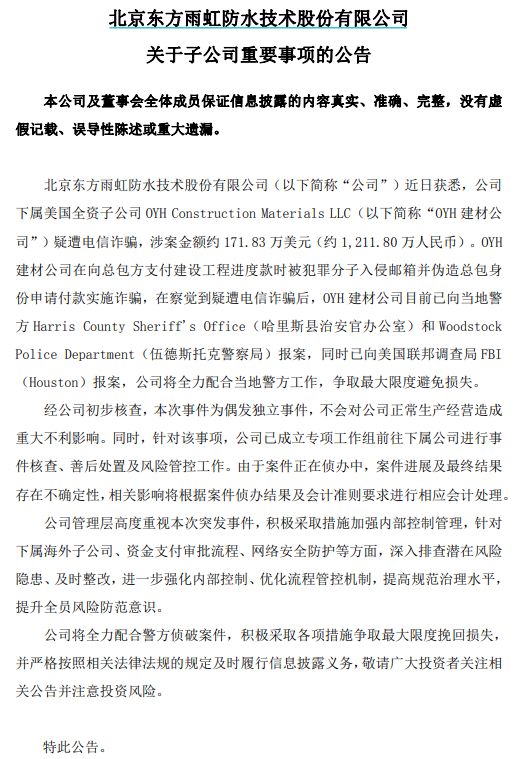
东方雨虹子公司疑遭电诈被骗逾千万元
Di Yi Cai Jing Zi Xun· 2025-12-23 15:12
Core Viewpoint - The company reported that its wholly-owned subsidiary in the U.S., OYH Building Materials, fell victim to a telecom fraud involving approximately $1.7183 million (about 12.118 million RMB) [1] Group 1: Incident Details - The fraud occurred when criminals hacked into the email of the general contractor and impersonated their identity to request payment during the construction progress payment process [1] - Upon realizing the fraud, OYH Building Materials reported the incident to local law enforcement, including the Harris County Sheriff's Office and the Woodstock Police Department, as well as the FBI in Houston [1] Group 2: Company Response - The company stated that initial investigations suggest this incident is an isolated occurrence and will not significantly impact normal operations [1] - A special task force has been established to investigate the incident, manage aftermath actions, and implement risk control measures [1] - The management is taking the incident seriously and is actively enhancing internal control management, focusing on overseas subsidiaries, payment approval processes, and cybersecurity to identify and rectify potential risks [1]

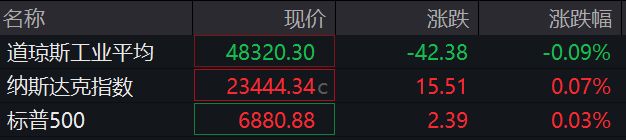
美股三大指数基本平开,中概股多数下跌
Di Yi Cai Jing Zi Xun· 2025-12-23 15:01
编辑丨瑜见 中概股多数下跌,纳斯达克中国金龙指数跌0.4%,名创优品、小鹏汽车、小马智行跌超2%。 诺和诺德涨超9%,美国FDA批准了诺和诺德的首款口服GLP-1减肥药。 12月23日,美股三大指数基本平开,道指微跌,标普500指数、纳指微涨。 ...
A股今年站上4000点概率大
Di Yi Cai Jing Zi Xun· 2025-12-23 14:52
2025.12.23 本文字数:2993,阅读时长大约5分钟 作者 |第一财经 黄思瑜 A股四大指数12月23日继续飘红,沪指已走出五连阳。2025年最后6个交易日,A股能否站上4000点备受 关注。 沪指连续上涨之际,两融余额再度刷新历史纪录。截至12月22日已达2.5166万亿元,较前一交易日增加 128.12亿元。这是今年9月1日两融余额创出历史新高后,第70次刷新历史纪录。 随着"十五五"开局之年临近,A股进入提前布局的关键窗口。"最后6个交易日中,沪指具备站上4000点 的潜在动能,但需放量突破关键位置。"银河证券首席策略分析师杨超对第一财经表示,一方面,当前 市场有增量资金在持续入场;另一方面,市场呈现出"权重搭台、主线唱戏"的典型分化格局,结构性特 征与板块驱动对市场形成支撑。 对于跨年前后的行情,多位券商分析师认为,A股春季躁动行情或将开启。杨超认为,2026年"十五 五"开局至春节前,A股有望走出"开门红"行情,但需以结构性机会为主,全面走升仍需内外合力助 推。一季度行情预计呈现"政策预期驱动+盈利修复验证"双轮驱动特征,可对科技与高股息板块进行"哑 铃配置策略",但需警惕流动性边际收敛与业 ...

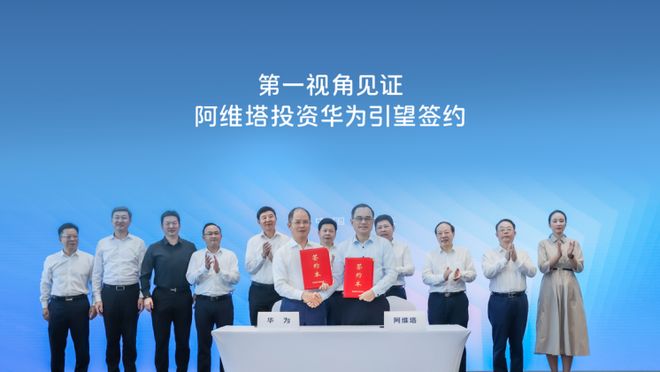
阿维塔赴港冲刺IPO:“国家队”新能源稀缺标的,115亿押注华为背后
Di Yi Cai Jing Zi Xun· 2025-12-23 14:37
Core Viewpoint - The Chinese electric vehicle (EV) industry is facing challenges as market saturation approaches and profitability pressures increase, particularly for new entrants. Avita Technology's IPO represents a strategic move to navigate these challenges and serves as a case study for high-end smart EV survival logic in China [1][18]. Group 1: Industry Context - By 2025, the penetration rate of China's new energy vehicles is expected to approach 60%, leading to a saturated incremental market and increased competition [1]. - UBS predicts a potential 2% year-on-year decline in domestic passenger car sales in 2026, highlighting the industry's transition from "wild growth" to "refined cultivation" [1][2]. Group 2: Avita's Competitive Advantages - Avita's unique advantage lies in its "central enterprise background + industrial giant" collaborative ecosystem, which includes partnerships with Changan Automobile, Huawei, and CATL [2]. - The company has secured over 19 billion yuan in financing and has achieved a gross margin of 10.1% as of mid-2025, indicating strong financial performance [1][4]. Group 3: Business Model and Financial Performance - Avita adopts a light-asset model, focusing on product definition and brand building while outsourcing manufacturing and energy solutions to partners, enhancing operational efficiency [5][6]. - The company reported a revenue of 151.95 billion yuan in 2024, a 169% increase year-on-year, and 122.08 billion yuan in the first half of 2025, a 98.5% increase [6][9]. Group 4: Product Strategy and Market Response - Avita has developed a clear product matrix covering price ranges from 200,000 to 700,000 yuan, ensuring a solid sales foundation while exploring brand elevation [7][9]. - The company achieved a record sales figure of 14,057 vehicles in November 2025, with total sales surpassing 220,000 units [9]. Group 5: Global Expansion Strategy - Avita has initiated an aggressive global expansion strategy, entering 38 countries and regions since September 2024, with a goal of achieving 10% overseas sales by 2026 [10][13]. - The company plans to implement local assembly and production to reduce costs and improve market responsiveness in the long term [13]. Group 6: Capital Market and IPO Insights - Avita's IPO is not merely a financial necessity but aligns with its strategic goals, aiming to enhance corporate governance and attract talent [14][15]. - The capital market's valuation logic is shifting towards ecological rarity, technological control, and profitability certainty, areas where Avita excels [14]. Group 7: Strategic Partnerships and Ecosystem Development - Avita is expanding its ecosystem through partnerships, including a comprehensive collaboration with JD Retail to enhance marketing, after-sales service, and supply chain optimization [17]. - The company is actively building an open collaborative ecosystem to create a competitive advantage in a saturated market [17][18].
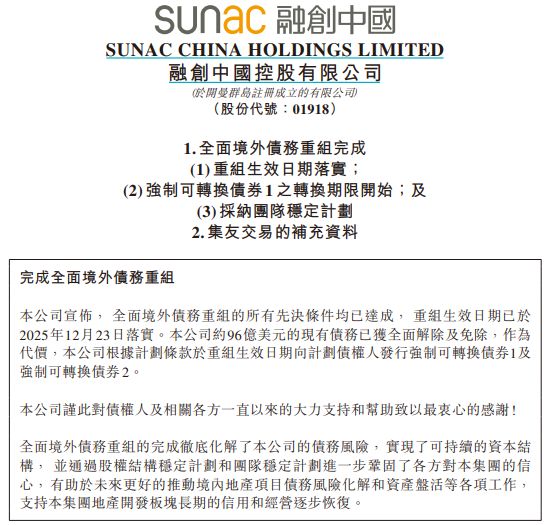
融创中国:约96亿美元境外债务重组全面完成
Di Yi Cai Jing Zi Xun· 2025-12-23 14:31
12月23日晚,融创中国在港交所公告,全面境外债务重组的所有先决条件均已达成,重组生效日期已于 12月23日落实,公司约96亿美元的现有债务已获全面解除及免除。 融创中国称,全面境外债务重组的完成彻底化解了公司的债务风险,有助于未来更好地推动境内地产项 目债务风险化解和资产盘活等各项工作,支持集团地产开发板块长期的信用和经营逐步恢复。 截至今日收盘,融创中国跌1.54%,报1.28港元,总市值147亿港元。 编辑丨瑜见 ...
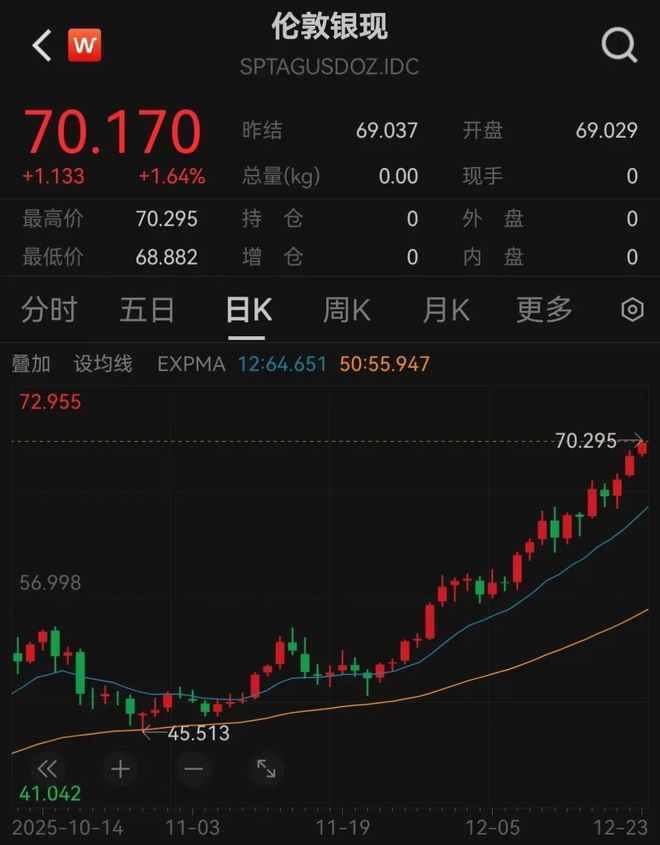
现货白银,突破70美元
Di Yi Cai Jing Zi Xun· 2025-12-23 14:15
编辑丨瑜见 12月23日,现货白银价格持续走高,截至发稿,突破70美元/盎司,日内上涨1.64%。 ...
400多家小银行退场
Di Yi Cai Jing Zi Xun· 2025-12-23 13:41
Core Viewpoint - The establishment of Guizhou Rural Commercial United Bank marks a significant step in the ongoing reform of rural financial institutions in China, with a focus on consolidating resources and improving the quality of financial services while reducing the number of smaller banks [2][3][5]. Group 1: Establishment of Guizhou Rural Commercial United Bank - The Guizhou Rural Commercial United Bank has received approval to commence operations, becoming the seventh provincial rural financial institution to do so this year [3][5]. - The bank has a registered capital of 10.458 billion yuan, with major shareholders including Guizhou Financial Holding Group (65.844%), Guizhou Provincial Finance Department (15.032%), and Guizhou Moutai Group (9.562%) [3][4]. - The establishment of this bank is part of a broader trend where over 400 smaller banks, including village banks, have exited the market this year [6][8]. Group 2: Provincial Rural Financial Institution Reforms - A total of 13 regions have seen the new round of provincial rural financial institution reforms enter the implementation stage, with six institutions approved for operation this year [5][6]. - The reform strategy varies by region, with some provinces opting for the "provincial rural commercial united bank" model while others choose to establish independent provincial rural commercial banks [5][6]. - The majority of newly established provincial rural financial institutions have asset scales exceeding 500 billion yuan, with several surpassing one trillion yuan [6][7]. Group 3: Trends in the Banking Sector - The ongoing reforms have led to a significant reduction in the number of smaller banks, with 436 banks approved for dissolution or merger this year, surpassing totals from previous years [8][9]. - The central economic work conference emphasized the need for "reducing quantity and improving quality" among small financial institutions, indicating a continued trend towards consolidation [8][9]. - The focus on improving quality suggests that the reduction in the number of institutions should not compromise the overall quality of financial services provided [9].
频频撤回电动化战略,保时捷失守中国市场
Di Yi Cai Jing Zi Xun· 2025-12-23 12:31
Core Viewpoint - Porsche China will gradually stop operating approximately 200 self-built charging stations nationwide starting from March 1, 2026, transitioning to a model of deep cooperation with leading third-party charging operators to enhance user charging experience [1][2]. Group 1: Business Changes - The cessation of self-built charging stations is part of Porsche's adjustment in its electrification strategy, which includes delaying the launch of certain electric vehicle models and focusing more on fuel and plug-in hybrid vehicles [2]. - Porsche has been a pioneer in the ultra-luxury electric vehicle market with the launch of the Taycan in 2019, but the overall electrification progress among ultra-luxury brands has been slow due to market demand and technological challenges [2][3]. Group 2: Market Performance - Since 2023, Porsche's sales in China have faced significant pressure, with a 26% year-on-year decline in the first three quarters, totaling 32,000 units sold [3]. - The current electric models available in China, Taycan and Macan, have not met market expectations, prompting the introduction of the all-electric Cayenne next year [3]. Group 3: Localization and Future Strategy - Porsche is accelerating its localization efforts in China, including the launch of a new generation of infotainment systems tailored for the Chinese market and the establishment of a research and development center with independent decision-making authority [3][4]. - The CEO of Volkswagen Group indicated that while there is potential for developing models specifically for China, the vehicles must align with Porsche's brand values, and the luxury electric vehicle market in China remains underdeveloped [3][4].
又一家大行关停信用卡App
Di Yi Cai Jing Zi Xun· 2025-12-23 12:29
Core Viewpoint - The trend of integrating credit card services into main banking apps is accelerating as banks face slowing user growth and rising customer acquisition costs, leading to the closure of independent credit card apps [2][3][6] Group 1: Bank Actions - Postal Savings Bank of China announced the gradual cessation of updates to its "Postal Savings Credit Card App," migrating functions to the "Postal Savings Bank App" [3] - China Bank was the first major state-owned bank to close its independent credit card app, integrating services into the "China Bank App" [3] - Several smaller banks, including Jiangxi Bank and Beijing Rural Commercial Bank, have also shut down or integrated their credit card apps into main mobile banking platforms [4] Group 2: Market Dynamics - The credit card industry has shifted from rapid expansion to a phase of stock competition, with growth in card issuance slowing and some banks experiencing declines in card volume [6] - The operational costs of maintaining independent credit card apps have become unsustainable due to overlapping functionalities and the need for continuous updates and security measures [6][7] Group 3: User Experience and Regulatory Influence - Users prefer a unified app experience, as managing multiple apps for different services leads to a fragmented service experience [7] - Regulatory guidance has emphasized the need for banks to optimize or terminate underperforming apps, supporting the trend towards app consolidation [7] Group 4: Future Trends - The integration of credit card services into main apps is seen as an upgrade in service delivery rather than a reduction in credit card offerings [8] - Future banking strategies will focus on enhancing user experience through data-driven personalized services and integrating financial services with everyday life [8][9] - Banks are expected to face challenges in technology integration and user adaptation during this transition, necessitating investments in IT infrastructure and security [8]