
Zhong Guo Dian Li Bao

Search documents
上海、重庆、浙江、福建实现100%消纳!
Zhong Guo Dian Li Bao· 2025-09-01 22:50
Industry News - In July 2025, the national renewable energy grid consumption rates were reported, with wind power utilization at 97.0% and solar power utilization at 96.4% for the month, and 93.8% and 94.7% respectively for the first seven months of the year [4][5] - The China-Laos Power Standard Cooperation Committee was officially established on August 27, marking a new phase in standardized cooperation between the two countries in the power sector [4] Company News - The State Grid Corporation of China released the 3.0 version of the Electric Hong IoT operating system on August 29, enhancing its capabilities in energy digital transformation [6] - China Electric Power Equipment and Technology Co., Ltd. ranked 60th in the 2025 ENR Global 250 Contractors list, achieving a revenue of $1.421 billion, marking a 12-place improvement from the previous year [8] - Datang International Power Generation Co., Ltd. announced its first interim dividend, with a net profit of 4.579 billion yuan for the first half of the year, a 47.35% increase year-on-year [8] - Huadian International Power Co., Ltd. reported a 13.15% increase in net profit for the first half of the year, despite an 8.98% decrease in revenue [8] Local News - The first pumped storage power station in Northeast China with weekly regulation capability commenced construction on August 30, with a total investment of 11.6 billion yuan [9] - Ningxia's renewable energy installed capacity surpassed 50 million kilowatts, reaching 50.48 million kilowatts, with a significant increase in energy storage capacity as well [9]


电力规划设计总院党委书记胡明:规划引领“十四五”能源高质量发展迈出坚实步伐
Zhong Guo Dian Li Bao· 2025-09-01 09:39
Core Viewpoint - The article emphasizes the importance of energy security and the transition to a new energy system in China, highlighting the strategic initiatives and planning outlined in the "14th Five-Year Plan" for high-quality energy development [1][2]. Group 1: Energy Supply Chain Resilience and Security - The energy supply chain's resilience and security have significantly improved, with a focus on domestic production and risk management [2]. - The total production of primary energy is projected to exceed 4.98 billion tons of standard coal by 2024, with a production increase of over 22% since the beginning of the "14th Five-Year Plan" [3]. Group 2: Green and Low-Carbon Energy Transition - The green and low-carbon transition in the energy sector has reached new heights, with a commitment to increasing clean energy supply and reducing carbon emissions [4]. - By the end of 2024, the proportion of non-fossil energy consumption is expected to reach 19.8%, a 3.9 percentage point increase from 2020, while coal consumption is projected to drop to 53.2% [5]. Group 3: Coordinated Development of Energy Regions - The energy sector is addressing imbalances in supply and demand across urban and rural areas, focusing on optimizing energy resource allocation and enhancing regional energy development [6][7]. - The construction of large clean energy bases in western regions is progressing, with the "West-to-East Power Transmission" capacity exceeding 300 million kilowatts [8]. Group 4: Modernization of the Energy Industry Chain - The modernization of the energy industry chain has advanced significantly, with a focus on enhancing technological innovation and upgrading the energy sector [9]. - China has become a global leader in the production of photovoltaic components and wind power key components, contributing over 80% and 70% respectively to the global market [10]. Group 5: Continuous Release of High-Quality Development Vitality - The energy sector is undergoing reforms to enhance market dynamics and governance, with over 60% of total electricity consumption now determined by market transactions [11][12]. - The establishment of a unified national electricity market is accelerating, with significant progress in the marketization of coal and renewable energy pricing [12]. Group 6: International Energy Cooperation - The energy sector is actively participating in global energy governance and international cooperation, enhancing its influence and capabilities in the global market [13][14]. - China has established energy cooperation projects with over 100 countries, strengthening its energy security and international partnerships [14].

“十四五”能源规划成绩评述及形势展望
Zhong Guo Dian Li Bao· 2025-09-01 01:08
Core Insights - The "14th Five-Year Plan" marks a significant period for energy transition in China, achieving notable accomplishments despite various challenges, with a focus on optimizing industrial layout and enhancing system resilience for high-quality energy development in the future [1] Group 1: Achievements in Energy Development - Energy supply capacity has been significantly enhanced, with oil production expected to reach approximately 213 million tons by 2024, and natural gas production projected to hit 246.4 billion cubic meters [2] - Coal supply security has improved, with major coal supply bases established, and over 300 million kilowatts of coal power units have undergone flexibility upgrades [2] - The total installed power generation capacity reached 3.65 billion kilowatts by mid-2025, with China leading globally in power infrastructure [3] Group 2: Acceleration of Green Energy Transition - Renewable energy has become the mainstay of power generation, with total installed capacity reaching 2.159 billion kilowatts, accounting for 59.2% of the total [4] - Nuclear power development has progressed steadily, with operational capacity reaching 60.91 million kilowatts, making China the world leader in nuclear power [4] - The ability of the power system to accommodate high proportions of renewable energy has significantly improved, with new storage capacity reaching 73.76 million kilowatts by the end of 2024 [4] Group 3: Optimization of Energy Layout - Key regional energy projects have been advanced, including large-scale wind and solar bases in the northern regions and distributed photovoltaic development in eastern load centers [7] - Cross-regional energy transmission channels have been established, enhancing the capacity for clean energy transmission to eastern regions [7] - Rural energy transformation initiatives have been implemented, with over 83,000 village-level photovoltaic assistance stations established [8] Group 4: Strengthening Energy Technology Innovation - The efficiency of clean coal utilization has improved, with a 40% increase in the added value of coal conversion [9] - Breakthroughs in deep-sea oil and gas resource development have been achieved, including the construction of the world's first 100,000-ton deep-water semi-submersible production platform [9] - Significant advancements in high-voltage transmission technology have been made, with full domestic production of key equipment [9] Group 5: International Energy Cooperation - Energy cooperation with regions such as Russia and the Middle East has been deepened, enhancing energy supply security and infrastructure connectivity [10] - China's photovoltaic products have captured approximately 85% of the global market share, with numerous international renewable energy projects established [10] - Active participation in global energy governance and cooperation platforms has been emphasized, promoting collaborative efforts in addressing climate change [10]
中电联党委书记、常务副理事长杨昆:电力资源的“全国一盘棋”,下了这几招“大棋”
Zhong Guo Dian Li Bao· 2025-09-01 00:45
Core Viewpoint - The construction of a unified national electricity market in China is progressing towards a high-quality development model, with significant achievements expected by 2025, marking a historic leap in electricity market reform [2][3]. Group 1: Historical Achievements and Current Status - Since the initiation of the new round of electricity system reform, the market-based trading volume of electricity has been increasing annually, with 2.95 trillion kWh traded in the first half of 2025, accounting for approximately 61% of total electricity consumption [3]. - It is projected that the total market-based trading volume will exceed 6 trillion kWh in 2025, representing about two-thirds of total electricity consumption and three-quarters of national sales volume, indicating a doubling of trading volume compared to the end of the 13th Five-Year Plan [3]. Group 2: Market Structure and Rules - A foundational rule system for the national unified electricity market has been established, including the "1+N" basic rule framework, which supports various trading mechanisms and ensures a structured market operation [4]. - The overall framework for a "unified market and collaborative operation" has been largely completed, enhancing the market's role in supply assurance, price stability, and resource allocation across regions [4]. Group 3: Market Functionality and Trading Mechanisms - The electricity market's functionality is continuously improving, with a multi-variety and multi-functional trading system beginning to take shape, where long-term trading mechanisms account for over 90% of market transactions [5]. - Provincial-level electricity spot markets have accelerated development, with several provinces transitioning to formal operations, indicating a positive trend in market expansion [5]. Group 4: Pricing Mechanisms and Reforms - The electricity pricing mechanism has been refined, with a comprehensive reform of grid connection prices and the establishment of a sustainable pricing mechanism for renewable energy, allowing for competitive participation in the market [6]. - A capacity guarantee mechanism has been established to enhance system security and supply capacity, marking a significant adjustment in the electricity pricing structure [7]. Group 5: Green Energy and Low-Carbon Transition - A green electricity trading system is being developed, with a robust policy foundation for environmental value realization, including the issuance of green electricity certificates [8]. - The scale of green electricity and certificate trading has seen exponential growth, with over 450 billion kWh of green electricity traded by mid-2025, reflecting a strong momentum for renewable energy development [8]. Group 6: Future Development Goals - The national unified electricity market aims to achieve "five unifications and one openness," focusing on standardizing market rules and enhancing interconnectivity among various market entities [10]. - A comprehensive market transaction mechanism and pricing system will be constructed to adapt to the new electricity system, ensuring that market signals effectively guide development and investment [13].
电力体制改革成效与展望
Zhong Guo Dian Li Bao· 2025-09-01 00:31
Group 1: Achievements of Power System Reform - The power system reform during the "14th Five-Year Plan" period has shown significant results, transitioning from a planned to a market-oriented approach, enhancing competition in generation and sales sectors [2][3] - The national marketized trading volume of electricity is projected to grow from 1 trillion kWh in 2016 to 6.2 trillion kWh in 2024, accounting for 63% of total electricity consumption [3] - The number of market participants in the electricity sector has surged from 42,000 in 2016 to 970,000 by 2025, creating a diverse competitive landscape [5] Group 2: Challenges in Power System Reform - Despite notable progress, further reforms are needed in market rule design and pricing mechanisms to adapt to the high proportion of renewable energy integration and the rapid development of new entities [6][7] - The current electricity market theory based on marginal cost needs refinement to better reflect the multi-dimensional value of electricity, including flexibility and environmental considerations [6] - The demand-side market remains partially open, and the pricing does not adequately reflect the cost differences across time periods, affecting resource utilization efficiency [6][7] Group 3: Future Outlook for Power System Reform - Future reforms should prioritize the security of the power system while promoting a clean and low-carbon energy transition through continuous institutional innovation [8] - The establishment of a pricing mechanism that optimizes resource allocation is essential, allowing for price signals to reflect the efficiency of asset utilization and safety of grid operations [9] - Accelerating the construction of a capacity market and improving its price formation mechanism will help balance supply and demand, ensuring economic and reliable power supply [11]
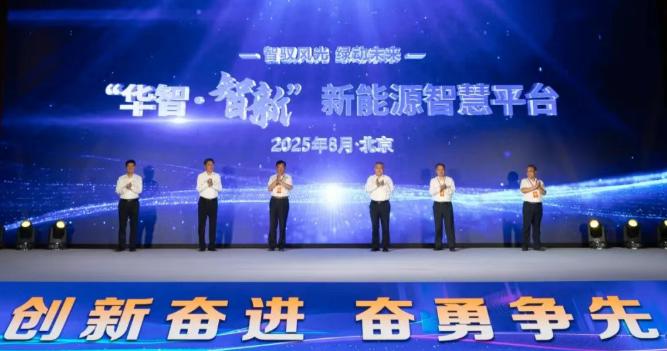
华电新能“华智·智新”新能源智慧生产管理平台在京发布
Zhong Guo Dian Li Bao· 2025-08-31 01:54
Core Viewpoint - The launch of the "Hua Zhi·Zhi Xin" smart production management platform by China Huadian New Energy Group aims to promote the construction of a new power system and accelerate the digital transformation of renewable energy [1][2]. Group 1: Development and Capacity - Since the 14th Five-Year Plan, the company has surpassed 80 million kilowatts in installed capacity, with over 1,100 wind and solar stations, positioning itself at the forefront of the industry [2]. - The company is addressing the challenges of small, scattered, and diverse renewable energy projects by enhancing operational capabilities through remote centralized control and tiered diagnostics [2][5]. Group 2: Technological Integration - The company has integrated advanced technologies such as industrial internet, big data, and artificial intelligence to create a comprehensive digital management system that enhances production efficiency [5][6]. - The platform has significantly improved operational efficiency, reducing the average number of operational personnel by approximately 60% through centralized monitoring and unmanned station management [5][6]. Group 3: Innovation and Sustainability - The platform facilitates the transformation and application of innovative results, enhancing the technological content of high-quality renewable energy development and strengthening autonomous control capabilities [7]. - The company is developing key technologies for the new power system, including high-precision power prediction systems and smart energy management systems, to support the integration of high proportions of renewable energy [7].

1~7月南方电网经营区域用电量破万亿
Zhong Guo Dian Li Bao· 2025-08-31 01:49
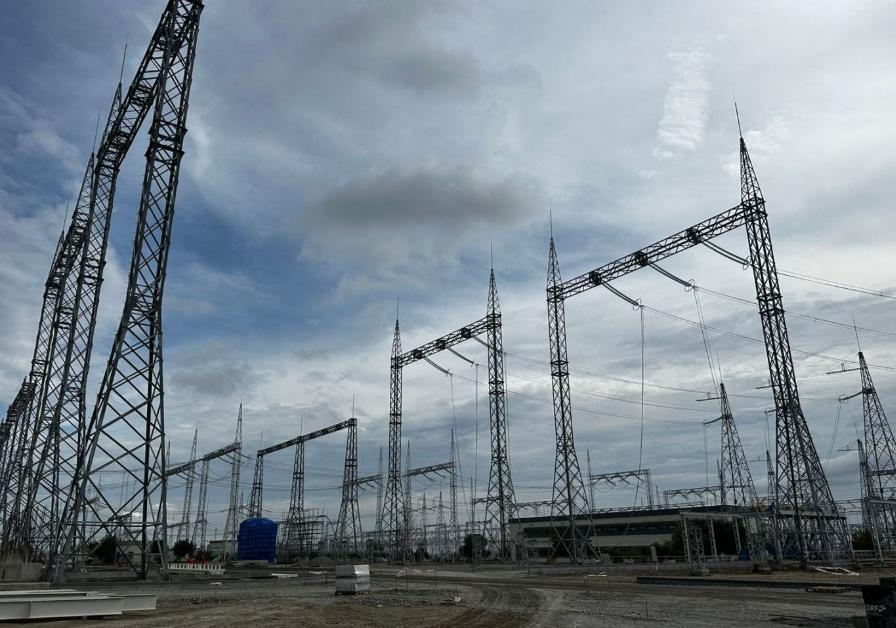
1~7月,南方电网经营区域住宿餐饮、批发零售等服务业用电稳步提升,用电量同比分别增长4.2%和12.5%。 数据显示,受7月气温较去年同期偏低影响,当月南方五省区(广东、广西、云南、贵州、海南)全社会用电量1743亿千瓦时,同 比增长3.7%。 分产业看。在农业领域,因早稻丰收、晚稻抢种关键农时需求,第一产业用电量同比增长12.5%,印证南方五省区农业机械 化、电气化水平稳步提升;在工业领域,工业用电量974亿千瓦时,同比增长2.6%,对区域全社会用电增长贡献率达46%,其中 制造业用电量778亿千瓦时,拉动全社会用电量增长1.94个百分点,持续发挥经济"压舱石"作用。 8月26日,记者从中国南方电网有限责任公司(以下简称"南方电网")获悉,今年1~7月,南方电网经营区域全社会用电量达10039 亿千瓦时,累计突破万亿千瓦时的时间较去年提前一个月,同比增长4.8%,高于全国平均增速0.3个百分点,区域经济稳中有进 态势持续显现。 新动能与消费领域表现亮眼。高技术及装备制造业用电量同比增长4%,仪器仪表、专用设备制造业增速分别为10.2%和 9.3%;"三新"(新产业、新业态、新商业模式)行业用电量同比增长31 ...
全球首个,获重要进展!
Zhong Guo Dian Li Bao· 2025-08-29 09:29
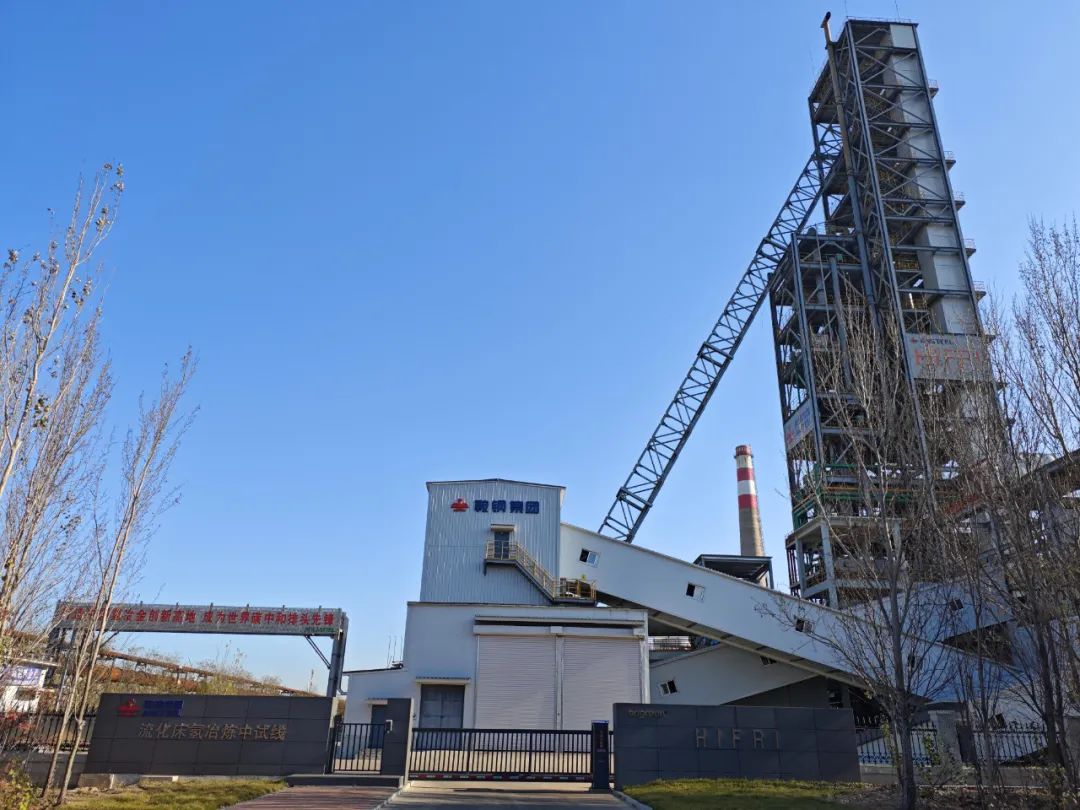
Core Insights - The world's first green electricity and green hydrogen fluidized bed hydrogen metallurgy project has achieved significant progress, with stable production of nearly zero-carbon direct reduced iron products [1][3] - The project utilizes green electricity from wind power and advanced alkaline water electrolysis technology to produce green hydrogen, addressing traditional hydrogen production challenges [3][5] Group 1: Project Overview - Ansteel Group announced the successful operation of a pilot line for fluidized bed hydrogen metallurgy, achieving a metalization rate of 95% [1] - The project represents a transition from laboratory research to pilot testing, marking a significant milestone in green metallurgy [1][3] Group 2: Environmental Impact - Compared to traditional blast furnace processes, the project achieves nearly zero carbon dioxide emissions per ton of iron produced [5] - The direct reduced iron products have low impurity levels, making them suitable for high-end applications such as electric motor steel for new energy vehicles [5] Group 3: Technological Advancements - The project overcomes traditional hydrogen metallurgy challenges, including poor raw material adaptability and low reduction efficiency, by integrating the entire process from hydrogen production to reduction and briquetting [3][5] - The technology package developed has complete independent intellectual property rights, indicating a significant advancement in the field [3] Group 4: Future Plans - Ansteel Group plans to deepen cooperation with wind and solar power stations and integrate near-zero carbon electric furnace equipment to create a green steel supply chain [5] - The company aims to construct a 500,000 tons per year industrial demonstration project for fluidized bed ironmaking, contributing to the green and low-carbon transformation of China's manufacturing industry [5]

国家发改委:对部分领域重大项目将设民间投资参股最低比例
Zhong Guo Dian Li Bao· 2025-08-29 08:25
Group 1 - The National Development and Reform Commission (NDRC) emphasizes the implementation of the strategy to expand domestic demand through three main approaches: boosting consumption, expanding investment, and building a unified market [3][4] - The NDRC will set minimum participation ratios for private investment in major projects in sectors such as railways, nuclear power, and oil and gas pipelines, while also supporting more eligible private investment projects to issue infrastructure REITs [3][4] - The NDRC plans to enhance consumer spending by implementing various measures, including vocational skills training for key groups, adjusting minimum wage standards, and promoting policies for the consumption of goods and services [3][4] Group 2 - The NDRC is focused on identifying potential growth points and expanding investment, particularly in key areas that meet the needs of development, local capabilities, and public expectations [4] - The NDRC has allocated 1.14 billion yuan in emergency recovery funds to support disaster-affected areas, focusing on the restoration of infrastructure such as roads, bridges, and water conservancy projects [6] - The NDRC is coordinating efforts to ensure the stable supply of essential energy resources, including coal, electricity, and gas, during flood seasons, by pre-positioning repair resources and organizing transportation of key energy materials [6]
我国能源上市公司数量提升16%
Zhong Guo Dian Li Bao· 2025-08-29 02:50
Core Insights - The energy sector in China is experiencing significant growth and transformation during the "14th Five-Year Plan" period, with a focus on high-quality development and green transition [1][5][9] Group 1: Company Growth and Market Dynamics - The number of energy listed companies in A-shares is projected to increase from 506 in 2021 to 587 by the end of 2024, indicating continuous market expansion [1][3] - In 2021, 52 new energy companies were listed, accounting for 9.92% of the total new listings, while this percentage rose to 12% in 2024 with 12 new energy companies [3][5] - Over 80% of new listings in the energy sector are in the energy and power equipment category, reflecting a clear trend towards structural optimization [3][4] Group 2: Financial Performance and Quality Improvement - The average net profit of A-share energy companies increased from approximately 998 million yuan in 2021 to 1.31 billion yuan in 2024, representing a compound annual growth rate of 9.4% [4] - Investment in technology research and development rose from 140.06 billion yuan in 2021 to 258.48 billion yuan in 2024, with an annual growth rate exceeding 20% [4] - The number of delisted energy companies increased from 1 at the beginning of the "14th Five-Year Plan" to 6 by 2024, indicating a dynamic balance in the market [4] Group 3: Sectoral Shifts and Future Outlook - The energy sector is transitioning from traditional coal and oil to clean and renewable energy sources, with the proportion of new energy companies in A-shares rising from 140 to 165 during the "14th Five-Year Plan" [7][8] - New energy companies are increasingly utilizing capital operations to consolidate fragmented assets into a modern development model, enhancing their competitive edge [8][9] - The future development of energy listed companies will emphasize quality upgrades over mere quantity expansion, focusing on emerging sectors like energy storage and hydrogen energy [9][10]