
Zhong Guo Huan Jing Bao

Search documents
重磅解读中国2035年国家自主贡献:开启中国应对气候变化新征程 引领全球低碳韧性转型
Zhong Guo Huan Jing Bao· 2025-09-28 23:05
Core Viewpoint - The Chinese government emphasizes its commitment to global climate governance and has set ambitious targets for its 2035 Nationally Determined Contributions (NDC), aiming for a significant reduction in greenhouse gas emissions and a transition to a low-carbon economy [1][2][3]. Group 1: 2035 Nationally Determined Contributions (NDC) - By 2035, China's total greenhouse gas emissions are expected to decrease by 7%-10% from peak levels, with non-fossil energy consumption accounting for over 30% of total energy consumption [1][2]. - The total installed capacity of wind and solar power is targeted to exceed six times that of 2020, aiming for 360 million kilowatts [1][7]. - The forest stock volume is projected to reach over 24 billion cubic meters, and new energy vehicles are expected to become the mainstream of new vehicle sales [1][7]. Group 2: Global Climate Leadership - China's NDC reflects a strong commitment to international climate cooperation, with the international community recognizing its ambitious goals amidst global challenges [2][9]. - The NDC aims to cover all sectors, including energy, industry, transportation, and agriculture, marking a historic shift towards comprehensive climate action [5][6]. - The NDC is designed to align with the long-term goals of the Paris Agreement, contributing positively to global climate action [6][12]. Group 3: Economic and Employment Impact - The implementation of the 2035 NDC is expected to generate over 30 trillion yuan in green low-carbon industry scale, creating millions of high-quality jobs [10][11]. - The transition to a green economy is anticipated to lower global transition costs and provide a significant market for green technologies and products [10][11]. Group 4: Challenges and Cooperation - Achieving the 2035 NDC will require significant efforts and favorable international conditions, as geopolitical complexities and protectionism pose challenges to global climate initiatives [9][12]. - The need for equitable international cooperation is emphasized, particularly in supporting developing countries in their green transitions [9][12]. Group 5: Future Directions - The NDC will guide China's industrial and technological development over the next decade, promoting a shift towards a new energy system dominated by non-fossil fuels [7][10]. - The establishment of a comprehensive carbon market is expected to cover approximately 80% of national carbon emissions by 2035, enhancing market incentives for green production and consumption [8][9].
武汉以清洁生产促绿色转型发展
Zhong Guo Huan Jing Bao· 2025-09-26 01:39
Core Points - Wuhan's ecological environment bureau has implemented a mandatory clean production audit plan for 14 key industries from 2023 to 2025 to promote green production methods and achieve resource conservation and pollution reduction goals [1][2] Group 1: Implementation and Impact - A total of 299 enterprises in Wuhan have conducted mandatory clean production audits, with 140 companies passing the acceptance, implementing 2,000 clean production plans, and investing over 760 million yuan [1] - The initiatives have led to significant reductions in wastewater, waste gas, and solid waste, achieving a carbon reduction of over 54,000 tons and generating economic benefits of nearly 739 million yuan [1] Group 2: Guidelines and Responsibilities - The "Guidelines for Mandatory Clean Production Audit Assessment and Acceptance" have been established to clarify responsibilities and streamline processes, ensuring effective implementation of clean production and supporting the dual carbon goals [2] - A three-tier responsibility system has been created involving municipal and district ecological environment departments and enterprises, facilitating a comprehensive process from planning to acceptance [2] Group 3: Support for Enterprises - Simplified audit processes have been introduced for small and medium-sized enterprises facing financial constraints, allowing eligible companies to apply for a streamlined audit [3] - The launch of the "Wuhan Mandatory Clean Production Audit Service Platform" has improved audit efficiency by enabling online submission and expert review of audit materials [3] Group 4: Promoting Green Development - The guidelines require successful enterprises to establish permanent clean production institutions and integrate audit results into daily management, shifting from passive audits to proactive emission reductions [4] - Wuhan Iron and Steel Co. has undertaken comprehensive clean production transformations, investing 8.239 billion yuan and applying 138 advanced energy-saving technologies, setting a benchmark for green energy utilization in the steel industry [4]
武汉高质量推进生态环境监测体系现代化建设
Zhong Guo Huan Jing Bao· 2025-09-26 01:26
Core Insights - Wuhan City has invested 140 million yuan in enhancing its ecological environment monitoring capabilities since the start of the 14th Five-Year Plan, focusing on modernizing the monitoring system to ensure accurate and comprehensive data for environmental protection efforts [1][9] Investment and Development - A total of 140 million yuan has been allocated for the modernization of the ecological environment monitoring system in Wuhan [1] - The city plans to invest an additional 260 million yuan during the 15th Five-Year Plan to support various ecological monitoring projects [10] Monitoring Network and Capabilities - Wuhan has established a comprehensive "sky-ground" integrated ecological monitoring network, enhancing the monitoring of air, water, noise, and radiation [4][8] - The number of air quality monitoring stations has increased to 208, with specialized monitoring points for various pollutants [4] - The city has achieved full coverage of automatic monitoring for national, provincial, and municipal water bodies, with 135 surface water monitoring stations [4] Technological Advancements - The city is leveraging drone technology for low-altitude monitoring and exploring quantum technology applications for air pollution monitoring [5][9] - Collaboration with research institutions has led to the development of satellite remote sensing applications for monitoring water quality and biodiversity [8] Data Integration and Smart Monitoring - Wuhan is implementing a digital transformation in ecological monitoring, integrating 454 data resource directories and 5 billion data entries into a centralized ecological environment data resource center [9] - The establishment of a smart regulatory platform aims to enhance monitoring capabilities and facilitate real-time data analysis [9] Future Plans and Projects - The city is focusing on six major categories of projects aimed at improving ecological monitoring, including air quality, water quality, and biodiversity assessments [10][16] - Plans include upgrading monitoring systems for air quality, water quality, and vehicle emissions, as well as enhancing emergency monitoring capabilities [10][17]

艺术创作与商业营销必须坚守生态底线|关注青藏高原烟花秀事件
Zhong Guo Huan Jing Bao· 2025-09-26 01:26
Core Viewpoint - Artistic creation should respond deeply to nature, society, and culture, rather than overly emphasizing self-expression or seeking attention at the expense of ecological risks [1] Group 1: Artistic Creation - Current artistic creations excessively pursue visual impact and online dissemination, lacking a profound understanding of the importance of ecological civilization [1] - Some creators are influenced by external cultural trends and commercial capital, leading to distorted values that require heightened vigilance [1] - Artistic creation should serve the people and the times, avoiding becoming mere sensationalism or being based on the destruction of the natural ecological environment [1] Group 2: Business Marketing - For companies, pursuing economic benefits is acceptable, but it must not come at the cost of sacrificing the ecological environment [1] - Environmental protection should be a hard constraint, not just a marketing slogan, and must be implemented in every creation and activity [1] - Eco-friendliness is a hard condition for sustainable development of enterprises, rather than an optional promotional point [1]
将生态评估作为前置条件|关注青藏高原烟花秀事件
Zhong Guo Huan Jing Bao· 2025-09-26 00:14
Core Viewpoint - The incident involving the fireworks show in Shigatse, Tibet, has prompted a swift establishment of an investigation team, with brands like Arc'teryx and Cai Guoqiang's studio issuing apologies and expressing willingness to cooperate with third-party assessments. This raises deeper questions about the lack of ecological evaluation prior to project initiation, suggesting that a rigorous assessment could have preemptively identified risks and avoided the current passive situation [1] Group 1 - The establishment of an investigation team in response to the fireworks incident highlights the urgency of addressing ecological concerns [1] - Brands involved have shown a sincere attitude by apologizing and agreeing to cooperate with assessments, indicating a recognition of their responsibilities [1] - The lack of prior ecological evaluation raises questions about project planning and the need for stricter regulations in future projects [1] Group 2 - The incident serves as a reminder that ecological assessments should be prioritized in sensitive areas to prevent environmental damage [1] - Future projects, whether for commercial promotion or artistic creation, must not compromise ecological integrity [1] - Regulatory bodies are urged to enhance oversight and improve evaluation standards and processes to safeguard the environment [1]
公众高度关注体现文明进阶新刻度|关注青藏高原烟花秀事件
Zhong Guo Huan Jing Bao· 2025-09-25 23:23
Core Viewpoint - The recent ecological incidents, including the "Ascend Dragon" fireworks event by Arc'teryx in Tibet, have sparked significant public outcry, reflecting a growing societal awareness and sensitivity towards environmental protection [1][2] Group 1: Public Reaction and Awareness - The public's heightened sensitivity to ecological damage is evident, with a shift from passive observation to active engagement, indicating that environmental protection is now seen as a collective responsibility rather than an isolated issue [1] - The discussions and criticisms on social media platforms serve as a form of ideological awakening, enhancing ecological awareness among the populace [1] Group 2: Government and Management Response - Local management departments are urged to translate public concerns into actionable plans, ensuring thorough investigations and accountability while also focusing on ecological restoration [2] - There is a call for improved management systems and long-term regulatory measures to prevent a cycle of environmental damage, exposure, and remediation [2] Group 3: Societal Implications - The incidents highlight the deepening implementation of ecological civilization concepts across society, marking a transition from policy-driven mandates to a more ingrained cultural consciousness regarding environmental stewardship [2] - Each instance of public oversight is seen as a catalyst for advancing environmental protection efforts, contributing to a clearer vision of a beautiful China [2]
东莞望牛墩探索“党建+治水”新路径
Zhong Guo Huan Jing Bao· 2025-09-25 03:15
Core Viewpoint - The article emphasizes the importance of water environment governance in the ecological protection and high-quality development of Wangniudun Town, Dongguan City, highlighting the efforts made by the local ecological environment bureau to implement rain and sewage diversion projects for industrial enterprises [1][3]. Group 1: Industrial Structure and Challenges - Wangniudun Town's industrial structure is primarily based on traditional industries such as papermaking, component manufacturing, printing, and packaging, while gradually introducing high-tech industries to form a dual-track industrial pattern of "traditional + emerging" [3]. - Many enterprises are facing operational pressures due to the economic environment, making the comprehensive implementation of rain and sewage diversion a significant challenge for ecological governance [3]. Group 2: Party Leadership and Collaborative Efforts - The Wangniudun Bureau has adopted a "one enterprise, one policy" support mechanism to address the challenges faced by enterprises, effectively alleviating their concerns and facilitating the diversion process [3][4]. - The bureau has strengthened collaboration through party branch partnerships, actively engaging with village committees, town departments, and enterprise party branches to enhance the quality and efficiency of rain and sewage diversion efforts [4]. Group 3: Progress and Achievements - The bureau has established a goal-oriented and node-controlled work mechanism, leading to significant progress in the rain and sewage diversion project, with 546 out of 558 registered industrial enterprises completing the diversion, achieving a completion rate of 97.85% [5]. - The previously identified "black and odorous water body" in Jujiang Village has been completely improved, showcasing the effectiveness of the water environment governance efforts under party leadership [5]. Group 4: Future Plans - The Wangniudun Bureau plans to continue deepening the "party building + water governance" model, establishing a long-term mechanism for source investigation, water quality monitoring, and public supervision to maintain the achievements in water governance [6].

高邮泰达绿色技术助力“无废城市”建设
Zhong Guo Huan Jing Bao· 2025-09-25 02:37
Core Insights - The project is a public-private partnership (PPP) for waste incineration and power generation in Gaoyou City, Jiangsu Province, established by Tianjin TEDA Environmental Protection Co., Ltd. and Gaoyou State-owned Assets Investment and Operation Co., Ltd. [1] - The project covers an area of 120 acres and has a total investment of 355 million yuan for the first phase, featuring two 350 tons/day incineration lines and a 15 MW turbine generator [1] - The facility is designed to process approximately 255,500 tons of municipal waste annually, generating around 100 million kWh of electricity, which equates to saving about 33,000 tons of standard coal and reducing carbon emissions by approximately 45,000 tons per year [1] Industry Trends - The solid waste treatment industry is transitioning from end-of-pipe treatment to a full-chain resource utilization model, driven by dual goals of carbon neutrality and "waste-free city" initiatives [2] - High You Tai Da is recognized as a leading brand in the ecological environment sector, having received the "National AAA-level Municipal Solid Waste Incineration Plant" title from the China Urban Environmental Hygiene Association [2] Technological Advancements - The company employs an advanced gas purification technology combining SNCR, semi-dry and dry methods, activated carbon injection, and bag dust collection, ensuring emissions are significantly below EU standards [4] - This technology is not only applied to the incineration project but also extends to leachate treatment and sludge co-disposal [4] Innovative Practices - High You Tai Da integrates into the "waste-free city" initiative by implementing a collaborative disposal model for municipal waste, industrial solid waste, and organic waste, creating a closed-loop resource recycling system [6] - The company serves as a public education base for waste classification, receiving over 3,000 visitors annually to enhance social environmental awareness [6] Strategic Upgrades - The company is evolving from a "project operator" to an "environmental service provider," leveraging advanced technologies developed at its headquarters [8] - High You Tai Da has been recognized for its operational excellence, winning the "Polar Star Cup" for two consecutive years [8] Future Outlook - The company plans to invest 49.73 million yuan in upgrading emission standards, aiming to reduce nitrogen oxide emissions to ≤80 mg/m³ and sulfur dioxide to below 30 mg/Nm³ by 2026, exceeding EU standards [10] - High You Tai Da aims to expand its operations by taking on waste disposal projects from surrounding cities, contributing to the high-quality development of the environmental protection industry in China [11]
宁东基地“一评三化”组合拳提升自动监控监管效能
Zhong Guo Huan Jing Bao· 2025-09-25 02:23
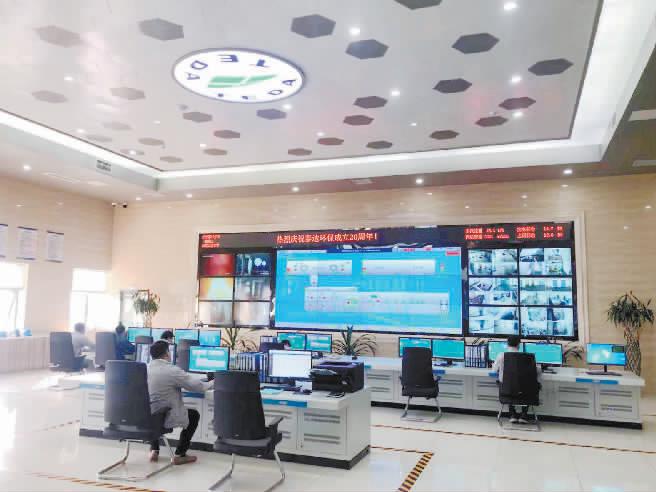
污染源自动监控是生态环境监管的关键环节。宁夏回族自治区宁东能源化工基地环境监测站(以下简称宁东基地环境监测站)坚持问题导向,精准施策,通 过建立以质量评估为统领、以站房建设标准化、电子运维规范化、人员实训制度化为抓手的"一评三化"监管机制,全面提升自动监控监管效能。 集中开展自动监控设施质量评估 开展质量评估,压实主体责任 聘请国内权威专家集中开展四轮自动监控设施全覆盖质量评估,结合日常数据分析线索,采取现场比对、运维溯源、视频核查等手段,系统全面开展"把脉 问诊",对发现的问题提出整改建议,实行包办责任制,"一对一""手把手"帮扶企业完成整改,全面落实"发现问题做减法、提升能力做加法"的帮扶机制。 截至目前,共检查企业300余家次,排污口600余个。 推进站房标准化,夯实硬件基础 针对污染源自动监控运维市场开放度高、行业准入门槛低、第三方运维水平参差不齐的现状,宁东基地环境监测站严格按照法律法规、政策文件和技术规 范,结合工作实际,在全区率先搭建电子化运维系统。对运维合同、验收资料、日常巡检、定期校准等环节实行全过程电子化监管,定期通报运维质量评估 结果,推动运维质量提升和机构优胜劣汰。运维机构由38家减少 ...
家风故事|北京市顺义区生态环境局赵思琪:平凡的坚守
Zhong Guo Huan Jing Bao· 2025-09-25 01:53
Group 1 - The core message emphasizes the importance of dedication and responsibility in one's profession, as demonstrated by the author's parents [1][2] - The mother, a director of the Tuina department at Beijing Traditional Chinese Medicine Hospital, exemplifies commitment through her patient care and recognition of trust [1] - The father, a vice principal, showcases responsibility by ensuring the safety and well-being of students, highlighting the significance of every child's safety [1] Group 2 - The author reflects on how parental teachings influence their work ethic in the ecological environment sector, emphasizing patience and effectiveness [2] - The narrative illustrates that love for one's job means excelling in ordinary tasks and being willing to help others in need [2] - The shared values of dedication and service are evident across different professions, linking the mother's, father's, and author's commitment to their respective roles [2]