
Zhong Guo Huan Jing Bao

Search documents
家风故事|广州海珠分局黄子宁:坚持做好一件事
Zhong Guo Huan Jing Bao· 2025-07-31 03:10
Group 1 - The article highlights the dedication and perseverance of the author's grandfather and father in their respective professions, emphasizing their commitment to serving their communities [1][2] - The grandfather worked for nearly 30 years as a team leader in the bus transportation industry, witnessing its growth from inception to rapid development [1] - The father has been a rural school teacher for nearly 40 years, choosing to stay in a less favorable environment to provide quality education to local children [1][2] Group 2 - The comparison of the father's teaching philosophy to bamboo, which grows resiliently in harsh conditions, illustrates the importance of steadfastness in education [2] - The author expresses a commitment to environmental protection, inspired by the values of persistence and dedication demonstrated by the grandfather and father [2]
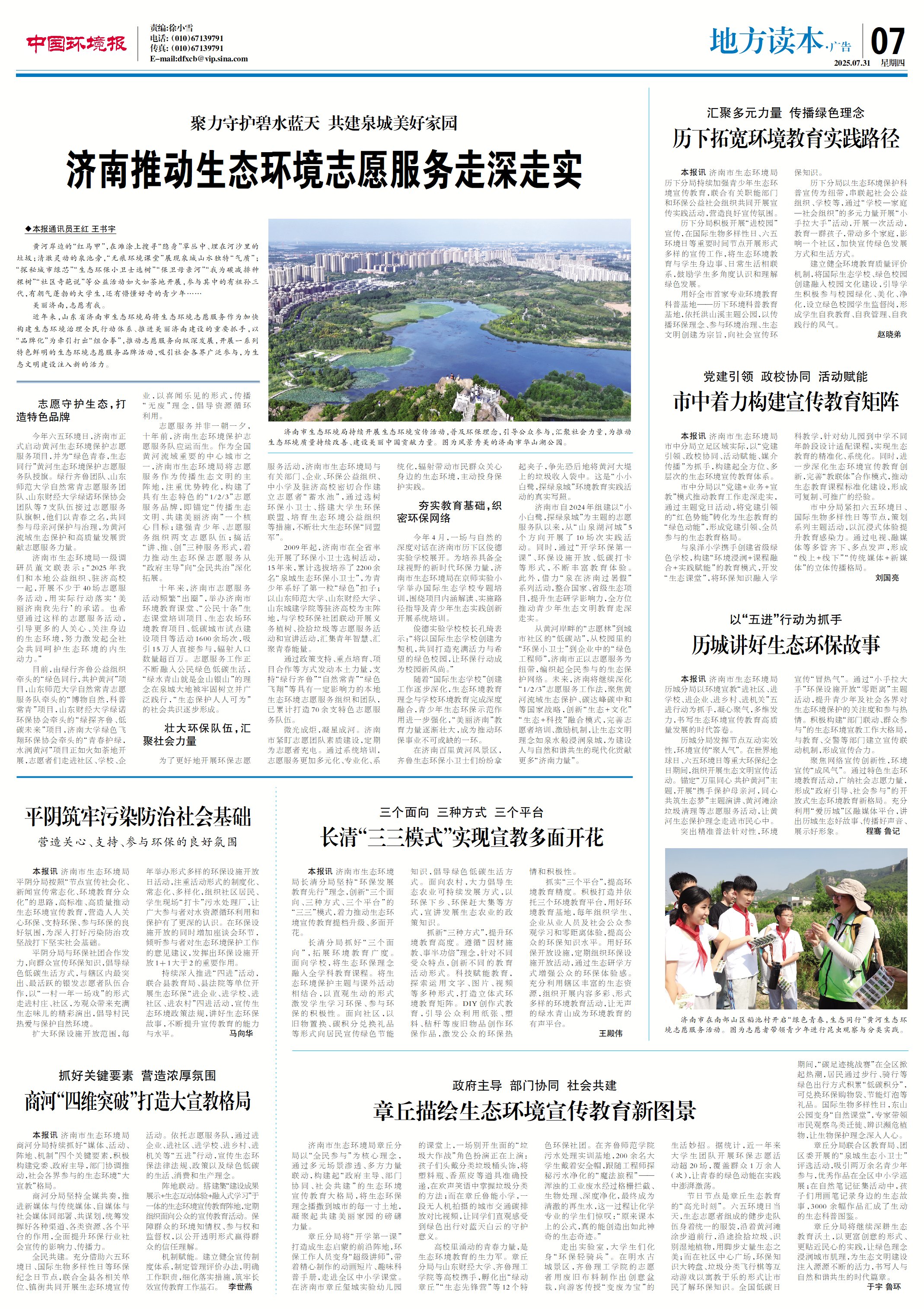
济南推动生态环境志愿服务走深走实
Zhong Guo Huan Jing Bao· 2025-07-31 01:31
Core Viewpoint - Jinan City is actively promoting ecological environment volunteer services as a key strategy to enhance ecological governance and build a beautiful city, engaging various social sectors in these initiatives [1][12]. Group 1: Volunteer Initiatives - The Jinan Ecological Environment Bureau has launched the "Green Youth, Ecological Journey" volunteer service project, involving seven teams from local universities to contribute to the protection and governance of the Yellow River [2][13]. - The city aims to conduct at least 40 volunteer service activities by 2025, encouraging public participation in ecological protection [2][13]. - Over the past decade, Jinan has organized more than 1,600 volunteer activities, directly involving 150,000 participants and impacting over one million people [3][15]. Group 2: Educational Programs - Jinan is implementing the "1/2/3" volunteer service brand, focusing on promoting ecological civilization and enhancing youth engagement through various educational initiatives [3][15]. - The city has established international ecological schools to foster global environmental awareness among students, integrating ecological education into the curriculum [17][18]. - Activities such as "Environmental Education First Lesson" and open days for environmental facilities are being conducted to enrich educational experiences [18][19]. Group 3: Community Engagement - The city has developed over 70 volunteer service teams to strengthen community involvement in ecological protection [16]. - Initiatives like "Green Action" and "Low Carbon Stations" are being implemented to promote sustainable practices among residents [19]. - Jinan is leveraging local resources and partnerships to enhance the effectiveness of its ecological volunteer services [16][19].

钟寰平:推进生态环境保护的重大制度安排
Zhong Guo Huan Jing Bao· 2025-07-31 01:09
划出问责"警戒线",倒逼责任落实。一个地区能否真正把党中央的决策部署落到实处,关键在于这个地 方各级党政领导干部能否依法履职尽责。《规定》紧紧抓住各级党政领导干部这个"关键少数",强调党 政同责、失职追责,明确指出了地方党政领导干部在生态环境保护工作中不履行或者不正确履行职责的 5种情形。凡是在生态环境领域负有职责、行使权力的党政领导干部,出现规定追责情形的,都必须严 格追究责任。同时,《规定》也给予干部一定的容错空间,存在"及时报告失职行为并主动采取补救措 施"等情形的,可依规依法从轻或者减轻追究责任。 制度的生命力在于执行。《规定》以"任务单"明确责任边界,用"指挥棒"校准发展方向,凭"警戒线"压 实履职担当,为党委政府生态环境保护责任落实筑牢了制度根基。各级地方党政领导干部要以《规定》 的出台为契机,加强学习,提高认识,将责任清单转化为行动自觉,把制度优势转化为治理效能,让祖 国大地蓝天常在、碧水长流、净土永驻,为子孙后代留下可持续发展的美丽家园。 此次《规定》的出台,与党的十八大以来党中央对生态文明建设和生态环境保护的一系列决策部署一脉 相承,将成为推动地方党委政府及其相关部门落实生态环境保护责任的又 ...
发挥督察利剑作用离不开纪律监督
Zhong Guo Huan Jing Bao· 2025-07-31 00:23
Core Viewpoint - The formal issuance of the "Regulations on Ecological Environment Protection Supervision Work" signifies the further improvement of the system and mechanism for ecological environment protection supervision [1] Group 1: Strengthening Political Leadership and Mission Responsibility - The importance of strengthening the Party's leadership and deeply understanding Xi Jinping's ecological civilization thought is emphasized, recognizing ecological environment protection supervision as a crucial institutional arrangement by the Party Central Committee [1] - There is a call to enhance the sense of mission and responsibility among supervisory agencies, ensuring alignment with national strategies and reinforcing professional awareness [1] Group 2: Improving Work Mechanisms and Strict Accountability - The establishment of a "Corruption Risk Prevention Checklist" is highlighted, focusing on high-risk areas such as on-site inspections and data verification to prevent issues like "personal favoritism" and "selective supervision" [2] - Continuous participation of disciplinary inspection personnel in supervision work is recommended, including dynamic supervision methods and establishing a comprehensive supervision mechanism [2] Group 3: Conducting Warning Education and Strengthening Discipline Awareness - The integration of warning education with party discipline learning and business training is suggested to foster a culture of integrity and compliance [3] - Emphasis is placed on cultivating the ability to analyze issues from a political perspective and reinforcing the awareness of the bottom line of integrity through regular learning [3] Group 4: Clarifying Responsibilities and Focusing on Supervision Priorities - The focus of disciplinary inspection work should be on political supervision, ensuring adherence to the Party Central Committee's decisions regarding ecological environment protection [4] - Key areas of supervision include compliance with "Party and government responsibilities" and addressing issues such as "non-action" and "misconduct" [4] Group 5: Strengthening Team Building and Enhancing Supervision Capabilities - The selection of personnel familiar with ecological environment protection and disciplinary inspection work for supervisory agencies is recommended, along with the establishment of a rotation system to prevent the solidification of supervisory power [4] - The need to attract talents from various fields and enhance training for disciplinary inspectors is emphasized to strengthen the backup workforce [4]
法治护航,让污染源自动监测作用充分发挥
Zhong Guo Huan Jing Bao· 2025-07-30 05:41
Core Viewpoint - The automatic monitoring of pollution sources has established a large system, but issues such as unclear responsibility, irregular equipment maintenance, inconsistent data quality, and frequent data falsification persist, undermining the industry's image and reducing the effectiveness of fund utilization. The Jiangxi Province has proactively introduced the "Regulations on the Management of Automatic Monitoring Data for Pollution Sources" to address these challenges [1][2]. Group 1: Regulations and Responsibilities - The regulations clearly define that the polluting units are the responsible entities for automatic monitoring, mandating them to install, use, and maintain monitoring equipment legally, ensuring the normal operation and accuracy of monitoring data [1]. - The regulations include detailed anti-fraud provisions, listing four types of illegal activities and establishing penalties for both the units and responsible individuals, including dual fines and a five-year employment ban [1]. Group 2: Data Application and Industry Impact - The automatic monitoring technology has matured, yet biases regarding its reliability hinder investment in monitoring equipment. The recognition of the value of automatic monitoring by enterprises is crucial for its widespread application [2]. - The regulations state that marked automatic monitoring data can serve as evidence for pollution permits, waste treatment fee calculations, environmental statistics, and environmental protection tax assessments, which can incentivize polluting units to acknowledge the importance of automatic monitoring [2]. - A robust automatic monitoring system requires not only advanced technology and well-maintained equipment but also legal support to ensure its effectiveness and promote a positive feedback loop in the industry [2].
探秘火电行业噪声治理的创新实践
Zhong Guo Huan Jing Bao· 2025-07-30 01:37
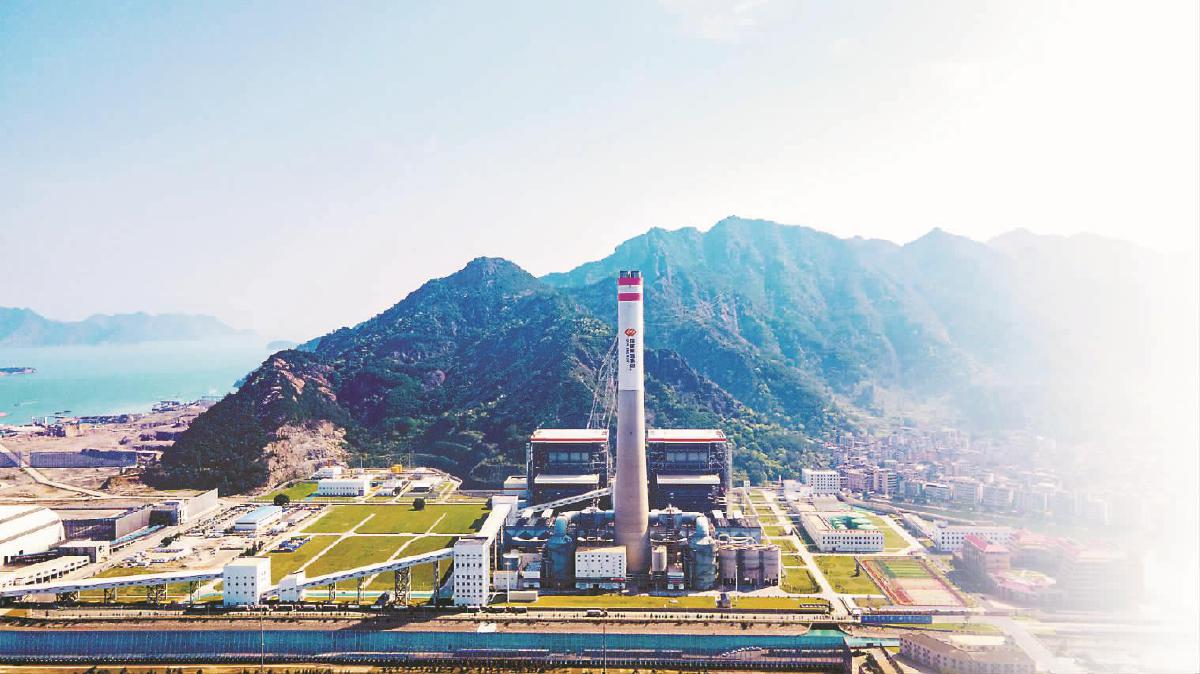
Core Viewpoint - The company, Guoneng (Lianjiang) Port Power Co., Ltd., is pioneering noise reduction technologies in the thermal power industry, aligning with China's "dual carbon" strategy to achieve sustainable development while maintaining high operational efficiency [2][12]. Group 1: Project Overview - Guoneng Lianjiang Company operates a power plant with an annual generation capacity exceeding 100 billion kilowatt-hours, implementing innovative noise control measures to redefine ecological boundaries in the thermal power sector [2]. - The company has initiated an environmental noise reduction project that integrates advanced technologies to address the challenges of noise pollution from power generation processes [4][5]. Group 2: Technical Innovations - The project employs a multi-physical field collaborative optimization approach, addressing noise issues through innovative solutions such as vibration suppression and noise reduction technologies [8][9]. - The company has developed a "structural decoupling" vibration control scheme, achieving over 95% vibration isolation efficiency and a sound insulation level exceeding 35 decibels [9]. - The use of aerospace-grade aerogel materials in the insulation of major pipelines has resulted in significant improvements in both sound insulation and thermal conductivity, achieving a sound transmission class (STC) of 45 and a thermal conductivity of ≤0.023 W/(m·K) [10]. Group 3: Project Management and Execution - The project commenced in August 2024 and faced challenges such as adverse weather conditions and complex construction environments, necessitating a robust management framework that integrates safety, quality, and progress control [15][17]. - A comprehensive quality management system was established, ensuring that all acoustic materials were rigorously tested and monitored throughout the construction process, achieving a 100% pass rate at key quality control points [16]. Group 4: Environmental Impact and Recognition - The noise reduction project has successfully lowered noise levels at various sensitive points, with reductions exceeding 15 dB(A) in critical areas, surpassing national standards [17]. - The project has been recognized for its innovative contributions to noise control in the power industry, with two core technology patents accepted by the National Intellectual Property Administration [12].
处理信访问题要实现“数据达标”与“感受满意”的有机统一
Zhong Guo Huan Jing Bao· 2025-07-30 00:30
在问题处理环节,生态环境信访工作需进一步建立完善"技术指标+具体感受"的双重评价体系,让治理 成效真正可感知、可验证。聚焦信访干部业务短板与实战需求,定期开展专题培训。邀请有关专家、一 线调解员授课,结合典型案例解析异味、噪声等涉及感官的信访问题的处置技巧,重点提升"数据解读 转化""群众沟通共情""突发问题应急处理响应"等能力,让干部既能看懂监测数据,更能理解群众感 受。 在整改验收环节,建立"专业检测+群众体验"的双重验收标准。处理异味、噪声信访时,除专业检测 外,还可以组织信访群众、社区代表参与"现场闻嗅""噪声体验",以多数人感官反馈作为一项重要的整 改验收依据,避免出现"数据达标但群众不满意"的情况。 对群众信访问题要实现全程闭环管理。有关部门要严格落实"三级责任机制",主要领导靠前抓、分管领 导具体抓、首次承办人一抓到底,围绕群众真情实感,推行全周期跟踪机制,全程跟踪问题整改,确保 每个诉求有人管、管到底。构建多部门协同的联动机制,明确属地生态环境部门与住建、城管、水务等 相关部门的职责边界,建立信访事项"移交—会商—督办"流程闭环,对跨部门诉求实行清单化管理、销 号式落实。通过动态监测与持续优化 ...
建设更加宜居美丽的人民城市∣学习贯彻中央城市工作会议精神③
Zhong Guo Huan Jing Bao· 2025-07-29 23:22
Core Viewpoint - The recent Central Urban Work Conference emphasizes the construction goals of a modern people-oriented city, prioritizing livability and addressing the expectations of the populace [1] Group 1: Urban Development and Green Spaces - Urban construction in China has achieved significant results under the "People's City" concept, with over 48,000 pocket parks and more than 128,000 kilometers of greenways built by the end of 2024 [1] - The increasing number of accessible green spaces has become a daily reality for many residents, enhancing their quality of life [1] Group 2: Urban Management and Public Services - Cities are improving their management precision, addressing local issues such as noise and restaurant emissions, and establishing long-term mechanisms to enhance residents' living conditions [2] - The development of public transportation and slow-moving systems is being prioritized to facilitate green travel, with cities like Beijing utilizing data integration for real-time transit information [2] Group 3: Challenges in Urban Development - Some cities still exhibit a tendency to prioritize aesthetic projects over functional needs, leading to resource wastage and inadequate management of newly built parks [3] - Persistent issues such as noise pollution, construction dust, and urban flooding remain significant challenges, alongside emerging problems like urban heat islands and light pollution [3] Group 4: Future Directions for Urban Planning - A shift in urban development philosophy is necessary, focusing on enhancing residents' quality of life rather than large-scale construction [3] - Successful examples, such as the integration of water and green spaces in Shanghai's Lujiazui area, demonstrate the potential for urban renewal to drive high-quality development [3] Group 5: Community Involvement in Urban Governance - Building a modern people-oriented city requires active participation from the community, ensuring that urban planning incorporates citizen feedback and addresses their needs [4] - The effectiveness of urban governance should be measured by residents' satisfaction and convenience, reinforcing the principle that cities should serve the people [4]
尘埃落定处 新绿待生时
Zhong Guo Huan Jing Bao· 2025-07-29 02:08
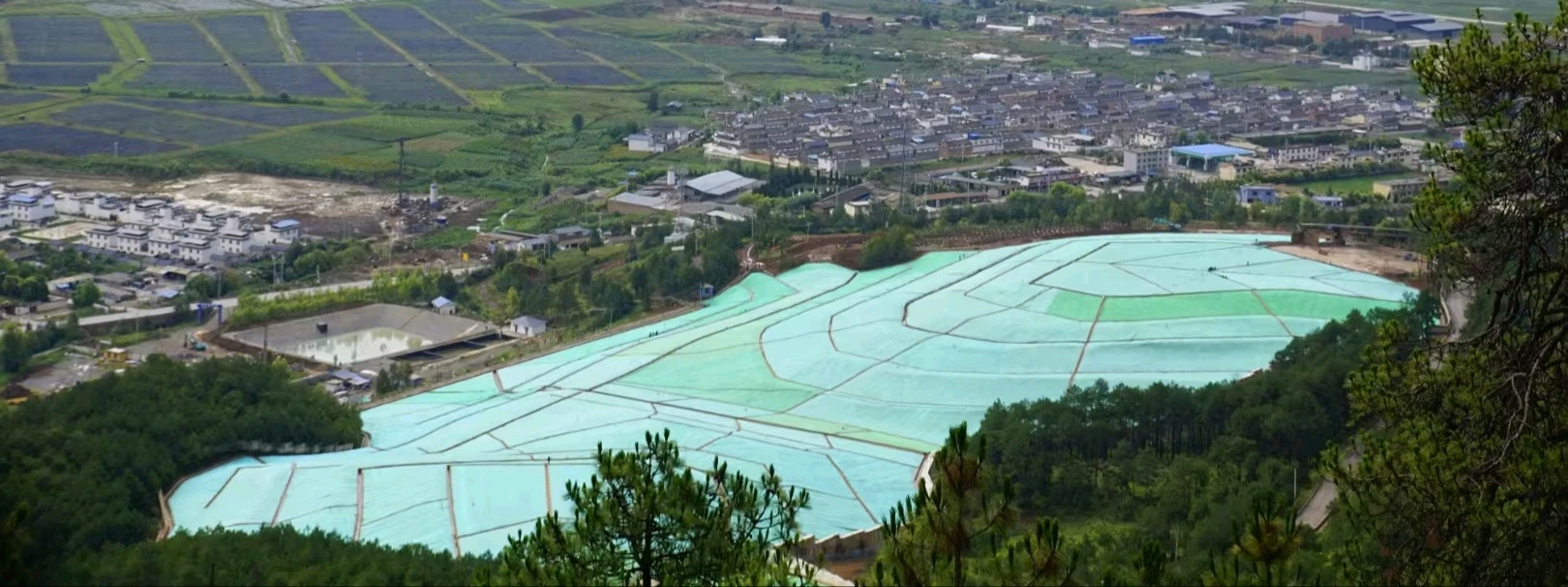
云南金鼎锌业有限公司(以下简称金鼎锌业)成立于1998年,公司所在地位于云南省怒江傈僳族自治州兰坪白族普米族自治县金顶镇文兴街,是集采、选、 冶于一体的铅锌大型加工企业。 一冶炼厂渣库封场闭库后场景 绿化治理渣坝,厂区改换新颜 走进位于云南省怒江傈僳族自治州兰坪县通甸镇八十一片区的金鼎锌业一冶炼厂旧址,很难想象,曾经这座冶炼厂如蒙尘旧铁,厂房铁皮屋顶锈蚀,管道缠 绕,墙根蜿蜒着污渍,渗出带金属腥气的液体结痂。酸雾模糊窗玻璃,风携尘埃,连野草也只在裂缝瑟缩。 如今的厂区柏油路整洁光亮,绿化带冬青修剪齐整,墙角的消防栓闪着银辉。住宿区楼宇外墙映着天光,阳台衣物轻摆,窗台植物繁茂。楼前小公园,一弯 碧水嵌在青草坡间,锦鲤游弋,睡莲浮水。沿塘木质栈道铺展,长椅落着新叶。夕阳下,柳影揉碎水中,麻雀归巢,整个区域安宁祥和。 硬化场地如深灰色绸缎延展至视野尽头,风仅卷起细微沙尘,旋即被绿意收拢。路两侧树阵撑开层层绿伞,叶片沙沙,漏下光斑跳跃。 治理后的渣坝景象壮观。小渣坡整平覆土绿化;大渣坡逐级削坡加固后再覆土栽植。绿草与山坡融为一体,与周围山体浑然一色。一排排挺拔树苗绿意盎 然,一片片草坪焕发生机,成为周边村民休闲散步的 ...
巩固治理成果防止农村黑臭水体反弹|水征文选登
Zhong Guo Huan Jing Bao· 2025-07-28 07:06
Core Viewpoint - The article emphasizes the importance of preventing the rebound of rural black and odorous water bodies through consistent efforts in source control, regular inspections, and public education [1][2][3]. Group 1: Source Control and Pollution Prevention - Continuous source control and pollution interception are essential, focusing on strict management of domestic sewage, livestock waste, agricultural pollution, and industrial wastewater [1]. - For domestic sewage, it is crucial to improve sewage collection networks and ensure the maintenance of rural sewage treatment facilities [1]. - Livestock waste management should include proper operation of waste treatment facilities in large farms and promoting resource utilization in scattered farming [1]. - Agricultural pollution can be mitigated by promoting scientific fertilization and pesticide application techniques, as well as establishing recycling points for agricultural waste [1]. - Industrial wastewater management requires strict supervision of small workshops and enterprises, ensuring compliance with pollution discharge regulations [1]. Group 2: Regular Inspections and Accountability - Regular inspections are vital, with clear responsibilities assigned to village river chiefs for monitoring pollution sources and reporting issues [2]. - The use of technology, such as drones for inspections and real-time water quality monitoring, is encouraged to enhance efficiency [2]. - Strict law enforcement and accountability measures are necessary to deter illegal discharges and ensure compliance with environmental regulations [2]. Group 3: Public Education and Awareness - Ongoing public education is critical for sustaining governance results, focusing on local pollution sources and their impacts [3]. - Diverse methods of communication, including community broadcasts and school programs, should be employed to raise awareness about pollution risks [3]. - Seasonal campaigns should be conducted to align educational efforts with agricultural practices, ensuring that environmental consciousness is integrated into daily life [3].