
Zhong Guo Huan Jing Bao

Search documents
探秘火电行业噪声治理的创新实践
Zhong Guo Huan Jing Bao· 2025-07-30 01:37
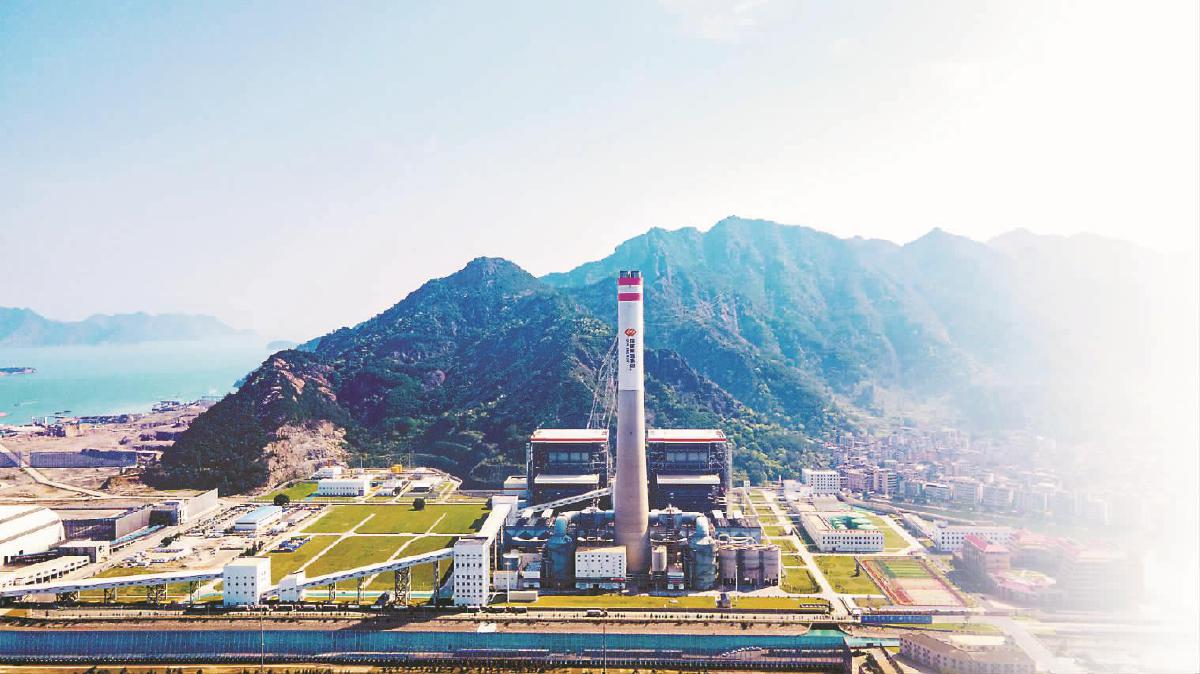
Core Viewpoint - The company, Guoneng (Lianjiang) Port Power Co., Ltd., is pioneering noise reduction technologies in the thermal power industry, aligning with China's "dual carbon" strategy to achieve sustainable development while maintaining high operational efficiency [2][12]. Group 1: Project Overview - Guoneng Lianjiang Company operates a power plant with an annual generation capacity exceeding 100 billion kilowatt-hours, implementing innovative noise control measures to redefine ecological boundaries in the thermal power sector [2]. - The company has initiated an environmental noise reduction project that integrates advanced technologies to address the challenges of noise pollution from power generation processes [4][5]. Group 2: Technical Innovations - The project employs a multi-physical field collaborative optimization approach, addressing noise issues through innovative solutions such as vibration suppression and noise reduction technologies [8][9]. - The company has developed a "structural decoupling" vibration control scheme, achieving over 95% vibration isolation efficiency and a sound insulation level exceeding 35 decibels [9]. - The use of aerospace-grade aerogel materials in the insulation of major pipelines has resulted in significant improvements in both sound insulation and thermal conductivity, achieving a sound transmission class (STC) of 45 and a thermal conductivity of ≤0.023 W/(m·K) [10]. Group 3: Project Management and Execution - The project commenced in August 2024 and faced challenges such as adverse weather conditions and complex construction environments, necessitating a robust management framework that integrates safety, quality, and progress control [15][17]. - A comprehensive quality management system was established, ensuring that all acoustic materials were rigorously tested and monitored throughout the construction process, achieving a 100% pass rate at key quality control points [16]. Group 4: Environmental Impact and Recognition - The noise reduction project has successfully lowered noise levels at various sensitive points, with reductions exceeding 15 dB(A) in critical areas, surpassing national standards [17]. - The project has been recognized for its innovative contributions to noise control in the power industry, with two core technology patents accepted by the National Intellectual Property Administration [12].

处理信访问题要实现“数据达标”与“感受满意”的有机统一
Zhong Guo Huan Jing Bao· 2025-07-30 00:30
在问题处理环节,生态环境信访工作需进一步建立完善"技术指标+具体感受"的双重评价体系,让治理 成效真正可感知、可验证。聚焦信访干部业务短板与实战需求,定期开展专题培训。邀请有关专家、一 线调解员授课,结合典型案例解析异味、噪声等涉及感官的信访问题的处置技巧,重点提升"数据解读 转化""群众沟通共情""突发问题应急处理响应"等能力,让干部既能看懂监测数据,更能理解群众感 受。 在整改验收环节,建立"专业检测+群众体验"的双重验收标准。处理异味、噪声信访时,除专业检测 外,还可以组织信访群众、社区代表参与"现场闻嗅""噪声体验",以多数人感官反馈作为一项重要的整 改验收依据,避免出现"数据达标但群众不满意"的情况。 对群众信访问题要实现全程闭环管理。有关部门要严格落实"三级责任机制",主要领导靠前抓、分管领 导具体抓、首次承办人一抓到底,围绕群众真情实感,推行全周期跟踪机制,全程跟踪问题整改,确保 每个诉求有人管、管到底。构建多部门协同的联动机制,明确属地生态环境部门与住建、城管、水务等 相关部门的职责边界,建立信访事项"移交—会商—督办"流程闭环,对跨部门诉求实行清单化管理、销 号式落实。通过动态监测与持续优化 ...
建设更加宜居美丽的人民城市∣学习贯彻中央城市工作会议精神③
Zhong Guo Huan Jing Bao· 2025-07-29 23:22
Core Viewpoint - The recent Central Urban Work Conference emphasizes the construction goals of a modern people-oriented city, prioritizing livability and addressing the expectations of the populace [1] Group 1: Urban Development and Green Spaces - Urban construction in China has achieved significant results under the "People's City" concept, with over 48,000 pocket parks and more than 128,000 kilometers of greenways built by the end of 2024 [1] - The increasing number of accessible green spaces has become a daily reality for many residents, enhancing their quality of life [1] Group 2: Urban Management and Public Services - Cities are improving their management precision, addressing local issues such as noise and restaurant emissions, and establishing long-term mechanisms to enhance residents' living conditions [2] - The development of public transportation and slow-moving systems is being prioritized to facilitate green travel, with cities like Beijing utilizing data integration for real-time transit information [2] Group 3: Challenges in Urban Development - Some cities still exhibit a tendency to prioritize aesthetic projects over functional needs, leading to resource wastage and inadequate management of newly built parks [3] - Persistent issues such as noise pollution, construction dust, and urban flooding remain significant challenges, alongside emerging problems like urban heat islands and light pollution [3] Group 4: Future Directions for Urban Planning - A shift in urban development philosophy is necessary, focusing on enhancing residents' quality of life rather than large-scale construction [3] - Successful examples, such as the integration of water and green spaces in Shanghai's Lujiazui area, demonstrate the potential for urban renewal to drive high-quality development [3] Group 5: Community Involvement in Urban Governance - Building a modern people-oriented city requires active participation from the community, ensuring that urban planning incorporates citizen feedback and addresses their needs [4] - The effectiveness of urban governance should be measured by residents' satisfaction and convenience, reinforcing the principle that cities should serve the people [4]
尘埃落定处 新绿待生时
Zhong Guo Huan Jing Bao· 2025-07-29 02:08
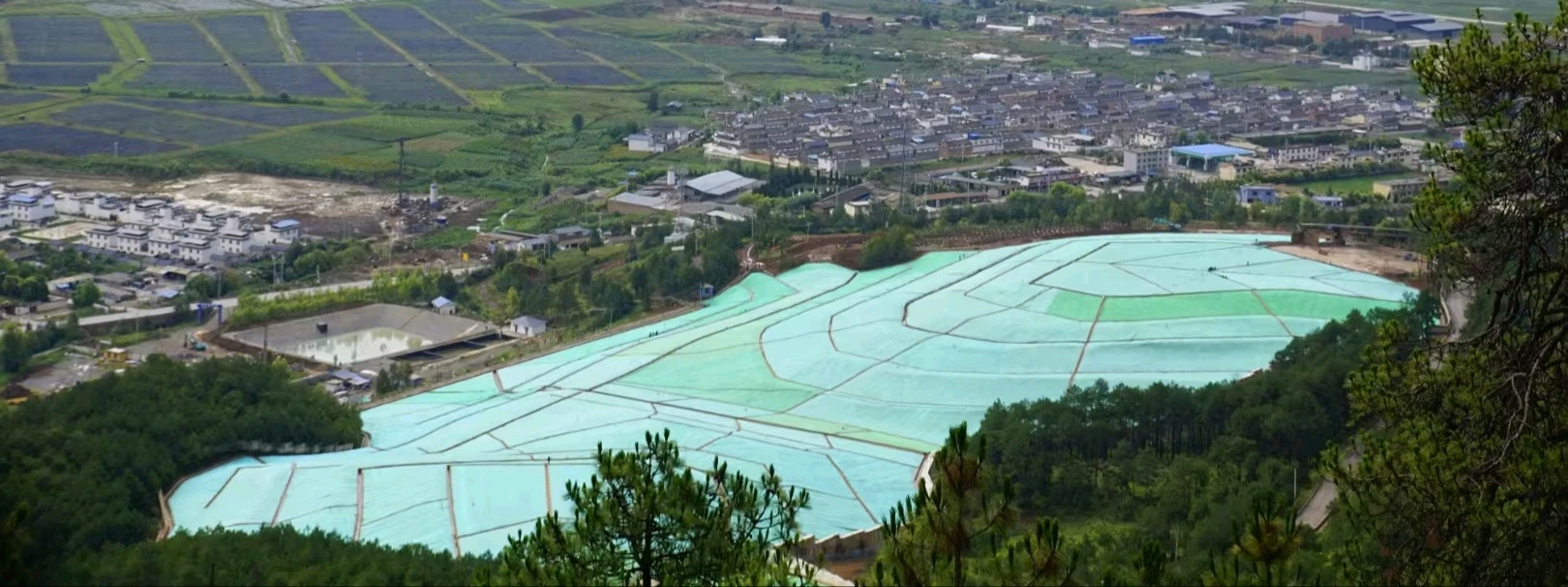
云南金鼎锌业有限公司(以下简称金鼎锌业)成立于1998年,公司所在地位于云南省怒江傈僳族自治州兰坪白族普米族自治县金顶镇文兴街,是集采、选、 冶于一体的铅锌大型加工企业。 一冶炼厂渣库封场闭库后场景 绿化治理渣坝,厂区改换新颜 走进位于云南省怒江傈僳族自治州兰坪县通甸镇八十一片区的金鼎锌业一冶炼厂旧址,很难想象,曾经这座冶炼厂如蒙尘旧铁,厂房铁皮屋顶锈蚀,管道缠 绕,墙根蜿蜒着污渍,渗出带金属腥气的液体结痂。酸雾模糊窗玻璃,风携尘埃,连野草也只在裂缝瑟缩。 如今的厂区柏油路整洁光亮,绿化带冬青修剪齐整,墙角的消防栓闪着银辉。住宿区楼宇外墙映着天光,阳台衣物轻摆,窗台植物繁茂。楼前小公园,一弯 碧水嵌在青草坡间,锦鲤游弋,睡莲浮水。沿塘木质栈道铺展,长椅落着新叶。夕阳下,柳影揉碎水中,麻雀归巢,整个区域安宁祥和。 硬化场地如深灰色绸缎延展至视野尽头,风仅卷起细微沙尘,旋即被绿意收拢。路两侧树阵撑开层层绿伞,叶片沙沙,漏下光斑跳跃。 治理后的渣坝景象壮观。小渣坡整平覆土绿化;大渣坡逐级削坡加固后再覆土栽植。绿草与山坡融为一体,与周围山体浑然一色。一排排挺拔树苗绿意盎 然,一片片草坪焕发生机,成为周边村民休闲散步的 ...
巩固治理成果防止农村黑臭水体反弹|水征文选登
Zhong Guo Huan Jing Bao· 2025-07-28 07:06
Core Viewpoint - The article emphasizes the importance of preventing the rebound of rural black and odorous water bodies through consistent efforts in source control, regular inspections, and public education [1][2][3]. Group 1: Source Control and Pollution Prevention - Continuous source control and pollution interception are essential, focusing on strict management of domestic sewage, livestock waste, agricultural pollution, and industrial wastewater [1]. - For domestic sewage, it is crucial to improve sewage collection networks and ensure the maintenance of rural sewage treatment facilities [1]. - Livestock waste management should include proper operation of waste treatment facilities in large farms and promoting resource utilization in scattered farming [1]. - Agricultural pollution can be mitigated by promoting scientific fertilization and pesticide application techniques, as well as establishing recycling points for agricultural waste [1]. - Industrial wastewater management requires strict supervision of small workshops and enterprises, ensuring compliance with pollution discharge regulations [1]. Group 2: Regular Inspections and Accountability - Regular inspections are vital, with clear responsibilities assigned to village river chiefs for monitoring pollution sources and reporting issues [2]. - The use of technology, such as drones for inspections and real-time water quality monitoring, is encouraged to enhance efficiency [2]. - Strict law enforcement and accountability measures are necessary to deter illegal discharges and ensure compliance with environmental regulations [2]. Group 3: Public Education and Awareness - Ongoing public education is critical for sustaining governance results, focusing on local pollution sources and their impacts [3]. - Diverse methods of communication, including community broadcasts and school programs, should be employed to raise awareness about pollution risks [3]. - Seasonal campaigns should be conducted to align educational efforts with agricultural practices, ensuring that environmental consciousness is integrated into daily life [3].
加快发展绿色债券,助推企业绿色转型
Zhong Guo Huan Jing Bao· 2025-07-28 03:19
Core Viewpoint - The article emphasizes the importance of enhancing the green finance system, particularly through the development of green bonds, to support the comprehensive green transformation of the economy and the construction of a beautiful China [1] Group 1: Development of Green Bonds - Green bonds play an increasingly significant role in facilitating corporate green transformation and should be systematically planned for high-quality market development [1] - There is a need to diversify the issuers of green bonds by including non-traditional eco-friendly industries such as automotive manufacturing, cement, textiles, and organic agriculture to meet their financing needs [2] - Financial institutions, including policy banks, should take a leading role in green finance by issuing and underwriting green bonds, while commercial banks can enhance liquidity through special pledge discount coefficients [2] Group 2: Public Awareness and Education - Strengthening public awareness and understanding of green bonds is crucial, with financial institutions and relevant departments encouraged to use various channels for education, including online and offline seminars, promotional materials, and social media [2] - Showcasing typical cases of green bonds' effectiveness in energy conservation and environmental protection can enhance market recognition [2] Group 3: International Cooperation and Standards - Promoting cross-border issuance of green bonds through international cooperation platforms can enhance the standards and innovation capabilities of China's green bonds [3] - Establishing a cross-border green project identification mechanism and improving information disclosure and assessment systems can help reduce carbon trading costs and investment risks [3] Group 4: Talent Development - There is a need for specialized talent in green finance, with a focus on creating a professional team familiar with green bond operations [3] - Collaborations between financial institutions and universities to offer green finance courses can help cultivate professionals skilled in carbon trading and environmental impact assessment [3] Group 5: Regulatory Framework - A robust regulatory framework is essential for the healthy development of green bonds, including strict reviews of issuer qualifications and the intended use of raised funds [4] - Issuers must maintain a fund usage ledger and report regularly to regulatory bodies to ensure funds are not misused or idled [4] - Monitoring project progress and ensuring alignment between fund allocation and project implementation is critical for accountability [4]
强化数据赋能,推动非道路移动机械治理
Zhong Guo Huan Jing Bao· 2025-07-28 01:50
Core Viewpoint - Non-road mobile machinery is crucial in various sectors such as construction, agriculture, and logistics, and plays a significant role in air pollution prevention. However, traditional regulatory models face challenges due to the widespread and mobile nature of these machines, necessitating a data-driven approach to establish an intelligent regulatory system [1]. Challenges in Non-Road Mobile Machinery Governance - The governance of non-road mobile machinery faces three main challenges: 1. Lack of clarity on the number of machines and data barriers across regions create regulatory blind spots. The frequent cross-regional operation of rented machinery leads to data discrepancies and makes it difficult for regulatory bodies to grasp the actual ownership and movement of these machines [2]. 2. Ambiguity in responsibility between rental parties exacerbates enforcement difficulties. Without clear delineation of ecological and environmental responsibilities, parties often evade accountability when violations occur, resulting in unresolved issues and low penalties for infractions [2]. 3. Ineffective governance mechanisms lead to a cycle of temporary measures without sustainable solutions. While some regions implement short-term corrective actions, the absence of dynamic tracking throughout the machinery's lifecycle results in recurring enforcement challenges [2]. Proposed Solutions for Effective Governance - To address these challenges, a modern governance system should be established focusing on data management: 1. Create a cross-regional foundational database to eliminate information silos. A data-sharing platform should be established in key areas like Beijing-Tianjin-Hebei and the Yangtze River Delta, standardizing core data such as machine identity codes and emission standards to ensure comprehensive tracking of each machine's history and status [3]. 2. Develop a closed-loop regulatory data system to clarify responsibilities. A tripartite mechanism involving enterprises, rental parties, and regulatory bodies should be established to record key information such as rental agreements and environmental inspection reports, ensuring accountability in the usage and maintenance of machinery [3]. 3. Leverage intelligent data capabilities to enhance regulatory precision. Utilizing big data algorithms to analyze operational and emission data can help identify high-risk machinery and areas, allowing for proactive rather than reactive enforcement, especially during high pollution events [4].
把握“十五五”关键机遇期,系统谋划生态环境重大工程
Zhong Guo Huan Jing Bao· 2025-07-28 00:19
Core Viewpoint - The focus is on the strategic planning and implementation of major ecological and environmental projects as part of the transition from the "14th Five-Year Plan" to the "15th Five-Year Plan," emphasizing the importance of high-quality ecological environment protection and the construction of a beautiful China [1][2]. Group 1: Policy and Financial Support - The "Central Ecological Environment Fund Project Reserve Library Entry Guide (2025)" has optimized support directions and competitive distribution mechanisms, with a special long-term government bond expansion to 1.3 trillion yuan, including 800 billion yuan directed towards key ecological environment projects [2][3]. - Local governments are encouraged to leverage the overlapping opportunities during the planning transition, government bond expansion, and digital-green transformation to focus on four key dimensions: pollution reduction, environmental quality improvement, ecological protection and restoration, and modern ecological infrastructure construction [2][3]. Group 2: Systematic Planning and Management - Emphasis on a systematic approach to planning major ecological projects, including establishing a collaborative mechanism where planning drives projects and projects enhance planning [3][4]. - Importance of project design and strategic value, ensuring that planning goals are supported by tangible projects and embedding lifecycle management concepts into project planning [3][4]. Group 3: Financial Mechanisms and Ecological Value - The EOD (Ecological Environment-Oriented Development) model has been effective in optimizing project design and establishing a stable cash flow loop, promoting a virtuous cycle of ecological improvement and regional value enhancement [4][5]. - The establishment of a complete system for ecological asset rights confirmation, accounting, evaluation, and trading is crucial for unlocking the potential of ecological resources and addressing financing challenges for ecological projects [4][5]. Group 4: Technological Empowerment - The development of an integrated monitoring network utilizing satellite remote sensing, drones, and ground sensors is essential for precise pollution source tracking and data support for enforcement and early warning [5]. - Emphasis on innovation in governance technology and the integration of AI, IoT, and big data into ecological projects to enhance operational efficiency and real-time monitoring capabilities [5].
如何深化气候适应型城市建设?海口“清凉城市”建设实践值得借鉴
Zhong Guo Huan Jing Bao· 2025-07-27 23:18
Core Viewpoint - The construction of a "cool city" in Haikou, Hainan Province, is a systematic practice aimed at addressing urban heat island effects through ecological foundations, spatial reconstruction, technological empowerment, and institutional innovation, ultimately enhancing the quality of life for residents [1][2][8]. Group 1: Ecological Foundations - Haikou is implementing a "wetland+" governance model to protect and enhance its wetland areas, which cover over 32,000 hectares, representing a wetland rate of 13.32%. This includes various projects that integrate water body management and coastal protection [3][4]. - The city has established a comprehensive ecological cooling network, utilizing natural elements such as wetlands and vegetation to function as natural "cool sources" [2][3]. Group 2: Spatial Reconstruction - Haikou has transformed underutilized urban spaces into 174 "pocket parks," increasing the park green space to 26.39 million square meters, with a per capita green space of 12.1 square meters [4][5]. - The city prioritizes the protection of key water bodies and the construction of ventilation corridors in its land use planning, ensuring natural airflow into urban areas [5][6]. Group 3: Technological Empowerment - The design and material selection in buildings are crucial for the "cool city" initiative, with passive and active measures being employed to reduce heat loads [6][7]. - Notable examples include the use of high-reflective materials in the construction of the Hainan Provincial Party School, which has over 70% of its exterior surfaces reflecting at least 0.4 of solar radiation [6][7]. Group 4: Systematic Governance Insights - The "cool city" initiative demonstrates the importance of a systematic governance approach, integrating ecological, spatial, architectural, and institutional elements to create a cohesive cooling strategy [7][8]. - The initiative emphasizes the need for climate adaptability in urban governance, ensuring that climate considerations are embedded in planning and design processes [7][8]. Group 5: Economic and Ecological Benefits - The "cool city" construction aligns with green and low-carbon development goals, showcasing how ecological benefits can be integrated with public welfare, such as the creation of green spaces and improved urban comfort [8]. - The transformation of urban structures and energy systems through the "cool" initiative is seen as a pathway to achieving carbon neutrality goals [8].
碳中和专业体现人才供给与产业发展的“同频共振”
Zhong Guo Huan Jing Bao· 2025-07-25 05:42
Core Viewpoint - The establishment of the "Carbon Neutrality Science and Engineering" major in universities reflects a synchronization between talent supply and industry development, addressing the significant talent gap in the carbon neutrality sector [1][2] Group 1: Talent Supply and Demand - There is a notable talent shortage in the carbon neutrality field, with an estimated gap of nearly one million professionals during the "14th Five-Year Plan" period, while the current workforce is around 100,000, most of whom have transitioned from other fields [1] - The new major aims to fill this talent gap by emphasizing systematic thinking and interdisciplinary integration, covering areas such as energy, environment, and artificial intelligence [1] Group 2: Curriculum and Training - The curriculum includes core courses like carbon emission monitoring and assessment, carbon sinks, and ecological restoration, with universities tailoring their programs based on their unique strengths [1] - For instance, Beijing University of Science and Technology integrates materials science with computer and economic management, while Kunming University of Science and Technology focuses on low-carbon governance aligned with local ecological characteristics [1] Group 3: Industry Alignment - The training of carbon neutrality professionals is closely aligned with industry needs, preparing graduates for roles in renewable energy research, industrial low-carbon technology transformation, carbon footprint accounting, and carbon asset management [2] - Collaborations with companies, such as the establishment of practice bases with Baowu Steel Group by Beijing University of Science and Technology, highlight the practical application of the training [2]