
Zhong Guo Huan Jing Bao

Search documents
运用系统思维做好“加减乘除”,推动生态产品价值实现
Zhong Guo Huan Jing Bao· 2025-08-04 23:11
Core Viewpoint - Accelerating the realization of ecological product value is a crucial path for transforming ecological advantages into economic advantages, which is essential for the construction of a beautiful China [1] Group 1: Supply Optimization - The realization of ecological product value requires enhancing the supply capacity and system construction of ecological products to form a high-quality and sustainable supply foundation [2] - Key to optimizing supply is increasing both the quantity and quality of high-quality ecological products, ensuring integrated protection and systematic governance of ecological resources [3] - A multi-dimensional supply system should be established, featuring diverse types and levels of ecological products, transitioning from a single and extensive supply to a diversified and refined one [3] Group 2: Cost Reduction - To efficiently convert visible ecological product value into economic value, it is essential to reduce various costs in the transaction process and streamline the value conversion channels [4] - This involves standardizing transaction processes, breaking down information barriers, and enhancing market transaction convenience to stimulate market vitality [5] Group 3: Digital Empowerment - In the digital age, data resources are a new production factor for ecological resource management and value realization, with digitalization and intelligence being key levers for enhancing conversion efficiency [6] - Utilizing digital technologies can amplify the value of ecological products, creating a robust digital infrastructure to support comprehensive and precise ecological assessments [6][7] Group 4: Institutional Barriers - The realization of ecological product value faces institutional and mechanism-related obstacles that need to be addressed through institutional restructuring and mechanism innovation [8] - A unified management coordination mechanism for ecological products should be explored to streamline the entire process from rights confirmation to value conversion, enhancing policy coherence and effectiveness [8]
从“生态伤疤”到“碧水明珠”,蘑菇湖水库打响生态戍边战|水征文选登
Zhong Guo Huan Jing Bao· 2025-08-04 07:04
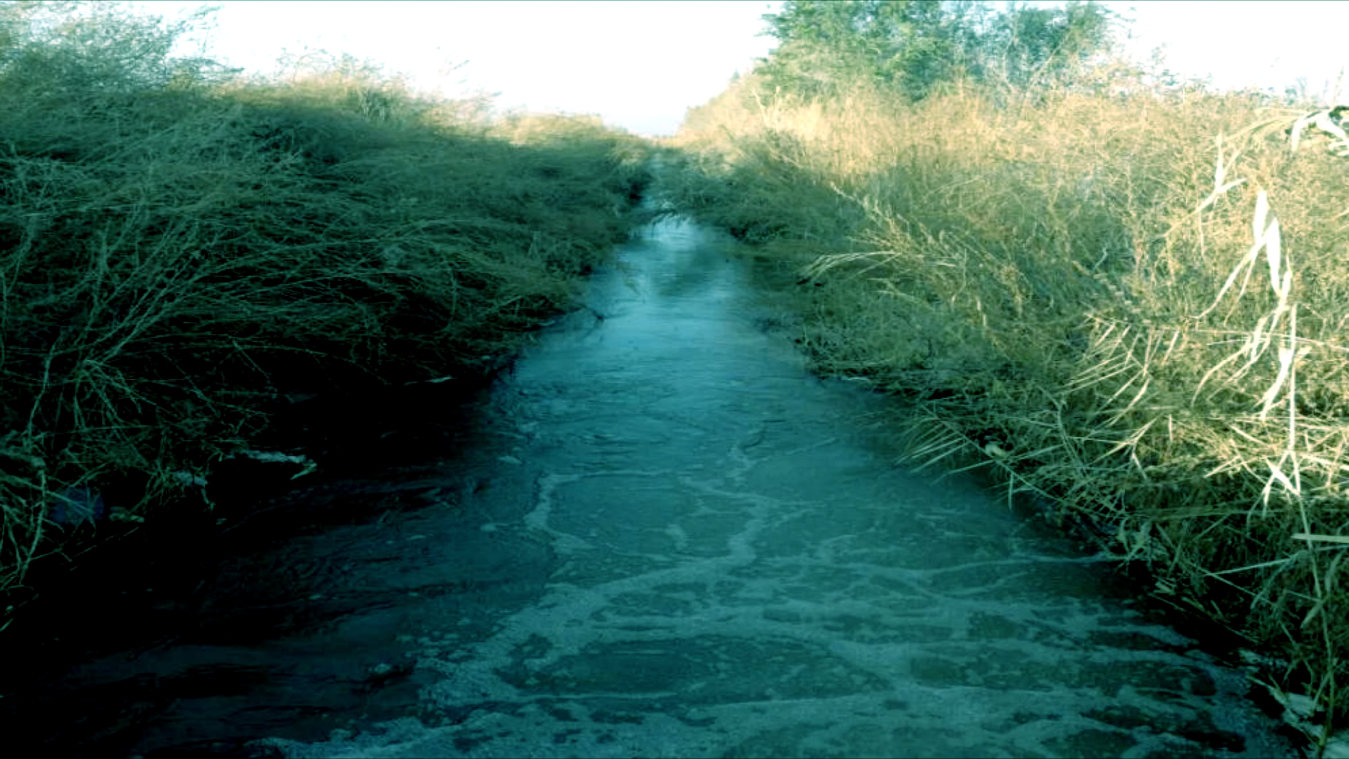
蘑菇湖水库始建于1957年,是新疆生产建设兵团第一代军垦战士响应党中央"屯垦戍边"号召,在戈壁荒原上靠着肩挑手挖建成的大(二)型平原水库,总库 容1.8亿立方米,滋养着下游200万亩农田。然而,随着石河子市的工业化进程,库区水体富营养化日益加重。 近日,生态环境部环境与经济政策研究中心组织编写的《新时代生态文明建设实践案例》正式出版发行。新疆生产建设兵团第八师石河子市蘑菇湖水库水环 境综合治理实践入选其中。这座水库,见证了兵团人打响的一场从"生态伤疤"到"碧水明珠"的生态戍边战。 石河子市生态环境局以数字化赋能监管体系,搭建环境监管执法信息化平台,动态发布企业环保"黄红牌"警示,结合河长制开展智能巡查,设置警示牌强化 实时监测。严格实施污染物排放总量智能预警,对污水处理厂等重点点位实行24小时在线监测,发现问题即时推送整改指令,以科技手段筑牢生态环境防 线。 执法人员匡琦琛在双泉集监测断面观察在线监测设备 赵俊晓 摄 随着水质的改善,白鹭、野鸭等野生鸟类成群结队栖息于此,成为蘑菇湖水库生态环境转变最直观的见证者。 在污水处理厂建成前,蘑菇湖水库水质长期严重污染,制约着区域发展和民生改善。"水像酱油一样黑红,臭 ...

本报评论员:压实地方党政领导干部生态环境保护责任|一论贯彻落实《地方党政领导干部生态环境保护责任制规定(试行)》
Zhong Guo Huan Jing Bao· 2025-08-04 02:27
Core Viewpoint - The issuance of the "Regulations on the Responsibility System for Ecological and Environmental Protection of Local Party and Government Leaders (Trial)" is a significant step in enhancing the accountability of local leaders in ecological and environmental protection [1][2]. Group 1: Importance of Local Leaders - Local party and government leaders are crucial decision-makers in regional development, influencing the adoption of development concepts and methods that have long-term impacts on local and regional growth [1][2]. - The ecological and environmental issues stem from incorrect development concepts and extensive development methods, making local leaders the "root" of effective ecological protection efforts [1]. Group 2: Current Challenges - There are instances of local leaders being inactive, overstepping, or delaying actions, leading to severe ecological damage without facing appropriate consequences due to a lack of clear and strict institutional constraints [2]. - The "Regulations" aim to address these issues by focusing on the core responsibilities of party and government leaders and ensuring accountability in ecological protection [2]. Group 3: Responsibility and Accountability - The "Regulations" establish a comprehensive responsibility system that emphasizes the importance of the "key minority" of local leaders in fulfilling ecological protection duties [2][3]. - Local leaders are urged to enhance their political awareness and responsibility, ensuring that ecological protection is integrated into economic and social development efforts [2][3]. Group 4: Implementation and Evaluation - The "Regulations" stress the need for clear division of responsibilities among local leaders, with the primary leader being accountable for major tasks and ensuring effective organization and supervision [3]. - The implementation of the "Regulations" will be evaluated as a critical aspect of performance assessments for local leaders, with specific consequences for failing to meet ecological protection responsibilities [3]. Group 5: Commitment to Ecological Protection - Local leaders are encouraged to prioritize the learning and implementation of the "Regulations" as a vital political task, aiming to protect the environment and contribute to high-quality development [4].
陶瓷之都景德镇的千年窑火深藏“绿色基因”
Zhong Guo Huan Jing Bao· 2025-08-04 00:29
Core Viewpoint - Jingdezhen, a city with a thousand-year history supported by the ceramics industry, emphasizes ecological wisdom and sustainable development in its ceramic production practices [1] Group 1: Historical Context and Development - Jingdezhen's ceramic industry developed around the Changjiang River Valley, benefiting from abundant local resources and a complete water system [2] - The historical spatial development of the ceramics industry includes a network of "wharf—folk kilns—old streets—alleys—imperial kilns," showcasing the synergy of production, life, and ecology [2] Group 2: Resource Utilization and Environmental Considerations - The local artisans utilize a resource network with a collection radius of no more than 50 kilometers, promoting local material use and ecological balance [1] - The production process involves 72 interconnected steps, each reflecting ecological considerations, such as reserving "mining" periods and adhering to seasonal cycles [2] - Waste materials are recycled within the production chain, demonstrating a commitment to ecological cycles and minimal environmental disruption [2] Group 3: Fuel Supply and Sustainability - Historically, Jingdezhen required over 400,000 tons of kiln fuel annually, leading to ecological pressure and local sayings about fuel scarcity [3] - A management system for forest resources was established in the Ming and Qing dynasties, promoting sustainable production of kiln fuel through defined property rights and natural regeneration practices [3] Group 4: Modern Transformation and Innovation - Jingdezhen is transitioning its fuel structure from traditional wood to electricity and natural gas, aiming for environmentally friendly production methods [4] - The city is implementing institutional innovations and technological advancements to enhance industry standards and reduce pollution [4] - Future plans include establishing a national ceramic culture innovation and inheritance experimental zone, integrating ecological governance with industrial transformation [4]
汛期来临,要防范乡镇垃圾填埋场渗滤液污染风险
Zhong Guo Huan Jing Bao· 2025-08-01 05:43
各地应及时做好乡镇垃圾填埋场渗滤液污染风险管控。对于在低洼地堆放生活垃圾的行为,要及时清理 整顿,修复生态环境;对于正在使用的正规垃圾填埋场,要做好排查,严格落实渗滤液规范收集处理等 要求,避免对水体和土壤造成污染。长远看,还需加强常态化监管,有条件的乡镇可以在垃圾填埋场安 装监控设备,发现问题及时处理,将污染消除在萌芽阶段。 当前,一些乡镇仍采用简易填埋方式处理生活垃圾,随着汛期暴雨频发,垃圾填埋场渗滤液污染风险增 加。有的乡镇垃圾填埋场防渗漏设施简陋,有的甚至直接利用天然低洼地或土坑填埋,未采取有效防渗 措施,或仅靠临时蓄坑暂存渗滤液,待积累到一定数量后再通过车辆将其外运处理。若地方对汛期风险 防范不足,缺乏针对性预案、处置措施和物资储备,一旦遭遇暴雨冲刷,渗滤液便容易流入水体,造成 污染。 ...
落实“四个规范”,提升生态环境执法精准度
Zhong Guo Huan Jing Bao· 2025-08-01 03:08
Core Viewpoint - The notification emphasizes the need for local ecological environment departments to enhance the standardization and precision of administrative inspections to improve environmental quality and optimize the business environment [1]. Group 1: Strengthening Administrative Inspections - Local ecological environment departments are required to focus on five areas: planning and preparation, monitoring and early warning, analysis and approval, to ensure inspections are neither overstepping nor lacking [1]. - The management of enterprise environmental information should be digitized, utilizing online and intelligent management models centered around pollution discharge permits [1]. Group 2: Standardizing Enforcement Procedures - Annual environmental enforcement plans must align with local ecological issues and regulatory needs, controlling enforcement costs from the source [2]. - The frequency of enterprise inspections must not exceed the annual limits set by provincial regulations, and all inspection plans require approval from higher-level authorities [2]. Group 3: Regulating Inspection Conduct - Personnel involved in ecological environment inspections must possess legal credentials and necessary expertise, adhering to three key systems: public disclosure of enforcement, full record of enforcement processes, and legal review of major enforcement decisions [2]. - Inspection results must be promptly communicated to enterprises, with clear directives for rectification of identified environmental safety hazards [2]. Group 4: Enhancing Communication Mechanisms - A communication mechanism for enforcement checks between different levels of ecological environment departments is essential, allowing for either independent or joint inspections based on coordination [3]. - Establishing inter-departmental communication mechanisms with other regulatory bodies, such as safety production and market management, facilitates joint actions and reduces redundant inspections [3].
防控汛期污染风险,需持续做好各类隐患排查和管网清疏
Zhong Guo Huan Jing Bao· 2025-08-01 01:47
借鉴成功案例并结合笔者的研究与思考,建议在汛期环境风险防控中,一要强化风险源头管控,对尾矿 库、化工园区等重点领域开展汛期拉网式排查,针对高风险企业建立环境风险台账,确保隐患不整改不 放过、风险不消除不放过。二要提升应急处置能力,督促重点企业完善汛期环境风险应急预案,定期开 展自查和实战演练,配齐应急物资,确保发生突发事件时,能够做到第一时间发现、报告、处置,最终 控制并消除影响。三要构建联防联控机制,建立跨部门、跨区域汛期环境风险应对协作平台,形成统一 指挥、协同作战的工作格局。四要加强科技支撑保障,推进人工智能、大数据等技术应用,提升汛期环 境风险预警和处置的科学化、精准化水平。 当前正值汛期,环境风险防控形势严峻。特别是在强降雨等极端天气条件下,工业企业若存在环境风险 隐患,很容易发生污染问题。因此,必须加强汛期水生态环境管理,做好各类隐患排查和管网清疏,及 时恢复受损污水管网,持续强化汛期突发环境事件应对。 科学防控能够有效化解风险,比如2024年7月湖南省娄底市曾成功处置了闪星锑业管道破损事件。当 时,公司工作人员发现污水处理站进水量异常下降后立即自查,并在第一时间向当地生态环境部门报 告,相关部门 ...
开展跨区域适应行动,提升青藏高原气候韧性
Zhong Guo Huan Jing Bao· 2025-08-01 00:12
Core Viewpoint - The implementation of the "Sichuan Province Tibetan Plateau Climate Change Adaptation Action Plan (2025-2035)" aims to enhance the climate resilience of the Tibetan Plateau region in Sichuan, which is crucial for addressing the adverse impacts of climate change and ensuring sustainable development [1][2][3]. Group 1: Background and Importance - The Tibetan Plateau is a sensitive and vulnerable area significantly affected by global climate change, with an average temperature increase of 0.24°C per decade since 1961, surpassing global and provincial averages [1][2]. - The region encompasses nearly half of Sichuan's territory and includes areas with complex natural environments, making it particularly susceptible to climate change impacts [1][2]. Group 2: Action Plan Details - The action plan is the first cross-regional climate adaptation initiative in China, focusing on enhancing the climate adaptability of the Tibetan Plateau [1][2]. - It aligns with national strategies, such as the "National Climate Change Adaptation Strategy 2035," and emphasizes the need for comprehensive climate risk assessments and adaptation measures [2][3]. Group 3: Key Areas and Initiatives - The action plan identifies 11 key areas for climate adaptation policies, including ecosystems like glaciers, wetlands, grasslands, and sectors such as agriculture, tourism, and urban construction [3]. - It proposes six major engineering projects aimed at enhancing climate resilience, including risk perception, technological innovation, and disaster prevention initiatives [3]. Group 4: Implementation and Future Steps - The successful implementation of the action plan requires coordinated efforts among various departments and the integration of climate adaptation principles into broader planning and policy frameworks [4]. - Future actions will focus on technological innovation, climate financing, and public awareness campaigns to support sustainable development and ecological protection in the Tibetan Plateau [4].
规划生态旅游线路要“形魂”兼具
Zhong Guo Huan Jing Bao· 2025-07-31 23:27
Core Viewpoint - The recent joint issuance of guidelines by the Ministry of Ecology and Environment, the Ministry of Culture and Tourism, and other departments aims to integrate ecological culture into tourism development, promoting sustainable tourism that reflects ecological values and cultural heritage [1] Group 1: Ecological Culture in Tourism - The guidelines emphasize the creation of tourism routes that highlight ecological culture, focusing on themes such as environmental governance, traditional ecological culture, biodiversity protection, and the realization of ecological product value [1] - Various regions have already launched ecological culture-themed tourism routes, such as the Hu’nan Cultural Landscape Route in Anhui and the Beautiful Guangdong Ecological Tourism Route, allowing tourists to appreciate both nature and culture [1] Group 2: Challenges in Current Tourism Development - Some regions exhibit a tendency to prioritize aesthetics over substance, creating tourism routes that lack depth in ecological culture, merely connecting beautiful spots without a thorough understanding of local ecological history and cultural narratives [2] - This superficial approach risks reducing "ecological culture" to a mere marketing gimmick, leading to a loss of unique value and visitor engagement over time [2] Group 3: Enhancing Ecological Culture Content - To create high-quality ecological culture tourism routes, it is essential to deepen the understanding of ecological culture and transform scattered ecological knowledge into tangible tourist experiences [3] - Engaging ecological scholars in route design can help translate complex ecological concepts into accessible language for tourists, enhancing their understanding of the ecological functions and scientific values of the areas visited [3] Group 4: Storytelling and Visitor Engagement - Effective storytelling about ecological changes can help visitors appreciate the importance of ecological civilization, using real-life examples of environmental recovery to illustrate the impact of conservation efforts [4] - Innovative presentation methods, such as guided tours and multimedia displays, can enhance visitor understanding of ecological protection efforts and the significance of building a beautiful China [4] Group 5: Immersive Experiences - Designing immersive experiences allows tourists to actively participate in ecological activities, transforming their role from passive observers to engaged participants [5] - Practical activities, such as water quality monitoring and traditional craft workshops, can deepen tourists' connection to ecological principles and enhance their overall experience [5] - The ultimate goal is to create tourism routes that harmoniously blend beautiful landscapes with rich ecological culture, facilitating a deeper appreciation and understanding of both [5]
为了白洋淀汛期水质稳定,3个党支部联合调研
Zhong Guo Huan Jing Bao· 2025-07-31 07:09
Group 1 - The core viewpoint emphasizes the collaborative efforts of three party branches to enhance ecological environment supervision and protection in the Baiyangdian area, particularly focusing on the management of the incoming rivers [1][2] - Baoding City plays a crucial role in the Baiyangdian ecological restoration, with 26 sewage treatment plants meeting Class III discharge standards since 2021, and 8 incoming rivers maintaining Class III water quality for four consecutive years [1] - The construction of a beautiful China pilot area has raised new requirements for the Xiong'an New Area, reinforcing the commitment of party members to improve the water environment of the incoming rivers [1] Group 2 - The joint initiative aims to implement the spirit of the Central Eight Regulations by conducting pre-flood inspections, focusing on public concerns and satisfaction as key indicators for evaluating rectification efforts [2] - A comprehensive 30-day inspection and remediation campaign was launched in Baoding City to address water environment risks, including garbage accumulation and direct sewage discharge [2] - The main issue facing Baiyangdian is the deterioration of water quality during the flood season, primarily due to direct sewage discharge from incoming rivers and rural pollution [3] Group 3 - Systematic governance and multi-faceted approaches are necessary to address the environmental challenges facing Baiyangdian, which is vital for maintaining the ecological environment of North China [3] - Strengthening inter-departmental coordination is essential, with a focus on reducing pollutant generation at the source and enhancing monitoring of key water bodies and pollution sources [3] - Utilizing initial rainwater storage facilities and collaborative mechanisms between Baoding City and Xiong'an New Area is crucial for stabilizing water quality during the flood season [3]