Zhong Guo Huan Jing Bao

Search documents
科技赋能生态治理 智慧守护绿水青山
Zhong Guo Huan Jing Bao· 2025-07-09 07:26
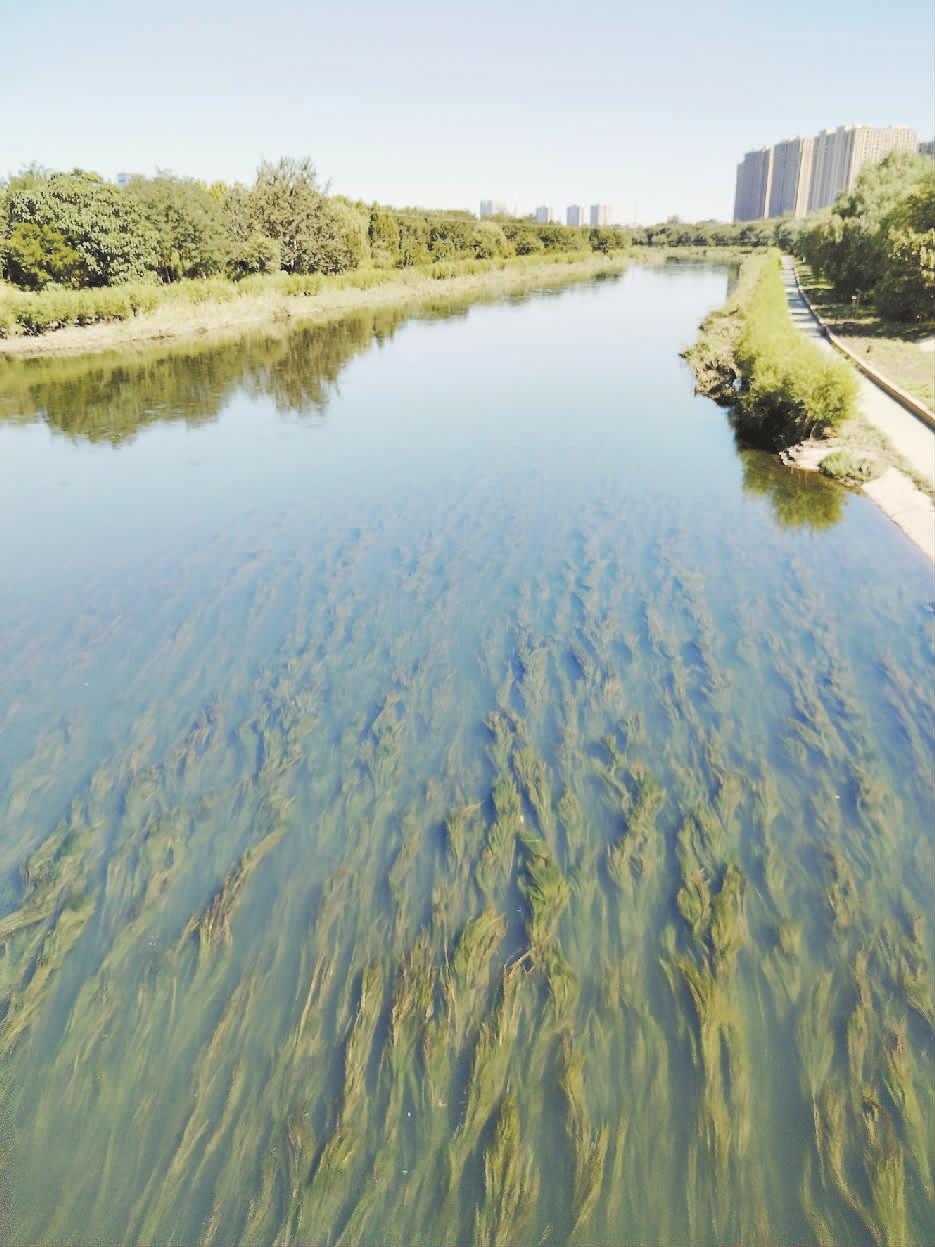
Core Viewpoint - The article highlights the innovative efforts of Anhui Leike Environmental Technology Co., Ltd. in addressing water pollution through advanced technologies and sustainable practices, contributing to the construction of a beautiful China [1][17]. Group 1: Technological Innovations - Leike Environmental has developed a collaborative governance model that integrates research and practical applications, resulting in a "blue algae magnetic capture + sediment remediation" technology system [3][5]. - The blue algae magnetic capture technology, recognized in the Ministry of Ecology and Environment's 2019 advanced pollution prevention technology directory, significantly improves treatment efficiency, achieving water quality that meets or approaches Class III surface water standards within 3 to 4 minutes [7][11]. - The sediment remediation technology, likened to a "bathing" process for polluted rivers, reduces sludge generation to 15%-20% of traditional methods while enhancing water transparency, thus promoting ecological recovery [9][12]. Group 2: Successful Case Studies - The technology has been validated across 14 provinces, with notable success in the governance of West Xiaohai in Anqing, where water transparency improved by 200% and water quality reached Class IV standards after systematic treatment [11][12]. - Projects in various regions, such as Beijing's Liangshui River and Yunnan's Qiluhu, have demonstrated the adaptability and effectiveness of Leike's technologies, achieving significant ecological improvements [12][14]. Group 3: Industry Impact and Future Directions - Leike Environmental emphasizes the importance of internal source management in water ecology restoration, advocating for innovative approaches that enhance water habitats and restore submerged vegetation [15]. - The company is committed to advancing industry standards and has established a subsidiary to cover the entire technology development and equipment manufacturing chain, promoting innovation in water environment governance [15][16]. - Looking ahead, Leike Environmental aims to deepen the integration of industry, academia, and research to contribute more intelligent solutions for ecological civilization and sustainable development in China [17].

“三阶净化法”实现水资源可持续利用
Zhong Guo Huan Jing Bao· 2025-07-09 07:26
Core Viewpoint - The project in Tongchuan City, Shaanxi Province aims to address water resource shortages through innovative rainwater management and ecological restoration, enhancing both water resource efficiency and environmental quality [1][2]. Group 1: Project Overview - The project covers an area of 23.13 hectares and has completed 95% of its construction since its commencement in January 2023 [1]. - It includes a comprehensive ecological system featuring a rainwater control system, wetland treatment system, irrigation system, and outdoor drainage systems [1]. Group 2: Innovative Systems - The project employs a "smart control - tiered purification - ecological integration" rainwater management system, tailored to the rainfall characteristics of the region [2]. - Key innovations include intelligent diversion and tiered control, ecological purification and water quality enhancement, and a dual-mode operation mechanism for landscape water safety [2][3]. Group 3: Economic and Ecological Benefits - The project optimizes investment efficiency by aligning construction costs with functional needs through a subsurface wetland system [4]. - It integrates flood control facilities with landscape parks, enhancing urban flood safety while improving residents' living environments [4]. - The project establishes a replicable "storage + landscape" technical system, providing significant reference for sponge city construction across the country [4].
全国先进工作者丨洛绒祥白:“高原生态环境保护是一场接力赛”
Zhong Guo Huan Jing Bao· 2025-07-09 00:52
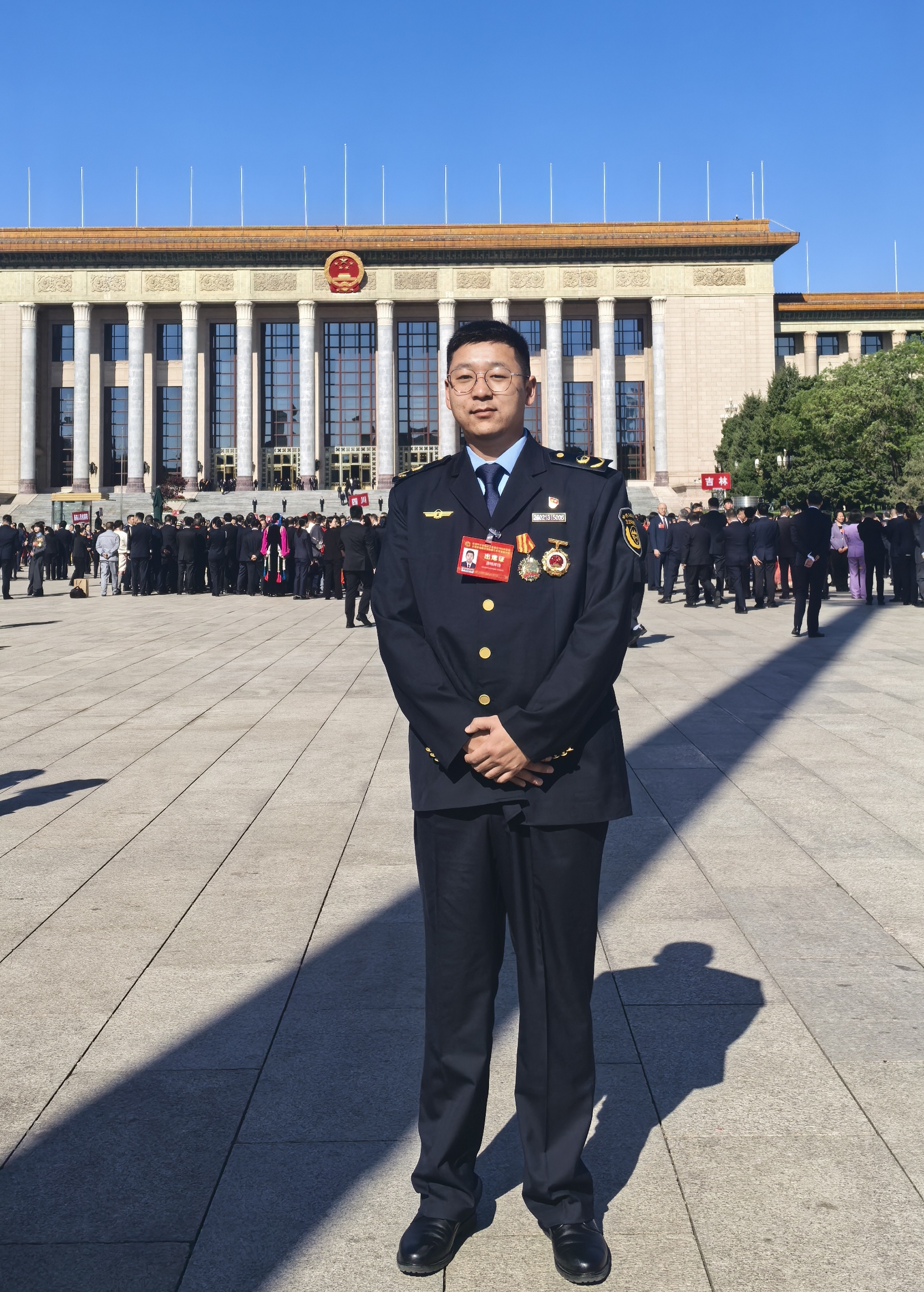
Core Viewpoint - The article highlights the dedication and efforts of Luo Rongxiangbai, an assistant engineer at the Environmental Protection Bureau in Tibet, in promoting ecological protection and addressing environmental issues in the region [1][4][8]. Group 1: Ecological Protection Efforts - The Qinghai-Tibet Plateau, known as the "Roof of the World," has significant ecological systems and services, making its protection crucial [4]. - Luo has participated in over 500 on-site inspections and handled more than 30 environmental violation cases, demonstrating a strong commitment to ecological law enforcement [4][5]. - He has established a three-tiered grid management system for ecological supervision, enhancing the effectiveness of environmental governance [4]. Group 2: Community Engagement and Service - Luo actively engages with local communities, addressing their environmental concerns and promoting awareness of ecological issues [6]. - He emphasizes the importance of combining strict enforcement with compassionate service, achieving a "zero re-examination" rate for the cases he handled [6]. - His approach includes providing on-site environmental impact assessments and assisting local enterprises with pollution permit registrations [6]. Group 3: Policy Development and Implementation - In July 2022, Luo was involved in the development of key policies for ecological civilization construction and reform at the regional level [7]. - He conducted grassroots research to understand the needs and opinions of local farmers and herders, ensuring that ecological protection strategies are grounded in real-world challenges [7].
为何要在城市公园留出一片片“荒原”?
Zhong Guo Huan Jing Bao· 2025-07-09 00:13
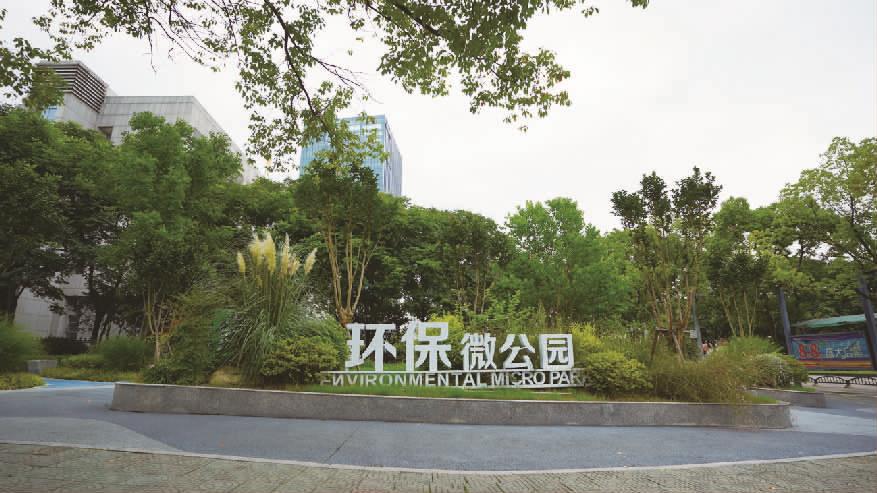
Core Viewpoint - The establishment of "wild areas" or "natural belts" in urban parks in Beijing is crucial for promoting biodiversity, enhancing public awareness of ecological protection, and improving urban living conditions [1][2] Group 1: Biodiversity and Ecological Impact - The "wild areas" provide valuable habitats for wildlife, contributing to the protection and restoration of urban biodiversity, with a recorded total of 880 species of plants and animals, including rare bird species [1] - The initiative supports the creation of a healthy and stable ecosystem within the city, allowing various species to thrive without human interference [1] Group 2: Public Engagement and Education - The "wild areas" serve as platforms for citizens to connect with nature, fostering a deeper understanding of ecological conservation and enhancing their appreciation for the environment [2] - Community involvement is essential for the success of these initiatives, with calls for increased public education and awareness campaigns to promote the value of "natural belts" [2] Group 3: Urban Environment Improvement - The creation of "wild areas" improves the urban microclimate and increases green spaces, thereby enhancing the overall ecological quality of the city [2] - This approach sets a benchmark for urban ecological protection, encouraging other cities to adopt similar practices for the benefit of their residents [2]
从耗能大户到减碳先锋,内河航运如何实现绿色逆袭?
Zhong Guo Huan Jing Bao· 2025-07-08 23:11
Core Viewpoint - The Ministry of Transport and five other departments have issued opinions on promoting high-quality development of inland waterway transportation, emphasizing the construction of a modern, efficient, green, smart, safe, and resilient inland waterway system to better serve economic and social development [1] Group 1: Development Goals - The focus is on accelerating the green and low-carbon transformation of inland waterway transportation, including the development of new energy and clean energy vessels, the creation of green low-carbon ports, and the construction of beautiful green waterways [1][4] - Inland waterway transportation is a crucial part of China's comprehensive transportation system, with the cargo volume expected to reach 4.95 billion tons in 2024, 2.2 times that of 2012, and the cargo turnover expected to reach 22 trillion ton-kilometers, 2.9 times that of 2012 [1] Group 2: Advantages of Inland Waterway Transportation - Compared to other transportation modes, inland waterway transportation has advantages such as lower energy consumption and pollution, with carbon emissions per unit of cargo being only 1/10 of that of road transport [2] - The cost-effectiveness of waterway transport is highlighted, with the ton-kilometer freight rate being only 1/3 of rail and 1/7 of road transport [1] Group 3: Challenges and Solutions - Despite improvements in vessel equipment levels and the acceleration of green and low-carbon transformation, challenges remain, including high costs for vessel retrofitting, poor shoreline management, and inadequate port pollution control [2][3] - The Ministry of Transport reported that under national policies, 2,500 old vessels were dismantled last year, and a new batch of large, standardized, professional, and clean vessels was built, with over 1,000 new energy inland vessels currently in operation [2] Group 4: Environmental Initiatives - To promote the green and low-carbon transformation of inland waterway transportation, efforts must be made to reduce vessel emissions while also advancing the greening of ports and waterways [4] - The Ministry of Transport emphasizes the need for green renovation and expansion of terminals, the construction of near-zero carbon terminals, and the use of distributed energy sources like wind and solar power [4]
深读 | 丽水为每块废料找到最合适的重生方案
Zhong Guo Huan Jing Bao· 2025-07-08 08:25
Core Insights - Lishui City is transforming construction waste into valuable resources, achieving a recycling rate of 97.35% in 2024, with over 10.9 million tons of construction waste generated and 10.6 million tons utilized [1] - The city has implemented a comprehensive digital monitoring system to prevent illegal dumping and enhance waste management efficiency [2][3] - Innovative recycling methods are being adopted, turning construction waste into raw materials for various construction applications, thus promoting a circular economy [5][6] Group 1: Construction Waste Management - Lishui City has shifted from traditional waste disposal methods to a resource-oriented approach, converting construction waste into recycled materials for urban development [1][5] - The city has established a digital monitoring system that tracks the entire lifecycle of construction waste, from generation to disposal, improving regulatory compliance and efficiency [3][4] - The implementation of a cross-regional cooperation mechanism has enhanced the management of construction waste, addressing illegal dumping issues effectively [2][4] Group 2: Economic and Environmental Impact - The recycling of construction waste is contributing to the reduction of solid waste and promoting sustainable urban development, aligning with the goals of a "zero waste city" [8][9] - Companies like Tianzao Environmental Technology are leading the way in recycling construction waste, processing up to 1 million tons annually and producing various recycled materials [6][8] - Financial innovations, such as specialized loans for recycling projects, are facilitating the growth of the recycling industry and enhancing resource recovery [8]
密云以科技创新筑牢首都水源安全防线
Zhong Guo Huan Jing Bao· 2025-07-08 05:47
Core Viewpoint - The article emphasizes the importance of water source protection and ecological conservation in Beijing's Miyun District, highlighting successful initiatives that balance environmental protection with rural development [1][3]. Group 1: Water Source Protection Initiatives - Miyun District has implemented a series of plans to ensure the safety of the Miyun Reservoir's water quality, maintaining it at a stable national Class II standard [1]. - The establishment of the Beijing No. 024 Science and Technology Institute in 2019 has led to significant advancements in water source protection and pollution prevention, particularly in the Black Mountain Temple Village [1][2]. Group 2: Technological Innovations - Experts have developed key technologies, including the use of reed plants for wetland restoration and a sewage purification process utilizing chestnut shell biochar, resulting in a demonstration project capable of treating 15 tons of wastewater daily [2]. - The implementation of efficient pollution control models, such as "Mulberry + Wild Buffalo Grass" and "Scutellaria + Wild Buffalo Grass," has improved soil and water conservation capabilities [2]. Group 3: Environmental and Economic Outcomes - The initiatives have led to the resource utilization of agricultural waste and compliance with wastewater treatment standards, significantly improving the village's appearance and environmental quality [3]. - Training and outreach programs have enhanced local residents' skills and engagement in ecological protection, fostering the development of green organic agriculture and eco-tourism [3]. - Black Mountain Temple Village has received accolades such as "UN Sustainable Development Demonstration Village" and "Beijing Beautiful Leisure Village," showcasing its role as a model for pollution prevention [3].
黑龙江伊春生物多样性保护实践带来哪些启示?
Zhong Guo Huan Jing Bao· 2025-07-08 03:04
Core Viewpoint - Yichun City in Heilongjiang Province is recognized for its rich biodiversity and plays a crucial role in ecological security and sustainable development, being referred to as the "green lung of northern China" [1] Group 1: Biodiversity Protection Practices - Yichun has made significant progress in biodiversity protection through a series of important measures, including strategic planning and policy integration [2] - The city has implemented local laws such as the "Yichun City Red Pine Protection Regulations" to ensure sustainable use and long-term protection of local biodiversity resources [2] - Yichun has established a comprehensive regulatory system and enhanced law enforcement effectiveness through initiatives like "Qingfeng Action" and "Fishing Administration Sword" to combat illegal activities threatening protected species [2] Group 2: Ecological Protection and Management - As a key ecological function area, Yichun has designated 15,000 square kilometers as ecological protection red lines, implementing zoning controls to minimize ecological disturbance [3] - The city has created 23 natural protected areas covering 671,000 hectares to manage critical habitats for rare and endangered species [3] - Yichun has developed a biodiversity protection network that connects terrestrial and aquatic migration corridors, enhancing ecosystem connectivity [3] Group 3: Technological Innovation in Biodiversity Monitoring - Yichun has integrated technology into biodiversity protection by collaborating with research institutions to establish monitoring bases and emergency response mechanisms [3] - The use of drones, infrared cameras, and AI technology in monitoring has enabled real-time tracking of ecological conditions and biodiversity status [3] Group 4: Community Engagement and Collaborative Governance - Yichun promotes public participation in biodiversity protection through events like "Yichun Ecological Day" and "Bird Love Week," fostering community involvement in ecological restoration [4] - The city has established mechanisms for community co-management and encourages volunteer participation in biodiversity protection efforts [4] Group 5: Lessons Learned for Biodiversity Protection - Yichun's experience highlights the importance of systematic legislation for biodiversity protection, emphasizing the need for coordinated efforts across various sectors [5] - The establishment of a scientific and orderly management and enforcement mechanism is crucial for effective biodiversity protection [6] - Cross-regional cooperation in biodiversity protection is essential, with a focus on building ecological corridors and joint monitoring initiatives [6]
从公交卡到碳市场,上海碳普惠串起绿色生活价值链
Zhong Guo Huan Jing Bao· 2025-07-08 02:01
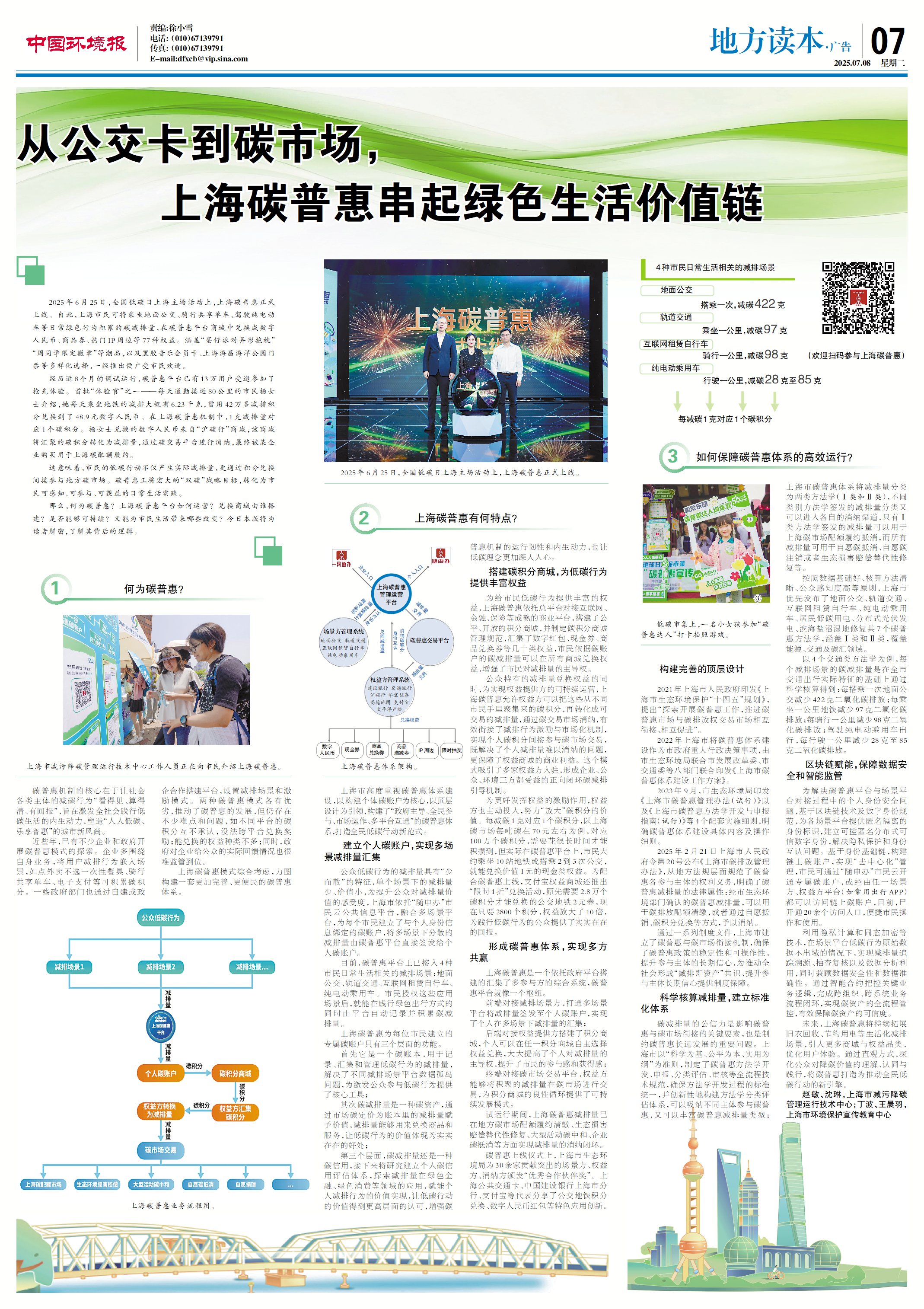
Core Points - The Shanghai Carbon Benefit platform officially launched on June 25, 2025, allowing citizens to convert carbon reduction from daily green behaviors into digital currency and various rewards [1][14][16] - The platform has gained popularity, with 130,000 users participating in the initial experience phase, demonstrating the public's engagement with low-carbon actions [16][18] - The carbon reduction mechanism aims to make carbon reduction actions visible, measurable, and rewarding, fostering a culture of low-carbon living among citizens [18][23] Group 1: Carbon Benefit Mechanism - The core of the carbon benefit mechanism is to enable various societal entities to see, quantify, and receive rewards for their carbon reduction efforts, thus motivating low-carbon lifestyles [18][19] - The platform integrates multiple daily life scenarios for carbon reduction, including public transport, shared bicycles, and electric vehicles, allowing users to accumulate carbon credits [24][37] - Each gram of carbon reduction corresponds to one carbon credit, which can be exchanged for rewards, enhancing the perceived value of low-carbon actions [16][27] Group 2: Platform Features and Structure - The Shanghai Carbon Benefit system is designed with a focus on individual carbon accounts, supported by a top-down approach that encourages government leadership, public participation, and market operations [23][24] - The platform has established a comprehensive and user-friendly carbon benefit system, addressing challenges such as data silos and limited reward options [19][25] - The carbon credit marketplace allows users to exchange their accumulated credits for a variety of rewards, thus linking individual actions to broader carbon market transactions [26][30] Group 3: Regulatory and Technical Framework - The Shanghai government has implemented a series of regulations and guidelines to ensure the effective operation of the carbon benefit system, including the establishment of legal attributes for carbon credits [32][33] - A standardized methodology for calculating carbon reduction has been developed, ensuring the credibility of carbon credits and facilitating their integration into the carbon market [33][34] - Blockchain technology is utilized to secure data and manage identities, enhancing the reliability and transparency of the carbon benefit platform [35]
生态环境损害千日追偿
Zhong Guo Huan Jing Bao· 2025-07-08 00:36
Core Viewpoint - The article discusses the resolution of a long-standing ecological damage compensation case involving a hazardous materials transportation company, highlighting the challenges faced in cross-province enforcement and the eventual agreement on compensation for environmental restoration [1][4][5]. Incident Overview - On September 24, 2021, approximately 5 tons of unsaturated polyester resin leaked into the Songyin Creek in Zhejiang Province due to a traffic accident involving a vehicle from a hazardous materials transportation company based in Anhui Province [4]. - The local ecological environment bureau responded promptly to contain the spill and prevent further pollution downstream [4]. Legal and Enforcement Challenges - The case presented significant challenges due to jurisdictional issues, as the responsible company was located in a different province, complicating the enforcement of environmental laws [5]. - A special investigation team was formed, which included police and prosecution departments, to gather evidence and establish liability [5][9]. Compensation Negotiations - Initial negotiations with the company were met with reluctance, as they delayed signing the compensation agreement citing logistical issues [9][10]. - The environmental damage assessment estimated the compensation amount at 15.33 million yuan, but the company was slow to agree to the terms [9][10]. Flexible Enforcement Approach - The local bureau adopted a flexible enforcement strategy, considering the company's financial difficulties and reducing the compensation amount to 110,000 yuan, with a payment plan spread over three installments [11][12]. - This approach aimed to balance legal obligations with the need to support the company's operational viability [11]. Resolution and Outcome - After extensive negotiations lasting over 1,000 days, the final payment was made, and the funds were allocated for ecological restoration efforts in the affected area [12]. - The previously polluted site has since been rehabilitated, demonstrating the effectiveness of the collaborative approach taken by the enforcement agencies [12].