Jing Ji Wang

Search documents
海信AI重构制造 定义用户价值新范式
Jing Ji Wang· 2026-01-19 07:28
在智造环节,AI带来的效率和质量提升同样震撼。海信打造了行业领先的第三代数字化高效电视 生产线,集成了25项海信自研的首台套自动化设备,其中11项为业内首创。 海信将"引领以智能化为核心的先进制造"写入企业使命,目前已打造3座灯塔工厂、4家零碳工厂、 17家国家级绿色工厂,4家国家5G工厂。海信相关负责人表示,在加速发展智能制造、绿色制造、先进 制造新征途上,将持续深化5G、人工智能等新技术与制造业融合创新,加速构建更具竞争力的先进制 造产业体系,为中国制造业转型升级贡献海信智慧和方案。 编辑:侯隽 面对这一挑战,海信电视创新性地利用大数据技术与星海大模型协同,结合多年积累的本地化产品 知识库,可实现海量数据分钟级深度洞察。同时,结合海信首创的用户需求识别智能体,自动对用户声 音观点分类,精准识别用户痛点及潜在需求。在AI赋能下,用户声音转化新品功能输入的时间缩短了 62%,并实际应用于产品的改进升级。2025年,海信结合用户需求,锚定"增强动态画面流畅度与色彩 稳定性"的关键方向,成功应用在海信RGB-Mini LED新品E8S系列电视,为用户带来了更贴近自然本色 的视觉体验,实现了产品竞争力的显著提升。 ...

OPPO西北首家旗舰店落户西安,打造“科技国潮”新体验
Jing Ji Wang· 2026-01-19 07:28
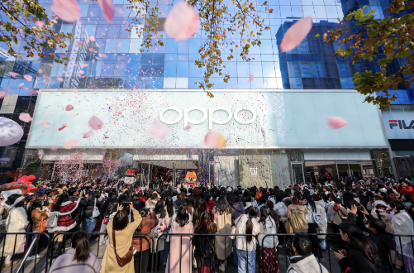
Core Insights - OPPO has opened its first flagship store in Northwest China, located in Xi'an, designed as a "city park for young people" that integrates historical culture with modern design [1][3] - The store aims to create a cultural landmark that promotes Xi'an's rich history while providing a social space for youth, emphasizing the connection between traditional culture and contemporary experiences [1][3] Group 1: Store Design and Concept - The flagship store incorporates elements of ancient Chang'an's culture, using textures from Qin bricks and modern interpretations of Tang dynasty motifs in its design [3] - The store features a blend of traditional craftsmanship and modern aesthetics, including the use of water imagery to evoke historical landscapes [3] - A new character, "Bing Ma Yong Xiao Ou," is introduced, merging traditional and contemporary styles to create a dialogue between history and the present [3] Group 2: Cultural and Social Engagement - The store is positioned as a cultural hub, integrating elements of popular culture, including anime and gaming, to attract young consumers [4][6] - OPPO plans to host various themed events and activities, ensuring a dynamic and engaging environment that caters to diverse interests [4][6] Group 3: Technological Innovation and User Experience - The flagship store is designed to be more than just a retail space, featuring interactive areas for gaming and technology experiences that enhance customer engagement [6][8] - OPPO's innovative technologies, such as the Reno15 series and AI features, are showcased to provide users with immersive experiences that blend technology with cultural exploration [8] - The store aims to serve as a platform for young creators, hosting events that encourage creative expression through photography and storytelling [6][8]

奇瑞正式发布全域AI战略:一个底线,三大方向
Jing Ji Wang· 2026-01-19 07:28
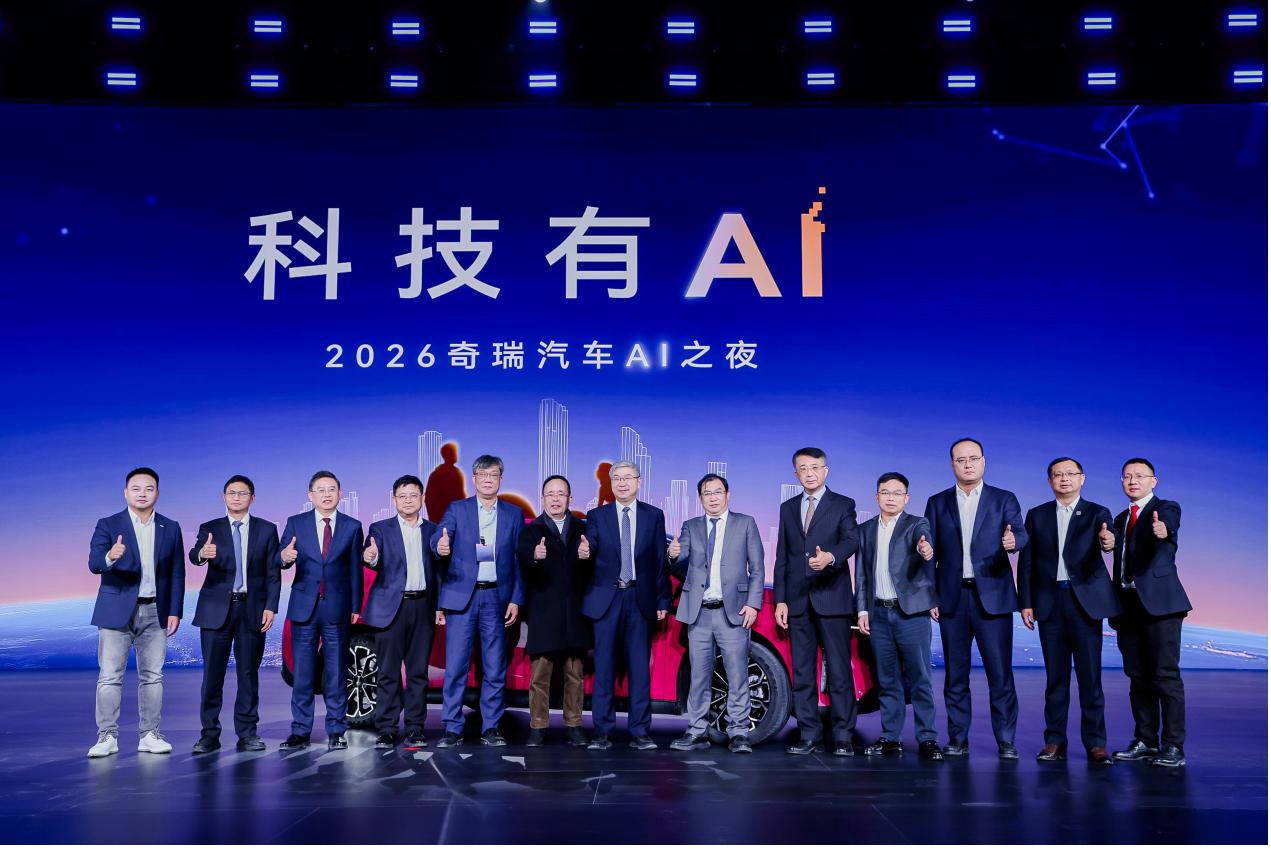
1月17日晚,以"科技有AI"为主题的"2026奇瑞汽车AI之夜"在安徽芜湖举行。活动现场,奇瑞汽车重点展示了全域AI战略技术蓝图,更携超级AI智能 体"小奇同学"、猎鹰智驾、灵犀智舱、墨甲机器人等AI核心成果集体亮相。奇瑞表示,奇瑞AI智能化正式进入2.0(AI+)时代,加速从"技术奇瑞"向"全球 AI科技公司"全面跃迁。 闷声干大事,低调完成全场景AI布局 面对AI热潮,一向被视为"理工男"的奇瑞不断修炼内功、"闷声干大事"。早在2003年,奇瑞便以"会说话的QQ"开启了智能化探索。历经20余年的技术 长跑,奇瑞AI从产品探索、技术积累到应用加速,已在"默默无闻"中完成覆盖研发、制造、供应链、销售及服务的全链路智能化体系构建,"技术奇瑞"正在 加速向科技出行企业转身。 此次AI之夜,奇瑞正式发布全域AI战略,坚持"一个底线,三大方向",致力于推动全域平权,实现AI技术的普惠赋能。聚焦"以人为本"的底线,围绕智 能汽车主业,奇瑞AI赋能智舱、智驾、动总和底盘等领域,加速推动AI产品平权;聚焦用户真实用车需求,让AI不仅满足指令,更能读懂情绪、给予共 鸣,推动AI情感平权;聚焦工业制造的全产业链布局,奇瑞将A ...
乡村游如何留住乡土味
Jing Ji Wang· 2026-01-19 02:33
阳光越过喀斯特山峦,驱散普者黑的晨雾,湛蓝的天空、多彩的峰林倒映在澄澈的湖面,红墙土瓦的撒 尼民居错落有致地依偎在山水之间。 谁能想到,如今这个人均纯收入近6万元、家家户户吃旅游饭的"富裕村",曾经是半年都要借粮度日 的"口袋村"? 位于云南省文山壮族苗族自治州丘北县普者黑喀斯特国家湿地公园核心区的仙人洞村,196户村民中就 有180多户经营民宿餐饮,其中160多户来自本乡本土,只有20来户是外来商户。没有过度商业化的浮 躁,没有"富了口袋丢了魂"的遗憾,更没有开发旅游迁走老村民的困境,这里以"守住生态底色、抓牢 文化灵魂、抱团共富不跑偏"的实践,破解了"乡村游如何留住乡土味"的难题。 村庄咋改造? 破解同质化,恢复乡土味 更严重的是,排污管网等配套设施严重不足,生活污水直接排入普者黑湿地,导致部分区域发黑变臭, 曾经清澈见底的湖水失去了往日的灵动。 同质化竞争与生态破坏的双重困境,让仙人洞村的旅游发展举步维艰。"普者黑的山水是我们的命根 子,破坏了就啥都没了!"这是仙人洞村人在困境中达成的共识。大家逐渐意识到,乡村游的核心吸引 力在于乡土味,失去了传统风貌和生态本色,游客自然不会再来。杂乱的建筑、污浊的湖水 ...
当“银发”遇见“新潮”
Jing Ji Wang· 2026-01-19 02:33
Core Viewpoint - The "silver economy" in China is rapidly evolving, focusing on diverse products and services for the elderly, reflecting a shift from traditional perceptions to a modern consumer landscape that enhances the well-being of older adults [1][2][3]. Group 1: Market Trends - The demand from the elderly demographic is increasingly fashionable, with many older individuals engaging in social media and participating in trendy courses, indicating a shift in consumer behavior [2][3]. - By the end of 2024, the population aged 60 and above in China is projected to reach 310 million, with 161 million of them being internet users by mid-2025, highlighting the significant digital engagement among the elderly [2][3]. Group 2: Consumer Preferences - Older consumers are seeking high-quality food, healthcare services, and smart technology products, showing a willingness to invest in their quality of life and health [3][4]. - The silver economy is no longer limited to basic necessities but encompasses a wide range of sectors including technology, education, entertainment, and fashion [2][3]. Group 3: Policy and Support - The Chinese government has introduced measures to foster the silver economy, focusing on brand development, supply-demand platforms, and optimizing the business environment to support elderly care services [4][5]. - Policies are being implemented to encourage the expansion of products and services for the elderly, with a strong emphasis on financial support for these industries [5][6]. Group 4: Economic Impact - The silver economy is estimated to be worth approximately $1 trillion annually, with significant growth potential as the elderly population continues to expand [6][7]. - From 2015 to 2025, household spending led by individuals aged 60 and above is expected to increase by 129%, indicating a substantial shift in consumer spending patterns [8]. Group 5: Innovation and Investment - There is a growing focus on technological innovation in elder care, with investments in areas such as brain-computer interfaces and robotic nursing, aimed at improving the quality of life for older adults [7][8]. - The aging population is driving demand for health and retirement insurance products, with projections indicating that China will contribute to over 25% of global premium growth by 2030 [7][8].
资本逐“芯”
Jing Ji Wang· 2026-01-18 05:07
Core Insights - The debut of Moore Threads, known as the "first domestic GPU stock," on the A-share market on December 5, saw its stock price surge by 468.78% on the opening day, closing at 600.50 yuan per share, resulting in a potential profit of 243,100 yuan for investors holding a single lot of 500 shares [1] - The listing of Moore Threads and the simultaneous subscription of another domestic GPU company, Muxi, highlights the ongoing enthusiasm in the A-share market for semiconductor stocks, particularly in the GPU sector [1][3] - The semiconductor sector has become a focal point in the A-share market, with over nine companies in the chip industry reaching a market capitalization of over 100 billion yuan as of December 5 [3] Market Dynamics - The semiconductor sector has seen significant liquidity, with the total trading volume in the sector exceeding 290 billion yuan on August 25, indicating strong investor interest [3] - The "chip tide" in the capital market reflects a broader trend of investment in high-growth sectors, driven by the demand for AI and advanced computing technologies [11][12] - The market is witnessing a shift towards domestic chip manufacturers, with a notable increase in the market share of domestic AI accelerator cards, projected to reach 50% by 2025 [17] Investment Trends - The establishment of over 130 public funds focused on chips and semiconductors indicates a strong institutional interest in the sector [4] - The rapid approval of new technology-focused funds, including AI and semiconductor ETFs, demonstrates the market's eagerness to capitalize on the growth potential in these areas [4][21] - The influx of foreign capital into the Chinese tech sector has reversed, with increased recognition of the innovation potential within the domestic semiconductor industry [6] Technological Advancements - The rise of AI applications has significantly increased the demand for high-performance GPUs, with companies like Moore Threads positioning themselves to compete with established players like NVIDIA [11][12] - The development of domestic EDA design software and advancements in GPU technology signify a shift towards self-sufficiency in the semiconductor supply chain [16] - The competitive landscape is evolving, with domestic companies gaining ground against NVIDIA, whose market share has dropped from over 90% to below 40% [17] Future Outlook - The semiconductor industry is expected to continue its growth trajectory, driven by both domestic demand and advancements in technology [26] - The potential for a "winner-takes-all" scenario in the semiconductor market suggests that companies establishing technological leadership will dominate [30] - The focus on building a robust software ecosystem alongside hardware development will be crucial for the success of domestic chip manufacturers [31]
L3,上路
Jing Ji Wang· 2026-01-18 04:23
Core Insights - The first batch of L3-level conditional autonomous driving vehicles in China officially began road testing in Chongqing on December 26, 2023, following the Ministry of Industry and Information Technology's approval on December 15, 2023 [1][3] Group 1: L3 Autonomous Driving Vehicles - The first two models approved for L3-level conditional autonomous driving are the Deep Blue SL03 from Changan Automobile and the Arcfox Alpha S from BAIC, equipped with their respective intelligent driving systems [3][4] - The L3 autonomous driving function will initially be available on specific roads in Chongqing, with plans for expansion through OTA updates as policies evolve [3][4] - The approval of L3 vehicles marks a significant transition from technical validation to practical application, paving the way for future commercialization [4][9] Group 2: Consumer Access and Market Outlook - Currently, L3 vehicles are not available for consumer purchase, but consumers can experience the autonomous driving features through ride-hailing services [5] - Experts predict that L3-level autonomous driving will gradually achieve mass production in specific scenarios within the next two years, while widespread adoption may take 3 to 5 years or even longer due to technological, regulatory, and cost factors [5][6] - The recent approval is fundamentally different from previous temporary testing licenses, as it signifies that the vehicles have passed rigorous national evaluations and are qualified for legal road use [9] Group 3: Future of Autonomous Driving - L3-level autonomous driving is seen as a transitional phase, with L4-level expected to enable fully autonomous driving in specific environments, allowing drivers to focus on other activities [10] - The implementation of L4-level autonomous driving could revolutionize urban transportation, reducing congestion and accidents while lowering travel costs [10]


导远科技港股IPO:营收倍增、亏损收窄,业务版图扩张
Jing Ji Wang· 2026-01-17 03:42
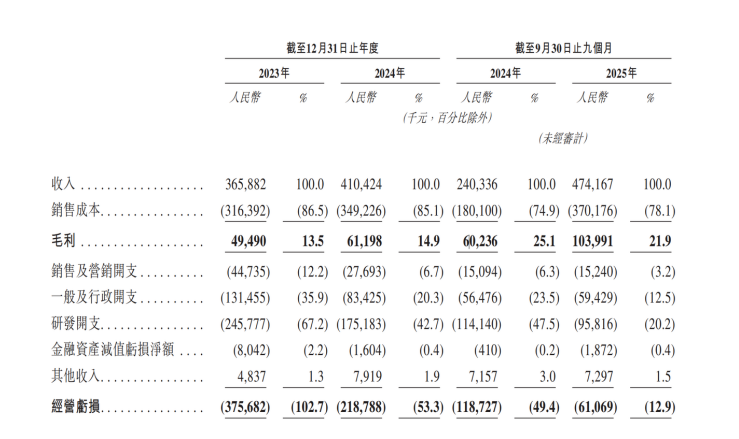
Core Viewpoint - Guangdong Daoyuan Technology Co., Ltd. has submitted an application for listing on the Hong Kong Stock Exchange, aiming for a main board listing with CICC and CITIC Securities as joint sponsors [1] Financial Performance - In the first three quarters of 2025, Daoyuan Technology's revenue reached 474.17 million RMB, a significant increase of 97.3% compared to 240.34 million RMB in the same period last year, surpassing the total revenue for the entire year of 2024 [2] - The gross profit margin improved from 13.5% in 2023 to 21.9% in the first three quarters of 2025, driven by cost optimization from vertical integration and scale effects [4] - Adjusted net loss decreased from 119 million RMB in the previous year to 50 million RMB, indicating an approaching profitability inflection point [4] Market Position - Daoyuan Technology holds a leading market share of 27.6% in global automotive spatial intelligence solutions for 2024, and a remarkable 59.75% in the domestic high-precision positioning system market for vehicles in the first ten months of 2025 [5] - The top five customers accounted for 84.4%, 85.3%, and 88.8% of revenue in 2023, 2024, and the first three quarters of 2025, respectively, indicating a high customer concentration [7] Growth Opportunities - The non-automotive business is emerging as a second growth curve, with potential revenue contributions from clients in electronic testing and measurement instruments [8] - The global potential market size for spatial intelligence solutions is expected to reach 270.2 billion RMB by 2035, indicating significant growth opportunities across various sectors [8] Operational Capabilities - Daoyuan Technology has a production capacity exceeding 3 million sets annually, ensuring a balance between performance, cost, and delivery for large-scale production [11] - The company is transitioning from scale expansion to structural optimization, with substantial contributions from non-automotive businesses beginning to materialize [11]
用好五项政策,做好五件事
Jing Ji Wang· 2026-01-15 08:48
Core Viewpoint - The official launch of the Hainan Free Trade Port on December 18, 2025, marks a significant step in China's commitment to high-level opening-up and the construction of an open world economy, aiming to integrate domestic and international trade [1]. Group 1: Key Policies of Hainan Free Trade Port - The basic policies of the Hainan Free Trade Port include a corporate income tax rate of 15%, personal income tax rate of 15%, zero tariffs, zero barriers to service trade, and tax exemption on repatriated overseas investment profits [1]. - These policies are expected to provide a historical and long-term driving force for Hainan's economy and the construction of China's free trade ports [1]. Group 2: Integration of Domestic and International Trade - Hainan should promote the integration of domestic and international trade, achieving uniform rules, systems, and standards, thereby eliminating the existing discrepancies between domestic and foreign trade [2]. - The goal is to create a seamless trade environment similar to that in the U.S., where trade procedures are consistent regardless of destination [2]. Group 3: Development of Service Trade - Hainan should focus on developing service trade, which currently constitutes only 14.6% of China's total trade volume, compared to over 25% globally [6]. - The emphasis should be on both productive and life service industries, with a particular focus on enhancing the export of productive services [6][7]. Group 4: Positioning as a Trade Hub - Hainan should establish itself as a bridge and hub for trade between Southeast Asia and China, leveraging the RCEP agreement to facilitate trade flows [9]. - The island is positioned to become a central base for trade interactions with Southeast Asian countries [9]. Group 5: Financial Systems for Belt and Road Initiative - Hainan should create a financial system to facilitate the return of RMB investments and trade from Belt and Road Initiative countries, ensuring effective use of RMB [11]. - This system will support the development of the Belt and Road Initiative and generate significant benefits [11]. Group 6: Promoting RMB Internationalization - Hainan is expected to play a crucial role in the internationalization of the RMB by establishing an offshore RMB fund pool [15]. - The aim is to enhance the currency's global standing in line with China's economic position, which currently does not reflect its GDP share [14][15]. Conclusion - By effectively implementing the five key initiatives aligned with the free trade port policies, Hainan is poised to elevate its development significantly over the next 5 to 10 years, becoming a vital gateway for China's new era of opening-up [15].
上饶银行:将金融“五篇大文章”写在赣鄱大地上
Jing Ji Wang· 2026-01-15 08:48
Core Viewpoint - The Central Financial Work Conference emphasizes the importance of focusing on five key areas: technology finance, green finance, inclusive finance, pension finance, and digital finance, to provide robust financial support for the development of the real economy [1] Technology Finance - Shangrao Bank has established a collaborative system for technology finance, implementing a comprehensive action plan led by the bank president, which includes preferential interest rates and increased tolerance for non-performing loans for small tech enterprises [2] - The bank has injected over 2.5 billion yuan into key industries and digital transformation projects in Jiangxi Province, facilitating efficient financing solutions for innovation [2] Green Finance - Shangrao Bank has created a three-tiered system for green finance, focusing on strategic decision-making and professional execution, and has introduced policies to prioritize green projects [3][4] - The bank has provided over 3 billion yuan in loans for green projects, including support for clean energy and agricultural transformation, contributing to significant carbon reduction [5] Inclusive Finance - The bank has developed various agricultural loan products to address the financing difficulties faced by farmers, with an outstanding agricultural loan balance exceeding 25 billion yuan [6] - Shangrao Bank has implemented a one-stop service system for small and micro enterprises, with an inclusive loan balance surpassing 35 billion yuan, enhancing the financial ecosystem for small businesses [6] Pension Finance - The bank has tailored its services for the elderly, including physical facilities and online adaptations to assist seniors in accessing financial services [7] - Shangrao Bank has collaborated with local authorities to create financial products linked to elder care facilities, ensuring better service for the aging population [7] Digital Finance - The bank has launched a WeChat mini-program to enhance user experience and has successfully issued the first data asset pledge loan in Jiangxi Province, marking a significant step in financializing data [8] - Collaborations with legal and academic institutions aim to establish standards for data asset financing, addressing legal challenges in the digital finance sector [8] Conclusion - Shangrao Bank's initiatives reflect a deep integration of national policies with local characteristics, aiming to enhance financial services and support regional economic development [9]