Hu Xiu

Search documents
快手商业化变动:大一统的开始,大扩张的终结
Hu Xiu· 2025-10-04 08:34
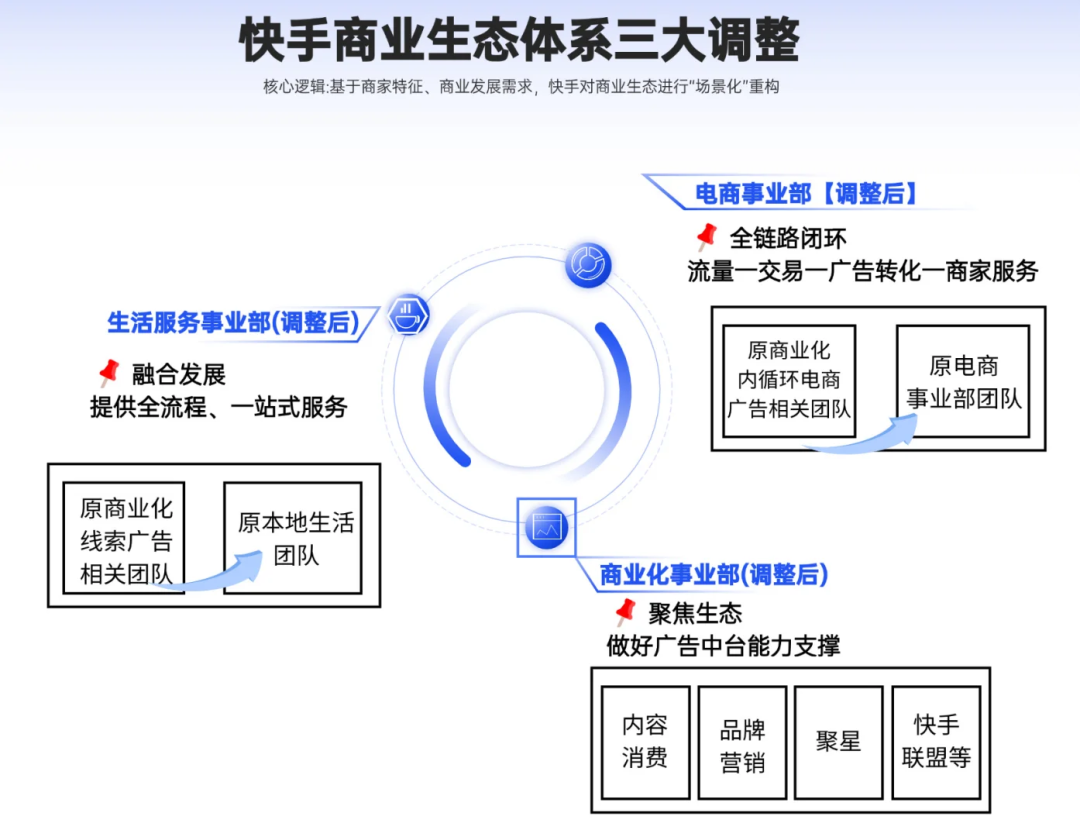
Core Viewpoint - Kuaishou has made a strategic organizational adjustment focusing on its core commercial system, which includes advertising, e-commerce, and local services, indicating a shift towards more efficient operations and resource allocation [1][10][57]. Group 1: Organizational Changes - Kuaishou's recent adjustment involves the reorganization of its local services department, which has been renamed and integrated into the commercial system, indicating a consolidation of power under Wang Jianwei [5][11][30]. - The departure of Xiaogu from the local services department and his transition to a business consultant role reflects a significant shift in leadership and strategy within Kuaishou [5][12][40]. - The adjustment is seen as a move to reduce internal conflicts and enhance operational efficiency by centralizing decision-making authority [13][15]. Group 2: Strategic Alignment - The adjustment aligns with recent changes in Douyin's commercialization strategy, suggesting that Kuaishou is following a similar path to enhance its competitive positioning [3][4]. - Kuaishou's focus is shifting from expanding user base and advertising inventory to improving efficiency and maximizing the return on investment (ROI) from existing resources [24][26][31]. - The integration of local services into the commercial system indicates a reduced emphasis on this segment as a standalone growth driver, reflecting a more cautious approach to resource allocation [30][38]. Group 3: Advertising and Revenue Model - The role of advertising within Kuaishou has transitioned from being a primary growth engine to a supportive function within the ecosystem, emphasizing stability over aggressive growth [42][56]. - The company aims to optimize advertising efficiency rather than merely increasing inventory, focusing on enhancing the value of each advertisement displayed [53][55]. - Kuaishou's advertising revenue growth is now driven by improved monetization efficiency rather than user growth, as indicated by stable daily active users (DAU) and average usage time [47][48][50].


交警通报陈震劳斯莱斯事故,车辆或报废,维修费堪比车价?
Hu Xiu· 2025-10-04 08:03
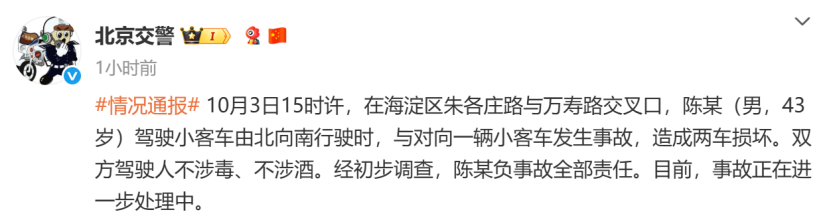
Core Points - A serious traffic accident involving a Rolls-Royce vehicle owned by a well-known car reviewer, Chen Zhen, occurred in Beijing, with the car sustaining significant damage [1][2] - Initial investigations by Beijing traffic police indicate that Chen Zhen is fully responsible for the accident, which is still under further processing [2] - The involved Rolls-Royce model, known as the Spectre, has an official guide price of 5.75 million yuan, with second-hand market prices starting at 4 million yuan [3][7] Insurance and Financial Implications - Chen Zhen publicly stated that he only purchased mandatory traffic insurance, which has a compensation limit of 2,000 yuan for property damage, raising concerns about the financial implications of the accident [8] - The repair costs for a Rolls-Royce can be exorbitant, with estimates for repairs potentially nearing the price of a new vehicle, leading to the possibility of the car being declared a total loss if comprehensive insurance was not purchased [9] Market Performance and Brand Image - Rolls-Royce has experienced a decline in sales in the Greater China region, with a reported 23% decrease in sales in the first five months of the year compared to the previous year [10] - The brand's global deliveries in 2024 are projected to be 5,712 units, a 5.3% decrease from 6,032 units in 2023, marking the end of three consecutive years of growth [10] - The brand has faced multiple controversies in recent years, which have affected its image and sales performance [13]
在日本,60岁的人的最有钱
Hu Xiu· 2025-10-04 07:43
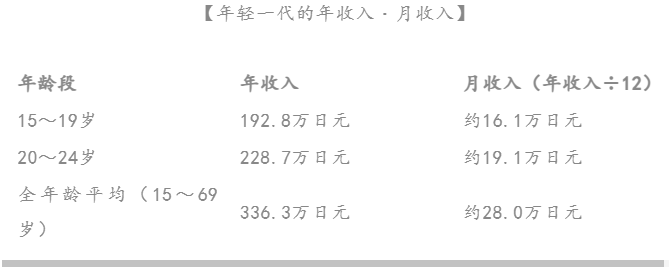
日本的国债余额世界第一,预计到2025年末将达到1129万亿日元。国家债务余额已超过GDP的两倍,在 主要发达国家中处于最高水平,但国家资产规模也以绝对优势位居世界第一,达到630万亿日元,这一 数字是GDP为日本3倍的美国(资产150万亿日元)的4倍以上。 首先来看单身家庭的数据。 20~70岁单身者的平均储蓄额 那么,日本个人所持有的存款、股票等金融资产大约有多少规模呢?根据日本银行的资金循环统计,截 至2021年9月底,代表个人的家庭部门金融资产约为2000万亿日元。简单计算,相当于人均约1600万日 元。在家庭金融资产构成中,"现金与存款"的比例日本是欧洲的约1.5倍,是美国的约4倍。 就是说,虽然国家债务很大,但是也还是有一定的实力的,同时更是"藏富于民"的。那么,在日本,哪 个年龄段的人存钱最多,也就是说,最有钱呢? 60多岁的人群存款最多 根据金融经济教育推进机构实施的《家庭金融行为舆论调查2024年》数据,可以看到不同年龄段的平均 储蓄额。 接下来看看两人及以上家庭的平均储蓄额。 20~70岁两人及以上家庭的平均储蓄额 20多岁:平均382万日元・中位数84万日元 30多岁:平均677万日元・ ...
全球媒体都在下坡路,“铁饭碗”碎了一地
Hu Xiu· 2025-10-04 07:17
Core Viewpoint - The media industry is facing significant challenges, with major layoffs and a shift towards freelance work as traditional media struggles to maintain financial viability [6][7][21]. Group 1: Media Industry Challenges - Major media outlets like The Washington Post, Los Angeles Times, and USA Today have laid off 10% to 20% of their workforce due to declining advertising and subscription revenues [7]. - Public media organizations such as PBS and NPR have also reduced staff by 15% and 10% respectively, while the BBC faced a budget deficit of nearly £500 million, leading to 500 job cuts [8]. - The trend of layoffs is not limited to the U.S.; Canadian Broadcasting Corporation (CBC) has cut over 1,000 positions, and Japan's NHK is projected to lose ¥40 billion (approximately 2 billion RMB) in the 2025 fiscal year [8][12]. Group 2: Shift to Freelance Work - There is a growing trend of freelancers in the media industry, with many professionals opting to work independently rather than being tied to traditional media organizations [15][21]. - Freelancers are increasingly involved in various fields, including visual storytelling, investigative reporting, and specialized B2B sectors, as traditional media faces pressure to cut costs [20][21]. - The rise of "super individuals" in the media landscape indicates a shift away from reliance on large institutions, with personal brands becoming more significant than traditional media brands [31][32][33].
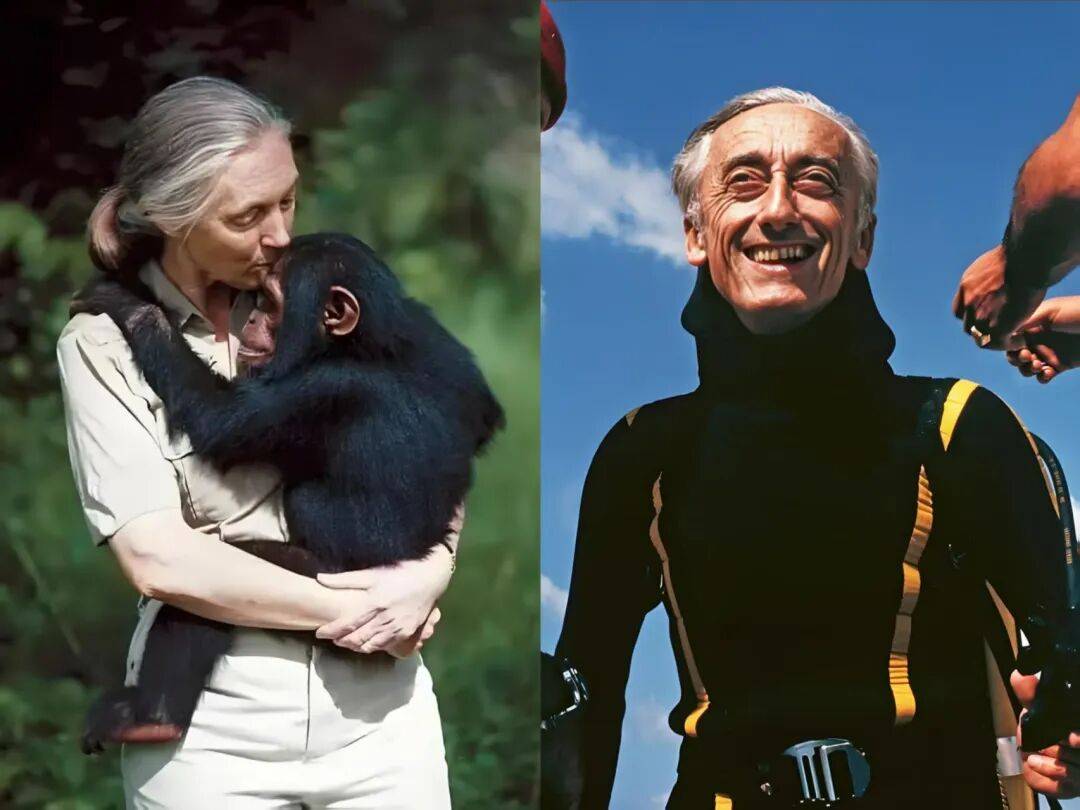
媒体已被自媒体秒成渣,你却还在上班打卡
Hu Xiu· 2025-10-04 07:04
Core Insights - The article discusses the shift from traditional media to self-media, highlighting the challenges faced by traditional media professionals in adapting to the new landscape [2][4][10] Group 1: Traditional Media Challenges - Traditional media professionals are experiencing a decline in their status and influence as self-media rises, leading to questions about their future [2][4] - The once prestigious position of media professionals has diminished, with many now lacking the autonomy to make decisions regarding their work and resources [6][7] - The strict separation between editorial and commercial roles in traditional media has resulted in inefficiencies and a lack of motivation among content creators [10][12] Group 2: Self-Media Advantages - Self-media creators have capitalized on the changing landscape, often achieving higher incomes and greater flexibility in their work compared to traditional media professionals [1][13] - The ability of self-media to engage directly with audiences and adapt quickly to market demands has made them more appealing to advertisers, especially during economic downturns [13][14] - Self-media offers diverse monetization options, including content paywalls, brand placements, and e-commerce, which traditional media struggles to match [13][14] Group 3: Future Directions for Media Professionals - Media professionals are encouraged to embrace market-oriented strategies and develop their own ecosystems to remain relevant in the evolving landscape [16][17] - Young professionals should focus on skill development within traditional media while preparing for potential transitions to self-media or independent work [17][18] - The article emphasizes the need for media professionals to overcome complacency and be ready to adapt to the challenges of a rapidly changing industry [18][19]
什么阻碍了你开始创作
Hu Xiu· 2025-10-04 06:25
Group 1 - The article discusses the barriers to creativity that potential creators face, emphasizing the importance of recognizing and overcoming negative beliefs that hinder creative expression [3][4][10] - It highlights that creativity does not require absolute originality; rather, it is a personal expression of one's perspective and experiences [6][8] - The notion that success or fame is necessary for creative endeavors is challenged, suggesting that the process of creation itself holds value regardless of external recognition [11][14] Group 2 - The article addresses the misconception that talent is innate, arguing that it is developed through choices and experiences over time [15][18] - It emphasizes the importance of maintaining a balance between creative pursuits and financial responsibilities, advocating for a sustainable approach to creativity [22][27] - The fear of success and the pressure of expectations can paralyze potential creators, leading them to avoid taking risks in their creative journeys [28][31] Group 3 - The process of creativity is likened to psychological healing, where overcoming self-doubt and external pressures can lead to personal growth [32][33] - The article concludes with the idea that creating a supportive environment for oneself is crucial for fostering creativity, starting with the identification of barriers [34][35]
小城“水暖工”:一手抓自建房,一手抓直播
Hu Xiu· 2025-10-04 05:21
Core Insights - The article discusses the challenges faced by the plumbing installation industry in small towns due to a slowdown in the real estate market, leading to a significant shift in business strategies [1][3]. Group 1: Market Conditions - The plumbing installation business has seen a drastic reduction in orders, with business volume dropping to about half compared to peak times [3]. - The real estate market slowdown has resulted in fewer customers for plumbing services, particularly in county-level cities where new property developments have stagnated [3][4]. - By 2025, the market is expected to remain cold, with no signs of recovery during traditionally busy seasons [3]. Group 2: Shift to Rural Self-Build Market - In response to the declining demand in urban areas, companies are increasingly focusing on the rural self-build housing market, which now constitutes over half of their business [3][5]. - Rural self-build projects typically involve larger homes, leading to higher material consumption compared to urban projects, which helps mitigate the impact of reduced order quantities [4][6]. Group 3: Adaptation to Online Marketing - Traditional marketing methods, such as phone calls and flyers, are becoming less effective, prompting companies to embrace online marketing strategies [7][10]. - Collaborations with professional teams that utilize social media platforms like Douyin (TikTok) for marketing have expanded business reach significantly [9]. - Companies are also developing their own online marketing capabilities, including live streaming and daily content updates on social media [9][10]. Group 4: Changing Consumer Behavior - The consumer demographic is shifting, with younger generations (80s, 90s, and soon 00s) preferring efficiency and convenience over traditional shopping methods [11][12]. - The purchasing process has accelerated, with customers expecting immediate pricing and less negotiation compared to previous generations [13]. - The trend towards full-service home renovation companies is expected to grow, making it increasingly difficult for specialized plumbing businesses to survive [13][14].
AI眼镜“上头”,成为假期旅游新搭子?
Hu Xiu· 2025-10-04 05:01
Core Insights - The article discusses the rise of AI glasses during the recent holiday season, highlighting their popularity among various user groups, including outdoor enthusiasts and visually impaired individuals [1][2][4]. - Major tech companies, including META, Huawei, and Google, are competing in the AI glasses market, with nearly 20 brands launching new products in the first half of the year [3][6]. - The article raises questions about how AI glasses can become the next "super hardware" amidst the proliferation of electronic devices [5]. Market Trends - Companies like Xiaomi, Alibaba, META, and Google are investing in AI glasses, with IDC predicting that China's smart glasses shipments will reach 2.907 million units by 2025, a year-on-year increase of 121.1% [7]. - The primary appeal of AI glasses lies in their convenience, particularly for capturing moments and hands-free interactions [8][9]. User Experience - Users appreciate the photo-taking capabilities of AI glasses, which allow for quick and easy documentation of experiences without the hassle of using a smartphone [8]. - Voice interaction and communication features are also popular, although some users report issues with object recognition accuracy [9][11]. Technical Challenges - AI glasses face challenges related to battery life and comfort, with most models offering 8-9 hours of battery life under normal use, but significantly less during continuous recording [10]. - Users have reported various technical issues, including video loss and wake-up failures, indicating room for improvement in product reliability [11]. Historical Context - The concept of AI glasses is not new, with Google Glass being an early example that failed to achieve lasting success due to high costs and comfort issues [14][16]. - Advances in technology have reduced costs and improved comfort, making AI glasses more accessible to consumers [17]. Competitive Landscape - The competition for market share in the AI glasses space is intense, with both hardware and software companies vying for dominance [22][25]. - Companies are focusing on creating an integrated ecosystem around AI glasses, with hardware manufacturers like Xiaomi and Huawei emphasizing their role in a broader smart device ecosystem [23][24]. Future Outlook - The article suggests that AI glasses must overcome challenges related to user engagement and product evolution to avoid becoming obsolete [30][33]. - The potential for AI glasses to serve as a central hub for human-computer interaction is highlighted, with the need for improved integration with smartphones and other devices [21][31].




世界上第一张照片,被AI“修复”成了科幻片
Hu Xiu· 2025-10-04 04:22
Core Viewpoint - The article discusses the historical significance of the world's first photograph, "View from the Window at Le Gras," and how it has been reimagined using AI technology, highlighting the discrepancies between AI-generated images and the original photograph [1][4][31]. Group 1: Historical Context - The first photograph was created by Niépce using a process involving asphalt and a polished tin plate, capturing a blurry yet precious image over several days of exposure [3][22]. - This photograph is approaching its 200th anniversary, with its creation date still debated among scholars [1][4]. Group 2: AI Restoration and Its Implications - AI tools like GPT-4o have been used by users on platforms like Reddit to "restore" the original photograph, resulting in various imaginative and often inaccurate versions [6][31]. - Some AI-generated versions depict fantastical elements, such as spaceships and animated features, diverging significantly from the original 19th-century context [7][10][12]. - The AI restoration process often fails to accurately represent the original structures and details, leading to a loss of historical authenticity [23][41]. Group 3: Technical Aspects of AI Image Restoration - Current AI image restoration techniques primarily rely on diffusion models, which involve adding noise to images and then attempting to reconstruct them [32][34]. - Some models, like SPIRE, utilize semantic control frameworks to guide the restoration process, ensuring consistency in style and content [35][36]. - Despite advancements, AI-generated images may appear visually appealing but often lack accuracy when compared to the original photographs [40][41]. Group 4: Cultural and Philosophical Concerns - The proliferation of AI-generated images raises concerns about the authenticity of historical representations, as people may accept AI-generated content as genuine without questioning its validity [48][50]. - The article warns that the distinction between real and AI-generated images is becoming increasingly blurred, potentially leading to a loss of trust in visual media [49][52]. - It suggests that future generations may reference AI-generated versions of historical images rather than the originals, further complicating the understanding of history [53].

中东资本,正在买下整个游戏圈
Hu Xiu· 2025-10-04 03:44
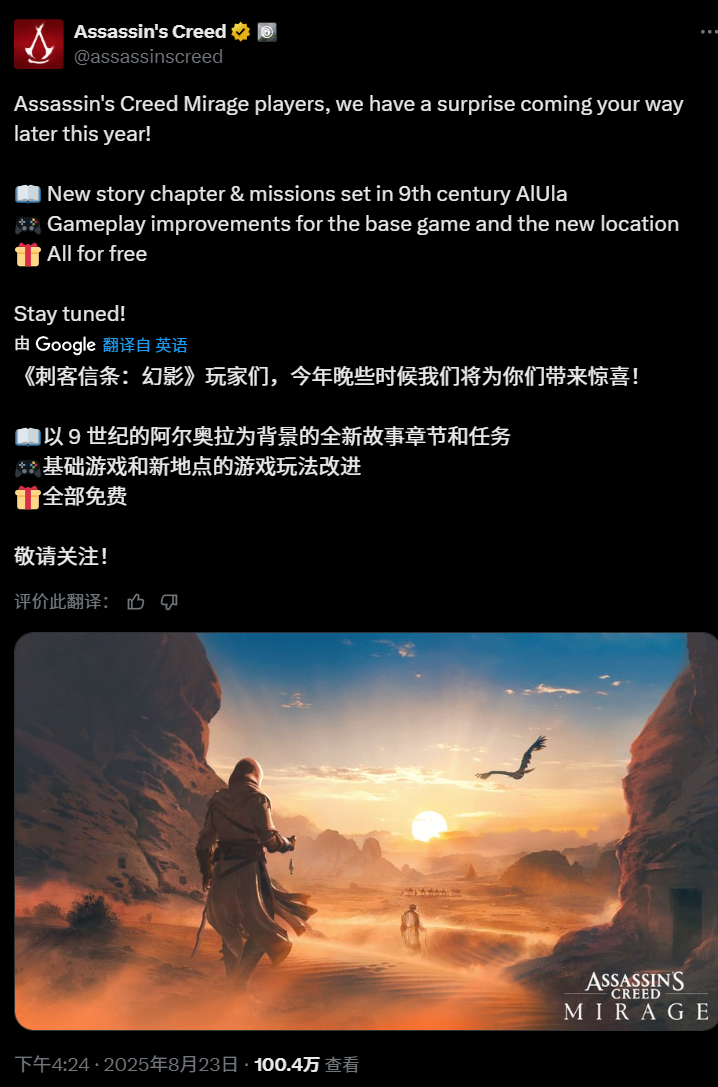
Group 1 - EA announced a cash acquisition deal worth approximately $55 billion with Silver Lake Partners, Affinity Partners, and the Saudi Public Investment Fund (PIF), transitioning EA from a public company to a private entity [1] - The PIF, which already holds a 9.9% stake in EA, is leveraging this investment to further its gaming and entertainment strategy [2] - The gaming industry is becoming a significant focus for Middle Eastern capital, as evidenced by the recent announcement of a new DLC for Assassin's Creed: Mirage, which is being offered for free, indicating a shift in traditional monetization strategies [5][50] Group 2 - The Middle East, particularly Saudi Arabia and the UAE, is increasingly investing in the gaming industry as part of a broader economic diversification strategy away from oil dependency [6][24] - Saudi Arabia is currently the 19th largest gaming market globally, with a growth rate of 41.1% and over $1 billion in revenue generated from its gaming industry [18][20] - The UAE's gaming market was valued at $400 million in 2021, with 73% of its population being gamers, and it is also investing in esports and gaming companies [22] Group 3 - The PIF was established in 1971 and has evolved to focus on diversifying investments, including significant stakes in various gaming companies [41][47] - The establishment of Savvy Games Group by the PIF aims to manage and consolidate its gaming and esports investments, creating a comprehensive platform for investment and industry development [49] - The UAE has also initiated its own sovereign fund, Mubadala, to invest in gaming and related sectors, reflecting a growing interest in the gaming industry [56] Group 4 - Both Saudi Arabia and the UAE are leveraging their strong user bases and market potential in gaming to enhance their economic transformation and cultural soft power [68][69] - The gaming industry is seen as a critical avenue for these countries to reduce reliance on fossil fuels and promote economic diversification [69] - Future events may showcase the Middle East as a hub for global gaming, shifting perceptions from conflict and oil to entertainment and cultural engagement [70][71]