Hu Xiu

Search documents
珍惜还在炸鸡排的“鸡排哥”
Hu Xiu· 2025-10-05 01:41
Core Viewpoint - The article discusses the phenomenon of "Chicken Chop Brother," a viral internet personality who has gained immense popularity during the National Day holiday, highlighting the emotional value and social dynamics surrounding his rise to fame [4][10][17]. Group 1: Emotional Value and Social Dynamics - The long queues for "Chicken Chop Brother" in Jingdezhen indicate that people are not just interested in the food but also in the social experience and emotional value derived from the event [4][5]. - The phenomenon reflects a broader trend of emotional consumption, where individuals seek to participate in popular culture and share their experiences on social media [10][11]. - "Chicken Chop Brother" engages with customers in a unique way, using humor and personal interaction to enhance the emotional experience, which contributes to his popularity [6][9]. Group 2: Impact of Fame - The sudden rise to fame has transformed Jingdezhen, giving it a new identity beyond its historical significance, similar to other viral personalities in the past [17][18]. - The article notes that the intense scrutiny and pressure of fame can lead to changes in behavior and performance, as seen with "Chicken Chop Brother" occasionally forgetting customer orders due to stress [14][21]. - There is a sense of nostalgia among fans who reminisce about the simpler times before the fame, indicating a potential concern for the sustainability of his current lifestyle [15][16]. Group 3: Industry Implications - The influx of "traffic catchers" and aspiring influencers around "Chicken Chop Brother" suggests a growing trend in the food and entertainment industry where personal branding and social media presence are becoming crucial for success [19]. - The article highlights the potential risks associated with the fast-paced nature of internet fame, including the physical toll it can take on individuals, as evidenced by "Chicken Chop Brother's" injuries from frying [20][21]. - The narrative emphasizes the importance of maintaining authenticity and passion for one's work amidst the pressures of fame, which is essential for long-term success in the industry [21].
擦边商K的风吹到了川藏线
Hu Xiu· 2025-10-05 01:16
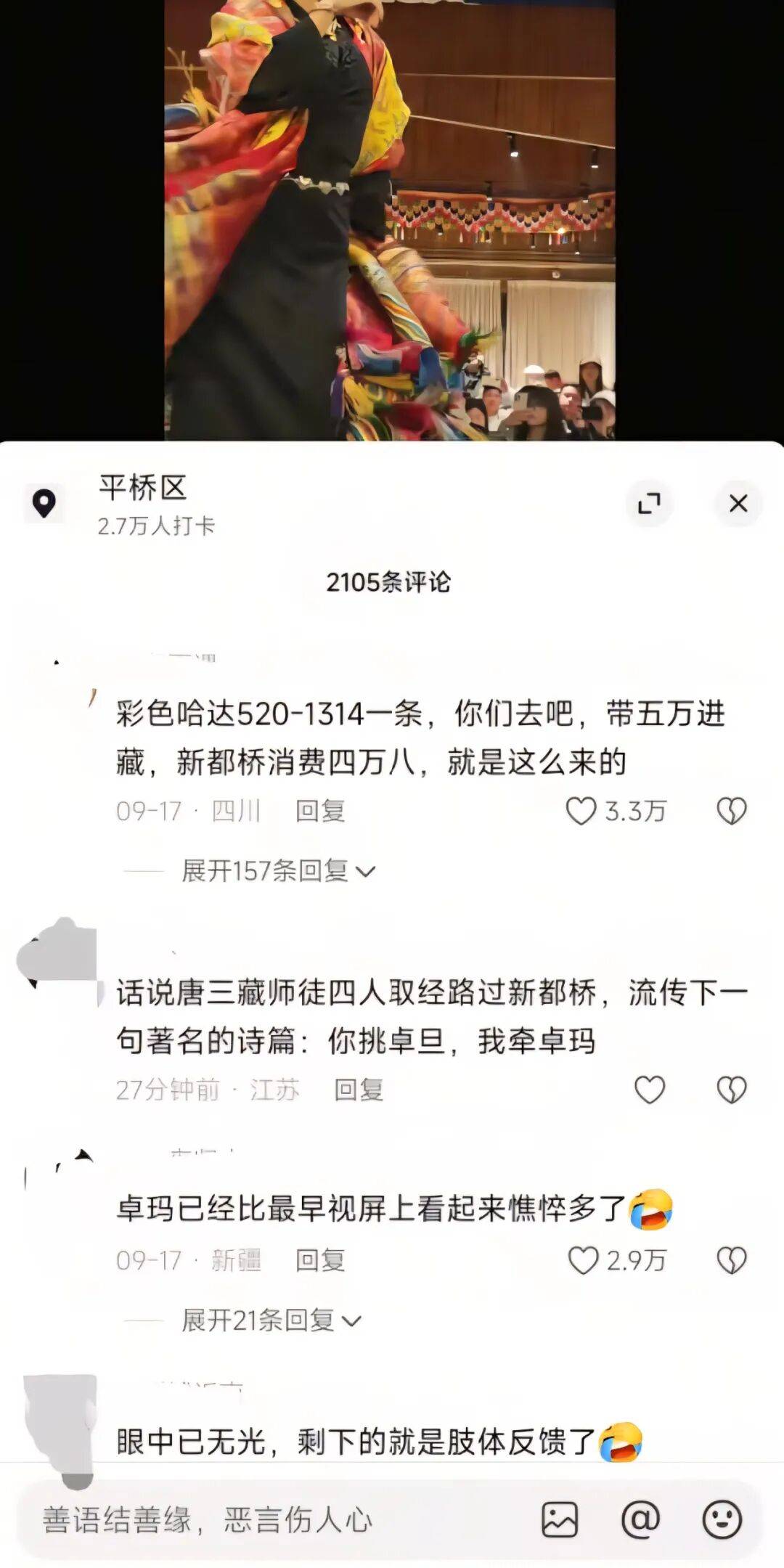
Core Insights - The article discusses the emergence of a new entertainment model in the tourism sector along the Sichuan-Tibet line, particularly focusing on a guesthouse in Kangding, which has integrated performances into its offerings to attract visitors [1][14][22]. Group 1: New Business Model - The guesthouse initially struggled with business but found success by introducing performances that blend local culture with entertainment, leading to increased demand for accommodations [2][3][14]. - The performances, referred to as "Business Zhuoma," have transformed the guesthouse's appeal, drawing in crowds and generating significant revenue through ticket sales and dining [4][12][30]. - The guesthouse's owner has created a new revenue stream by bundling accommodation, dining, and entertainment, which has proven to be more profitable than traditional lodging alone [22][29]. Group 2: Market Dynamics - The tourism industry along the Sichuan-Tibet line has faced challenges due to increased competition from self-driving tourists who prefer to camp or sleep in their vehicles, impacting traditional lodging businesses [17][20][49]. - The introduction of "Business Zhuoma" performances has filled a gap in nighttime entertainment, which was previously lacking in the region, thus enhancing the overall tourist experience [50]. - The guesthouse's strategy reflects a broader trend in the hospitality industry, where businesses are evolving from merely providing accommodation to creating immersive experiences that cater to tourists' emotional and entertainment needs [41][48]. Group 3: Cultural Implications - The rise of "Business Zhuoma" has sparked debate regarding its impact on the preservation of local culture, with some arguing that it commodifies traditional practices for profit [47][49]. - The performances, while popular among tourists, have raised concerns about their authenticity and the potential erosion of genuine cultural expressions in favor of entertainment [43][44]. - The article suggests that while the current model is profitable, it may face scrutiny and challenges if public sentiment shifts against the commercialization of local culture [46][48].

当“幸福”变成一门生意
Hu Xiu· 2025-10-05 01:03
Core Concept - The article discusses the commercialization of happiness and how it has become a product that can be bought, leading to a cycle of anxiety and dissatisfaction among consumers [2][5][24]. Group 1: Commercialization of Happiness - Happiness has been transformed into a quantifiable and purchasable commodity, leading to the exploitation of people's unhappiness [5][6]. - Consumers are no longer the directors of their lives but are defined by commercial narratives of happiness, which promise fulfillment through consumption [6][7]. - The pursuit of happiness through consumer products results in temporary satisfaction but ultimately leads to deeper feelings of emptiness and anxiety [8][9]. Group 2: Industrialization of Anxiety - The system creates a sense of anxiety by highlighting perceived deficiencies in individuals, prompting them to seek solutions through consumption [10][11]. - Social media and marketing strategies amplify feelings of inadequacy, leading to a cycle of self-doubt and continuous spending on self-improvement [12][13]. - This cycle positions personal unhappiness as an individual issue rather than a systemic one, reinforcing the need for ongoing consumption [13]. Group 3: Industrialization of Joy - Joy has been industrialized, with businesses using algorithms to deliver instant gratification, which can lead to addiction without true happiness [14][15]. - The ease of accessing manufactured joy detracts from the deeper satisfaction that comes from meaningful efforts and experiences [15][16]. Group 4: Commercialization of Effort - The concept of effort has been redefined as a marketable commodity, where self-improvement is continuously marketed as a product [17][18]. - Individuals are encouraged to invest in various self-improvement courses and networks, creating a never-ending cycle of competition and consumption [19][20]. - This commercialization of effort leads to a state of perpetual anxiety, as individuals feel they must constantly strive for more [22][23]. Group 5: Redefining Happiness - True happiness cannot be defined or sold; it requires individuals to reclaim their own definitions of happiness [24][28]. - A personal philosophy of happiness should be established, free from commercial influences, focusing on unique and intrinsic experiences [28][29]. - The most valuable aspects of life are often those that are priceless and cannot be commodified [30].
去埃及旅游,一天被骗八次
Hu Xiu· 2025-10-05 00:25
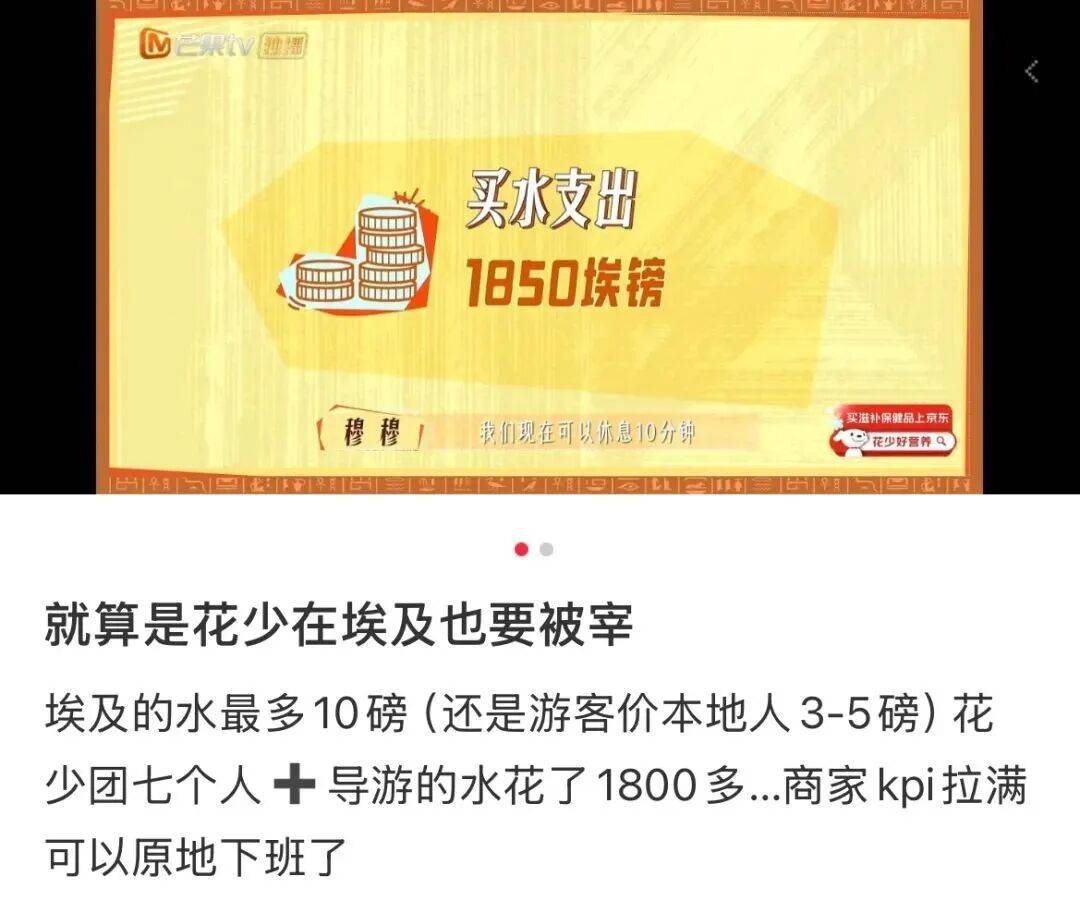
最近看新一季的《花儿与少年》,明星们去埃及旅游,结果被网友发现,他们踩了一地坑。 比如买水。 据说卖给别的游客最多10埃磅1瓶,结果花少团和导游们花了1800多,贵了好几倍。 又比如买工艺品。 一张莎草纸画,老板开价1200埃磅,最后砍到200埃磅,大家喜笑颜开,觉得值。 后来,导演告诉他们,150埃磅能买两张。 现在国内很流行一种"玩法",就是带着摄像头去吃饭、买东西,假装自己是来探店的。 据说是因为老板们希望探店博主们多说说好话,所以会给更好的价格、更多的分量。 一 也因为,一般被摄像头拍摄的时候,大家会下意识地收敛,免得被记录为呈堂证供。 但埃及朋友很不讲武德。 被节目组那么多摄像头照着,他们依旧我行我素,势必要将坑人进行到底。 甚至看他们打扮得光鲜亮丽,还码上加码,恨不得把价格往天上喊。 原来这就是埃及,雁过也要拔毛。 二 其实不用太过震惊,毕竟在埃及,骗子就和沙漠里的沙一样,数不胜数,连绵不绝。 如果让去过的朋友来评价,他们会告诉你,在埃及没被骗过,就好像去北京没看过故宫。 在这里,防骗指南比旅游攻略有用。 因为埃及人的骗局比缅北还让人应接不暇,你永远猜不出自己要为哪些东西付费。 几乎是从下飞机开始 ...
AI基建的高潮,2025年才真正开始
Hu Xiu· 2025-10-04 23:47
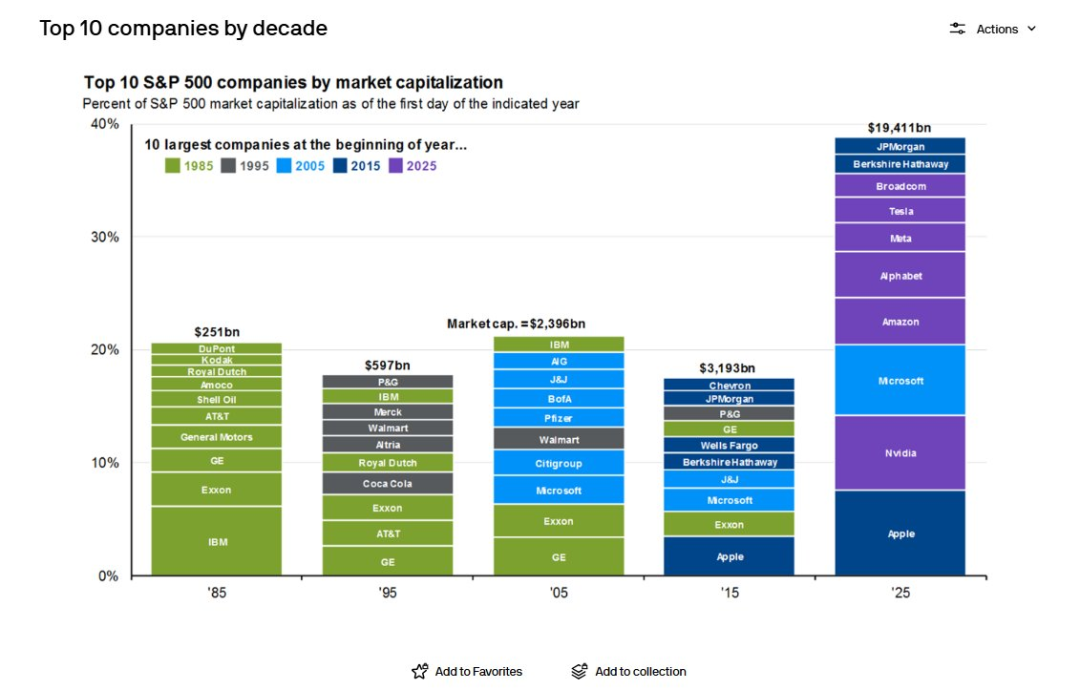
Core Insights - AI is driving a new market height by combining technology and capital, significantly transforming the U.S. economy and industries over the past 40 years [1] Group 1: Market Evolution - In 1985, the top ten U.S. companies included four oil companies, two tech firms (IBM and AT&T), and several manufacturing companies, with no financial, tech, or pharmaceutical firms represented [4] - By 2015, only two of the original top ten companies remained, and by 2025, all are expected to disappear, highlighting the rapid turnover in market leadership [4] - The top ten companies now predominantly consist of tech giants, with Berkshire Hathaway and JP Morgan being the only exceptions [4] Group 2: Investment Trends - Nvidia's market capitalization has reached $4.6 trillion, surpassing the total market value of all pharmaceutical giants combined [5] - Foreign investors now hold a record $20 trillion in U.S. stocks, an increase of $2.5 trillion in recent months, representing about 30% of the U.S. stock market [8] - The allocation of foreign investors in U.S. stocks has reached a historic high of 61% of U.S. financial assets, surpassing the peak during the 2000 internet bubble [9] Group 3: AI Infrastructure Investment - Major tech companies are expected to invest $1.2 trillion in AI infrastructure from 2025 to 2027, accounting for 60% of their operating cash flow [12] - The significant investment in AI infrastructure by U.S. tech giants and emerging cloud computing firms is anticipated to begin in earnest from 2025 [13] Group 4: Economic Impact - The capital expenditure of tech companies is increasingly contributing to U.S. GDP growth, with their share reaching 40% in the last quarter, potentially rising to 50% [16] - The adoption of AI is accelerating in industries with high labor costs, such as software services, banking, and healthcare, indicating a shift in operational strategies [19] Group 5: Labor Market Dynamics - Despite the rise of the S&P 500 index since the launch of ChatGPT, the number of job openings among the top 500 U.S. companies has been declining [21] - The gap between productivity gains and labor compensation is widening, leading to increasing income and wealth disparities [23]
老黄浦,见过大世面
Hu Xiu· 2025-10-04 23:34
Core Viewpoint - Huangpu District is recognized as the heart of Shanghai, serving as its political, economic, and cultural center, with a rich historical background and evolving administrative boundaries since its establishment in 1945 [1][2][3]. Historical Context - Huangpu District has undergone several administrative changes, including the merging of various areas and the establishment of a stable district boundary in 1992, which includes notable locations like People's Square and Nanjing East Road [2][3]. - The district's historical significance is highlighted by its transformation from a collection of different areas into a cohesive urban center, with a notable past involving various cultural and social dynamics [4][5]. Architectural Significance - The "Second Facade of the Bund" refers to a collection of approximately 140 historical buildings along the Huangpu River, showcasing architectural beauty and historical depth [6][7]. - Notable buildings include the former Shanghai Customs House and the original site of the Central Bank of China, which reflect the financial and political history of Shanghai [14][15]. Cultural Heritage - The Yangtze Hotel, established in 1933, is recognized as a historical hotel with significant cultural ties, having hosted numerous celebrities and political figures throughout its history [20][21]. - The area around Hankou Road is rich in historical narratives, serving as a hub for the press and various political activities during the early 20th century [17][25]. Modern Developments - The renovation of the Old Municipal Government Building aims to restore its historical integrity and enhance its status as a cultural and commercial landmark in Shanghai [16][27]. - The ongoing evolution of Hankou Road reflects a blend of historical and contemporary urban life, with diverse businesses and cultural activities coexisting [26].
围绕演员的新博弈:长短剧公司陷“签约战”
Hu Xiu· 2025-10-04 12:59
Group 1 - The short drama industry is experiencing a shift where companies are increasingly focusing on signing their own actors, leading to a competitive landscape for talent acquisition [2][5][52] - The rise of "star effect" among short drama actors has resulted in increased salaries and difficulty in scheduling for top actors, prompting companies to lock in talent [3][7][24] - Companies are adopting different strategies: some are focusing on a large pool of actors to ensure production capacity, while others prioritize signing established actors to leverage their popularity [6][23][51] Group 2 - The influx of new talent into the short drama sector is evident, with companies like HEMA and Huayi signing numerous new actors to bolster their production capabilities [15][17][21] - The industry is witnessing a transformation where the distinction between trained and untrained actors is blurring, as more formal actors are entering the short drama space [38][40][50] - The competition for talent is not just about quantity but also about the quality and potential of actors, with companies increasingly valuing performance and dedication over mere popularity [16][32][52] Group 3 - The emergence of platforms like Hongguo is reshaping the revenue-sharing model, allowing top actors to negotiate directly with platforms, enhancing their earning potential [36][52] - The industry's evolution is marked by a growing recognition of actors as core assets that influence production quality and audience engagement, rather than just temporary resources [52][54] - The future of the short drama industry will likely involve a more nuanced evaluation of actors based on multiple factors, including company support, revenue sharing, and audience engagement metrics [53][54]

天价医疗事故赔偿金排行出炉:最高赔了67亿
Hu Xiu· 2025-10-04 11:22
这刷新了全球个人医疗纠纷案件纪录,比此前美国媒体盘点的"最贵"赔偿金4.12亿美元高出1倍多。 近日,美国医疗事故赔偿金额再创新高。一名女子因医护疏忽、错失理想的剖宫产时机,诞下严重脑损 伤新生儿。经裁决,涉事医院被判赔偿共计9.51亿美元(约合人民币67.72亿元)。 事实上,医疗纠纷是一个世界性问题,而随着消费者意识觉醒、诉讼文化兴盛以及专业律师崛起,近年 来医疗诉讼及纠纷数量激增,越来越多的患者因诉讼获得巨额赔偿。 知名专家证人招募机构Expert Institute分析了2024年至2025年6月的全美天价医疗事故赔偿案,发现其中 不乏成上亿美元的诉讼。 该机构发表文章表示,高额赔偿的裁决,提示法院对鲁莽医疗行为的重罚倾向。"对于未来的患者安 全、医疗责任等,这些裁决是重要先例。它提醒全行业:患者安全、知情同意与规范操作,不容妥 协。" 以下为Expert Institute盘点的美国天价医疗事故赔偿案,按金额从高到低排列。 4.12亿美元:没病硬治,"命根子"残了 2024年11月,迈克尔·E·桑切斯(Michael E. Sanchez)和私人连锁医疗机构NuMale医疗中心长达7年的恩 怨,终于 ...
OpenAI的“变现”闪电战:一手挑战亚马逊,一手搅动Meta
Hu Xiu· 2025-10-04 11:09
Core Insights - OpenAI, valued at $500 billion, has launched two significant products: the "Instant Checkout" feature in ChatGPT and the standalone Sora App, aiming to alleviate its substantial loss pressure and achieve a revenue target of $13 billion for the year [1][15][16] Product Launches - The "Instant Checkout" feature transforms ChatGPT into an "AI shopping assistant and cash register," directly competing with Amazon's core e-commerce profit area [1][18] - The Sora App, described as an "AI version of TikTok," utilizes the upgraded Sora 2 video generation model to create immersive short video content, marking a significant advancement in AI video generation [2][11] Market Impact - Sora App quickly reached the top of the Apple US "Top Free Apps" chart, indicating strong initial user interest [3] - The launch of these products signals OpenAI's shift towards a profit-driven model, raising questions about its original mission of benefiting humanity [20][22] Financial Context - OpenAI faces a significant financial burden, with projected cash consumption reaching $8.5 billion this year, while aiming for $4.3 billion in revenue by mid-2025 [15][16] - The company plans to extract commissions from transactions made through the "Instant Checkout" feature, with a suggested commission rate of around 2%, significantly lower than Amazon's 15% [13][18] Strategic Direction - OpenAI's strategy is to leverage its leading position in generative AI to create cash-generating products that can fund its long-term goal of developing AGI [22][23] - The dual product launch reflects a broader ambition to establish a new AI-driven e-commerce ecosystem and disrupt existing social media platforms [18][19] Internal and External Reactions - The launch of Sora App has sparked internal and external criticism regarding the potential for generating low-quality AI content and the company's shift away from its founding mission [20][21] - CEO Sam Altman has defended the company's direction, asserting that profitability is a means to support AGI research rather than an end goal [22][24]

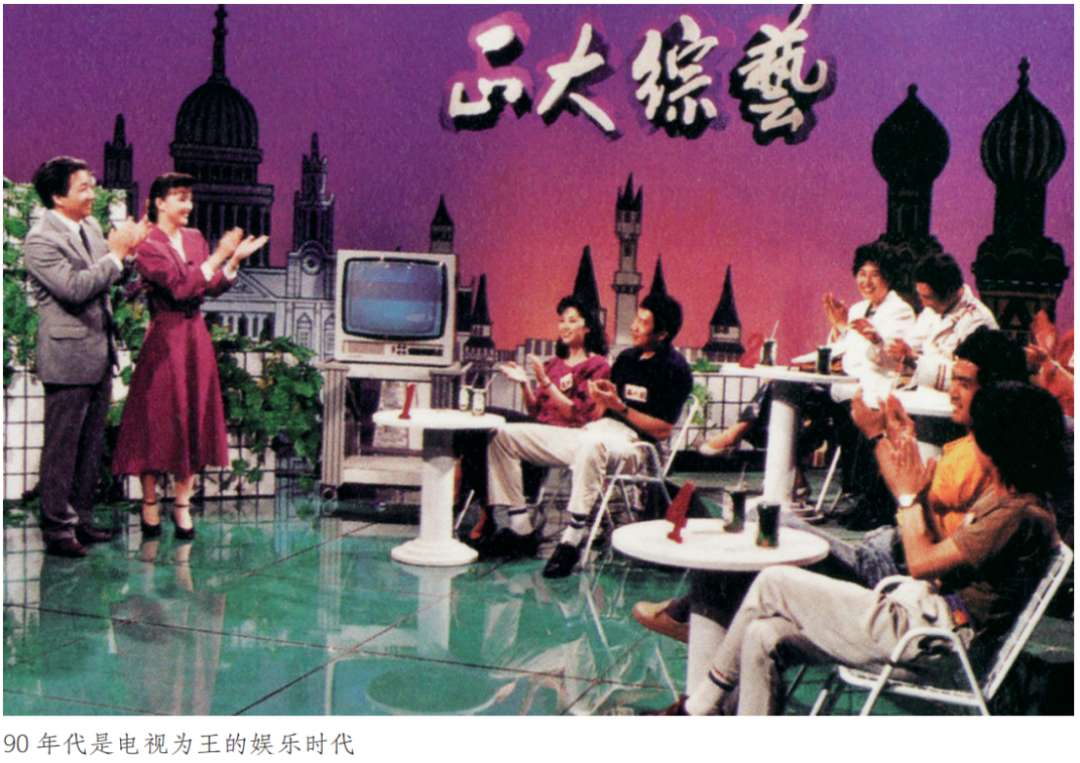
中国大众文化50年
Hu Xiu· 2025-10-04 09:07
Core Viewpoint - The article outlines the evolution of popular culture in China over the past 50 years, highlighting three distinct eras and two significant turning points, ultimately suggesting that a new form of popular culture is emerging that is more autonomous and rooted in grassroots movements [2][4][10]. Group 1: Evolution of Popular Culture - Popular culture in China has transitioned through three main eras: the traditional media-dominated era of the 1980s, the commercialized media era of the 1990s, and the internet-driven self-media era of the 21st century [4][6][8]. - The 1980s saw a reliance on traditional media such as newspapers and radio, with limited commercialization and a focus on educational and enlightening content [6][7]. - The 1990s marked the rise of television as the dominant medium, leading to the commercialization of popular culture, where the new middle class began to control cultural production, often suppressing genuine cultural demands from the broader public [7][12]. Group 2: Cultural Shifts and Resistance - The early 2000s witnessed a decline in traditional media's influence, with the rise of self-media and short video platforms allowing the public to actively participate in cultural production, thus challenging the previous cultural monopolies [8][10][23]. - The article argues that the cultural identity of the masses has evolved significantly, moving from passive consumers to active participants in cultural expression, driven by technological advancements and shifts in political and economic landscapes [9][20][22]. - Despite the commercialization of popular culture, there has always been an undercurrent of resistance from the masses against the middle-class cultural hegemony, which has shaped the cultural landscape [15][19]. Group 3: New Trends in Popular Culture - The emergence of a new popular culture is characterized by a blend of local and global influences, showcasing a newfound cultural confidence and a willingness to creatively adapt foreign cultural elements [28][32]. - Recent years have seen a rise in grassroots cultural expressions, with independent creators gaining recognition and challenging the established cultural production systems dominated by capital and elite interests [24][25][26]. - The article emphasizes that the new popular culture is not without its flaws, but it represents a significant shift towards a more vibrant and diverse cultural landscape that reflects the genuine experiences and aspirations of the masses [27][38].