商业洞察

Search documents
需要融资的企业看这里:外贸银行扩大贷款规模!渣打银行融资企业贷,最高8100万
商业洞察· 2025-09-19 09:22
Core Viewpoint - The article emphasizes the increasing challenges faced by companies in securing financing, particularly in the context of economic uncertainty and rising bankruptcy rates, urging businesses to proactively seek low-interest financing options aligned with government policies [1][5]. Group 1: Economic Context - Since 2025, the uncertainty surrounding tariffs has led to continuous downward revisions of economic growth forecasts by global economic organizations [1] - In 2024, over 55,000 companies are expected to exit the market through judicial bankruptcy procedures in China, highlighting a significant financial distress among businesses [1] Group 2: Financing Strategies - Companies should closely follow government policies and opt for financing products that offer low interest rates and security [1] - A proactive approach to financing is essential; businesses should prepare in advance to avoid last-minute struggles when funds are needed [5][6] Group 3: Financing Products - Standard Chartered Bank has introduced a nationwide corporate financing product with a maximum limit of 81 million, offering an annual interest rate of 3.6% [3][13] - The financing product is designed to address the cash flow challenges faced by companies, with flexible repayment options and a focus on various industries [6][10] Group 4: Product Features - The financing product allows for loan amounts ranging from 1 million to 81 million, with terms of 36 to 60 months and a flexible repayment method of interest-first [9][13] - The application process is streamlined, with a quick initial review and potential funding within 20-25 working days after approval [10]

月薪过万,今年最热门的行业却招不到人
商业洞察· 2025-09-19 09:22
Core Viewpoint - The aging population in China is creating a significant demand for elderly care services, leading to a burgeoning market for caregivers, with salaries increasing and job opportunities expanding [3][4]. Group 1: Market Demand and Growth - As of now, there are approximately 310 million individuals aged 60 and above in China, accounting for 22% of the total population, indicating a vast need for elderly care services [4]. - In the second quarter of this year, the number of caregiver job postings increased by 54% year-on-year, with an average monthly salary of 5720 yuan, reflecting an 8% increase compared to the previous year [4]. - Major cities are implementing substantial subsidies to attract talent in the elderly care sector, with cities like Guangzhou and Shenzhen offering one-time employment subsidies ranging from 6000 to 15000 yuan for qualified graduates [7]. Group 2: Challenges Faced by Caregivers - Despite the attractive salary prospects, many young individuals entering the field quickly realize the harsh realities of the job, including physical and emotional challenges [8][17]. - Caregivers often face demanding work conditions, including long hours and physically strenuous tasks, leading to high turnover rates in the industry [26][40]. - The psychological pressure is significant, as caregivers often bear the brunt of complaints from both elderly residents and their families, creating a challenging work environment [26]. Group 3: Workforce Composition and Retention Issues - The current workforce in elderly care is predominantly older, with nearly 40% of caregivers aged 50-55, while those under 30 make up only 3% [33][35]. - There is a notable disconnect between the number of graduates in relevant fields and those who choose to remain in the elderly care sector, with a reported turnover rate of 40-50% among new caregivers [36]. - Young caregivers are often drawn to the profession for its perceived opportunities but tend to leave due to the demanding nature of the work and inadequate compensation [40]. Group 4: Industry Evolution and Future Prospects - The elderly care industry is exploring new business models to ensure sustainability and profitability, which is crucial for improving caregiver wages and retention [43]. - Innovative approaches, such as integrating childcare and elderly care services, are being tested in various cities to enhance service offerings and operational efficiency [43]. - The industry's growth is closely tied to the development of clear and viable profit models, which will ultimately determine the quality of care and the ability to attract and retain talent [43].

又一个“西贝”暴雷!3亿中产天塌了
商业洞察· 2025-09-19 09:22
Core Viewpoint - The article discusses the challenges faced by the popular restaurant chain "Tai Er" in light of recent controversies surrounding pre-prepared dishes, particularly in the context of the broader dining industry and consumer perceptions [3][10]. Group 1: Company Overview - Tai Er has become a prominent player in the Chinese dining market, particularly known for its signature dish, sauerkraut fish, which has gained popularity due to its unique flavor profile and marketing strategies [19][21]. - The brand has experienced significant growth, with a projected compound annual growth rate of 33.7% in the sauerkraut fish market from 2018 to 2024, potentially reaching a market size of over 800 billion yuan by 2025 [20]. Group 2: Recent Challenges - Tai Er has faced scrutiny regarding its use of pre-prepared ingredients, with consumers questioning the authenticity of its "freshly made" claims, especially after reports of rapid service times [5][10][11]. - The company has seen a decline in performance, with a reported revenue drop of 13.3% year-on-year, and a reduction of 65 stores over the past year, indicating a significant operational challenge [26][27]. Group 3: Strategic Responses - In response to the controversies, Tai Er has initiated a transformation strategy, including the introduction of "fresh active" stores and expanding its menu to include other protein options like fresh chicken and beef, aiming to diversify its offerings and reduce reliance on sauerkraut fish [27][29]. - The brand is also adapting its dining model by allowing larger groups and introducing takeaway services, which marks a shift from its previous operational restrictions [27][30]. Group 4: Market Perception - The pre-prepared dish controversy has created a significant challenge for Tai Er, as consumer trust is critical in the restaurant industry, and any association with pre-prepared food can lead to negative perceptions [10][17]. - The article emphasizes the importance of establishing a clear distinction between pre-prepared and freshly made dishes, as consumer expectations evolve and competition increases in the dining sector [17][31].

信号明确:马云刘强东,大佬们都回来了
商业洞察· 2025-09-18 09:25
Core Viewpoint - The return of prominent figures in China's internet sector, such as Liu Qiangdong and Jack Ma, signifies a shift in the business landscape driven by internal crises and changes in macroeconomic policies and regulatory environments [2][6][17]. Group 1: Return of Founders - Liu Qiangdong's recent public appearance, including his first live cooking session, marks a significant shift in his engagement with the market, driven by competitive pressures from rivals like Pinduoduo and Douyin [9][10]. - Jack Ma has also re-emerged, reportedly increasing his involvement in Alibaba's operations, indicating a renewed focus on business management and direction [5][12]. - The active participation of these founders reflects a broader trend of leaders taking charge amid survival challenges faced by their companies [6][11]. Group 2: Economic and Regulatory Context - The internet sector has experienced a period of intense regulation since late 2020, which led to a cautious approach from entrepreneurs [14][15]. - Recent policy shifts have indicated a supportive stance towards the private economy, encouraging innovation and growth, which has prompted founders to re-engage publicly [16][17]. - The return of these leaders serves as a signal to other entrepreneurs that the environment is conducive for business activities, marking a transition from strict regulation to support for growth [17][18]. Group 3: Implications for the Industry - The actions of Liu Qiangdong and Jack Ma are not merely personal endeavors but reflect significant transformations within their companies and the broader economic landscape [18][19]. - The competitive landscape in China's internet sector is expected to intensify, with a focus on genuine competition rather than previous periods of rapid growth without substantial challenges [19].



西贝“爆雷”最可怕后续,上海家长们这次是真没招了……
商业洞察· 2025-09-18 09:25
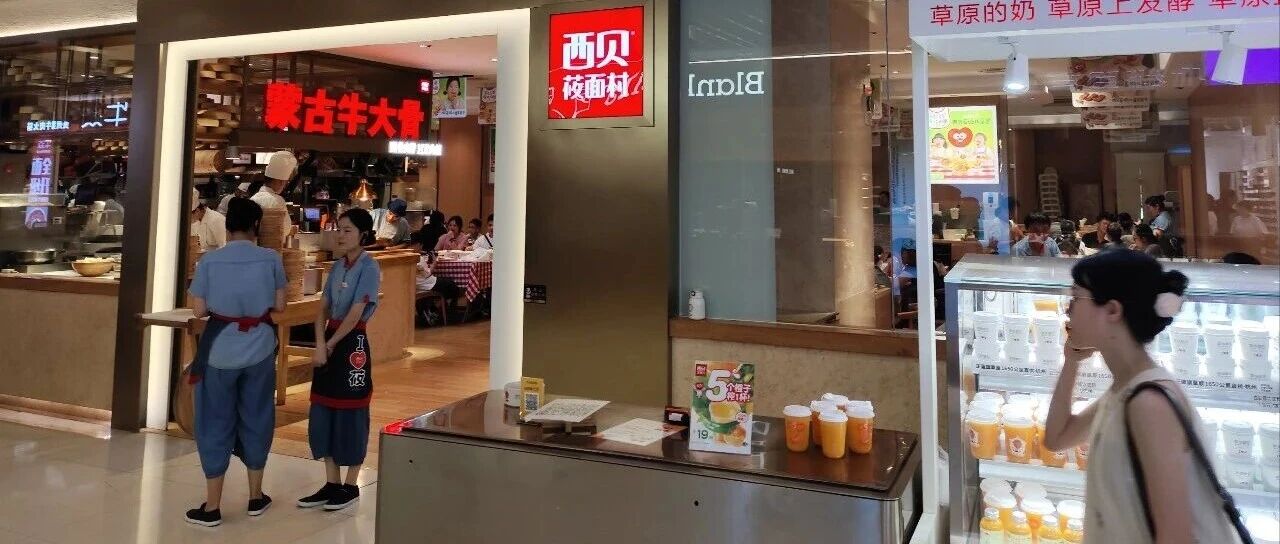
Core Viewpoint - The article discusses the ongoing issues with student meal quality and safety in Shanghai, highlighting parents' frustrations and the potential for companies like Xibei to take over the student meal service due to dissatisfaction with current offerings [6][41]. Group 1: Current Issues with Student Meals - Recent complaints from parents in Shanghai about the quality of student meals, specifically incidents of spoiled food [12][44]. - The introduction of a meal system where students receive either A or B meals, with a price point of 15 to 18 yuan, which parents initially welcomed but has since led to dissatisfaction due to poor quality [22][23]. - Parents express a preference for Xibei's pre-packaged meals over the current student meals, indicating a significant decline in meal quality [34][40]. Group 2: Safety Concerns - Reports of food safety issues, including a batch of shrimp and egg dishes that were found to be spoiled, raising concerns about the overall safety of the meals provided [44][50]. - The supplier, identified as a company serving over 500 schools and providing around 500,000 meals daily, has faced scrutiny for not ensuring food safety despite high profit margins [47][52]. - Parents demand basic safety and palatability in meals, emphasizing that the current offerings fail to meet these standards [58][60]. Group 3: Broader Implications - The article notes that the problems with student meals are not isolated to Shanghai, with similar issues reported in other regions, indicating a systemic problem in student meal provision across China [64][67]. - The article suggests that the lack of accountability and transparency in the food supply chain contributes to ongoing issues, with schools and suppliers failing to prioritize student health [76][79]. - Recommendations for improving student meals include increasing transparency in the procurement process and allowing for competition among suppliers to enhance meal quality [83][85].
让西贝花6000万的男人,服软了
商业洞察· 2025-09-17 09:25
Core Viewpoint - The article discusses the ongoing conflict between Xibei and Luo Yonghao, highlighting a surprising turn of events where Hua Yu Hua, previously supportive of Xibei, has apologized to Luo Yonghao, raising questions about the credibility of Hua Yu Hua's marketing strategies and their impact on the industry [2][4][6]. Group 1: Company Background and Business Model - Hua Yu Hua was founded in 2002 by brothers Hua Shan and Hua Nan, who transitioned from various unsuccessful ventures to the advertising industry, eventually creating a unique business model that combines strategic consulting with advertising creativity [7][8]. - The company is known for its "super symbol" methodology, which emphasizes simple, memorable slogans to reduce communication costs for brands, successfully creating iconic marketing campaigns for clients like Xibei, Haidilao, and others [9][11]. - Unlike traditional advertising firms, Hua Yu Hua does not engage in competitive bidding for projects and charges high service fees, earning the reputation of being the "most expensive marketing company" [12][14]. Group 2: Performance and Controversies - Hua Yu Hua's strategic consulting has significantly benefited clients, with Xibei's revenue increasing from 1.6 billion yuan to 6.2 billion yuan between 2013 and 2019, and the number of stores expanding to nearly 500 [16]. - Despite its successes, Hua Yu Hua has faced criticism for its aesthetic choices, with some designs labeled as "too crude" and "brainwashing," leading to public backlash [17][21]. - The company has also been involved in legal issues, including a significant fine for advertising violations, which raises concerns about its operational integrity [23]. Group 3: Financial Performance of Related Companies - The article notes that the performance of Reader Culture, another company controlled by the Hua brothers, has been declining since its IPO in 2021, with revenues dropping from 519 million yuan in its first year to an estimated 168 million yuan in the first half of 2025 [25][26]. - The decline in Reader Culture's performance coincides with significant stock sell-offs by executives, raising questions about the company's future and the Hua brothers' management capabilities [28]. Group 4: Future Outlook - The recent apology from Hua Yu Hua to Xibei reflects a need for the consulting firm to reassess its role in managing corporate crises and public relations [29]. - The ability of Hua Yu Hua to maintain market trust through its "super symbol" approach remains uncertain and will require time and genuine effort to prove its effectiveness [29].

雷军正面迎战!苹果17天塌了!
商业洞察· 2025-09-17 09:25
Core Viewpoint - The article discusses the competitive landscape between Xiaomi and Apple, highlighting the significance of their product launches and strategies in the smartphone market, particularly focusing on the Xiaomi 17 series and iPhone 17 series as reflections of broader industry trends and consumer preferences [4][24]. Group 1: Xiaomi 17 Series Launch - Xiaomi 17 series is positioned as a major leap forward, skipping the 16 series and launching directly to compete with iPhone 17, indicating a strategic move to capitalize on Apple's market momentum [8][10]. - The series includes three models: 17, Pro, and ProMax, featuring the world's first Snapdragon 8 Gen 2 chip, which boasts a nearly 30% improvement in performance and efficiency compared to its predecessor [9]. - Xiaomi has invested 100 billion yuan in R&D over the past five years and plans to invest an additional 200 billion yuan, showcasing its commitment to innovation and competitiveness [9]. Group 2: iPhone 17 Series Strategy - The iPhone 17 series has seen record pre-sale numbers, with over 2 million reservations on JD.com on the first day, reflecting strong consumer interest [12]. - The pricing strategy for the iPhone 17 standard model is notable for maintaining the same price as its predecessor while offering enhanced features, which aims to attract mid-range consumers [14]. - In contrast, the Pro series has adopted a luxury pricing strategy, with the iPhone 17 Pro Max 2TB version priced at 17,999 yuan, indicating a focus on high-end market segments [14]. Group 3: Market Dynamics and Consumer Behavior - The competition between Xiaomi and Apple is not just about brand rivalry but represents a shift in Chinese tech companies from following to competing directly with global leaders [4][6]. - Consumer preferences are shifting towards value and user-centric innovations, with a growing demand for products that respect user needs rather than just brand prestige [6][25]. - The article emphasizes that the ultimate competitive edge in the smartphone industry lies in genuine innovation and sincerity towards technology and users, rather than just numerical specifications [25].



都是华与华的甲方,西贝为什么没像蜜雪冰城一样逆转危机?
商业洞察· 2025-09-16 09:24
Core Viewpoint - The conflict between Xibei and Luo Yonghao has escalated into a public debate over the use of pre-prepared dishes in the restaurant industry, highlighting issues of transparency and consumer trust in food safety [4][15][20]. Summary by Sections Incident Overview - Luo Yonghao criticized Xibei for using pre-prepared dishes, which he found unappetizing and overpriced, sparking significant public discussion [6][19]. - Xibei's founder, Jia Guolong, responded by denying the use of pre-prepared dishes and threatened legal action against Luo Yonghao, which further fueled the controversy [7][10]. Company Response - Xibei announced that all kitchens would be open for public inspection and introduced a "Luo Yonghao menu" to encourage consumer engagement [7][8]. - Despite these efforts, media investigations revealed that some of Xibei's ingredients, such as frozen chicken wings and broccoli, had long shelf lives, raising consumer concerns about freshness [8][19]. Public Reaction - The public's reaction to Xibei's use of frozen ingredients was overwhelmingly negative, with many questioning the company's commitment to quality and transparency [8][19]. - Xibei's official apology and commitment to improve operations by 2025 were met with skepticism, as the brand struggled to regain consumer trust [13][15]. Industry Context - The incident reflects broader issues in the restaurant industry regarding the classification of pre-prepared dishes and the lack of clear regulations, which complicates consumer understanding of food safety [15][20]. - The contrasting public reception of Xibei and other brands like Mixue Ice City illustrates the importance of brand positioning and consumer perception in the food service sector [19][20]. Strategic Missteps - Xibei's high pricing strategy and failure to align its brand values with consumer expectations contributed to its negative reception during the crisis [20][24]. - The company's confrontational response to consumer criticism, rather than a more empathetic approach, was identified as a significant strategic error [23][24].

清北扎堆,行业离崩盘不远了…
商业洞察· 2025-09-16 09:24
Core Viewpoint - The influx of graduates from top universities like Tsinghua and Peking University into an industry often signals that the industry is nearing its peak and may soon decline [4][6][10]. Group 1: Industry Trends - Historical patterns show that industries with high concentrations of top university graduates tend to experience a decline shortly after, with a specific observation that when such graduates enter an industry, it typically has about eight months left of its golden period [7]. - The article highlights that industries such as foreign enterprises, finance, and education have seen significant downturns after periods of high recruitment from elite universities, indicating a correlation between elite talent influx and industry saturation [6][10]. - The tech industry, particularly large internet companies, is noted to have attracted many graduates, but the reality is that many top computer science graduates from elite universities are opting to work abroad, particularly in Silicon Valley, due to higher income opportunities [10]. Group 2: Employment Challenges - During economic downturns, graduates from prestigious universities face greater challenges in securing successful careers, often being forced into lower-quality jobs or positions that do not align with their qualifications, which can hinder their long-term career growth [13][19]. - The phenomenon of "career path lock-in" is discussed, where early career choices made during economic crises can limit future opportunities and skill development for graduates [13]. - The article suggests that elite graduates often feel pressured to pursue traditional, stable career paths, such as government positions, rather than taking risks on entrepreneurship or innovation, leading to a stagnation in certain industries [11][19].

西贝和罗永浩,互相给对方上了一课
商业洞察· 2025-09-15 09:28
Core Viewpoint - The controversy surrounding the use of pre-prepared dishes at the restaurant chain Xibei, sparked by a social media post from influencer Luo Yonghao, highlights a significant gap between official definitions and public understanding of what constitutes pre-prepared food [4][12][27]. Group 1: Incident Overview - On September 10, Luo Yonghao criticized Xibei for allegedly serving pre-prepared dishes, which led to widespread public debate and media attention [6][10]. - Xibei's founder, Jia Guolong, quickly responded by denying the use of pre-prepared dishes and announced legal action against Luo Yonghao [7][10]. - Xibei opened its kitchens for public inspection to demonstrate transparency and counter the allegations, while Luo offered a reward for evidence of pre-prepared food usage [10][11]. Group 2: Public Perception and Misunderstanding - The core of the dispute lies in the differing interpretations of "pre-prepared food" between consumers and the restaurant industry, with many consumers equating any non-freshly cooked food with pre-prepared dishes [12][15]. - Official definitions provided by regulatory bodies clarify that pre-prepared dishes require industrial pre-processing and are not simply pre-cut or pre-cooked ingredients [13][14]. - The lack of public understanding regarding the definition of pre-prepared food has led to confusion and mistrust among consumers, who often feel misled about the food they are consuming [16][27]. Group 3: Industry Implications - The incident underscores the need for clearer communication and transparency within the restaurant industry regarding food preparation methods [20][21]. - The growing prevalence of pre-prepared dishes in the restaurant sector, now exceeding 30% of the market, necessitates a shift towards more transparent practices to regain consumer trust [20][27]. - Establishing clear national standards and labeling requirements for pre-prepared food is essential for the industry to move towards compliance and consumer confidence [20][21]. Group 4: Recommendations for Transparency - The restaurant industry should adopt proactive transparency measures, such as detailed ingredient sourcing reports and clear labeling of food preparation methods, to enhance consumer trust [22][25]. - Successful examples from other companies, like Laoxiangji, demonstrate that transparency in food sourcing and preparation can mitigate consumer concerns and foster loyalty [22][25]. - Moving forward, the industry must prioritize consumer education on food preparation processes to bridge the gap between official definitions and public perception [27].