商业洞察

Search documents
中国自动驾驶第一人,破产了
商业洞察· 2025-09-15 09:28
Core Viewpoint - The article discusses the downfall of Zhongzhixing Technology Co., Ltd., a once-prominent player in the autonomous driving industry, highlighting the challenges faced by companies in this sector and the implications of their strategic choices [4][24]. Group 1: Company Overview - Zhongzhixing Technology Co., Ltd. was founded in 2018 with a registered capital of 150 million yuan, focusing on vehicle-road collaboration technology [7]. - The company was established by Wang Jin, a notable figure in the autonomous driving field, previously a senior vice president at Baidu and the first general manager of Baidu's autonomous driving division [8][10]. Group 2: Business Challenges - The company faced severe financial difficulties, culminating in a court ruling for bankruptcy due to an inability to pay a labor arbitration amount of 15,000 yuan [4][5]. - Zhongzhixing had received four rounds of financing totaling several hundred million yuan, with the last round occurring in March 2023, but failed to secure further funding thereafter [21]. Group 3: Strategic Choices - Zhongzhixing chose a "vehicle-road collaboration" approach, which is more complex and reliant on extensive infrastructure upgrades, as opposed to the "single-vehicle intelligence" route favored by competitors like Tesla and Waymo [16][18]. - The reliance on government involvement and significant investment for infrastructure development proved to be a critical challenge for Zhongzhixing, leading to its eventual collapse [18][27]. Group 4: Industry Context - The autonomous driving sector is experiencing a downturn, with several companies, including those once valued at over 9 billion yuan, entering bankruptcy or restructuring [24]. - Analysts indicate that the current investment climate favors technologies that can demonstrate quicker commercialization, putting pressure on autonomous driving companies to provide clear profitability timelines [24][27]. Group 5: Lessons Learned - The case of Zhongzhixing serves as a warning to entrepreneurs in cutting-edge technology sectors: a promising technological vision must be paired with a viable path to navigate real-world financial pressures [26]. - The article emphasizes that while "vehicle-road collaboration" is a long-term goal, the immediate focus should be on strategies that allow for faster implementation and lower initial costs [26][27].


罗永浩大战西贝,张兰却被骂上热搜;宗馥莉或另立门户,启用新品牌“娃小宗”;西贝贾国龙道歉;美的回应一天工作14小时离职被欠薪……
商业洞察· 2025-09-15 09:28
Core Viewpoint - The article discusses the controversy surrounding Zhang Lan's live-streaming event for the restaurant brand "Ma Liu Ji," which aimed to counter negative perceptions about pre-packaged food amid a public debate sparked by the conflict between Luo Yonghao and Xibei regarding the transparency of pre-packaged dishes. However, the live-stream backfired due to hygiene concerns raised by viewers [3][4][11]. Group 1: Marketing Strategy and Public Perception - Zhang Lan attempted to leverage the ongoing debate about pre-packaged food to promote her brand and demonstrate that "Ma Liu Ji" does not serve pre-packaged dishes [3][11]. - The live-stream was intended to showcase the kitchen's cleanliness and cooking process but instead highlighted hygiene issues, such as Zhang not washing her hands before handling food and wearing inappropriate attire [4][11]. - The backlash from viewers labeled the event as a publicity stunt, questioning the authenticity of the brand's claims about not using pre-packaged food [7][8][11]. Group 2: Brand Reputation and Historical Context - "Ma Liu Ji" has faced previous controversies, including a case of moldy food, which has negatively impacted its reputation and made consumers skeptical of its claims during the live-stream [10][11]. - Zhang Lan's history of capitalizing on trending topics for publicity, such as the divorce of Wang Xiaofei and Big S, indicates a pattern of seeking attention without addressing underlying quality issues [12][11]. - The article emphasizes that businesses should focus on product quality and consumer trust rather than relying solely on marketing tactics to drive sales [12]. Group 3: Industry Implications - The incident serves as a cautionary tale for other businesses in the food industry, highlighting the importance of maintaining hygiene standards and genuine consumer engagement [12]. - The article suggests that in the age of the internet, consumers are quick to scrutinize brands, and any misstep can lead to significant backlash [12].


专访西贝贾国龙:我现在陷入自证清白循环
商业洞察· 2025-09-14 09:23
Core Viewpoint - The article discusses the ongoing crisis faced by the company Xibei, led by CEO Jia Guolong, due to public criticism from influencer Luo Yonghao, which has significantly impacted the company's revenue and customer traffic [4][5][6]. Group 1: Impact of Luo Yonghao's Criticism - Luo Yonghao's social media posts and live broadcasts have led to a drastic decline in Xibei's daily revenue, with estimates of a drop of 1 million yuan on September 10 and 11, and projections of 2 to 3 million yuan on September 12 [9][12]. - The company is experiencing a "cliff-like" decrease in customer traffic, which Jia Guolong describes as the most significant external crisis in the company's history [31][32]. Group 2: Company Response and Legal Action - Jia Guolong has expressed a firm decision to pursue legal action against Luo Yonghao, stating that even if the business suffers, the truth must be clarified [13][16]. - Despite receiving advice to take a softer approach, Jia insists on confronting the issue head-on, emphasizing the importance of integrity and accountability [17][18]. Group 3: Company Operations and Strategy - Xibei operates over 370 stores and employs more than 18,000 staff, with a reported revenue of 6.2 billion yuan in 2023 [4][6]. - The company has been focusing on improving its management and operational efficiency, with Jia Guolong returning to the CEO position to lead these efforts [34][35]. Group 4: Clarification on Pre-prepared Dishes - Jia Guolong clarifies that while Xibei utilizes pre-preparation techniques, it does not serve pre-prepared dishes as defined by industry standards [40][42]. - The company has previously operated a fast-food brand that included pre-prepared items, but this brand has since been closed, and no pre-prepared dishes are currently offered in Xibei's main operations [37][38].

吓人,相亲市场里,男性集体“消失”了!
商业洞察· 2025-09-14 09:23
Core Viewpoint - The article discusses the significant gender imbalance in the matchmaking market, highlighting that women have become the dominant participants while men appear to be increasingly absent, leading to a severe supply-demand mismatch in the dating scene [4][5][6]. Group 1: Gender Imbalance in Matchmaking - In cities like Chengdu, the male-to-female ratio in the matchmaking market is as high as 1:43, with Hangzhou at 1:40 and Nanchang at 1:36, indicating that on average, 40 women are competing for one man [5][6]. - A matchmaking event in Guangzhou required women to pay an entry fee of 500 yuan, while men entered for free, further illustrating the disparity [8][9]. - Online dating platforms show that 80% of registered users are women, indicating a shift in the traditional gender roles in the dating market [12][13]. Group 2: Reasons for Men's Absence - The article identifies three main reasons for men's withdrawal from the dating market: 1. The financial burden placed on men by dating platforms, which often charge men for premium services while offering women free access [17][18]. 2. The influence of social media and self-media, where many female influencers set high expectations for male partners, leading to increased pressure on men [21][22]. 3. The rising costs associated with marriage, including exorbitant bride prices, which have surged from 80,000 yuan in 2010 to 680,000 yuan recently in some regions [28]. Group 3: Economic Pressures and Changing Attitudes - Economic pressures are a significant factor driving young people away from marriage, with the number of marriage registrations dropping from 13.47 million in 2013 to 6.1 million in 2024, effectively halving [39][40]. - The article notes that 78% of young people consider stable employment as a core requirement for marriage, surpassing other financial criteria [30]. - The rising costs of marriage and the perception of marriage as a financial risk have led to a shift in attitudes, with some individuals opting to invest in financial assets rather than marriage [34][35]. Group 4: Government Response and Future Outlook - The government has begun to address the declining marriage rates by relaxing marriage requirements, eliminating marriage fees, and implementing measures to reduce bride prices [41][42]. - The article emphasizes the need for a cultural shift to rebuild trust in marriage, suggesting that marriage should be viewed as a partnership rather than a financial transaction [44][46].

刚宣布8.5亿买芯片,A股地产老板就被带走了…
商业洞察· 2025-09-13 09:28
Core Viewpoint - The article discusses the transformation of traditional real estate companies, particularly Wan Tong Development, into technology-focused firms through strategic acquisitions, highlighting the challenges and risks associated with such transitions [3][16]. Group 1: Market Trends and Company Movements - The A-share technology sector is experiencing significant growth, with Wan Tong Development's market value doubling after its acquisition of a chip company, signaling a shift in capital market dynamics [3][5]. - Traditional sectors like real estate and liquor are being overshadowed by the rise of AI and new production capabilities, leading to a reevaluation of investment strategies [3]. Group 2: Acquisition Details - Wan Tong Development acquired a 62.98% stake in the chip company Shudu Technology for 854 million yuan, aiming to enter the high-demand PCIe 5.0 chip market [5][8]. - Shudu Technology's core team has extensive industry experience, and its products are positioned in a rapidly growing market, projected to reach $13.53 billion by 2030 with a CAGR of 14.5% [8][9]. Group 3: Risks and Challenges - The acquisition involved a staggering valuation premium, with Wan Tong valuing Shudu at 1.272 billion yuan despite its net assets being only 64.6 million yuan, raising concerns about the sustainability of such a high valuation [11]. - Shudu Technology is currently operating at a loss, with cumulative losses exceeding 230 million yuan from 2023 to mid-2025, which poses a risk to Wan Tong's financial stability [12]. - The performance targets set in the profit guarantee agreement require Shudu to achieve significant revenue growth within three years, adding pressure to the acquisition [13]. - Wan Tong's lack of experience in the technology sector and its own financial struggles complicate the integration of Shudu Technology, raising questions about operational effectiveness [14]. - The company's governance is under scrutiny following the detention of its actual controller, which could impact investor confidence and operational stability [15]. Group 4: Future Outlook - The success of Wan Tong's transformation into a technology company hinges on several factors, including the timely delivery of Shudu's products, the achievement of revenue targets, and the resolution of governance issues [19][20].


爆赚4200亿,出口114万辆,中国又一低调汽车巨头诞生!
商业洞察· 2025-09-13 09:28
Core Viewpoint - Chery Automobile, a major Chinese car manufacturer, is set to launch its IPO after 21 years of attempts, marking a significant milestone in its journey and potentially becoming the largest car IPO in Hong Kong this year [4][12][41]. Group 1: Company Overview - Chery Automobile has reported annual revenues of 270 billion and sales exceeding 2.6 million vehicles, with over 1.14 million vehicles exported [4][13]. - The company has been the top exporter of Chinese passenger cars for 22 consecutive years and is the first Chinese brand to have cumulative exports surpassing 5 million vehicles [6][7]. Group 2: IPO Journey - Chery's IPO journey has been fraught with challenges, including failed attempts due to complex equity relationships and external economic factors, with six previous attempts since 2004 [14][16][17]. - Recent developments indicate that Chery has finally passed the Hong Kong Stock Exchange's listing hearing, signaling a potential breakthrough in its long-awaited IPO [18][41]. Group 3: Market Position and Performance - In 2024, Chery's sales are projected to exceed 2.6 million vehicles, reflecting a year-on-year growth of over 38%, with exports expected to reach 1.14 million vehicles, a 21% increase [36][39]. - Chery has established a strong international presence, exporting vehicles to over 120 countries and regions, with cumulative global sales exceeding 13 million vehicles [26][27]. Group 4: Future Prospects - The successful IPO is anticipated to enhance Chery's financial strength and governance, enabling it to compete more effectively in the global automotive market [41][42]. - With the IPO, Chery aims to solidify its position as a leading global automotive brand, leveraging capital to support its growth and innovation in the electric vehicle sector [42].

获王卫百亿捐赠,顺丰为何股价跌跌不休?
商业洞察· 2025-09-12 09:25
Core Viewpoint - The article discusses the recent performance and challenges faced by SF Holding, highlighting the disparity between its strong revenue growth and declining stock price, primarily due to market concerns over future stock dilution and profitability issues in its new business segments [4][6][24]. Financial Performance - SF Holding reported a revenue of 146.86 billion yuan for the first half of 2025, a year-on-year increase of 9.26%, with a net profit of 5.74 billion yuan, up 19.37% [6][8]. - The company achieved a business volume of 78.5 billion parcels, growing 25.7% year-on-year, surpassing the industry average growth of 19.3% [6][8]. - The logistics and freight forwarding segment contributed 143.53 billion yuan, accounting for 97.73% of total revenue, with a growth of 10.23% [8]. Business Segments - SF Holding's main business segments include express delivery, supply chain, and same-city delivery, with the express delivery segment generating 1,047.73 billion yuan, a growth of 8.21% [7][19]. - The same-city delivery segment saw a significant increase of 38.77%, reaching 55.83 billion yuan [7][19]. - Despite revenue growth, the average price per shipment fell to 14 yuan, a decrease of 12.2%, impacting the overall gross margin, which dropped to 13.22% [9][19]. Strategic Shifts - SF Holding has shifted its strategy from "price for volume" to "value preservation," but has recently reverted to a price-cutting approach to maintain market share [12][13]. - The company aims to diversify its revenue sources by expanding into logistics, cold chain, and international services, with supply chain and international business becoming significant revenue contributors [15][16]. Stockholder Concerns - The introduction of a stock incentive plan, involving the distribution of up to 200 million shares to employees, raised concerns about potential stock dilution and its impact on share price [21][24]. - The plan, which could lead to significant expenses over the next decade, has been viewed negatively by investors, contributing to the stock's decline [21][24].


连夜跑路的药店老板,揭开行业遮羞布
商业洞察· 2025-09-12 09:25
Core Viewpoint - The article discusses the sudden decline of the pharmacy industry in China, highlighting the rapid closure of stores and the challenges faced by pharmacy owners and employees due to various market and regulatory changes [7][13][31]. Group 1: Industry Overview - In the past year, approximately 39,000 pharmacies closed nationwide, with a closure rate of 5.7%, and predictions suggest an additional 60,000 to 100,000 closures this year [13]. - The pharmacy industry, once considered a "golden track" for investment, has seen major players like Guoda Pharmacy and Shandong's Shuyupingmin Pharmacy struggling, with significant store closures and stock sell-offs by shareholders [16][31]. Group 2: Factors Contributing to Decline - The decline is attributed to three main factors: competition from community hospitals, the rise of online pharmacies, and tightening regulations on medical insurance reimbursements [34][41][49]. - Community hospitals have become popular among younger consumers, leading to a loss of clientele for pharmacies, particularly in the chronic disease segment [36][40]. - Online platforms have disrupted traditional pharmacy sales, offering lower prices and convenience, which has eroded the competitive edge of brick-and-mortar pharmacies [42][46]. Group 3: Financial Impact - Many listed pharmacy chains are experiencing significant profit declines, with net profit reductions starting at 60%, and some companies like Shuyupingmin facing potential losses of up to 220 million yuan [31][50]. - The shift in the market has forced many pharmacy owners to seek alternative employment, with some transitioning to factory work or food delivery services [22][23]. Group 4: Adaptation Strategies - Pharmacies are attempting to adapt by diversifying their offerings, such as incorporating health seminars and free health check-ups to build community ties and enhance customer loyalty [58][67]. - The future of the pharmacy industry is expected to focus on professional services and operational efficiency rather than mere expansion, with some pharmacies exploring AI-assisted consultations to improve service delivery [70].



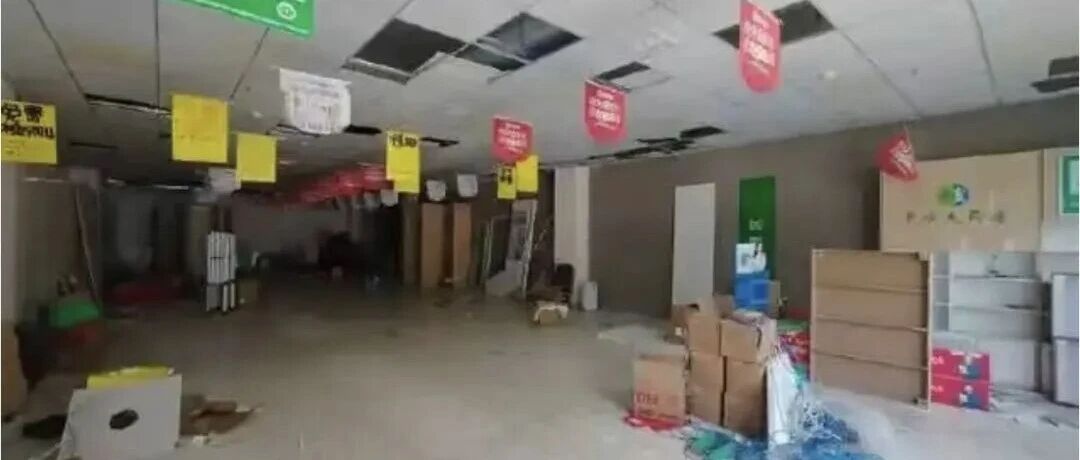
中年男人最爱的“国民神车”,也卖不动了?
商业洞察· 2025-09-11 09:24
Core Viewpoint - Volkswagen is facing significant challenges in the U.S. electric vehicle market, particularly with the ID.4 model, which has seen a drastic decline in sales due to the withdrawal of federal subsidies and increased competition [6][7][13]. Group 1: Sales and Market Performance - The ID.4's sales in the U.S. plummeted from 38,000 units in 2023 to 17,000 units in 2024, with a further decline of 19% year-on-year in the first half of 2025 and a staggering 65% drop in Q2 2025, resulting in fewer than 2,000 units sold in that quarter [6][7]. - The loss of the $7,500 tax credit in January 2025 was a critical turning point for ID.4's sales, which had previously ranked third in U.S. electric vehicle sales [7][8]. - Volkswagen's strategy to lower the monthly lease price of the ID.4 to $129 has not been sufficient to reverse the sales decline [7]. Group 2: Financial Performance - Volkswagen's financial results for the first half of 2025 showed a slight decrease in sales revenue to €158.4 billion, while operating profit fell by 32.8% to €6.7 billion, and net profit dropped by 38% to €4.477 billion [11]. - The decline in profits is attributed to increased import tariffs in the U.S. resulting in a €1.3 billion loss and restructuring provisions in the Audi, Volkswagen passenger car, and Cariad software divisions totaling €700 million [11]. Group 3: Challenges in Electric Vehicle Transition - Volkswagen's electric vehicle transition has been hampered by software issues, which have been identified as a core shortcoming compared to competitors [15][17]. - Despite early investments in electric vehicle development, Volkswagen has struggled with software problems that have affected user experience and market competitiveness [17]. - The company has faced recalls due to software vulnerabilities, highlighting ongoing challenges in its electric vehicle offerings [17]. Group 4: Market Strategy in China - Volkswagen's sales in China showed a slight decline of 2.3% in the first half of 2025, with a projected 10% drop in 2024 sales [21]. - The company is navigating a competitive landscape in China, characterized by aggressive pricing strategies among over 130 brands, with predictions that over 90% of car manufacturers will not be profitable [21][23]. - Volkswagen is pursuing a dual strategy of maintaining its fuel vehicle lineup while investing heavily in electric vehicles, including partnerships with local companies to accelerate development [23]. Group 5: Future Outlook - The electric vehicle market in China is expected to see a significant increase in penetration rates, with forecasts suggesting it could reach 74% by 2030 [21]. - Volkswagen's upcoming launch of 30 new electric models between 2026 and 2027 is seen as a critical test for the company's ability to adapt and thrive in the evolving automotive landscape [24][25].

阿里向美团发起全面进攻
商业洞察· 2025-09-11 09:24
Core Viewpoint - Alibaba and Meituan have initiated a new competitive front, with Alibaba's Gaode Map launching the "Gaode Street Ranking," a behavior-based ranking system aimed at supporting offline dining and service consumption, emphasizing that the ranking will "never be commercialized" [4][6]. Summary by Sections Gaode "Street Ranking" Implementation - Gaode's approach leverages large-scale verifiable "behavior data," with 170 million daily users contributing to a sample pool through searches, collections, navigation, and visit trajectories [11]. - Key factors include store visit numbers, repurchase rates, purpose-driven visits, and local versus national appeal, which differ from traditional UGC reviews that rely on subjective ratings [11]. - The ranking system incorporates a credit evaluation weighted by Sesame Credit and employs AI risk control to filter noise, with various rankings updated daily based on dynamic data [11]. Commercial Intentions Behind the Ranking - The ranking aims to rebuild trust by establishing a new standard based on trajectories and credit, transforming "good stores" into reusable credit assets [12]. - Gaode seeks to expand its offline entry points, with daily searches exceeding 120 million and restaurant coverage over 7 million, transitioning from a "tool" to a "decision-making" platform [12]. - The initiative includes a "Good Store Support Plan" with over 1 billion yuan in subsidies and incentives to drive foot traffic to stores, indicating a direct intervention in offline consumption [12]. Competitive Landscape with Meituan - The Gaode Street Ranking fits into Alibaba's broader strategy to compete with Meituan, with Taobao Flash Sale corresponding to Meituan's delivery services, and Fliggy targeting Meituan's travel segment [17][18]. - Taobao Flash Sale combines e-commerce with instant fulfillment, leveraging Alibaba's supply chain to address Meituan's SKU breadth and product strength [18]. - Fliggy aims to integrate e-commerce advantages into travel services, potentially enhancing Alibaba's competitiveness in the travel sector against Meituan [19]. Strengths and Weaknesses of the Ranking System - The ranking's strength lies in its reliance on actual consumer behavior, providing a more accurate reflection of popularity compared to traditional review systems [20]. - However, the data may not always lead to correct consumption decisions, as trending restaurants may not necessarily offer quality food [20]. - Meituan's advantages remain in delivery density and community engagement, but if Gaode's standards gain traction, Alibaba could increasingly challenge Meituan's market position [20].