商业洞察

Search documents
格力突发!董明珠正式卸任!
商业洞察· 2025-06-17 09:28
以下文章来源于电商天下 ,作者清清 电商天下 . 300 万电商社区平台。电商风向标,报道天下势 作者:清清 来源:电商天下 01 董明珠,退了半步 有一种爱叫做放手,掌管格力的董明珠,又往后退了半步。 近日, 电商天下搜索 爱企查App 发现 , 格力电器旗下 的 芯片公司—— 珠海零边界集成电路有 限公司发生 了 工商变更 。 具体而言, 原 法定代表人、董事长董明珠卸任,由李绍斌接任法定代表人 。 同时,原董事、经理谭建明也退出管理层,由李绍斌一人兼任执行事务的董事和经理。 ---------------------------------- 图源:爱企查 表明上来看 ,这只是一次普通的工商变更 , 但从董明珠与格力的紧密关系来看,这 或许 不是一 件"小事"。 公开资料显示, 零边界公司成立于2018年8月,注册资本10亿元; 经营范围包括集成电路芯片设计及服务、集成电路芯片及产品销售、电子产品销售等 。 它专注于工业级32位MCU、AIoT SoC与功率器件的研发,采取Fabless (无晶圆厂) 模式,涵 盖芯片设计、软件方案与系统集成等多个链条。 这 也就 意味着,零边界早已不只是一个试验田,而 ...



突发!国补按下暂停键!
商业洞察· 2025-06-16 09:22
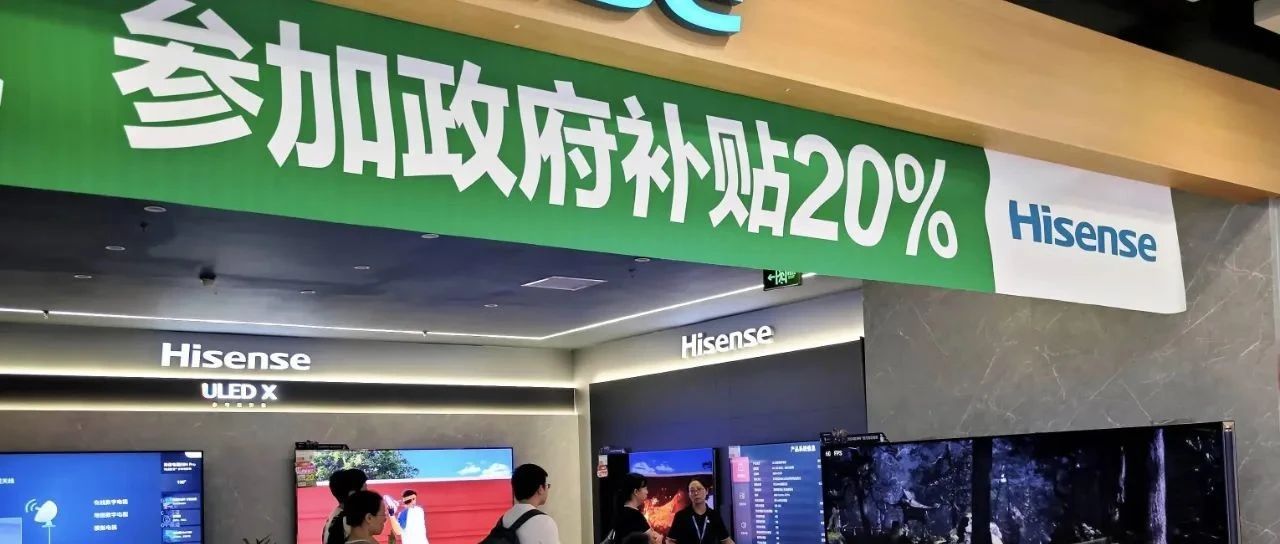
Core Viewpoint - The article discusses the recent suspension of national subsidies for consumer goods in various regions, highlighting the implications for both consumers and small to medium-sized enterprises (SMEs) in the market [2][3][4]. Group 1: Suspension of National Subsidies - Multiple regions, including Zhengzhou, Chongqing, and Jiangsu, have suspended the application for national subsidies for consumer goods, causing market shock [2][3][4]. - The reasons for the suspension vary, with some areas citing exhausted subsidy funds and others indicating system upgrades or rectifications [6][7]. - Despite the suspensions, the article suggests that the overall direction of stimulating domestic demand remains unchanged, and the likelihood of a complete halt to subsidies is low [8]. Group 2: Impact on SMEs - The suspension of subsidies may inadvertently benefit SMEs, as it could reset market dynamics that have favored larger brands [12][19]. - The article notes that the previous subsidy policies disproportionately benefited large enterprises, leading to increased market concentration and reduced opportunities for smaller brands [17][18]. - The current situation may provide SMEs with a temporary respite, but the long-term outlook remains uncertain as subsidies are expected to resume in the future [20][21]. Group 3: Economic Indicators - The article references a decline in the PMI for small and medium-sized enterprises, which fell to 48.3 in May, indicating a contraction in the sector [26][30]. - In contrast, the national PMI showed a slight improvement, suggesting that SMEs are facing more significant challenges compared to larger firms [29][30]. - The overall economic environment remains fragile, with concerns about demand and production levels impacting SMEs more severely [28][30]. Group 4: Future Considerations - The article emphasizes the importance of supporting SMEs for sustained economic growth, as they contribute significantly to employment and tax revenue [32][33]. - It warns against the dangers of market monopolization by large firms, which could lead to higher prices for consumers in the long run [34][35]. - The government is expected to continue implementing policies to support SMEs, recognizing their critical role in the economy [36][37].
德州首富姜桂廷,摊上事了!
商业洞察· 2025-06-16 09:22
Core Viewpoint - The article discusses the recent legal troubles faced by Jiang Guiting, the actual controller and chairman of Jingjin Equipment, and the subsequent impact on the company's performance and stock value [2][4][6]. Group 1: Company Announcement and Leadership Issues - On June 12, Jingjin Equipment announced that Jiang Guiting was placed under investigation, but the company asserted that its operations remain normal and unaffected [2][4]. - Jiang Guiting and his wife have cashed out over 1 billion yuan through multiple share reductions since August 2022 [2][6]. - As of the first quarter of this year, Jiang Guiting and his wife control approximately 43.21% of the company's shares [5][6]. Group 2: Financial Performance - Jingjin Equipment reported a historical peak revenue of 62.49 billion yuan in 2023, but the growth rate has significantly slowed from 39.7% in 2021 to 9.98% in 2023 [14]. - In 2024, the company experienced its first-ever revenue decline, with a 1.92% drop to 61.29 billion yuan, and a 15.86% decrease in net profit to 8.48 billion yuan [14][15]. - The first quarter of 2025 saw a further decline in revenue by 6.7% to 14.06 billion yuan and a 26.99% drop in net profit to 1.67 billion yuan, with a record low gross margin of 25.14% [16][17]. Group 3: Historical Context and Achievements - Jiang Guiting founded Jingjin Equipment in 1988, leading it to become a global leader in the filter press industry, with significant innovations and patents [10][12]. - The company has developed a strong portfolio of products and has been recognized for its technological advancements, holding 885 domestic patents and 35 international patents [12]. - Jingjin Equipment has consistently paid dividends, with a total cash dividend of 28.95 billion yuan since its listing, reflecting a dividend payout ratio of 65.31% [7].

印度空难唯一幸存者:运气,真是一门玄学
商业洞察· 2025-06-15 07:49
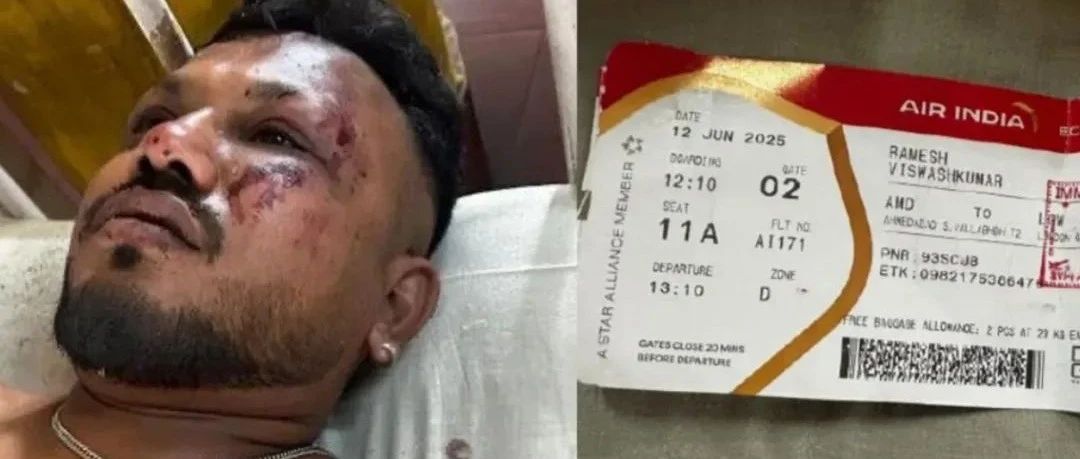
Core Viewpoint - The article discusses the concept of luck through the lens of survival stories, particularly focusing on the recent plane crash in India where one passenger survived while 241 others did not [25][57]. Group 1: Incident Overview - On June 12, an airplane crash occurred in India, resulting in 241 fatalities and only one survivor [2][3]. - The sole survivor, Vishwas Kumar Ramesh, sustained only minor injuries and was able to walk unaided after the crash [5][6]. - The crash happened just one minute after takeoff, and the survivor was seated in position 11A, which experts believe provided a more stable point during the impact [14][17]. Group 2: Personal Stories of Luck - The article shares historical examples of individuals who experienced extraordinary luck in life-threatening situations, such as Yamaguchi Tsutomu, who survived two atomic bombings in Japan [28][34]. - Another example is Violet Jessop, who survived the sinking of three different ships, earning her the nickname "Miss Unsinkable" [39][51]. - These stories illustrate the randomness of survival and the concept of luck in the face of disaster [25][57]. Group 3: Reflection on Luck - The author reflects on personal experiences of narrowly escaping danger, emphasizing the role of luck in survival [52][56]. - The narrative encourages readers to appreciate their fortunate circumstances and to maintain a sense of gratitude for each day [56][59].
车圈的“比亚迪病”,60天治不好
商业洞察· 2025-06-15 07:49
Core Viewpoint - The automotive industry is facing significant scrutiny regarding its payment practices and the phenomenon of "zero-kilometer used cars," which have been used to inflate sales figures and extend payment terms to suppliers. This has led to a collective movement among major car manufacturers to shorten payment periods to comply with new regulations [1][4][5]. Group 1: Payment Practices and Regulations - Major car manufacturers have announced a commitment to shorten payment terms to no more than 60 days, aligning with the newly implemented "Regulations on Payment to Small and Medium Enterprises" [4][10]. - Historically, payment periods for suppliers often exceeded six months, with an average accounts payable turnover days of 182 days for listed car companies in 2024 [10][16]. - The automotive industry has been criticized for its long payment cycles, which have been a common practice to manage cash flow and reduce financing costs [15][20]. Group 2: Zero-Kilometer Used Cars - The practice of selling "zero-kilometer used cars," which are essentially new cars sold as used, has been prevalent in the industry, allowing manufacturers to manipulate inventory and sales figures [24][31]. - This practice has created a dual pricing system that undermines consumer confidence and distorts the new car pricing structure [35][40]. - The zero-kilometer used car phenomenon has been linked to various financial manipulations, including the exploitation of government subsidies intended for genuine used car transactions [32][35]. Group 3: Industry Response and Challenges - Despite the regulatory push, many car manufacturers remain hesitant to fully abandon these practices, indicating a reluctance to change entrenched behaviors [38][51]. - The competitive landscape, characterized by aggressive price wars, has exacerbated the reliance on these financial maneuvers, making it difficult for companies to pivot away from them [39][50]. - The industry's long-standing practices of extending payment terms and utilizing zero-kilometer used cars are seen as symptoms of deeper issues related to market competition and financial health [37][49].


15年花70 亿美元,“世界最大烂尾工程”命悬一线
商业洞察· 2025-06-14 07:46
以下文章来源于凤凰网财经 ,作者凤凰网《风暴眼》 凤凰网财经 . 你好,我们是凤凰网财经,全球华人都在看的财经公众号,传播最有价值的财经报道,你值得关注!欢 迎访问:http://finance.ifeng.com/ 作者: 凤凰网《风暴眼》 来源: 凤凰网财经 加州的高铁项目简直是现实版 "大型迷惑行为现场"。 上周,美国交通部长肖恩・达菲直接开炮,把加州高铁管理局喷成了 "显眼包": 过去15年狂花 近70亿美元,结果连一英尺铁轨都没铺出来。 这操作直接给网友看傻了。 有人嘲讽说:"也许文书工作还没有完成"。 还有人痛心疾首地表示:"这对美国纳税人来说是一场悲剧"。 更有网友开启 "扎心对比":与中国相比,这是一个笑话,中国可以在一个月内完成,在美国可能 需要2年。 01 成了"夹心饼干" 达菲的批评并未就此打住,还甩出 "王炸" 威胁: 加州高铁办公室必须在7月11日前作出解释, 否则特朗普政府将撤回约40亿美元的联邦资金。 早在今年2月份,达菲就启动了 "查账模式",结果发现加州高铁管理局"除了寻求更多的额外联 邦资金外,并没有其他可靠计划以填补资金缺口"。 对于这些指控,加州高铁管理局发言人表示,该 ...

蔚来李斌,2025年最惨的人?
商业洞察· 2025-06-14 07:46
Core Viewpoint - The article discusses the tumultuous journey of Li Bin and NIO, highlighting the company's financial struggles, strategic decisions, and the challenges faced in the competitive electric vehicle market, ultimately emphasizing the need for transformation and adaptation to survive and thrive in the industry [6][56]. Group 1: Financial Performance and Challenges - In Q1 2023, NIO reported a net profit loss of 6.891 billion yuan, a year-on-year increase of 31.06%, with a debt ratio rising to 92.55%, up 16.27 percentage points year-on-year [6][56]. - Despite high R&D investments of nearly 60 billion yuan, NIO's financial reporting practices have led to significant losses, prompting Li Bin to express frustration over negative media coverage [6][56]. - The company faced severe challenges in 2019, with a net loss of 3.285 billion yuan in Q2, leading to a situation where NIO lost 925,000 yuan for every vehicle sold [39][49]. Group 2: Strategic Decisions and Market Positioning - NIO's pricing strategy positioned its first mass-produced vehicle, the ES8, at approximately 450,000 yuan, targeting the high-end market, which contrasts sharply with competitors like Li Auto and Xpeng [30][33]. - The company has invested heavily in charging infrastructure, promoting a model that emphasizes convenience for users, with a slogan suggesting that charging should be easier than refueling [33][34]. - In 2024, NIO plans to launch new brands targeting different market segments, with the "Leda" brand focusing on family vehicles priced around 200,000 yuan and the "Firefly" brand targeting vehicles around 100,000 yuan [64][66]. Group 3: Future Outlook and Transformation - NIO is undergoing a significant internal restructuring to improve operational efficiency, with a focus on establishing clear business goals and accountability for results [59][62]. - The company aims to achieve a monthly sales target of 50,000 vehicles by Q4 2025, with confidence in improved profitability driven by new product launches and operational enhancements [66][67]. - Li Bin has emphasized the necessity for NIO to become a financially prudent company, moving away from a "burning money for future" model to a sustainable business approach [67].

从思科到你的企业:如何通过结构优化实现高效管理
商业洞察· 2025-06-13 08:35
Core Viewpoint - The article emphasizes the importance of organizational structure in companies, highlighting that it serves as a framework that allows flexibility and adaptability in business operations. It notes that while the human skeletal structure remains constant, a company's organizational structure can evolve over time to meet changing needs [1]. Organizational Functions - The structure of an organization clarifies responsibilities and accountability [2] - It defines roles and responsibilities within the organization [3] Organizational Structure and Team Composition - Establishing an organizational structure involves creating an organizational chart and defining team composition. The marketing department's structure is not fixed, as demonstrated by Cisco's case [4]. Case Study: Cisco's Organizational Changes - In May 2022, Cisco's CEO Chuck Robbins announced a sales revenue of $12.8 billion, with a year-on-year order growth of 8%, indicating the success of the company's major restructuring plan [5] - Cisco's stock price had previously dropped over 11% in August 2020 due to poor performance, prompting a restructuring plan focused on cloud security and collaboration [5] - Cisco has undergone multiple significant organizational changes since its inception, with the most recent four changes outlined as follows: - In April 1997, Cisco divided its products and solutions into three customer segments: large enterprises, small and medium-sized businesses, and service providers [6] - In August 2001, Cisco restructured its business lines to focus on specific technology areas such as access, integration, and core routing [6] - In December 2007, Cisco adopted a new organizational structure to address growth in emerging markets like China, Brazil, and India [8] - In December 2012, Cisco launched a global strategy aimed at leading the "Internet of Everything" over the next decade, which included laying off 12,000 employees to reallocate resources [8] Organizational Structure Diagram - The first systematic organizational structure diagram was created by Daniel C. McCallum in 1855 to improve efficiency in railway construction, highlighting the importance of organizational structure in operational efficiency [9]. Basic Hierarchical Organization - A basic hierarchical organization has a simple structure where each member reports to one person, functioning well in small organizations with straightforward decision-making [10]. Management Span - The management span in a hierarchical organization determines the number of employees reporting to a supervisor, affecting communication and control [11]. - A narrow management span allows for easier communication and control, but as organizations grow, efficiency may decline due to increased layers of management [11]. Classification of Organizational Structure - Organizational structures can be classified by function, geography, product or service categories, or customer segmentation [12].

刘强东又杀入新战场
商业洞察· 2025-06-13 08:35
Core Viewpoint - The online travel agency (OTA) market in China is experiencing renewed competition, particularly with JD.com aggressively recruiting talent from major players like Ctrip and Meituan, indicating a strategic push into the hotel and travel sector [1][2][4]. Group 1: JD.com's Strategy in the OTA Market - JD.com is reportedly offering three times the salary to attract talent from competitors, which is seen as a direct challenge to the profitability of Ctrip and Meituan [1][4]. - The company is employing a strategy of "no bundling, transparent pricing" along with subsidies to entice customers, aiming to leverage its existing high-frequency food delivery business to drive traffic to its travel services [1][2][7]. - JD.com has been actively hiring for various positions related to travel, with salaries for roles like technical product managers in the travel sector ranging from 25,000 to 50,000 yuan per month [4][5]. Group 2: Market Dynamics and Competitive Landscape - The OTA market is currently dominated by major players such as Meituan, Ctrip, and Fliggy, creating a challenging environment for new entrants like JD.com [12][13]. - The travel sector is viewed as a lucrative opportunity, especially as traditional e-commerce platforms face growth challenges, with Meituan's local business segment showing a high operating profit margin of 19.7% [10][11]. - JD.com has previously attempted to enter the travel market but faced difficulties due to its e-commerce background, which limited its ability to establish strong offline resources [8][9]. Group 3: Future Prospects and Challenges - JD.com's expansion into the travel sector is seen as a way to complete its local lifestyle service ecosystem, potentially leading to further competition with Meituan [14][15]. - The company aims to utilize its existing user base of 650 million annual active users to drive traffic to its new travel services, supported by ongoing subsidy policies [14][15]. - The success of JD.com's travel strategy will depend on its ability to manage high service costs and navigate the competitive landscape, which includes established players and new entrants like Douyin and Xiaohongshu [13][15].




小米致命车祸反转了!雷军决定追责!
商业洞察· 2025-06-13 08:35
Core Viewpoint - The article discusses the recent challenges faced by Xiaomi in the smart driving sector, including a training incident that raised public concerns, regulatory scrutiny, and significant personnel changes within the company [2][3][36]. Group 1: Incident and Public Reaction - Xiaomi's smart driving training program faced backlash after an incident where a Xiaomi SU7 vehicle crashed into a greenbelt, leading to public doubts about the vehicle's quality and driving system [3][8]. - The incident was amplified by rumors of casualties, which Xiaomi's executives quickly refuted, labeling them as malicious fabrications aimed at discrediting the training program [13][14]. - Xiaomi's CEO, Lei Jun, emphasized that such incidents are part of the training's value, as it allows participants to experience extreme driving conditions and improve their skills [17][19]. Group 2: Regulatory Environment - The Ministry of Industry and Information Technology (MIIT) announced increased scrutiny on high-profile vehicles, including Xiaomi's, to ensure quality and safety in the rapidly expanding electric vehicle market [31][33]. - This regulatory focus aims to enhance consumer safety and address potential quality issues arising from new technologies in the electric vehicle sector [34][35]. Group 3: Personnel Changes - Xiaomi announced a significant personnel restructuring, appointing Wang Xiaoyan as the new general manager of the Xiaomi Home retail division, which is seen as a strategic move to enhance offline sales and service efficiency [37][40]. - Wang Xiaoyan's extensive experience in the telecommunications industry and his previous success in driving retail innovations at Xiaomi are expected to support the company's growth in a competitive market [41][46]. - This restructuring reflects Xiaomi's shift from merely increasing store numbers to focusing on user experience and systematic operations in its retail strategy [48]. Group 4: Overall Implications - The combination of the training incident, regulatory scrutiny, and personnel changes indicates that Xiaomi is navigating a period of both challenges and opportunities for growth and brand reputation management [49][50]. - Despite the hurdles, Xiaomi's commitment to addressing rumors and enhancing user safety through its training programs demonstrates its determination to maintain consumer trust and improve its market position [50][51].