投资界

Search documents
30亿,我把公司卖给黄仁勋
投资界· 2025-07-09 03:31
Core Viewpoint - The article discusses the recent acquisition of the Canadian AI startup CentML by NVIDIA for over $400 million, highlighting the ongoing competition for AI talent in the industry [2][11]. Group 1: Acquisition Details - NVIDIA acquired CentML for over $400 million, which includes a base purchase price estimated at over $300 million, with additional payments tied to performance targets [6]. - CentML was founded by a team led by a 95-year-old Chinese PhD, Wang Shang, who has a strong background in AI and GPU efficiency optimization [4]. - The core technology of CentML, called "Hidet," acts as a translator between AI models and chips, significantly improving AI training efficiency and reducing costs [5]. Group 2: Funding and Valuation - CentML completed multiple funding rounds, including a $3.5 million pre-seed round in June 2022 and a $27 million seed round in October 2023, achieving a post-money valuation of $300 million [5]. - Prior to the acquisition, CentML had raised approximately $30.9 million in venture capital, indicating a strong return for its investors [7]. Group 3: Industry Competition - NVIDIA's acquisition strategy is part of a broader trend in the AI industry, where companies are aggressively acquiring talent and startups to enhance their capabilities [11]. - Other tech giants, such as Meta, are also actively recruiting top AI talent, with reports of significant salary offers and multiple high-profile hires from competitors like OpenAI [12][13]. - The article emphasizes that the competition for AI talent is fierce, with a focus on individuals under 30 with top-tier lab experience, particularly highlighting the prominence of the Chinese talent pool in the AI narrative [14].


今天,港交所5个IPO敲钟了
投资界· 2025-07-09 03:31
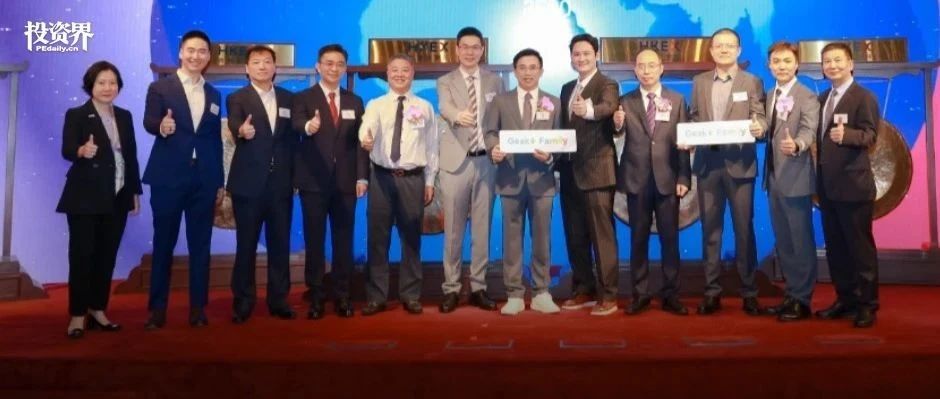
Core Viewpoint - The article highlights a significant surge in IPO activities on the Hong Kong Stock Exchange, with five companies going public on the same day, marking a historic moment for the market [2][5]. Group 1: IPO Highlights - Five companies, including Lens Technology and Geek+, successfully listed on the Hong Kong Stock Exchange, with Lens Technology's market value exceeding 100 billion HKD at one point [1][5]. - Geek+ achieved the largest IPO scale for a robotics company in Hong Kong, with a market value of 22 billion HKD [1]. - The rapid listing process for Lens Technology took only 100 days from the submission of the prospectus to the official listing [3]. Group 2: Market Trends - Over 40 companies have successfully completed IPOs on the Hong Kong main board in the first half of the year, raising over 1,067 million HKD, a significant increase of 688.56% compared to the same period last year [8]. - Major IPOs this year include significant players like CATL and Heng Rui Medicine, with fundraising amounts exceeding 10 billion HKD [8]. - The Hong Kong Stock Exchange is experiencing a wave of IPO applications, with around 200 applications received, indicating a robust interest in the market [8]. Group 3: Investment Climate - The presence of cornerstone investors has become a crucial factor in the success of IPOs, with 36 out of 42 companies listed in the first half of the year having cornerstone investors, accounting for 43.7% of total IPO fundraising [15]. - Notable investment firms such as Hillhouse Capital and Sequoia China have participated as cornerstone investors in several high-profile IPOs, indicating a strong confidence in the market [15]. - The article emphasizes the importance of Hong Kong as a primary channel for overseas capital to engage with Chinese companies, especially in the context of the current global investment landscape [15].
留给文科生的路,不多了
投资界· 2025-07-09 03:31
Core Viewpoint - The article discusses the challenges faced by liberal arts students in choosing their majors and the increasing anxiety surrounding their career prospects due to a shrinking number of available options and rising admission scores for humanities programs [4][10][11]. Group 1: Current Educational Landscape - The new college entrance examination reform in China has led to a reduction in the number of majors available to liberal arts students compared to their science counterparts, with coverage rates for physics-related combinations exceeding 95%, while history-related combinations fall below 50% [4][10]. - Recent trends show a wave of universities eliminating liberal arts programs, with Fudan University reducing its liberal arts enrollment ratio from 30%-40% to 20%, and Sichuan University discontinuing 31 liberal arts majors in 2024 [9][10]. - The rising admission scores for history majors in Hunan province have increased significantly over three years, with the undergraduate line rising from 428 to 446, a total increase of 18 points [10][11]. Group 2: Information Overload and Decision-Making - The importance of information filtering before filling out college applications is likened to a "second college entrance examination," as students seek to find suitable majors amidst limited options [5][12]. - Students are increasingly relying on online forums and social media for advice on major selection, leading to confusion due to mixed opinions and subjective experiences shared by others [12][14]. - Parents often seek authoritative guidance, but may fall into anxiety traps set by high-cost consulting services, leading to conflicts with their children's aspirations [18][19]. Group 3: Generational Conflicts - There is a notable generational divide in career expectations, with parents favoring stable professions like finance or public service, while students express a desire for more creative and fulfilling paths [19][21]. - Students like Shen Jia face pressure to choose majors that align with their parents' experiences, despite their own interests lying elsewhere, such as in law or social sciences [20][21]. - The article highlights the struggle of students to balance personal interests with parental expectations, leading to significant emotional stress during the decision-making process [19][20]. Group 4: Aspirations and Future Outlook - Despite the challenges, students maintain their aspirations for meaningful careers in liberal arts, with a focus on societal contributions and personal fulfillment [22][25]. - The article emphasizes the importance of understanding the evolving job market and the value of liberal arts education in addressing societal needs [24][25]. - Students are encouraged to actively seek information and engage in deeper analysis of their options rather than succumbing to external pressures and fears [14][24].

一支童颜针,卖了14亿
投资界· 2025-07-08 03:06
Core Viewpoint - The article discusses the acquisition of South Korean company REGEN Biotech, Inc. by Aimeike, highlighting the strategic importance of this move in expanding Aimeike's presence in the aesthetic medicine market and its internationalization efforts [4][11]. Summary by Sections Acquisition Details - Aimeike announced it has acquired 85% of REGEN for $190 million (approximately 1.386 billion RMB), with the total valuation of REGEN at about 1.597 billion RMB [6][5]. - Following the acquisition, Aimeike will hold a 59.5% stake in REGEN, which will become a subsidiary [6][7]. Product Popularity - REGEN's product, AestheFill, known as the "childlike needle," is highly popular in the aesthetic medicine sector, with a single injection priced over 10,000 RMB. It sold around 20,000 units within two months of its domestic launch in 2024 [4][6][7]. - The product is primarily targeted at high-net-worth individuals aged 35 to 50, often referred to as "noblewomen's needles" due to the high cost and repeat usage required [6][7]. Financial Performance - REGEN reported a revenue of 15.1 billion KRW (approximately 80 million RMB) and a net profit of 9.2 billion KRW (around 50 million RMB) in 2023 [7]. - The acquisition is characterized as a high-premium purchase, with an appreciation of 278.1 billion KRW and a premium rate of 1344.12% [7]. Strategic Implications - This acquisition marks Aimeike's first significant cross-border merger since its IPO, indicating a strategic shift towards international expansion and strengthening its market position in aesthetic injection products [10][11]. - Aimeike plans to acquire the remaining 15% of REGEN after 18 months, further consolidating its control over the company [8][11]. Industry Context - The article notes a trend of increasing mergers and acquisitions among listed companies in China, driven by the need to enhance growth and competitiveness in the face of external pressures [11][12]. - Other companies in the industry, such as Huaxi Biological, have also engaged in acquisitions to expand their product lines, indicating a broader movement within the sector [11][12].

600亿,今年北京最大IPO诞生
投资界· 2025-07-08 03:06
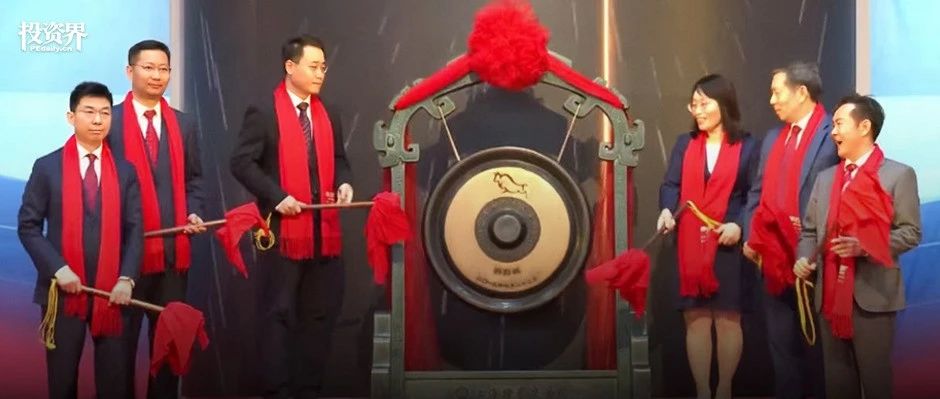
Core Viewpoint - The successful IPO of Yitang Semiconductor marks the beginning of a wave of semiconductor listings in China, highlighting the growing importance of the domestic semiconductor industry and the competitive landscape for upcoming IPOs [3][16][20] Group 1: Yitang Semiconductor's IPO - Yitang Semiconductor officially listed on the Sci-Tech Innovation Board on July 8, with an initial price of 8.45 CNY per share, experiencing a surge of over 200% at opening, reaching a market value of over 770 billion CNY before settling at around 600 billion CNY [1][2] - The IPO raised 2.497 billion CNY, making it the largest fundraising in Beijing [2] - The company has a significant backing from Beijing state-owned assets, with its actual controller being a financial auditing bureau under the Economic Development Zone Management Committee [3][10] Group 2: Company Background and Growth - Yitang Semiconductor's journey began with a landmark acquisition in 2016, where it acquired Silicon Valley's Mattson Technology for approximately 300 million USD, marking a significant step in China's semiconductor equipment sector [5][6] - The company faced challenges post-acquisition, including a 40% drop in orders and a significant revenue decline, but under the leadership of CEO Lu Haoan, it rebuilt customer trust and established a strong domestic production capability [5][7] - By 2023, Yitang's revenue was projected to exceed 4 billion CNY, with a diverse client base including major players like TSMC, Samsung, and Intel [10][12] Group 3: Financial Performance - Yitang Semiconductor's revenue for 2022 was 4.76 billion CNY, with a net profit of 383 million CNY, and projections for 2023 and 2024 show continued growth [10][11] - The company has achieved a global market share of 2nd place in both dry etching and rapid thermal processing equipment [10] Group 4: Industry Trends - The semiconductor IPO wave is gaining momentum, with other companies like Changxin Storage and Unisoc also initiating their IPO processes, indicating a robust interest in the sector [17][18] - The competitive landscape is intensifying, with numerous semiconductor startups vying for IPO opportunities, as the market becomes increasingly crowded and the pressure to list grows [19][20]
“今年,医药会有一波大行情”
投资界· 2025-07-08 03:06
Core Viewpoint - The investment landscape is shifting towards government and state-owned capital, with an increasing number of specialized investment funds being launched, indicating a more favorable fundraising environment for venture capital [6][8][10]. Group 1: Impact of Cycles on Venture Capital - The current fundraising environment has improved, with government-led funds becoming more prominent, accounting for up to 70% to 90% of some funds [6][8]. - The healthcare sector, particularly biomedicine, is expected to experience significant growth, with the Hang Seng Index ETF rising by 30% from April to June, and a 50% increase year-to-date [7]. - The overall market is showing signs of recovery, with an increase in IPO applications and a more active secondary market, which is gradually influencing the primary market [11][20]. Group 2: Investment Focus and Strategies - Key investment areas include AI, biomedicine, and new materials, with a strong emphasis on early-stage investments [11][13]. - The biomanufacturing sector is highlighted as a strategic focus, with a market potential nearing one trillion RMB domestically and several trillion USD globally [13]. - Investment strategies are adapting to current market conditions, with a focus on high-margin projects that can achieve scale at lower costs [17][18]. Group 3: Exit Strategies - The exit environment remains challenging, with a focus on diversifying exit strategies beyond IPOs, including mergers and acquisitions [20][24]. - S funds are seen as a viable exit strategy, providing liquidity and flexibility for investors [21][24]. - New exit methods, such as product rights licensing to international companies, are emerging as effective ways to realize returns [23].

中国第一午睡大省
投资界· 2025-07-08 03:06
Core Viewpoint - The article highlights the unique "nap culture" in Shanxi, China, where napping is not just a personal choice but a widespread social practice that integrates into daily life, promoting health and well-being [3][10][20]. Group 1: Nap Culture in Shanxi - In Shanxi, napping is a deeply ingrained habit that transcends various aspects of life, from markets to restaurants and public transport [12][20]. - The local market culture showcases vendors napping amidst their stalls, creating a serene environment where customers are expected to self-serve while vendors rest [12][13]. - Restaurants in Shanxi often close for a collective nap during midday, with signs indicating "nap time, do not disturb," reflecting a cultural norm that prioritizes rest for better service [13][20]. Group 2: Societal Acceptance and Humor - The phenomenon of napping has become a source of humor and pride among Shanxi residents, with social media discussions celebrating this lifestyle choice [31][32]. - Napping is viewed as a sign of wisdom rather than laziness, with locals emphasizing the health benefits associated with proper rest [21][40]. - The cultural narrative around napping includes playful remarks about the necessity of rest, with comparisons to the efficiency of local animals and historical practices [16][28]. Group 3: Historical and Geographical Influences - The geographical features of Shanxi, including its basin-like structure and significant temperature variations, contribute to the local tradition of midday rest [22][23]. - Historical practices dating back to the Ming and Qing dynasties established napping as a common custom, with businesses often halting operations to allow for rest [22][25]. - The cultural heritage of Shanxi, particularly the influence of the Jin merchants, emphasizes the importance of maintaining physical and mental well-being through rest [25][30]. Group 4: Modern Implications - The article contrasts Shanxi's napping culture with the sleep deprivation experienced in major cities, where a significant percentage of the population suffers from sleep-related issues [28][29]. - Shanxi residents enjoy a balanced lifestyle, prioritizing rest and efficiency, which is increasingly recognized as a valuable approach in today's fast-paced world [30][39]. - The discussion around napping has sparked interest in adopting similar practices in other regions, with suggestions to incorporate napping into workplace policies [32][39].
今晚,一位95后美股敲钟
投资界· 2025-07-07 14:36
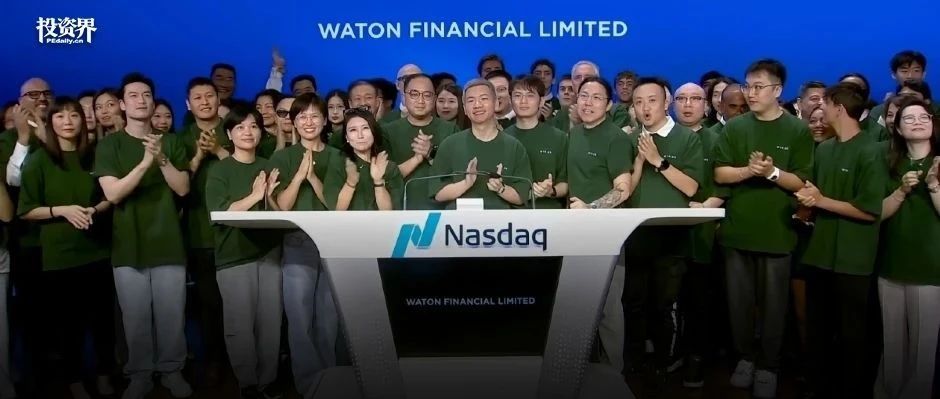
Core Viewpoint - The article highlights the successful IPO of Huatuo Financial on NASDAQ, marking a significant milestone for the company and its young founder, Zhou Kai, who is noted as the youngest founder to ring the bell this year [1][7]. Company Overview - Huatuo Financial, headquartered in Hong Kong, made its debut on NASDAQ with a remarkable first-day surge of nearly 400%, trading under the unique ticker symbol WTF.US [2][9]. - The company operates through two subsidiaries: Huatuo Securities International Limited (WSI) and Huatuo Technology International Limited (WTI), providing brokerage and fintech services [9]. Financial Performance - For the fiscal years ending March 31, 2023, and 2024, Huatuo Securities reported revenues of approximately $574,000 (about 4.1 million RMB) and $1,005,580 (about 7.2 million RMB), respectively, reflecting a year-on-year growth of 75.2% [9][10]. - The total revenues for the fiscal year 2024 reached $10,055,809, a significant increase from $5,738,774 in 2023 [10][11]. - The primary revenue source shifted dramatically, with brokerage and commission income rising from approximately $210,000 in 2023 to about $820,000 in 2024, marking an increase of approximately 295.6% and accounting for over 60% of total revenues [10][11]. Business Model and Strategy - Huatuo Financial has transitioned from a traditional brokerage to a "brokerage-as-a-service" model, focusing on providing customized fintech solutions, including a trading platform app that has attracted over 2,900 brokerage clients [12][14]. - The company is positioning itself as a "brokerage serving AI," integrating AI technologies into its operations, including risk management and customer service [14][15]. - Zhou Kai envisions a future where AI can autonomously manage trading accounts, enhancing trading efficiency and decision-making [15][16]. Market Context - The article discusses the broader context of Huatuo's IPO, noting the resurgence of the Hong Kong stock market, which has attracted significant overseas investment and led to a surge in the number of overseas brokerage clients [18][21]. - The Hong Kong market has seen a dramatic increase in IPO activities, with a notable rise in trading volumes and new listings, indicating a renewed interest in Chinese assets from international investors [20][21].
亮马河,北京中产的母亲河
投资界· 2025-07-07 14:36
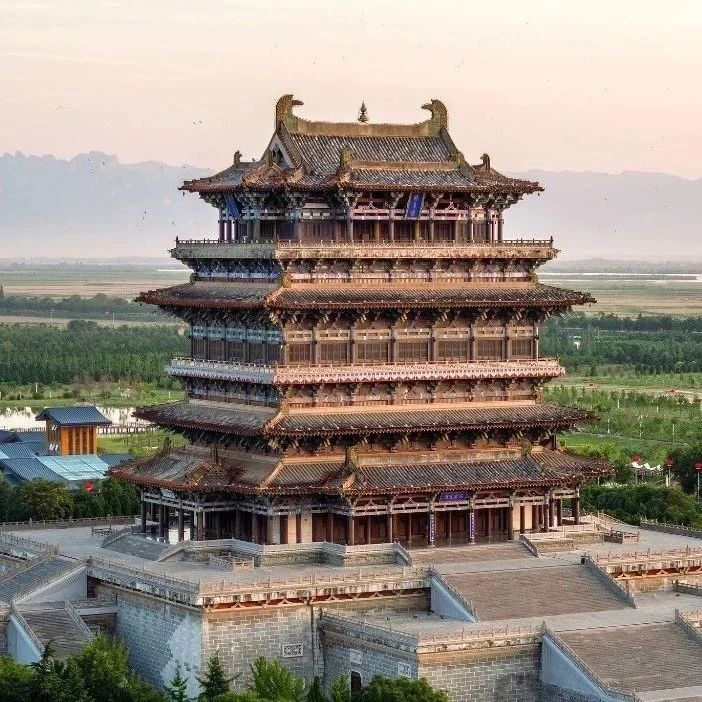
Core Viewpoint - The article discusses the transformation of Liangma River in Beijing into a vibrant public space for young professionals, highlighting its role as a recreational area and social hub, while also addressing the challenges of increased commercialization and crowding [4][20][21]. Summary by Sections Liangma River as a Recreational Space - Liangma River has become a popular spot for young professionals to unwind after work, offering activities like kayaking and paddleboarding, which have gained popularity since 2022 [4][8][9]. - The river's environment fosters social interactions among users, creating a sense of community despite the anonymity of urban life [16][17]. Development and Transformation - The river, originally a drainage channel, underwent significant renovations starting in 2016, including ecological restoration and beautification, culminating in its current status as a scenic waterway by 2019 [13][20]. - The river's transformation reflects broader urban planning efforts to create public spaces that accommodate diverse social interactions and cultural expressions [14][20]. Economic Impact - The commercial activity around Liangma River has surged, with a reported 14% increase in total visitor traffic and over 400 brands establishing a presence in the area, leading to a 37% year-on-year growth in commercial revenue, reaching 4 billion yuan in 2023 [20][21]. - The influx of visitors has raised concerns about overcrowding, prompting discussions about the need for alternative recreational spaces in the city [20][21]. Alternative Waterways - Other rivers in Beijing, such as Kunyu River and Wenyu River, are emerging as new options for water-based activities, offering better water quality and less crowded environments compared to Liangma River [21]. - These alternative locations provide a sense of independence and tranquility, appealing to young professionals seeking a break from the urban hustle [21].

LP有耐心,GP才能耐心
投资界· 2025-07-07 14:36
Core Viewpoint - The discussion emphasizes the importance of patience in the relationship between General Partners (GPs) and Limited Partners (LPs) in the current investment climate, highlighting the need for mutual understanding and collaboration to navigate the challenges of the venture capital industry [2][5][21]. Group 1: Industry Trends - The 19th China Fund Partners Conference gathered key players in the investment industry to discuss the latest trends and dynamics in the LP market, focusing on the new cycle of venture capital [2][5]. - The current investment environment is characterized by a cooling period, necessitating GPs and LPs to work closely together and support each other [5][9]. Group 2: Company Insights - Dongfang Jiafu, a mixed-ownership technology investment institution, manages over 16 billion RMB in funds and focuses on early to mid-stage investments in sectors like intelligent manufacturing and life sciences [6]. - Shanghai Science and Technology Innovation Fund, established in 2017, has a management scale of 170 billion RMB and has invested in over 2,500 projects, with 159 companies listed [7]. - Yicun Capital, founded in 2015, has a management scale exceeding 300 billion RMB and focuses on sectors such as healthcare and artificial intelligence, with a strong emphasis on mergers and acquisitions [8]. Group 3: GP and LP Relationship Dynamics - The relationship between GPs and LPs has evolved, with LPs becoming more proactive and demanding, leading to a need for GPs to adapt their investment strategies accordingly [9][10]. - The collaboration between GPs and LPs is increasingly seen as a partnership, requiring shared goals and mutual understanding to achieve long-term success [14][20]. - The market has seen a significant shift, with state-owned LPs now accounting for approximately 80% of the total, indicating a change in the investment landscape [15][16]. Group 4: Patience Capital - The concept of "patience capital" is crucial in the current investment environment, where both GPs and LPs must cultivate trust and understanding to foster long-term relationships [21][22]. - The need for patience is particularly relevant in the context of technology innovation and early-stage investments, which require time to mature and yield returns [24][25]. - Effective communication and transparency between GPs and LPs are essential for building trust and ensuring that both parties can navigate the uncertainties of the market together [23][24].