投资界

Search documents
LP圈发生了什么
投资界· 2025-07-12 07:46
LP 2 0 0亿,苏州开抢了 「解码 LP 」系投资界旗下专注 LP 报道公众号,关注各地基金政策,捕捉 LP 最新动态,欢迎关注! 根据公开信息统计:截至周五下午,本周(7月5日-7月11日)LP动态共31起。 投资界-解码LP获悉,7月1 0日在2 0 2 5高校技术转移转化大会暨第二届苏州国际科创大会、 第十七届国际精英创业周开幕式上,苏州一举发布两大百亿级基金。 其中,苏州市重大产业发展基金专注于重大产业领域"链主级"项目,单一项目投资额不低 于5亿元,瞄准苏州" 1 0 3 0 "产业体系发展。同一天,总规模1 0 0亿的苏州人才壹号基金也正 式发布。具体来看,苏州市重大产业发展基金由苏州国投集团牵头市、区两级国资联动设 立,由苏州国投集团下属苏州产业投资私募基金管理有限公司担任基金管理人,总规模1 0 0 亿元。投资方向上,基金专注于重大产业领域的"链主级"项目,全方位助力苏州" 1 0 3 0 "产 业体系升级发展。 苏州人才壹号基金由苏创投集团作为发起人,总规模1 0 0亿元,首期2 5亿元,存续期1 5年。 同步设立人工智能、低空经济、生物医药、文化创意、青年创业等子基金,重点投向领军人 ...


200亿,苏州开抢了
投资界· 2025-07-11 07:32
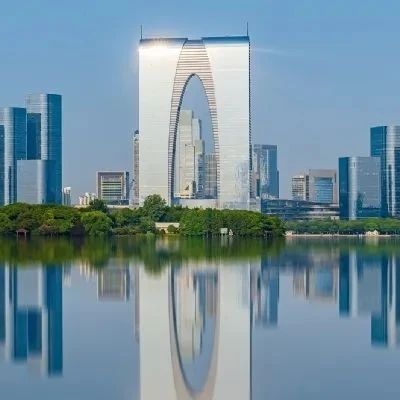
Core Viewpoint - Suzhou has launched two major funds, each with a scale of 100 billion yuan, to attract talent and projects, emphasizing the development of "chain master" enterprises within its industrial ecosystem [3][9][10]. Fund Details - The Suzhou Major Industrial Development Fund, led by Suzhou Guotou Group, focuses on "chain master" projects with a minimum investment of 500 million yuan per project, targeting the "1030" industrial system development [6][7]. - The Suzhou Talent No. 1 Fund, initiated by Suzhou Chuangtou Group, also has a total scale of 100 billion yuan, with an initial phase of 25 billion yuan, and aims to support leading talents and startups in various sectors [7][8]. Investment Strategy - The funds will primarily invest in strategic emerging industries and future industries, enhancing capital operation professionalism and project cultivation efficiency [7][11]. - The investment direction includes focusing on terminal chain master enterprises and key projects with scarce resources and core technologies [7][12]. Talent Attraction - The establishment of the 100 billion yuan talent fund is part of Suzhou's broader strategy to attract talent, offering subsidies for transportation, accommodation, and living expenses to eligible young talents [13]. - The talent fund will support four main areas: leading talents, competition winners, startups, and hard technology [8][13]. Industrial Ecosystem - Suzhou is actively cultivating "chain master" enterprises to drive the development of related businesses, aiming to form a robust industrial cluster [11][12]. - The city has established a "1030" industrial system, which includes three trillion-level industries and eleven hundred-billion-level industries, enhancing its position in the national investment landscape [13][14].
高考结束,扎堆整容
投资界· 2025-07-11 07:32
Core Viewpoint - The article discusses the rising trend of cosmetic surgery among young people in China, particularly focusing on the motivations and societal influences driving this phenomenon, as well as the implications for the medical aesthetics industry [3][10]. Industry Overview - The Chinese medical aesthetics market is projected to reach a scale of 350 to 400 billion yuan by 2025, with Generation Z (born after 1995) contributing 62% of the consumer share, averaging an annual expenditure of 28,000 yuan, significantly higher than the "post-80s" generation [8][9]. - The demand for medical aesthetics is rapidly increasing, leading to the emergence of companies like Huaxi Biological, Aimeike, and Haohai Biological, which are referred to as the "three swordsmen of medical aesthetics" due to their high profit margins and market presence [9]. Consumer Behavior - Young consumers are increasingly seeking cosmetic procedures as a means of self-improvement, often motivated by social media influences and personal insecurities regarding their appearance [16][36]. - The trend has shifted from traditional surgical procedures to "light medical aesthetics," where non-invasive treatments are preferred, reflecting a desire for natural-looking results [24][25]. Psychological Aspects - Many young individuals view cosmetic surgery as a way to alleviate personal insecurities and enhance their self-image, often influenced by societal standards of beauty propagated through social media [36][39]. - The article highlights that the perception of beauty has become homogenized, leading to a collective anxiety about meeting these standards, which can result in a cycle of dissatisfaction and further cosmetic interventions [38][39]. Risks and Considerations - Despite the popularity of non-invasive procedures, there are significant risks involved, particularly for younger individuals who may not fully understand the medical implications of cosmetic treatments [25][26]. - The article emphasizes the importance of thorough research and awareness regarding the qualifications of practitioners and the safety of procedures, as many young consumers may underestimate the risks associated with cosmetic enhancements [26].

今年四川最大融资诞生,50亿
投资界· 2025-07-11 07:32
Core Viewpoint - Tongwei Co., Ltd. has successfully raised nearly 5 billion yuan through its subsidiary Yongxiang Co., Ltd., marking the largest financing record in Sichuan this year, with a pre-investment valuation of Yongxiang reaching 27 billion yuan [1][2][4]. Group 1: Financing Details - Yongxiang Co., Ltd. introduced 11 strategic investors, collectively investing 4.916 billion yuan, which is half of the previously expected amount, but still the largest financing in Sichuan this year [5]. - The post-investment valuation of Yongxiang is expected to exceed 30 billion yuan [5]. - The funds raised will be used to repay bank loans and supplement working capital for Yongxiang and its subsidiaries [5]. Group 2: Company Background - Yongxiang Co., Ltd. was established in 2002 and is a key subsidiary of Tongwei Co., Ltd., specializing in high-purity crystalline silicon, a core material for solar cells [6][7]. - Yongxiang has a production capacity of over 900,000 tons of high-purity crystalline silicon across four production bases in Sichuan and Inner Mongolia [7]. - In 2023, Yongxiang achieved revenue of 45.03 billion yuan, with a net profit of 15.18 billion yuan, although it faced a net loss of 990 million yuan in the first three quarters of 2024 due to industry challenges [7]. Group 3: Leadership Transition - Liu Shuqing, born in 1989, has taken over leadership of Tongwei Co., Ltd. as CEO, focusing on digital transformation and global supply chain development [11][13]. - Under her leadership, Tongwei has secured significant contracts and expanded its international presence, with products now used in over 70 countries [13]. Group 4: Industry Context - Leshan, where Yongxiang is located, is recognized as "China's Green Silicon Valley," housing multiple leading companies in the photovoltaic industry and forming a significant industrial cluster [15][16]. - The region is also developing a new energy storage industry, with plans to establish a comprehensive production base for vanadium flow batteries by 2027 [17]. - Sichuan's renewable energy sector is rapidly growing, with projected revenues of approximately 2,350 billion yuan in 2024, including 1,950 billion yuan from photovoltaics [18].


AI时代的机会
投资界· 2025-07-11 07:32
Core Viewpoint - The article emphasizes the importance of staying updated with the latest trends and developments in the investment sector, particularly in the context of venture capital and startup ecosystems [1] Summary by Relevant Sections - The article highlights the dynamic nature of the investment landscape, noting that new opportunities and challenges continuously arise in the venture capital space [1] - It discusses the significance of networking and building relationships within the investment community to identify potential investment opportunities [1] - The article also points out the role of technology and innovation in shaping investment strategies and decision-making processes [1]

lululemon的对手被卖了
投资界· 2025-07-10 03:21
Core Viewpoint - The acquisition of the British high-end yoga apparel brand Sweaty Betty by Chinese e-commerce and brand management company Baozun represents a significant trend in the consumer brand acquisition era, highlighting the increasing interest of Chinese companies in global classic consumer brands [4][5][9]. Group 1: Acquisition Details - Baozun has acquired Sweaty Betty's China operations, marking it as the third international brand purchased by the company, following Gap and Hunter [4]. - Sweaty Betty, founded in 1998, focuses on high-end women's sportswear with a price range of 480 to 1180 RMB, but has struggled to gain a foothold in the Chinese market, closing its only store in mainland China in March 2023 [7][8]. - In 2023, Sweaty Betty's overall revenue was reported at 203 million USD, indicating challenges in the competitive Chinese sportswear market [8]. Group 2: Baozun's Financial Performance - Baozun has been operating at a loss in recent years, with projections indicating continued losses in 2024. However, the company has actively pursued acquisitions to drive growth [9]. - The acquisition of Gap's China business for 40 million USD in late 2022 and Hunter in 2023 has contributed to a 23.4% year-on-year revenue increase in Baozun's brand management business for Q1 2025, amounting to approximately 390 million RMB [9]. - Baozun's adjusted operating loss narrowed by 28.1% year-on-year, indicating improved performance from the acquired brands [9]. Group 3: Broader Industry Trends - The consumer acquisition landscape is witnessing a surge, with companies like Anta acquiring brands such as MAIA ACTIVE and expanding their global presence through strategic purchases [11]. - Other notable acquisitions include the purchase of the French luxury brand Bonpoint by Youngor Group and the acquisition of the international outdoor brand Woolrich by a traditional menswear brand [12]. - The trend reflects a broader strategy among Chinese companies to enhance their business lines and achieve scale through the acquisition of foreign consumer brands [12][14].


人口暴涨近500万,成都凭什么
投资界· 2025-07-10 03:21
Core Viewpoint - Chengdu has experienced significant population growth, with a 30% increase over the past five years, reaching a resident population of 21.47 million, which has elevated its urbanization rate above the national average [3][4][5]. Population Growth and Composition - Chengdu's resident population increased from 16.58 million to 21.47 million over five years, with a net increase of nearly 4.9 million [3][4]. - In 2020, Chengdu's resident population was 20.93 million, with 6.39 million being external migrants, accounting for 31% of the total population [5][6]. - The majority of incoming migrants are from within Sichuan province (77%), with notable external migration from Chongqing and Henan [5][6][7]. Reasons for Migration - The primary reasons for migration to Chengdu are employment (55%) and education (13%) [8]. - Chengdu's rich educational resources have led to an increase in university students from 972,000 in 2019 to 1.307 million by 2024, ranking fourth nationally [9]. Labor Market Dynamics - The job market in Chengdu has become increasingly competitive, with a decrease in the job-seeker ratio from 2.39 in Q1 2021 to 1.43 in Q1 2025, indicating a tightening labor market [13]. - Despite the competitive environment, Chengdu's job market remains attractive, with a significant increase in job offerings, growing from 59,400 in Q1 2021 to 1.0165 million in Q1 2025 [13]. Economic Development and Population Density - Chengdu's population density in 2024 is projected to be 1,498 people per square kilometer, significantly lower than the threshold identified for economic development [15][16]. - Scholars suggest that China's urban population density is still lagging behind developed countries, indicating potential for further growth [16]. Quality of Life and Living Conditions - Chengdu is recognized for its livability, being ranked as the top new first-tier city for 11 consecutive years and the happiest city for 16 years [19]. - The city offers a vibrant lifestyle with a mix of modern amenities and cultural experiences, making it appealing for residents [22][24]. - Rental prices in Chengdu are lower compared to first-tier cities, with newer housing options available [23]. Conclusion - Chengdu's rapid population growth, competitive job market, and high quality of life contribute to its status as a major urban center in China, attracting both internal and external migrants [3][4][19][24].

独家|稚晖君,目标赴港上市
投资界· 2025-07-10 03:21
Core Viewpoint - The acquisition of a listed company by Zhiyuan Robotics is seen as a significant move towards enhancing its capital market presence, with plans for a future IPO in Hong Kong remaining unchanged [1][17]. Group 1: Acquisition Details - The acquisition consists of two main steps: first, a share transfer where Zhiyuan Robotics will acquire 24.99% and 5% of the shares of the listed company, totaling approximately 7.84 billion and 1.57 billion respectively, at a price of 7.78 yuan per share [3][4]. - Following the share transfer, Zhiyuan will initiate a tender offer for an additional 37% of the shares at the same price, amounting to a total consideration of about 11.61 billion [4]. - Ultimately, Zhiyuan and its affiliates will hold 63.62% of the listed company, achieving absolute control [5]. Group 2: Strategic Implications - The acquisition is expected to create business synergies and enable Zhiyuan to inject more quality assets into the listed company, facilitating internal incubation and accelerating commercialization in various application fields [5][17]. - This transaction marks a significant milestone for Zhiyuan Robotics, being the first major acquisition by a general robotics company in the capital market, which could serve as a reference for similar companies [5][9]. Group 3: Market Context - The move is perceived as a new pathway for companies with sufficient cash and promising business prospects to enter the capital market, especially given the lengthy process of traditional IPOs [16]. - Other robotics companies are also preparing for IPOs, with several already submitting applications to list in Hong Kong, indicating a competitive landscape in the robotics sector [19][20].

创投大咖闭门分享!沙丘开学精彩回顾
投资界· 2025-07-10 03:21
Core Viewpoint - The article emphasizes the importance of continuous learning and adaptation in the investment and venture capital industry, highlighting the recent recovery in the market and the need to identify hidden opportunities amidst uncertainty [4][6]. Group 1: Opening Ceremony - The "Sandy Dunes Research Institute Huangpu Class 15" opening ceremony and "Class 13" graduation took place in Shanghai, gathering nearly a hundred investors, entrepreneurs, and alumni to embark on a journey of theoretical and practical integration in venture capital [3][4]. - The founder and chairman of Qingke Group, Ni Zhengdong, reflects on the rapid rise of China's venture capital landscape and the shift towards "patient capital" and "long-term capital" as key themes for future development [4][6]. Group 2: Keynote Speeches - Ni Zhengdong discusses the recent recovery in the venture capital market, noting significant growth in IPOs and a resurgence in the Hong Kong stock market, emphasizing the importance of recognizing opportunities during uncertain times [6]. - Mentor Li Wei highlights the transformative impact of artificial intelligence, urging participants to embrace and harness AI for enhanced decision-making and investment strategies [9]. - Mentor Mi Lei emphasizes the golden era for hard technology investment and entrepreneurship in China, introducing the "ESK Value Investment System" which focuses on economic, social, and knowledge value [11]. Group 3: Graduation and New Class - The graduation ceremony for Class 13 and the welcoming of Class 15 encapsulated the essence of the motto "Seek Knowledge, Know Oneself, Aspire to Greatness," fostering a sense of belonging and honor among participants [13][15]. - The ceremony featured heartfelt reflections from graduates, emphasizing the importance of practical experience and the wisdom gained during their time at the institute [14][15]. Group 4: Course Content - The first class of the new term included discussions on "Investment Capability Models," covering topics such as venture capital history, track selection methods, and early-stage investment strategies, led by various mentors [56]. - Mentor Fei Jianjiang shared insights from over a decade of early-stage investment experience, providing a replicable thought framework for investment strategies [28]. - Mentor Yu Tong discussed the characteristics of "Chinese-style mergers and acquisitions," offering a valuable blueprint for navigating the current investment landscape [30]. Group 5: Alumni Association - The establishment of the "Sandy Dunes Research Institute Alumni Association" aims to enhance communication and collaboration among nearly 800 alumni, fostering a supportive ecosystem for ongoing development [36][39]. - The association's president, Ni Zhengdong, expressed optimism for the future, highlighting 2025 as a pivotal year for both the venture capital industry and the institute's growth [39].
电子三件套,收割中国男生
投资界· 2025-07-09 03:31
Core Viewpoint - The article discusses the evolving consumer behavior of men, particularly in the context of gaming peripherals, highlighting the increasing demand for high-end keyboards, game controllers, and RGB lighting as essential components of their gaming setups [3][66]. Group 1: Market Overview - The Chinese keyboard market is projected to reach approximately 15 billion yuan by 2025, with expectations to grow to 30 billion yuan within five years [69]. - The game controller market in China is emerging rapidly, with sales exceeding 4 million yuan in a single day following the launch of a popular game, and is expected to surpass 3 billion yuan by the end of the year [69]. - High-end products in the gaming peripheral market contribute significantly to sales, with less than 15% of sales volume accounting for nearly 30% of revenue [70]. Group 2: Product Characteristics - Keyboards are increasingly valued for their weight and sound quality, with high-end models often weighing over 3 kg and featuring a sound profile that has evolved to be more refined and pleasant [19][30]. - Game controllers are becoming more customizable, with features that allow users to adjust sensitivity and feedback, catering to various gaming scenarios [50][55]. - RGB lighting has transitioned from basic functionality to a more sophisticated aesthetic, with high-end products emphasizing synchronized lighting effects that respond to user actions [63][64]. Group 3: Consumer Behavior - The article notes that men are willing to invest significantly in gaming peripherals, driven by a desire for customization and personal expression through their setups [66][107]. - The phenomenon of "modding" or customizing gaming equipment is highlighted as a way for men to engage deeply with their hobbies, providing a sense of control and satisfaction [100][111]. - The emotional value associated with high-end gaming peripherals is emphasized, as they serve not only functional purposes but also fulfill psychological needs for identity and self-expression [81][112].