投中网

Search documents
工业机器人“一哥”,又要IPO了
投中网· 2026-01-23 07:26
以下文章来源于东四十条资本 ,作者陈美 东四十条资本 . 聚焦股权投资行业人物、事件、数据、研究、政策解读,提供专业视角和深度洞见 | 创投圈有趣的灵魂 将投中网设为"星标⭐",第一时间收获最新推送 71岁大学老师有望迎来人生第二个IPO。 同时,依托于南京作为传统制造业重镇的优势,埃斯顿在早期精准对接了本地金属加工企业的自动化升级需求,凭借高性价比产品与快速响应服务,逐 步完成技术验证与原始积累。 作者丨陈美 编辑丨王庆武 来源丨 东四十条资本 港股IPO热潮涌动。 近日,国内工业机器人出货量第一的埃斯顿(002747.SZ),向港交所递交招股书。招股书显示,2025年上半年,埃斯顿在国内市场上的出货量超越 外资品牌,成为首家登顶中国工业机器人解决方案市场的国产机器人企业。与此同时,按收入计,公司亦跻身中国工业机器人公司首位。 从成立到全国出货量第一,埃斯顿崛起的背后是一位大学老师。招股书显示,截至IPO时,曾在南京林业大学(下称南林)当了4年老师的吴波直接持股 12.74%,并与妻子刘芳、儿子吴侃通过南京派雷斯特间接持股29.26%,成为公司最大股东。 随着埃斯顿再战港交所,这位71岁大学老师也有望迎来人 ...


一把刀与一辆奔驰:百年老号的“冰火两重天”
投中网· 2026-01-23 07:26
Core Viewpoint - The article discusses the crisis faced by the century-old brand "Zhang Xiaoqin," highlighting the stark contrast between the brand's operational success and the financial troubles of its parent company, Fuchun Holdings, which is burdened with over 5 billion yuan in debt [4][6]. Group 1: Brand Crisis and Debt Issues - The auction of a ten-year-old Mercedes-Benz belonging to Zhang Xiaoqin Group reflects the brand's current struggles, as the vehicle's price dropped from 600,000 yuan to 384,000 yuan without attracting buyers [4]. - Zhang Xiaoqin Co., as a listed entity, reported revenue and profit growth for the first three quarters of 2025, indicating that the core business is not failing; rather, the issues stem from the parent company's debt crisis [6][9]. - Fuchun Holdings' aggressive expansion into high-leverage sectors like real estate and finance has led to a complex web of cross-shareholding and guarantees, dragging Zhang Xiaoqin Group into a debt quagmire [8][9]. Group 2: Impact of Diversification - The brand's core foundation is being eroded due to resource misallocation, as the parent company's focus has shifted away from the traditional knife and scissors business to real estate and capital operations [9][10]. - Negative publicity surrounding the parent company's debt issues has tarnished the brand's reputation, leading to consumer doubts about product quality and stability [10]. - The judicial freezing and pledging of 28.23% of the listed company's shares owned by Zhang Xiaoqin Group highlight the financial strain and the potential loss of control over the brand [10]. Group 3: Lessons from Other Brands - The article draws parallels with other brands that have faced similar crises due to blind diversification, such as Renhe Pharmaceutical and Two-Sided Needle, which diluted their core business and brand value [12][13]. - Successful recovery strategies often involve a painful return to core competencies, as demonstrated by Bosideng's focus on down jackets after diversifying unsuccessfully [15][20]. - The case of GAP in China illustrates the effectiveness of deep localization and strategic restructuring in revitalizing a struggling brand [18]. Group 4: Strategic Insights - Brands must respect their core business and focus on deepening their unique value proposition rather than pursuing broad diversification [20][21]. - Successful diversification should stem from natural extensions of core capabilities rather than arbitrary cross-industry ventures [21]. - The article emphasizes the importance of maintaining brand independence and security in capital partnerships to avoid becoming collateral damage in financial games [21].

首发丨曦望完成近30亿元战略融资,All-in推理GPU
投中网· 2026-01-22 07:07
Core Insights - The article highlights the transition of the AI industry from "training dividends" to "inference dividends," as evidenced by the significant investment in the company Sunrise, which focuses on inference GPU chips [2][4]. Group 1: Investment and Market Trends - Sunrise has completed nearly 3 billion yuan in strategic financing within a year, with investments from various industry players and well-known VC/PE institutions [2]. - The funding will primarily be used for the development of the next generation of inference GPUs, large-scale production, and ecosystem building [2]. Group 2: Company Background and Team - Founded in 2020, Sunrise originated from the chip department of SenseTime and has a deep understanding of model evolution, operator optimization, and customer needs [4]. - The core team consists of experienced professionals from companies like AMD, Baidu, and SenseTime, with an average of 15 years in the industry [4]. Group 3: Product Development and Innovation - Sunrise has developed three generations of chips, with a focus on reducing inference costs and improving efficiency, rather than competing on general GPU parameters [6]. - The company has invested 2 billion yuan in R&D over the past few years and holds over 200 core patents [6]. Group 4: Strategic Positioning - The company aims to significantly reduce inference costs and provide stable services, positioning itself as a "profit and loss optimizer" for the AI industry [8]. - Sunrise's focus on real-world economic metrics rather than just technical specifications differentiates it from other domestic chip manufacturers [8]. Group 5: Future Goals and Industry Impact - The goal is to drastically lower the cost and accessibility of large model inference, thereby unlocking the full potential of AGI [9]. - Sunrise's rise signifies a shift in the domestic AI chip landscape from "catching up" to "leading through differentiation" [9].

“印钞机”变“碎钞机”,光伏集体巨亏
投中网· 2026-01-22 06:06
Core Viewpoint - The photovoltaic industry is undergoing a significant restructuring, with major companies expected to report substantial losses in 2025 due to overcapacity, price wars, and rising raw material costs [5][10][12]. Group 1: Industry Overview - Trina Solar forecasts a loss of 65-75 billion yuan for 2025, contributing to a total expected loss of over 600 billion yuan across the photovoltaic sector [5][10]. - The entire industry chain, from upstream silicon materials to downstream components, is experiencing collective losses, with the gross profit margin for polysilicon dropping to -6.30% in the first half of 2025, compared to 73% in 2022 [12][13]. - The price of silver has surged by 140% over two years, further compressing profits as component prices have fallen below cash cost levels [6][14][16]. Group 2: Key Indicators for Industry Restructuring - Analysts suggest monitoring three key indicators for the industry's clearing process: energy consumption, conversion efficiency, and profit margins [7][19]. - The industry is expected to enter a brutal elimination phase in 2026, focusing on energy efficiency, technology, and cost [8][18]. Group 3: Company Performance and Differentiation - Major companies like LONGi Green Energy and Tongwei Co. are projected to incur significant losses, but some are showing signs of reduced losses compared to previous years [21]. - TCL Zhonghuan is facing challenges due to high energy consumption and outdated production processes, leading to a decline in competitiveness [21][23]. - Companies are investing in new technologies, such as LONGi's focus on BC cell technology and Tongwei's optimization of silicon material costs, to prepare for the upcoming technological competition in 2026 [25].




VC亲自操刀“重组”:明星消费品牌刚刚上市了
投中网· 2026-01-22 06:06
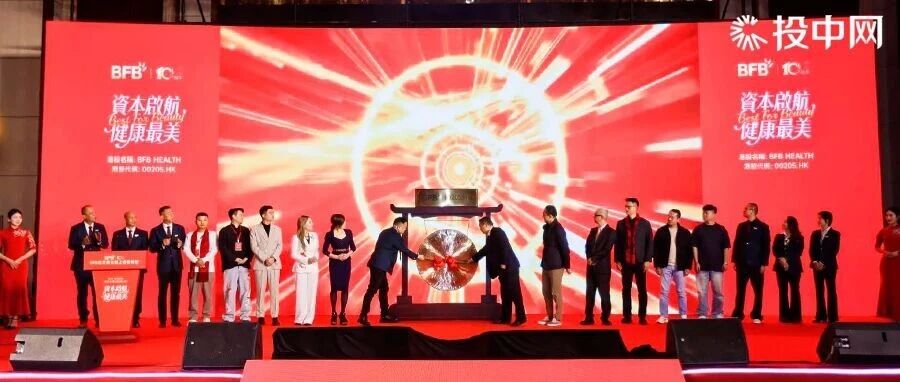
Core Viewpoint - BFB HEALTH successfully listed on the Hong Kong Stock Exchange through an unconventional asset securitization method, led by its early investor, Huaying Capital, rather than traditional investment banks or large PE firms [4][5][16]. Group 1: Company Background - BFB HEALTH, formerly known as Duoyanshou, was co-founded in 2015 by Wu Mansheng and Zheng Duoyan, initially focusing on health food products [8]. - The company achieved a cumulative GMV exceeding 10 billion yuan by 2020, primarily through popular products like SOSO jelly [8]. Group 2: Investment Journey - Huaying Capital invested over 100 million yuan in Duoyanshou's A-round financing in 2021, recognizing the potential of functional food and the company's strong private traffic moat [9][10]. - The investment was prompted by the company's stable revenue and profit, supported by a direct-to-consumer (DTC) model that enhanced user loyalty and repeat purchases [10]. Group 3: Strategic Transformation - In 2022, Duoyanshou faced external challenges, including negative public sentiment towards functional foods and tightening IPO regulations, prompting a strategic pivot [11][12]. - Huaying Capital proposed a merger and acquisition (M&A) strategy to help Duoyanshou transition beyond health products, inspired by the success of U.S. telemedicine company Hims & Hers [13][14]. Group 4: Execution of M&A Strategy - The strategic transformation involved collaboration with an A-share listed company to develop domestic semaglutide and establishing a cross-border drug supply chain to meet immediate user needs [14][15]. - The complex M&A process required deep expertise in Hong Kong's capital market, which was facilitated by Huaying Capital's partner, who had extensive experience in successful listings [15][16]. Group 5: Active Management Strategy - The successful listing of BFB HEALTH signifies Huaying Capital's shift from traditional financial investment to proactive management, aiming to create controllable alpha returns [18][19]. - The firm plans to identify and actively manage "proactive management assets" and engage deeply in the strategic and operational aspects of its portfolio companies [20]. Group 6: Future Outlook - BFB HEALTH is envisioned as an industry integration platform, with plans to acquire synergistic brands and supply chain companies to enhance its market value [21][22]. - Huaying Capital's ongoing evolution includes expanding its team with investment banking professionals to support its proactive management and ecosystem-building strategies [22][24].
2025年度并购报告,广东赢麻了
投中网· 2026-01-22 06:06
Group 1 - In 2025, the Chinese M&A market saw a total of 5,086 announced transactions, a decrease of 20.27% year-on-year, while the total transaction amount reached 2,373.515 billion yuan, an increase of 29.08% [7] - The completed transactions in 2025 amounted to 3,342, a slight increase of 0.45% year-on-year, with a total transaction value of 1,485.131 billion yuan, up 54.41% year-on-year, indicating a structural optimization trend in the market [9][10] - The Guangdong province continued to lead the M&A market in China, benefiting from the dual innovation drive of the Guangdong-Hong Kong-Macao Greater Bay Area, with electronic information, traditional manufacturing, healthcare, and energy mining being the hot sectors [10][31][32] Group 2 - In 2025, private equity funds showed a recovery in exit numbers, with 469 exits, a year-on-year increase of 22.77%, and a total capital recovery of 64.215 billion yuan, up 8.54% year-on-year [17] - Notable exits included TCL Technology's acquisition of a 21.53% stake in Shenzhen Huaxing Optoelectronics for 11.562 billion yuan and Silex Group's acquisition of Chongqing Liangjiang New Area Longsheng New Energy for 3.509 billion yuan [20][21] Group 3 - In 2025, there were 20 M&A transactions exceeding 10 billion yuan, with the largest being China Shipbuilding Industry's acquisition of China Shipbuilding Heavy Industry for 115.15 billion yuan, marking a significant milestone in China's shipbuilding industry [23] - Major domestic M&A cases included Guotai Junan's merger with Haitong Securities for approximately 97.609 billion yuan and Shandong Hongchuang's acquisition of Shandong Hongtu for 63.518 billion yuan [24][25] Group 4 - The cross-border M&A market in 2025 saw a total of 144 transactions, with outbound M&A accounting for 79 and inbound M&A for 65, reflecting a year-on-year decline of 13.77% [26] - Notable cross-border transactions included Midea Group's acquisition of Teka Group for 8.287 billion yuan and Zijin Mining's acquisition of Newmont Golden Ridge for 7.315 billion yuan [27][29] Group 5 - The M&A market in 2025 was characterized by a structural differentiation of "quantity reduction and price increase," with a notable shift from quantity dividends to quality dividends [10] - The electronic information sector led the number of transactions with 579 deals, accounting for 17.32%, while the financial sector had the largest disclosed transaction value at 203.596 billion yuan, representing 13.71% of the total [34][36]





关于公开遴选邳州市战新产业投资基金合伙企业(有限合伙)子基金管理机构的公告
投中网· 2026-01-22 06:06
Core Viewpoint - The article discusses the establishment of the Pizhou Strategic Emerging Industry Investment Fund, which aims to promote high-quality development in strategic emerging industries in Pizhou City, with a total scale of 1 billion yuan [3]. Group 1: Fund Structure and Requirements - The fund will primarily invest in sectors such as semiconductor equipment and materials, high-end intelligent manufacturing, integrated circuits, new energy, new materials, and circular economy [4]. - The fund will adopt a limited partnership structure [5]. - Sub-funds are encouraged to register in Pizhou City, with the main fund contributing over 20% of the sub-fund's total raised capital [6]. - The duration of the sub-funds will generally not exceed 8 years, with possible extensions upon approval [8]. Group 2: Investment and Management Guidelines - The cumulative investment in a single sub-fund will not exceed 25% of its total raised capital, with specific exceptions [9]. - Management fees for sub-funds will be differentiated based on industry practices and fund size, with a cap on fees during investment and exit periods [10]. - Sub-funds must invest at least 1.5 times the actual contribution from the main fund into projects located in Pizhou City [11]. Group 3: Investment Decision and Restrictions - Investment decisions will be made by the sub-fund management based on market mechanisms, with representation from the main fund if its investment exceeds 25% [14]. - Sub-funds are prohibited from engaging in certain activities, including providing guarantees, investing in secondary market stocks (with exceptions), and other financial derivatives [16][17]. Group 4: Reporting and Evaluation - Sub-fund management must submit quarterly financial and operational reports to the main fund management within 35 days after each quarter [19]. - The main fund will conduct annual evaluations of sub-fund management operations, linking results to management fee payments and profit-sharing [21]. Group 5: Application and Selection Process - Interested institutions must submit an application report and undergo a multi-step selection process, including initial review, due diligence, and investment decision meetings [30][31][32][33]. - The final list of selected sub-fund management institutions will be publicly announced [34].

对话张野、王京:我们才是风险投资在中国扎根的第一代
投中网· 2026-01-22 04:03
Core Viewpoint - The article discusses the evolution of venture capital in China, highlighting two significant entrepreneurial waves: one around 2005 and another from 2012 to 2018, which shaped the investment landscape and methodologies in the country [3][4][5]. Group 1: Historical Context - The first entrepreneurial wave in 2005 was characterized by a sense of novelty and exploration, coinciding with China's entry into the WTO and the aftermath of the internet bubble burst in the West, leading to increased interest from foreign investors [4]. - The second wave from 2012 to 2018 saw China transition from a market observer to a market leader, having learned from past financial crises, thus allowing for a more mature and self-aware venture capital environment [5][6]. Group 2: VC 2.0 Era - The period from 2012 to 2018 is referred to as the VC 2.0 era, where younger investors, particularly those born in the 70s and 80s, began to establish their own firms, reflecting a shift towards self-expression and new investment rules [8][10]. - The emergence of VC 2.0 is seen as a response to the limitations of the previous generation, with new investors seeking to redefine the venture capital landscape in China [8][25]. Group 3: Personal Experiences and Insights - The article features personal anecdotes from industry participants, illustrating the diverse backgrounds and motivations that led them to venture capital, including a transition from music to investment [15][30]. - The importance of continuous learning and adaptation in the venture capital field is emphasized, with individuals sharing their experiences of learning from early investments and the necessity of maintaining emotional discipline in decision-making [31][36]. Group 4: Future Perspectives - There is a discussion on the potential for a VC 3.0, with industry leaders expressing optimism about the future evolution of venture capital in China, suggesting that new generations will continue to bring fresh perspectives and methodologies [52][53]. - The article concludes with reflections on the importance of passion and commitment in the venture capital industry, asserting that success is closely tied to one's dedication to the field [68].

2025年度IPO报告,一行业退出回报2000亿
投中网· 2026-01-21 06:47
Core Findings - In 2025, a total of 170 Chinese companies with VC/PE backgrounds went public, marking a 27.82% increase from 133 in 2024, with a VC/PE penetration rate of 57.82% [10][7] - The electronic information sector reported an exit return of nearly 200 billion yuan, with the Hong Kong Stock Exchange's main board showing the highest exit returns [7][11] - A total of 294 Chinese companies successfully completed IPOs globally, with both the number of IPOs and the amount raised showing signs of recovery [20][23] VC/PE Investment Analysis - The scale of VC/PE exit returns reached 431.8 billion yuan in 2025, a 116% increase from 199.9 billion yuan in 2024, with an average return rate of 2.89 times [11][10] - The electronic information industry had the highest exit return at 182.81 billion yuan, while the consumer sector had the highest return multiple at 13.71 times [11][16] IPO Market Overview - In 2025, the total number of IPOs in A-shares, Hong Kong, and U.S. markets was 294, with a 29.52% year-on-year increase, and the total amount raised was 372.5 billion yuan, up 152% [20][23] - The Hong Kong Stock Exchange's main board led with 111 IPOs, while the Nasdaq Capital Market followed with 57 [23][38] Sector Performance - The electronic information sector led with 48 IPOs, followed by advanced manufacturing and healthcare with 47 and 41 IPOs, respectively [53][56] - The energy and mining sector raised the most funds at 784.38 billion yuan, while the average fundraising amount in the public utility sector surged by 6,935% [57][58] Regional Analysis - Jiangsu, Guangdong, and Hong Kong had the highest number of IPOs, with 46, 42, and 38 respectively, while Fujian led in fundraising with 571.78 billion yuan [59][64] - The number of IPOs in Inner Mongolia increased threefold, marking the highest growth rate [63][64] Notable IPOs - The top fundraising companies included Huadian New Energy, which raised over 100 billion yuan, and several electronic information companies like Moer Thread and Muxi Co., Ltd. [35][18]

我,00后,做VC
投中网· 2026-01-21 06:47
Core Viewpoint - The article discusses the evolving landscape of venture capital (VC) and the unique position of the post-2000 generation of investors, who are seen as having a natural advantage in understanding technology and its applications, particularly in the AI sector [2][3]. Group 1: Investment Landscape - The post-2000 generation of investors is entering a market characterized by a rebound in the industry and the rise of AI, which presents significant investment opportunities [2]. - The article highlights that the current VC environment is more competitive and mature, with fewer new institutions emerging, leading to limited upward mobility for young investors [14][25]. Group 2: Characteristics of Young Investors - Young investors typically possess strong educational backgrounds, often from prestigious universities, and have diverse internship experiences across various sectors before entering VC [7][12]. - This generation is marked by a strong self-awareness and a desire for meaningful work, rather than merely pursuing financial gain [3][12]. Group 3: Career Paths and Challenges - Many young investors are exploring different career paths, with some choosing to remain in VC to build credibility, while others opt for entrepreneurship to validate their skills [3][12]. - The article notes that young investors often face challenges in gaining decision-making power within established firms, as their roles tend to be more focused on project sourcing rather than strategic judgment [15][14]. Group 4: Perspectives on Success and Growth - The new generation of investors is less focused on traditional success metrics, such as rapid promotions, and more on long-term credit accumulation and personal growth within the industry [22][24]. - The article emphasizes that young investors are increasingly aware of the need to develop their own judgment systems amidst a rapidly changing market environment [24][25].