投中网

Search documents
奥尼尔,投资公司创始合伙人
投中网· 2025-10-16 03:14
Core Viewpoint - The article discusses the successful investment strategies of NBA players, particularly focusing on Shaquille O'Neal's recent partnership with Jacmel Partners and his history of profitable investments, highlighting a trend of athletes transitioning into business and investment roles [7][12]. Group 1: Shaquille O'Neal's Investment Journey - Shaquille O'Neal has joined Jacmel Partners as a founding partner, focusing on critical infrastructure investments across the U.S. [7][8] - O'Neal's investment history includes early investments in Google and being the second-largest individual shareholder in Authentic Brands Group, showcasing his investment acumen [8][11]. - During his NBA career, O'Neal earned approximately $286 million, ranking ninth in NBA salary history, and has diversified his income through endorsements and business ventures [10]. Group 2: Trends Among NBA Players - The trend of NBA players becoming business owners is growing, with figures like Magic Johnson and Kobe Bryant leading the way in establishing successful business empires [12][13]. - Current players like LeBron James and Stephen Curry are also engaging in various investment ventures, indicating a shift in how athletes manage their wealth [13][14]. - Common advantages for these athlete investors include substantial initial capital, strong personal brand influence, and insights into the sports industry [14]. Group 3: Chinese Athletes in Investment - Chinese athletes, such as Yao Ming, have also ventured into investment, with Yao establishing funds focused on the sports industry after his retirement [17][18]. - Yao Ming's successful transition from athlete to investor is highlighted, with his assets reportedly reaching 2.2 billion yuan, showcasing the potential for athletes to thrive in investment roles [18]. - The article notes that while there are successful examples, the overall landscape for athlete investors in China still has significant room for improvement [19].



“我把自己的创业故事,做成了一款游戏”丨后窗
投中网· 2025-10-15 08:44
Core Viewpoint - The article discusses the concept of "sandbox simulation" as a decision-making tool in venture capital and entrepreneurship, drawing parallels between military strategy and business strategy [5][6][7]. Group 1: Sandbox Simulation in Investment - "Sandbox simulation" originated from military strategy, where it was used to predict outcomes in warfare, and has now been adapted for corporate strategic planning [5][6]. - Shell Oil successfully used sandbox simulation in 1965 to anticipate the 1973 oil crisis, allowing for strategic adjustments that minimized potential losses [6]. - The article highlights the popularity of simulation games among venture capitalists, as they enjoy validating ideas and exploring possibilities in a simulated environment [6][7]. Group 2: Entrepreneurial Journey and Game Development - A reader, inspired by the article, developed a board game that simulates the entrepreneurial financing process based on their experiences in the semiconductor industry [7][8]. - The entrepreneurial journey began in 2021, leading to the creation of a startup focused on the consumer electronics supply chain in the Yangtze River Delta [8][9]. - Initial months of the startup were characterized by chaotic growth, with the founder handling multiple roles while also engaging with investors [9][10]. Group 3: Challenges in Startup Growth - As the company grew, the nature of investor inquiries shifted from curiosity to urgent questioning, reflecting the company's progress and the market environment [12]. - Delays in product development led to increased pressure, with the CEO adopting different personas to manage internal and external expectations [12][13]. - The startup faced typical challenges in the Chinese venture capital landscape, including intense work hours and chaotic project management [13][14]. Group 4: Game Mechanics and Design - The game design incorporates various elements such as trade wars, capital winter, and IPO fluctuations, allowing players to experience the complexities of entrepreneurship [16][17]. - Different industries are represented in the game, each with unique sales logic and production mechanisms, reflecting real-world market dynamics [17][19]. - The game also emphasizes the importance of talent and research mechanisms, introducing randomness to simulate the unpredictability of startup success [21][22]. Group 5: Investment Mechanism in the Game - The game ties its victory conditions to venture capital milestones, mirroring real-life funding rounds and market expectations [24]. - Players aim to achieve specific project milestones to secure funding, with the game simulating the pressure of meeting investor demands [24]. - The final goal is to achieve a successful IPO, with players' wealth calculated based on their company's valuation at the end of the game [24][26].

汇智兰湖·聚力兰溪 | 首届兰溪创新创业大赛报名启动
投中网· 2025-10-15 08:44
Core Viewpoint - The article emphasizes the importance of fostering innovation and entrepreneurship through the "First Lankai Innovation and Entrepreneurship Competition," aimed at gathering resources and promoting high-quality economic development in Lankai [2][32]. Group 1: Event Overview - The competition is organized by Lankai Capital and co-hosted by China Venture, focusing on creating a platform for showcasing and exchanging innovative ideas [3]. - The event aims to stimulate public enthusiasm for innovation, discover quality projects and talents, and facilitate the transformation of technological achievements [2][32]. Group 2: Participation Criteria - Participating companies must be legally registered in China, possess independent legal status, and demonstrate innovation capability with a projected revenue not exceeding 50 million RMB in 2024 [4]. - Companies must have a good reputation, with no serious breaches of trust or negative records in relevant social fields [5]. Group 3: Project Requirements - Projects must be genuine, healthy, and legal, without any negative information or infringement of intellectual property rights [6]. - Original projects with independent intellectual property rights and good market prospects are encouraged to participate [6]. Group 4: Industry Focus - The competition will focus on strategic emerging industries, including but not limited to new energy, new materials, biomedicine, intelligent manufacturing, electronic information, and artificial intelligence [7]. Group 5: Competition Schedule - The competition consists of four stages: registration, preliminary selection, online semi-finals, and on-site finals, with specific timelines subject to adjustment [9]. - Registration is open until October 31, 2025, and the preliminary selection will occur from November 1 to November 7, 2025 [9][11]. Group 6: Evaluation Criteria - The evaluation will consider five dimensions: project technology (30%), business model (20%), market prospects (20%), entrepreneurial team (20%), and financial indicators (10%) [14][22]. - Each dimension will have specific sub-criteria to assess feasibility, innovation, market demand, and team capabilities [14][18][22]. Group 7: Awards and Support - Cash prizes will be awarded, with 100,000 RMB for the first prize, 50,000 RMB for the second prize, and 30,000 RMB for the third prize [28]. - Winning projects will receive investment opportunities, incubation services, and financial product support from banks [25][26][27].
段sir,抄底
投中网· 2025-10-15 08:44
Core Viewpoint - The article discusses the investment strategy of Duan Yongping regarding Moutai, highlighting his long-term confidence in the brand despite market fluctuations and challenges faced by the liquor industry [3][4][5]. Group 1: Investment Strategy - Duan Yongping has consistently supported Moutai since his first significant investment in 2012, never reducing his holdings and even increasing them during market downturns [3][4]. - He has a unique perspective on Moutai's business model, viewing it as a rare asset in the A-share market that possesses brand monopoly, pricing power, and inflation resistance [6][7]. - Despite recent declines in Moutai's terminal sales prices and stock price, Duan remains optimistic, believing that the brand's inherent value and market position will prevail in the long run [5][6]. Group 2: Market Challenges - The liquor industry has faced several crises, including the plasticizer incident in 2012 and the impact of the COVID-19 pandemic in 2020, which led to significant stock price drops for Moutai [4][5]. - Duan Yongping's approach during these crises involved thorough research and a focus on the brand's long-term fundamentals rather than succumbing to market panic [4][5]. - Moutai's financial performance remains robust, with a net profit of 85.7 billion yuan in 2024, reflecting a 14% increase year-on-year, and a low debt ratio, indicating strong financial health [7][8]. Group 3: Brand Value and Market Position - Moutai is characterized by its unique production process and cultural significance, making it a valuable asset that appreciates over time, unlike typical consumer goods [6][7]. - The brand's ability to maintain high profit margins, with a gross margin around 91% and a return on equity exceeding 30%, underscores its competitive advantage in the market [7][8]. - Despite ongoing concerns about changing consumer preferences and market dynamics, Duan Yongping's investment philosophy emphasizes the importance of fundamental business health over short-term market noise [8].


蜜雪冰城卖啤酒,是降维打击?
投中网· 2025-10-15 08:44
Core Viewpoint - The article discusses the recent acquisition of a 53% stake in Fresh Beer Fulu Family by Mixue Group for nearly 300 million yuan, marking its entry into the fresh beer market, expanding its product portfolio beyond tea and coffee [4][11]. Group 1: Company Overview - Fresh Beer Fulu Family has a similar store design to Mixue Ice City, featuring a prominent red and cartoon style, and offers a takeaway and delivery model [6][10]. - The pricing strategy of Fresh Beer Fulu Family is comparable to that of Mixue Ice City, with standard fresh beer priced at 5.9 yuan per jin (500ml) and flavored beers ranging from 6.9 to 9.9 yuan [7][11]. - The store offers around 16 SKUs of fresh beer, including standard, fruit, tea, and milk beers, along with various snacks priced between 1 to 15 yuan [7][10]. Group 2: Expansion Strategy - Fresh Beer Fulu Family has adopted a rapid expansion strategy similar to that of Mixue Ice City, starting with a franchise model and offering incentives such as no franchise fees and reduced raw material costs to attract franchisees [10][11]. - As of August 2025, Fresh Beer Fulu Family has opened over 1,400 stores across 27 provinces and cities, with plans to exceed 1,000 stores by June 2025 [10][11]. Group 3: Market Context - The craft beer market in China is experiencing growth, with the market size expected to reach 11 billion yuan by 2028, indicating a blue ocean market for fresh beer and craft beer bars [17]. - The article highlights a trend where consumers are shifting from industrial beer to fresh and flavorful craft beer, aligning with the consumption upgrade trend [17]. - The competitive landscape includes several established craft beer brands, but there is still no dominant player in the fresh beer segment, presenting opportunities for new entrants like Fresh Beer Fulu Family [17].

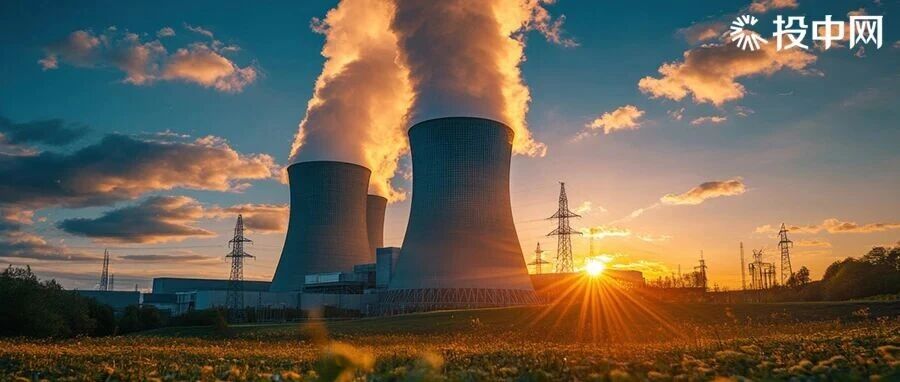
有投资人转型去投核电站了
投中网· 2025-10-14 06:29
Core Viewpoint - The shift in investment focus from AI to tangible assets like infrastructure indicates a growing belief that physical assets are more reliable than equity, as expressed by investors transitioning to sectors like renewable energy and nuclear power [3][4][6]. Group 1: Market Dynamics - The market for infrastructure investments is becoming more active with diverse participants, including state-owned enterprises, local governments, and private equity firms, all increasing their involvement [5][10]. - Fund sizes for infrastructure investments are significantly rising, with major global asset managers like Blackstone and KKR raising record amounts for their funds, indicating a strong demand for infrastructure assets [6][13]. Group 2: Investment Trends - There is a notable increase in interest in infrastructure funds since 2024, with more institutions exploring how to incorporate these "alternative assets" into their portfolios to mitigate market uncertainties [8][9]. - The primary focus of capital is shifting towards data centers and renewable energy assets, such as nuclear power plants and solar stations, driven by the surge in AI and the need for sustainable energy solutions [16][17]. Group 3: Institutional Participation - Local state-owned platforms remain key players in infrastructure investments, leveraging their long-standing resources and experience in the sector [10]. - Industry capital is also making significant contributions, with large funds being established for nuclear energy and other infrastructure projects, reflecting a collaborative approach among various stakeholders [11][12]. Group 4: Challenges and Opportunities - Infrastructure investment is capital-intensive, requiring substantial funding and long-term commitment, which poses challenges for traditional VC/PE firms that typically seek high-growth opportunities [22][24]. - The growing demand for infrastructure investment is underscored by a projected global funding gap of $57-67 trillion by 2030, highlighting the vast opportunities available in this sector [15][16].
李开复,在成都投了一家“0卡糖”
投中网· 2025-10-14 06:29
Core Viewpoint - The article highlights the investment in Sichuan Yingjiaohesheng Technology Co., Ltd., a major producer of steviol glycosides, emphasizing its innovative approach using synthetic biology and its significant market potential in the sugar substitute industry [5][8]. Group 1: Company Overview - Yingjiaohesheng was established in 2015 and focuses on producing natural products using synthetic biology technology, with applications in pharmaceuticals, health supplements, and food and beverages [8]. - The company is recognized as one of the largest suppliers of steviol glycosides in China and has successfully entered the U.S. market since 2019, becoming part of the global supply chains of several international food and beverage companies [8][10]. - Yingjiaohesheng's product line includes coenzyme Q10, new steviol glycosides, β-nicotinamide mononucleotide (NMN), and vanillin, covering multiple sectors [8]. Group 2: Market and Technology - Steviol glycosides are a key component in many "zero-calorie" food and beverage products, with a caloric value only 1/300 that of sucrose, making them a popular sugar substitute [6][8]. - The company’s unique technology route—synthetic biology—offers significant cost advantages over traditional extraction methods, which have low yield and high waste [10]. - Synthetic biology allows for the production of steviol glycosides at a scale that can surpass traditional methods, with one fermentation tank yielding the equivalent of thousands of acres of stevia plants [10]. Group 3: Industry Context and Policy Support - The synthetic biology sector in China has seen increased investment and policy support, with total annual investments ranging from 50 to 100 billion RMB from 2018 to 2020, and a significant surge in 2021 [14][15]. - Chengdu, where Yingjiaohesheng is located, has strategically positioned itself as a hub for the biopharmaceutical industry, with a total scale of 350 billion RMB in the health industry as of 2023 [19][20]. - The city has implemented policies to foster the development of synthetic biology, aiming to create a robust ecosystem that integrates innovation, capital, and industry [21][22].

铜为何是AI时代的石油?
投中网· 2025-10-14 06:29
Core Viewpoint - The article emphasizes the increasing importance of copper in the AI era, likening it to oil in the past, due to its critical role in powering and cooling advanced technologies like GPUs and data centers [5][11]. Group 1: Copper Demand and Supply - Copper is essential for high-end GPU chips, with each H100 GPU requiring numerous copper connections for optimal performance [7]. - The demand for copper in data centers is surging, with an estimated copper consumption of 46.7 million tons in 2023, projected to rise to 71 million tons by 2026 [9]. - By 2030, global electricity demand for data centers is expected to increase by 160%, necessitating significant upgrades to aging electrical infrastructure [10]. - Copper's unique properties, such as high conductivity and longevity, make it irreplaceable in electrical transmission, with predictions indicating that 60% of copper demand growth will come from electrical infrastructure by 2030 [10][11]. Group 2: Price Projections and Market Trends - Goldman Sachs forecasts copper prices to reach $10,750 per ton by 2027, driven by limited growth in mining and refining capacities [11][12]. - The global copper mining output has seen a compound annual growth rate of only 2.1% over the past decade, with expectations for future growth remaining low [11]. Group 3: Aluminum as a Substitute - As copper prices rise, aluminum is gaining traction as a cost-effective alternative, particularly in GPU cooling systems where weight and cost advantages are significant [14]. - The use of aluminum in data center cooling can reduce overall weight and costs, with aluminum heat sinks costing 40-50% less than copper counterparts [15]. - UBS has raised its aluminum price forecasts, anticipating continued growth in global aluminum production [16]. Group 4: Cooling Technologies - The shift towards liquid cooling technologies is becoming essential due to the limitations of traditional air cooling systems, which cannot meet the thermal demands of high-power AI chips [20][21]. - The global liquid cooling market is projected to grow significantly, with a forecasted market size of $2.84 billion by 2025, reflecting a 44.9% year-on-year increase [22]. - Innovations in cooling solutions, such as microchannel liquid cooling plates, are being explored to efficiently manage the heat generated by advanced computing systems [23]. Group 5: Broader Market Implications - The increasing demand for copper, aluminum, and cooling solutions reflects the broader physical needs driven by the growth of AI and data centers, indicating a significant market transformation [24].


A股震荡投资者,等着暴富
投中网· 2025-10-14 06:29
Core Viewpoint - Investor sentiment remains mixed amid concerns over escalating trade tensions, with some investors panicking and others optimistic about buying opportunities [5][13]. Market Performance - On October 10, A-shares experienced significant declines at the open, with the Shanghai Composite Index down 2.49% and the Shenzhen Component down 3.88%, but closed with reduced losses of 0.19% and 0.93% respectively [5]. - Hong Kong's Hang Seng Index opened down 2.50% but closed down 1.52%, while the Hang Seng Tech Index fell 1.82% [5]. - The Hang Seng Volatility Index surged nearly 30%, reaching its highest level since May 2025 [5]. Trading Volume - Despite market fluctuations, trading volume remained stable, with the Shanghai and Shenzhen markets recording over 1 trillion yuan in trading volume for 92 consecutive trading days and over 1.5 trillion yuan for 57 consecutive days [7]. Sector Performance - The technology sector showed resilience, with significant gains in the self-controlled industrial chain, particularly in rare earths, semiconductor materials, and software [9][10]. - Notable stocks included Galaxy Magnetic Materials, which hit a 20% limit up, and New Lai Materials, which also saw a 20% increase [10]. Investor Sentiment - Investors displayed divergent views, with some engaging in panic selling while others took the opportunity to buy, reflecting a generally optimistic outlook despite the market's volatility [13]. - Some investors expressed confidence in the current market conditions, viewing short-term risks as potential buying opportunities [13]. Trade Tensions Analysis - Research institutions believe the impact of the current trade dispute will likely be less severe than previous tariff conflicts, with expectations of ongoing negotiations between the U.S. and China [14]. - Analysts from various firms, including Founder Securities and Galaxy Securities, suggest that the market's focus will remain on medium to long-term policy expectations, indicating a more stable outlook for A-shares [14].

清华系已收获10个IPO,总市值超2000亿丨投中嘉川
投中网· 2025-10-13 07:22
Core Insights - In the first three quarters of 2025, Chinese enterprises achieved a total of 197 IPOs, with Tsinghua University alumni being the most active group, contributing 10 new listed companies across various advanced technology sectors [5][9][12]. Group 1: Tsinghua University IPOs - Tsinghua University has produced 10 IPOs in 2025, making it the leading university in terms of IPOs for the year [9][11]. - The 10 companies include HeSai Technology, JiZhiJia, FengZhao Technology, ZhouLiFu, HaiBoSiChuang, TianHe Magnetic Materials, XinHengHui, XunZhong Communication, YuanBao, and YiPinWeiKe, with a total market capitalization exceeding 200 billion RMB [9][11][12]. - Among these, 7 companies have a market value exceeding 10 billion RMB, and 2 companies have surpassed 40 billion RMB [5][8]. Group 2: Notable Companies and Their Performance - HeSai Technology, known as the "global leader in LiDAR," went public on September 16, 2025, raising 4.16 billion HKD and achieving a peak market value of 36 billion HKD on its first day [12][13]. - JiZhiJia, the first global AMR warehouse robot company, completed its IPO on July 9, 2025, raising 2.712 billion HKD, with its market value soaring to nearly 40 billion HKD shortly after [15][18]. - HaiBoSiChuang, a leading energy storage company, has seen its stock price increase 12 times since its listing in January 2025, showcasing the successful cycle of alumni entrepreneurship and capital support from Tsinghua [17][22]. Group 3: Alumni Capital and Ecosystem - Tsinghua alumni capital plays a crucial role in supporting these IPOs, creating a closed-loop ecosystem from alumni entrepreneurship to capital market success [16][18]. - Investment firms like GaoHong Venture and HuoShan Capital, founded by Tsinghua alumni, have significantly contributed to the funding of companies like JiZhiJia and HeSai Technology, yielding substantial returns [18][22]. - The continuous support from Tsinghua alumni capital has enabled new projects in emerging fields like embodied intelligence and robotics to secure early-stage funding and industry resources [21][22]. Group 4: Future Prospects - As of late 2025, Tsinghua alumni are poised to create more "star projects," with companies like XingDongJiYuan and LingYu Intelligent focusing on cutting-edge technologies [20][21]. - The trend indicates a strong pipeline of upcoming IPOs from Tsinghua alumni, reinforcing the university's position as a leading incubator for innovative startups [22].