36氪

Search documents
「千问」正式上线,阿里要认真做一款AI应用了
36氪· 2025-11-17 13:07
Core Viewpoint - Alibaba's launch of the "Qianwen" app is seen as a strategic move in the "AI era's future battle," aiming to create a personal AI assistant that can chat and perform tasks, positioning itself as a future AI lifestyle gateway [4][6]. Group 1: Product Launch and Features - On November 17, Alibaba officially announced the "Qianwen" project, with the public beta version of the app now available [5]. - The "Qianwen" app is positioned as Alibaba's most powerful model official AI assistant, featuring capabilities such as conversational Q&A, intelligent writing, and a multi-modal camera function [7]. - A key anticipated feature of the "Qianwen" app is the upcoming shopping agent, which will allow users to shop on platforms like Taobao and Tmall using natural language commands [10]. Group 2: Market Positioning and Strategy - The launch of the "Qianwen" app is widely regarded as Alibaba's determination to compete directly with ChatGPT in the consumer application market [13]. - Alibaba's Qwen model series has achieved significant success, with over 600 million downloads and more than 170,000 derivative models as of September 2024, accounting for over 30% of global model downloads on Hugging Face [13]. - The company is consolidating its consumer-facing AI products to create a unified application outlet, enhancing its influence in the consumer market [15]. Group 3: Industry Trends and Competitive Landscape - The transition from "Tongyi" to "Qianwen" reflects an industry consensus that the success of AI products in attracting consumer users increasingly relies on the enhancement of underlying model capabilities rather than traditional marketing [17]. - Major companies are accelerating investments in consumer AI products and organizational integration, as seen with Tencent and Baidu's strategic realignments [18]. - The competitive landscape is intensifying, with OpenAI continuously releasing new applications, indicating that the cycle of model advancement is shortening, making model capability a critical product for companies [21].



大疆前激光雷达业务负责人洪小平创业,他说想用科技重塑出行尊严|36氪专访
36氪· 2025-11-17 08:59
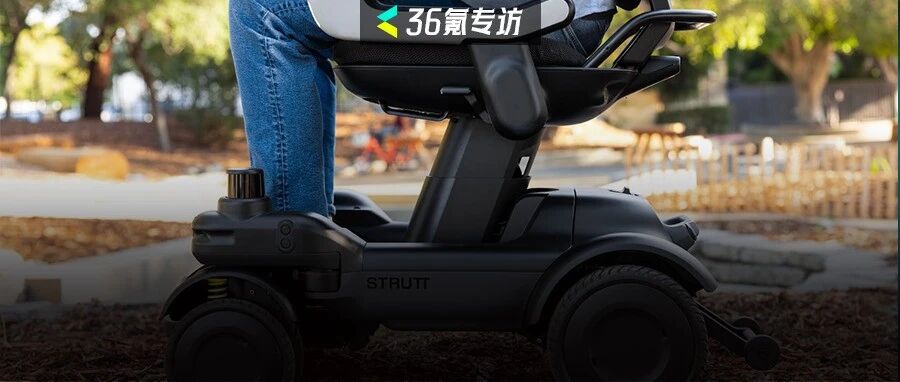
Core Viewpoint - The article discusses the entrepreneurial journey of Hong Xiaoping, who founded Ruochuang Technology and launched the personal mobility device Strutt ev¹, aiming to address the needs of individuals with mobility challenges while leveraging advancements in robotics and AI [4][10][12]. Group 1: Market Context - In 2023, global startup investment dropped by 38% compared to 2022, leading investors and entrepreneurs to adopt a cautious approach [5]. - Despite the investment downturn, the emergence of AI technologies like ChatGPT has sparked renewed interest and opportunities in the tech sector [6]. Group 2: Product Development - Strutt ev¹ is designed as a smart personal mobility device, distinct from traditional wheelchairs, featuring a high-tech aesthetic and advanced functionalities [10][12]. - The product aims to cater not only to individuals with disabilities but also to anyone with mobility needs, aspiring to enhance freedom and dignity for users [13][12]. Group 3: User-Centric Design - The development process for ev¹ included extensive user research to ensure the product meets real-world needs, with a focus on empathy and user experience [22][40]. - Key pain points identified in traditional electric wheelchairs include difficulty in precise control and navigation, which ev¹ aims to address through innovative design and technology [28][42]. Group 4: Technological Innovation - The ev¹ incorporates advanced technologies such as LiDAR for navigation, enabling it to operate safely in complex environments [30][39]. - The product features a Co-pilot system that allows for shared control between the user and the device, enhancing safety and user confidence [34][35]. Group 5: Market Strategy - The company plans to launch ev¹ in markets with high demand for mobility solutions, starting with Singapore and expanding to other regions like Hong Kong and the US [52][54]. - The strategy emphasizes a global approach, with the company positioned as a "Born Global" entity to effectively tap into international markets [54][56].
老铺逆势涨价,消费者还会为「黄金爱马仕」买单吗?
36氪· 2025-11-17 08:59
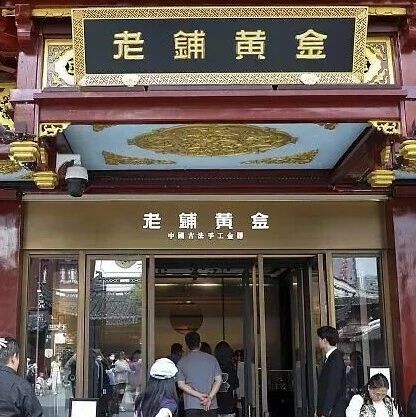
Core Viewpoint - The article discusses the challenges faced by Laopu Gold, highlighting a shift in consumer behavior and market dynamics following significant price increases and a decline in gold prices, questioning the brand's luxury status and sustainability in the market [4][5][6]. Group 1: Market Performance and Consumer Behavior - Laopu Gold recently announced its third price increase of the year, with most products seeing a rise of 18%-25%, contrasting with the previous consumer frenzy for purchases [5][6]. - The brand's stock price has dramatically declined over 40% since July, despite a previous surge of over 26 times its initial offering price [5][6]. - Consumer interest has waned, with some stores experiencing reduced foot traffic, indicating a shift in market sentiment [5][6]. Group 2: Differentiation and Brand Strategy - Laopu Gold has differentiated itself by promoting "ancient method gold," incorporating traditional craftsmanship recognized as national intangible cultural heritage, appealing to high-net-worth individuals [11][12]. - The brand has effectively utilized social media for marketing, transforming its products into cultural symbols that resonate with younger consumers, with the under-30 demographic increasing from 12% in 2021 to 31% in 2024 [14][13]. - Laopu Gold positions itself alongside luxury brands, with 90% of its products priced above 10,000 yuan, and aims to fill the gap for domestic luxury brands in the gold jewelry market [15][20]. Group 3: Market Challenges and Capital Concerns - Despite strong revenue growth, Laopu Gold faces skepticism from capital markets, with early investors exiting and funds withdrawing from top holdings [21][22]. - The brand's reliance on gold prices for its valuation raises concerns, as a downturn in gold prices could significantly diminish its appeal [23][26]. - Laopu Gold's second-hand market performance is weak, with recovery prices around 50% of retail, compared to 60%-90% for true luxury brands, indicating a lack of perceived value [24][26]. Group 4: Financial Health and Operational Issues - Laopu Gold's cash flow has been negative for three consecutive years, with a net outflow of 2.215 billion yuan in the first half of the year, contrasting sharply with competitors like Chow Tai Fook [36][37]. - The company has a growing inventory issue, with stock levels increasing from 770 million yuan in 2021 to 8.688 billion yuan in 2025, leading to cash flow pressures [36][37]. - Laopu Gold's marketing-heavy approach has resulted in low R&D investment, with only 0.2% of revenue allocated to R&D in the first half of the year, raising concerns about product quality and brand integrity [33][35]. Group 5: Future Outlook and Strategic Recommendations - To solidify its position in the luxury market, Laopu Gold must reduce its dependence on gold prices and focus on building brand uniqueness and scarcity [30][39]. - The brand's current expansion strategy, reliant on external funding, risks diluting its luxury image and may not restore investor confidence [38][39]. - A long-term approach emphasizing brand heritage and product quality is essential for Laopu Gold to navigate market challenges and achieve sustainable growth [39].
盒马也开始帮Burberry清库存了
36氪· 2025-11-17 08:59
Core Viewpoint - The article discusses the shift in luxury brand sales strategies, particularly focusing on how retailers like Hema and Sam's Club are capitalizing on the luxury goods market amidst changing consumer behaviors and economic pressures [5][8]. Group 1: Retail Strategies - Luxury brands are increasingly utilizing e-commerce and outlet stores as significant sales channels due to the impact of the luxury goods downturn and changing consumer purchasing habits [7][8]. - Membership-based retail platforms, such as Hema and Sam's Club, are becoming vital for luxury brands to reduce inventory while maintaining brand prestige [8][14]. - Hema has expanded its offerings to include luxury brands like Burberry and Gucci, primarily through a global purchasing model that emphasizes pre-sale and direct shipping from Europe [10][12]. Group 2: Burberry's Financial Performance - Burberry reported a revenue of £1.032 billion for the first half of the 2026 fiscal year, reflecting a 3% decline year-over-year, with a significant reduction in operating losses from £53 million to £18 million [17][18]. - The brand's comparable store sales showed a 2% increase in the second quarter, marking the end of a seven-quarter decline, driven by improved consumer sentiment in China [21][24]. - Burberry's gross margin improved to 67.9%, up 410 basis points, attributed to better inventory management and cost control measures [32][25]. Group 3: Market Trends and Challenges - The luxury market is witnessing a shift where consumers are prioritizing value, leading to a decline in full-price sales channels while discount channels are performing better [24][29]. - Burberry's strategy includes reducing reliance on discounting and focusing on maintaining a healthier inventory level, with a reported 24% decrease in net inventory [31][30]. - The competitive landscape for retailers like Hema and Sam's Club is evolving, as they benefit from price advantages while facing challenges from unauthorized channels [37].


英伟达扇扇翅膀,2026年中国手机要涨价
36氪· 2025-11-17 08:59
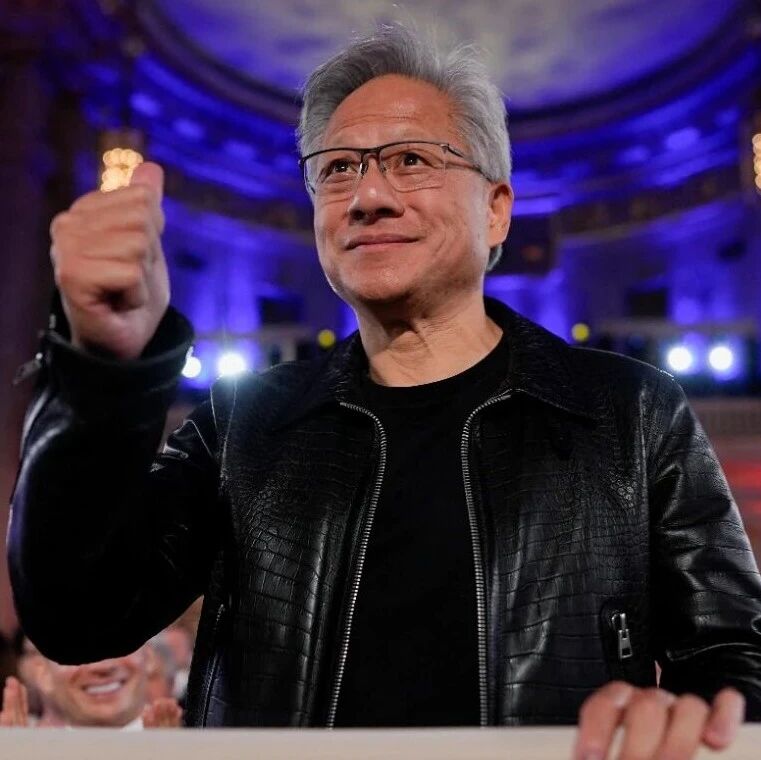
Core Insights - The article discusses the anticipated challenges in the Chinese smartphone industry due to rising storage costs and supply chain disruptions, predicting price increases and reduced specifications for smartphones in 2026 [4][7][30]. Group 1: Industry Dynamics - Nvidia's founder Jensen Huang is strengthening ties with Samsung to secure HBM storage capacity, which is critical for AI applications [5][6]. - Samsung has suspended quotes for LPDDR5 due to capacity constraints, indicating a shift in focus towards HBM for AI model training [6][11]. - The storage industry is experiencing a significant price surge, with LPDDR4X prices increasing from $6 to $25, a rise of over 300% [11]. Group 2: Impact on Smartphone Manufacturers - Smartphone manufacturers are facing a "super cycle" in the storage market, leading to a shift in the supply chain dynamics where demand may not be fully met [22][30]. - Major smartphone brands are expected to increase prices or reduce specifications in response to rising storage costs, with predictions of flagship models seeing price hikes of several hundred yuan [26][30]. - The trend of high memory configurations is declining, with flagship models now typically featuring a maximum of 16GB of RAM [25]. Group 3: Market Predictions - The storage supply-demand gap is expected to persist until at least 2027, with manufacturers struggling to secure necessary components [19][30]. - The rising costs are likely to delay consumer upgrade cycles, particularly affecting mid-range and low-end products, which may see reduced product lines and shipment volumes [30]. - Consumers are advised to purchase smartphones sooner rather than later to avoid higher prices in the future [31].

内存条变身「电子茅台」,谁买单?
36氪· 2025-11-17 00:10
Core Viewpoint - The article discusses the significant price increase in memory products, particularly DRAM and SSDs, driven by a "super cycle" in the memory supply chain, influenced by the rise of AI and structural changes in global production capacity [5][17]. Group 1: Price Trends - The price of 16GB DDR4 memory has surged from around 200 RMB to over 400 RMB within a year, with some models increasing by more than 300% [10]. - High-end DDR5 memory prices have also doubled, with some models reaching nearly 2000 RMB, reflecting a 100% increase compared to two months prior [12]. - The average price of 1TB PCIe4.0 SSDs has risen over 60% since the beginning of the year, with some popular models seeing price hikes of 80% or more [14]. Group 2: Supply and Demand Dynamics - The demand for DRAM has surged due to the AI industry's growth, with AI servers requiring eight times more DRAM than standard servers [18]. - Major memory manufacturers like Samsung and SK Hynix are shifting production towards high-end chips, reducing the supply of DDR4, which is expected to remain tight until mid-2026 [21][23]. - The recovery of the consumer electronics market and the growth in smart vehicle technology are further exacerbating the supply-demand imbalance [24]. Group 3: Market Speculation - Speculative behavior in the memory market has amplified price volatility, with some dealers hoarding memory products in anticipation of price increases [25][27]. - The article warns that while there may be opportunities for profit, the risks associated with speculation in the memory market are significant, likening it to past gold market experiences [30][33]. Group 4: Future Outlook - The transition from DDR4 to DDR5 and HBM is irreversible, suggesting that prices will continue to rise as demand outstrips supply [29]. - Domestic memory manufacturers are expected to increase their market share significantly by 2025, indicating a potential shift in the competitive landscape [35].

「商汤医疗」再获数亿元战略融资,A轮投后估值超30亿元|36氪独家
36氪· 2025-11-17 00:10
Core Viewpoint - SenseTime Medical has completed a strategic financing round of several hundred million yuan, indicating strong investor interest and confidence in the company's AI-driven healthcare solutions [1][4]. Financing and Valuation - The company has initiated its Series A financing, with a post-investment valuation exceeding 3 billion yuan and subscription amounts surpassing 500 million yuan [2][4]. - Previous investments in early 2023 included over 100 million yuan from major industry players [1]. Technology and Product Development - SenseTime Medical leverages AI technology to promote the construction of "future smart hospitals," utilizing a "fusion of general and specialized" technical approach [2]. - The core technology includes the "Da Yi" medical language model, which is trained on vast amounts of high-quality medical knowledge, enabling capabilities in self-diagnosis, medication consultation, structured imaging reports, and clinical decision support [2]. - The multi-modal medical image foundational model group addresses various data modalities, supporting efficient model training to overcome challenges in medical data scarcity and annotation difficulties [2]. Strategic Positioning - The CEO emphasizes that while pure technology can provide a competitive edge, a rich product matrix and a capital-supported industrial ecosystem are harder to replicate, which is crucial for long-term success [2]. - Since 2018, the company has adopted a platform-based approach to empower comprehensive hospital diagnosis and treatment, covering clinical diagnosis, intelligent decision-making, patient services, and medical research [2]. Market Demand and Competitive Strategy - The platform strategy aligns with hospitals' implicit needs for extensible products rather than multiple software solutions from various vendors [3]. - To avoid price wars in standardized software, SenseTime Medical has established a dual middle platform system for intelligent agent development and model application production, creating a differentiated advantage [3]. Commercialization and Future Plans - Following the "1+X" strategy, SenseTime Medical operates independently in the market, focusing on large-scale "full-hospital intelligence" projects while also expanding standardized software modules to grassroots hospitals [5]. - The company aims to attract resourceful shareholders to foster a collaborative ecosystem, emphasizing that financing is not solely for capital but also for partnership development [5].

8点1氪:多部门连发预警,近期避免前往日本;“羊毛党”用AI假图骗“仅退款”:百元内商品成重灾区;雷军连续发文回应质疑
36氪· 2025-11-17 00:10
Group 1 - The Ministry of Culture and Tourism of China has issued a warning for Chinese tourists to avoid traveling to Japan due to rising safety risks and criminal cases targeting Chinese citizens [5][11] - The Ministry of Education has also released a study abroad warning, advising students in Japan or planning to study there to closely monitor local security conditions and enhance their risk awareness [5][11] Group 2 - A new AI-based scam has emerged in the e-commerce sector, where consumers use AI tools to create fake defect images to claim refunds for low-cost items [5][8] - This scam has developed into a more systematic gray industry, with individuals offering training on how to execute these refund scams for a fee [8] Group 3 - Major airlines including Air China, China Southern Airlines, and China Eastern Airlines have announced special measures allowing free refunds and changes for tickets related to Japan travel [11] - The airlines' actions follow a government advisory regarding safety concerns for Chinese citizens traveling to Japan [11] Group 4 - Samsung has announced a significant investment of 450 trillion KRW over the next five years in South Korea, focusing on expanding semiconductor production [9] - This investment is aimed at meeting the growing global demand for storage semiconductors and creating 60,000 new jobs [9] Group 5 - Apple plans to change its iPhone release strategy starting in 2026, moving to a biannual launch schedule for its flagship and mid-range models [9] - This marks a significant shift in Apple's product release strategy, which has traditionally focused on a single annual launch [9] Group 6 - Berkshire Hathaway's latest 13F report reveals that Warren Buffett has significantly reduced his stake in Apple, dropping from over 50% to 22.69% of the portfolio [16] - Concurrently, Buffett has initiated a new position in Alphabet, acquiring 17.84 million shares, making it the tenth largest holding in the portfolio [16]


白砂糖重回配料表
36氪· 2025-11-17 00:10
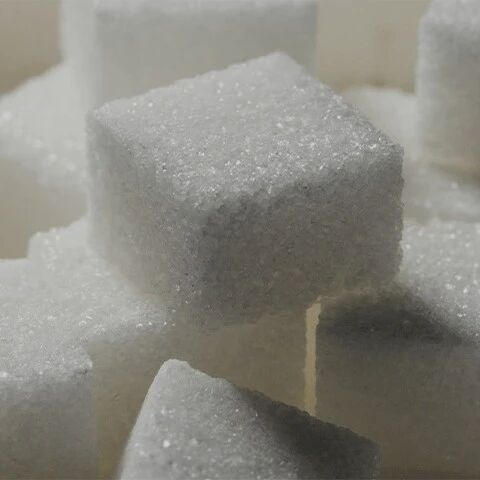
Core Viewpoint - The article discusses the return of white sugar to beverage ingredient lists, driven by an upgrade in consumer health awareness and a demand for controllable taste experiences [4][27]. Group 1: Market Trends - The beverage market has seen a significant shift with the rise of sugar-free drinks, initiated by brands like Yuanqi Forest in 2018, which led to a decline in the presence of white sugar in ingredient lists [9][15]. - However, in the recent beverage season, traditional beverage companies have reintroduced white sugar in their products, indicating a change in consumer preferences towards a balance of taste and health [8][15]. - The global largest erythritol manufacturer, San Yuan Bio (301206.SZ), saw its erythritol revenue peak at 1.567 billion yuan in 2021, but it is projected to drop to 515 million yuan in 2024 due to an oversupply in the market [12][13]. Group 2: Consumer Preferences - Consumers are now more inclined to accept the presence of white sugar in beverages, as seen with brands like Yuanqi Forest and Nongfu Spring launching new products that contain white sugar while promoting low-sugar options [15][17]. - The trend reflects a shift from an absolute avoidance of sugar to a preference for lower sugar content that still delivers enjoyable taste experiences [27][28]. - Brands are strategically reducing serving sizes to manage sugar intake while still offering products that satisfy taste preferences, indicating a nuanced approach to sugar consumption [18][22]. Group 3: Competitive Landscape - The sugar tea market, valued at nearly 90 billion yuan, is experiencing a competitive yet stable environment, with traditional beverage companies maintaining significant market shares [32][35]. - Major players like Master Kong, Uni-President, and Nongfu Spring dominate the market, collectively holding over 69% of the market share, with growth rates exceeding 5% [35][36]. - The introduction of new products in the sugar tea category continues to outpace sugar-free options, suggesting a sustained consumer interest in traditional flavors [34][35].


滴滴自动驾驶出海首站落户中东阿布扎比;菜鸟与AKI集团达成合作|36氪出海·要闻回顾
36氪· 2025-11-16 13:35
Core Viewpoint - The article highlights the significant advancements and collaborations of Chinese companies in the field of autonomous driving and cross-border e-commerce, particularly in the Middle East and Southeast Asia, showcasing the growing global influence of these sectors. Group 1: Autonomous Driving Developments - Didi Autonomous Driving has established its first overseas station in Abu Dhabi, partnering with the Abu Dhabi Investment Office to support smart mobility and sustainable transportation initiatives [5] - Two Chinese companies, Loong and WeRide, received the first commercial operation licenses for fully autonomous driving in Abu Dhabi, allowing them to operate without onboard safety personnel [5] - Cao Cao Mobility signed a memorandum of understanding with the Abu Dhabi Investment Office to promote electric and battery-swapping vehicles as part of sustainable transportation solutions [6] Group 2: E-commerce Growth in Southeast Asia - TikTok Shop's cross-border e-commerce in Southeast Asia saw a remarkable 2.3 times increase in total transaction volume during the recent Double Eleven shopping festival compared to the previous year [7] - On November 11, TikTok Shop achieved a single-day transaction volume increase of 60% year-on-year, indicating strong consumer demand in the Southeast Asian market [7] - AliExpress also reported significant success during the overseas Double Eleven event, surpassing Amazon in app downloads across multiple countries [7] Group 3: Financing and Market Expansion - Paitena Robotics completed a multi-million A round financing to enhance its development in construction robotics and international markets [8] - Surge Future secured a Pre-A round financing of over 100 million yuan, with 90% of its revenue coming from overseas markets, indicating strong international demand for its pool cleaning robots [9] - Ant Group showcased its AI products at the Singapore FinTech Festival, emphasizing its global strategy and partnerships across 24 countries [6]