市值风云

Search documents
乐鑫科技:AIoT第一梯队是浪得虚名吗?
市值风云· 2025-10-29 10:20
Group 1 - The core viewpoint of the article emphasizes the arrival of a computing power equality era, which necessitates low-cost solutions to accelerate the deployment of edge AI applications [3] - The demand for edge AI chips arises from the need for not only connectivity but also edge computing capabilities in AI terminals [3][4] Group 2 - The company Lexin Technology (688018.SH) is identified as a participant in the edge AI chip market [4] - In the first three quarters, the company's revenue reached 1.9 billion, representing a year-on-year increase of 31% [5] - The net profit attributable to the parent company, excluding non-recurring items, was 350 million, showing a year-on-year growth of 51% [7] - However, the third quarter performance showed a decline in growth rate, with revenue growth slowing to 23.5% and net profit growth dropping to 27.8% [9] - As a result of these performance metrics, the company's stock price experienced a significant drop of nearly 7% on October 28, following a gap down at the opening [10]



联影医疗发布三季报:扣非归母利润10.53亿,同比增长127%
市值风云· 2025-10-29 10:20
Core Viewpoint - The article highlights the rapid advancement in product research and development at United Imaging Healthcare, showcasing significant revenue growth and innovative product launches in the high-end medical equipment sector [3][10][11]. Financial Performance - For the first three quarters of 2025, United Imaging Healthcare reported a revenue of 8.859 billion, a year-on-year increase of 27.39%, and a net profit attributable to shareholders of 1.122 billion, up 66.91% [3][4]. - In Q3 alone, the company achieved a revenue of 2.843 billion, reflecting a 75.41% year-on-year growth, with a net profit of 122 million [3][4]. R&D Investment and Innovation - The company invested 1.855 billion in R&D during the first three quarters of 2025, marking a 13.48% increase and accounting for 20.94% of its revenue [6]. - United Imaging has submitted a total of 9,700 patent applications, with 82% being invention patents and 38.6% filed overseas [6]. Product Launches and Technological Advancements - Significant product innovations include the world's first MRI system with a silicon carbide gradient amplifier, a CT linear accelerator, and a photon-counting spectral CT [7][10]. - The company has maintained its leadership in the PET/CT market for ten consecutive years and has seen substantial market share increases in MRI and CT equipment [10][11]. Global Market Expansion - By Q3 2025, United Imaging had launched over 140 products globally, with more than 50 receiving FDA 510(K) approval and over 60 obtaining CE certification [12]. - The company has established a robust global service network, covering over 90 countries and regions, with significant market penetration in North America, Europe, and Asia-Pacific [12]. Industry Position and Future Outlook - As a leading domestic high-end imaging equipment manufacturer, United Imaging is well-positioned to maintain its competitive edge during the industry's growth phase, supported by ongoing innovations and clinical trials for advanced technologies [13].


股价涨幅远超英伟达,揭秘AI“军火商”工业富联
市值风云· 2025-10-29 10:20
Core Viewpoint - The stock price increase of Industrial Fulian is attributed to the market's reassessment of its value as a key player in AI computing infrastructure, rather than mere speculation [1][16]. Group 1: Company Performance - In the last three months, the stock price of Industrial Fulian surged by 141%, significantly outperforming Nvidia's 14.5% increase during the same period [4][5]. - For the first half of 2025, Industrial Fulian reported a revenue growth of 35.6% and a net profit growth of 38.6% [9]. - The core driver of this growth is the cloud computing business, particularly AI servers, with AI server revenue increasing by over 60% year-on-year in Q2 [14]. Group 2: Market Position and Products - Industrial Fulian is a major player in the AI server market, which is projected to account for over 70% of the total server market by 2025 [7][8]. - The company is the exclusive or primary supplier for Nvidia's key products, such as the GB200 series, integrating complex server systems that include liquid cooling [15]. - The revenue from Industrial Fulian's 800G high-speed switches reached nearly three times the total revenue for 2024 in the first half of 2025, indicating a strong competitive advantage in the data center interconnect market [19]. Group 3: Strategic Advantages - Industrial Fulian has established "lighthouse factories" that leverage industrial AI and robotics for high-precision manufacturing, crucial for complex products like the GB200 [21]. - The company has a forward-looking global layout and supply chain capabilities, enabling efficient and rapid fulfillment of global customer demands [22]. - Long-term partnerships with top global tech brands allow Industrial Fulian to co-develop new technologies, enhancing customer stickiness [23]. Group 4: Financial Indicators - The company's inventory increased by 44.2% compared to the previous year, indicating a significant rise in server orders [25][28]. - Short-term borrowings rose by 70%, and contract liabilities surged by 474.3%, reflecting a high demand for AI servers and prepayments from customers [26][28]. - These financial indicators suggest that Industrial Fulian is in a high-growth expansion phase [29]. Group 5: Overall Assessment - Industrial Fulian has evolved beyond its traditional image as a contract manufacturer, becoming an essential builder of AI infrastructure [30]. - The company is positioned as a critical partner for Nvidia, transforming cutting-edge AI chips into usable server systems while also expanding into high-speed networking and AI terminals [31].


CPO龙头股再创新高,莫海波等基金经理跑路了?算力硬件、国产替代仍是科技重头戏!
市值风云· 2025-10-28 10:08
Core Viewpoint - The article discusses the performance and strategic adjustments of fund manager Mo Haibo, particularly focusing on his investments in the technology sector and the recent shifts in his portfolio amidst market volatility [3][5][21]. Group 1: Fund Performance - Many fund managers have benefited from heavy investments in innovative pharmaceutical stocks and AI hardware, achieving significant net value increases this year, with some funds doubling their value and rising over 50% [3]. - Mo Haibo's fund has seen a net value increase of over 60% this year, positioning him as a leading fund manager with a scale of 131 billion [5][8]. - Despite the strong performance, there has been a notable increase in market volatility in October, leading to questions about the sustainability of high valuations in the CPO sector [5][16]. Group 2: Portfolio Adjustments - In the third quarter, Mo Haibo maintained a strong focus on technology, with significant allocations to the communication and electronics sectors, holding 38.1% and 35.5% respectively, both up nearly 8 percentage points from the previous quarter [9][21]. - There was a substantial reduction in holdings of key stocks such as New Yisheng and Zhongji Xuchuang, with reductions of 61% and 52% respectively, indicating a strategic shift within the technology sector [11][20]. - The article notes that many public funds have taken profits by significantly reducing their holdings in high-performing stocks during the third quarter [16]. Group 3: Market Outlook - Mo Haibo expressed optimism about the domestic computing opportunities, particularly in light of the ongoing U.S.-China trade tensions, emphasizing the urgent need for self-sufficiency in computing technology [20][21]. - The coal sector has been highlighted as a new area of focus, with Mo Haibo reducing exposure to agricultural stocks and reallocating to coal, anticipating a reversal in supply-demand dynamics and potential price increases due to low inventory levels [21][22]. - Overall, the article suggests that the technology sector remains a primary focus for Mo Haibo, with ongoing adjustments reflecting market conditions and investment opportunities [22].


安防CIS称王!业绩三连跳,手机、智驾“双杀”
市值风云· 2025-10-28 10:08
Core Viewpoint - The company is positioned to capitalize on two major market trends, with a significant increase in net profit projected for 2025, indicating strong growth potential [1]. Financial Performance - The company turned a profit in 2023 and is expected to return to historical highs in 2024, with net profit for the first three quarters of 2025 projected to be between 656 million to 736 million yuan, representing a year-on-year growth of 140% to 169% [4]. - This forecast significantly exceeds the total net profit of 393 million yuan anticipated for the entire year of 2024 [4].

在牛市中玩红利资产是浪费行情?黄海业绩失速,仍重仓煤炭,他的基金还能买吗?
市值风云· 2025-10-28 10:08
Core Viewpoint - The article discusses the performance and strategy of fund manager Huang Hai, emphasizing his continued focus on the coal industry despite recent underperformance compared to the market index [3][6][18]. Fund Performance - In 2025, Huang Hai's flagship fund, Wan Jia Xin Li Flexible Allocation Mixed Fund, reported a year-to-date return of 9.14%, lagging behind the CSI 300 index by 9 percentage points [3][7]. - Huang Hai's management scale has decreased to just over 3 billion yuan, reflecting investor dissatisfaction due to underperformance [3][6]. Industry Analysis - The coal industry faced significant challenges in early 2025 due to high inventory levels and declining prices, but began to recover in the summer with increased demand during peak electricity usage [6][7]. - By the third quarter of 2025, coal companies showed signs of recovery, with major firms like China Shenhua and New Energy showing improved net profits [7][8]. Investment Strategy - Huang Hai maintains a high concentration in coal stocks, with 73% of his fund's net value invested in this sector as of the third quarter [7][8]. - Despite criticism, Huang Hai's investment style remains consistent, focusing heavily on coal and showing little diversification [8][12]. Portfolio Adjustments - In the third quarter, Huang Hai made minor adjustments to his portfolio, reducing holdings in certain coal stocks while increasing positions in gold mining companies, which performed well [14][15]. - The top ten holdings in his flagship fund include several coal companies, with notable increases in gold stocks like Zhongjin Gold and Chifeng Gold [15][14]. Future Outlook - Huang Hai believes that traditional dividend-paying cyclical sectors, such as coal, steel, and non-ferrous metals, will not be absent in future bull markets and will provide substantial absolute returns [16][17]. - The article suggests that long-term capital will likely increase allocations to dividend-generating cyclical assets as manufacturing capacity cycles clear [17][18].



破茧成蝶!打印耗材商化身国产半导体CMP抛光垫独苗
市值风云· 2025-10-28 10:08
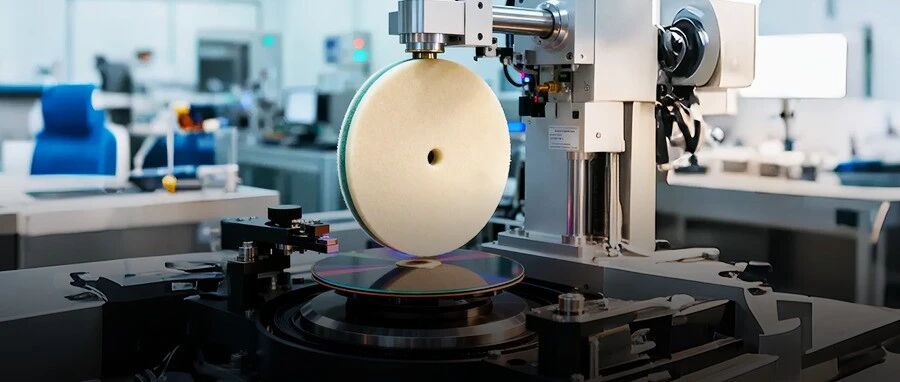
Core Viewpoint - Companies often pursue cross-industry strategies as a shortcut for market value management, especially when their main business growth peaks. However, many of these attempts result in minimal impact and eventual withdrawal from the market, while a few succeed due to strategic foresight and strong execution capabilities [3][4]. Group 1 - The capital market sees cross-industry layouts as a means to boost market value when core business growth stagnates [3]. - Many companies that attempt cross-industry ventures fail to deliver substantial results, leading to their exit from the market [3]. - Successful cross-industry companies are rare and are characterized by their strategic vision and execution strength, making them worthy of attention [3][4]. Group 2 - A traditional consumable manufacturer has recently transformed into a significant player in the domestic semiconductor materials market, focusing on import substitution [4].
当锅圈不再只是“锅圈”:一个“社区央厨”的稀缺性
市值风云· 2025-10-27 10:09
Core Viewpoint - The article highlights the rapid growth and strategic evolution of Guoquan, a company that has successfully capitalized on the increasing demand for home dining in China, positioning itself as a significant player in the food supply chain and retail market [4][6][18]. Group 1: Company Overview - Guoquan was established in 2015, focusing on various hot pot ingredients and adopting a retail-centric business model by 2017 [6]. - The company expanded its store count from over 4,000 to nearly 10,000 between 2020 and 2022, leveraging a franchise model to enhance its market presence [6][12]. - As of 2024, Guoquan's revenue from franchise sales accounted for 84.2% of total revenue, while service fees contributed 2.4% [8]. Group 2: Financial Performance - In the first half of 2025, Guoquan achieved revenue of 3.24 billion RMB, a year-on-year increase of 21.6%, and a net profit of 183 million RMB, up 113.2% [12]. - The company’s core operating profit reached 190 million RMB, reflecting a growth of 52.3% [12]. - The average store efficiency declined from 700,000 RMB to 520,000 RMB in 2023 but began to recover in 2024, reaching 250,000 RMB in the first half of 2025, a 3.1% increase year-on-year [10][11]. Group 3: Strategic Initiatives - Guoquan has shifted its strategic focus from rapid expansion to optimizing existing franchise operations, termed the "seedling-sitting" strategy [11]. - The company plans to enhance its product offerings beyond hot pot ingredients to include barbecue, beverages, and breakfast items, aiming for comprehensive meal coverage [14]. - Guoquan has launched a second 10,000-store plan, targeting the addition of 10,000 new stores over the next five years, with a focus on expanding in lower-tier cities and towns [25]. Group 4: Supply Chain and Production - The company has invested in building its own food production facilities, increasing the proportion of self-produced products from less than 4% in 2021 to approximately 20% by mid-2025 [28][31]. - Guoquan has established a digital supply chain system, ensuring next-day delivery to retail stores, which has contributed to a stable gross margin of over 20% for three consecutive years [31][34]. - The company’s logistics capabilities have also led to a new growth segment in B2B sales, with revenue from other channels reaching 867 million RMB in 2024, a 50.8% increase [36]. Group 5: Market Position and Competitive Advantage - Guoquan is uniquely positioned in the market, with a significant presence in third-tier cities and below, where it operates approximately 80% of its stores [22][25]. - The company offers competitive pricing, with its products priced significantly lower than those in supermarkets and dining channels, providing a natural advantage in lower-income markets [20][21]. - Guoquan's business model integrates production, retail, and supply chain management, allowing for greater control and efficiency compared to traditional players in the market [18][19].

汇添富旗下债基巨亏后却装哑巴,背后折射出的是什么?
市值风云· 2025-10-27 10:09
Core Viewpoint - Huatai Fuhua Fund, once known for its "stable investment" approach, is currently facing significant challenges as its bond funds have underperformed, leading to a loss of investor confidence [3][9]. Group 1: Fund Performance - Huatai Fuhua's bond fund, Huatai Fuhua Pure Bond A, has experienced a drawdown of over 7% in the last three months and a loss of 5.4% in the last six months, ranking it among the bottom in the market [5][10]. - The fund's performance has shattered the perception that "pure bond funds equal stability," placing Huatai Fuhua under scrutiny as a leading fixed-income fund company [9][10]. - The overall bond market has seen a shift in investment logic, leading to a "double kill" scenario for both stocks and bonds, with Huatai Fuhua's fund being particularly affected [12][17]. Group 2: Market Conditions - A fundamental shift in macro policy expectations has occurred, with strong stimulus signals leading to increased inflation expectations and potential upward pressure on interest rates, negatively impacting the bond market [13][16]. - The "see-saw" effect between stocks and bonds has become evident, with capital flowing from the bond market to the equity market due to lower deposit rates and a strong stock market performance [16][17]. Group 3: Management Issues - The significant losses in Huatai Fuhua Pure Bond A are attributed not only to market conditions but also to internal management decisions, including a sudden change in fund management during a turbulent market period [19][20]. - The previous fund manager, He Min, had a solid track record, while the new manager, Peng Weinan, lacks sufficient experience in managing long-term pure bond funds, leading to a mismatch in capability and asset complexity [23][25]. - The departure of experienced managers has created a talent gap within the firm, exacerbating the challenges faced by the fixed-income team [30][31]. Group 4: Governance and Trust Issues - The issues faced by Huatai Fuhua are indicative of deeper governance flaws and a crisis of trust within the company, as evidenced by a significant drop in the scale of new fund issuances from 200 billion in 2020 to 25.9 billion in 2024 [26][27]. - The internal pressure on research and investment talent has led to a situation where fund managers are overextended, making it difficult to conduct thorough due diligence on each bond [28][30]. - The lack of effective risk control and communication with investors has further intensified the trust crisis, as the fund's significant drawdown went unaddressed by the internal risk management system [32].
赵诣三季度靠“两端配置”跑出超额,基金规模快速飙升,独门基封闭三年到期开放,投资者还满意吗?
市值风云· 2025-10-27 10:09
Core Viewpoint - The article discusses the investment strategy of Zhao Yi, focusing on three main sectors: AI, lithium battery, and military industry, highlighting a shift from a single focus on new energy to a diversified approach that includes technology and industries in transition [1][17]. Fund Performance - The fund managed by Zhao Yi, named Quan Guo Xu Yuan, achieved a net value growth of 4.75% since its inception, with a notable performance of 45.5% in the third quarter [3][8]. - Despite the recent performance, the fund has underperformed against its benchmarks and the CSI 300 index in previous years, particularly in 2023 where it recorded a -25.87% return [6][7]. Investment Strategy - Zhao Yi's investment strategy has evolved to a "dual allocation" approach, focusing on both the technology AI sector and industries in transition, particularly in new energy and military [11][17]. - The fund's top ten holdings now include a mix of sectors, with 70% of its top holdings in new energy, indicating a diversification in its investment portfolio [11][12]. Portfolio Composition - As of the end of the third quarter, the fund's top ten holdings accounted for over 60% of its total assets, with a turnover rate of 26.9%, suggesting a more stable portfolio structure [13][14]. - Key stocks in the portfolio include Ningde Times, Tencent, and new additions like Tianqi Lithium and Alibaba, reflecting a strategic shift towards high-growth sectors [15][16]. Market Outlook - Zhao Yi is optimistic about the lithium battery sector, particularly focusing on materials with tight supply and long production cycles, predicting a healthier and more sustainable price and volume growth compared to previous cycles [17][18]. - The article emphasizes the importance of AI in Zhao Yi's strategy, targeting internet leaders, new application-driven companies, and cloud service providers [17].