创业家

Search documents
牛文文:在别人绝望时布局,环境复苏后才能最早起飞
创业家· 2025-10-30 10:10
Core Viewpoint - The article emphasizes the resurgence of global capital in the Chinese market, particularly highlighting the popularity of Hong Kong stocks as a favorable option for traditional small and medium-sized enterprises, especially in the consumer sector [4][5]. Investment Opportunities - The recent listing of Baima Tea on the Hong Kong Stock Exchange marks it as the "first high-end Chinese tea stock," which has attracted significant market interest, evidenced by an oversubscription of 1920 times in both international placement and public offering [5][6]. - The stock opened at HKD 80.1, reflecting a 60.2% increase, with a market capitalization exceeding HKD 71.95 billion on its first day [7]. The price further rose to HKD 99.2, pushing the market cap to over HKD 84.32 billion [8]. Market Timing and Strategy - The article suggests that while it may seem late to enter the market now, there are still opportunities available. It notes that companies nearing the IPO stage began entering the Hong Kong market about six months ago, prior to the current surge [10]. - It stresses the importance of early positioning, indicating that many successful investments are made during challenging times, allowing for significant gains when the market recovers [11][12]. Entrepreneurial Development - The article promotes an upcoming event led by industry leaders, focusing on brand positioning, securing investment, and managing cash flow, aimed at helping entrepreneurs become category leaders [13][15]. - The event will feature discussions on entrepreneurial leadership and brand positioning, with insights from notable figures in the investment and entrepreneurship sectors [16][19]. Event Details - The event is scheduled from November 20 to November 22, with activities designed to foster networking and knowledge sharing among entrepreneurs [21][22]. - The pricing structure includes an early bird discount, encouraging participation from a broader range of entrepreneurs [22].


对公司来说,什么是最致命的问题?
创业家· 2025-10-29 10:16
每日金句 一个公司最致命,也是非常容易出现的问题,是你的每个最小作战单位都出了 问题。什么叫癌症?癌症是一个细胞变成了癌细胞,然后更多的细胞也变成了 癌细胞,癌症就来了。 卫哲丨 嘉御基金创始合伙人 黑马实验室加速导师 这里认真推荐你: 报名 「 黑马·山海计划班 」 11月20日-11月22日 , 天图投资创始合伙人&CEO 冯卫东将与创业黑马董事长牛文文 , 亲 自带一批黑马的同学们,一起走进安徽黄山。 3天时间,大家一起畅聊:怎么搞定品牌定位、搞定投资人的钱、搞定现金流,带你成为 未来的品类第一! 文章末尾扫码,即可报名! 活动详情如下 ↓↓↓ 攀黄 | 冷峰, 拓创业新境 伴奇松险势, 守创业初心 安徽 ·黄山 2025.11.20-22 牛文文与冯卫东亲自带队,邀约百名企业家, 攀山见己,登峰见势。 共同向内探寻创始人的创业领导力, 向外探寻品牌定位的科学方法,助力品牌穿越周期。 你收听非 部分投资案例 ·《升级定位》作者、被誉为"最懂定位的投资人" ·荣获福布斯中国2020年最佳创业投资人100强,被评为中国顶级 投资人之一 ·累积投资经验超20年,天图投资管理基金规模超200+亿,投资 企业数量 ...

去过东南亚才明白:内卷或许能赢下某次战役,却摧毁了整个战场
创业家· 2025-10-29 10:16
Core Viewpoint - The article discusses the concept of "involution" in business, emphasizing that competing through destructive price wars ultimately harms the market and brand reputation, particularly for Chinese manufacturing in international markets [2][10]. Group 1: Historical Context and Lessons - In the 1990s, Chinese motorcycle brands entered Southeast Asia, using aggressive price competition to reduce average prices from $700 to $200, which led to the decline of Japanese brands [3]. - Despite winning the price war against Japanese brands, Chinese manufacturers failed to establish a sustainable market presence due to lack of profits, after-sales service, and quality, resulting in a tarnished reputation for "Made in China" [4][6][7]. Group 2: Long-term Strategy - The article highlights the importance of "long-termism" in business, as exemplified by Wuling's commitment to establishing a lasting presence in Indonesia, marking each anniversary as a milestone in their journey [8][9]. - It argues that businesses should focus on product quality and customer satisfaction rather than short-term victories through price cuts, which can lead to a loss of respect for the brand [10]. Group 3: Japanese Business Practices - Japanese companies like Kao and Suntory prioritize customer satisfaction over profits, focusing on practical, innovative products that meet market needs [11]. - The success of brands like Kikkoman and FANCL is attributed to their ability to adapt to local markets while maintaining product integrity and addressing consumer needs [13][24]. Group 4: Practical Insights for Businesses - The article suggests that companies should engage deeply with consumer needs and market conditions, akin to farmers observing their crops, to identify genuine growth opportunities [21]. - It emphasizes the importance of understanding consumer behavior and preferences through direct engagement rather than relying solely on data [22][23]. Group 5: Educational Opportunities - The article promotes a learning trip to Japan, aimed at exploring the operational strategies of successful Japanese brands during low-growth periods, providing insights into sustainable business practices [16][30].

四次登顶中国首富,钟睒睒凭什么?
创业家· 2025-10-29 10:16
Core Insights - The article highlights the remarkable rise of Zhong Shanshan, founder of Nongfu Spring, who has become the richest person in China for the fourth time, with a wealth increase of 190 billion RMB, totaling 530 billion RMB [5][6]. Group 1: Wealth Growth and Market Position - In 2025, Nongfu Spring's high-end water series saw a year-on-year sales growth of 38%, and its tea beverage market share surpassed 25%, contributing significantly to Zhong's wealth increase [7]. - Zhong Shanshan's wealth growth is attributed to his long-term investments in the health and technology sectors, particularly through Nongfu Spring and Wantai Biological Pharmacy, which leads in the HPV vaccine market [29][30]. Group 2: Business Strategy and Marketing - Nongfu Spring differentiated itself in a competitive market by avoiding traditional celebrity endorsements and instead using emotional storytelling in its marketing campaigns, such as the famous slogan "Nongfu Spring is a bit sweet" [18][29]. - The company successfully positioned itself against major competitors like Wahaha by promoting natural water over purified water, which garnered significant media attention and public interest [20][21]. Group 3: Challenges and Resilience - In 2024, Zhong faced a public relations crisis following the death of Wahaha's founder, which led to negative media coverage and a significant drop in Nongfu Spring's stock price, resulting in a 23.4% decline for the year [23][24][25]. - Despite these challenges, Zhong's wealth rebounded in 2025, aided by a legal battle involving Wahaha that shifted public perception back in his favor [27][28]. Group 4: Long-term Vision and Innovation - Zhong's success is attributed to consistent research and development investments and a focus on essential consumer needs, establishing a strong market presence in the health sector [30][31]. - The article emphasizes that true wealth growth comes from long-term commitment to core industries and innovative breakthroughs, contrasting with the volatility seen in sectors like real estate and internet [29][31].

目前创业,有三个好方向
创业家· 2025-10-28 10:11
Core Insights - Entrepreneurs are encouraged to explore new overseas markets and seek new industrial momentum domestically, with three emerging industries in China: (1) strong and supplementary chains around hard technology, new energy vehicles, and energy storage; (2) overseas e-commerce driven by platforms like Pinduoduo and Douyin; (3) high-cost performance consumption in sinking markets [1] Group 1: Event Overview - The "Black Horse Mountain and Sea Plan" event will take place from November 20 to 22, 2025, in Huangshan, led by Niu Wenwen and Feng Weidong, aimed at enhancing entrepreneurial leadership and brand positioning [3][9] - The event includes a series of activities designed to foster collaboration among entrepreneurs, focusing on leadership, brand co-creation, and resource sharing [7][12] Group 2: Key Activities - The itinerary features a welcome dinner, nature exploration, and discussions on entrepreneurial leadership and brand positioning, culminating in a summit at the peak of Huangshan [9][10] - Participants will engage in workshops and discussions on brand positioning and entrepreneurial leadership, with insights from industry leaders [9][10]

农机狂人,要去IPO了
创业家· 2025-10-28 10:11
Core Viewpoint - The article discusses the journey and challenges of Fengjiang Intelligent, a leading player in the global agricultural robotics market, as it prepares for an IPO in Hong Kong. The company, founded by Wu Di, aims to revolutionize agriculture by automating 80% of labor-intensive tasks, despite facing significant financial losses and competition in a rapidly evolving market [5][16]. Group 1: Company Overview - Fengjiang Intelligent holds a market share of 8.5% in the agricultural robot sector, ranking third globally, and 16.9% in the aftermarket kit segment, ranking second [5][25]. - The founder, Wu Di, has a strong academic background and previously served as the chief scientist at DJI, which adds credibility to the company's technological ambitions [5][10]. - The company has accumulated losses of approximately 1.3 billion yuan over three and a half years, highlighting the financial challenges faced in the agricultural technology sector [5][13]. Group 2: Business Strategy and Challenges - Fengjiang Intelligent focuses on automating ground agricultural machinery, believing that the core of agricultural production lies in ground-level operations [14][16]. - The company has adopted a modular design for its products, allowing for flexible and cost-effective solutions that appeal to small and medium-sized farms [15][25]. - Despite a slight increase in revenue from 2022 to mid-2025, the company continues to face significant financial pressures due to high R&D costs and market expansion efforts [19][22]. Group 3: Market Landscape - The global agricultural robotics market is projected to grow from approximately $13.5 billion in 2024 to about $27.6 billion by 2029, indicating substantial growth potential [25][26]. - The Chinese smart agricultural machinery market is expected to rise from 11.8 billion yuan in 2024 to 22.4 billion yuan in 2025, reflecting rapid development in this sector [25][26]. - Fengjiang Intelligent faces competition from established agricultural machinery giants like John Deere and local tech firms such as XAG Technology, which complicates its market positioning [27][28]. Group 4: Financial Outlook and Future Prospects - The company has seen its operating cash flow turn positive for the first time in mid-2025, achieving a net inflow of 77.53 million yuan, which is a significant milestone [22][30]. - The reliance on a single business segment, particularly in agriculture, poses operational risks, prompting the company to diversify into construction and property management [19][21]. - The upcoming IPO in Hong Kong is viewed as a critical step in the company's capital strategy, potentially providing the necessary funds to navigate its financial challenges and support growth initiatives [23][30].

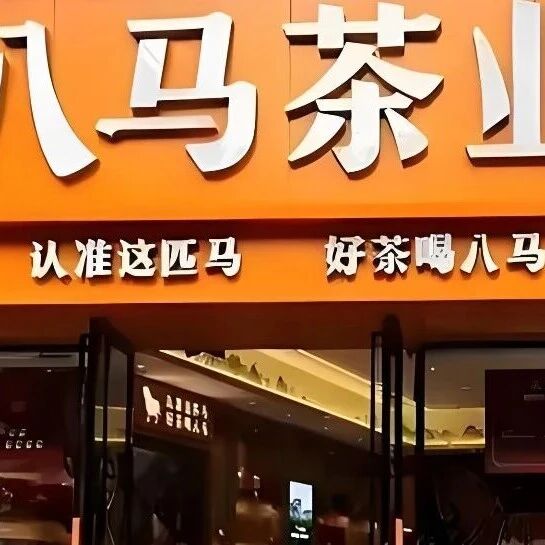
冯卫东:我们投的八马茶业,刚成功登陆港股!
创业家· 2025-10-28 10:11
Core Viewpoint - Baima Tea Co., Ltd. has officially listed on the Hong Kong Stock Exchange, becoming the "first high-end Chinese tea stock" with a stock code of 6980.HK [1] Group 1: Company Overview - Baima Tea's IPO was highly sought after, with both international placements and public offerings oversubscribed by 1920 times [3] - The opening price on the first day of trading was HKD 80.1, reflecting a 60.2% increase, with a market capitalization exceeding HKD 71.95 billion [4] - The brand's origins date back to 1736, with the founding of Baima Tea in 1997 by the Wang family, who have a long history in tea production [4] - Baima Tea operates over 3,700 offline stores across all provinces in mainland China, ranking first in the number of tea specialty stores nationwide [4] Group 2: Market Position and Competitive Advantage - Baima Tea has successfully navigated the traditional challenges of the Chinese tea industry, establishing a significant lead in sales revenue within the "three famous teas" categories: black tea, rock tea, and Tieguanyin [9] - The company has achieved the status of "number one in national sales of high-end Chinese tea," leveraging advantages in brand value, tea-making skills, product development, and supply chain capabilities [9] - The listing marks a step forward for the Chinese tea industry towards standardization and branding, with expectations for Baima Tea to enhance the quality of tea products and cultural experiences for consumers globally [9]
孙宏斌逃出生天
创业家· 2025-10-27 10:10
Group 1 - The core point of the article is that Sunac China has received approval from the majority of its creditors for its offshore debt restructuring plan, which is a significant step towards alleviating its debt burden [5][6]. - A total of 1,469 creditors voted in favor of the offshore debt restructuring plan, representing approximately 98.5% of the creditors present at the meeting, and holding about $79.6 billion in total planned debt [5][6]. - If the restructuring is successful, combined with the domestic debt restructuring completed earlier this year, Sunac's overall debt pressure could be reduced by nearly 70 billion yuan [6]. Group 2 - The restructuring plan involves a full debt-to-equity swap, allowing creditors to become shareholders, thereby sharing risks and benefits [14][19]. - The plan includes issuing two series of new mandatory convertible bonds to creditors, with conversion prices set at 6.8 HKD and 3.85 HKD per share, while Sunac's current stock price is only 1.53 HKD [14][15]. - The next step for Sunac is to seek approval from the Hong Kong High Court for the restructuring plan, with a hearing scheduled for November 5 [15]. Group 3 - Sunac's debt crisis began in March 2022, leading to a series of financial struggles, including a debt default in May 2022 [21][22]. - The company has been actively selling assets and restructuring its debts, with a total debt of 1.05 trillion yuan by the end of 2021, while cash reserves were significantly low at 14.34 billion yuan [23]. - In January 2023, Sunac completed a 16 billion yuan domestic debt extension, and in November 2023, it approved a debt restructuring plan involving a debt-to-equity swap [24]. Group 4 - Sunac's founder, Sun Hongbin, has re-emerged in public as the debt restructuring progresses, indicating a potential recovery from the crisis [28]. - The company has delivered approximately 1.49 million housing units in 23 cities in the first half of the year, with plans to deliver 39,100 units by the second half of 2025 [29]. - Despite the restructuring efforts, Sunac's financial performance has been declining, with net losses reported from 2021 to 2024, and a significant number of lawsuits related to unpaid debts [30][31].

创业者要做到“四个不要”
创业家· 2025-10-27 10:10
Core Viewpoint - The article emphasizes the importance of making decisions based on rational analysis rather than personal interests, emotions, or biases [1] Group 1: Event Overview - The "Black Horse Mountain and Sea Plan" is scheduled from November 20 to 22, 2025, in Huangshan, Anhui, led by prominent figures in the entrepreneurial space [4][12] - The event aims to explore entrepreneurial leadership and brand positioning through a combination of discussions, workshops, and networking opportunities [11][16] Group 2: Key Speakers - The event features key speakers such as Niuwenwen, founder and chairman of Chuangye Heima, and Feng Weidong, founder and CEO of Tiantu Investment, both of whom have extensive experience in entrepreneurship and investment [6][10] - Feng Weidong is recognized as one of China's top investors, with over 20 years of investment experience and a fund management scale exceeding 200 billion [10] Group 3: Learning Outcomes - Participants will gain insights into the new definitions of entrepreneurial leadership in the context of AI, international expansion, and market penetration [11] - The program includes collaborative workshops focused on breaking the cycle of internal competition and enhancing brand strength [11] Group 4: Itinerary Highlights - The itinerary includes activities such as a welcome dinner, nature exploration, and discussions on entrepreneurial leadership and brand positioning [13][14] - Key sessions will cover topics like "Entrepreneurial Leadership" and "Using Brand to Lead Entrepreneurship," with practical group assignments and feedback from mentors [13]

冯卫东:我们投的鲍师傅,找到了不依赖IPO的投资盈利方式
创业家· 2025-10-27 10:10
Core Insights - The article emphasizes the long-term value of consumer investment despite recent challenges in the sector, suggesting that the current market conditions may present new opportunities for those who remain committed [1][3] Investment Strategy Adjustments - The company has expanded its investment focus to include sectors like biomedicine and low-altitude economy, categorizing consumer investments into technology and non-technology segments [1] - A shift in investment strategy has occurred, moving away from reliance on IPOs as the primary exit strategy due to the lengthy IPO process, which could take up to 50 years for all potential exits based on current rates [1][2] New Investment Approaches - The establishment of a merger and acquisition (M&A) fund is highlighted, targeting projects from diversified groups, "first-generation" entrepreneurs, and serial entrepreneurs who prefer selling businesses rather than taking them public [4] - The company is also pursuing an industrial integration fund, collaborating with industry leaders and local governments to launch investment funds focused on early and growth-stage companies [5] - A dividend strategy has been introduced, exemplified by the launch of a SPAC product in Macau, which utilizes a revenue-sharing model to invest in profitable businesses with strong cash flows [6][10] Market Outlook - The adjustments in strategy have opened up new investment opportunities that were previously inaccessible under an IPO-focused approach, allowing for a broader range of potential assets [9] - The company anticipates that these new strategies, including the industrial integration fund, M&A fund, and revenue-sharing products, will gain traction and lead to significant returns in the future [13]