创业家

Search documents
1元打火机,狂赚150亿
创业家· 2025-09-07 10:11
Core Viewpoint - The article highlights the success story of Shaodong, a small city in Hunan, China, which has become the world's largest lighter production base, producing approximately 15 billion lighters annually and generating nearly 15 billion yuan in output value. The city has maintained a stable price of 1 yuan for its lighters for 20 years, showcasing effective cost control and innovation in production processes [4][12][28]. Group 1: Industry Background - Shaodong's lighter industry emerged as a result of a shift from the coastal city of Wenzhou, which faced challenges due to international market barriers and regulations [8][13]. - The lighter market was historically dominated by Western brands until Chinese manufacturers, particularly from Wenzhou, began to produce affordable alternatives, leading to a significant market share [11][12]. - The decline of Wenzhou's metal lighter industry due to regulatory challenges opened the door for Shaodong's rise in the injection-molded lighter segment, which began to flourish in the early 2000s [15][16]. Group 2: Key Success Factors - Shaodong's success can be attributed to three main strategies: focusing on technology and craftsmanship to enhance product value, selecting the right market segment, and fostering collaboration among local manufacturers [18][22][26]. - The city has shifted its focus from low-cost production to higher-value products, with exports to Europe and the U.S. reaching a total value of 440 million yuan in 2022 [21][22]. - Shaodong's lighter industry benefits from a well-established supply chain, with over 120 related enterprises providing components and services, allowing for rapid production and cost efficiency [23][25]. Group 3: Pricing Strategy - Despite rising costs in land, materials, and labor, Shaodong has maintained the price of its lighters at 1 yuan for two decades, achieving this through stringent cost control measures [30][31]. - Automation and technological upgrades have significantly reduced production costs, enabling higher output with fewer workers, thus maintaining profitability even at a low price point [33][39]. - The concept of economies of scale plays a crucial role, as increased production volume leads to lower average costs, allowing Shaodong to sustain its pricing strategy effectively [34][35]. Group 4: Broader Implications - The success of Shaodong's lighter industry exemplifies how small products can lead to substantial economic impact, reflecting a broader trend in China's manufacturing sector where low-cost, high-volume production can compete globally [37][41]. - Similar success stories exist in other regions of China, such as the toothbrush industry in Yangzhou and the makeup brush industry in Henan, indicating a pattern of small towns leveraging niche markets for significant economic contributions [36][38].


吴世春:创始人只要定义出“蛋糕”,这个世界就不缺钱和人
创业家· 2025-09-06 10:01
Core Viewpoint - The article emphasizes the importance of having a clear strategy for entrepreneurs to define their market opportunities and effectively allocate resources, which in turn attracts investment and talent [4]. Group 1: Investment Insights - The capital chain in China is described as the most complete globally, providing ample opportunities for entrepreneurs with clear strategies to secure funding [4]. - The author aims to become one of the most active early-stage investors in China by 2025, managing over 10 billion in funds and having invested in over 600 companies, with 13 achieving IPOs [4][13]. - An estimated investment of no less than 1.5 billion is expected in the second half of the year [4]. Group 2: Entrepreneurial Support - A learning event is scheduled from September 21-23, where 100 entrepreneurs will explore innovative growth opportunities in Sichuan, focusing on emerging industries [6][10]. - Participants will engage in deep networking and learning experiences, including discussions on technology innovation and commercialization strategies [11][12]. - The event aims to provide entrepreneurs with methodologies for overcoming challenges and understanding the core logic of capital-favored sectors [11]. Group 3: Industry Focus - The article highlights key sectors such as robotics, smart manufacturing, low-altitude economy, satellite communication, and the integration of technology with consumer products as areas of significant growth potential [10][21]. - The event will feature discussions on the transformation of satellite manufacturing models and the commercialization of satellite technology [21].

安徽首富,身价一日暴涨93亿
创业家· 2025-09-06 10:01
Core Viewpoint - The article highlights the significant growth and strategic transformation of Sungrow Power Supply Co., Ltd., particularly its shift towards energy storage systems, which have now become its primary revenue source, surpassing traditional photovoltaic inverter sales. This transition is set against a backdrop of a recovering market for Chinese core assets, as evidenced by the company's recent stock performance and plans for an H-share listing in Hong Kong [5][6][19]. Group 1: Company Performance and Financials - On September 3, 2025, Sungrow's stock surged by 15.30%, closing at 114.9 yuan, with a total market capitalization of 238.2 billion yuan. This increase has significantly boosted the wealth of its chairman, Cao Renxian, whose net worth rose by 30 billion yuan to 71.5 billion yuan over the past year [5]. - For the first half of 2025, Sungrow reported a revenue of 43.533 billion yuan, a year-on-year increase of 40.34%, and a net profit of 7.735 billion yuan, up 55.97% from the previous year [5]. - The company's energy storage system revenue reached 17.803 billion yuan in the first half of 2025, marking a staggering year-on-year growth of 127.78%, and accounting for 40.89% of total revenue [17]. Group 2: Strategic Shifts and Market Position - Sungrow's main business has shifted from photovoltaic inverters to energy storage systems, which now represent the largest revenue source. The share of photovoltaic inverters in total revenue has decreased to 35.21% [17]. - The gross margin for energy storage systems stands at 39.92%, compared to 35.74% for photovoltaic inverters, indicating a more profitable business model [18]. - The company has expanded its global footprint, with overseas revenue surpassing domestic revenue for the first time, achieving 25.379 billion yuan from international markets, a growth of 88.32% [19]. Group 3: Future Prospects and Global Expansion - Sungrow plans to issue H-shares and list on the Hong Kong Stock Exchange, following the trend of other major players in the energy storage sector. This move is expected to enhance its capital base and support its global expansion strategy [6]. - The company has established a strong presence in international markets, including significant projects in the Middle East and Europe, such as a 7.8 GWh storage project in Saudi Arabia and a 4.4 GWh order in the UK [18]. - The strategic decision to focus on energy storage aligns with global market demands and positions Sungrow favorably against competitors like BYD and CATL [17][19].

创业,就是一刀刀被人砍的过程
创业家· 2025-09-05 10:10
Core Viewpoint - The article emphasizes the challenges and complexities of entrepreneurship, highlighting the various external and internal pressures that entrepreneurs face, including competition, regulation, and self-imposed limitations [1]. Group 1: Event Overview - The event led by Wu Shichun will take place from September 21 to 23, focusing on exploring the aerospace technology industry and consumer technology upgrades [6]. - Participants will engage in a deep immersive learning experience, covering topics from technological innovation to commercialization strategies [7]. Group 2: Investment Insights - Wu Shichun is expected to invest no less than 1.5 billion in the second half of the year [4]. - The event aims to connect entrepreneurs with key industry players and investors, fostering collaboration and ecosystem building [7]. Group 3: Target Audience - The event targets various sectors, including robotics, smart manufacturing, low-altitude economy, satellite communication, and hard technology combined with consumer products [18][19][21][22]. Group 4: Participation Details - The event costs 12,800 per person for early bird registration, covering accommodation and meals, excluding travel expenses [23].

2026年前,最后的暴富机会
创业家· 2025-09-05 10:10
Core Insights - The success of the food and beverage industry can be summarized in four key phrases: "Five Additions," "Five Reductions," "Five Zeros," and "Five Pursuits" [4][6][7][8] - Successful brands are often trend-driven, with timing being a crucial factor for their success [3][9] Group 1: Five Additions - The "Five Additions" refer to the incorporation of protein, calcium, cheese, dietary fiber, and probiotics into products [5] Group 2: Five Reductions - The "Five Reductions" focus on decreasing sugar, fat, calories, oil, and salt in food and beverage offerings [6] Group 3: Five Zeros - The "Five Zeros" emphasize the absence of sugar, colorants, flavorings, preservatives, and additives in successful products [7] Group 4: Five Pursuits - The "Five Pursuits" highlight the consumer demand for freshness, natural ingredients, green products, organic options, and lightweight offerings [8] Group 5: Market Trends and Events - The article discusses a course titled "Black Horse Consumption Rise Selected Course" taking place from October 17 to 19 in Shenzhen, featuring industry leaders sharing insights on product innovation and brand expansion [10][11][30]

成都中专生,干出3500亿
创业家· 2025-09-05 10:10
Core Viewpoint - The article highlights the significant growth and investment opportunities in the AI-driven optical module market, particularly focusing on the company NewEase, which has seen its stock price surge over 400% in the past five months and achieved a market capitalization of 350 billion yuan [5][10]. Group 1: Company Performance - NewEase reported a revenue of 10.437 billion yuan for the past six months, representing a year-on-year growth of 282.64%, while net profit surged by 355.68% to 3.942 billion yuan [11]. - The operating cash flow net amount increased fourfold to 0.953 billion yuan, indicating strong cash generation capabilities [11]. - The company has positioned itself as a leader in the optical module sector, with clients including major tech firms like Nvidia, Microsoft, and Amazon [12]. Group 2: Market Dynamics - The optical module market is experiencing high demand due to the explosive growth of AI technologies, leading to a competitive landscape where NewEase has been proactive in launching advanced products [13]. - NewEase has introduced various optical module specifications, including the industry's first low-power 400G module in 2018, and has continued to innovate with 800G and 1.6T products [13]. - The company anticipates a threefold increase in performance in 2024, with projected sales of 20 billion yuan and production capacity reaching historical highs [13]. Group 3: Leadership Background - The founder, Gao Hongrong, started his career in the optical communication industry at the age of 20 and founded NewEase at nearly 40 years old, leveraging nearly two decades of experience [15][16]. - Under his leadership, NewEase transitioned from focusing on the domestic telecom market to becoming a key player in the global data communication supply chain [16]. Group 4: Investment Landscape - The shareholding structure of NewEase is relatively dispersed, with the top two shareholders, Gao Hongrong and General Manager Huang Xiaolei, holding 14.53% of the shares [19]. - Institutional investors, including several ETFs, dominate the top shareholder list, reflecting strong market confidence and driving the company's valuation upward [20]. - The article notes that other optical module manufacturers, such as Zhongji Xuchuang and Tianfu Communication, have also seen significant stock price increases, indicating a broader trend in the sector [21].

吴世春:一个普通三本毕业生,为什么值得我连投三次?
创业家· 2025-09-04 10:14
Core Viewpoint - The article emphasizes the importance of supporting young entrepreneurs from small towns, highlighting their potential and ambition in driving innovation and growth in various industries [14][15]. Investment and Entrepreneurial Journey - In 2018, a significant investment of 30 million was made into a company called "找靓机" [2]. - The company was sold for 2 billion in 2020 to another entity named "转转" [5]. - The entrepreneur, referred to as "老温," has since ventured into the perovskite solar material sector, indicating a shift towards innovative technologies [8][10]. Investment Strategy and Future Plans - The investment firm plans to allocate no less than 1.5 billion in the second half of the year, indicating a robust financial position and commitment to supporting emerging businesses [16][17]. - The firm is particularly interested in projects led by young entrepreneurs who demonstrate intelligence and ambition, despite their humble beginnings [14][15]. Upcoming Events and Learning Opportunities - An event is scheduled from September 21-23, where 100 entrepreneurs will participate in a learning journey in Sichuan, focusing on innovation and growth strategies [19]. - The event will feature deep interactions with industry leaders and provide insights into capital trends and entrepreneurial methodologies [24][29]. Industry Focus Areas - The article outlines several key industry sectors for investment, including: - Satellite communication and technology [27]. - Robotics and smart manufacturing [29]. - Low-altitude economy, including drone applications [29]. - Hard technology and consumer innovation, particularly in AI and hardware [29].

张近东爬坡,1200亿苏宁消债瘦身,4家超市只卖4元
创业家· 2025-09-04 10:14
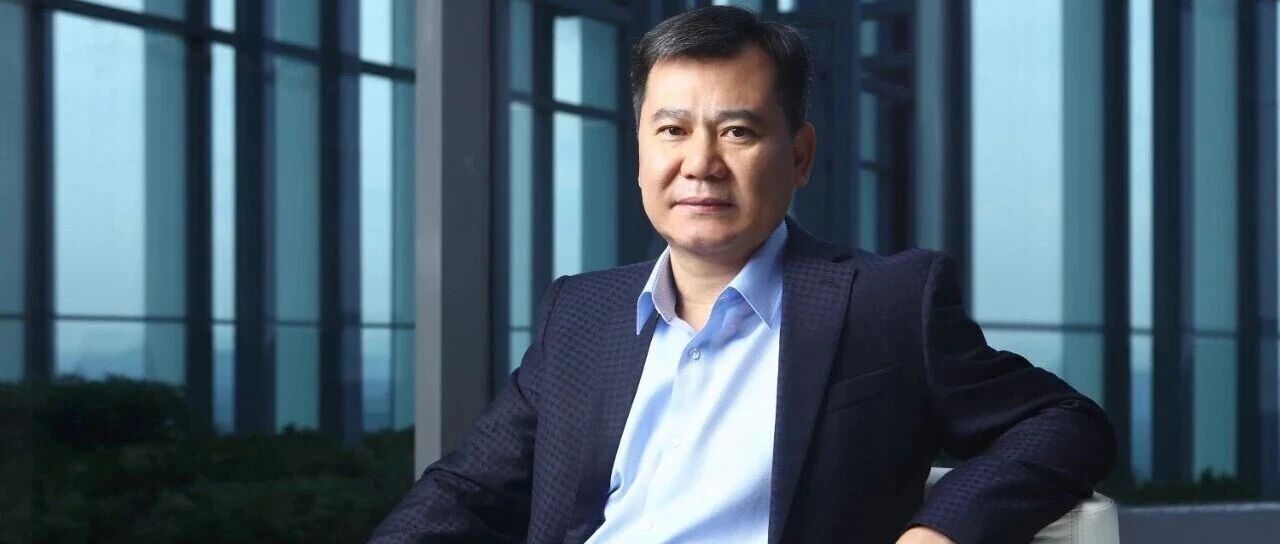
Core Viewpoint - Suning.com is gradually recovering from its financial struggles by focusing on its core business and optimizing its asset-liability structure, while also shedding non-core assets to improve profitability and reduce debt burden [5][21][45]. Financial Performance - In the first half of the year, Suning.com reported revenue of approximately 26 billion yuan, a slight increase of 0.44% year-on-year, marking its first revenue growth in six years [5][7]. - The net profit for the same period was 48.69 million yuan, a significant increase of 230.03% compared to the previous year [7]. - The company’s cash flow from operating activities decreased by 33.48% year-on-year, indicating ongoing liquidity challenges [7][44]. Strategic Moves - Suning.com has opened 37 new or renovated stores in first- and second-tier cities, focusing on enhancing its offline presence [8]. - The company has disposed of four underperforming Carrefour supermarkets, which helped to eliminate 5 billion yuan in debt and improve its financial statements [9][28]. - A settlement with Carrefour involved a payment of 220 million yuan to clear historical debts, which is expected to add approximately 11.1 billion yuan in debt restructuring gains [30][33]. Management and Governance - Zhang Jindong, the founder, remains influential as the second-largest shareholder, holding 17.7% of the company [14][17]. - The board of directors includes members from the Suning system, indicating strong internal control over company decisions [15][17]. Focus on Core Business - The company is concentrating on its core home appliance and 3C (computer, communication, consumer electronics) business, aiming to enhance profitability and reduce debt levels [21][40]. - Suning.com is leveraging government subsidies to strengthen its offline stores and improve sales performance [42][44]. Market Position and Future Outlook - Despite the challenges, Suning.com has seen a 11.7% increase in sales revenue from its stores in the first half of the year, with a 14.45% increase in comparable store sales in the home appliance and 3C categories [44]. - The company is expected to continue its efforts in optimizing its operations and expanding its market presence to achieve sustainable growth [45].

离开增长和规模,谈生意属于“耍流氓”
创业家· 2025-09-04 10:14
Core Viewpoint - The article emphasizes that discussing business without considering growth and scale is misleading, comparing business scale to a pyramid where the base represents more common businesses that can generate profit, while the top represents the dreams of a few that are harder to monetize [1]. Investment Insights - Wu Shichun, the founder of Meihua Venture Capital, is expected to invest no less than 1.5 billion in the second half of the year [5]. - The article highlights a learning and networking event led by Wu Shichun, aimed at exploring new growth engines through innovation in various industries [2][8]. Event Details - The event will take place from September 21 to 23, featuring deep engagement with industry leaders and entrepreneurs, focusing on technology innovation and commercialization strategies [10][19]. - Participants will have opportunities for one-on-one mentorship, project presentations, and networking with over 100 entrepreneurs [10][18]. Industry Focus - The event covers multiple sectors including robotics, smart manufacturing, low-altitude economy, satellite communication, and the integration of technology with consumer products [20][21][22][23]. - The article mentions that Meihua Venture Capital has invested in over 600 companies, with a total fund management scale exceeding 10 billion [12].

每一红利期都有 4 种赚钱模式
创业家· 2025-09-03 10:09
Core Viewpoint - The article discusses four profit-making models during every dividend period: Laborers, Winners, Arbitrageurs, and Trendsetters, each with distinct characteristics and earning potentials [1]. Group 1: Profit-Making Models - Laborers earn the average social wage and envy the winners [1] - Winners make money from temporary dividends and envy the arbitrageurs [1] - Arbitrageurs profit from information asymmetry by studying the patterns of dividend emergence, remaining sensitive to opportunities but needing to start anew each time, and they envy the trendsetters [1] - Trendsetters earn money from innovation, managing to survive in every era by seizing each wave of dividends, leading to long-term sustainability [1] Group 2: Investment Opportunities - The article highlights an upcoming offline learning event led by Wu Shichun, aimed at exploring innovative growth engines in Sichuan, with participation from 100 entrepreneurs [2][6] - Wu Shichun is expected to invest no less than 1.5 billion in the second half of the year [5] - The event will cover various sectors including robotics, smart manufacturing, low-altitude economy, and satellite communication, indicating a focus on high-growth industries [7][20][21] Group 3: Event Details - The event will take place from September 21 to 23, featuring activities such as networking dinners, guided explorations, and lectures on technology innovation and industry breakthroughs [17][18] - Participants will engage in deep learning experiences and discussions with industry leaders, enhancing their understanding of capital trends and strategic methodologies [8][18] - The event is priced at 12,800 yuan per person for early birds, including accommodation and meals [23]