半导体芯闻

Search documents
以色列,重塑全球芯片版图
半导体芯闻· 2025-09-28 09:47
Core Viewpoint - Israel has transformed from a "startup nation" to a global semiconductor powerhouse, playing a crucial role in reshaping the global chip landscape, with around 200 semiconductor companies and an annual export exceeding $10 billion, accounting for 5% of the national export [1][3]. Historical Development - The pivotal year for Israel's semiconductor industry was 1964 when Motorola established the first semiconductor R&D center in Israel, laying the foundation for the industry [3]. - Over the next decade, major companies like Microsoft and National Semiconductor entered Israel, enhancing local technological capabilities and establishing manufacturing facilities [3][4]. - The 1980s to 2000s marked a significant growth period, highlighted by Intel's development of the 8088 processor in 1984, which became a key component in the rise of the global PC industry [4]. Local Innovations - Israeli companies have made significant contributions, such as Galileo Technology's development of the first true flash file system in 1990, which revolutionized storage devices [5]. - Mobileye's introduction of the first ADAS-specific processor in 2004 established Israel as a leader in automotive technology, culminating in its acquisition by Intel for $15.3 billion [6]. Key Industry Players - Major global companies like Intel have played a significant role in Israel's semiconductor landscape, establishing R&D centers and manufacturing facilities that integrate local talent and technology into global supply chains [9]. - Mobileye's trajectory exemplifies the successful transition from R&D to commercialization, with its technology being widely adopted in the automotive industry [10]. - Other notable companies include Mellanox, acquired by NVIDIA for $6.9 billion, and Habana Labs, acquired by Intel for approximately $2 billion, both enhancing their respective parent companies' capabilities in AI and data center technologies [11][12]. Emerging Technologies - Israel's semiconductor industry is well-positioned to capitalize on emerging technologies such as AI, with the generative AI chip market projected to reach $125 billion by 2024 [30]. - The rise of edge computing and IoT aligns with Israel's strengths in sensor and edge computing chip development, presenting opportunities for commercialization in various sectors [30]. Competitive Advantages - Israel's semiconductor industry benefits from a strong local ecosystem supported by multinational companies, high R&D investment (4.3% of GDP), and a vibrant startup culture with around 70 semiconductor startups raising $5.5 billion [28][29]. - The education system emphasizes engineering and technology, producing a skilled workforce that supports innovation and aligns with global industry standards [28]. Future Outlook - The future of Israel's semiconductor industry will depend on its ability to leverage opportunities while addressing challenges such as talent retention, geopolitical risks, and competition from other regions [32][33]. - By focusing on its strengths in design and R&D, Israel can enhance its position as a "technology innovation node" in the global semiconductor landscape, particularly in AI and edge computing [33].


AI芯片厂商,从英伟达嘴里“抢蛋糕”
半导体芯闻· 2025-09-26 10:43
如果您希望可以时常见面,欢迎标星收藏哦~ 来源:内容来自半导体芯闻综合 。 正如《巴伦周刊》所言 先前指出AMD 目前的 AI 芯片对英伟达 Blackwell 硬件的主导地位影响甚 微。然而,即将推出的 MI400 系列(包括 MI450 芯片)将成为 AMD 首款机架式、72 处理器的 AI 服务器产品。这可能会使其成为一个更强劲的竞争对手,并推动 AMD 努力在英伟达芯片之外 实现 AI 硬件的多元化。 点这里加关注,锁定更多原创内容 *免责声明:文章内容系作者个人观点,半导体芯闻转载仅为了传达一种不同的观点,不代表半导体芯闻对该 观点赞同或支持,如果有任何异议,欢迎联系我们。 推荐阅读 10万亿,投向半导体 芯片巨头,市值大跌 黄仁勋:HBM是个技术奇迹 Jim Keller:RISC-V一定会胜出 预计到 2030 年,博通将在人工智能芯片市场占据近 14% 的份额,年收入约为 650 亿美元。 预计到本世纪末,英伟达的人工智能芯片市场份额将从约 80% 下降到 67%,这为竞争对手创造了机 会。 预计到 2030 年,超微半导体(AMD公司将占据人工智能芯片市场份额的 4% 以上,年收入约为 20 ...



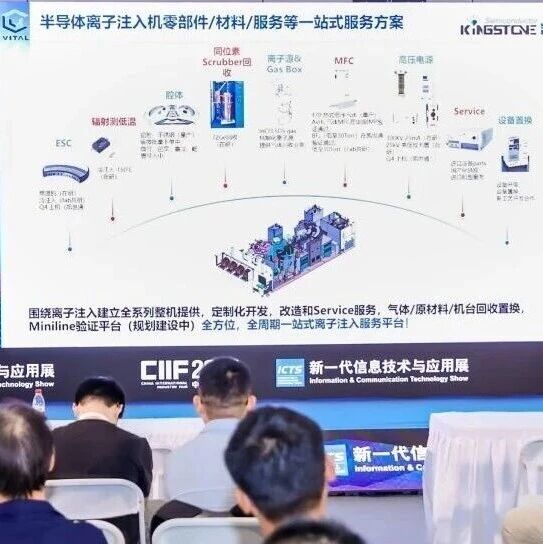
存储芯片市场,迎来超级周期?
半导体芯闻· 2025-09-26 10:43
Core Viewpoint - The article highlights the significant surge in the market value of South Korean chip manufacturers, SK Hynix and Samsung Electronics, driven by the increasing demand for high bandwidth memory (HBM) chips essential for AI applications, with expectations for continued growth in this sector [1][2]. Group 1: Market Dynamics - SK Hynix has seen a substantial increase in stock price due to its leading position in the HBM chip market, while investor expectations for Samsung Electronics to accelerate its competitive efforts are also rising [1]. - Analysts have raised the target stock prices for both companies by approximately 30% this quarter, with Morgan Stanley predicting a "super cycle" in the memory chip industry due to potential supply-demand imbalances next year [1][2]. - The demand for AI processors is growing, with companies like Nvidia and AMD increasing their procurement of HBM chips, which is expected to benefit South Korean chip manufacturers [1][2]. Group 2: Traditional Chip Market Recovery - The pessimism surrounding traditional DRAM and NAND chips is gradually dissipating, with expectations of a supply shortage in these areas by 2026, which could support prices [2]. - The Federal Reserve's potential interest rate cuts may stimulate economic growth in the U.S., further boosting chip sales [2]. - Despite a 24% increase in Samsung's stock price this month, its expected price-to-earnings ratio remains at 14 times, while SK Hynix's stock has surged 33% with a P/E ratio of only 7 times, indicating relatively low valuations compared to U.S. peers [2][3]. Group 3: Foreign Investment Trends - Foreign investment in South Korean chip stocks is expected to continue increasing, as these companies are perceived to have lower valuations compared to U.S. firms [2][3]. - Samsung's foreign ownership ratio is still 7 percentage points below its previous peak of 58%, suggesting room for further growth in foreign investment [3]. - Analysts predict that Samsung's stock price could surpass its historical high of 91,000 KRW within the next 12 months, driven by strong AI demand and recovery in traditional storage products [3].
这一芯片赛道,天塌了!
半导体芯闻· 2025-09-26 10:43
Core Viewpoint - The strategic alliance between NVIDIA and Intel aims to integrate AI-accelerated computing with the x86 ecosystem, significantly enhancing the influence of NVIDIA's NVLink technology over the traditional PCIe standard [3][15][21] Group 1: NVLink vs PCIe - NVLink technology offers several times the bandwidth and lower latency compared to PCIe, posing a significant challenge to the long-standing PCIe standard [3][15] - Intel's embrace of NVLink is a symbolic shift, indicating a potential restructuring of CPU and GPU interconnect paradigms, which may impact the demand for PCIe Retimer chips [3][15][21] Group 2: PCIe Retimer Chips - PCIe Retimer chips emerged as a necessary solution to address signal integrity issues as data transfer rates increased from PCIe 3.0 to PCIe 6.0, with insertion loss rising from 22dB to 36dB [6][7] - Retimer chips are crucial for extending transmission distances and improving signal quality in high-speed data center environments, especially as AI demands grow [10][11] Group 3: Market Dynamics - The PCIe Retimer chip market is characterized by a "duopoly" led by AsteraLabs and Lanqi Technology, with other players like Pericom and TI competing in various segments [12][13][14] - The global PCIe Retimer chip market is projected to reach $1.8 billion by 2025, driven by the increasing demand for high-speed interconnects in AI and server applications [14] Group 4: Impact of NVIDIA and Intel Alliance - The partnership between NVIDIA and Intel may disrupt the PCIe Retimer market, as NVLink's superior bandwidth and lower latency could reduce the need for Retimer chips in AI server configurations [15][16][21] - Intel's integration of NVLink into its x86 CPUs could lead to a shift in the server ecosystem, potentially establishing NVLink as the new industry standard [17][18] Group 5: Future Outlook - Despite the potential challenges posed by NVLink, PCIe Retimer chips may still hold value in scenarios where long-distance transmission and complex topologies are required, ensuring their relevance in the AI era [21]
英伟达,再投1000亿美元
半导体芯闻· 2025-09-26 10:43
Core Viewpoint - The partnership between OpenAI and Nvidia, valued at $100 billion, aims to reshape AI system training and deployment, requiring at least 10 gigawatts of Nvidia hardware to support OpenAI's next-generation AI infrastructure [1][2]. Group 1: Agreement Details - Nvidia plans to invest up to $100 billion in OpenAI to support its deployment, with the first phase expected to launch in the second half of 2026 [1][4]. - The agreement involves Nvidia purchasing non-voting shares of OpenAI, which will then use the funds to buy Nvidia chips [2][4]. - The initial delivery of Nvidia hardware is anticipated to be completed by the end of 2026, with 1 gigawatt of computing power going live on the Vera Rubin platform [4]. Group 2: Market Impact - Following the announcement, Nvidia's stock rose by 4.4%, reaching a historical high, while shares of other companies involved in AI projects, such as甲骨文, increased by approximately 6% [3]. - The deal may raise concerns among competitors regarding Nvidia's dominance in the chip market and OpenAI's position in AI software, potentially leading to questions about fair competition [2][8]. Group 3: Strategic Implications - OpenAI's CEO emphasized that computing infrastructure will be foundational for future economies, aiming to leverage Nvidia's technology for new AI breakthroughs [3]. - OpenAI is also exploring the development of custom chips to reduce reliance on Nvidia, indicating ongoing strategic initiatives alongside this partnership [5][6]. - The collaboration adds to a growing list of alliances among tech giants, with Microsoft having invested billions in OpenAI since 2019 [7].
引领汽车存储创新,闪迪助力中国汽车高质量发展
半导体芯闻· 2025-09-26 10:43
Core Viewpoint - The article emphasizes the growing importance of automotive storage solutions driven by the rise of smart vehicles and advanced technologies, highlighting a shift from traditional storage applications to more complex requirements in the automotive sector [1][3][5]. Group 1: Evolution of Automotive Storage - Historically, automotive storage was primarily focused on basic functionalities such as radio and navigation systems, but now it has evolved to support advanced features like voice interaction and smart displays, necessitating higher read performance [5][6]. - The demand for storage in smart driving applications, such as ADAS, has increased due to the need for real-time data storage and analysis, leading to a shift towards storage solutions that can handle both intensive read and write operations [6][7]. - The transition from distributed to centralized computing architectures in vehicles is changing the storage landscape, presenting new challenges in logical partition management and system compatibility [6][7]. Group 2: Technological Advancements - The automotive storage market is moving towards faster and more versatile interfaces, with UFS and NVMe/PCIe becoming more prevalent, while e.MMC remains dominant for now [6][7]. - New standards like UFS 4.1 are enhancing software update efficiency and system responsiveness, indicating a trend towards more integrated and capable storage solutions [7][9]. - Flash storage is being widely applied across various automotive systems, including communication, entertainment, and monitoring, underscoring its critical role in modern vehicles [7][9]. Group 3: SanDisk's Innovations - SanDisk leverages its expertise in NAND flash technology to offer a comprehensive range of automotive-grade storage products, including SD cards, e.MMC, UFS, and NVMe SSDs, catering to diverse automotive applications [9][10]. - The iNAND AT EU752 UFS 4.1 embedded flash drive is designed for next-generation connected vehicles, featuring high sequential read speeds of up to 4,300 MB/s and write speeds of 4,100 MB/s, enhancing AI system performance [10][12]. - SanDisk's AT EN610 product is tailored for high-performance centralized computing architectures, offering flexible storage configurations and high durability, suitable for demanding automotive environments [12][13]. Group 4: Commitment to the Chinese Market - SanDisk recognizes the strategic importance of the Chinese market and aims to provide innovative storage solutions tailored to local needs, supporting the high-quality development of the Chinese automotive industry [15][16]. - The company is enhancing collaboration with local automakers and suppliers to deliver high-performance, reliable automotive-grade embedded storage products for key applications [15][16].
摩尔线程,成功过会
半导体芯闻· 2025-09-26 10:43
Core Viewpoint - Moer Technology's IPO approval marks a significant milestone for the domestic AI chip industry, with a record-breaking fundraising target of 8 billion yuan for AI training chips and graphics chips [3][4]. Group 1: IPO and Market Impact - Moer Technology's IPO was approved by the Shanghai Stock Exchange, achieving a review cycle of only 88 days, the fastest in the Sci-Tech Innovation Board's history [3]. - The company aims to raise 8 billion yuan, making it the largest semiconductor IPO in China this year [3]. - The approval has led to the emergence of "Moer Technology concept stocks" in the A-share market [3]. Group 2: Financial Performance - In the first half of 2025, Moer Technology reported revenue of 702 million yuan, surpassing the total revenue of 438 million yuan for the entire year of 2024 [5]. - The significant revenue increase is attributed to heightened demand for large model training, inference deployment, and GPU cloud services, along with the commercialization of the latest GPU chip launched in 2024 [5]. - The net loss for the first half of 2025 was 271 million yuan, a decrease of 56.02% year-on-year and 69.07% quarter-on-quarter [5]. - Moer Technology expects to achieve profitability by 2027, with government subsidies contributing to the earnings [5]. Group 3: Product Development and Market Position - Moer Technology focuses on developing full-function GPUs, which combine general computing and graphics rendering capabilities [6]. - The product line includes AI computing, graphics acceleration, and intelligent SoCs for various applications [6]. - The latest "Pinghu" architecture chip supports FP8 precision and has a memory bandwidth of 800 GB/s, with a maximum memory capacity of 80 GB [7]. Group 4: Sales and Market Strategy - AI computing products accounted for 94.85% of total revenue in the first half of 2025, up from 77.63% in 2024 [8]. - The company plans to sell 3 and 5 AI computing clusters in 2024 and 2025, respectively, with gross margins of 61.26% and 65.59% [8]. - The average price of the AI computing clusters is over 100 million yuan, with significant revenue contributions from the "Pinghu" cluster [9]. - Moer Technology is negotiating contracts worth over 1.7 billion yuan in the AI computing sector, primarily focused on the "Pinghu" series [9]. Group 5: Challenges and Future Outlook - The graphics acceleration product line is facing challenges, with the first-generation "Sudi" GPU nearing the end of its lifecycle and the second-generation "Chunxiao" product competing against NVIDIA's offerings [10]. - The revenue contribution from graphics acceleration products dropped to 4.68% in the first half of 2025, down from 22.06% in 2024 [10]. - Moer Technology is actively working on the development and industrialization of the next generation of graphics chips [10].

芯耀双城·新质启航|凯世通工博会与IC WORLD双展联动 离子注入全周期一站式解决方案备受瞩目
半导体芯闻· 2025-09-26 10:43
Core Viewpoint - The article highlights the achievements of Shanghai KST Semiconductor Co., Ltd. (KST) at the 25th China International Industry Fair, where it won the inaugural "Integrated Circuit Innovation Achievement Award" for its advancements in ion implantation technology and its commitment to high-quality development in the integrated circuit industry [1][5]. Group 1: Awards and Recognition - KST received the "Integrated Circuit Innovation Achievement Award" at the Industry Fair, recognizing its significant contributions to overcoming critical technologies in ion implantation machines and promoting the localization of semiconductor equipment [5]. - The award underscores KST's technical strength and innovation capabilities within the semiconductor sector [3]. Group 2: Comprehensive Service Solutions - KST focuses on providing a one-stop service system that addresses the full lifecycle needs of semiconductor industry clients, including ion implantation machines, components, raw materials, maintenance, and equipment upgrades [8][6]. - The company aims to support the rapid and high-quality development of the domestic integrated circuit industry through these comprehensive solutions [8]. Group 3: Customer-Centric Approach - KST emphasizes a customer-oriented strategy, collaborating closely with clients to tackle technical challenges, resulting in nearly 50 stable production units of domestic ion implantation machines across over 12 12-inch wafer fabs [11]. - This collaboration not only reduces costs and enhances efficiency for clients but also ensures the security and stability of the domestic integrated circuit supply chain [11]. Group 4: AI and Smart Manufacturing - KST is actively involved in promoting the integration of artificial intelligence in the semiconductor equipment manufacturing sector, participating in the release of guidelines for building smart factories driven by AI models [14]. - The company collaborates with industry partners to facilitate the large-scale implementation of AI technologies across the entire manufacturing chain [14]. Group 5: Future Directions - KST aims to maintain its focus on core technology innovation in ion implantation machines, striving to enhance its competitive edge and accelerate breakthroughs in critical technologies [15]. - The company is committed to contributing to the rise of China's semiconductor industry by fostering high-level technological self-reliance and independence [15].

离开英特尔后,Altera的命运将如何?
半导体芯闻· 2025-09-26 10:43
Core Insights - Intel has completed the sale of 51% of its programmable chip division, Altera, to private equity firm Silver Lake for approximately $3.3 billion, retaining 49% ownership [1] - Altera's CEO, Raghib Hussain, emphasizes the need for the company to regain its reputation for excellence and quality after years of focus on telecommunications and data center markets under Intel [1][2] - The independence from Intel allows Altera to freely choose its foundry partners, focusing on the most suitable options based on the latest technology nodes [2] Group 1: Strategic Focus and Independence - Altera's independence enables it to concentrate on the FPGA market without the constraints of being part of a larger public company, allowing for long-term strategic decisions [4][5] - The company plans to broaden its product roadmap to include various markets such as embedded systems, aerospace/defense, audio/video, and emerging sectors like robotics and edge AI [2][3] - Hussain believes that the long-term nature of FPGA investments will benefit from the freedom to explore new markets without the pressure of immediate returns expected by public investors [5][6] Group 2: Competitive Landscape - Altera's main competitor is Xilinx, which was acquired by AMD in 2022; Hussain argues that Altera's focus on FPGA will provide a competitive edge [4][5] - The independence from Intel is seen as a significant advantage, allowing Altera to attract talent that may have been drawn to other divisions within Intel or AMD [5][6] Group 3: Corporate Culture and Employee Engagement - Hussain is working to foster a startup-like culture within Altera, emphasizing teamwork and shared success rather than individual achievements [6][7] - The company has implemented a stock-sharing incentive plan that aligns employee success with the overall success of the company, promoting a collaborative environment [6][7] - Hussain aims to improve employee morale and engagement, believing that a unified team will enhance efficiency and productivity [6][7]
中国台湾,暂缓南非芯片限制
半导体芯闻· 2025-09-25 10:21
中国台湾"经济部"23日宣布,对于南非政府屡屡强逼台湾代表处迁离、更名等不友善举动,实施 47项半导体产品出口管制措施反制,然而经济部今(25)日突然发表声明,指出在与外交部讨论 后,将暂停推动反制措施,此可能与南非握有半导体关键原料钯金有关。 如果您希望可以时常见面,欢迎标星收藏哦~ 来源:内容来自半导体芯闻综合。 点这里加关注,锁定更多原创内容 *免责声明:文章内容系作者个人观点,半导体芯闻转载仅为了传达一种不同的观点,不代表半导体芯闻对该 观点赞同或支持,如果有任何异议,欢迎联系我们。 推荐阅读 10万亿,投向半导体 芯片巨头,市值大跌 黄仁勋:HBM是个技术奇迹 Jim Keller:RISC-V一定会胜出 全球市值最高的10家芯片公司 喜欢我们的内容就点 "在看 " 分享给小伙伴哦~ "经济部"表示,针对「芯片输出南非改核准案」一案尚未进入正式预告程序,仅发布在经济部官网 的电子公布栏,且该案也尚未刊登在行政院公报中心。同时"经济部"也强调,该案在与外交部讨论 和确认后,决定暂停发布预告。 中国台湾日前宣布将以半导体出口制裁南非时,引起国际关注,包含《彭博社》等外媒更以「罕 见」、「非比寻常」等言词 ...