半导体芯闻

Search documents
半导体,超级周期将至!
半导体芯闻· 2025-09-29 09:45
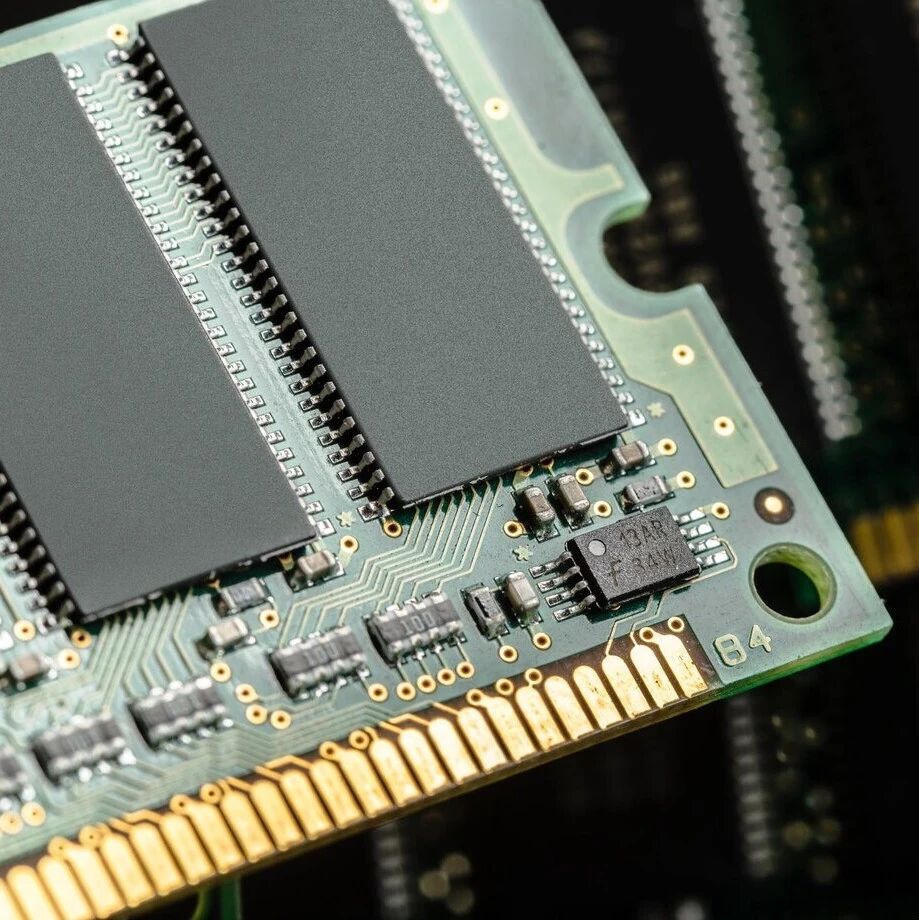
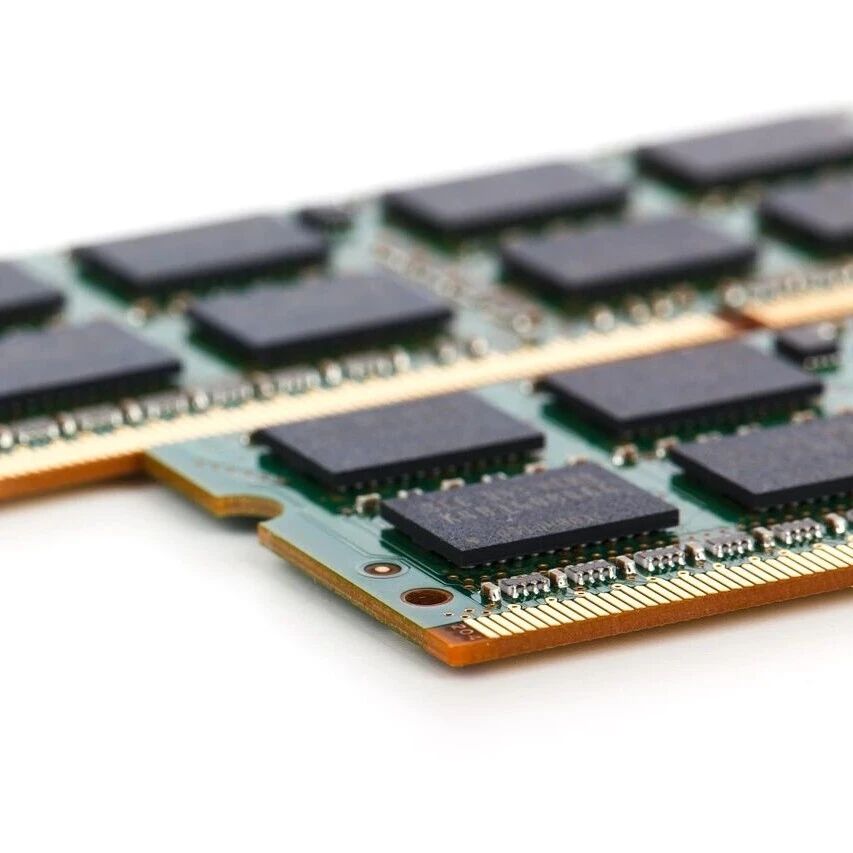
Core Viewpoint - The semiconductor industry is entering its first "super cycle" in seven years, driven by rising DRAM demand and supply constraints, particularly influenced by the AI boom and changes in supplier dynamics [1][2]. Group 1: Market Dynamics - Global DRAM suppliers' average inventory has dropped to a historical low of 3.3 weeks, similar to the 3-4 weeks average during the last semiconductor super cycle in 2018 [1]. - Despite DRAM buyers maintaining an average inventory of about 10 weeks, market demand remains strong, indicating a tightening supply situation [1]. Group 2: AI Influence - The surge in demand for HBM (High Bandwidth Memory) is primarily driven by the AI boom, as the value of accelerators used for AI training and inference has increased significantly [2]. - Major semiconductor companies like Samsung have shifted some DRAM production lines to HBM, resulting in a decrease in overall DRAM output [2]. Group 3: Pricing Trends - Prices for DRAM products are on the rise, with the price of "DDR4 8Gb" reaching $6.350 and "DDR5 16G" increasing over 40% since the beginning of the year, now priced at $7.535 [3]. - Samsung and SK Hynix are expected to further increase DRAM prices, reflecting ongoing supply shortages [3]. Group 4: Future Outlook - Morgan Stanley predicts that the peak of this semiconductor cycle will occur in 2027, with a prosperous period lasting over a year [3]. - Analysts expect Samsung to be the biggest beneficiary of the semiconductor cycle due to its capacity expansion in HBM, DRAM, and NAND sectors [3].


安路科技DR1系列FPSOC荣获2025工博会“集成电路创新成果奖”
半导体芯闻· 2025-09-29 09:45
Core Viewpoint - The article highlights the recognition of Shanghai Anlu Information Technology Co., Ltd.'s (Anlu Technology) SALDRAGON1 series FPSOC® for its innovative heterogeneous computing architecture, which won the "Integrated Circuit Innovation Achievement Award" at the 2025 China International Industrial Expo, showcasing the company's strong innovation capabilities and market application value [1][3]. Group 1: Event Overview - The 2025 China International Industrial Expo opened on September 23, 2025, in Shanghai, serving as a benchmark event for China's industrial development [1]. - The "Integrated Circuit Innovation Achievement Award" aims to promote leading technologies and successful market applications in the integrated circuit sector, accelerating the localization process of China's integrated circuit industry [3]. Group 2: Product Innovation - The DR1 series, driven by a heterogeneous architecture, aligns with the expo's theme of "Industrial New Quality, Intelligent Manufacturing Without Boundaries," focusing on high-end, intelligent, and green industrial requirements [5]. - The DR1 series targets complex embedded systems, low-power, and high-performance chip markets, integrating FPGA programmable logic units, hard-core processor systems, and computation acceleration engines [7]. Group 3: Application Solutions - Anlu Technology, in collaboration with ecosystem partners, showcased various innovative solutions based on the DR1 series at the expo, including a monocular distance measurement solution for intelligent visual perception, which accurately calculates distances for applications in advanced driver assistance and mobile robot navigation [8]. - A human keypoint detection solution was presented, capable of real-time detection of human posture and key points, applicable in video surveillance and human-computer interaction scenarios [10]. - A multi-channel AD acquisition processing solution was introduced, featuring the DR1M90 as the core processor, capable of high-precision, low-latency data acquisition for industrial applications [12]. - An FPGA-based 4K industrial camera solution was demonstrated, designed for high-speed, low-latency image acquisition, meeting the stringent quality requirements of precision manufacturing [14]. Group 4: Market Expansion and Future Outlook - The DR1 series has been successfully integrated into over 200 customer projects, significantly increasing the number of new orders for Anlu Technology [19]. - The company is expanding into high-value emerging sectors such as edge computing and automotive electronics, while continuing to serve traditional markets like industrial robotics and medical devices [19]. - Anlu Technology has established a complete automotive electronics technology chain, supporting the deep development of automotive electronic applications, with some products already in mass production at major domestic automakers [19]. - The company aims to continue its commitment to innovation and collaboration, promoting the large-scale application of domestic high-end chips in various fields [19].


北极雄芯GPU芯粒点亮
半导体芯闻· 2025-09-29 09:45
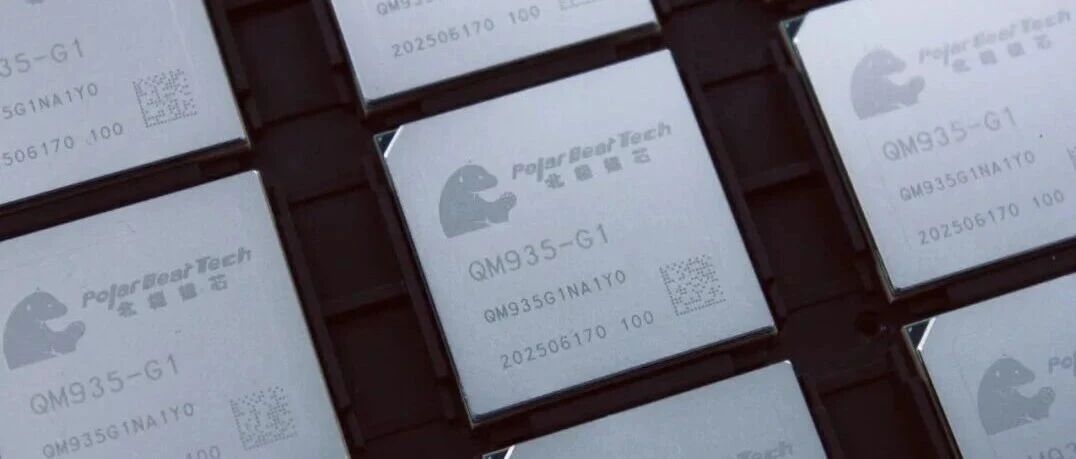
Core Viewpoint - The successful testing of the QM935-G1 chip marks a significant advancement in the automotive industry, particularly in smart cockpit and autonomous driving applications, driven by the increasing demand for high computational power and bandwidth due to large model deployments [1][3][10] Group 1: Chip Specifications and Capabilities - The QM935-G1 IVI Chiplet is designed for smart cockpits, featuring a GPU with a computing power of 1.3T FLOPS and a memory bandwidth of 51.2GB/s, supporting secure isolation for instrument and entertainment screens [1] - The Chiplet technology allows for modular design and integration, enabling flexible combinations of chiplets to meet diverse vehicle and user requirements, achieving a memory bandwidth of 128GB/s when combined with other chiplets [4] - The QM935-G1 can also serve as a co-processor, enhancing graphical rendering capabilities to address existing limitations in GPU performance for mature cockpit chipsets [5] Group 2: Industry Trends and Applications - The development of large models is driving the upgrade of smart cockpits and autonomous driving solutions, with applications in AI agents for cockpit domains and VLM-E2E and VLA routes for autonomous driving [3] - The integration of high bandwidth cockpit chips facilitates the deployment of AI large models (LLM) and more intelligent voice assistants, enabling offline functionality and complex multi-turn dialogues [8] - The company aims to become a service provider for AI infrastructure focused on large model applications, continuing to leverage Chiplet and near-memory computing technologies for cloud inference and vehicle intelligence solutions [10]
EUV光刻机,订单火爆
半导体芯闻· 2025-09-28 09:47
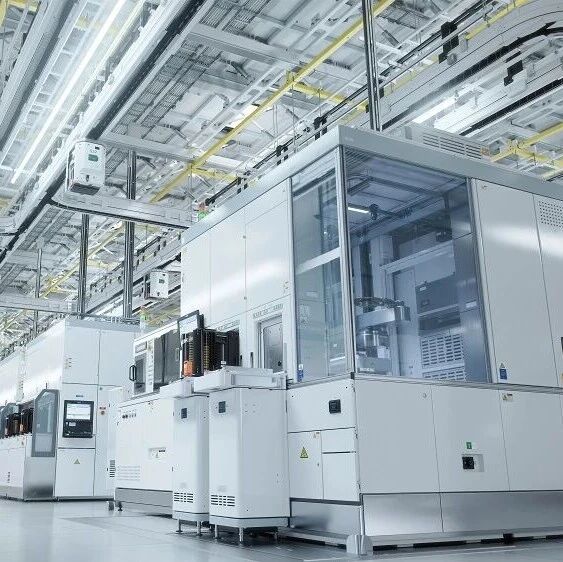
Core Viewpoint - ASML anticipates delivering 10 High-NA EUV and 56 EUV lithography machines by 2027, driven by increased orders from Intel and Samsung, indicating a rising demand for advanced semiconductor manufacturing technology [1] Group 1: Orders and Demand - Intel has increased its order for High-NA EUV machines from 1 to 2 and for EUV machines from 3 to 5, while Samsung raised its EUV order from 5 to 7 [1] - SK Hynix is set to receive 20 EUV machines by 2027 and has also increased its High-NA EUV order from 1 to 2 [1] - The overall market demand for exposure equipment is on an upward trend, despite some semiconductor manufacturers delaying the introduction of new High-NA EUV technology [1] Group 2: Technology and Efficiency - Intel's first two High-NA EUV machines have shown significant improvements in efficiency and reliability compared to previous EUV machines, completing tasks with fewer exposures and processing steps [2] - The new High-NA EUV machines require only one exposure and a few processing steps, compared to three exposures and around 40 steps for earlier models [2] Group 3: Installation and Cost - Installation of a High-NA EUV machine requires 250 engineers and takes approximately 6 months [3] - The price of a High-NA EUV machine is approximately €350 million, equivalent to about 2.7 billion yuan, making it essential for major wafer manufacturers to achieve large-scale production of advanced processes below 2nm [3]

AI显卡市场,围攻英伟达?
半导体芯闻· 2025-09-28 09:47
Core Viewpoint - The biggest winner in the AI market over the past two years is NVIDIA, which has achieved significant revenue growth and reached a market valuation of 4.5 trillion [1] Group 1: NVIDIA's Market Position - NVIDIA holds a dominant position in the AI GPU market, with market share estimates ranging from 80% to 95% according to different sources [1] - It is projected that NVIDIA will maintain a market share of 67% in AI GPUs by 2030, indicating a strong monopoly [1] - NVIDIA's revenue is expected to grow explosively, with CEO Jensen Huang predicting the company could achieve a revenue of 1 trillion [1] Group 2: Competitors and Market Dynamics - AMD is expected to be the largest beneficiary of the remaining 1/3 of the AI GPU market, but its market share is projected to be slightly above 4% by 2030, with annual revenue reaching 20 billion, up from approximately 6.3 billion this year [1] - Broadcom, which focuses on custom ASIC chips rather than GPUs, is also expected to benefit significantly, with a projected market share of 14% by 2030 and revenue increasing to about 60 billion from 14.5 billion this year [2]

全球AI功耗正在迅速失控
半导体芯闻· 2025-09-28 09:47
Core Insights - By 2030, the energy consumption of AI racks is expected to be 20 to 30 times that of traditional racks, with individual AI racks potentially consuming up to 1MW of power [1][4]. Group 1: Energy Consumption and Capacity - The average power capacity of data center racks is projected to rise to 30-50kW, reflecting an increase in computing density, particularly in comparison to AI workloads [2]. - The energy demands of AI racks will necessitate new requirements for power delivery and cooling infrastructure [3]. Group 2: Cooling Solutions - Cooling has become a central focus in the industry due to increased computing density and AI workloads, with a growing interest in liquid cooling methods [3]. - Current cooling methods, such as cooling plates, have limitations, prompting companies like Microsoft to explore microfluidic technology for more efficient cooling solutions [5]. Group 3: Industry Collaboration and Innovation - There is a notable increase in collaboration among manufacturers, engineers, and end-users to address complex cooling challenges [5]. - Smaller operators may find competitive opportunities in the market due to potential delivery bottlenecks faced by larger operators, emphasizing agility and innovation as key advantages [6].

Yole Group:12英寸RF SOI晶圆加速渗透,2030年营收占比将突破16%
半导体芯闻· 2025-09-28 09:47
Yole Group 集团副总裁兼首席战略顾问黄茂原 报告显示,全球RF前端设备市场正呈现"全领域扩张"态势,2024年市场规模已达513亿美元,预 计到2030年将增长至697亿美元,2024-2030年复合年增长率(CAGR)为4.5%。 如果您希望可以时常见面,欢迎标星收藏哦~ 9 月 26 日 , 在 2025 国 际 RF-SOI 论 坛 上 , Yole Group 集 团 副 总 裁 兼 首 席 战 略 顾 问 黄 茂 原 ( Gary Huang)以"SOl如何塑造全球射频市场"为题进行了精彩分享,通过多维度数据拆解RF市场规模、 细分领域增长、技术格局、企业竞争及SOI产业链动态,为行业提供关键决策参考。 从细分领域看,不同板块增长分化显著,其中汽车与移动出行是增长最快的领域——2024 年市场 规模17亿美元,2030年将达36亿美元,CAGR高达11%,主要驱动力来自智能汽车雷达、V2X等 应用的普及。 其他细分领域中,移动与消费电子仍是最大市场,2024年规模440亿美元,2030年预计达583亿美 元,支撑力来自5G手机射频前端、Wi-Fi 7模块等需求;电信与基础设施及国防与航空航 ...

苹果A19芯片,世界最快单核CPU
半导体芯闻· 2025-09-28 09:47
Core Insights - The A19 chip has outperformed all competitors, including Apple's own products, establishing itself as the fastest CPU in single-thread performance according to PassMark benchmarks [1][3] - The A19 chip, used in the iPhone 17, demonstrates significant power efficiency with an estimated single-thread power consumption of around 4W, compared to much higher values for competitors like Intel's Core Ultra 9 285K at 44W and AMD's EPYC 4585PX at 56W [3] Performance Comparison - The A19 scored 5149 points in single-thread performance, while the A19 Pro scored 5088 points, indicating minimal performance difference between the two [1] - The A19 chip has surpassed Apple's desktop M3 Ultra and other high-performance chips from Intel and AMD, despite being a mobile chip with fewer cores [1][3] Efficiency and Design - The A19 chip features a passive cooling design, which contributes to its efficiency and performance in mobile devices like the iPhone 17, which lacks a heat spreader [3] - While the A19 excels in single-thread performance, its multi-thread performance is limited due to fewer cores compared to other CPUs on the market [3]


台积电否认
半导体芯闻· 2025-09-28 09:47
Core Viewpoint - TSMC has denied any discussions regarding potential investments or partnerships with Intel, despite rumors suggesting otherwise [1] Group 1: TSMC's Position - TSMC refuted a Wall Street Journal report claiming that Intel sought TSMC's involvement in its manufacturing business [1] - The company stated it has never negotiated joint ventures or technology licensing agreements with any firm [1] - TSMC's chairman has consistently downplayed the possibility of collaboration with Intel in previous inquiries [1] Group 2: Market Reaction - Following the Wall Street Journal's report, TSMC's American Depositary Receipts (ADR) fell by 1.44% due to concerns that a partnership with Intel could undermine customer trust and lead to reduced orders [1] - Analysts suggest that an investment from TSMC into Intel could strengthen Intel's technology but also create a stronger competitor for TSMC, raising concerns about potential technology leakage [1] Group 3: Intel's Situation - Intel has struggled to keep pace with TSMC in semiconductor manufacturing technology [2] - The company has received investments from the U.S. government, SoftBank Group, and NVIDIA to support its turnaround efforts [2] - Recently, Intel secured a $2 billion investment from SoftBank and a $5 billion commitment from NVIDIA after the U.S. government acquired a 10% stake in the company [2]


存储芯片缺口严重,涨价!
半导体芯闻· 2025-09-28 09:47
Core Viewpoint - The demand for storage is being driven by generative AI and large language models, leading to a significant increase in the global storage market, with shortages in DRAM and NAND Flash expected to worsen, resulting in price hikes in Q4 and 2026 [1][2]. Group 1: Market Dynamics - The global cloud service providers (CSPs) have significantly revised their orders for 2026, leading to insufficient inventory from major storage manufacturers, which may not meet future demand [1]. - Traditional HDD manufacturers are reducing production, potentially causing at least six months of supply shortages, which may shift some orders to SSDs, further tightening the NAND supply chain [1]. - Price increases for storage products are anticipated, with DDR5 contract prices expected to rise by 10-15% and spot prices by 15-25%, while DDR4 prices are also projected to increase [1]. Group 2: AI and Storage Demand - NAND controller chip manufacturer Phison has resumed some pricing and increased prices by about 10%, signaling a price increase in the NAND Flash market [2]. - Micron's latest financial report indicates that AI demand is spreading across data centers, PCs, mobile devices, and automotive applications, laying the groundwork for growth in 2026 [2]. - The global server shipment volume is projected to grow by 10% in 2025, with AI server demand being particularly strong, revitalizing traditional server markets [2]. Group 3: Emerging Applications - The introduction of AI technology in product design and manufacturing is expected to enhance productivity by 30-40%, with wafer imaging analysis volume increasing fivefold [2]. - The demand for high-capacity DRAM is rising in smartphones, with one-third of flagship models now featuring over 12GB of DRAM [2]. - The automotive sector's ADAS and AI cabin experiences require more storage, leading to increased demand for high-end DDR5 and LPDDR5 [2].