半导体芯闻

Search documents
荣芯半导体,严正声明
半导体芯闻· 2025-09-08 10:30
来 源 :内容来自半导体芯闻综合 。 今天下午,针对近日的一系列传言,荣芯半导体(宁波)有限公司(以下简称:公司)发声明回 应。 荣芯表示,自昨日(9月7日)即注意到互联网上有部分自媒体发布、炒作涉及公司及宁波12英寸集 成电路芯片生产线项目(以下简称:宁波项目)的不实报道。 荣芯指出,自2024年7月起,杨士宁博士任公司技术专家委员会主席一职,指导相关工作。公司宁 波项目按计划推进中。 荣芯强调,目前,公司各项生产经营活动有序进行。特此声明。 官网资料显示,荣芯成立于2021年4月,总部位于中国浙江省宁波市,由国有平台基金和美团、腾 讯、韦尔、华勤、北京君正、元禾璞华等半导体产业链公司及知名投资机构共同出资100亿元设 立。 如果您希望可以时常见面,欢迎标星收藏哦~ 荣芯主要布局 CIS(图像传感器芯片)、TDDI(触控与显示驱动芯片)、BCD(电源管理芯片)、显示驱 动芯片、新型存储等数模混合和模拟类集成电路产品,开发了多个技术工艺平台,公司的目标是在 2030年前形成月产20万片12英寸晶圆制造能力、年销售收入超300亿元的综合性集成电路制造平 台。 喜欢我们的内容就点 "在看 " 分享给小伙伴哦~ 点 ...

泰矽微发布国内首款车规级高压直驱超声波传感芯片TCAU33
半导体芯闻· 2025-09-08 10:30
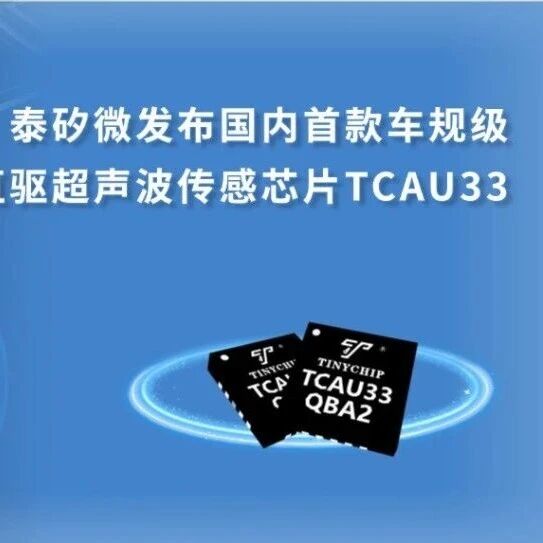
泰矽微(Tinychip Micro)近日宣布推出 国内首款车规级无变压器直驱超声波雷达芯片TCAU33 ,进一步完 善和加强传感方向的车规产品布局,TCAU33实现了供应链全国产化,不但填补了该类产品的国内空白, 且较现有同类产品具有更简单的外围电路、更高的性能参数和更高的性价比。 超声波雷达,也叫倒车雷达。它的工作原理是利用超声波发射装置向外发射超声波,遇到障碍物产生反射,接 收器接收到回波并计算发射时刻和接收时刻的时间差来测算距离。超声波雷达防水、防尘、抗污,即使有少量 的泥沙遮挡也不影响。探测范围在0.1~7米之间,而且精度较高,因此非常适合近距障碍物检测。主要用于停 车辅助、自动泊车或辅助智驾的场景。泰矽微本次推出的TCAU33为"直接驱动"型超声波雷达芯片,借助泰矽 微自主知识产权的nV级超低噪声PGA,高精度ADC以及内部集成的电荷泵升压电路, 可免除外围大体积变压 器和储能电容,无论是PCB空间还是系统成本都具有明显优势 ,充分满足当下汽车降本的强烈需求。由于单 车用量较多,整体降本效果非常显著。 TCAU33产品特性 工作电压6V~18V,40V抛负载 TCAU33产品和方案优势 单芯片方案 ...
英伟达收购联发科?官方回应!
半导体芯闻· 2025-09-05 10:29
Core Viewpoint - The article discusses the rumors surrounding NVIDIA's potential acquisition of MediaTek for approximately $73 billion, which MediaTek has denied as untrue [2]. Group 1: Acquisition Rumors - MediaTek has publicly refuted rumors of a $73 billion acquisition by NVIDIA, stating "not true" in response to market speculation [2]. - The speculation was fueled by NVIDIA's announcement of a collaboration with MediaTek on the GB10 super chip, highlighting the close technological partnership between the two companies [2]. Group 2: GB10 Super Chip Details - The GB10 super chip combines MediaTek's CPU and memory design with NVIDIA's Blackwell GPU, featuring 20 Arm v9.2 CPU cores, 31 TFLOPs FP32 performance, and up to 128GB LPDDR5X unified memory, utilizing TSMC's N3 process [2]. - The launch of the GB10 chip has been delayed from its original schedule of July 2025 [2]. Group 3: Regulatory Challenges - Large acquisitions face significant challenges, as evidenced by NVIDIA's failed attempt to acquire Arm for $40 billion in 2022 due to regulatory concerns [3]. - If NVIDIA were to pursue MediaTek, it would likely encounter strict regulatory scrutiny, particularly from the Taiwanese government, which may oppose the acquisition of a key semiconductor company by a U.S. firm [3].


打造英国首条300mm产线,Pragmatic半导体的规划
半导体芯闻· 2025-09-05 10:29
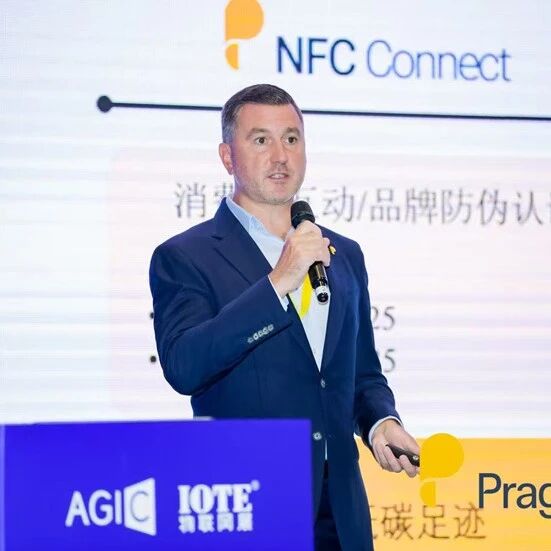
Core Viewpoint - Pragmatic Semiconductor is pioneering flexible semiconductor technology, aiming to disrupt the traditional rigid silicon-based chip market with its innovative manufacturing processes and products [1][4][7]. Group 1: Company Overview - Pragmatic Semiconductor was founded in 2010 in Cambridge, UK, and has established the first 300mm wafer production line in the UK [1]. - The company emphasizes sustainable manufacturing, projecting to become the largest wafer producer in the UK by the end of the year, capable of meeting global demand with billions of chips [4]. Group 2: Technology and Manufacturing Process - The company produces flexible wafers using traditional chip manufacturing equipment, with a manufacturing process node of approximately 180nm, which helps keep costs low [6]. - Pragmatic Semiconductor's unique design allows for rapid production, completing the process from raw materials to final product in just a few days, compared to months for traditional silicon-based semiconductors [6][7]. - The use of glass substrates and a polymer called polyimide differentiates their production process from traditional silicon chip manufacturing [6]. Group 3: Product Features and Applications - The company utilizes thin-film transistor (TFT) technology and application-specific integrated circuit (ASIC) design processes to create high-density flexible integrated circuits (FlexIC) that can be applied to various substrates like paper, plastic, and metal [7]. - FlexIC products are customizable and suitable for applications in smart packaging, clothing, toys, and supply chain management, offering significant market potential [7]. Group 4: Product Development and Future Plans - At the IOTE 2025 event, Pragmatic showcased its third-generation technology platform capable of producing flexible ICs with a bending radius of up to 5mm and various electrical specifications [8][11]. - The company plans to expand its product line, including NFC Connect, NFC Protect, and NFC Sense, targeting cost-sensitive markets such as healthcare and apparel [13][14]. - By 2026, Pragmatic aims to launch a fourth-generation product with reduced power consumption and size, and by 2027, a fifth-generation platform with even lower power usage and additional EEPROM technology [14].
9月深圳,SEMI-e深圳国际半导体展暨2025集成电路产业创新展打造30万㎡“半导体+光电子”盛宴
半导体芯闻· 2025-09-05 10:29
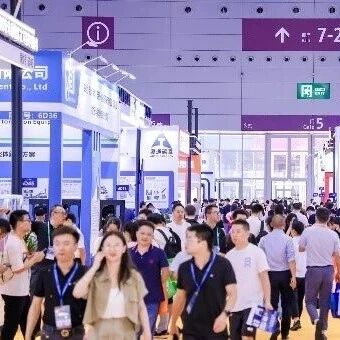
Core Viewpoint - The SEMI-e Shenzhen International Semiconductor Exhibition and the 2025 Integrated Circuit Industry Innovation Exhibition will take place from September 10-12, 2025, at the Shenzhen International Convention and Exhibition Center, focusing on the entire integrated circuit industry chain and attracting over 16,000 professional visitors [2][10]. Group 1: Exhibition Overview - The exhibition will cover three main themes: "IC Design and Application," "IC Manufacturing and Supply Chain," and "Compound Semiconductors," showcasing the latest products and technologies from 5,000 exhibitors across a 300,000 square meter area [2][10]. - The event will feature over 1,000 global exhibitors, including industry leaders from various sectors such as chip design, wafer manufacturing, power semiconductors, semiconductor equipment, materials, and components [4][5]. Group 2: Featured Exhibitors - Notable exhibitors include major companies in chip design like Unisoc and ZTE Microelectronics, wafer manufacturing firms such as Hua Hong Semiconductor, and power semiconductor companies like BYD Semiconductor [4]. - The exhibition will also highlight advancements in semiconductor equipment and materials, with participation from companies like North Huachuang and Shanghai Microelectronics [4]. Group 3: Thematic Display Areas - Six thematic display areas will focus on industry hotspots, including advanced packaging, power devices, and new industrial software applications [5]. - The event will showcase innovations in heterogeneous integration packaging and the latest developments in IGBT, MOSFET, and SiC/GaN wide bandgap devices [5]. Group 4: Concurrent Events and Conferences - The exhibition will host over 20 conferences discussing industry trends, covering topics such as edge AI chips, power semiconductors, and semiconductor manufacturing [6][7]. - Key conferences include the 2025 China RSIC-V Ecosystem Conference and the 7th Hard Core Chip Ecosystem Conference, focusing on automotive chip technology [7]. Group 5: Visitor Experience - Attendees can enjoy a seamless experience by accessing both the semiconductor and optoelectronics exhibitions with a single ticket, enhancing resource connectivity and efficiency [8][10].
4亿美元的光刻机,开抢!
半导体芯闻· 2025-09-05 10:29
Core Viewpoint - ASML emphasizes the importance of High NA EUV technology for the future of semiconductor manufacturing, with significant advancements already being reported by major clients like Intel and Samsung [1][2]. Group 1: ASML and High NA EUV Technology - ASML confirmed revenue from a High NA EUV machine, which slightly lowered its gross margin but still achieved a strong overall gross margin of 53.7% [1]. - Intel reported using High NA equipment to expose over 30,000 wafers in a single quarter, significantly improving process efficiency by reducing the number of steps from 40 to below 10 [1]. - Samsung noted a 60% reduction in cycle time for a specific layer using High NA technology, indicating its faster maturity compared to earlier low NA EUV devices [1]. Group 2: Samsung's Strategy - Samsung is aggressively purchasing next-generation lithography machines to enhance its wafer foundry business, aiming to improve yield and reduce losses [2][4]. - The company has confirmed that its Exynos 2600 will be the first 2nm GAA chip, with High NA EUV machines expected to play a crucial role in achieving the necessary yield for mass production [2][4]. Group 3: SK Hynix's Developments - SK Hynix has assembled the industry's first Twinscan NXE:5200B High NA EUV lithography system, which will initially serve as a development platform for next-generation DRAM production [7][9]. - This new system is expected to enhance productivity and product performance by allowing for more complex patterns on wafers, thus increasing chip density and efficiency [7][9]. Group 4: Industry Adoption and Future Outlook - ASML anticipates that widespread adoption of High NA EUV technology in mass production will not begin until after 2027 [4][10]. - TSMC has stated that its next-generation processes do not require High NA EUV systems, indicating a cautious approach to adopting this technology [11]. - Micron is also taking a conservative stance, planning to introduce EUV lithography in DRAM production by 2025, with High NA EUV adoption remaining uncertain [12]. Group 5: Cost and Technological Considerations - The high cost of High NA EUV machines, estimated at $400 million each, is a significant barrier to adoption, leading companies to explore alternative technologies [14][15]. - Emerging transistor architectures like GAAFET and CFET may reduce reliance on advanced lithography tools, shifting focus towards etching technologies [14][15].

存储芯片大厂,突然涨价
半导体芯闻· 2025-09-05 10:29
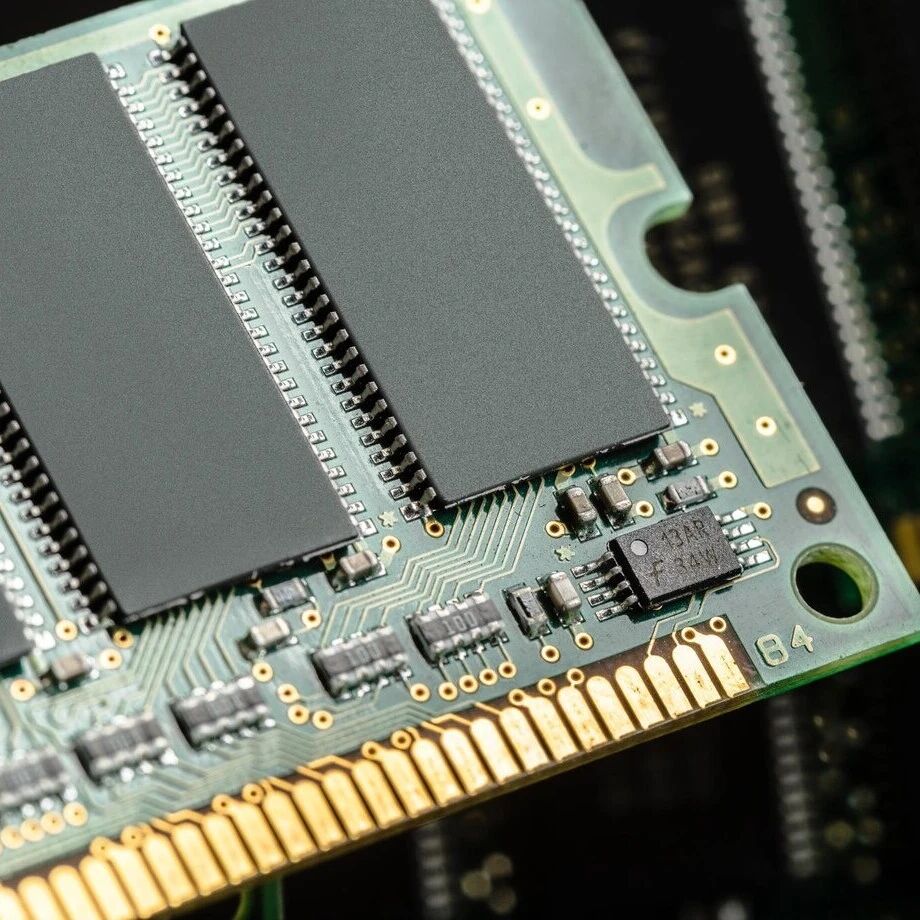
Group 1 - Sandisk announced a price increase of over 10% for all channel and consumer products due to strong demand for flash products driven by artificial intelligence applications and growing storage needs in data centers, client devices, and mobile sectors [2] - The price adjustments will apply only to new quotes and orders, not to existing commitments, and Sandisk plans to conduct regular price evaluations with potential adjustments in the coming quarters [2]
芯片关税,特朗普威胁
半导体芯闻· 2025-09-05 10:29
Core Viewpoint - President Trump warns of substantial tariffs on semiconductor imports for companies not relocating production to the U.S., while exempting companies like Apple that invest domestically [2][3] Group 1: Tariff Implications - Trump indicated that high tariffs will be imposed on companies that do not establish manufacturing in the U.S., with a specific mention of a potential 100% tariff on imported semiconductors [2] - Apple has committed to an additional $100 billion investment in U.S. manufacturing, building on a previous $500 billion investment plan announced in February [2] Group 2: Industry Reactions - Major semiconductor companies, including TSMC and Samsung, have pledged to invest hundreds of billions in U.S. facilities, likely positioning themselves for tariff exemptions [3] - Tech leaders, including OpenAI's Sam Altman and Google co-founder Sergey Brin, expressed support for Trump's pro-business stance during a dinner event [3] Group 3: AI and Education - First Lady Melania Trump emphasized the importance of responsible AI development in education and U.S. progress during a meeting with tech executives [3]

Open AI首颗芯片要来了
半导体芯闻· 2025-09-05 10:29
Core Viewpoint - OpenAI is set to launch its first AI chip by 2026, significantly reducing reliance on NVIDIA GPUs and optimizing performance and cost-effectiveness for AI model inference tasks [1][2]. Group 1: OpenAI's AI Chip Development - OpenAI plans to start chip production as early as 2025, collaborating with Broadcom and utilizing TSMC's 3nm technology, which is expected to have a profound impact on the AI hardware market [1][2]. - The motivation behind OpenAI's self-developed AI chip is to address the bottleneck caused by the surge in AI computing demand and to diminish NVIDIA's dominance in the market [2][3]. - The partnership with Broadcom is reportedly worth over $10 billion, and the AI chip is designed to handle the substantial computational workload of models like GPT-4 and future iterations [2]. Group 2: Market Implications and Competitive Landscape - OpenAI's initiative may challenge NVIDIA's market leadership, especially as OpenAI has integrated AMD chips into its infrastructure [2]. - The custom AI chip design carries risks, including potential delays and performance issues, and geopolitical tensions surrounding the semiconductor supply chain, particularly with TSMC's location in Taiwan, add uncertainty [2][3]. - If successful, OpenAI's chip could erode NVIDIA's pricing power and inspire the industry to adopt similar innovations, potentially leading to broader AI adoption [3].



SK海力士,优势更大了
半导体芯闻· 2025-09-05 10:29
Group 1 - SK Hynix has maintained its position as the global leader in the DRAM market for the second consecutive quarter, with a market share increase from 36.9% in Q1 to 39.5% in Q2, while Samsung's share decreased from 34.4% to 33.3% [1] - The global DRAM industry revenue reached $30.916 billion in Q2, a 17.3% increase from the previous quarter, driven by rising DRAM contract prices and increased HBM shipments [1] - SK Hynix's revenue for Q2 was $12.226 billion, surpassing Samsung's $10.3 billion by over $1.9 billion, marking the first time SK Hynix has outperformed Samsung in DRAM market share since 1992 [1] Group 2 - SK Hynix is expected to secure the top position in the global DRAM market this year, holding over 50% of the HBM market share, primarily supplying major tech companies including Nvidia [2] - A temporary wage agreement was reached between SK Hynix and its labor union, which includes a 6.0% salary increase and a profit-sharing plan based on 10% of the previous year's operating profit [2] - The expected operating profit for SK Hynix this year is between 30 trillion KRW and 33 trillion KRW, with the union requesting 10% of this as a bonus, translating to an average of 100 million KRW per employee for approximately 33,000 employees [2]