国家能源局

Search documents
媒体报道︱广东虚拟电厂发展迈入市场化加速期
国家能源局· 2026-02-10 05:30
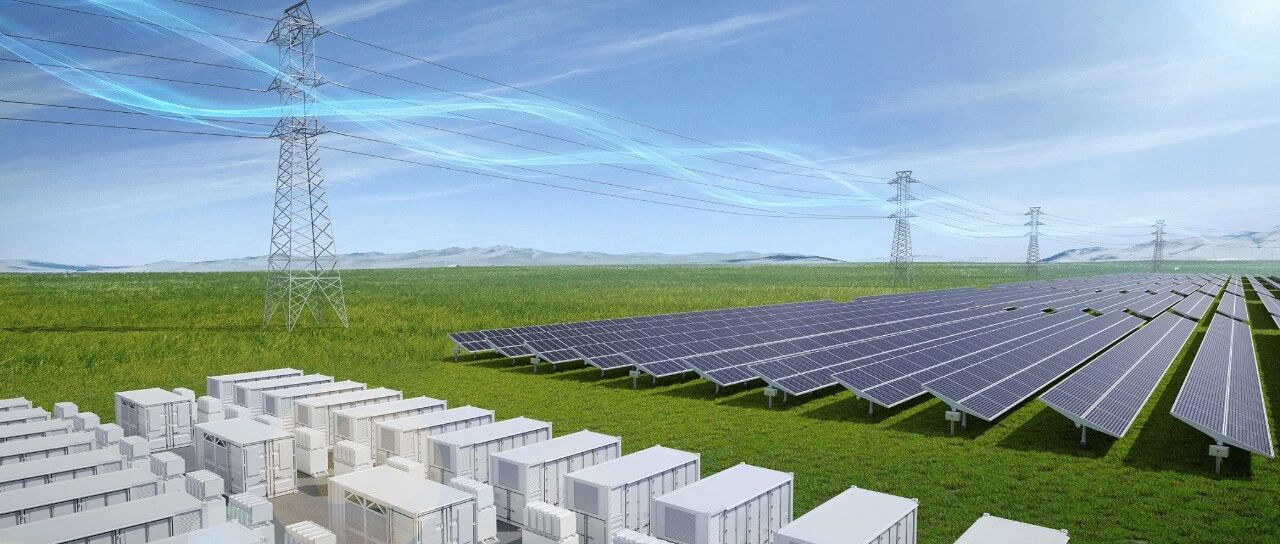
Core Viewpoint - The article discusses the launch of the first batch of virtual power plants in Guangdong, which are participating in the electricity spot market, highlighting the shift towards a more market-oriented approach in energy management and resource optimization [2][3]. Group 1: Virtual Power Plants Overview - Five virtual power plants with a total capacity of approximately 33 megawatts from Shenzhen, Foshan, and Zhongshan have officially participated in the electricity spot market [2]. - Virtual power plants aggregate distributed energy resources such as charging stations, air conditioners, energy storage, and distributed renewable energy to participate in market transactions as a single entity [2]. - The implementation plan for virtual power plants in Guangdong allows load-type virtual power plants to register as electricity users and generation-type virtual power plants to register as generation projects [2]. Group 2: Market Participation and Impact - The recent transaction signifies that renewable energy sources in Guangdong can now participate directly in the market, with over 33 million kilowatts of renewable energy capacity entering the market, accounting for about 40% of the province's total wind and solar installed capacity [3]. - The development of virtual power plants in Guangdong is entering a market acceleration phase, forming a value chain that includes mechanism design, system support, resource aggregation, operational services, and ecological support [4]. - The rapid growth of distributed generation and load resources is expected to foster a new electricity market ecosystem characterized by source-load interaction and supply-demand coordination [4].

媒体报道︱陕西六十万居民告别临时电
国家能源局· 2026-02-10 05:30
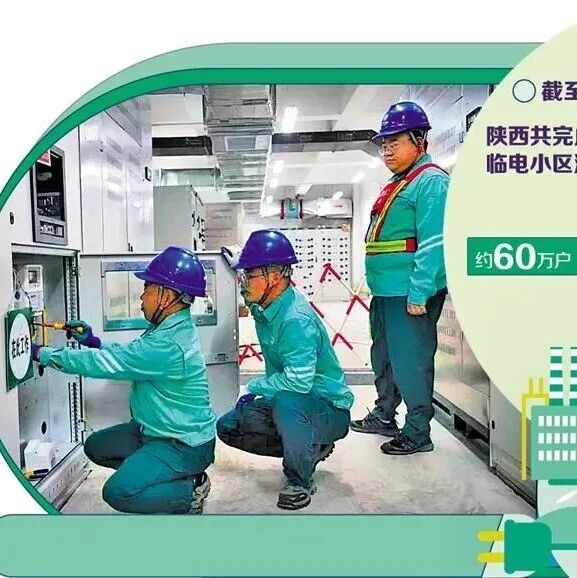
Core Viewpoint - The article discusses the successful implementation of a project in Shaanxi Province, China, aimed at replacing temporary electricity supply systems in residential areas with stable and reliable formal electricity supply, significantly improving the quality of life for residents [2][5][6]. Group 1: Background and Issues - "临代正" refers to the phenomenon where real estate developers fail to establish formal electricity supply facilities, relying instead on temporary power sources, which leads to low power quality and safety hazards [4][5]. - Temporary power sources often have insufficient capacity, resulting in frequent power outages and voltage instability, especially during peak usage times [4]. - Safety concerns arise from improper wiring and lack of professional maintenance, increasing the risk of fire and electric shock incidents [5]. Group 2: Government Initiatives - The Shaanxi provincial government has prioritized the improvement of electricity supply for residents, launching a series of initiatives to address the issues associated with "临代正" communities [5][6]. - A collaborative governance framework has been established, involving multiple stakeholders, including the Shaanxi Provincial Housing and Urban-Rural Development Department and State Grid Shaanxi Electric Power [5][6]. Group 3: Implementation and Results - Since the launch of the initiative in June of the previous year, 10 temporary electricity communities have been transformed, with over 9,800 household meters installed, enhancing the reliability and quality of electricity supply [2][6]. - The project has been executed efficiently, with workers completing the necessary upgrades for over 700 households in just two days, leading to a significant reduction in complaints and improved user experience [6][7]. - By December 2025, the goal is to complete the transformation of 456 temporary electricity communities, benefiting approximately 600,000 residents who will have access to reliable electricity [7].
国家能源局综合司关于印发煤矿智能化技术升级应用试点项目名单的通知
国家能源局· 2026-02-09 10:59
Core Viewpoint - The article discusses the implementation of intelligent technology upgrades in coal mines, highlighting the selection of 77 pilot projects aimed at enhancing the efficiency and safety of coal mining operations through advanced technology [3][4]. Group 1: Pilot Project Implementation - The pilot projects are designed to overcome key technological bottlenecks and promote the optimization of intelligent systems in coal mining [4]. - Each project must have a detailed implementation plan that includes specific goals, technical solutions, key challenges, timelines, funding support, and measures for assurance [4]. - The construction period for these pilot projects is generally not to exceed three years, with oversight from provincial coal industry management departments and relevant central enterprises [4]. Group 2: Project Management and Evaluation - Project construction units are responsible for ensuring the effective implementation of pilot projects, including resource allocation and collaboration with equipment manufacturers and research institutions [5]. - Upon completion, projects will undergo evaluation and acceptance checks by provincial coal industry management departments, with expert reviews to assess progress and effectiveness [5]. - The results and successful models from these pilot projects will be summarized and reported to the National Energy Administration for further dissemination [5]. Group 3: Promotion of Results - Provincial coal industry management departments and relevant central enterprises are encouraged to leverage the pilot projects as models for experience sharing and technology promotion [5]. - The National Energy Administration will increase support for these pilot projects, facilitating the nationwide application of successful experiences and mature models [5]. Group 4: List of Pilot Projects - A comprehensive list of the 77 selected pilot projects is provided, detailing project names and their respective construction units, which include various innovative approaches to coal mining and processing [6][7][8][9][10][11].
国家能源局综合司关于组织开展第六批能源领域首台(套)重大技术装备申报工作的通知
国家能源局· 2026-02-09 06:57
Core Viewpoint - The article outlines the organization of the sixth batch of applications for major technological equipment in the energy sector, emphasizing the importance of innovation and self-reliance in achieving national energy security and carbon neutrality goals [2]. Group 1: Application Conditions - The projects must represent significant technological breakthroughs with independent intellectual property rights and should not have achieved mass market performance yet, focusing on key energy technologies [3]. - The projects should align with national energy security, carbon peak and neutrality goals, and the construction of a new energy system, concentrating on areas such as renewable energy, new power systems, and energy system digitalization [3]. - The technological equipment must be developed and ready for engineering application, with conditions for signing contracts and starting construction within specified timeframes [3]. Group 2: Application Procedures - Provincial energy authorities and central enterprises are responsible for organizing applications, with a limit on the number of recommended projects based on previous evaluations [4]. - Additional recommendations may be granted based on the number of projects previously selected and the existence of supportive policies for the equipment [4][5]. - Applications must be submitted individually for each piece of equipment, with restrictions on the number of user and development units involved [6]. Group 3: Requirements and Deadlines - Applications for increasing recommended quotas must be submitted by March 6, 2026, with supporting materials for verification [9]. - Submission of formal recommendation letters and application materials is required by April 24, 2026, with specific formats and conditions outlined [11][13]. - Late or non-compliant submissions will not be accepted [14].
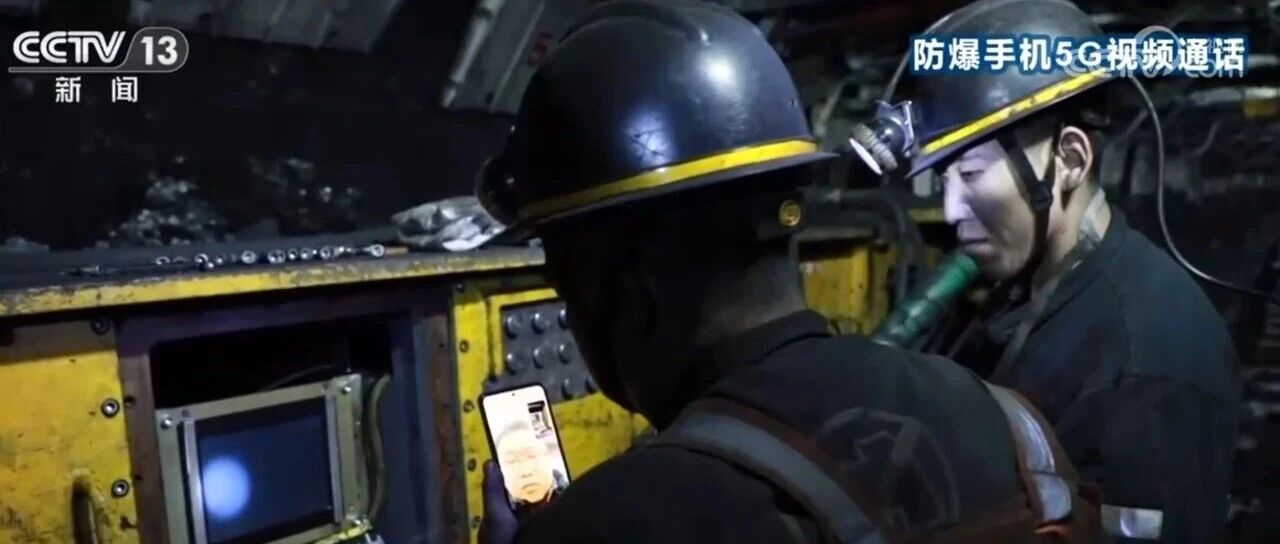
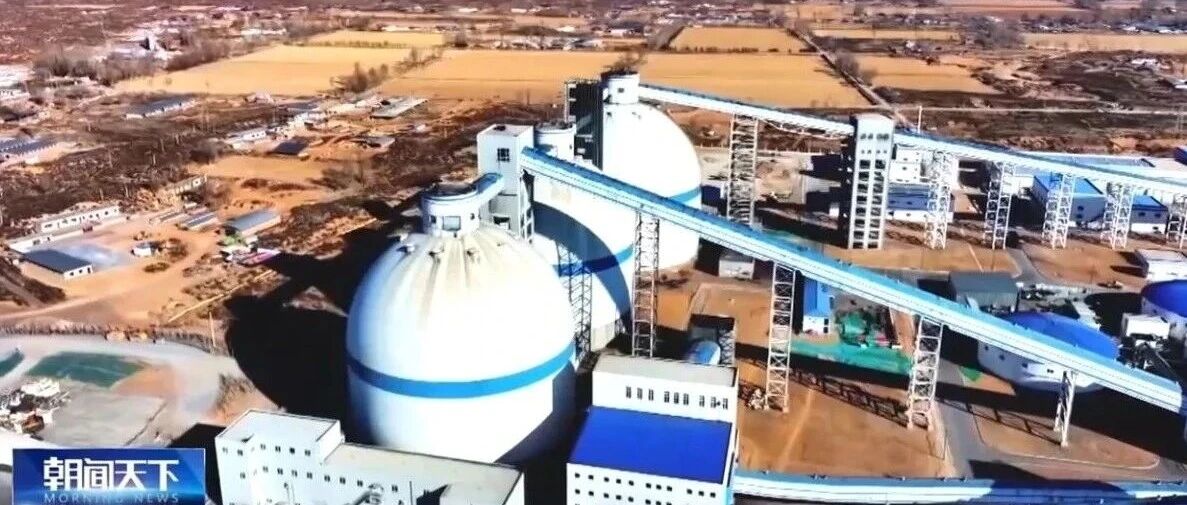
新春走基层丨山西:煤矿智能化 奋斗在矿井深处的“青春力量”
国家能源局· 2026-02-09 03:12
Core Insights - Shanxi province plays a crucial role as a comprehensive energy base in China, with an average daily raw coal production exceeding 3.5 million tons, providing strong support for heating and power supply in North China [2] - The Huayang Group's first mine has an annual production capacity of 8.5 million tons and is recognized as one of the first intelligent demonstration coal mines in the country [2] Group 1 - The mining process has been significantly modernized, with the introduction of a 2.2-meter diameter cutting drum that operates like a cake cutter, allowing for efficient coal extraction [2] - The intelligent dust and temperature control system activates automatically during operations, enhancing safety and efficiency [2] - The shift from manual operation to remote control has reduced the number of personnel required by half while increasing daily coal output by 1,000 tons [2] Group 2 - Young miners, like Wang Shuai, are bringing new technologies and vitality to the industry, showcasing the strength of the new generation of workers [3]
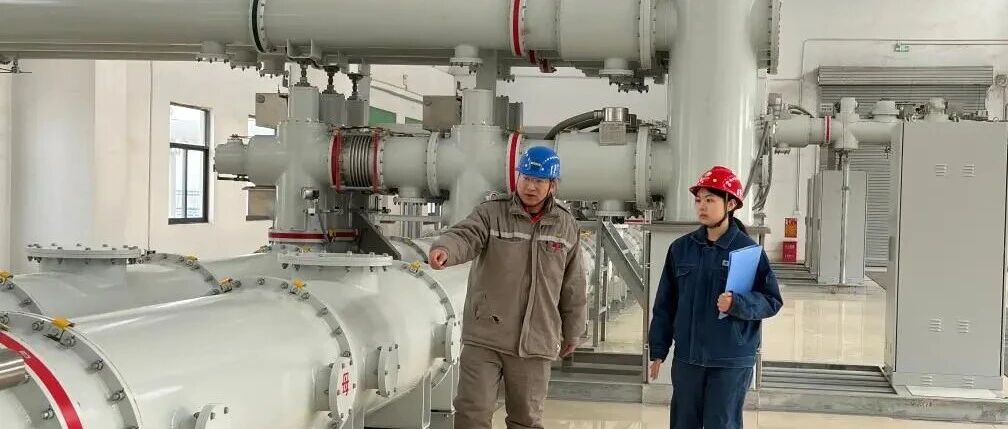
新春走基层丨甘肃:绿电绿证进厂房 降本增效生产忙
国家能源局· 2026-02-09 02:25
Core Viewpoint - Gansu Zhongrui Aluminum Industry Co., Ltd. is actively transitioning to green energy by utilizing renewable energy sources and purchasing green electricity certificates to meet sustainability goals and reduce carbon emissions [2][5]. Group 1: Company Operations - The company has an annual production capacity of over 290,000 tons of aluminum ingots and consumes approximately 4 billion kilowatt-hours of electricity annually [2]. - The production process involves converting aluminum water into ingots, which are then cooled and stacked by robots for shipment [2]. Group 2: Green Energy Initiatives - The company has signed long-term contracts with local clean energy providers and actively purchases green electricity and green power certificates to offset renewable energy consumption indicators [2][5]. - In 2025, the company spent over 1 million yuan to purchase 1.35 million green certificates, achieving the green energy usage requirements for the aluminum electrolysis industry in Gansu [5]. Group 3: Support from Local Power Company - The State Grid Baiyin Power Supply Company has established service windows to assist companies in purchasing green certificates and optimizing electricity pricing, which has helped reduce the company's electricity costs by over 1.4 million yuan per month [5][7]. - By the end of 2025, the local power company had provided green electricity and certificate trading services to 14 enterprises, facilitating the transaction of 12.98 million kilowatt-hours of green electricity and over 1.3 million green certificates [7]. Group 4: Regional Green Energy Development - Gansu Province is enhancing its capacity for local renewable energy consumption, with cities like Dunhuang achieving 100% green electricity supply and various industrial parks signing long-term green electricity procurement agreements [7]. - As of December 19, 2025, Gansu's annual green certificate trading volume exceeded 23 million, a year-on-year increase of 38.86%, with green electricity transactions surpassing 13.3 billion kilowatt-hours, resulting in a reduction of 10.69 million tons of CO2 emissions [7].
人民日报丨金轩:以高质量发展的确定性应对各种不确定性
国家能源局· 2026-02-08 06:05
Core Viewpoint - The article emphasizes the importance of high-quality development in China amidst a complex and uncertain environment, highlighting the need for confidence and self-reliance in addressing challenges and seizing opportunities [2][5]. Group 1: Industrial System - China's industrial system is comprehensive and robust, with over 220 major industrial products ranking first in the world. The manufacturing sector is expected to maintain its position as the largest globally for 16 consecutive years [2]. - By 2025, the added value of equipment manufacturing and high-tech manufacturing industries is projected to account for 36.8% and 17.1% of the total industrial added value, respectively [2]. Group 2: Innovation Ecosystem - Innovation is identified as the primary driving force for development, with R&D expenditure intensity expected to reach 2.8% by 2025, and the proportion of basic research funding at 7.08% [3]. - The annual growth rate of total social R&D expenditure is projected to be 10% during the 14th Five-Year Plan period, with the "new economy" and patent-intensive industries' added value expected to contribute 18.01% and 13.38% to GDP by 2024 [3]. Group 3: Green Transition - The article highlights the acceleration of green transformation as a key aspect of high-quality development, aiming to shift away from high consumption and pollution [3]. - During the 14th Five-Year Plan period, renewable energy generation capacity is expected to surpass that of thermal power, with various regions becoming significant sources of clean energy [3]. Group 4: Openness and Resilience - China's commitment to high-level openness is evident, maintaining trade relations with nearly 250 countries and regions, and becoming a major trading partner for over 160 countries [4]. - The implementation of strict farmland protection and high-standard farmland construction aims to ensure food security, with per capita grain availability projected to exceed 500 kg by 2025 [4]. - The country is also focusing on energy security, with wind and solar power generation capacity and output remaining the highest in the world, ensuring a stable energy supply [4].

国家能源局召开2026年全面从严治党工作会议
国家能源局· 2026-02-07 08:41
Core Viewpoint - The meeting emphasizes the importance of strict governance within the National Energy Administration (NEA) as part of the broader efforts to strengthen the Party's leadership and ensure effective implementation of policies and regulations [3][4]. Group 1: 2025 Achievements - Since 2025, under the strong leadership of the Party Central Committee, the NEA has adhered to Xi Jinping's thoughts on Party building and self-revolution, enhancing the Party's comprehensive leadership over energy work [3]. - The NEA has made significant progress in strict governance, including the implementation of the Central Eight Regulations and addressing issues raised in central inspections [3]. Group 2: 2026 Goals - The year 2026 marks the 105th anniversary of the Communist Party of China and the beginning of the "14th Five-Year Plan," necessitating higher standards and practical measures for strict governance [4]. - The NEA aims to strengthen political leadership, theoretical education, and grassroots Party organization construction, while also focusing on anti-corruption efforts and integrating Party building with business operations [4][5]. Group 3: Supervision and Accountability - The NEA will enhance supervision to ensure the successful start of the "14th Five-Year Plan," emphasizing the importance of political supervision and accountability in governance [5][6]. - There will be a focus on daily supervision, reinforcing the responsibility for Party governance, and promoting a culture of integrity and compliance within the organization [6].
央视新闻丨我国煤矿智能化建设进入安全高效新阶段
国家能源局· 2026-02-07 03:22
Group 1 - The core viewpoint of the article highlights the significant advancements in the integration of new generation information technology with the coal industry, leading to intelligent coal mine construction and achieving a threefold effect of reducing workforce, enhancing safety, and improving efficiency [2][4] - By the end of 2025, a total of 1,066 intelligent coal mines are expected to be established in China, with intelligent production capacity accounting for over 65% [2] - The average reduction in workforce for coal mining and tunneling operations in intelligent mines exceeds 20% per shift [4] Group 2 - Since the beginning of the 14th Five-Year Plan, a total investment of 107.1 billion yuan has been completed in intelligent coal mine construction, supporting an annual investment growth of 12.9% in coal mining and washing industries [4] - The integration of 5G, artificial intelligence, industrial IoT, and intelligent equipment with coal mining technology has deepened, significantly enhancing the technological innovation capabilities of China's coal machinery manufacturing industry [2][4]
人民日报丨从可再生能源装机占比、对全球新增装机贡献“两个50%”,看中国绿色发展实践
国家能源局· 2026-02-07 01:59
Core Viewpoint - China is committed to ecological priority and green development, achieving over 50% of renewable energy installed capacity in its total power generation and contributing over 50% to global renewable energy installations, reflecting its significant role in global green development [3]. Group 1: Green Development Achievements - The "two 50%" figures symbolize China's green development achievements, which are the result of a combination of effective market mechanisms and proactive government policies [3]. - The concept of "green mountains and clear waters are as valuable as mountains of gold and silver" has deeply influenced market behavior and development logic, leading to increased competitiveness and influence of businesses through proactive green transformation [3]. Group 2: Planning and Innovation - The continuous implementation of five-year plans, such as the "13th Five-Year Plan" and "14th Five-Year Plan," provides a clear direction for enterprises' green transformation and ensures policy transparency and stability [4]. - China is accelerating the green low-carbon technology revolution, shifting from competition based on scale and price to competition based on quality and technology, thus fostering innovation and new business models [4]. Group 3: Institutional Support - China is promoting green development through strict legal frameworks and regulations, establishing a robust system to ensure fair market competition and effective market order [5]. - The government is enhancing financial and policy support for green development, making it easier for businesses to engage in green transformation and achieve economic benefits [5]. Group 4: Global Impact - China has built the world's largest and fastest-growing renewable energy system, becoming a leader in the global market for wind and solar energy products, significantly reducing costs for these technologies [6]. - By exporting green low-carbon products to over 200 countries and regions, China is contributing to global ecological governance and supporting the green development aspirations of developing countries [6].