国家能源局

Search documents
媒体报道丨全国电力市场交易机制灵活高效
国家能源局· 2026-02-02 05:20
Core Viewpoint - The article highlights the significant growth in China's electricity market transactions, with a total trading volume of 6.64 trillion kilowatt-hours in 2025, marking a year-on-year increase of 7.4% and showcasing the effectiveness of the national unified electricity market in optimizing resource allocation and balancing supply security, green transition, and price stability [3]. Group 1: Market Characteristics - The proportion of market-based electricity transactions continues to rise, reaching 64.0% of total electricity consumption, an increase of 1.3 percentage points year-on-year, indicating that for every 3 kilowatt-hours consumed, 2 are traded through market mechanisms [3]. - Cross-provincial and cross-regional electricity transactions have reached a record high of 1.59 trillion kilowatt-hours, growing by 11.6% year-on-year, facilitated by improved inter-regional trading mechanisms [3][4]. - The rapid growth of green electricity transactions has reached 328.5 billion kilowatt-hours, a year-on-year increase of 38.3%, and the scale is now 18 times that of 2022, reflecting the increasing participation of renewable energy in the market [4]. Group 2: Support for Energy Security and Economic Development - The electricity spot market plays a crucial role in ensuring supply security by providing price signals that encourage interaction between supply and demand, thus supporting peak and off-peak electricity management [5]. - The establishment of a national unified electricity market has facilitated the development of the real economy, with lower market transaction prices benefiting various stakeholders, including industrial users and renewable energy providers [5].

媒体报道丨2025年全国累计交易绿证9.3亿个,全年交易量超过历年总和
国家能源局· 2026-02-02 05:20
Core Viewpoint - The development of green certificates (绿证) in China is expected to achieve significant growth by 2025, with a projected cumulative transaction of 930 million certificates, representing a year-on-year increase of 120% and surpassing the total transaction volume of previous years [2][3]. Group 1: Market Development - In 2025, China's green certificate market is anticipated to undergo a leap forward, driven by improvements in market design and a combination of mandatory and voluntary consumption mechanisms [3]. - The National Energy Administration (NEA) has implemented specific measures to enhance the green certificate market, including the issuance of guidelines for high-quality market development and the establishment of consumption ratio requirements for key industries [3][5]. - The number of entities participating in green certificate trading reached 111,000, an increase of 87.5% year-on-year, with high-energy-consuming and high-tech enterprises being the main consumers [3]. Group 2: Trading Dynamics - The trading scale of green certificates is expanding, with a cumulative transaction of 930 million certificates expected by 2025, marking a 120% increase compared to the previous year [3]. - The average trading price of green certificates stabilized and rebounded, reaching approximately 4.14 yuan per certificate in the second half of 2025, a 90% increase from the first half [4]. Group 3: International Cooperation - Significant progress has been made in promoting China's green certificates internationally, with the RE100 initiative recognizing Chinese green certificates and their debut at COP30 receiving positive feedback [4]. - The NEA plans to strengthen international cooperation on green certificates, aiming to align Chinese standards with international certification systems and enhance global awareness of China's green certificate initiatives [4]. Group 4: Regulatory Framework - The NEA is working on a new implementation plan for renewable energy consumption targets, which will set minimum consumption ratios for key energy-consuming industries [5]. - This plan is currently undergoing the necessary procedural steps and aims to expand the assessment scope for key industries in line with national energy-saving and carbon reduction policies [5].
经济日报丨构筑能源强国新格局
国家能源局· 2026-02-01 02:10
Core Viewpoint - The article emphasizes the importance of building a strong energy nation in China, highlighting the need for comprehensive improvements in energy technology, industrial chains, and system capabilities to enhance international competitiveness and support sustainable economic development [2]. Group 1: New Energy System Construction - The new energy system is a central theme in the transition to an energy powerhouse, with a focus on accelerating the construction of this system and achieving carbon peak goals [3]. - The development of non-fossil energy sources will be prioritized, with significant expansions in wind and solar power capacity, aiming for an additional 200 million kilowatts of installed capacity by 2026 [3]. - The integration of various energy sources, including biomass, geothermal, and marine energy, will complement the new energy system [3]. Group 2: Clean and Efficient Use of Fossil Fuels - The transition to cleaner and more efficient use of fossil fuels is essential during the period when new energy sources are not yet dominant [4]. - Coal power will be transformed into a flexible and clean energy source through technological upgrades and innovative mechanisms, ensuring energy supply security [4]. - By 2026, initiatives will be implemented to promote carbon capture and utilization in the oil and gas sector, facilitating the integration of fossil fuels with new energy [5]. Group 3: New Power System Development - A new power system must be established to ensure the efficient transmission and management of clean energy, requiring the construction of high-voltage transmission lines and smart grid systems [5]. - By 2026, a power supply alert mechanism will be established to enhance the interconnection of power grids and improve user-side responsiveness [5]. Group 4: Overcoming Bottlenecks in New Energy Development - China aims to lead global energy transformation, with a target of achieving a total installed capacity of wind and solar power reaching six times that of 2020 by 2035 [6]. - The challenges faced by the power system, such as the inability to transmit green energy from the west to the east and the volatility of renewable energy generation, need to be addressed through integrated and innovative development [6][7]. - The focus will shift from mere scale expansion to value creation through system collaboration, enhancing the reliability and market competitiveness of new energy [7]. Group 5: Coal Consumption Trends - Coal consumption in China has shown signs of decline, with a notable negative growth for the first time since 2017, but short-term demand remains resilient due to various factors [10]. - The long-term trend indicates a gradual reduction in coal consumption, with a peak expected around 2027, transitioning coal's role from a primary energy source to a backup energy source [11]. - The integration of coal and new energy will be emphasized, promoting the development of clean energy alternatives in coal mining areas [12][13]. Group 6: Future Industry Development - The "14th Five-Year Plan" outlines the need to cultivate future industries such as quantum technology, hydrogen energy, and nuclear fusion, which are crucial for energy security and sustainable development [15]. - Hydrogen energy is seen as a key component of the future energy system, with efforts to promote its commercialization and integration into the energy landscape [16]. - Nuclear fusion is positioned as a long-term solution for energy challenges, with significant investments and research expected to accelerate its development [17].

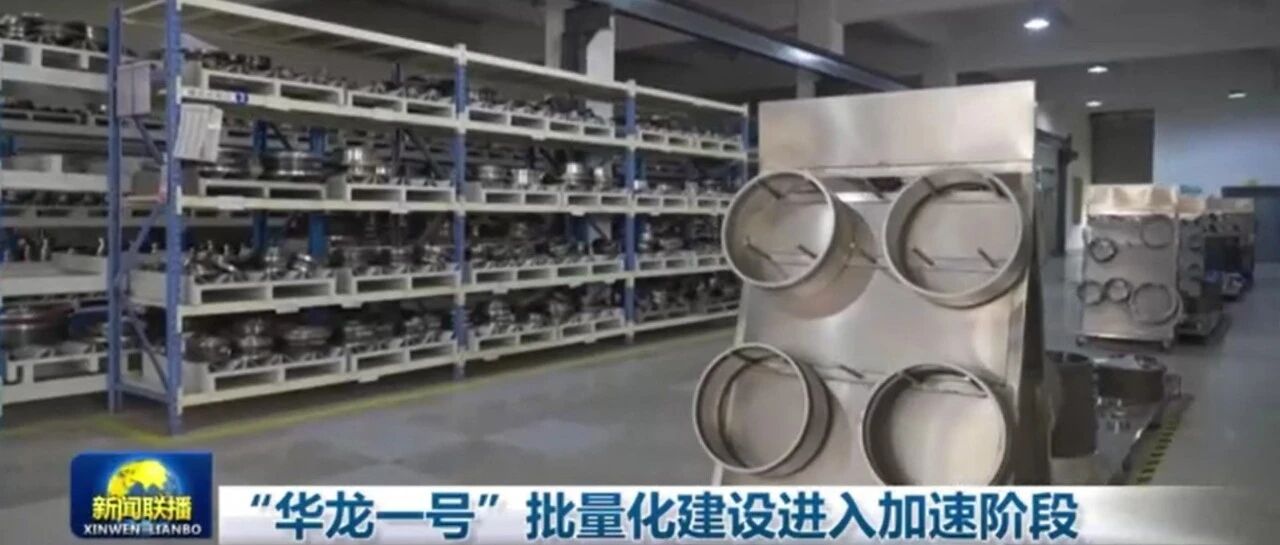
新闻联播︱“华龙一号”批量化建设进入加速阶段
国家能源局· 2026-02-01 02:10
Core Viewpoint - The "Hualong One" nuclear power technology, developed independently by China, is entering a phase of accelerated mass construction, contributing to clean energy output and driving the development of high-end equipment in the industry [3][4]. Group 1: Current Developments - The "Hualong One" technology is currently undergoing rapid mass construction, with multiple projects in various stages, including final adjustments before grid connection in Zhejiang Cangnan and dome installation in Fujian Zhangzhou [4]. - There are currently 41 units of "Hualong One" under construction and in operation, making it the most widely used nuclear power technology globally, significantly contributing to China's energy structure optimization and green low-carbon development [4]. Group 2: Industry Impact - The first unit of "Hualong One," the Fuqing Nuclear Power Plant Unit 5, has delivered over 43 billion kilowatt-hours of clean electricity in five years, providing a platform for the development and stable operation of domestic equipment [3]. - Companies involved in the "Hualong One" supply chain, such as Suzhou Bao Hua, are innovating and overcoming technical challenges, having invested millions in research and development to produce critical components like sealing rings, which were previously imported [3].
总台中国之声︱2025年我国可再生能源发电量达到约4万亿千瓦时 油、气产量双双创历史新高
国家能源局· 2026-01-31 14:20
Core Viewpoint - By 2025, China's green and low-carbon transition will accelerate, with renewable energy generation expected to reach approximately 4 trillion kilowatt-hours, surpassing the combined electricity consumption of the 27 EU countries (approximately 3.8 trillion kilowatt-hours) [2] Group 1: Renewable Energy Development - In 2025, China's coal production will remain stable, with a year-on-year increase of 1.2% in industrial coal output [2] - New installations of wind and solar power are expected to exceed 430 million kilowatts, with cumulative installed capacity surpassing 1.8 billion kilowatts, leading to renewable energy accounting for over 60% of total installed capacity [2] Group 2: Oil and Gas Production - In 2025, industrial crude oil production is projected to increase by 1.5%, while industrial natural gas production is expected to rise by 6.2%, both reaching historical highs [2] Group 3: Energy Supply Stability - During the winter season, the northern regions of China are experiencing increased cold air activity, leading to multiple rounds of strong cold wave weather; however, the National Energy Administration emphasizes that fuel reserves are sufficient and electricity supply remains stable [2] - The fuel supply for national regulated power plants is solid and reliable, with coal reserves in key heating regions exceeding 25 days; the domestic refined oil market is stable with sufficient inventory, and both domestic and imported gas are operating at relatively high and stable levels [2]
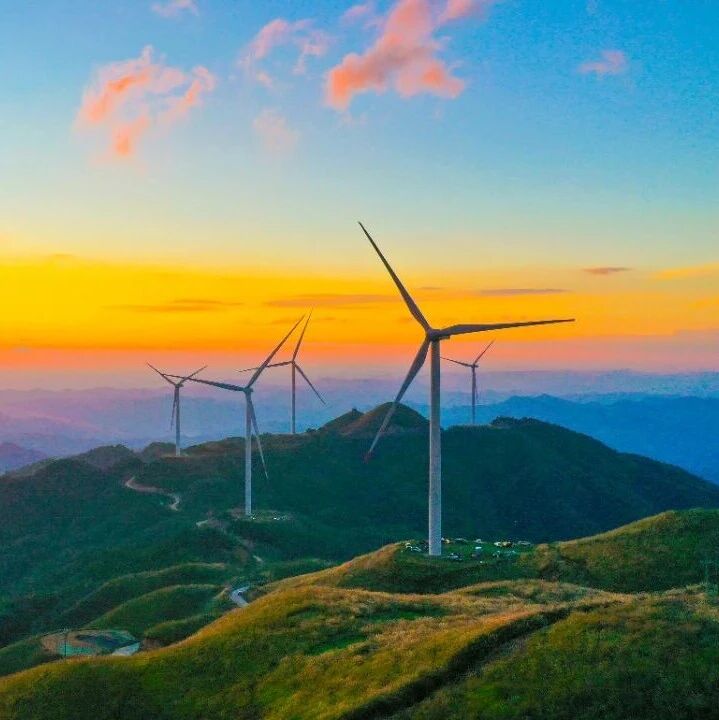
习近平主持中共中央政治局第二十四次集体学习
国家能源局· 2026-01-31 10:08
Core Viewpoint - The article emphasizes the importance of cultivating future industries to seize technological and industrial leadership, enhance new productive forces, and improve the quality of life for the people [2][3]. Group 1: Strategic Planning and Development - Future industries are characterized by foresight, strategic significance, and disruptive potential, necessitating scientific planning and comprehensive coordination [3]. - The focus during the "14th Five-Year Plan" period should be on key directions for future industry development, with a need for scientific validation of technological routes and enhanced strategic foresight regarding frontier technologies [3]. - It is essential to consider national strategic needs, technological maturity, and supporting factors for localized and differentiated development [3]. Group 2: Role of Enterprises and Innovation - The pace, breadth, and depth of future industry development are largely determined by the extent of technological breakthroughs [3]. - Enterprises play a crucial role in driving innovation, and there is a need to concentrate various innovative resources within enterprises to cultivate leading technology firms and high-tech enterprises [3]. - The government should support the long cultivation cycle and high market risks associated with future industries by improving fiscal and tax policies and fostering a conducive environment for innovation [3]. Group 3: Governance and International Cooperation - The development of future industries is broad and requires a sound governance system to balance development and security while exploring effective regulatory methods [4]. - There is a call for deepening international cooperation to promote joint standards, rules, and industry advancement [4]. - Leaders at all levels should enhance their understanding of frontier technologies and industries to make informed decisions [4].

人民日报丨国家能源局公布2025年全国能源投资成绩单 迎峰度冬燃料储备充足
国家能源局· 2026-01-31 03:02
Core Viewpoint - The National Energy Administration reported that the total investment in key energy projects exceeded 3.5 trillion yuan for the first time, with a year-on-year growth of nearly 11%, indicating a robust increase in energy investment and a shift towards green energy transition [2][3]. Investment Growth - The investment in key energy projects showed a year-on-year increase of nearly 11%, outpacing the growth rates of infrastructure and manufacturing by 12.9 and 10.1 percentage points respectively [2]. - Five provinces, including Inner Mongolia, Xinjiang, Shandong, Guangdong, and Jiangsu, each completed investments exceeding 200 billion yuan [2]. Renewable Energy Transition - By 2025, renewable energy generation capacity is expected to exceed 60%, with an estimated generation of approximately 4 trillion kilowatt-hours, surpassing the total electricity consumption of the 27 EU countries [2]. - Investment in onshore wind power projects increased by nearly 50% year-on-year, while investments in new energy storage and hydrogen industries doubled compared to the previous year [2]. Hydrogen Energy Development - By the end of 2025, the cumulative production capacity of renewable hydrogen projects in China is expected to exceed 250,000 tons per year, marking a doubling in capacity from the previous year [2]. - Key hydrogen production, storage, and application projects in regions such as Xinjiang and Inner Mongolia have been successfully launched, indicating progress in the hydrogen energy supply chain [2]. Private Sector Investment - Private sector investment in energy projects grew at a rate of 12.9%, exceeding the national average growth rate for key energy projects by approximately 2 percentage points [3]. - Investments from private enterprises are primarily focused on solar power, wind power, and coal mining, with significant growth in onshore wind and distributed photovoltaic sectors [3]. Policy Support and Market Environment - The National Energy Administration plans to enhance policy support and market environment to stimulate energy investment, including the introduction of green electricity direct connection policies [3]. - The government aims to facilitate the implementation of projects in zero-carbon parks and industrial microgrids, ensuring a stable development outlook for renewable energy [3]. Energy Supply Stability - The overall fuel reserves in the country are sufficient, with coal production maintaining high levels, ensuring stable electricity supply during peak winter demand [5]. - As of January 27, the national coal inventory for power plants was 220 million tons, sufficient for 26 days of operation, indicating a solid foundation for coal supply [5]. - Natural gas consumption during the heating season reached 119.52 billion cubic meters, a year-on-year increase of 4.6%, with stable operations in both domestic and imported gas supplies [5].

新华社丨国家能源局:2025年系列政策文件推动能源向“绿”而兴 投资向“新”而行
国家能源局· 2026-01-31 03:02
国家能源局发展规划司副司长邢翼腾1月30日在国家能源局例行新闻发布会上表示,2025年,全国 能源投资保持较快增长,年度重点项目完成投资额首次超过3.5万亿元,同比增长近11%。 国家能源局 国家能源局微信公众号是国家能源局新闻宣传、信息公开、服务群众的重要平台。 · 公开 政务信息 · 发布 行业动态 ·提供 公众服务 "大力发展能源新技术新场景打造新的增长点。"邢翼腾说,架起"充电桩",深入开展电动汽车充电 设施服务能力"三年倍增"行动,预计拉动投资2000亿元以上;升级"充电宝",开展新型储能制造 业高质量发展行动和电力系统调节能力优化行动,将带动投资约2500亿元;搭好"路由器",加快 发展虚拟电厂,深挖各类调节资源潜力,聚合分布式电源、可调节负荷、储能等各类分散资源参与 市场交易,拓宽收益渠道。 此外,一系列促进能源行业高质量发展的政策文件从供需两侧协同发力开拓绿色发展新空间,系统 性重塑能源转型新生态、培育新动能,着力破除制度壁垒、构建投资新环境。 "2026年,国家能源局将围绕激发市场活力、优化发展环境等方面加大政策支持力度,打通项目落 地'最后一公里'。"邢翼腾说,一方面,强化政策靶向发力,让 ...

国家能源局组织召开风电和光伏发电资源普查试点工作总结会议
国家能源局· 2026-01-31 00:34
Core Viewpoint - The meeting organized by the National Energy Administration aimed to summarize the achievements and experiences of pilot work on wind and solar resource surveys, enhancing guidance for nationwide surveys and promoting the application of survey results to better serve industry development [2][4]. Group 1: Pilot Work Achievements - Six pilot provinces (Hebei, Inner Mongolia, Shanghai, Zhejiang, Tibet, and Qinghai) presented their work progress, showcasing the collaborative efforts of energy and meteorological authorities, technical support units, and the National Energy Administration [4]. - The pilot work has established a scientific and efficient survey methodology, developed a set of core technologies, and built a capable professional team, accumulating valuable experience for future wind and solar resource surveys [4]. Group 2: Future Directions - The meeting emphasized the need to leverage survey results to enhance industry management, shifting from "experience-based estimation" to "scientific decision-making," from "fragmented management" to "systematic collaboration," and from "focusing on scale" to "valuing outcomes" [4]. - There is a call to further refine the technical methods and work mechanisms, expedite the formulation of a national wind and solar resource survey plan, and increase the promotion and application of survey results within the industry to contribute to the establishment of a new energy system and the realization of energy power strategy goals [4].
情暖能源桑榆,共话强国大计——国家能源局举办2026年退休干部新春茶话会
国家能源局· 2026-01-30 10:26
Core Viewpoint - The National Energy Administration (NEA) emphasizes the importance of retired cadres in contributing to the high-quality development of the energy sector and outlines key work plans for the 14th and 15th Five-Year Plans [2] Group 1: Meeting Overview - The NEA held a New Year tea gathering for retired cadres, attended by 26 retired officials, including prominent leaders [2] - The meeting included a detailed report on the key work in the energy sector during the 14th Five-Year Plan and the preparation for the 15th Five-Year Plan [2] - Retired officials expressed appreciation for the achievements in energy development and provided valuable suggestions for future work [2] Group 2: Leadership Statements - Wang Hongzhi, the NEA's Party Secretary and Director, highlighted the value of retired cadres and the administration's commitment to improving service and support for them [2] - He encouraged retired officials to continue leveraging their experience to contribute to the energy sector's development and to act as promoters of political construction and social stability [2]