水皮More

Search documents
我的前任老板,黄其森
水皮More· 2025-08-27 09:31
Core Viewpoint - The article discusses the downfall of Taihe Group and its chairman Huang Qisong, highlighting the internal chaos and management issues that contributed to the company's struggles, culminating in Huang's recent legal troubles [4][61]. Group 1: Huang Qisong's Leadership Style - Huang Qisong is characterized as a powerful yet polarizing figure, known for his ambitious goals and high expectations from employees, often leading to a high-pressure work environment [36][40]. - His management style involves a mix of grand vision and micromanagement, which has resulted in a chaotic internal structure where various departments are forced to fill the gaps left by his overarching plans [62][64]. - Huang's approach to leadership has led to a high turnover rate among executives, with frequent changes in key positions, particularly in the marketing department [65][66]. Group 2: Company Challenges - Taihe Group faces significant challenges, including high leverage, cash flow crises, and a reputation for poor internal management practices [61][64]. - The company's internal issues are exacerbated by Huang's tendency to focus on large-scale projects while neglecting the details, leading to a fragmented organizational structure [62][63]. - The article notes that the company's high salary levels come with immense pressure, as employees are expected to meet Huang's demanding standards [42][43]. Group 3: Personal Reflections on Huang Qisong - The author reflects on their experiences working under Huang, noting both his charismatic leadership and the cold, ruthless side that often left employees feeling undervalued [56][58]. - Huang's dual nature is highlighted, where he can be both supportive and dismissive, creating a complex dynamic for those who worked with him [56][59]. - The article concludes with a sense of nostalgia and respect for Huang, despite the chaos surrounding Taihe Group, emphasizing the lessons learned during the author's tenure [80][82].


主观思维+量化技术,以系统化投资追求更稳健的超额收益
水皮More· 2025-08-27 09:31
Core Viewpoint - The article discusses the rise of active quantitative funds in the A-share market, highlighting their ability to combine the advantages of both active and passive investment strategies, thus providing investors with opportunities for excess returns while maintaining a clear investment style [4][5][20]. Group 1: Active Quantitative Funds - Active quantitative funds have gained attention for their unique approach, which integrates mathematical models and vast data analysis, avoiding emotional trading and ensuring strict adherence to investment discipline [6][7]. - These funds offer a broader investment perspective, allowing for efficient stock selection across a larger pool, thus adapting better to rapid market changes [7][8]. - The article emphasizes the collaborative efforts of teams at Guangfa Fund, which have developed a multi-strategy investment system that combines subjective research with quantitative methods to enhance long-term excess returns [9][10]. Group 2: Guangfa Fund's Quantitative Strategy - Guangfa Fund has established a "multi-asset, multi-strategy, multi-team" framework for its quantitative business, with three core teams focusing on different aspects of quantitative investment [9][10]. - The Quantitative Investment Department, led by Zhao Jie, focuses on pure quantitative strategies, utilizing a factor library of approximately 600 effective factors to drive stable excess returns [10][12]. - The Active Quantitative Team, led by Yang Dong, bridges subjective and quantitative approaches, employing a human-machine collaboration model to capture stock alpha across various styles and industries [10][11]. - The Stable Strategy Department, led by Lin Yingrui, emphasizes risk control and value discovery, integrating active fundamental research with a scientific quantitative framework [11][12]. Group 3: Product Offerings and Performance - Guangfa Fund has launched a series of active quantitative products that cater to diverse investor preferences, focusing on style enhancement, industry themes, and risk management [13][17]. - The Small Cap Enhancement product, managed by Li Yuxin and Yi Wei, has achieved a return of 99.98% over the past year, showcasing a strong risk-return profile [14][16]. - The Growth Style Enhancement product, Guangfa Dongcai Big Data Selected, has delivered a return of 73.61%, leveraging internet big data to capture growth alpha [15][16]. - The Value/Dividend Style Enhancement products, such as Guangfa Stable Strategy and Guangfa High Dividend Preferred, have also shown significant returns, with the former achieving a 45.97% return over the past year [15][16]. Group 4: Future Outlook - The article posits that active quantitative investment will evolve from being a supplementary option in asset management to a primary strategy for navigating complex market trends [20][21]. - The integration of human insights with machine precision is expected to create a more robust investment approach, providing investors with a stable and predictable long-term investment path [21].

"茅台魔咒"引发大反转 | 谈股论金
水皮More· 2025-08-27 09:31
Core Viewpoint - The current market is experiencing significant volatility, with a notable decline in major indices and a concentration of trading activity in specific sectors, particularly technology and finance [2][5][6]. Market Performance - The three major A-share indices closed lower, with the Shanghai Composite Index down 1.76% at 3800.35 points, the Shenzhen Component down 1.43% at 12295.07 points, and the ChiNext down 0.69% at 2723.20 points [2]. - Trading volume reached 31.656 billion, marking the third highest in history, with an increase of 4.865 billion from the previous day [2]. Individual Stock Movements - Cambrian's stock price peaked at 1464.99 CNY per share, surpassing Kweichow Moutai's price of 1460.93 CNY per share, but the overall market saw a significant drop [3]. - Only 622 stocks rose, while 4576 stocks fell, indicating a broad market decline despite some individual stock gains in the semiconductor sector [3]. Sector Analysis - Only two sectors showed gains, while the rest experienced declines, highlighting a market "siphoning" effect [4]. - The financial sector, particularly insurance and banking, played a significant role in the market downturn, with notable declines in major financial stocks [6]. Capital Flow - There was a significant outflow of capital, with main funds exiting by 153.7 billion and northbound funds by 126.2 billion, indicating a trend of institutional investors pulling back [5]. Speculative Environment - The current speculative environment in technology stocks is showing signs of a bubble, with concerns about sustainability and potential corrections in the near future [5][7]. - Recent government policies aimed at promoting AI and satellite communication may have short-term effects but could also limit the longevity of the current market rally [7]. Historical Context - The current market conditions are reminiscent of the 2018 5G speculation phase, where irrational expectations led to significant price increases without fundamental support [8]. - The "Moutai curse" suggests that when a stock surpasses Kweichow Moutai's price, subsequent market performance tends to decline, raising caution among investors [8].

休止符,如约而至!| 谈股论金
水皮More· 2025-08-26 09:30
Market Overview - The three major A-share indices showed mixed performance, with the Shanghai Composite Index down 0.39% to 3868.38 points, the Shenzhen Component Index up 0.26% to 12473.17 points, and the ChiNext Index down 0.75% to 2742.13 points [2] - The total trading volume in the Shanghai and Shenzhen markets reached 26,790 billion, a significant decrease of 4,621 billion compared to the previous day [2] Stock Performance - Cambrian Technology opened lower, down approximately 5%, and closed at 1,329 yuan per share, resulting in a total decline of 4.04% [3] - The semiconductor sector also experienced a downturn, closing down 0.82%, while the Sci-Tech Innovation Board fell by 1.31% [3] - The gaming and agriculture sectors performed well, with notable gains from stocks like Muyuan Foods (up 7.1%), Wens Foodstuff Group (up 3.07%), and New Hope Liuhe (up 1.98%), contributing to the rise of the Shenzhen index [4] Financial Sector Analysis - The financial sector faced significant selling pressure, with the insurance sector down 1.12%, banks down 0.85%, and securities down approximately 0.90% [5] - Major outflows of capital were observed, with net outflows of around 7,700 billion, particularly affecting sectors like rare earths, military, AI, new energy vehicles, computing power, and lithium batteries [5] Market Sentiment - The market showed a cautious sentiment, with many investors opting for a wait-and-see approach rather than making impulsive trades, indicating a strong risk awareness among participants [6] - Predictions of a potential high opening for the indices were not realized, as the market instead experienced a low opening followed by a recovery that ultimately fell back [6] Sector Focus - The semiconductor sector is under close scrutiny, particularly regarding U.S. policies affecting the industry and Nvidia's information release and stock performance, given its significant role in the semiconductor field [7] - The current market transition from an exuberant phase to a more rational phase is viewed as a positive development, with expectations of continued volatility in stocks like Cambrian Technology [7]

第一个撕裂性缺口出现了 | 谈股论金
水皮More· 2025-08-25 09:14
Core Viewpoint - The A-share market is experiencing a strong performance, with major indices reaching new highs, but the overall market sentiment remains cautious and not overly exuberant [2][3][9]. Market Performance - The three major indices in the A-share market continued their strong performance, with the Shanghai Composite Index rising by 1.51% to close at 3883.56 points, the Shenzhen Component Index increasing by 2.26% to 12441.07 points, and the ChiNext Index gaining 3% to 2762.99 points [2][3]. - The trading volume in the Shanghai and Shenzhen markets exceeded 30 trillion yuan, reaching 31,411 billion yuan, marking a significant increase of 5,944 billion yuan compared to the previous trading day [2][3]. Individual Stock Analysis - Notable stocks such as Cambrian (寒武纪) showed significant volatility, opening at 1321 yuan per share, peaking at 1391 yuan, and closing at 1384 yuan, resulting in a final increase of 11.48% [4][5]. - Cambrian's trading volume reached 249.9 billion yuan, indicating strong market interest, although it did not surpass the volume from August 12 [5][6]. Sector Performance - The semiconductor sector exhibited cautious trading behavior, with a slight overall increase of 0.57% despite significant fluctuations [6]. - Major outflows of capital were observed in sectors such as semiconductors, software development, and internet services, while sectors like small metals, liquor, and real estate saw inflows, indicating a rotation in market interest [7][8]. Economic Influences - The market was influenced by comments from U.S. Federal Reserve Chairman Jerome Powell, suggesting a potential interest rate cut in September, which positively impacted U.S. stock markets and subsequently affected the Chinese A-share market [8]. - The People's Bank of China announced a net injection of 600 billion yuan through medium-term lending facilities (MLF), maintaining a consistent easing monetary policy stance [8][9]. Market Sentiment - Despite the strong performance of indices, the market sentiment remains relatively restrained, with a balanced number of rising and falling stocks throughout the trading day [9]. - The current market environment is characterized as a structural market, with significant differentiation among sectors, indicating a low likelihood of a major index correction but potential for individual sector volatility [9].


寒武纪暴涨,拉爆了谁的指数? | 谈股论金
水皮More· 2025-08-22 09:27
Core Viewpoint - The A-share market has shown strong performance, with major indices reaching new highs, driven primarily by the semiconductor sector and significant contributions from key stocks like Cambrian and SMIC [2][3][4]. Market Performance - The Shanghai Composite Index rose by 1.45% to close at 3825.76 points, while the Shenzhen Component Index increased by 2.07% to 12166.06 points. The ChiNext Index saw a rise of 3.36%, closing at 2682.55 points, and the STAR 50 Index surged by 8.59% to 1247.86 points [2]. - The total trading volume in the Shanghai and Shenzhen markets reached 25,467 billion, an increase of 1,227 billion from the previous day [2]. Semiconductor Sector - Cambrian Technology's stock price surged to a limit-up of 1243 yuan per share, contributing significantly to the overall rise of the semiconductor sector, which saw an average increase of 4.40% [3][4]. - Key semiconductor stocks like Haiguang Information and SMIC also experienced substantial gains, with increases of 20% and 14% respectively [3]. Market Dynamics - Despite the overall index gains, the majority of individual stocks did not perform as well, with 2,769 stocks rising compared to 2,235 that fell. At one point, the number of declining stocks exceeded 3,000 [5]. - The median performance of stocks in the market was only 0.14%, indicating that while indices rose, many stocks remained stagnant [5]. Foreign Investment - There has been a notable shift in foreign investment sentiment towards A-shares, with a net inflow of 21.6 billion, marking a change from previous outflows [5]. - The Shanghai market saw a significant portion of this inflow, with 14.3 billion entering Shanghai and 7.2 billion into Shenzhen [5]. ETF Performance - The CSI 300 Index showed strong performance, rising by 2.10%, which is higher than both the Shenzhen Component Index and the Shanghai Composite Index [6]. - Related ETFs, particularly the 510300, also experienced rapid gains, increasing by 2.37% [6]. Future Outlook - Future performance will largely depend on the direction of capital flows, with a focus on the CSI 300 as foreign investments are expected to continue favoring this index [7]. - The current market sentiment reflects a disconnect where indices rise while many individual stocks remain flat, leading to a sense of frustration among investors [7].

醒醒吧,白酒及人生
水皮More· 2025-08-21 09:28
Core Viewpoint - The current state of the Chinese liquor industry, particularly the white liquor sector, is facing significant challenges, including overcapacity, declining sales, and inventory issues, leading to questions about whether the industry has entered a downturn [2][10][12]. Group 1: Industry Trends and Challenges - The white liquor industry has experienced a significant decline in sales volume, dropping from a peak of 1,358 million tons in 2016 to an estimated 414 million tons by 2024, a decrease of over two-thirds [10]. - Despite the decline in sales volume, the revenue has paradoxically increased by 30% to 7,964 billion yuan in 2024, and profits surged by 315% to 2,509 billion yuan, indicating a severe disconnect between production and actual market demand [10][12]. - The industry is currently facing a surplus of at least 1,000 million tons of production capacity, with inventory levels that could take over five years to digest at current sales rates [12][10]. Group 2: Historical Context and Regulatory Impact - Historical instances of liquor bans and restrictions have not halted the industry's growth; rather, they have often led to new opportunities for market adjustment [4][5][7]. - The recent "new eight prohibitions" and the strictest liquor bans in history are not the sole reasons for the current downturn, as the industry has previously adapted to similar challenges [4][5][7]. Group 3: Market Dynamics and Pricing Strategies - The strategy of "controlling volume and raising prices" has been a common practice among manufacturers, but this approach is becoming unsustainable as consumer demand declines [15][20]. - The average price of white liquor has increased approximately 150 times over the past 45 years, with premium brands like Moutai seeing price increases of nearly 400 times, leading to concerns about affordability and market sustainability [17][20]. - The shift towards "light bottle" liquor, which is more affordable and accessible, is gaining traction, indicating a potential change in consumer preferences towards more reasonable pricing [31][33]. Group 4: Future Outlook and Recommendations - The industry must focus on "controlling prices and improving quality" to ensure that liquor remains accessible to a broader consumer base, which is essential for long-term sustainability [26][39]. - Companies that prioritize product quality and reasonable pricing, like Fenjiu, have shown resilience and growth, suggesting a viable path forward for the industry [28][29]. - The return to rational pricing and value-based consumption is crucial for revitalizing the white liquor market and ensuring its future prosperity [36][42].






行情走到了十字路口 | 谈股论金
水皮More· 2025-08-21 09:28
Core Viewpoint - The market is at a crossroads, debating between continuing speculative trading in concept stocks or returning to value stocks, indicating a need for rational investment decisions [3][5]. Market Performance - The three major A-share indices showed mixed results, with the Shanghai Composite Index rising by 0.13% to 3771.10 points, while the Shenzhen Component Index fell by 0.06% to 11919.76 points, and the ChiNext Index decreased by 0.47% to 2595.47 points [2]. - The total trading volume in the Shanghai and Shenzhen markets reached 242.41 billion, a slight increase of 15.8 billion from the previous day [2]. Sector Analysis - The current market rally has two main themes: large financials and technological innovation, with the latter showing signs of overheating and potential bubble risks [3][4]. - The semiconductor sector in the U.S. has been experiencing a downward trend, with notable declines in stocks like Nvidia (down 3.87%), Intel (down 7%), and TSMC (down 1.7%), raising concerns about similar trends in domestic tech stocks [3][4]. Individual Stock Performance - Key stocks contributing to the Shanghai Composite's rise include Agricultural Bank of China (up 2.2%), China Mobile (up 1.24%), and PetroChina (up 1.57%), which collectively added 5.62 points to the index [4]. - Notable individual stock movements include Oriental Fortune (down 1.03%), CATL (down 0.07%), BYD (down 1.06%), and NewEase (up 1.07%) [4]. Speculative Risks - The market is witnessing a significant increase in margin trading, which amplifies risks, especially at high price levels. A potential market correction could lead to substantial losses for investors [5]. - The concept of "liquid cooling" has shown vulnerability, with three companies hitting the daily limit down, indicating the fragility of speculative trends [5].

美股大跌的导火索,这篇MIT的报告有什么特别?
水皮More· 2025-08-20 09:31
Core Viewpoint - A recent MIT report reveals that up to 95% of companies are not seeing any returns from their investments in generative AI, raising concerns about the sustainability of the AI hype and its ability to translate into profits for businesses [5][6][9]. Group 1: Market Reaction - The report has led to a significant sell-off in the tech sector, with the Nasdaq Composite Index dropping 1.4%, marking its largest single-day decline since August 1 [6]. - Major beneficiaries of the AI boom, such as Nvidia, saw a decline of 3.5%, while companies like Palantir and Arm experienced drops of 9.4% and 5%, respectively [6]. - Defensive sectors like consumer staples, utilities, and real estate saw gains, indicating a shift of funds away from high-risk tech stocks [6]. Group 2: Findings from the MIT Report - The report titled "The Generative AI Gap: The State of Business AI in 2025" indicates that despite high expectations, most generative AI projects fail to deliver financial impact [9]. - Only about 5% of AI pilot projects have achieved rapid revenue growth, while the majority have stagnated without measurable effects on profit and loss statements [10]. - The report attributes the failures not to the quality of AI models but to internal organizational issues and integration strategies [10]. Group 3: Success Factors and Strategies - Successful AI implementations often involve identifying a specific pain point and executing well, with some startups reportedly increasing their revenue from zero to $20 million within a year [12]. - Over half of the generative AI budgets are allocated to sales and marketing tools, but the highest ROI comes from back-office automation [12]. - Purchasing AI tools from specialized vendors and forming partnerships has a success rate of about 67%, compared to only one-third for companies building their own systems [13]. Group 4: Valuation Pressures and Market Sentiment - The report's release coincides with growing concerns over high valuations in the tech sector, with the Nasdaq 100 index's expected P/E ratio at 27, significantly above its long-term average [15]. - Sam Altman's warning about potential investor losses and the possibility of an AI bubble has further fueled market anxiety [15]. - The market has shown sensitivity to negative news regarding AI, with past incidents causing notable fluctuations in stock prices [15].




美国专家来中国转了一圈:AI比赛已经结束了
水皮More· 2025-08-20 09:31
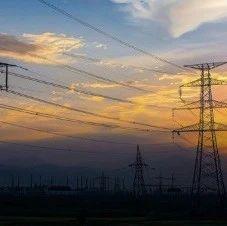
Core Viewpoint - The article discusses the significant gap between China and the United States in AI development, primarily attributing this to differences in energy infrastructure and supply, suggesting that the competition may already be concluded in favor of China [1][2][20]. Group 1: Energy Infrastructure - A key argument is that energy supply is crucial for AI development, and China has effectively addressed its energy challenges, providing stable and affordable electricity [6][20]. - In contrast, the U.S. faces significant issues with its aging power grid, with 70% of transmission lines over 25 years old, making it difficult to meet modern energy demands [30][31]. - The U.S. has a low reserve capacity for electricity, around 15%, compared to China's 80% to 100%, leading to vulnerabilities during disasters and price surges [37][38]. Group 2: AI Development Landscape - Chinese AI companies are strong but struggle with profitability due to lower pricing of products and services [16]. - The U.S. tech companies are criticized for their short-sightedness, focusing on immediate profits rather than long-term infrastructure investments, which hampers AI progress [45][47]. - The article highlights that the U.S. is experiencing a significant backlog of energy projects waiting for grid connections, which has doubled since 2020 [33][36]. Group 3: Expert Insights - Rui Ma, a Chinese-American expert, emphasizes that energy supply is taken for granted in China, contrasting with ongoing debates in the U.S. about energy consumption and grid limitations [21][22]. - The article references Hinton's concerns about the short-term focus of U.S. tech companies, which he believes undermines the responsible development of AGI [50][56]. - Hinton's recent statements suggest a growing disillusionment with Silicon Valley's approach to AI, indicating a potential shift in focus towards China for responsible AI development [57][58].