雷峰网

Search documents
蔚小理自研智驾芯片:谁在掉队、谁在摇摆、谁在大步向前?
雷峰网· 2025-09-05 12:49
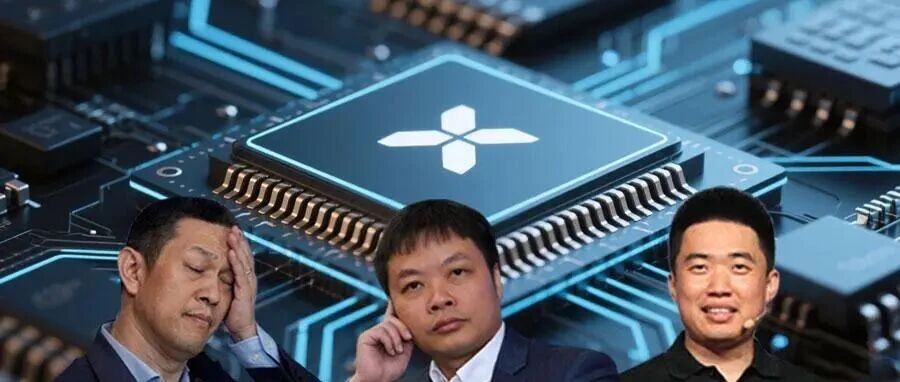
Core Viewpoint - The delay of Nvidia's Thor chip has made the external chip supply chain uncertain and expensive, highlighting the importance of self-developed chips to reduce costs and enhance the technological narrative of companies [1][35]. Group 1: Industry Overview - The arms race for computing power in smart driving began in 2021 with the launch of Nvidia's Orin-X chip, which boasts 254 TOPS, outperforming Mobileye's Q5H and Tesla's HW3.0 [2]. - The narrative logic among car manufacturers emphasizes the importance of self-developed chips as a crucial aspect of their strategy [3]. Group 2: NIO's Chip Development - NIO was the first to propose self-developed chips, with founder Li Bin initiating the "chip-making" project in 2020 despite skepticism [6][7]. - NIO's chip team, led by architect Zhang Danyu, has grown to around 400 members, with significant investment in R&D, totaling approximately 41.9 billion RMB from 2021 to 2024 [10][11]. - NIO aims to control the R&D process and reduce supply chain risks by fully self-developing core technologies [11][12]. Group 3: XPeng's Chip Strategy - XPeng has been aggressive in its chip development, launching the self-developed Turing AI chip for its P7 model, but faced challenges with internal collaboration between the chip and algorithm teams [19][20]. - The company initially outsourced chip design but shifted to full self-development due to delays from partners [20][24]. - XPeng's second-generation chip is under development, targeting a 5nm process, with ambitions to integrate advanced AI models into its vehicles [27][28]. Group 4: Li Auto's Approach - Li Auto started its chip development later than its competitors but faces fewer internal obstacles due to a unified leadership vision [29][30]. - The company has begun developing its second-generation chip, focusing on integrating its operating system and chip development under a single department [31][34]. - Li Auto aims to leverage its organizational structure to enhance collaboration between its algorithm and chip teams, which could lead to improved efficiency [35].

服务器被挤爆,全新问界M7小订1小时超10万,余承东直呼「超乎想象」
雷峰网· 2025-09-05 10:20
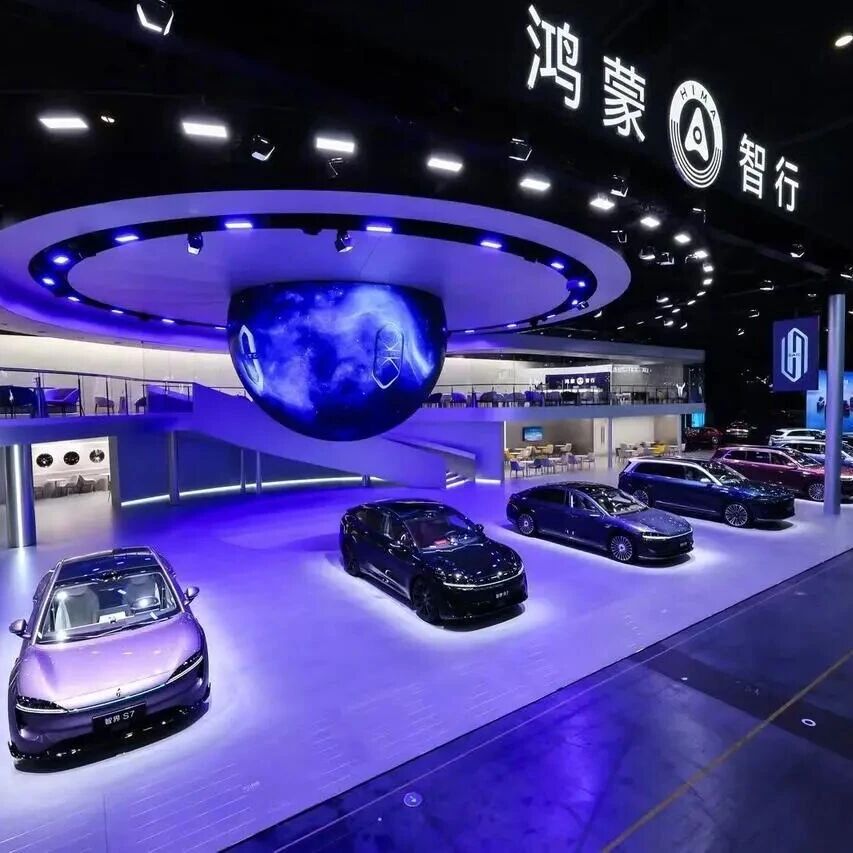
Core Viewpoint - The launch of the new AITO M7 model is a significant milestone for the AITO brand and Huawei's automotive business, with strong pre-order numbers indicating a potential acceleration towards the goal of selling over 1 million units by 2025 [1][9]. Group 1: Sales Performance - The AITO M7 received over 20,000 small orders within 10 minutes and surpassed 100,000 orders in just 43 minutes, leading to server crashes due to high demand [2]. - The new AITO M7 model achieved over 50,000 large orders within a month of its launch, marking a dramatic increase from previous months where sales were below 1,000 units [4]. Group 2: Product Features - The AITO M7 features a new vehicle architecture with dimensions of 5080mm in length, 1999mm in width, and 1780mm in height, providing a spacious interior comparable to luxury SUVs [5][6]. - The vehicle offers both five-seat and six-seat configurations, with an increased wheelbase of 3030mm, enhancing passenger comfort [5]. Group 3: Technical Specifications - The AITO M7 is available in both range-extended and pure electric versions, with the range-extended model featuring a 1.5T efficient range extender and a maximum power output of 118kW, achieving a comprehensive range of 1625km [6]. - The vehicle incorporates advanced driver assistance systems, including a distributed 4D millimeter-wave radar matrix and the HUAWEI ADS 4.0 system, enhancing its autonomous driving capabilities [7]. Group 4: Market Strategy - The AITO M7's success is expected to benefit the upcoming AITO H5 model, which is positioned as a more affordable option under the new "Shangjie" brand, aiming to reshape brand perception and share R&D costs [9]. - The combination of the AITO M7 and H5 is anticipated to create a synergistic effect, driving both visibility and sales for Huawei's automotive segment [9].

是谁给中小企业吃下一颗「敢想敢干」的定心丸
雷峰网· 2025-09-05 10:20
Core Viewpoint - The article emphasizes the resilience and innovation of small and medium-sized enterprises (SMEs) in China, highlighting their journey through various stages of growth and the critical role of technology, particularly cloud computing, in supporting their development [1]. Group 1: Initial Stage of SMEs - SMEs in the initial stage prioritize stability and cost-effectiveness in their operations, as exemplified by Zhongyi Wulian, which provides IoT solutions for aquaculture and relies on Alibaba Cloud for server stability [5][10]. - The challenges faced by SMEs include ensuring real-time communication with clients and maintaining system reliability, especially during critical operational hours [6][10]. - The transition to cloud services, such as those offered by Alibaba Cloud, has allowed SMEs to focus on core business development without the burden of hardware management [10][11]. Group 2: Business Explosion Phase - SMEs often experience unexpected surges in demand, which can strain their backend systems, as seen with Intelligent Precision Learning's AI tutor "Hanxue Teacher," which rapidly gained popularity [14][15]. - The ability to scale operations quickly in response to increased traffic is crucial, and Alibaba Cloud's elastic computing capabilities have proven essential for managing these spikes effectively [18][21]. - Companies like Feiniqi have also leveraged cloud services to handle increased operational demands without significant changes to their application architecture [19][20]. Group 3: Technological Advancement Phase - As SMEs explore AI capabilities, they require robust support from cloud services to ensure efficient model training and deployment, as demonstrated by Intelligent Precision Learning's AI initiatives [23][26]. - The collaboration between self-built data centers and cloud services allows companies to balance flexibility and reliability, optimizing their operational efficiency [27][28]. - The advancements in Alibaba Cloud's elastic computing have enabled SMEs to innovate and reduce costs while maintaining high performance, particularly in AI applications [30][31].

独家丨坦克300商品总监于善春已离职,赵鹏飞接任
雷峰网· 2025-09-05 00:34
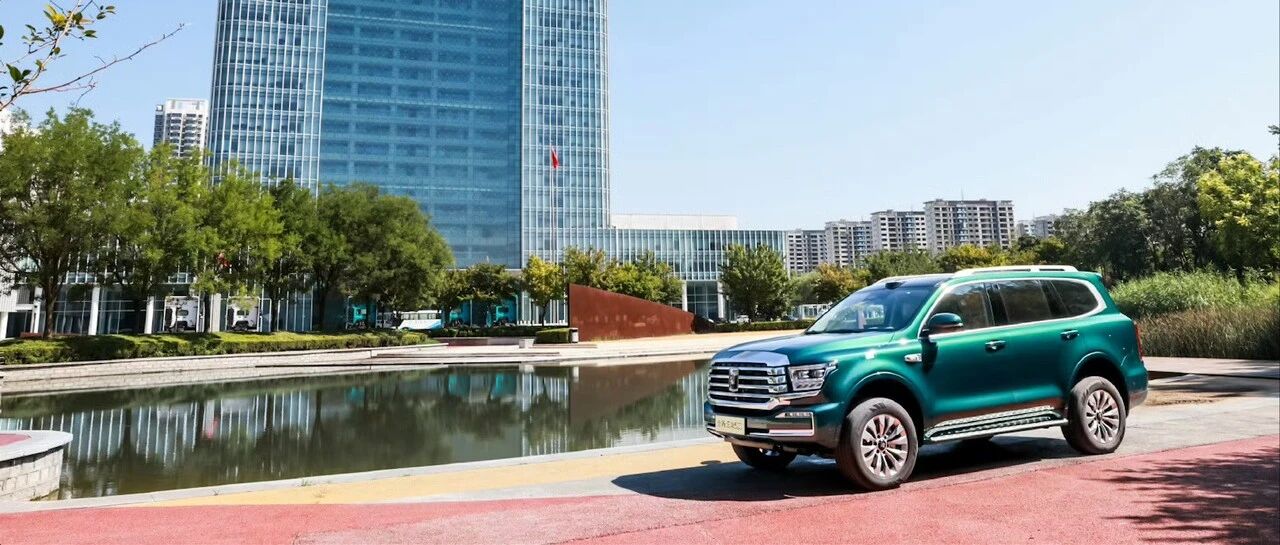
Core Viewpoint - The Tank brand is facing challenges with talent retention and declining sales, while also planning new product developments to maintain market competitiveness [2][7][9]. Group 1: Talent Movement - The Tank 300's product director, Yu Shanchun, has left Great Wall Motors to join FAW Hongqi as a product leader [2]. - Yu will lead the development of off-road vehicles for the Hongqi brand after his transition [4]. - The Tank brand has seen several key personnel departures, including CMO Cui Zhuojia, indicating a potential talent drain [6]. Group 2: Sales Performance - From January to July this year, the Tank brand's domestic sales decreased by 10.5%, totaling 97,000 units [7]. - The brand's sales target for the year is 240,000 units, with current completion just over 40% [7]. Group 3: Product Development - The Tank 300 has been the mainstay of the brand's sales since its market launch in 2020, with minimal changes to its exterior design [7]. - The Tank 300 family now includes various powertrain options, such as gasoline, diesel, and Hi4-T new energy versions [8]. - A new Hi4-Z off-road model is in the planning stages and will be launched in due course [9]. Group 4: Market Positioning - FAW Hongqi has announced its entry into the rugged off-road vehicle market, showcasing its first concept vehicle at the Shanghai Auto Show [5]. - The upcoming Hongqi off-road vehicle will feature extended-range power, four motors, and three differential locks, with a 0-100 km/h acceleration time of around 4 seconds, expected to launch in 2026 [5].
美的一天净赚近1.5亿,高管回应:公司估值被低估了;字节通报8人涉刑被移交,有人「造黄谣」被追责;追觅上半年营收远2024年全年
雷峰网· 2025-09-05 00:34
Key Points - Usmile, a leading electric toothbrush brand, has established a subsidiary to explore AI hardware, indicating a strategic shift towards smart technology [4] - Midea Group reported a total revenue of 252.3 billion yuan for the first half of 2025, a year-on-year increase of 15.7%, and a net profit of 26 billion yuan, up 25% [6] - Xiaohongshu's valuation has surged by 19% in three months, reaching 31 billion USD, reflecting strong investor interest [7] - NIO's CEO Li Bin confirmed internal restructuring efforts, including personnel adjustments and organizational optimization [8] - Chasing Technology's revenue for the first half of 2025 has already surpassed its total for the entire year, with over 20 billion yuan in intended orders for home appliances [9] - ByteDance reported the dismissal of 100 employees for violating company policies, with 8 individuals facing criminal charges [10] - Five Chinese new energy vehicle companies are facing potential fines of approximately 47 million yuan for alleged maintenance monopolies [12] - Amazon's strict return-to-office policy has reportedly led to the loss of top tech talent [19] - Hyundai's union in South Korea is planning limited strikes to demand a four-and-a-half-day workweek and wage increases [20] - Nvidia's new chip for China, B30A, is expected to have six times the performance of the H20 model, with a price potentially double that of H20 [21] - Apple is developing an AI-based web search tool to enhance competition with OpenAI and others, integrating it with Siri [22] - Google has been fined 325 million euros by France for inserting ads into Gmail without user consent [23] - Shein has been fined 150 million euros by France for improper use of cookies, and plans to appeal the decision [24][25] - European automotive executives are urging the EU to adopt a more flexible approach to emissions regulations, learning from China's policies [26]

国产AI推理芯片的双重博弈:围攻4090,谁能卡位成功?
雷峰网· 2025-09-04 06:04
Core Viewpoint - The article discusses the competitive landscape of the AI inference chip market, particularly focusing on the domestic players in China and their strategies to challenge NVIDIA's dominance, especially the 4090 model, while navigating the complexities of cloud, edge, and on-device AI inference markets [2][4][16]. Group 1: AI Inference Market Dynamics - The demand for AI inference has surged due to the popularity of products like DeepSeek, leading to differing opinions on the future of edge versus cloud inference [2][3]. - There is a significant divide in opinions regarding the growth potential of edge AI inference, with some experts predicting a decline while others foresee continued growth [7][8]. - The AI inference market is characterized by a dual competition: domestic chips versus NVIDIA's 4090, and a strategic positioning battle for market share [4][16]. Group 2: Market Segmentation and Opportunities - The article outlines the definitions of cloud, edge, and on-device AI inference based on computational power, with a shift in boundaries due to advancements in large models [7]. - The traditional edge and on-device inference markets are described as saturated, with slow growth, while new applications driven by generative AI are emerging [11][14]. - The generative AI wave is expected to create new demand for edge AI chips, particularly in consumer electronics and smart hardware [14][15]. Group 3: Competitive Strategies - Domestic AI chip companies are focusing on achieving superior cost-performance ratios to compete with NVIDIA's offerings, particularly in specific application areas [4][17]. - The importance of software optimization and ecosystem partnerships is emphasized as critical for domestic companies to enhance their competitive edge [18][24]. - Companies are exploring various market segments, including the信创 market, healthcare, and energy, to find viable opportunities for AI chip deployment [22][23]. Group 4: Future Outlook - The article suggests that the competition among domestic AI chip manufacturers is just beginning, with upcoming products expected to leverage large memory and cost-performance advantages [26]. - The success of these companies will depend on their ability to establish deep partnerships with major clients and effectively navigate the evolving AI landscape [24][26].
对话玄源科技:AI陪伴机器人CEO不相信「AI陪伴」
雷峰网· 2025-09-04 06:04
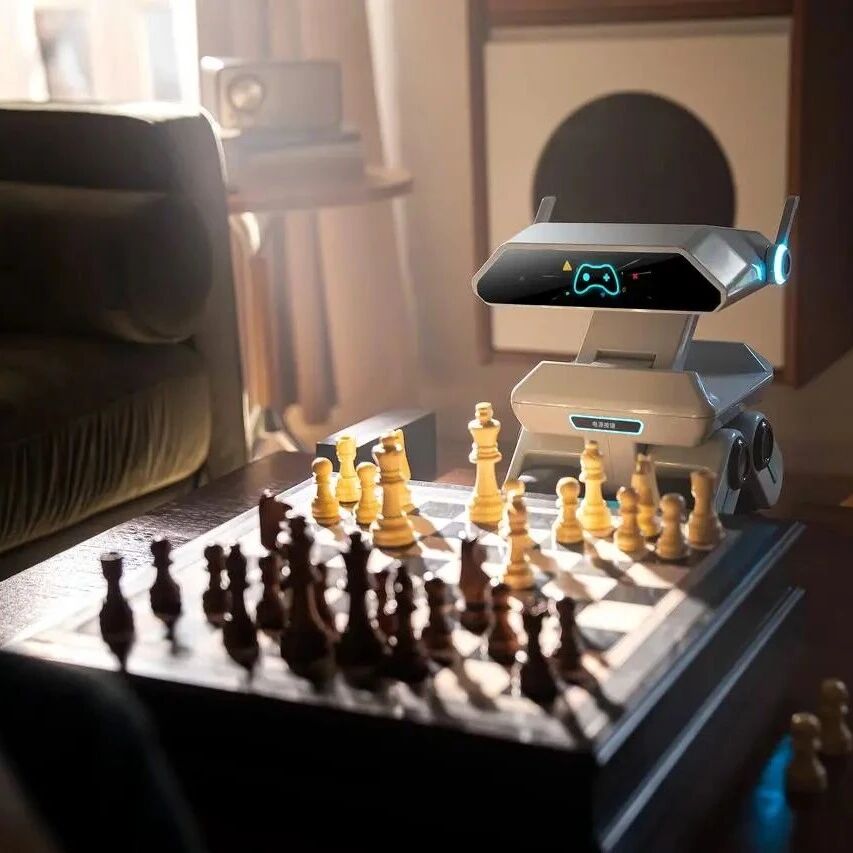
Core Viewpoint - The article emphasizes that the AI hardware market lacks a definitive answer, and focusing too deeply on a single product can lead to misconceptions about the industry [1][26]. Group 1: Company Vision and Strategy - The CEO of XuanYuan Technology, Li Yunzhao, believes that AI companionship should not be considered a standalone industry but rather a byproduct of AI technology [2][10]. - The company aims to create consumer-grade AI robots that accompany users throughout their life cycle, focusing on practical applications rather than just companionship [2][10]. - Li Yunzhao outlines three stages of entrepreneurship: paying tuition, doing business, and building a career, indicating that XuanYuan is now in the practical implementation phase [5][10]. Group 2: Technology and Product Development - XuanYuan Technology is confident in its technical capabilities, particularly in continuous perception memory and multi-modal information fusion, which are essential for creating more lifelike hardware [3][19]. - The company is focused on developing AI products that provide both cost-saving tools and emotional value, with a clear distinction between genuine companionship and mere emotional support [11][12]. - The Yonbo robot, aimed at children, is designed to enhance expression and creativity, moving away from traditional toys that suppress these qualities [20][21]. Group 3: Market Position and Challenges - The article discusses the misconception in the market regarding AI companionship, stating that many products merely capitalize on the concept without a solid understanding of AI technology [15][26]. - XuanYuan Technology is pursuing multiple products simultaneously, including the Yonbo robot and camera, leveraging a well-established technical framework to minimize resource dispersion [27][29]. - The company acknowledges the rapid evolution of AI hardware and the necessity for quick adaptation to market feedback, positioning itself as a pioneer in the industry [27][30].
前魅族高管放狠话:要让魅族22完全卖不掉;曝小米汽车国内营收已反超小米手机;传字节分拆芯片团队,由新加坡公司接盘丨雷峰早报
雷峰网· 2025-09-04 00:31
Key Points - The former Flyme head Yang Yan has publicly stated his intention to make Meizu 22 unsellable, indicating a personal vendetta against the company [3] - Xiaomi's automotive revenue has reportedly surpassed that of its smartphone division, marking a significant shift in its business model [9] - Tesla's Model Y L has seen explosive sales in China, with daily orders reaching 10,000 units since its launch [12] - ByteDance is restructuring its chip team, transferring operations to a new entity in Singapore while maintaining employee contracts [13] - The global smart home cleaning robot market has seen significant growth, with Stone Technology leading the market [15] Group 1 - Yang Yan's comments about Meizu 22 suggest a competitive and hostile market environment [3] - Xiaomi's automotive division achieved a delivery milestone of 11,880 units in one week, indicating strong market demand [9] - Tesla's Model Y L has accumulated 120,000 orders since its launch, highlighting the demand for larger SUVs in the Chinese market [12] Group 2 - ByteDance's restructuring of its chip team may indicate a strategic shift in its approach to hardware development [13] - The smart home cleaning robot market is dominated by Chinese brands, with Stone Technology holding a 15.2% market share [15] - The competitive landscape in the automotive sector is intensifying, with companies like Xiaomi and Tesla making significant inroads [9][12]



原大疆 Mavic 3 产品经理李进吉创业,瞄准影像眼镜赛道
雷峰网· 2025-09-04 00:31
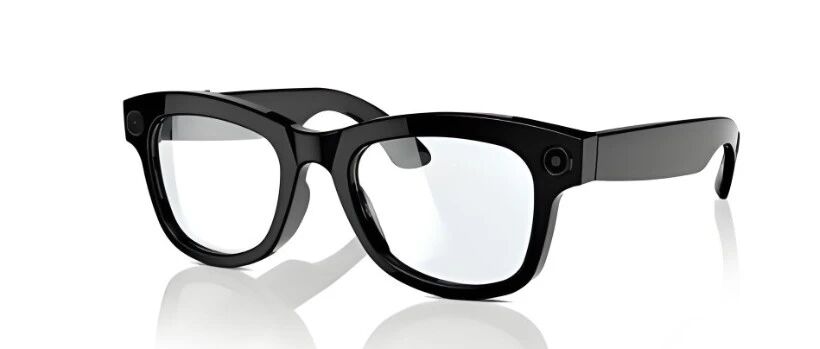
Core Viewpoint - The article discusses the establishment of a new company, Yingchen Tongxin, by former DJI Mavic 3 product manager Li Jinjie, focusing on the image glasses market and currently seeking financing [3]. Company Overview - Yingchen Tongxin is a limited partnership established on August 27, 2025, with a registered capital of 100,000 RMB [4]. - The company is primarily engaged in technology promotion and application services, including technical services, consulting, and investment activities [4]. Founders and Background - The company has two partners: Li Jinjie, holding 70% of the shares, and Tang Xiaozheng, holding 30% [5]. - Li Jinjie has a background in drone technology development at DJI, contributing to at least two patents related to wearable devices for drone control [5]. - Tang Xiaozheng has participated in multiple image technology patents at DJI, including methods for automatic subtitle generation and image correction [5]. Product Focus - Yingchen Tongxin aims to address the demand in the imaging market with a focus on photo-taking capabilities in their image glasses, while planning to eliminate some functions to improve heat dissipation and battery life [3]. - The product is expected to achieve 4K image quality and cater to certain sports scenarios [3].
十年翻篇,盒马搭建起零售新坐标系
雷峰网· 2025-09-03 11:45
Core Viewpoint - The article discusses the evolution of Hema, a key player in China's retail sector, highlighting its transition from rapid expansion to a focus on profitability, organizational strength, and sustainable growth. The company aims to redefine retail dynamics in the next decade by leveraging its supply chain and product capabilities [2][27]. Group 1: Hema's Growth and Strategy - Hema has transitioned from a phase of aggressive expansion to a more stable growth model, focusing on profitability and organizational efficiency [2][6]. - The company plans to open 100 new Hema Fresh stores by the fiscal year 2025, indicating a strategic shift towards core business operations [4][6]. - Hema's CEO, Yan Xiaolei, has set a target for the company to achieve a GMV of over 100 billion yuan within three years, emphasizing a streamlined organizational structure [6][20]. Group 2: Product Strategy and Consumer Insights - Hema has adapted its product offerings to meet changing consumer preferences, such as introducing smaller cake sizes to cater to single-person households [9][11]. - The company has focused on health and quality, with plans to reduce sugar in its products and enhance nutritional transparency [12][13]. - Hema's self-branded products have gained significant traction, with a 60% sales share in its community supermarket segment, showcasing its competitive edge in product development [15][16]. Group 3: Market Position and Competitive Landscape - Hema is positioned as a key player in the hard discount market, with its new brand "Chao He Suan NB" rapidly expanding its footprint [22][24]. - The hard discount market in China is still in its early stages, with a penetration rate of only 8%, presenting significant growth opportunities [24][25]. - Hema's collaboration with Alibaba enhances its operational capabilities, making it a crucial component of Alibaba's local life services strategy [20][21]. Group 4: Future Outlook and Challenges - The retail landscape is becoming increasingly competitive, with various business models vying for market share, including Sam's Club and Aldi [28]. - Hema's focus on core competencies and supply chain efficiency will be critical in navigating the complexities of the evolving retail environment [27][28]. - The company must continue to innovate and adapt to consumer demands to maintain its competitive advantage in a diverse market [28].