雷峰网

Search documents
独家丨小鹏副总裁、汽车互联网中心负责人魏斌休假
雷峰网· 2026-01-21 11:32
Core Insights - Wei Bin, former product director at Gaode Map, joined XPeng Motors at the end of 2021 and has been responsible for the development of the intelligent cockpit and related AI capabilities [1] - Under Wei Bin's leadership, XPeng has shifted its cockpit system from a function-oriented "application stacking" approach to a core architecture upgrade focused on computing power, operating systems, and model capabilities [2] - The internet center, led by Wei Bin, has been working closely with the autonomous driving center and the vehicle software platform, emphasizing the strategic importance of the intelligent cockpit as a key carrier of AI capabilities in vehicles [2][3] Organizational Changes - Following the departure of autonomous driving head Li Liyun for health reasons, Liu Xianming has taken over the role, indicating a significant phase of technological and organizational restructuring at XPeng [3] - XPeng has reiterated its commitment to focusing on core technologies, improving organizational efficiency, and promoting deep integration of intelligent driving, intelligent cockpit, and vehicle platforms in its public statements since 2024 [3]



一天两起车辆起火事件!小米回应:动力电池均处于正常状态;俞敏洪宣布聘请陈行甲,年薪150万;日本电视荣光不再!TCL拟控股索尼电视业务
雷峰网· 2026-01-21 00:26
Key Points - Sony officially announced the spin-off of its television business, forming a joint venture with TCL, where TCL will hold 51% and Sony 49% [4][5] - The new company will manage the entire global operations of television and home audio equipment, with plans to start operations by April 2027, pending regulatory approvals [4][5] - Sony's market share in China has significantly declined, with foreign brands collectively holding less than 5% of the market share in 2024, averaging around 1.25% each [4][5] - The overall shipment of televisions in China is projected to drop by 8.5% in 2025, reaching a new low since 2010, with the top eight brands dominating 94.1% of the market [5] - Xiaomi responded to two vehicle fire incidents, stating that the power batteries were functioning normally at the time of the incidents [10][11] - MiHoYo announced the closure of the Genshin Impact server operated in partnership with Xiaomi, effective January 20, 2025, due to strategic adjustments [12] - New Oriental's founder, Yu Minhong, announced the hiring of Chen Xingjia as a consultant with an annual salary of 1.5 million RMB, amidst controversy over high salaries in the nonprofit sector [7][8] - The mobile phone market in China for 2025 shows Vivo, Xiaomi, and Apple as the top three brands by activation volume, with Xiaomi's growth attributed to the success of its 17 series [21][22] - Hikvision reported a slight increase in revenue for 2025, achieving 92.517 billion RMB, with a net profit of 14.188 billion RMB, reflecting a growth of 18.46% year-on-year [30]





PPIO创始人姚欣:闲置率高达八成的国产GPU,如何盘活成「真算力」?丨智算想象力十人谈
雷峰网· 2026-01-20 10:50
Core Viewpoint - PPIO is strategically betting on underappreciated directions in the tech landscape, transitioning from edge cloud services to GPU inference platforms and now to Agent sandboxes, showcasing its adaptability and foresight in a rapidly evolving market [2][6]. Group 1: Company Background and Growth - PPIO was founded in 2018 amidst fierce competition in the edge computing and CDN market, with a vision to integrate idle computing resources into a distributed platform [3]. - The company initially struggled to find a balance between supply and demand until the pandemic-induced surge in online traffic helped it establish a growth trajectory [4]. - By 2024, PPIO's revenue is projected to reach 558 million, reflecting exponential growth in a short period [4]. Group 2: Technological Development and Market Position - PPIO has developed a unique Agent sandbox, which provides a secure environment for AI agents to operate, preventing unauthorized access to external resources [4][19]. - The company has focused on building a comprehensive AI cloud service capability, moving from edge cloud to GPU inference and now to PaaS solutions [6][11]. - PPIO's strategy emphasizes creating technology for unseen demands, positioning itself ahead of industry trends [12][14]. Group 3: Market Strategy and Differentiation - PPIO aims to avoid competing in the saturated GPU trading market, instead opting for a model that integrates idle distributed computing resources into cloud services [15][17]. - The company has identified a significant opportunity in the AI developer market, which is expected to grow rapidly, with new applications consuming resources at a much higher rate than traditional internet giants [25]. - PPIO's approach to open-source and non-binding API capabilities caters to the evolving needs of AI developers, contrasting with traditional cloud service models that often lock users into proprietary systems [22][24]. Group 4: Future Outlook and Challenges - PPIO is currently preparing for an IPO in Hong Kong, indicating confidence in its growth trajectory and market position [6]. - The company recognizes that the primary challenge lies in demand-side growth, particularly in latency-sensitive applications [32]. - PPIO's unique distributed cloud model, built on fragmented and heterogeneous infrastructure, sets it apart from traditional cloud providers that rely on centralized data centers [27].

3D 打印社区现「内容伪装术」;飞行汽车公司老板拍试驾视频让工程师先上;无水清洁机器人项目折戟丨鲸犀情报局Vol.25
雷峰网· 2026-01-20 10:50
Group 1 - Small appliance brand L attempted to collaborate with Apple for distribution but failed due to low profit margins, with Apple requiring a higher profit standard for third-party accessories [2] - The profit margin for L's products was only around 20-30%, compared to 60-70% for other accessories, leading to the unsuccessful partnership [2] - 3D printing companies are engaging in content creation disputes, with some companies using employees to pose as regular users to generate community content [3] Group 2 - Home appliance group M's B2B business is being overshadowed by its B2C business, leading to internal promotion challenges for long-serving employees [4] - The management appointments in B2B are primarily from the B2C sector, causing high turnover and frequent changes in leadership positions [4] - The CEO of a flying car company insists on test-driving the vehicles himself, causing safety concerns among engineers, leading to high turnover due to fear of risk [5] Group 3 - The decision-making structure in vacuum cleaner company S is unusually large, with over ten members in the core decision-making team, leading to inefficiencies [6] - The lengthy decision-making process hampers execution, as more participants lead to more tasks and delays [6][7] - In the robotics sector, company Y's marketing-driven leadership is causing low productivity due to unrealistic product expectations and frequent changes in requirements [8] Group 4 - Company A, once a leader in the cleaning robot industry, faced bankruptcy due to poor management decisions and was acquired by its largest creditor, F, who then revitalized the company [9][10] - F's strategy involved hiring experienced employees and leveraging their expertise to develop new products at low costs [10] - Company H invested nearly 70 million in a waterless cleaning robot project but failed to produce results due to poor management and lack of industry experience [11] Group 5 - The lawn mower industry is experiencing rapid growth, with company D providing substantial employee incentives, while company K struggles with high turnover due to centralized profit distribution [12] - Company D's performance is bolstered by frequent bonuses and a supportive incentive structure, contrasting with K's failure to distribute promised rewards effectively [12]

慕了!内存芯片巨头人均发64万年终奖;特斯拉将重启Dojo 3超级计算机项目;2025胡润中国人工智能企业50强出炉!6300亿「寒王」登顶
雷峰网· 2026-01-20 00:40
Group 1 - SK Hynix announced a record year-end bonus of 1.36 billion KRW (approximately 640,000 RMB) per employee, attributed to a new performance bonus plan linked to the company's profits [4][5] - The new bonus plan allows employees to receive up to 50% of their bonuses in company stock, with additional cash rewards for holding the stock for a year [4][5] - The company expects a significant increase in bonuses due to a new agreement that ties bonuses to 10% of the previous year's operating profit, with an estimated total operating profit of 45 trillion KRW for the year [5] Group 2 - HuRun Research Institute released a list of the top 50 AI companies in China, with Cambricon leading at a valuation of 630 billion RMB, followed by Moore Threads and MuXi [7][8] - Cambricon has seen a revenue increase of 4,300% year-on-year, driven by its focus on AI core processor chips and partnerships with leading AI model companies [7][8] - The top five companies in the list include Cambricon, Moore Threads, MuXi, iFlytek, and Horizon Robotics, showcasing the rapid growth and innovation in the AI sector [9] Group 3 - Li Auto's AI glasses sold out in just three hours, with demand exceeding supply, indicating strong market interest [10] - The glasses, priced from 1,999 RMB, are designed to integrate with Li Auto's ecosystem and feature advanced technology such as a 12MP camera and AI capabilities [10] - The product's success highlights the growing trend of smart wearable devices in the automotive industry [10] Group 4 - Porsche reported a 10% decline in global sales for 2025, with a 26.28% drop in the Chinese market, reflecting challenges in the luxury car segment [12] - The company is focusing on maintaining a healthy supply-demand relationship and stable value system amid market pressures [12] - Porsche's stock fell by 4.34% following the sales report, indicating investor concern over the company's performance [12] Group 5 - Moonshot AI, an AI startup backed by Alibaba, achieved a valuation of 48 billion USD (approximately 330 billion RMB) in its latest funding round, reflecting strong market demand for AI companies [14][15] - The company has raised significant capital in a short period, indicating robust investor interest in the AI sector [14][15] - The rapid increase in valuation highlights the competitive landscape for AI startups in China [14][15] Group 6 - Xiaomi's second-generation self-developed chip, the Xuanjie O2, is expected to utilize TSMC's 3nm process and expand its application to tablets, cars, and computers [17][18] - The company aims to enhance its self-developed chip capabilities across various product lines, indicating a strategic shift towards in-house technology [17][18] - The Xuanjie O1 chip, released earlier, has already demonstrated high performance, positioning Xiaomi competitively in the semiconductor market [18] Group 7 - Northvolt announced a projected net loss of 4.35 to 4.65 billion RMB for 2025, primarily due to ongoing investments in product development and market expansion [32] - Despite the losses, the company expects a significant increase in sales volume, indicating a long-term growth strategy [32] - The strategic investments are aimed at enhancing the company's market position in the rapidly evolving electric vehicle sector [32]

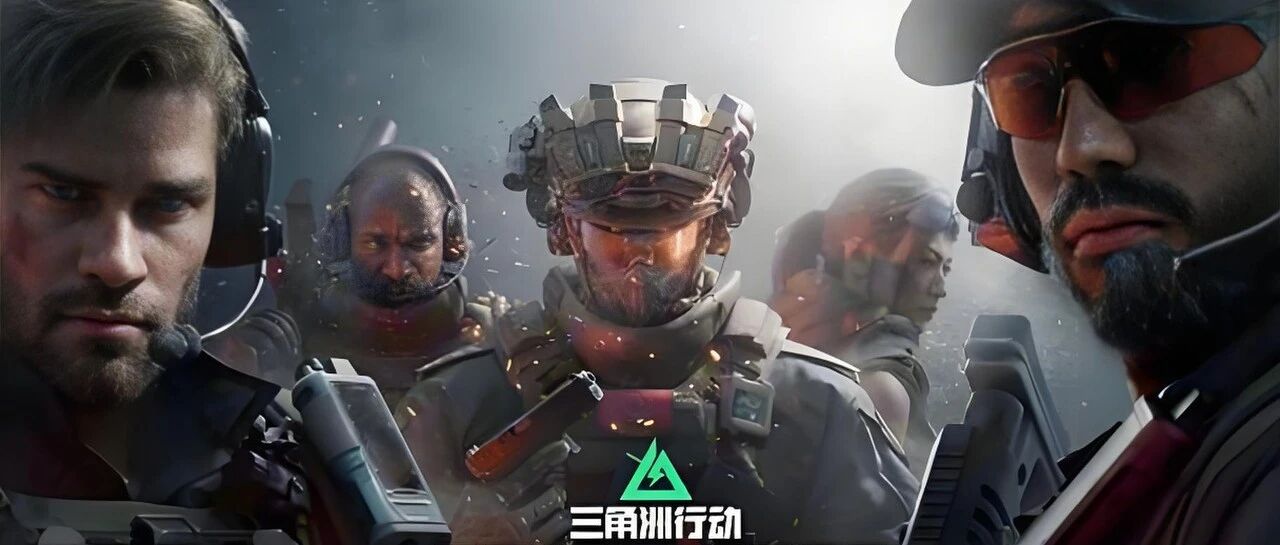
三角洲行动的最大竞品,是它自己
雷峰网· 2026-01-19 10:04
Core Viewpoint - Tencent has shifted its strategy from maintaining its existing products to aggressively pursuing new opportunities, particularly with the success of "Delta Action" in the shooting game market [28]. Group 1: Tencent's Game Development and Market Position - Analysts have historically focused on Tencent's established products like "Honor of Kings" and "Peace Elite," but attention has now shifted to "Delta Action," which has generated significant revenue and user engagement [3][4]. - "Delta Action" achieved a remarkable milestone by surpassing 300 million daily active users (DAU) shortly after its launch, indicating its strong market presence [6][8]. - The game has been positioned as a "platform product" within Tencent's shooting game portfolio, suggesting its potential for long-term growth and adaptability to player preferences [4][9]. Group 2: Market Dynamics and User Engagement - The game has successfully tapped into a previously underserved market of hardcore shooting game players, who had limited access to quality FPS games in China [14][15]. - "Delta Action" employs a lightweight design that lowers the entry barrier for casual players while retaining elements that appeal to hardcore gamers, thus broadening its user base [17][20]. - The game has created a resilient monetization model that combines seasonal content, loot boxes, and ticket economies, catering to both casual and hardcore players [18]. Group 3: Competitive Landscape and Challenges - Despite its domestic success, "Delta Action" faces challenges in the international market, where it competes against established franchises like Call of Duty and Battlefield [24]. - The game's industrialization capabilities have improved, but there are still areas for refinement, particularly in user experience and game mechanics [25][26]. - The complexity of catering to diverse player groups within a single platform poses risks for future development and market expansion [22][30].
遭到欺诈?马斯克向微软和OpenAI索赔超9000亿元;网友炸锅!员工因拒绝年会表演,被公司开除;机器人将再度登上春晚!网友:绝不是扭秧歌
雷峰网· 2026-01-19 00:25
Key Points - Elon Musk is suing Microsoft and OpenAI for over 900 billion yuan, claiming they gained "unjust enrichment" from his contributions to OpenAI [4][5] - Huawei's Mate 80 has surpassed 1.5 million activations, making it the top-selling domestic flagship model [12][13] - Micron Technology plans to acquire a wafer fab in Taiwan for $1.8 billion to expand its memory chip production capacity [19] - Several smartphone manufacturers, including Xiaomi and OPPO, have lowered their shipment forecasts due to rising supply chain costs [24] - Bosch warns of a profit margin drop below 2% in 2025, citing high restructuring costs and economic pressures [45][46] - OpenAI is introducing ads in its ChatGPT service, creating a three-tier subscription model to address cost pressures [48][49]


「逃离北上广」不可耻,回流年轻人正在撬动新市场
雷峰网· 2026-01-16 10:44
Core Viewpoint - The article discusses the shift in consumer spending from first-tier cities to emerging markets, highlighting the structural changes in China's economy and consumer behavior, as well as the strategies of high-end brands adapting to this trend [2][5][6]. Group 1: Economic Trends and Consumer Behavior - The Chinese economy is experiencing a structural transformation, with consumer spending growth engines shifting from first-tier cities to emerging cities, as evidenced by a 4% year-on-year increase in national retail sales from January to November 2025 [2][3]. - In 2025, 98.7% of 306 non-first-tier cities reported positive retail sales growth, with over 60% of cities in second, third, and fourth tiers outperforming the national average [3][4]. - The trend of "X drifters" returning to their hometowns is reshaping local consumption ecosystems, as these individuals prioritize quality of life over the pressures of first-tier cities [5][12]. Group 2: Brand Strategies and Market Adaptation - High-end brands are increasingly targeting emerging markets, recognizing the significant purchasing power and demand in these areas, as seen with brands like Hema expanding into 40 new cities by 2025 [22][23]. - The phenomenon of "first store economy" is gaining traction, with brands like Lululemon and others establishing a presence in second and third-tier cities, reflecting a shift in consumer preferences and brand strategies [24][25]. - The concept of "emotional price-performance ratio" is emerging, with consumers in smaller cities seeking products that enhance their quality of life, indicating a shift towards more personalized and meaningful consumption [27][29]. Group 3: Supply Chain and Market Dynamics - Hema has developed a robust supply chain network, with over 300 direct sourcing bases and 8 logistics centers, enabling it to effectively cater to the diverse needs of consumers in emerging markets [29][30]. - The entry of brands like Hema into new cities is revitalizing local economies and extending shopping hours, thereby enhancing the overall consumer experience and driving economic growth in these regions [30][32]. - The article emphasizes that the evaluation of a city's commercial vitality is evolving from traditional metrics like GDP to more nuanced indicators such as "living radius," reflecting changing consumer lifestyles [32].
负债近10亿的Robotruck公司,急需IPO输血续命
雷峰网· 2026-01-16 03:36
Core Viewpoint - The article discusses the challenges faced by autonomous driving companies, particularly in the Robotruck sector, highlighting the financial struggles of companies like 主线科技 (Mainline Technology) and the implications of their IPO attempts amidst a competitive landscape [2][11]. Group 1: Industry Overview - A significant number of technology companies are planning to go public in Hong Kong by 2025, with a particular focus on the autonomous driving L4 sector, which is becoming increasingly crowded [2]. - The market response to recent IPOs, such as 希迪智驾 (Hidi Zhijia), has been negative, indicating a pessimistic outlook on the Robotruck industry's transition from technical validation to commercial profitability [2]. Group 2: Company Background - 主线科技 was founded in 2017, focusing on L4-level logistics trucks, and has a strong technical foundation with its founder Zhang Tianlei having a background in autonomous driving from Tsinghua University [4][7]. - The company initially received significant funding from various investors, including 科大讯飞 (iFlytek) and established strategic partnerships, such as with Tianjin Port Group [7][8]. Group 3: Financial Challenges - 主线科技 has accumulated losses of approximately 864 million yuan over three and a half years, with a cash balance of only 30.69 million yuan as of mid-2025, representing a 74.46% decrease from the previous year [12][11]. - The company's net liabilities have surged to 1.078 billion yuan, resulting in an asset-liability ratio of 580.2%, indicating severe financial distress [12][11]. Group 4: Revenue and Growth - 主线科技's revenue has shown growth, with a 19.3% increase from 112 million yuan in 2022 to 134 million yuan in 2023, and a staggering 1745.7% increase in the first half of 2025 compared to the same period in 2024 [12][11]. - The gross margin has improved from 3.7% in 2022 to 30.3% in the first half of 2025, reflecting a positive trend in profitability despite ongoing losses [13][12]. Group 5: Strategic Decisions - The company has reduced its R&D expenditures significantly, which reflects a strategic decision to outsource some development work, allowing internal teams to focus on core technologies [14][15]. - This reduction in R&D spending poses risks to the company's long-term competitiveness in a sector that relies heavily on continuous innovation and technological advancement [15][14]. Group 6: Market Position and Client Dependency - 主线科技 claims to be the leading provider of autonomous driving solutions for commercial vehicles in closed road scenarios, holding a market share of 31.8% in a market valued at 1.3 billion yuan [17][12]. - The company is heavily reliant on a small number of clients, with over 70% of its revenue coming from its top five customers, which raises concerns about its bargaining power and revenue stability [16][12]. Group 7: Leadership and Compensation - Despite the financial difficulties, the founder Zhang Tianlei received a total compensation exceeding 10 million yuan in 2022, raising questions about executive pay in the context of the company's financial health [19][12]. - The compensation structure has seen a decline in subsequent years, primarily due to a decrease in equity-settled share payments [19][12]. Group 8: Future Outlook - 主线科技 is in urgent need of an IPO to secure funding and address its financial challenges, as it faces a critical juncture with significant liabilities and limited cash reserves [21][12]. - The transition from closed to open road scenarios presents both opportunities for growth and challenges related to technology and regulatory compliance, with competitors already establishing a foothold in the open road logistics market [18][12].

迅雷起诉前CEO陈磊:指控其隐秘掏空公司,追索资产2亿元;知名游戏公司发布反腐公告:3名员工涉嫌收受贿赂,已被拘留;京东成立文旅公司
雷峰网· 2026-01-16 00:36
Group 1 - Xunlei has filed a lawsuit against former CEO Chen Lei, accusing him of secretly siphoning off company funds, with the amount sought reaching 200 million yuan [4][5] - During Chen Lei's tenure, he allegedly established an external company to transfer assets and misappropriate company funds, totaling approximately 170 million yuan paid by a subsidiary [5] - The lawsuit comes after difficulties in internal anti-corruption efforts, particularly in gathering evidence against high-level management [4] Group 2 - Perfect World has announced a strict anti-corruption initiative, revealing that three employees have been detained for serious misconduct related to bribery [8][10] - The implicated employees were involved in key projects and are accused of inflating procurement prices and accepting bribes from suppliers [9][10] - The company emphasizes its commitment to legal accountability and cooperation with judicial investigations [10] Group 3 - JD.com has established a cultural tourism company, expanding its business model while emphasizing that all operations will revolve around supply chain efficiency [12] - The company aims to innovate within the tourism sector by leveraging its supply chain infrastructure and AI capabilities, rather than creating a generic OTA platform [12] - JD's strategy includes enhancing profitability for the tourism industry and tapping into the high spending potential of its JD PLUS members, which number 40 million [12] Group 4 - Ctrip is currently under investigation, with reports indicating that officials have begun interviewing employees and collecting devices for the inquiry [14] - The company has shown strong financial performance, with revenues of 47 billion yuan and a net profit of 29 billion yuan in the first three quarters of 2025, achieving a profit margin of 61.72% [14][15] - Ctrip's market position has improved significantly, ranking seventh among China's top internet companies, with a net profit of 19.9 billion yuan in Q3 2025 [14][15] Group 5 - The Step-Audio-R1.1 model from Jumpspace has topped the global rankings for native audio models, achieving a 96.4% accuracy rate [16][17] - This model is designed for real-time audio understanding and complex reasoning without additional latency, marking a significant advancement in voice technology [17] Group 6 - Gree Electric has announced a mid-year cash dividend of 5.585 billion yuan, representing a high payout ratio of approximately 38%-39% of its net profit for the first half of 2025 [32][33] - The company has maintained a consistent dividend policy over the past decade, reflecting its commitment to shareholder returns [33] Group 7 - SAIC Motor Corporation expects a net profit of 9 to 11 billion yuan for 2025, marking a substantial increase of 438% to 558% year-on-year [34] - The company reported a vehicle sales increase of 12.3% in 2025, with a record 1.643 million new energy vehicles sold, up 33.1% [34][35] Group 8 - Huawei's smartwatch market share has surpassed that of its smartphones, with over 30% of users being non-Huawei phone owners in China [36] - The company has seen a 42% year-on-year increase in smartwatch shipments, positioning it among the top five global smartwatch brands [36] Group 9 - Merge Labs, co-founded by Sam Altman, has raised $252 million for its brain-computer interface technology, aiming to connect humans and AI seamlessly [42][43] - The company plans to develop medical products initially, with a focus on enhancing human capabilities without invasive procedures [42][43]