雷峰网

Search documents
独家丨京东酒世界负责人刘俊离职,原业务团队移至创新零售事业部
雷峰网· 2026-01-27 06:43
" 押注前置仓业务,京东酒世界尚未破局。 " 作者丨王薇 编辑丨应梅 雷峰网独家获悉,京东酒世界负责人刘俊近期已离职,此次变动后,原酒世界业务团队整体划归闫小兵负 责的创新零售事业部,由该事业部旗下京喜通业务部总经理冮建全面接管。 据知情人士表示,刘俊是被动离开的,核心是其负责的京东酒世界业务表现不佳,而关键导火索,是其近 年主导的酒世界前置仓项目烂尾,该影响占比约六七成,直接决定了此次人事调整。而此次接手的冮建是 酒世界最早的负责人。 根据公开资料显示,刘俊 2008 年加入京东,2020年前后开始担任京东酒世界负责人,在此之前曾任京 东家电专卖店总经理。作为京东体系内成长起来的 "老将",她拥有丰富的一线实战经验,职业生涯覆盖 3C 家电采销、自营产销、市场营销等多个核心岗位。 京东前员工钟言爆料,刘俊曾因产假时间极短,火速返岗,一度在京东内部被树立为"工作榜样"。 据悉,京东酒世界成立于2018年7月,最初是京东集团投资并授权,由润京信息科技(江苏)有限公司独 家运营的酒类无界零售项目。其前期并没有选择自建门店的形式,而是以合资运营的模式快速整合优质烟 酒店。 2021年,京东酒世界对模式进行了全新升级 ...


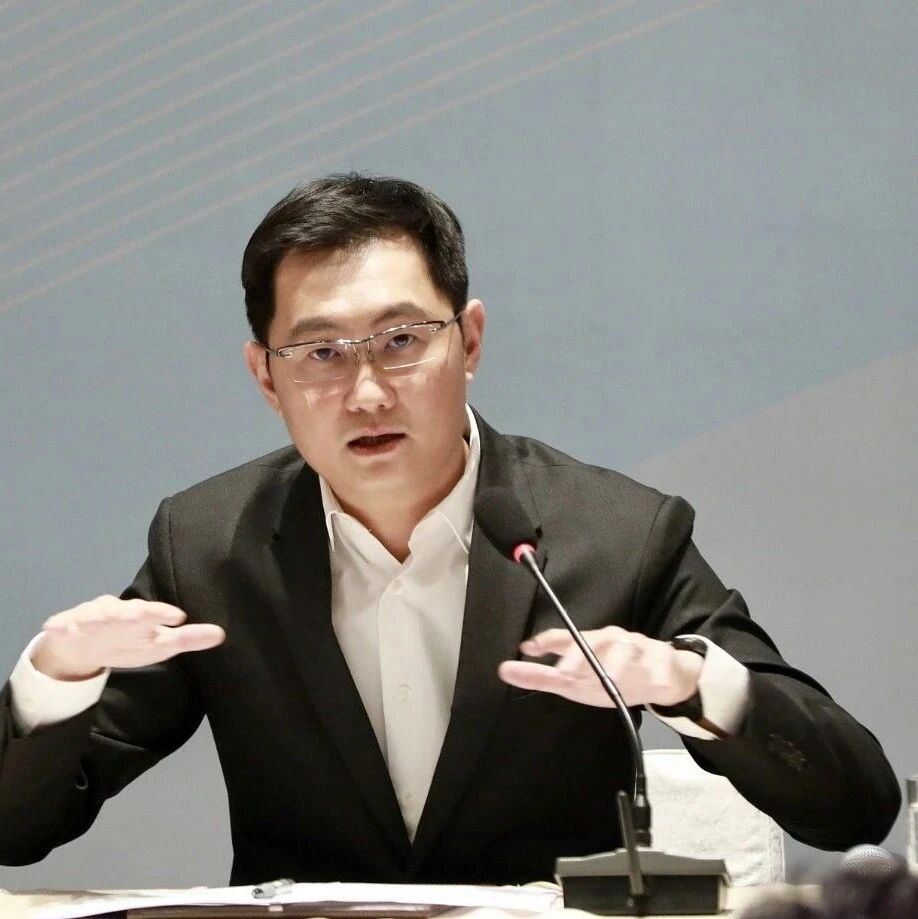
马化腾回应「腾讯春节分10亿」:希望重现当年微信红包盛况;理想内部会曝光:重启人形机器人,要招最好的人;印奇出任阶跃星辰董事长
雷峰网· 2026-01-27 01:02
Group 1 - Employees at Dangdang's subsidiary in Wuxi have been penalized for excessive overtime, averaging 149 hours per month, which is nearly equivalent to two months of work in a single month [4][5] - The fine imposed on the company for violating labor laws was 12,150 yuan, which some netizens criticized as being disproportionately low compared to the company's potential illegal gains [5] - A recent incident involving a programmer's death due to overwork has sparked discussions about the severe consequences of excessive working hours in the tech industry [5] Group 2 - Li Auto's CEO emphasized the company's commitment to AI and plans to develop humanoid robots, aiming to recruit top talent previously lost to startups [8][9] - The company is undergoing organizational changes to enhance its R&D capabilities, focusing on core areas such as base models and intelligent systems [9][10] - Li Auto's delivery numbers for 2025 fell short of expectations, with a year-on-year decline of approximately 19%, indicating significant challenges ahead [10] Group 3 - Tencent announced a new AI social feature called "Yuanbao," which will include a 1 billion yuan cash giveaway during the Spring Festival to encourage user engagement [12][13] - The company aims to replicate the success of the WeChat red envelope phenomenon from years past, leveraging AI technology to enhance social interactions [13] Group 4 - The AI startup Jieyue Xingchen has completed a 5 billion yuan Series B+ financing round, with plans to focus on developing advanced AI models and applications [14][15] - The appointment of Yin Qi as chairman signifies a strategic shift towards integrating AI capabilities into various sectors, including automotive and robotics [15] Group 5 - Porsche's CEO expressed an openness to collaborating with Chinese autonomous driving suppliers, reflecting the competitive landscape in the luxury automotive market [28][29] - The company is facing challenges in the Chinese market, with a reported 26.28% decline in sales, prompting a reassessment of its strategies [28] Group 6 - Apple has launched the second generation of AirTag, featuring improved tracking capabilities and a 50% increase in sound volume, while maintaining the same battery life as the original [46][47] - The new AirTag is designed to integrate seamlessly with Apple's ecosystem, enhancing user experience in locating lost items [47] Group 7 - Hyundai's plans to deploy humanoid robots in production have faced backlash from labor unions, citing concerns over job security and the impact on employment [50][51] - The company aims to establish a factory in the U.S. for robot production, which has raised alarms among workers about potential job losses [51]


马化腾内部员工大会安利「元宝派」新玩法,结合腾讯优势开启AI社交新赛道
雷峰网· 2026-01-26 11:17
"每个企业的基因不同、体质不同,腾讯的风格就是稳扎稳打。"腾讯2026年员工大会上,面对外界AI焦 虑,腾讯董事会主席兼首席执行官马化腾一开场,就给全员吃下"定心丸",强调保持定力,专注自家节 奏。 过去一年,腾讯混元大模型经历了"深度重构"。"姚顺雨(腾讯首席AI科学家)加入之后,公司加快吸引人才 的力度,重构研发团队,以及在内部加快了 Co-design 设计,强化混元大模型和元宝的协同。"马化腾透 露,腾讯混元去年在人才吸引、组织结构等方面"做了很大的改变",吸引了更多的原生AI人才。 2025 年 12 月 17 日,腾讯宣布升级大模型研发架构,新成立 AI Infra 部、AI Data 部、数据计算平台 部,任命前 OpenAI 高级研究员姚顺雨为"CEO / 总裁办公室"首席 AI 科学家,(向刘炽平汇报),同时 兼任 AI Infra 部、大语言模型部负责人(向卢山汇报);此举也被定义为腾讯AI战略加速的明确信号,而 姚顺雨成为腾讯混元大模型研发的核心负责人。 " 今年春节,元宝将有一场硬仗要打。 " 作者丨 胡敏 编辑丨 包永刚 // 近期热门文章 独家丨腾讯云2025 年走出亏损,实现盈利 ...

比Manus更懂融资的Agent公司,也被硅谷大厂盯上了
雷峰网· 2026-01-26 11:17
" Manus最大的竞争对手,Genspark的登顶之路。 " 作者丨 齐铖湧 编辑丨 马晓宁 更明显的区别是,景鲲创立的MainFunc是一家扎根于硅谷的国际化团队,肖弘创立的蝴蝶效应,是一家 武汉原生的中国团队。 MainFunc 的融资节奏快得惊人。 MainFunc 的种子轮,于2024年中完成,估值约6000万美元,彼时MainFunc的核心业务,还只是在做AI 搜索。一年后,2025年2月MainFunc完成1亿美元A轮融资,估值跃升至5.3亿美元。 提起来Agent,最先被关注的肯定是被 Meta 收购的 Manus,而在硅谷投资圈内,另一家 Agent 公司 Genspark 同样备受关注,不仅得到了硅谷主流基金的青睐,有传闻称,Genspark 也同样进入到了硅谷 大厂的视野范围之内。 Genspark 与 Manus 同为华人创办,都是 AI Agent赛道的顶流公司,有着类似的产品定位和营销打法, 他们也是中国最新一代全球化AI创业公司的集中缩影。大众对于Manus的故事耳熟能详,我们也即将发布 《我所认识的肖弘》一文,关于Genspark的背景经历,相比较而言知之者要少得多。 01 硅 ...

对话 Mobileye CEO Amnon Shashua:物理AI,Mobileye两手抓
雷峰网· 2026-01-26 11:17
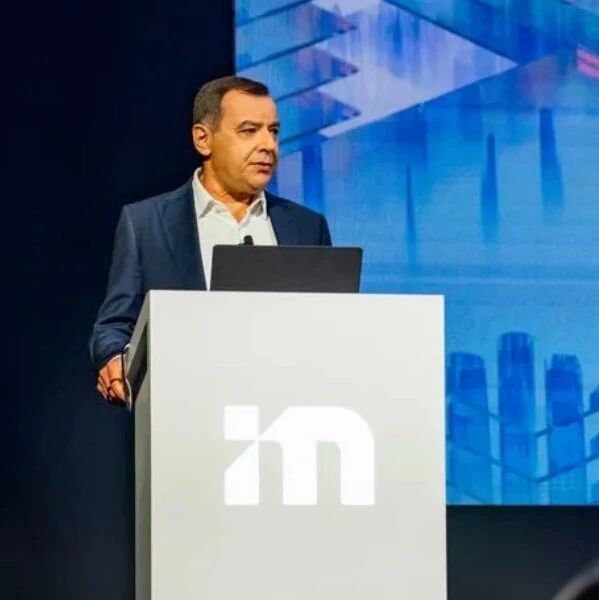
" 两三年前发展驾驶自动化的共识「先消费级、后 Robotaxi」路 径,如今发生反转。 " 作者丨 包永刚 编辑丨 林觉民 物理AI,也就是人工智能与现实世界交互的智能体,正成为科技圈最受关注的话题之一。CES 2026上各 种形态的机器人的亮相,试探着物理 AI 的边界与可能性。 CES 2026期间,Mobileye创始人、总裁兼首席执行官Amnon Shashua教授与雷峰网对话时表示:" 汽 车和机器人是物理AI目前两个最典型的应用场景。 " 在这两个方向上,Mobileye 都不是旁观者。 汽车是 Mobileye 长期深耕、为外界熟知的基本盘;而机器人,则是Mobileye刚刚对外展示的全新增长引 擎。在宣布以约 9 亿美元收购人形机器人公司Mentee Robotics之后,Mobileye 横跨物理AI的两大赛 道,也成为了拥有两条主线的"双引擎"公司。 CES期间与Amnon Shashua的深度交流, 可以看到 Mobileye 的三层思考: 一是如何守住并扩大辅助驾 驶这一规模庞大的市场;二是如何推动 Robotaxi 真正走向规模化;三是,Mobileye双引擎战略的布局与 长期潜力 ...
独家丨纯视觉方案「天花板」目心智能完成B轮过亿元融资,加速从幕后向自有品牌转型
雷峰网· 2026-01-26 00:28
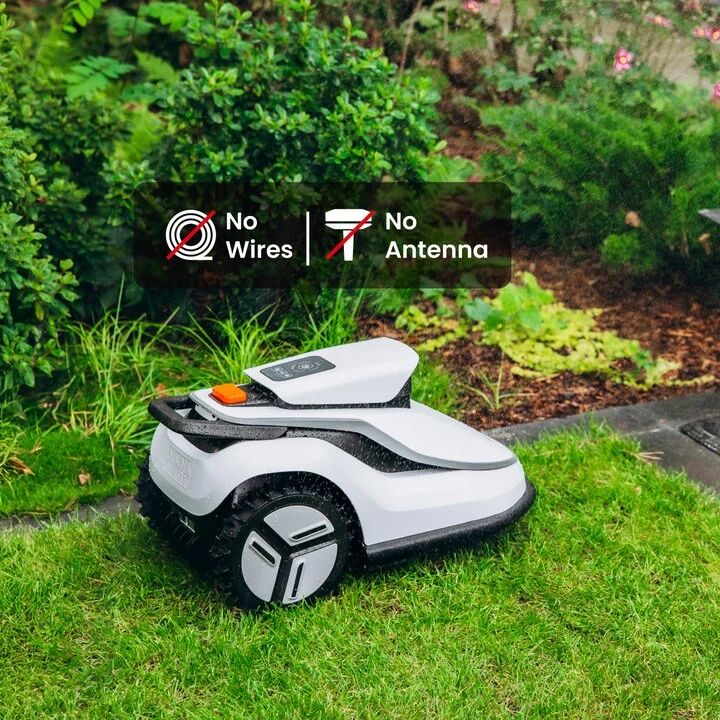
目心智能成立于2019年,由前大疆视觉感知部门负责人张宏辉创立,核心团队约15名初始成员均来自大 疆感知部门。目前公司规模接近100人,四位合伙人及核心高管多为技术出身,使团队呈现出极强的"算法 与工程导向"。 业务发展路径上,目心智能以双目视觉模组起家,曾与擎朗等商用机器人及小米扫地机合作,实现规模化 出货与千万级营收。2021年,目心智能捕捉到户外动力工具智能化红利,正式立项割草机器人,并同步通 过扫地机整机ODM业务为研发提供现金流,合作对象包括安克、宝时得及银星等。2024年,目心智能推 出基于双目视觉VSLAM方案的自有品牌TerraMow并上线众筹。 在技术路线上,目心智能始终坚持高难度的"纯视觉VSLAM"方案 。与依赖RTK(全球定位系统)或激光 雷达的竞品不同,目心的方案具备完整的空间智能能力,能够支持机器实现 全自动建图 与 高可靠性的智 能避障 。 更核心的差异化优势在于,该方案使机器的定位导航 彻底摆脱了卫星信号遮挡的限制 ,即便在树荫下、 墙根处等复杂环境下,依然能保持精准作业,真正实现了"开箱即用、一键割草"的极致用户体验 。这种 在复杂动态环境下的稳定性,使其成为纯视觉方案市场中 ...
上市仅3个月,iPhone Air大降2500元,苹果客服回应;300万就能上太空旅游?演员黄景瑜、智元机器人CMO等人已预订;TikTok官宣美国方案
雷峰网· 2026-01-26 00:28
Group 1 - TikTok has announced a joint venture in the US for data security, with ByteDance retaining 19.9% ownership, allowing over 200 million US users to continue using the platform [4][5][6] - The structure of the TikTok US data security joint venture is similar to Apple's "Guizhou on Cloud" model in China, where Apple retains control over its data while outsourcing operations [6] Group 2 - Apple has significantly reduced the price of the iPhone Air by 2500 yuan, with cumulative activation numbers below 200,000, far below expectations [8][9] - The iPhone Air, launched in September 2025, has been criticized for its pricing strategy, being too close to the iPhone 17 series, leading to poor sales performance [9][10] Group 3 - Baidu's Wenxin Assistant will distribute 500 million yuan in cash during the Spring Festival, partnering with the 2026 Beijing Spring Festival Gala [12] - The Wenxin Assistant has surpassed 200 million monthly active users, making it one of the top three AI entry points in China [12] Group 4 - The commercial space tourism company "Chuan Yue Zhe" has begun pre-sales for tickets priced at 3 million yuan, with notable figures already booking [13][14] - The company aims to launch its first manned flight by 2028, marking a significant milestone in China's commercial space industry [13][14] Group 5 - Tencent plans to distribute 1 billion yuan in cash during the Spring Festival, with individual red packets worth up to 10,000 yuan [16][17] - This initiative aims to leverage the social engagement of the Spring Festival to enhance Tencent's AI applications [17] Group 6 - Aixin Yuanzhi, a leading edge AI chip company, is set to become the first "edge AI chip stock" in China, having completed a significant financing round [18][19] - The company holds a 24.1% market share in the mid-to-high-end AI inference chip market, ranking first [19] Group 7 - Galaxy General Robotics has been designated as the humanoid robot partner for the 2026 Spring Festival Gala, showcasing its advanced training technology [20][21] - The company has recently completed a $300 million financing round, with a valuation exceeding $3 billion [21] Group 8 - New Oriental's founder, Yu Minhong, expressed concerns that AI in education could eliminate many teaching jobs, highlighting the inadequacy of a significant portion of current teachers [23][24] - He emphasized the need for teachers to evolve into roles that foster student potential and character development, which AI cannot replace [24][25] Group 9 - Baidu has restructured its business, merging its Wenku and Baidu Cloud services into a new AI-focused group, aiming to enhance AI application growth [27][28] - The combined monthly active users of these services approach 300 million, indicating strong user engagement [28] Group 10 - Tencent reported over 90 individuals were dismissed for violating company policies, with some facing criminal charges [29][30] - The company has implemented strict measures against corruption and misconduct, reinforcing its commitment to ethical practices [30] Group 11 - Tesla has introduced an 8,000 yuan insurance subsidy for Model 3 buyers, along with various financing options to lower the purchase threshold [45] - The company is also working on obtaining regulatory approval for its Full Self-Driving system in China [46]

独家丨理想汽车前高管王凯、贾鹏创办的具身智能公司,投前估值已达10亿美元
雷峰网· 2026-01-23 10:01
2026年1月16日,至简动力披露了Pre-A+轮融资,投资方包括澜峰资本、阿里巴巴、腾讯投资、君联资 本等。随着三轮融资的注入,至简动力注册资本由初始的100万元增至151.9万元。 雷峰网了解到,至简动力近期又完成了第四轮融资,腾讯投资领投4000万美元,中科创星等机构跟投,该 轮融资额接近1亿美元。 知情人士透露,至简动力目前正在进行第五轮融资,投前估值预计将达10亿美元,五轮融资预计将募集资 金约20亿人民币。 " 聚焦通用机器人,计划今年量产。 " 作者丨 倪萍 编辑丨 王瑞昊 多轮融资将加速至简动力的产品研发进程。一位行业人士向雷峰网透露,至简动力的产品聚焦通用机器人 而非双足机器人,是因为通用机器人能够复用智驾的技术路线,也能够快速上量。该人士表示,至简动力 计划今年实现量产,主要面向B端场景。 2025年7月31日,具身智能公司至简动力正式成立,前理想自动驾驶技术研发负责人贾鹏担任CEO,前理 想汽车CTO王凯任董事长。 2025年10月,至简动力完成天使轮融资,元璟资本为投资方。11月,至简动力又开放了 Pre-A轮融资, 红杉中国和蓝驰创投加入,融资金额约为5000万美元。 // 近期热门 ...
独家丨腾讯云2025 年走出亏损,实现盈利
雷峰网· 2026-01-23 10:01
Core Viewpoint - Tencent Cloud has achieved profitability in 2025, marking a significant milestone after years of striving for breakeven, but faces intensified competition in the AI cloud era ahead [2][5][6]. Group 1: Financial Performance - Tencent Cloud has reportedly reached breakeven in 2025 and even generated profits, fulfilling the group's expectations [2]. - The revenue growth in 2025 was driven by products such as GPU, storage, and audio-video services, benefiting from a surge in AI demand and increased storage prices [2][3]. - Tencent Cloud's profit achievement is a result of a strategic shift initiated in 2022, focusing on sustainable revenue structures rather than absolute revenue figures [4]. Group 2: Strategic Transformation - The company has undergone a significant transformation over the past three years, moving from a focus on market share to a healthier revenue model, which included cutting low-profit projects [4]. - The sales team has adapted to new performance metrics emphasizing profitability, leading to the cessation of many large but unprofitable projects [4]. - Tencent Cloud has successfully completed performance targets across various business lines, including finance, education, and government sectors, as well as expanding its international client base [3][4]. Group 3: Competitive Landscape - The competitive landscape is intensifying, with Alibaba Cloud aiming for a 30% revenue growth in Q3 2025 and targeting to capture 80% of the incremental AI cloud market in 2026 [5]. - Other competitors, such as Volcano Engine, are also aggressively pursuing growth, with a revenue target exceeding 20 billion yuan in 2026, indicating a challenging environment for Tencent Cloud [5]. - The upcoming year is expected to present significant challenges for Tencent Cloud as it navigates through increased competition and strives for further growth [6].

华东大厂大规模「叫停」B200租赁订单;H200陷入价格迷雾;上市AI芯片公司曾「险」被收购;国资智算平台组建高管天团或求技术自主
雷峰网· 2026-01-23 10:01
Group 1 - Major manufacturers in East China have halted B200 leasing orders and shifted focus to B300 models, leading to a significant equipment iteration trend in the computing power leasing market [1] - The halt of B200 orders has not significantly impacted the flow of B200 units in the market, as existing inventory remains tight, with only a few units available in certain regions [1] Group 2 - The announcement allowing NVIDIA to export H200 chips to approved Chinese customers has led to a market stalemate, with many companies choosing to pause orders due to uncertainty in policy direction and government regulations [2] - The price of H200 modules has reportedly dropped from over 1.5 million yuan to 1.25 million yuan, although skepticism remains regarding the sustainability of this price drop due to rising memory costs and export fees [3][4] Group 3 - Domestic AI chip companies have turned to public listings after failed acquisition attempts by major industry players, with many now listed on the Sci-Tech Innovation Board or the Hong Kong Stock Exchange [6] - A state-owned computing power platform is assembling a high-profile executive team to reclaim technological sovereignty, leveraging its resources to access data from high-barrier sectors like finance and healthcare [7][8] Group 4 - A major internet company in North China has placed an order for over 30,000 NVIDIA L20 and L40 chips, indicating that older models still hold value in specific business scenarios despite claims of obsolescence [9] - The price of NVIDIA RTX 5090 graphics cards has surged significantly, with reports of price increases driven by rising demand and component costs, potentially as a strategy to shift demand towards the newly approved H200 chips [10] Group 5 - Zhonghao Xinying is reportedly implementing "minimum usage rate commitment" clauses in sales contracts to stabilize order expectations, raising concerns about the true market performance of its products [11] - The gross margin of Runze Technology reached 48.11% in the first three quarters of 2025, significantly higher than the industry average of 19%-25%, driven by early investments in computing power equipment [13] Group 6 - The domestic computing power project landscape is heating up, with major server manufacturers actively engaging in multiple projects, although challenges remain in service provision for smaller-scale clusters [14] - The separation of roles between funding and operational parties in new computing projects has led to a trend of "100% buyout" contracts becoming standard, with a common expectation of recouping investments within five years [15]