雷峰网

Search documents
卓驭科技的九年长征:高光、迷茫与孤注一掷
雷峰网· 2026-01-09 08:52
Core Viewpoint - The article discusses the journey of DJI's automotive division, now known as Zhuoyue, emphasizing its pragmatic romanticism in achieving success through engineering capabilities and a commitment to making technology accessible to all [2][40]. Group 1: Company Background and Development - Zhuoyue originated from a secret project within DJI in 2016, evolving from a small team to a significant player in the intelligent driving sector [2][3]. - The company faced financial challenges during its early days, with only one-third of a 1.5 billion RMB funding round received, leading to a precarious financial situation [3][24]. - Zhuoyue's development trajectory reflects a blend of technical engineering capabilities and a vision to create advanced mobile robots, transitioning from initial product testing to a full-scale transformation [3][19]. Group 2: Engineering and Technical Strategy - Zhuoyue's engineering approach focuses on practical implementation rather than chasing high-profile technology, emphasizing the importance of engineering quality and integration within the automotive industry [11][12]. - The company has adopted a unique strategy of low-cost, low-computational power solutions, aiming to make advanced driving technology accessible to a broader market [18][19]. - Zhuoyue's modular end-to-end architecture allows for flexibility and adaptability across various vehicle platforms, significantly reducing development costs and time [36][40]. Group 3: Market Position and Competitive Landscape - The intelligent driving industry is highly competitive, with Zhuoyue facing challenges from established players like Huawei and Baidu, which have made significant advancements in high-level autonomous driving [10][24]. - Zhuoyue's partnerships with major automotive manufacturers, including Volkswagen and SAIC-GM-Wuling, have established its reputation in the market, particularly with its cost-effective solutions [21][39]. - The company is expanding its reach from passenger vehicles to commercial applications, indicating a strategic move to diversify its offerings and enhance market presence [37][39]. Group 4: Future Directions and Challenges - Zhuoyue is undergoing a critical transformation, shifting towards an end-to-end technology approach to address industry challenges and improve its competitive edge [29][30]. - The company is focused on building a "space intelligent mobile base" that can adapt to various scenarios, enhancing its product offerings across different vehicle types [34][36]. - Zhuoyue's commitment to continuous improvement and adaptation in a rapidly evolving market reflects its long-term vision of achieving technological excellence while maintaining accessibility [40].


从预训练到推理拐点,英伟达能靠Rubin延续霸权吗?
雷峰网· 2026-01-09 08:52
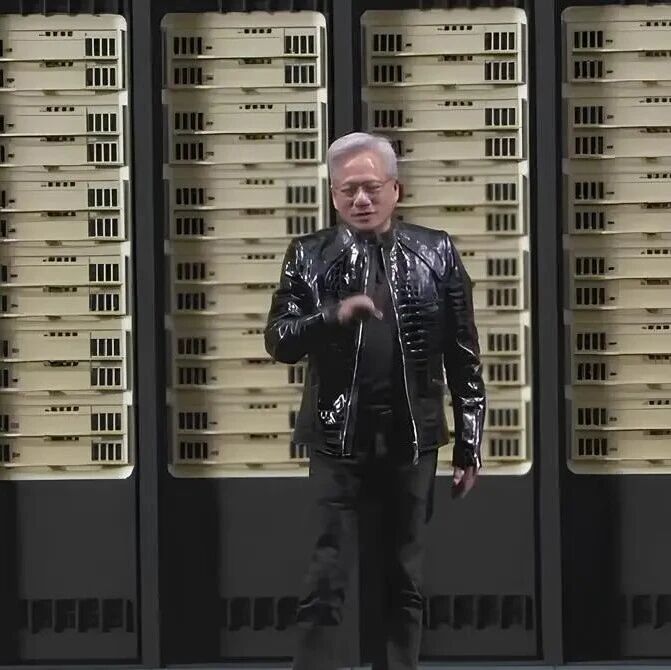
Core Viewpoint - The article discusses NVIDIA's strategic shift towards a multi-chip architecture with the introduction of the "Rubin" platform, which aims to address the challenges in AI inference and maintain its market leadership amidst increasing competition and technological limitations [2][4][6]. Group 1: NVIDIA's Strategic Shift - NVIDIA's CEO Jensen Huang emphasized the importance of "physical AI" and positioned inference AI at the core of its future strategy, introducing the autonomous driving AI Alpamayo and the Vera Rubin computing platform [2]. - The Rubin platform integrates multiple components, including Vera CPU, Rubin GPU, and various networking technologies, to enhance computational power and address the exponential growth in model size and inference complexity [2][4]. - Industry insiders view the launch of the Rubin platform as a critical step for NVIDIA to maintain its leading position in the inference market, especially as single-chip performance gains have plateaued [4][6]. Group 2: Technical Challenges and Innovations - The Rubin platform's inference performance relies on NVFP4 adaptive precision, which may compromise higher precision calculations, potentially affecting quality in sensitive applications like video generation [5][19]. - Huang claimed that the Rubin platform could reduce global data center power consumption by approximately 6% through its innovative cooling design, although experts raised concerns about the actual effectiveness of this approach [5][24]. - The platform's power consumption is reportedly double that of its predecessor, raising questions about its scalability and the need for enhanced cooling solutions to manage heat effectively [21][23]. Group 3: Market Implications and Competitive Landscape - The introduction of the Rubin platform may initially negatively impact domestic chip manufacturers, but it could ultimately benefit them as the industry shifts towards multi-chip systems [6][12]. - The article highlights a growing consensus that the core value in training is efficiency, while in inference, it is cost, indicating a shift in market dynamics that NVIDIA must navigate [7]. - The competition in the inference space is intensifying, with domestic firms also pursuing similar technological advancements, suggesting that NVIDIA's current strategies may face significant challenges [18][19].

技术为底,渠道为王,元鼎智能的全球共赢智慧
雷峰网· 2026-01-09 00:31
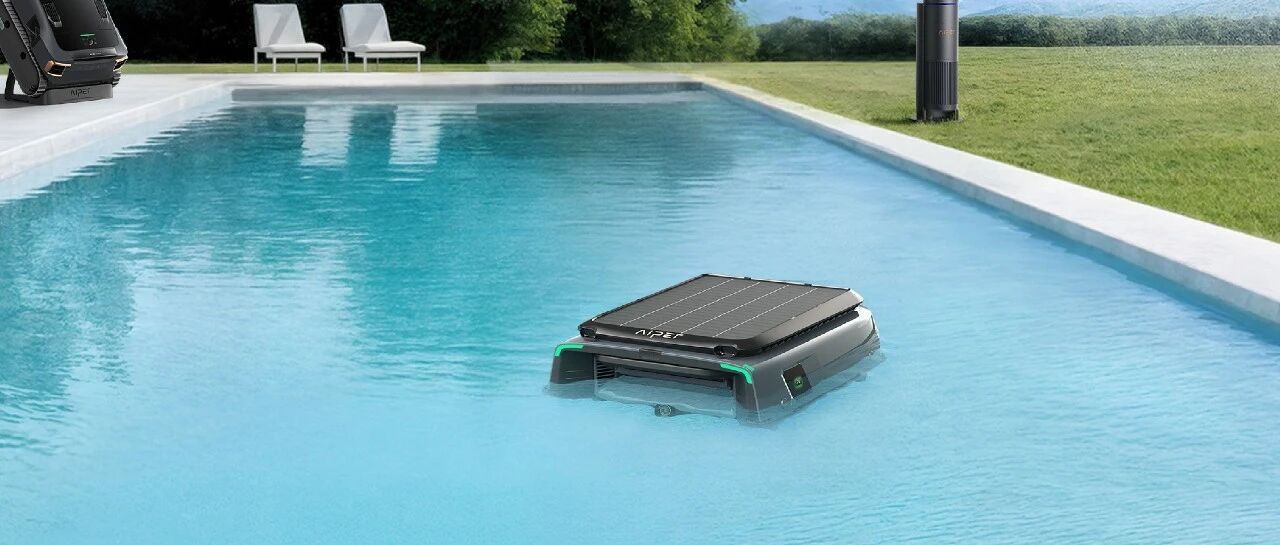
Core Viewpoint - The article emphasizes that true internationalization goes beyond merely capturing market share; it involves gaining widespread recognition and long-term respect through collaborative wisdom [1]. Group 1: Industry Competition - The competition in the pool cleaning robot industry is evolving from a focus on product and technology to a comprehensive battle over funding and channel capabilities, which are often more critical to the outcome [4][3]. - Major players have established formidable competitive barriers across various dimensions, making it difficult for challengers to catch up [2]. - Aiper (元鼎智能) has raised nearly 1 billion RMB in funding, setting a new industry benchmark and demonstrating that substantial financial resources are essential for strategic positioning [5]. Group 2: Technological Innovation - Aiper has led industry transformation by launching six advanced AI pool robot models at CES 2026, showcasing the future of smart pool and garden care [6]. - The company has skipped a generation in technology, moving directly to fifth-generation products that integrate physical cleaning and water quality management, thus achieving a significant lead in the industry [8]. - Continuous investment in technology has allowed Aiper to build a comprehensive smart ecosystem that includes pool cleaning, water quality management, and smart irrigation [8]. Group 3: Strategic Partnerships - Aiper has formed strategic partnerships with global leaders Fluidra and SCP, enhancing its global logistics, distribution networks, and service capabilities [9][11]. - These collaborations not only broaden Aiper's sales channels but also provide efficient access to European and American pool service providers, enhancing user insights and product iteration [14]. - The partnerships signify a shift in the competitive landscape of the pool cleaning robot industry, establishing Aiper as a key player [14]. Group 4: Market Positioning - Aiper has become the top-selling pool cleaning robot company globally, achieving significant market share during key sales events like Amazon Prime Day [17]. - The company has successfully penetrated major retail chains, including Walmart, Best Buy, and Costco, demonstrating its strong brand presence and sales performance [17]. - The traditional pool equipment market is characterized by a reliance on professional channels, which Aiper is strategically targeting to establish deeper connections with local consumers [18][20]. Group 5: Globalization Strategy - Aiper's approach to globalization emphasizes resource integration rather than a solitary push into foreign markets, providing a more sustainable growth model [27]. - The company has focused on building internal capabilities while forming external alliances, which is seen as a long-term strategy for quality growth [28]. - Aiper's success in the pool cleaning robot sector is attributed to its early strategic positioning and resource accumulation, allowing it to navigate industry challenges effectively [28].
万科宣布郁亮辞职;王腾官宣创业,核心成员来自小米、华为;有变数!商务部回应审查Meta收购Manus;京东成立「变色龙业务部」丨雷峰早报
雷峰网· 2026-01-09 00:31
Group 1 - Alibaba's Taobao Flash Sale aims for market share growth with significant investment planned for 2026, focusing on high-value customers and non-food retail [4][5] - In Q4 2025, Taobao Flash Sale showed strong growth in GMV share and average order value, indicating a positive market position [4] - The strategy has sparked discussions among users, reminiscent of the competitive pricing seen during the "takeout war" in early 2025 [5] Group 2 - Former Xiaomi executive Wang Teng announced the establishment of a new company, "Today Yixiu," focusing on sleep health products, with a team primarily from Xiaomi and Huawei [7][9] - The company aims to address growing concerns about sleep and energy management, leveraging advancements in AI technology [7][9] Group 3 - The Chinese Ministry of Commerce is reviewing Meta's acquisition of AI platform Manus, assessing compliance with local laws regarding technology exports and cross-border mergers [11] - The acquisition, valued at $2 billion, is under scrutiny to ensure it does not violate export control regulations [11] Group 4 - Vanke's CEO Yu Liang has submitted his resignation due to retirement, marking the end of a significant era for the company [12][13] - Yu has been a pivotal figure in Vanke's history, leading the company through various phases of growth and challenges [13] Group 5 - XuanYuan Technology showcased its AI hardware at CES 2026, emphasizing the integration of AI agents with physical devices, with products priced at $22 [15][16] - The company aims to create personalized AI experiences while maintaining safety and precision in applications [15][16] Group 6 - JD.com has established a new "Chameleon Business Department" to develop AI toys for all age groups, with plans to launch new products in mid-January [18][19] - The company has made significant advancements in AI model technology, improving efficiency and reducing training costs [18][19] Group 7 - NIO plans to expand its international presence by entering the Australian and New Zealand markets in the second half of 2026, following its launch in Thailand [39][40] - The company aims to leverage its new "Firefly" brand for better market penetration in right-hand drive regions [39][40] Group 8 - Zhihui Technology, known as the "first stock of global large models," successfully listed on the Hong Kong Stock Exchange, achieving a market capitalization of approximately 57 billion HKD [29][30] - The company reported a significant increase in annual recurring revenue, indicating strong growth potential in its cloud-based services [31] Group 9 - Tesla plans to build a 2nm chip factory, challenging industry standards for cleanroom environments in semiconductor manufacturing [44][45] - CEO Elon Musk's ambitious vision includes producing advanced chips while maintaining a casual work environment [44][45] Group 10 - OpenAI has established a $50 billion employee stock incentive pool, reflecting its commitment to attracting and retaining top talent in the competitive AI landscape [51][52] - The company has seen rapid valuation growth, indicating strong market confidence in its future prospects [51][52]





淘宝闪购立下 Flag 争第一,美团也不让步
雷峰网· 2026-01-08 14:05
Core Viewpoint - Alibaba's Taobao Flash Sale is significantly increasing its investment, potentially reaching a total of 100 billion yuan, with the primary goal of market share growth to become the absolute leader in the market [1][2]. Group 1: Market Competition - The competition in the food delivery market is intensifying, with both Alibaba and Meituan aiming to capture a significant share of the market, particularly in the high-ticket order segment [2]. - As of December, the order share among Meituan, Taobao Flash Sale, and JD is approximately 5:4:1, with Meituan slightly increasing its share to 55% compared to Taobao Flash Sale's 45% [2][3]. Group 2: Financial Performance - Taobao Flash Sale is projected to incur losses exceeding 20 billion yuan in Q4, with estimates ranging from 22 billion to 25 billion yuan, while Meituan's losses are expected to be between 13 billion and 14 billion yuan [3]. - The total investment in Taobao Flash Sale for the year is expected to surpass 70 billion yuan, with projections indicating that continued market share maintenance could lead to additional losses of 5 billion to 10 billion yuan per quarter [3][4]. Group 3: Strategic Adjustments - Alibaba has adjusted its Customer Management Revenue (CMR) growth forecast for Q4 from an initial 10% to a revised estimate of 6%-7%, with some reports suggesting growth may be below 5% due to high base effects and macroeconomic slowdowns [4]. - The company is focusing on eliminating unprofitable long-term projects and exploring differentiated supply chains for its grocery and retail segments [4].

对话佑驾创新CEO刘国清:我们不靠低价抢单,市场缺靠谱的商机丨L4十人谈
雷峰网· 2026-01-08 14:05
Core Viewpoint - The company aims to deliver over 10,000 units of its unmanned logistics vehicles by 2026 and anticipates achieving single-quarter profitability earlier than 2027 [1][2]. Group 1: Company Development and Strategy - Since entering the unmanned logistics sector with the "Xiao Zhu Unmanned Vehicle" brand, the company has received over 1,000 orders within three months, targeting diverse applications such as express logistics and urban distribution [2][22]. - The founder, Liu Guoqing, emphasizes a cautious approach to new business ventures, preferring to enter markets at the onset of their growth phases, which has allowed the company to build a solid foundation in technology and resources [4][14]. - The company reported a 46.01% year-on-year increase in revenue and a 54.8% increase in gross profit from its core passenger vehicle business in the first half of 2025, indicating strong operational performance [4]. Group 2: Market Position and Competition - The unmanned logistics market is competitive, with established players like Nine Senses and New Stone leveraging first-mover advantages and partnerships with industry giants [2]. - The company has identified that the unmanned vehicle market is not short of opportunities but lacks reliable business models, focusing on filtering genuine customer needs from mere market hype [10][12]. Group 3: Product Development and Challenges - The company has transitioned from developing unmanned buses to unmanned vehicles, believing that specific scenarios for Level 4 (L4) automation can achieve commercial viability in a relatively short timeframe [7][21]. - The company is committed to ensuring that its unmanned vehicles meet high standards of quality and reliability, leveraging its experience in passenger vehicle production to enhance operational efficiency [24][15]. - Challenges in the unmanned vehicle sector include operational integration with human workers and ensuring safety during loading and unloading processes [11][28]. Group 4: Future Outlook and Goals - The company anticipates that achieving a delivery scale of around 10,000 units will signify a mature market, with profitability expected to be realized sooner than 2027 due to the standardized nature of the products [29][30]. - The company is optimistic about the future of the unmanned logistics market, viewing it as a potential key revenue driver and exploring opportunities for international expansion in regions with high labor costs [35].

谷歌的遗憾,被高德弥补了
雷峰网· 2026-01-08 05:33
Core Viewpoint - Gaode has launched the world's first "Flying Street View," achieving what Google has yet to realize in immersive mapping technology [2][3][10]. Group 1: Technological Advancements - Gaode's "Flying Street View" allows users to experience a highly realistic, dynamic representation of real-world locations, enabling them to virtually "fly" over city streets and enter shops [3][9]. - The technology behind Gaode's model is based on self-developed world models that utilize multi-source perception data, significantly reducing costs and enabling large-scale implementation [6][9]. - Gaode's world model has achieved the highest score in the WorldScore evaluation, indicating its global leadership in accurately representing the real world [7]. Group 2: Competitive Landscape - The competition between Gaode and Google highlights a shift in the AI-driven mapping industry, where the ability to implement technology at scale is becoming more critical than merely having advanced technology [4][6]. - While Google has demonstrated impressive neural rendering technology, its high costs hinder large-scale deployment, whereas Gaode's approach allows for quicker and broader application [6][12]. - Gaode's focus on the domestic market and its integration with local services, e-commerce, and mobile payments provide it with a competitive edge over Google, which lacks a comprehensive fulfillment system for local services [12][13]. Group 3: Ecosystem and Market Position - Gaode's "Flying Street View" represents a significant evolution in its "Street Ranking" feature, transitioning from merely aggregating information to creating an interactive and immersive experience [11][12]. - The integration of advanced AI technologies into Gaode's services enhances its ability to provide real-world applications, making its innovations more relevant and accessible to users [13][14]. - Gaode's success in rapidly deploying advanced technologies in real consumer scenarios exemplifies the advantages of Chinese companies in application implementation compared to their international counterparts [14][15].

大反转?长安辟谣取消年终奖,或发4.3倍月薪+3000现金;吉利汽车今年要卖345万辆!多家车企公布2026销量目标;OPPO确认realme将回归
雷峰网· 2026-01-08 00:27
Key Points - Multiple automakers have announced their sales targets for 2026, with Geely aiming for 3.45 million units this year, representing a 14% growth rate, making it the highest among disclosed targets [4] - Dongfeng Group has set a target of 3.25 million units for 2026, with an estimated growth rate exceeding 30%, including 1.7 million electric vehicles [4] - Chery Group aims for 3.2 million units, a 14% increase from 2025, while Great Wall Motors has lowered its target from 2.49 million to 1.8 million units, reflecting a 36% growth from last year [5] - NIO's sales target for 2026 is set between 456,000 and 489,000 units, indicating a growth rate of 40-50% [5] Domestic News - Lei Jun, founder of Xiaomi, expressed his discomfort with being labeled a "marketing master," emphasizing that Xiaomi's success is rooted in product and technology rather than marketing [7] - Changan Automobile refuted rumors about canceling year-end bonuses, confirming a plan to distribute bonuses equivalent to 4.3 months' salary plus a fixed amount of 3,000 yuan [10][11] - Realme will return to OPPO as a sub-brand, with CEO Sky Li overseeing all sub-brand operations, aiming for better resource integration [13] International News - Tesla faced a significant decline in European sales for 2025, with a 27.8% drop from approximately 326,000 units in 2024 to about 235,000 units [35] - The decline was particularly severe in Germany, where sales plummeted by 48.4%, and in France, where new policies negatively impacted sales by 37.5% [36][37] - Despite the overall downturn, Tesla saw a 41.3% increase in Norway, although this growth is expected to be short-lived due to upcoming changes in electric vehicle incentives [37] Company Developments - IKEA China announced the closure of seven stores as part of a strategy to optimize its channel layout and enhance business resilience [14] - Huawei's spun-off business, xFusion, is set to initiate an IPO, with a valuation estimated at nearly $9 billion [15] - Roborock unveiled a concept cleaning robot at CES 2026, featuring a unique design that allows it to navigate stairs [30]






从移动设备到机器人,高通如何解锁端侧AI的「全域智能」?
雷峰网· 2026-01-07 13:30
Core Viewpoint - Qualcomm is showcasing its advancements in personal AI and physical AI at CES 2026, emphasizing the shift from cloud dependency to terminal autonomy through powerful edge computing capabilities [2][6][7]. Group 1: Personal AI Developments - Qualcomm's Snapdragon X series processors are enabling a new generation of AI PCs, demonstrating capabilities such as real-time multimodal AI content creation without latency [2][6]. - The demand for AI PCs has surged, with companies like Lenovo and ASUS reporting a 2.5 times increase in AI PC product offerings within a year [9]. - 62% of users consider "local intelligent agent invocation" a core reason for purchasing AI PCs, highlighting the importance of local processing in enhancing user experience [13]. Group 2: Physical AI Innovations - Qualcomm's advancements in physical AI are evident in the automotive sector, with over 400 million vehicles utilizing Snapdragon digital chassis solutions [19]. - The company is leading in the in-car infotainment and cockpit SoC solutions, with over 75 million vehicles adopting the Snapdragon cockpit platform [19]. - The Snapdragon 8797 platform supports multi-modal large models for cockpit and driving assistance, enhancing the in-vehicle experience [21]. Group 3: Strategic Vision and Market Trends - Qualcomm's strategy focuses on building a comprehensive ecosystem that integrates personal AI and physical AI, aiming for a seamless user experience across various devices [8][26]. - The global AI PC market penetration is expected to exceed 80% in the next three years, indicating a significant shift towards edge computing [27]. - The company is positioned to capitalize on the exponential growth in demand for edge computing capabilities, as AI evolves towards intelligent agents and embodied forms [10][11]. Group 4: Technological Advancements - The Snapdragon X2 Plus platform features an 80 TOPS NPU, setting a new speed record for its class, and offers a 35% performance improvement while reducing power consumption by 43% compared to previous generations [15][29]. - Qualcomm's new processors, such as the Q-8750 and Q-7790, are designed for diverse IoT applications, enhancing the company's ability to support a wide range of smart devices [26][39]. - The Snapdragon Ride platform has been validated in over 60 countries, accumulating extensive data that enhances Qualcomm's capabilities in physical AI applications [46].

独家丨realme回归OPPO,李炳忠将负责全部子品牌业务
雷峰网· 2026-01-07 06:53
" 市场收缩背景下,OPPO「握指成拳」。 " 作者丨马广宇 编辑丨李雨晨 雷峰网独家消息,OPPO内部消息表示:为进一步发挥协同作战的优势,更好地整合资源,realme将回归 OPPO,作为旗下子品牌。未来,realme、一加两个子品牌将与OPPO主品牌形成战略协同,形成差异化 打法。 据悉,realme CEO 李炳忠(Sky Li)将领导整体子品牌业务,一加中国区总裁李杰职责不变。realme 新品将如期发布,同时将全面接入OPPO 售后服务体系。 随着一加、realme 的陆续回归,OPPO体系资源会得到更好的整合,主品牌和子品牌将形成更清晰的战略 协同关系。从 2025 年的业绩表现来看,这种整合已经初见成效,欧加系在中国和海外市场的份额都提升 明显,增速位居市场前列。 有行业人士分析指出,此次整合,有助于 OPPO 更好地集中资源,拓展全球市场。 本文作者长期关注智能硬件及终端,对终端渠道、业内动态感兴趣的行业人士,欢迎添加作者微信 (ByArsT)交流。 // 近期热门文章 对话 OPPO 姜昱辰:没有明确拒绝与豆包手机合作,坚持与三方生态共建 独家丨OPPO AI部门再次整合,成立智慧产品研发 ...