高工锂电

Search documents
负极材料成本再承压:石油焦、椰壳炭价格上涨
高工锂电· 2025-08-01 11:09
Core Viewpoint - The stability of costs for anode materials in power batteries is under dual pressure from raw material prices, particularly for low-sulfur petroleum coke and coconut shell carbon, which have seen significant price increases due to supply shortages and rising demand [2][3][4]. Group 1: Raw Material Price Trends - The price of low-sulfur petroleum coke, a key raw material for artificial graphite, has increased significantly since July, with a monthly average price rise exceeding 240 RMB per ton [2]. - Major oil refineries in Northeast China have announced further price increases for petroleum coke starting August 1, with increases ranging from 50 to 150 RMB per ton [2]. - Coconut shell carbon, essential for sodium-ion battery hard carbon anodes and new silicon-carbon anodes, has also seen a sharp price rise due to supply issues, with imported prices exceeding 8000 RMB per ton as of July 2025 [3][4]. Group 2: Impact on Downstream Production - The rising raw material prices have directly impacted downstream production costs, leading to increased cash flow pressure for some small and medium-sized graphite electrode manufacturers [3]. - Leading graphite electrode companies have raised prices for ultra-high power products by 3% to 5% in response to increased costs [3]. - The price surge occurs at a critical time for silicon-carbon anodes, which are expected to enter mass production, potentially affecting their cost control and industrialization process [4]. Group 3: Market Structure and Trends - Despite the challenges, artificial graphite maintains a dominant position in the market, with a total shipment of 1.29 million tons of anode materials in the first half of 2025, a 37% year-on-year increase [5]. - Artificial graphite shipments reached 1.17 million tons, a 47% increase, capturing 91% of the market share, while natural graphite shipments declined by 23% [5]. - The market is still exploring new anode materials, as evidenced by the increasing market share of alternative materials, despite the volatility in raw material prices [5].


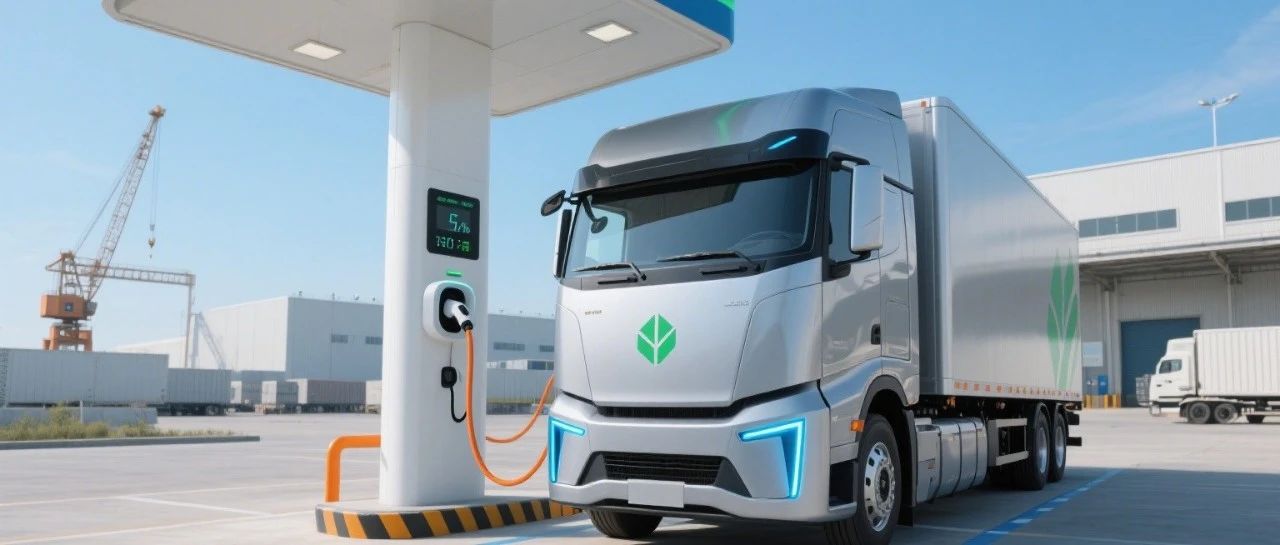
海外重卡电动化低迷,中企超快充生态出海破局
高工锂电· 2025-08-01 11:09
Core Viewpoint - The article discusses the current state and future prospects of the electric heavy-duty truck market, emphasizing the need for a multi-dimensional collaboration among technology, scenarios, and ecosystems to drive overseas demand for electric trucks [2][3][4]. Group 1: Current Market Landscape - The penetration rate of electric heavy-duty trucks in China has reached 20%, with rapid growth, while overseas markets, particularly in Europe, lag behind due to reliance on imported battery supplies and slow infrastructure development [2][3]. - The electric heavy-duty truck market in Europe is projected to have around 40,000 electric medium and heavy trucks by 2025, increasing to 270,000 by 2030, necessitating the construction of approximately 50,000 high-performance megawatt charging stations [5][6]. Group 2: Technological Developments - Major companies like CATL and BYD are advancing fast-charging technologies to enhance the competitiveness of electric heavy-duty trucks, with breakthroughs in fast-charging systems being crucial for market expansion [4][6]. - The next technological battleground for electric heavy-duty trucks is expected to be megawatt fast charging, with Europe being a significant market for this technology [4][5]. Group 3: International Collaborations and Initiatives - CATL and BHP have signed a memorandum to collaborate on electric mining equipment and fast-charging infrastructure, indicating a trend towards integrated solutions for electrification in mining operations [4]. - In Australia, the government is investing AUD 500 million (approximately USD 310 million) to support the decarbonization of heavy transport, focusing on electric truck technology and infrastructure [9]. Group 4: Regional Opportunities - Southeast Asia is also showing potential for electric heavy-duty trucks, with countries like Thailand and Vietnam implementing policies to promote electric vehicle adoption and infrastructure development [9]. - The article highlights that while the global electric heavy-duty truck market is still in its early stages, the development levels vary significantly across different countries and regions, with China’s fast-charging technology being pivotal for penetrating overseas markets [9].


剑指超高比能,破局“死亡之谷”,宁波富理宣布2026年量产富锂锰基
高工锂电· 2025-07-31 09:40
Core Viewpoint - The establishment of "China Automotive New Energy" marks a significant step in the battery industry, focusing on the commercialization of lithium-rich manganese-based batteries, which have long been considered a "holy grail" technology in the sector [1][2]. Group 1: Industry Background - The battery industry's core anxiety revolves around the bottleneck of cathode materials, which significantly impact energy density and account for nearly 40% of battery costs [2][4]. - Traditional high-nickel cathode materials have approached their theoretical capacity ceiling of approximately 220mAh/g, limiting advancements in energy density [4]. - The reliance on expensive and limited supply metals like nickel and cobalt poses strategic risks for the industry [4]. Group 2: Advantages of Lithium-Rich Manganese-Based Cathodes - Lithium-rich manganese-based layered oxides, containing over 50-65% manganese, have been recognized for their potential to address both energy density and cost issues [5][6]. - This cathode material can theoretically achieve capacities exceeding 400mAh/g, enabling batteries to reach energy densities of 500Wh/kg or higher [7][9]. Group 3: Challenges in Commercialization - Despite its advantages, lithium-rich manganese-based cathodes face significant challenges, including low initial coulombic efficiency and performance degradation over time [10][11]. - The instability of the cathode's structure at high voltages leads to safety concerns and complicates battery management systems [10][11]. Group 4: Scientific Breakthroughs - A research team led by Liu Zhaoping has made significant progress in understanding and addressing the challenges of lithium-rich manganese-based cathodes, focusing on stabilizing the oxygen activity within the material [12][13]. - The team discovered that heating the material can help restore its performance, leading to a novel approach called "electrochemical annealing" [15][16]. Group 5: Industrialization Efforts - The establishment of a demonstration production line for lithium-rich manganese-based cathodes represents a critical step in moving from laboratory breakthroughs to commercial viability [21][24]. - The company has achieved a discharge capacity exceeding 300mAh/g and an initial efficiency greater than 90%, with a cycle life that meets industry standards [26][28]. Group 6: Market Demand and Future Prospects - There is a growing market demand for lithium-rich manganese-based cathodes, particularly from automotive and aerospace sectors, which are seeking to enhance energy density while reducing costs [31][32]. - Major automotive manufacturers are planning to incorporate lithium-rich manganese-based batteries into their future electric vehicle platforms, indicating a shift towards this technology [33][34]. - The successful commercialization of these batteries could lead to significant advancements in energy density, with some companies already achieving energy densities of up to 860Wh/kg [35][36].

2025年H1,宁德时代的“稳”与“进”
高工锂电· 2025-07-31 09:40
Core Viewpoint - The article highlights the strong performance of CATL in the first half of 2025, showcasing its resilience and strategic positioning in the lithium battery industry despite market challenges [3][4][14]. Financial Performance - In the first half of 2025, CATL reported revenue of 178.886 billion yuan, a year-on-year increase of 7.27%, and a net profit of 30.485 billion yuan, with a growth rate of 33.33% [3]. - The gross profit margin improved to 25.02%, and operating cash flow reached 58.687 billion yuan, indicating strong financial health [3][8]. Industry Position - CATL maintained its position as the leading battery manufacturer, with the highest shipment volume in the domestic market, having equipped approximately 20 million vehicles [8]. - The company also led in energy storage battery shipments and market share, with applications exceeding 2,000 projects [8]. Strategic Initiatives - CATL's R&D expenses reached 10.1 billion yuan, accounting for 5.64% of revenue, reflecting a 17.5% increase year-on-year [6]. - The company is expanding its energy service sector, establishing over 300 "chocolate" battery swap stations across 31 cities, and plans to cover 80% of national trunk transport with a battery swap network [6][12]. Technological Advancements - CATL made significant progress in solid-state battery development, with plans for small-scale production by 2027 and large-scale production by 2030 [4][12]. - The company launched several new battery products, enhancing energy density and performance in both battery and energy storage technologies [10]. Global Expansion - CATL is advancing its global production network, with ongoing projects in Hungary, the USA, Spain, and Indonesia, aimed at mitigating regional market fluctuations [10][11]. - The company is leveraging partnerships and technology licensing to navigate trade barriers and enhance its international footprint [10]. Supply Chain Management - CATL has implemented strategies to manage supply chain volatility, including long-term agreements and resource recycling initiatives, achieving over 95% recovery rates for key metals [10][11]. Capital Operations - The successful listing on the Hong Kong Stock Exchange in May 2025 has broadened CATL's financing channels and strengthened its capital operations [11]. - The company announced a cash dividend plan of 4.573 billion yuan, reflecting confidence in its performance and stabilizing investor expectations [11]. Future Outlook - CATL aims to enhance its production capacity utilization and optimize its battery system capacity, which currently stands at 345 GWh with 235 GWh under construction [13]. - The company plans to deepen collaborations with automakers and mineral companies, and to establish a comprehensive battery lifecycle management system [13]. Conclusion - Overall, CATL's performance in the first half of 2025 reflects a shift in the renewable energy industry towards high-quality development, emphasizing the importance of strategic stability and innovation [14][15].

每日速递|辉能科技发布57mS/cm固态电解质
高工锂电· 2025-07-31 09:40
Group 1: Industry Events - The 2025 High-Performance Lithium Battery Annual Conference will be held from November 18-20, 2025, at JW Marriott Hotel in Shenzhen, celebrating its 15th anniversary and featuring the Golden Ball Award ceremony [1] Group 2: Company Financials - CATL reported a total revenue of 178.886 billion yuan for the first half of 2025, representing a year-on-year growth of 7.27%, with a net profit of 30.485 billion yuan, up 33.33% year-on-year, and a gross margin of 25.02%, an increase of 1.57 percentage points [2] Group 3: Company Developments - XINWANDA has submitted an application for the issuance of H-shares and listing on the Hong Kong Stock Exchange [3][4] - HUI NENG Technology launched a fourth-generation innovative technology called "Superfluidized Inorganic Solid-State Electrolyte," which has an ionic conductivity of 57 mS/cm at 25°C, 5-6 times higher than conventional liquid organic electrolytes and sulfide solid-state electrolytes, enabling rapid charging from 5% to 60%-80% in just 4-6 minutes [5][7] - A project for the annual production of 200,000 tons of lithium battery anode materials has been approved in Shanxi, which includes various production facilities and aims to produce high-end anode materials and carbon additives [8][9] - BASF signed a strategic cooperation agreement with CATL to collaborate in the field of advanced and innovative cathode active materials [10][11] - A battery recycling project with an investment of 50 million yuan is set to be established in Ganzhou, aiming to produce significant quantities of mixed powder and aluminum and copper powders [12][13][14]


BBU引爆新业态,小圆柱或成标配?
高工锂电· 2025-07-31 09:40
Group 1 - The 2025 High-tech Lithium Battery Annual Conference will be held from November 18-20, 2025, at JW Marriott Hotel in Shenzhen, featuring the 15th anniversary celebration and the Golden Ball Award ceremony [2] - The cylindrical lithium batteries (18650, 21700, etc.) are widely used in various consumer markets, including 3C electronics, electric two-wheelers, and portable energy storage, due to their standardized design and scalability [2][3] - The recent resumption of H20 chip supply by NVIDIA is expected to accelerate the construction of domestic data centers and intelligent computing centers, increasing the demand for Battery Backup Units (BBUs) [2] Group 2 - BBUs generally prefer using cylindrical lithium batteries like 18650 and 21700 due to their compact size and cost-effectiveness, making them suitable for direct installation in servers [3] - Major manufacturers of BBUs include tech giants like NVIDIA, Apple, and Microsoft, with domestic battery companies such as Aibot, Yiwei Lithium Energy, and Xinnengda quickly entering this market [3] - The demand for cylindrical battery cells for BBUs is projected to reach 220 million units by 2025 and exceed 600 million units by 2030, indicating a significant growth opportunity [4] Group 3 - The all-tab technology is emerging as a new trend in cylindrical battery technology, aimed at reducing internal resistance and heat generation [4] - BBU batteries typically use high-nickel ternary cylindrical batteries, which improve energy density but may increase safety risks; however, all-tab technology enhances stability and safety for data centers [5]





每日速递|固态电池企业4亿元采购铜锂复合带
高工锂电· 2025-07-30 10:09
Event Announcement - The 2025 (15th) High-tech Lithium Battery Annual Conference will be held from November 18-20, 2025, at JW Marriott Hotel in Shenzhen [1] Battery Sector - Honeycomb Energy has successfully delivered its short-blade batteries to VinFast in Vietnam, providing core power support for the Limo Green model. The batteries utilize Honeycomb's innovative thermal composite stacking technology, offering higher energy density, safety, power, and long cycle life compared to traditional battery designs [2][3] Company Establishment - Jingmen Yiwei Comprehensive Energy Service Co., Ltd. was officially established on July 23, with a registered capital of 5 million yuan. The company will focus on energy storage technology services, battery leasing, and sales [4][5] IPO Progress - Shenzhen Hailei New Energy Co., Ltd. is preparing for an IPO on the Beijing Stock Exchange, focusing on lithium-ion battery research and production, particularly for light vehicle battery swapping and energy storage applications [6][7] Material Development - Zhejiang Qiyuan New Materials Co., Ltd. has received public notice for its project to produce 50 tons of new silicon-carbon anode materials, with an investment of 24.85 million yuan. This project is part of a broader strategy by its parent company, Zhejiang Xin'an Chemical Group, to develop an integrated lithium battery industry chain [8][9] Major Orders - Tian Tie Technology announced a 400 million yuan order for copper-lithium composite strips from Zhuhai Xinjie, with a total order quantity of 100 tons. This order is linked to the production of solid-state batteries [10][11][12] Equipment Development - Yifei Laser's lithium battery laser manufacturing equipment headquarters project has been completed, with a total investment of approximately 500 million yuan. The facility aims to enhance smart equipment manufacturing capabilities and support the development of advanced industries [13][14] International Collaboration - LG Energy Solution and Yahua Group are collaborating to build a lithium refining plant in Morocco, with an investment of 5.5 billion dirhams [15][16] Supply Contracts - LG Energy Solution has signed a significant contract worth 5.9442 trillion won (approximately 30.9 billion yuan) for lithium iron phosphate (LFP) batteries, which is expected to account for 23.2% of its projected sales for 2024. The contract may involve supplying batteries for Tesla's energy storage systems [17][18][19]

入局固态电池,电解液企业“不再沉默”
高工锂电· 2025-07-30 10:09
Core Viewpoint - The traditional lithium battery industry is undergoing a reevaluation as solid-state batteries emerge as the next technological wave, with key players redefining their roles in the supply chain [2][3]. Industry Developments - Separator companies are proactively redefining their roles by developing "base film" products that can serve as solid-state electrolyte carriers, paving a clear path toward industrialization [2]. - Leading electrolyte companies are beginning to disclose their deep involvement in solid and semi-solid battery materials, marking a shift from their previous silence [2][3]. Key Material Innovations - Tinci Materials has chosen a liquid-phase method for lithium sulfide preparation, focusing on precise impurity control rather than merely achieving high purity levels [3]. - Tinci's lithium sulfide is currently in the laboratory stage, with a goal to produce kilogram-level samples by the end of 2025, aiming for significant cost advantages through in-house synthesis of solid-state electrolytes [3]. - Huasen Lithium has also adopted a liquid-phase method, achieving an ionic conductivity of 5.57 mS/cm for Li₆PS₅Cl solid-state electrolyte [4]. Production Capacity and Goals - New Zobon, a major electrolyte player, has formed a joint venture with separator company Xingyuan Materials, achieving over 100 kg production of sulfide electrolytes and plans to establish a 10-ton/year production line by the end of 2025 [5]. Transition to Semi-Solid Solutions - Semi-solid gel electrolytes are viewed as the closest solution to commercialization, requiring minimal changes to existing cell production processes for rapid large-scale application [5]. - Tinci is working on an in-situ solidifying gel electrolyte to address safety concerns and reduce leakage risks, although challenges remain in achieving uniformity during scaling [5][6]. Strategic Material Development - Tinci is also developing high-voltage electrolyte solutions while engaging in the development of 5V nickel manganese lithium high-voltage cathode materials, which can increase energy density by over 20% compared to lithium iron phosphate [6]. - The compatibility of nickel manganese lithium with electrolytes poses commercialization challenges, prompting Tinci to innovate in solvent and additive development [6]. Alternative Material Paths - Shida Shenghua is focusing on silicon-based anodes as a key alternative path, leveraging its chemical industry advantages to establish a thousand-ton production line for silicon-based anodes [7][8]. - Companies like Kunlun New Materials are diversifying their technological coverage, offering products across sulfide, oxide powders, and slurries tailored to customer specifications [8]. Conclusion - Chinese electrolyte companies have moved past the observation phase, leveraging their core competencies in chemical synthesis, purification, and industrialization to engage in a competitive race for next-generation battery materials [8].

2025动力电池中场战局,正力新能“三化策略”应战
高工锂电· 2025-07-30 10:09
Core Viewpoint - The battery installation support is shifting from "capacity competition" to "adaptability competition" as the penetration rate of new energy vehicles exceeds 50%, emphasizing the need for flexible manufacturing and system integration to meet diverse customer demands [1][10]. Group 1: Industry Dynamics - The industry is entering a mid-stage where the competitive landscape is not yet fully solidified, with leading manufacturers still holding their competitive advantages but facing increasing demands for flexibility from automakers [1][10]. - The fragmentation of customer needs presents "mid-stage opportunities," where companies must leverage system capabilities to penetrate various projects effectively [1]. Group 2: Company Strategy - Zhengli New Energy has adapted its customer base over the past two years, collaborating with various automakers like Leap Motor and FAW Hongqi, showcasing its ability to meet diverse market demands [1]. - The company employs a "three-pronged strategy" focusing on standardization, platformization, and differentiation to enhance manufacturing capabilities and customer collaboration [1]. Group 3: Standardization - Standardization involves creating a flexible manufacturing system around the same specifications but different combinations, improving production efficiency [4]. - For instance, the same 104Ah lithium iron phosphate battery cell is used in both the Leap Motor T03 and C11, demonstrating the ability to switch between different vehicle types efficiently [4]. Group 4: Platformization - Platformization goes beyond just producing battery packs; it involves creating modular solutions that can adapt to various vehicle types and powertrain configurations [5][6]. - Zhengli New Energy has developed a platform battery system that allows for quick adaptation to multiple models without the need for redesigning the battery structure, enhancing time efficiency and supply chain flexibility [6]. Group 5: Differentiation - Differentiation focuses on a unified specification with a flexible material system that evolves based on user needs, allowing for various battery configurations tailored to different vehicle requirements [7][8]. - The company offers multiple capacity versions of the same battery cell, enabling automakers to choose between different performance and cost options without changing the battery pack structure [8]. Group 6: System Capability - The combination of standardization, platformization, and differentiation creates a closed-loop system capability for Zhengli New Energy, enhancing production versatility and collaboration with automakers [9]. - This comprehensive approach aims to deliver faster, more stable, and lower-cost solutions, establishing a replicable capability across various projects [10].

德福科技14亿元“吃下”英伟达供应链企业
高工锂电· 2025-07-30 10:09
Core Viewpoint - The article discusses the strategic acquisition of Circuit Foil Luxembourg by Defu Technology, highlighting its significance in enhancing Defu's position in the high-end IT copper foil market and its global expansion efforts. Group 1: Acquisition Details - Defu Technology signed a share purchase agreement to acquire 100% of Circuit Foil Luxembourg for approximately €1.74 billion (around ¥14.43 billion) after adjustments [2][3]. - The acquisition is expected to facilitate Defu's entry into the high-end IT copper foil sector, marking a critical milestone in its development [3]. Group 2: Market Context - The demand for high-end PCB copper foil is projected to grow at a CAGR of 10% from 2023 to 2030, with the market size expected to reach ¥36 billion by 2030 [4]. - The high-frequency very low profile (HVLP) copper foil is identified as a key material for PCB high-end applications, essential for maintaining signal integrity in high-speed environments [5]. Group 3: Competitive Landscape - Circuit Foil Luxembourg is recognized as a non-Japanese "invisible champion" in the high-end IT copper foil industry, with a strong technological advantage and a diverse product range [5][6]. - The company has established a significant customer base, including major global PCB manufacturers [6]. Group 4: Strategic Implications - The acquisition is seen as a win-win situation, providing Circuit Foil with Defu's resources for capacity expansion and market development, while Defu gains access to advanced technology and a mature customer network [7]. - Defu Technology is also focusing on high-end copper foil trends, with ongoing collaborations to develop ultra-thin copper foil for advanced packaging substrates [9]. Group 5: Global Expansion Plans - Defu Technology plans to establish a subsidiary in Luxembourg and aims to build production lines and service centers in Europe and Southeast Asia over the next three years [10]. - The company has initiated preparations for a factory in Thailand, supported by stable orders from leading companies in the photovoltaic and consumer battery sectors [10].