高工锂电

Search documents
第397批公告:LG三元配套特斯拉 Y L、尚界H5纯电版搭载宁德三元
高工锂电· 2025-08-04 09:52
Core Viewpoint - The article highlights the upcoming 2025 High-Performance Lithium Battery Annual Conference, showcasing the growth and innovation in the new energy vehicle sector, particularly focusing on battery supply partnerships and new model announcements [2][4]. Group 1: Conference Details - The 2025 High-Performance Lithium Battery Annual Conference will take place from November 18-20, 2025, at the JW Marriott Hotel in Shenzhen [2]. - The event is organized by Gaogong Lithium Battery and Gaogong Industry Research (GGII), with various sponsors including HaiMuxing Laser and Dazhu Lithium Battery [2]. Group 2: New Energy Vehicle Announcements - The Ministry of Industry and Information Technology has announced the 396th batch of vehicle production enterprises and products, featuring 132 new energy passenger vehicles, with 108 models using LFP batteries and 24 using ternary batteries [2]. - CATL leads the battery supply with 51 new vehicle models, including 14 ternary battery models, covering brands like Cadillac, Seres, and Toyota [2]. - Fudi has supplied batteries for 19 new models, including those for BYD's Song, Han, Qin, and Tang series [3]. - Zhongxin Innovation has partnered with 11 new models, including those from Dongfeng and Geely, with a notable focus on SUV models [4]. Group 3: Market Trends and Innovations - The announcement includes significant SUV models from leading manufacturers like Tesla and BYD, indicating a shift towards high-performance battery solutions for mainstream vehicles [4][5]. - The Hongmeng Zhixing's SUV model, Shangjie H5, features a range of 655 km and is equipped with the latest HUAWEI ADS 4 driving assistance system, priced at 200,000 RMB, potentially disrupting the market [4]. - The Tesla Model Y L, an upgraded six-seat version, is expected to maintain Tesla's dominance in the SUV market, following the success of the Model Y [5].



两轮锂电市场超40%高增长“背后”
高工锂电· 2025-08-04 09:52
Core Viewpoint - The lithium battery industry is experiencing rapid growth, particularly in the two-wheeled vehicle market, driven by the trend of replacing lead-acid batteries with lithium alternatives, which offer superior performance and cost-effectiveness [1][2][4]. Group 1: Market Growth and Trends - In the first half of 2025, domestic two-wheeled lithium battery sales increased by over 40% year-on-year, making it one of the fastest-growing segments in the lithium battery industry [1]. - The shift from lead-acid to lithium batteries is reshaping the two-wheeled vehicle market, with major players like Xingheng Power and BYD expanding their presence in this sector [2]. - Emerging markets such as trendy electric scooters and flagship electric motorcycles are driving the continuous increase in lithium battery penetration [2][4]. Group 2: Technological Advancements - Lithium batteries are outperforming lead-acid batteries in terms of energy density, lifespan, and low-temperature adaptability, leading to a significant transformation in the power structure of two-wheeled vehicles [4][5]. - Xingheng's third-generation "Golden Dual-Core" technology has achieved substantial breakthroughs in battery durability and environmental adaptability, with cycle lifespans exceeding 3000 times in normal conditions [5][7]. Group 3: Safety and Market Confidence - Enhanced safety measures and stricter regulations have improved consumer confidence in lithium battery safety, with a reported 44.7% decrease in electric two-wheeler fire incidents in the first half of the year [8][9]. - The implementation of national standards and certifications for electric bicycle lithium batteries has raised industry safety levels and market entry barriers [8]. Group 4: Market Leadership and Expansion - Leading companies like Xingheng are expanding their lithium battery applications across various scenarios, achieving over 70% product coverage in the electric vehicle market [10][13]. - Xingheng's lithium battery sales grew by over 50% year-on-year in the first half of 2025, significantly outpacing the industry average [13]. Group 5: International Market Opportunities - As the domestic market matures, Chinese two-wheeled lithium battery products are increasingly penetrating international markets, contributing to a 25.14% year-on-year increase in lithium battery exports [14][15]. - Xingheng has established a strong presence in Europe and Southeast Asia, with significant progress in markets like Colombia, where it has achieved stable monthly shipments [15].

欣旺达开启港股IPO
高工锂电· 2025-08-04 09:52
Core Viewpoint - The article discusses the upcoming 2025 High-tech Lithium Battery Annual Conference and the IPO application of XINWANDA, highlighting the company's growth in various battery sectors and its strategic plans for international expansion and technological advancement [2][9]. Company Overview - XINWANDA was established in 1997 and operates in consumer batteries, power batteries, and energy storage systems, providing a comprehensive integrated layout from research and development to manufacturing and recycling [4]. - The company has submitted an IPO application to the Hong Kong Stock Exchange on July 30, 2025, after previously listing on the A-share market in 2011 and issuing GDRs in 2022 [2][4]. Financial Performance - In 2024, XINWANDA's revenue reached RMB 56 billion, with a compound annual growth rate (CAGR) of 3.6% from RMB 52.2 billion in 2022. Gross profit increased from RMB 6.3 billion to RMB 8.2 billion, with a CAGR of 14.2% [6][8]. - The revenue breakdown for 2024 shows that consumer batteries accounted for 54.3%, power batteries for 27.0%, energy storage systems for 3.4%, and other businesses for 15.3% [5]. Market Position - XINWANDA holds a leading position in the global mobile phone battery market with a market share of 34.3% and ranks second in the laptop and tablet battery market with a share of 21.6% [6]. - The company is among the top ten global suppliers of power batteries, with the fastest growth rate in shipment volume among the top ten manufacturers from 2023 to 2024 [6][11]. Profitability - In 2024, the gross profit margins for XINWANDA's business segments were as follows: consumer batteries at 17.65%, energy storage systems at 20.39%, and electric vehicle batteries at 8.8% [7]. Future Outlook - The company anticipates growth in the consumer battery sector driven by the demand for AI-enabled products and the expansion of applications in smart homes, wearables, and service robots [10]. - The power battery market is expected to grow as electric vehicles gain market penetration, with emerging applications such as electric aircraft becoming new demand drivers [10]. - The global energy storage market is projected to grow rapidly due to the transition to clean energy systems, with XINWANDA being the tenth largest energy storage battery manufacturer by shipment volume in 2024 [11].
每日速递|上海洗霸拟与有研稀土成立合资公司 布局固态电池材料
高工锂电· 2025-08-04 09:52
Core Viewpoint - The article highlights significant developments in the lithium battery industry, including strategic partnerships, new projects, and advancements in battery technology, indicating a robust growth trajectory for the sector. Group 1: Battery Developments - CATL has signed a strategic cooperation agreement with Shenzhou Car Rental and China Merchants Bank to deploy over 100,000 battery swap vehicles, featuring standardized battery packs with a range of 400-600 km, aimed at various market segments [2][3] - The battery swap network will leverage Shenzhou Car Rental's 2,000+ offline locations, enhancing service efficiency and integrating digital solutions for a seamless rental and swap experience [3] - Dongfeng Motor announced that its solid-state battery, with an energy density of 350 Wh/kg and a range exceeding 1000 km, is set to be launched in 2026 [6] Group 2: Material Projects - Guizhou Zhaoke Energy has commenced construction on a 2 GWh cylindrical battery project, focusing on high safety and performance, with an investment of 250 million yuan, expected to be operational by December 2025 [4][5] - Jiangxi Province's Yichun City has announced an environmental impact assessment for a lithium carbonate project with an annual capacity of 50,000 tons, with a total investment of 100 million yuan [8] - Shanghai Xiba and Yuyuan Rare Earth have established a joint venture to enhance their capabilities in lithium-ion solid-state battery materials, with a registered capital of 200 million yuan [9] Group 3: International Developments - South Korea's SK Innovation plans to merge its battery subsidiary SK On with SK Enmove, focusing on electric vehicle batteries and energy storage systems, with the new company set to launch on November 1, 2025 [11][12]
关税“蚕食”全球大型车企利润
高工锂电· 2025-08-03 11:26
Core Viewpoint - The automotive industry is facing significant challenges due to slowing demand, trade tensions, and increased competition, leading to substantial profit declines for many car manufacturers [3][4][5]. Financial Performance of Major Automakers - German automakers, particularly Volkswagen, are experiencing severe profit declines, with Volkswagen's revenue remaining flat at €158.4 billion and operating profit down 33% to €6.7 billion, primarily due to tariffs causing a €1.3 billion loss [3][4]. - Audi's after-tax profit fell 37.5% to €1.346 billion, attributing the decline to external policy environments, including U.S. tariffs and rising transformation costs [4]. - Mercedes-Benz reported a revenue drop of 8.6% to €66.377 billion and a 40.7% decline in pre-tax profit to €4.534 billion, impacted by tariffs and model transitions [4]. - BMW's revenue decreased by 8.0% to €67.685 billion, with net profit down 29.0% to €4.015 billion, facing challenges in the Asian market despite growth in North America [4]. - U.S. automakers are also affected, with Ford reporting a second-quarter revenue of $50.2 billion but a net loss, expecting a tariff impact of approximately $2 billion for the fiscal year [5]. Performance of Japanese and Korean Automakers - Toyota stands out with a 7.4% increase in global sales to over 5.54 million vehicles, driven by strong performance in North America and China [6]. - Hyundai's global sales rose 36.4% to 262,100 vehicles, with electric vehicle sales contributing significantly [6]. - Kia anticipates a 7% to 8% increase in U.S. sales for the second half of the year, bolstered by the success of its hybrid models [6]. Strategic Shifts in the Automotive Industry - The U.S. government's policy shift is influencing automakers to increase production of fuel vehicles, with Kia adjusting its production plans to focus on gasoline models [7][8]. - General Motors is investing $4 billion to boost fuel vehicle production while also enhancing the profitability of electric vehicles [8]. - Audi has canceled plans to stop developing internal combustion engine vehicles by 2033, reflecting a more flexible approach to electrification [8]. Industry Outlook - The automotive industry is navigating a survival challenge, with the primary focus on sustaining operations before considering improvements [8].
GGII:2025H1中国负极材料出货量129万吨
高工锂电· 2025-08-03 11:26
Core Viewpoint - The article discusses the current state and future outlook of China's anode material industry, highlighting significant growth in production and evolving product structures, while also addressing market dynamics and pricing trends [5][11]. Group 1: Industry Overview - The anode material industry in China is experiencing a recovery, with a projected shipment volume exceeding 260 million tons in 2025, representing a year-on-year growth of over 25% [5]. - In the first half of 2025, the shipment volume of anode materials reached 1.29 million tons, marking a 37% increase year-on-year, although this growth rate is lower than that of other major materials due to high inventory levels from the previous year [5][11]. Group 2: Product Structure Analysis - In the first half of 2025, artificial graphite shipments accounted for 91% of total anode material shipments, with a volume of 1.17 million tons, reflecting a 47% year-on-year increase [6]. - Natural graphite shipments, however, saw a decline of 23% year-on-year, totaling 106,000 tons, primarily due to competition from artificial graphite [6]. Group 3: Pricing Trends - In the first quarter of 2025, the price of anode-grade coke increased by over 40% compared to the previous quarter, but began to decline in the second quarter, with minimal impact on overall anode prices [9]. - The price of natural graphite has slightly decreased due to pressure from artificial graphite [9]. Group 4: Technological Developments - New generation large-capacity products are driving improvements in the capacity of artificial graphite, with several battery companies achieving a capacity increase from 350 mAh/g to 353-355 mAh/g [11]. - The industry is also seeing advancements in fast-charging capabilities, with penetration rates exceeding 15% for fast-charging products [11]. Group 5: Market Dynamics - The anode material industry is currently facing structural overcapacity, with the top five companies operating at over 70% capacity utilization, while smaller firms struggle with order shortages [11]. - It is anticipated that the head companies will rely on small and medium enterprises for processing and their own expansion to meet future capacity needs, with an overall gradual increase in industry capacity utilization expected [11].

从整车到锂矿:中国新能源产业链掀起整合浪潮
高工锂电· 2025-08-02 11:38
Core Viewpoint - The Chinese new energy vehicle and lithium battery industry is entering a new phase of large-scale integration after years of rapid expansion, shifting from intense price competition to strategic restructuring and professional integration aimed at optimizing resource allocation and enhancing overall industry competitiveness [3][7]. Industry Integration - The automotive manufacturing sector is the first to feel the impact of this integration wave, with the establishment of China Changan Automobile Group as an independent state-owned enterprise marking a significant step in strategic restructuring at the national level [4]. - Changan aims to achieve a production and sales scale of 5 million vehicles by 2030, with over 60% being new energy vehicles, planning to invest a total of 200 billion RMB over the next decade [5]. - Dongfeng Motor Group is also restructuring internally by creating a unified management for its three self-owned brands, aiming for a new energy vehicle annual sales target of over 1 million units by 2025 [5]. - Geely Holding Group's brands Zeekr and Lynk & Co announced a merger to reduce related transactions and eliminate competition, with expected cost savings of 10% to 20% in R&D and 5% to 8% in material costs [5]. Battery Business Integration - Geely restructured its battery business into an independent entity, focusing on a "hit product" strategy and reducing its product line to under 10 models to lower costs through scale production [6]. - A state-led national team for new energy batteries is forming, with the establishment of China Automotive New Energy (formerly Qingdao Lishen), which aims to cultivate a leading enterprise in the power battery sector [6]. - Guangzhou Industrial Control Group became the controlling shareholder of Funeng Technology, enhancing its integration into the local automotive supply chain and accelerating international market expansion [6]. Lithium Resource Integration - China Salt Lake Industrial Group became the controlling shareholder of Salt Lake Co., setting a target to increase lithium salt production capacity to 200,000 tons annually by 2030, nearly doubling current capacity [7]. - Zijin Mining plans to acquire control of major lithium extraction company Cangge Mining, expanding its footprint in the lithium resource sector [7]. - Changes in control of companies like Jiangte Motor indicate potential new integrations, with new leadership expected to enhance operational efficiency [7]. Conclusion - The series of integration actions from automotive manufacturing to lithium resources indicates that the Chinese new energy industry is maturing, with resources concentrating towards leading enterprises with technological, capital, and management advantages [7]. The goal is to shift from "price competition" to "value competition," significantly impacting the industry's future landscape [7].
理想i8、问界M8争30万+纯电,三元电池锁定“后50%”?
高工锂电· 2025-08-02 11:38
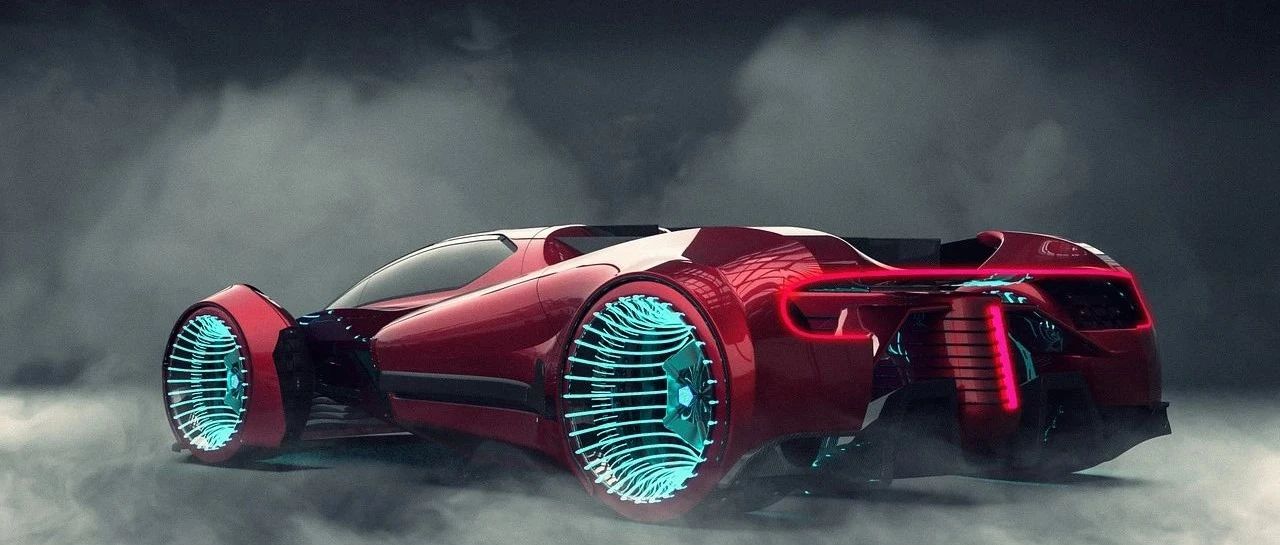
Core Viewpoint - The article discusses the competitive landscape of the high-end electric vehicle (EV) market in China, particularly after the penetration rate of new energy vehicles (NEVs) surpassed 50%. The focus is on the strategies of automakers to capture the market above 300,000 yuan, where fuel vehicles still dominate, and the emergence of "super range extension" and "high-end pure electric" models as key strategies for growth [2][4][5]. Group 1: Market Dynamics - The market is experiencing a battle for the "post-50%" incremental market, particularly in the high-value segment where fuel vehicles still hold a significant share [2]. - The share of new energy vehicles in the 300,000 yuan and above segment is approximately 40%, which includes a substantial number of hybrid models [2]. - The high-end pure electric SUV market shows considerable potential, as evidenced by the rapid order volume for models like the AITO M8 [5]. Group 2: Strategic Differentiation - Automakers are adopting two main strategies: "super range extension" through larger battery packs and ultra-fast charging, and direct competition in the high-end pure electric SUV market [4][5]. - The "super range" strategy aims to blur the lines between range-extended and pure electric vehicles, with companies like Zhiji and Zeekr introducing models with significant battery capacities [4]. - The high-end pure electric SUV segment is being targeted by brands like Li Auto and Audi, indicating a shift in consumer demand towards premium electric offerings [5]. Group 3: Technological Foundations - Both strategies rely on a common technological foundation of high-capacity, high-rate fast-charging batteries [6]. - Consumer "charging anxiety" has been a significant barrier to the growth of high-end pure electric vehicles, with hybrid models currently dominating the market [7]. - New models like the Li i8 and AITO M8 are equipped with large capacity batteries, indicating a trend towards higher energy density and faster charging capabilities [7][8]. Group 4: Industry Implications - The competition in the high-end market is opening new opportunities for the battery supply chain, particularly for companies that can deliver high-performance batteries [8]. - The demand for high energy density, fast-charging, and safety in batteries is creating high entry barriers, leading to market consolidation around leading battery manufacturers like CATL [8]. - The ongoing transformation in the automotive market is reshaping the value and structure of the upstream battery industry, with a focus on differentiated products that meet the evolving needs of high-end electric vehicles [8].

130万吨,磷酸铁扩产潮起
高工锂电· 2025-08-01 11:09
Core Viewpoint - The article highlights the ongoing expansion of phosphate iron production capacity in response to the surging demand for lithium iron phosphate (LFP) batteries, driven by the growth in both the electric vehicle and energy storage markets [6][7]. Group 1: Industry Expansion - Four major projects in phosphate iron production are set to add a total of 1.3 million tons of supply to the market, signaling a new wave of expansion in the lithium iron phosphate industry [3][4]. - The projects include: - Andar Technology's 450,000 tons per year phosphate iron lithium precursor project in Guiyang, which will increase its total precursor capacity to over 600,000 tons [4]. - Hunan Youneng's additional 150,000 tons phosphate iron production line, raising its total capacity in Guizhou to 300,000 tons [5]. - Huayou Group's 600,000 tons phosphate iron project, aiming to become one of the largest phosphate iron production bases in China [5]. - Yingda Lithium's 100,000 tons per year lithium-ion battery positive material phosphate iron lithium precursor project [3]. Group 2: Market Demand - The demand for lithium iron phosphate materials is robust, with shipments reaching 1.61 million tons in the first half of 2025, a 68% year-on-year increase, accounting for 77% of total positive material shipments [6]. - In the power market, the installed capacity of lithium iron phosphate batteries reached 223.1 GWh in the first half of 2025, a 71% increase, with a market share of 77.4% [6]. - The energy storage market also saw significant growth, with domestic shipments of lithium batteries exceeding 120% year-on-year growth for two consecutive quarters, and lithium iron phosphate batteries capturing over 85% of the market share [6]. Group 3: Industry Concentration - The trend of market concentration among leading companies is becoming more pronounced, with many smaller firms being pushed out due to technological and cost disadvantages [7]. - Leading companies such as Hunan Youneng, Andar Technology, and Huayou Group are expanding their production capabilities, supported by stable orders and strong market positions [7][10]. - The industry is undergoing a structural adjustment phase, balancing capacity clearance and high-end product development [7]. Group 4: Price Trends and Global Competition - The price of lithium iron phosphate materials is expected to recover, with projections indicating a return to over 40,000 yuan per ton by the end of 2025 or early 2026 [8]. - International companies, including LG Energy Solution, Samsung SDI, and SK On, are intensifying their focus on lithium iron phosphate batteries, aiming to catch up with Chinese firms [9]. - LG Energy Solution has secured a $4.3 billion supply project, which represents 23.2% of its projected 2024 sales, marking a significant milestone for its lithium iron phosphate business [9].
负极材料成本再承压:石油焦、椰壳炭价格上涨
高工锂电· 2025-08-01 11:09
Core Viewpoint - The stability of costs for anode materials in power batteries is under dual pressure from raw material prices, particularly for low-sulfur petroleum coke and coconut shell carbon, which have seen significant price increases due to supply shortages and rising demand [2][3][4]. Group 1: Raw Material Price Trends - The price of low-sulfur petroleum coke, a key raw material for artificial graphite, has increased significantly since July, with a monthly average price rise exceeding 240 RMB per ton [2]. - Major oil refineries in Northeast China have announced further price increases for petroleum coke starting August 1, with increases ranging from 50 to 150 RMB per ton [2]. - Coconut shell carbon, essential for sodium-ion battery hard carbon anodes and new silicon-carbon anodes, has also seen a sharp price rise due to supply issues, with imported prices exceeding 8000 RMB per ton as of July 2025 [3][4]. Group 2: Impact on Downstream Production - The rising raw material prices have directly impacted downstream production costs, leading to increased cash flow pressure for some small and medium-sized graphite electrode manufacturers [3]. - Leading graphite electrode companies have raised prices for ultra-high power products by 3% to 5% in response to increased costs [3]. - The price surge occurs at a critical time for silicon-carbon anodes, which are expected to enter mass production, potentially affecting their cost control and industrialization process [4]. Group 3: Market Structure and Trends - Despite the challenges, artificial graphite maintains a dominant position in the market, with a total shipment of 1.29 million tons of anode materials in the first half of 2025, a 37% year-on-year increase [5]. - Artificial graphite shipments reached 1.17 million tons, a 47% increase, capturing 91% of the market share, while natural graphite shipments declined by 23% [5]. - The market is still exploring new anode materials, as evidenced by the increasing market share of alternative materials, despite the volatility in raw material prices [5].