
是说芯语

Search documents
重磅:紫光、太极股份因串通投标被列入全军采购失信名单
是说芯语· 2025-06-16 14:02
近日,紫光软件系统有限公司和北京太极信息系统技术有限公司因涉嫌 串通投标 ,被暂停参与 军队采购活动。 违规情况: 经调查,北京太极信息系统技术有限公司在参加项目(编号:2023-JY01-W1098)采 购活动中,涉嫌存在违规失信行为。 处理结果: 根据军队供应商管理相关规定,自 2025 年 06 月 10 日起暂停其参加全军物资工程服 务采购活动资格。 在暂停期内, 法定代表人李翔宇控股或管理的其他企业暂停参加上述范围军队采购活动,授权代 表刘xx暂停代理其他供应商参加上述范围军队采购活动。 转自:数智荟说 加入"中国IC独角兽联盟",请点击进入 在暂停期内, 法定代表人陈轮控股或管理的其他企业暂停参加上述范围军队采购活动,授权代表 倪xx暂停代理其他供应商参加上述范围军队采购活动。 违规情况: 经调查,紫光软件系统有限公司在参加项目(编号:2023-JY01-W1098)采购活动 中,涉嫌存在违规失信行为。 处理结果: 根据军队供应商管理相关规定,自 2025 年 06 月 10 日起暂停其参加全军物资工程服 务采购活动资格。 投稿 、 商务合作 请微信 dolphinjetta 是说芯语,欢迎关注分 ...

芯片公司,130万薪酬抢人!
是说芯语· 2025-06-16 13:50
Core Insights - Nvidia plans to establish its headquarters in Beishi Science Park, Taiwan, and aims to recruit AI and chip design talent with annual salaries reaching NT$5.5 million (approximately RMB 1.34 million), intensifying competition in the tech talent market [1][2] - Over 40% of companies expect a significant increase in AI workforce demand in the next 2-3 years, with 22.66% anticipating a substantial rise and 18.35% expecting a slight increase [1] - Nvidia's CEO Jensen Huang highlighted the attractiveness of the Beishi location, which is deemed ideal for the company's operations [1][2] Group 1 - Nvidia's rapid development in Taiwan is attributed to the growing pool of talented engineers, necessitating larger office spaces [2] - The tech industry in Taiwan faces a talent shortage, not only from high salaries offered by mainland Chinese companies but also from foreign firms establishing operations in Taiwan [2] - Research institutions suggest that Taiwan should start talent cultivation from high school to maintain its tech competitiveness, advocating for clearer career planning and comprehensive benefits to retain employees [2] Group 2 - Taiwan is expected to play a crucial role in the global AI industry chain, with AI development extending beyond hardware to include legal, business, policy, and ethical dimensions [2] - The true market expansion will come from software and cross-domain integration capabilities, emphasizing the need for interdisciplinary talent that combines AI knowledge with humanities [2]


吃定你们了!Arm公司强袭下游芯片厂商腹地
是说芯语· 2025-06-16 11:29
Core Viewpoint - Arm is aggressively expanding into the custom chip design market, which poses a significant threat to its downstream partners and highlights its dominance in the semiconductor IP sector [1][3]. Group 1: Arm's Business Strategy - Arm plans to offer self-developed chips to clients, a move that has been perceived as exploitative towards its partners [1]. - The company has increased its licensing fees by three times in the past six months, further tightening its grip on downstream manufacturers [2]. - Arm's revenue heavily relies on a few major clients, with 56% of its income coming from the top five customers, making it vulnerable to potential client defections [3]. Group 2: Downstream Manufacturers' Challenges - Downstream manufacturers face high licensing fees and restrictive agreements, such as the "one generation, one purchase" model, which limits their ability to innovate and adapt [2][4]. - Many domestic manufacturers are reportedly surrendering to Arm's demands, despite the high costs associated with licensing [4][5]. - The dependency on Arm's technology has created a widening performance gap between domestic chips and international counterparts [4]. Group 3: Potential Shift to RISC-V - There is a growing necessity for domestic manufacturers to break free from Arm's control, especially for companies involved in national security and innovation [6]. - RISC-V is emerging as a viable alternative to Arm, offering an open-source model that contrasts with Arm's closed ecosystem, thus providing greater autonomy for developers [6][7]. - The increasing investment in RISC-V technology by major companies indicates a shift in the industry, as they seek to reduce reliance on Arm [7][8].


路透社:美国施压越南与中国科技 “脱钩”
是说芯语· 2025-06-16 08:34
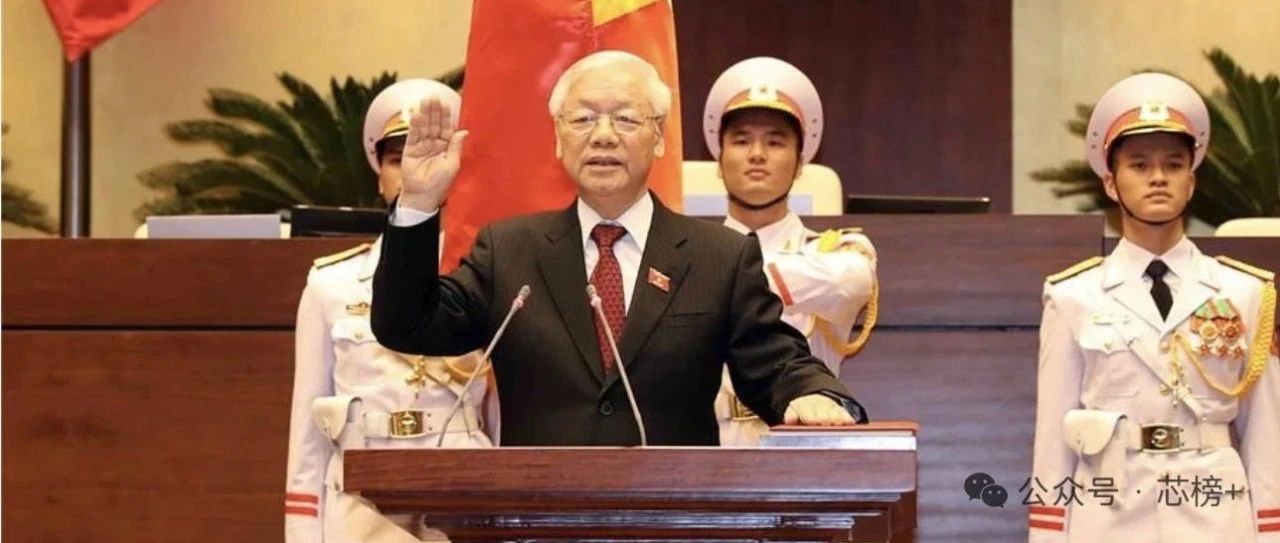
Core Viewpoint - The United States is pressuring Vietnam to reduce its reliance on Chinese technology in exports to the U.S., particularly in the tech sector where companies like Apple and Samsung heavily depend on Chinese components [2][4]. Group 1: U.S. Pressure and Strategic Goals - The U.S. aims to accelerate its decoupling from Chinese technology by urging Vietnam to lower its dependency on Chinese high-tech products [4]. - In 2024, China is expected to export approximately $44 billion worth of technology products to Vietnam, accounting for 30% of China's total exports to Vietnam, while Vietnam's tech exports to the U.S. are projected to be $33 billion, making up 28% of its total exports to the U.S. [4]. Group 2: Challenges Faced by Vietnam - Vietnam is organizing local enterprise meetings to promote domestic component supply, but companies express that significant time and technical support are needed, as abrupt changes could jeopardize existing businesses [6]. - Vietnam's industrial ecosystem is lagging behind China by 15-20 years, particularly in supply chain scale and maturity, making it difficult to replace Chinese components in the short term [6]. Group 3: Ongoing Negotiations and Trade Dynamics - The U.S. has threatened to impose a 46% tariff on Vietnamese goods, which would impact Vietnam's export-oriented economy. Recent negotiations in Washington have made progress, but key issues remain unresolved as the July 8 tariff deadline approaches [6]. - The U.S. is also addressing the issue of "country of origin" labels, pushing Vietnam to combat the practice of relabeling Chinese products to evade tariffs [5]. Group 4: High-Level Interactions - Vietnam's Communist Party General Secretary Nguyen Phu Trong is planning a visit to the U.S., potentially meeting with President Trump in late June, although specific dates have not been announced [7]. Group 5: Industry Responses - Major companies like Apple, Samsung, Meta, and Google, along with Vietnam's trade department, have not responded to requests for comments regarding the situation [8]. - Supply chain experts note that while Vietnam is rapidly advancing in sectors like textiles and electronics, its deep reliance on China remains a significant concern, and hasty adjustments could affect the delicate relationship between China and Vietnam [8].
彭博社:台当局将华为、中芯国际拉入黑名单!
是说芯语· 2025-06-15 11:35
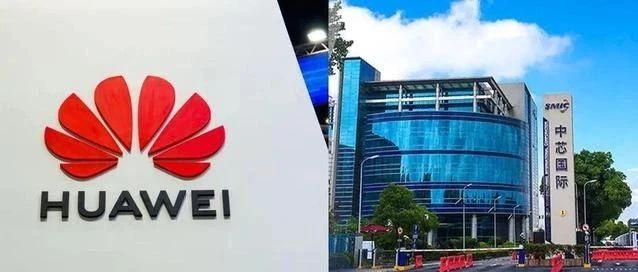
Core Viewpoint - Taiwan has implemented technology export controls on Huawei and SMIC, which may significantly hinder their access to critical technologies, materials, and equipment necessary for chip manufacturing and AI chip production [1]. Group 1: Export Control Measures - The "Strategic High-Tech Goods Entity List" updated by Taiwan's Ministry of Economic Affairs includes Huawei, SMIC, and several subsidiaries, requiring prior approval for exports to these entities [1]. - This new regulation is expected to partially sever Huawei and SMIC's channels to obtain essential technologies and materials from Taiwan, which are crucial for building chip factories and producing AI chips [1]. Group 2: Historical Context - Huawei and SMIC have already been placed on the U.S. Entity List, severely limiting their ability to acquire foreign technologies [1]. - Taiwan has long prohibited the export of critical chip manufacturing equipment, such as lithography machines, to mainland China but had not previously listed major Chinese tech companies or chip manufacturers on an entity list [1]. Group 3: Industry Impact - TSMC, a key supplier for companies like Apple and NVIDIA, had to stop supplying Huawei due to U.S. export controls in 2020, highlighting the interconnectedness of these companies within the semiconductor supply chain [1].

“我们不给中国卖芯片,让他们钻空子”
是说芯语· 2025-06-15 07:46
来源:内容来自观察者网。 在前任美国拜登政府的胁迫下,日本和荷兰加强了对华半导体出口管控措施。现任特朗普政府在着 手制定更严格的管控措施时,还对这些"小弟"不爽上了。 据《 日经亚洲评论 》6月13日报道,美国商务部负责产业与安全的副部长 杰弗里·凯斯勒 (Jeffrey Kessler)12日在对众议院外交事务委员会下属的南亚和中亚小组委员会作证时声称,美国与日本、 荷兰等盟友协调出口管制措施的努力"尚未完成","我们不能让其他国家通过钻空子来破坏美国的出 口管制措施"。 凯斯勒还威胁称,"在世界各地的盟友和伙伴必须明白,美国国会意识到了这个问题,希望他们在美 国实施出口管制时与我们站在一起",如果继续"钻空子",美国将动用外国直接产品规则(Foreign Direct Product Rule)。该规则规定,外国制造的产品只要使用了美国技术,美国就有权对其实施 出口管制。 美国商务部负责产业与安全的副部长杰弗里 · 凯斯勒 视频截图 根据《日经亚洲评论》对海关数据的分析,2024年中国从主要来源国进口了309亿美元的半导体设 备,其中近200亿美元来自日本和荷兰。 特朗普政府暂未正式出台新的管制措施,但就 ...

杰华特、华大北斗、紫光股份,3大半导体港股IPO!
是说芯语· 2025-06-15 07:32
Core Viewpoint - The recent trend of semiconductor companies filing for IPOs in Hong Kong is expected to reshape the market, moving towards a focus on "hard technology" and international development platforms for Chinese firms [1][3][4]. Group 1: IPO Trends - Three semiconductor companies, including Jiewa Microelectronics, Shenzhen Huada Beidou, and Unisplendour, submitted their IPO applications to the Hong Kong Stock Exchange on June 12 [1]. - Since December of the previous year, ten A-share semiconductor companies have announced plans for Hong Kong IPOs, indicating a growing interest in the "A+H" listing model [1][4]. - Shenzhen Basic Semiconductor has become the first company in China's silicon carbide power device sector to apply for a Hong Kong IPO, highlighting the increasing focus on third-generation semiconductor materials [3]. Group 2: Market Dynamics - The shift towards Hong Kong IPOs is influenced by changes in listing policies, allowing specialized technology companies without revenue or profit to go public, thus attracting more semiconductor firms [3][4]. - The market is witnessing a transformation as it seeks to become a "value discovery hub," with a convergence of valuation assessment systems for domestic and international investors [4]. Group 3: Internationalization Strategy - Many leading A-share semiconductor companies are emphasizing their internationalization strategies and overseas business expansion, with foreign revenue and gross margins surpassing domestic figures [4]. - The complexity of international markets poses challenges for semiconductor companies venturing abroad, with mixed outcomes expected [4].

本土MCU大厂进入“无主时代”
是说芯语· 2025-06-15 01:27
Core Viewpoint - The recent share transfer agreement between Weilang International Group and Zhinen Industrial Electronics marks a significant change in the control structure of Zhongying Electronics, transitioning to a state of "no actual controller" which may impact governance and decision-making efficiency [1][4][13]. Group 1: Share Transfer Details - Zhongying Electronics announced a share transfer agreement involving a total of 14.20% of its shares, with a total transaction value of approximately 1.245 billion yuan at a price of 25.677 yuan per share, representing a premium of about 21.5% over the last closing price [1][4]. - After the transfer, Zhinen Industrial Electronics will control 23.40% of the voting rights through direct shareholding and entrusted voting rights, becoming the new controlling entity [4][10]. Group 2: Company Background and Financials - Zhongying Electronics operates as a fabless semiconductor company focusing on chip design and sales, with a significant market share in industrial MCU and battery management chips [9][10]. - The company reported revenue of 1.602 billion yuan in 2022, which decreased to 1.343 billion yuan in 2024, alongside a decline in net profit from 323 million yuan to 134 million yuan during the same period [10]. Group 3: Market Reaction and Future Outlook - Following the announcement, Zhongying Electronics' stock price initially surged by 14.99% on the first trading day after resuming, but showed signs of caution with a subsequent decline of 1.83% [12]. - Analysts suggest that the new state of "no actual controller" may enhance decision-making focused on overall company and shareholder interests, but could also lead to inefficiencies in management and communication [13][17]. - The entry of Zhinen Industrial Electronics, backed by government resources, is expected to provide financial support and facilitate business expansion in high-value sectors such as industrial control and automotive electronics [14][17].
突发!出售瑞典Silex,押注北京晶圆厂!
是说芯语· 2025-06-14 07:16
Core Viewpoint - The company has decided to sell its controlling stake in Swedish Silex due to increasing uncertainties in the international geopolitical environment, while focusing on the development of its MEMS wafer factory in Beijing [1][2]. Group 1: Transaction Details - The company announced on June 13, 2025, the transfer of 45.24% of its shares in Swedish Silex for 2.375 billion Swedish Krona (approximately 1.783 billion RMB), after which it will no longer hold a controlling interest but will retain a minority stake and two board seats [1][2]. - The final valuation of Swedish Silex is set at 5.25 billion Swedish Krona (approximately 3.942 billion RMB), with management equity warrants handled through share issuance and cash [2]. Group 2: Strategic Reasons - The decision to sell was influenced by the complex international geopolitical landscape, which has increased uncertainties surrounding Swedish Silex, prompting the company to avoid potential value loss by divesting its control [2]. - The company aims to focus on its Beijing MEMS wafer factory, which plans to increase its production capacity from 15,000 wafers per month to 30,000 wafers per month, having already secured 25 patents and 107 pending applications, with over 40 customers [2]. Group 3: Impact of the Transaction - The MEMS business remains a core focus for the company, and the funds obtained from this transaction will be used for new investment and acquisition opportunities [2]. - The transaction is expected to create a more stable operating environment for Swedish Silex, while also supporting the company's strategic transformation and the independent development of the domestic MEMS industry [1][2].


ASML的尴尬
是说芯语· 2025-06-14 07:13
Core Viewpoint - TSMC's decision to limit the purchase of ASML's new High-NA EUV lithography machines indicates a significant shift in the semiconductor industry, reflecting a broader trend of changing power dynamics and technological advancements that reduce reliance on high-cost equipment [1][2]. Group 1: TSMC's Position on High-NA EUV Machines - TSMC has only symbolically purchased one unit of ASML's new High-NA EUV lithography machine, which has sold only five units globally, indicating a lack of demand [1]. - TSMC executives stated that the 1.4nm chip process does not require High-NA EUV technology, as significant performance improvements have already been achieved without it [1][2]. - The high price of the High-NA EUV machine, at $400 million (approximately 3 billion RMB), is a major factor in TSMC's decision to delay its adoption [2]. Group 2: Industry Dynamics and Technological Advancements - The semiconductor industry is undergoing a major restructuring, with a consensus among international media that the era of high-price monopolies maintained by Western companies is ending [2]. - Chinese companies have made significant technological breakthroughs in areas such as 7nm chip manufacturing and SiC power devices, prompting foreign companies to reduce prices by 30% by 2025 to remain competitive [2]. - TSMC's technology team has achieved notable advancements, extending the lifespan of EUV lithography machines and improving the 1.4nm process performance by 15% or reducing power consumption by 25%-30% at the same frequency [2]. Group 3: EUV Lithography Technology Overview - ASML's EUV lithography machines are essential for manufacturing chips below 7nm, with ASML being the sole producer of these machines globally [2][4]. - The transition from Low NA EUV machines (0.33 NA) to High NA EUV machines (0.55 NA) is crucial for processes below 3nm, as the latter offers higher resolution and lower power consumption [3]. - ASML's EUV machines support advanced process nodes of 5nm and below, with a registration accuracy of ≤1.5nm, while domestic lithography machines lag behind in capabilities [4].


