生物世界

Search documents
Nature子刊:曹云龙团队利用病毒进化,预测并筛选广谱中和抗体
生物世界· 2025-06-12 09:37
编辑丨王多鱼 排版丨水成文 SARS-CoV-2 病毒仍在迅速进化,以逃避自然感染和疫苗接种所诱导的免疫,从而产生了诸如 XBB.1.5 和 JN.1 这样高度逃逸的突变谱系。这些突变株在关键的 受体结合域 (RBD) 抗原位点不断积累突变,例如 L455、F456 和 A475,这可能会显著改变其抗原性,并进一步逃避免疫接种和感染所引发的中和抗体。 靶向 SARS-CoV-2 受体结合域 (RBD) 的单克隆抗体 (mAb) 被用于治疗和预防 COVID-19。然而,SARS-CoV-2 的快速进化导致其不断逃避治疗性单克 隆抗体的作用。因此,需要具备识别靶向未来突变株的广泛中和抗体 (bnAb) 的能力。 2025 年 6 月 10 日,北大-清华生命科学联合中心/北京大学生物医学前沿创新中心/昌平实验室 曹云龙 团队联合中国科学院生物物理研究所 王祥喜 团队、美国 Moderna 公司 Laura Walker 团队,在 Nature Microbiology 期刊发表了题为: Viral evolution prediction identifies broadly neutralizing anti ...


中国博后一作兼通讯Nature论文,已回国加入北京大学
生物世界· 2025-06-12 09:37
撰文丨王聪 编辑丨王多鱼 排版丨水成文 在海洋中,几乎永不停歇的颗粒流——其中大部分由生物过程产生——从阳光普照的海面沉入深海的黑暗 之中,这一过程被称为 海洋生物泵 ,它将化学能和生命所需的元素输送到深海,有助于控制地球气候并为 深海生态系统提供能量。 而一篇最新 Nature 论文提出了一种全新的生物地球化学框架,颠覆了人们对海洋的传统认知,指出海洋中 的多种元素其实源自海底。 该研究以: Abyssal seafloor as a key driver of ocean trace-metal biogeochemical cycles 为题,于 2025 年 6 月 11 日发表于 Nature 期刊, 杜江辉 为论文第一作者兼共同通讯作者,这是 杜江辉在苏黎世 联邦理工学院进行博士后研究期间的工作,目前 杜江辉已回国加入 北京大学 地球与空间科学学院,任助 理教授。 杜江辉 ,2009 年本科毕业于北京大学,2011 年硕士毕业于北京大学,2019 年博士毕业于俄勒冈州立大学,此 后在 俄勒冈州立大学和 苏黎世联邦理工学院进行博士后研究工作,2024 年回国,加入北京大学 地球与空间科学 学院,任助 ...

华人学者一天发表了12篇Nature论文
生物世界· 2025-06-12 07:55
Core Insights - The article highlights the significant contributions of Chinese scholars in the latest issue of the journal Nature, with 12 out of 24 papers authored by them, indicating a strong presence in cutting-edge research [1][25]. Group 1: Research on Health and Medicine - A study from Zhaoquan Wang at the Sloan Kettering Cancer Center reveals that high fructose intake in early life impairs microglial phagocytosis and neurodevelopment, potentially increasing anxiety risk during adolescence [1]. - Research by Yang Wei from the NIH discusses the dynamic assemblies and coordinated reactions involved in non-homologous end joining, providing insights into DNA repair mechanisms [4]. - A paper from Gaoqun Zhang at the Max Planck Institute explores the developmental trajectory and evolutionary origin of thymic mimetic cells, shedding light on immune system development [10]. - A study by Lingjie Sang from the University of Texas Southwestern Medical Center identifies glycosaminoglycan-driven lipoprotein uptake as a key mechanism for cancer cells to resist ferroptosis, suggesting a new target for cancer therapy [11]. Group 2: Innovations in Technology and Materials - Research by Jianmin Liang at Arizona State University presents a fully open AI foundation model for chest radiography, outperforming existing models in detecting rare chest diseases [2][4]. - A study from Jack Chun-Ting Liu at Stanford University discovers genes enabling the biosynthesis of baccatin III, a precursor for the anticancer drug paclitaxel, addressing the challenge of sourcing sufficient quantities from natural plants [3]. - A paper from Jia Liu at Harvard University introduces a flexible neural implant that grows with the brain, promising advancements in treating neurological disorders [5]. - Research from Zheng Guo at the University of Science and Technology of China demonstrates a new method to enhance the lifespan of perovskite light-emitting diodes, achieving brightness over 1.16 million nits and a lifespan exceeding 180,000 hours [7]. Group 3: Environmental and Earth Sciences - A study by Jianghui Du at ETH Zurich challenges traditional views on marine biogeochemistry, indicating that various trace elements in the ocean originate from the seafloor [6]. - Research by Peng Gao at Peking University investigates phonon transport dynamics across interfaces, providing insights for thermal interface engineering [8]. - A paper from Wei-Yu Qian at Leibniz University presents the preparation of a neutral nitrogen allotrope, which could open new opportunities for energy storage concepts [9].

Nature重磅:小时候接触奶茶等高果糖饮食,影响大脑发育,增加青春期焦虑症风险
生物世界· 2025-06-12 03:36
Core Viewpoint - The article discusses the significant impact of high fructose consumption, particularly during early life, on neurodevelopment and the potential increase in anxiety disorders in adolescents. It highlights the mechanisms by which fructose affects microglial function and brain development, emphasizing the role of the GLUT5 protein in this process [1][3][11]. Group 1: Fructose Consumption and Health Implications - Fructose is a common sugar that has been widely used in food and beverages, often perceived as a "healthy sugar" due to its low glycemic index and high sweetness [1]. - Over the past 50 years, fructose consumption has surged, primarily due to the use of high fructose corn syrup in processed foods and drinks, which is linked to metabolic diseases such as obesity, diabetes, and fatty liver [1][6]. - Excessive fructose intake has also been associated with an increased risk of colorectal cancer and anxiety disorders, particularly among adolescents [1][6]. Group 2: Research Findings on Fructose and Neurodevelopment - A study published in Nature indicates that high fructose intake during early life impairs microglial phagocytosis and neurodevelopment, potentially leading to increased anxiety risk later in life [2][3][11]. - The research found that high fructose consumption significantly reduces the phagocytic activity of microglial cells in the brains of young mice, which is crucial for clearing dead neurons and ensuring proper brain development [5][7]. - The negative effects of high fructose on brain function are mediated by the GLUT5 protein, which is responsible for fructose transport into cells. The absence of GLUT5 can reverse the adverse effects of high fructose on microglial function [7][9]. Group 3: Implications for Dietary Habits - The findings suggest that early life exposure to high fructose may lead to cognitive deficits and anxiety-like behaviors during adolescence, highlighting the importance of dietary choices during pregnancy and early childhood [9][16]. - The research team is exploring fructose analogs as potential substitutes to mitigate the negative impacts of fructose in modern diets, acknowledging the challenges in changing dietary habits [12][13].

浙大校友一作Nature论文:揭开癌细胞抵抗铁死亡的关键机制
生物世界· 2025-06-12 03:36
Core Viewpoint - Ferroptosis is a newly discovered iron-dependent form of programmed cell death that plays a significant role in tumor development and resistance to cancer therapies, highlighting the need for further research into its mechanisms to enhance cancer treatment strategies [1][2]. Group 1: Mechanism of Ferroptosis - Ferroptosis is characterized by the accumulation of peroxidized lipids, and it differs significantly from other forms of programmed cell death [1]. - Cells have various defense mechanisms against ferroptosis, such as GPX4, which inhibits ferroptosis by catalyzing peroxidized lipids using glutathione [1]. - FSP1 promotes cancer cell resistance to ferroptosis by generating the antioxidant form of coenzyme Q10 [1]. Group 2: Role in Cancer Treatment - Recent studies indicate that ferroptosis plays a crucial role in the efficacy of immunotherapy and radiotherapy, suggesting that understanding tumor resistance mechanisms could expand current cancer treatment options [2]. - The research published in Nature identifies glycosaminoglycan-driven lipoprotein uptake as a key mechanism for cancer cells to resist ferroptosis, indicating a potential new target for cancer therapy [3]. Group 3: Lipoprotein Uptake and Cancer Growth - The study reveals that lipoprotein uptake is a critical determinant of cancer cell sensitivity to ferroptosis, with supplementation of lipoproteins effectively inhibiting ferroptosis across various cancer types [6]. - Cancer cells utilize a pathway dependent on sulfated glycosaminoglycans to uptake lipoproteins, and disrupting this pathway increases sensitivity to ferroptosis and inhibits tumor growth in mice [7][11]. - Elevated levels of sulfated glycosaminoglycans and lipoprotein-derived α-tocopherol were observed in clear cell renal carcinoma compared to normal kidney tissue, further supporting the role of lipoprotein uptake in cancer progression [10].

中国科学技术大学发表最新Nature论文
生物世界· 2025-06-11 23:36
金属卤化物钙钛矿是 发光二极管 (LED) 的有前途的材料。利用纳米晶体/量子点、低维钙钛矿和超薄钙钛矿层在空间上限制电荷载流子,已被用于提高 钙钛矿 发光二极管 (PeLED) 的外量子效率。 然而,由于传统的钙钛矿材料中,电子和空穴 (负责发光的电荷) 难以有效碰撞发光,因此研究人员之前多采用"强空间限域"的方法——例如制作非常小的纳米 颗粒或极薄的材料层,来提高发光效率。但这种方法导致了 LED 亮度有限且使用寿命短,通常只能持续工作数小时,很难用在实际生活中的产品中。 编辑丨王多鱼 排版丨水成文 2025 年 6 月 11 日,中国科学技术大学 肖正国 教授团队在国际顶尖学术期刊 Nature 上发表了题为: Weakly space-confined all-inorganic perovskites for light-emitting diodes 的研究论文。 该研究在提高 钙钛矿发光二极管 (PeLED) 寿命方面取得了重要进展,该研究提出了一种被称作" 弱空间限域 "的新方法,制备出了晶体颗粒更大、更耐高温的 全无机钙钛矿薄膜,成功将 LED 亮度提高到 116 万尼特以上,使用寿命超过 ...

AI生物学家诞生!我国学者开发元生智能体,自主发现抗癌新靶点并设计验证实验,能力超越人类专家和主流大模型
生物世界· 2025-06-11 09:22
Core Viewpoint - The discovery and identification of therapeutic targets remain a critical bottleneck in drug development, with over 90% of candidate drugs failing in clinical development due to flawed initial hypotheses regarding biological function, disease relevance, or druggability [2][3]. Group 1: Target Discovery Challenges - Traditional target discovery relies on disease biologists integrating various independent biomedical data to form testable hypotheses, which is a slow and costly process, often exceeding $2 million per target [2][3]. - The failure rate in clinical development is largely attributed to issues with the selected targets rather than the compounds themselves [2]. Group 2: Introduction of OriGene - A new multi-agent virtual disease biologist system named "OriGene" has been developed, focusing on target discovery and clinical translation value assessment, outperforming human experts and leading AI models in target discovery capabilities [2][3][9]. - OriGene autonomously discovered new targets for liver cancer and colorectal cancer, demonstrating its ability to generate original targets validated through experiments [3][27]. Group 3: System Features and Functionality - OriGene integrates over 500 expert tools and organized biomedical databases, supporting multi-modal reasoning across genomics, transcriptomics, proteomics, phenomics, and pharmacology [11][12]. - The system features a multi-agent collaborative decision-making architecture, including a Coordinator Agent, Planning Agent, Reasoning Agent, Critic Agent, and Reporting Agent, enabling a closed-loop autonomous scientific decision-making process [12][13]. Group 4: Performance Evaluation - A specialized benchmark test set for target discovery, TRQA, was created, covering 1,921 multi-dimensional validation questions, demonstrating OriGene's superior performance in accuracy, recall, and robustness compared to human experts and other AI models [18][21]. - The system's self-evolving capabilities allow it to improve its reasoning ability over time through iterative learning and feedback from experiments [14][16]. Group 5: Practical Validation - In liver cancer, OriGene identified G protein-coupled receptor GPR160 as a key target, showing significant expression in cancer tissues and potential as a new immune checkpoint [23]. - For colorectal cancer, the system selected arginase ARG2 as a target, confirming its high expression in cancer tissues and demonstrating effective tumor suppression in patient-derived organoid models [25][27]. Group 6: Implications for Drug Development - The research signifies a major advancement in using AI to accelerate therapeutic target discovery, providing a scalable and adaptable platform for identifying mechanism-based treatment targets [27]. - As generative AI models and biomedical data resources mature, frameworks like OriGene are expected to facilitate AI-driven end-to-end drug discovery, enhancing the potential for precision medicine [27].

Cell子刊:北京协和医院陈有信团队开发AI 模型,可识别诊断25种眼底病,并给出转诊建议
生物世界· 2025-06-11 04:01
撰文丨王聪 编辑丨王多鱼 排版丨水成文 该研究利用 跨域协同学习 (CdCL) 算法和 超广角 (UWF) 眼底图像,开发了一种 AI 模型—— WARM , 能够识别诊断多达 25 种眼底病,并给出相应的转 诊建议。 欢迎进群分享/讨论 生物医学领域 AI 智能体 研究进展 传统的眼底照相机主要用于眼底筛查,其覆盖的眼底区域仅约 15%,提供的病变信息有限。相比之下,新兴的 超广角扫描激光检眼镜 能够在一次无创拍摄中捕 捉到高达 200° 广角的视网膜 (覆盖眼底面积的 82%) ,甚至无需散瞳。该技术能够高效识别周边视网膜和后部视网膜区域,从而有助于在一张图像中诊断可 能存在的黄斑或周边视网膜及血管病变。 眼底病 (OFD) 相关视力损害是全球主要的公共卫生问题之一。目前,全球有超过 22 亿人患有视力损害或失明,其中中国有 5500 万人,眼底病患者占所有失 明病例的一半以上。预计到 2050 年,由于全球人口老龄化和增长,失明人数可能会增加两倍,这可能会严重降低生活质量,造成经济负担,并危及整体公共健 康。然而,眼底病患者数量众多,而全球范围内可及的视网膜专家数量却严重不足,这进一步加大了大规模及时干 ...

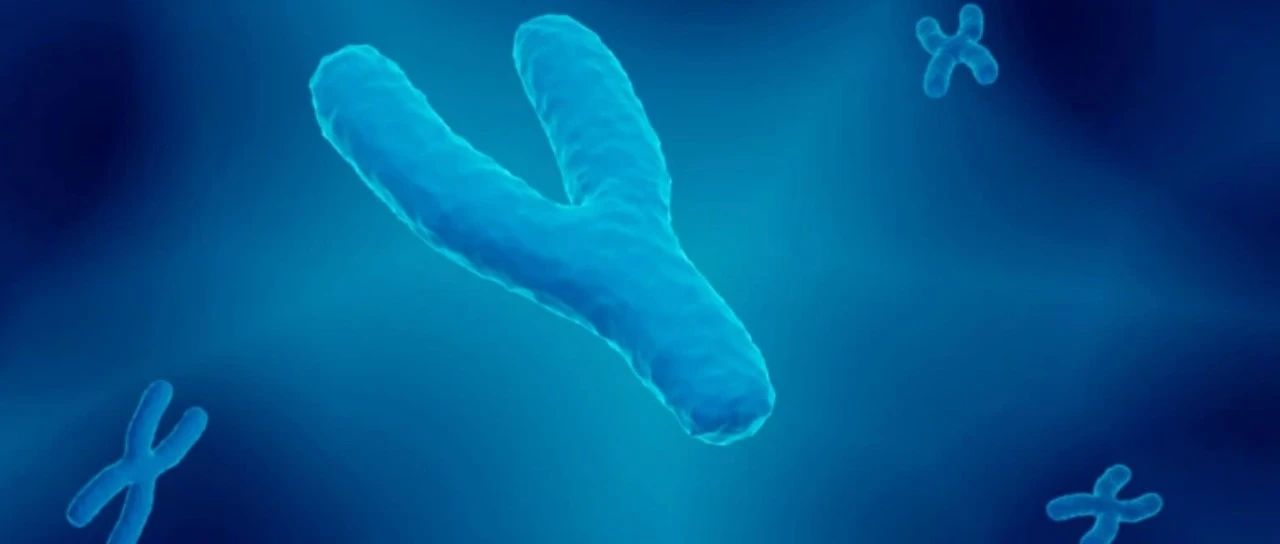
Nature头条:为何男性更容易死于癌症?陈兴宇等人揭示Y染色体的“丢失叛变”让癌症更致命
生物世界· 2025-06-11 04:01
Core Viewpoint - The article discusses the biological inequality in cancer prevalence and mortality between men and women, highlighting the role of Y chromosome loss (LOY) as a significant factor in cancer progression and immune response in men [1][5][31]. Group 1: Research Findings - A study published in Nature by Chen Xingyu reveals how LOY affects both tumor cells and T cells, leading to poorer outcomes for male cancer patients [3][4][6]. - LOY is common in older men, with over 20% of men aged 60 and over showing detectable LOY in peripheral blood cells, previously considered a sign of aging but now linked to cancer progression [13][19]. - The study integrates data from over 4,000 male cancer samples and more than 1 million single-cell transcriptomic data, exploring the origins and clinical significance of LOY [19]. Group 2: Mechanisms of LOY - LOY not only occurs in tumor cells but also spreads to immune cells, particularly T cells, leading to a loss of anti-cancer capabilities [6][22]. - The presence of LOY in T cells correlates with immune suppression and functional exhaustion, indicating a systemic collapse in the immune response against cancer [21][28]. - The study suggests that LOY contributes to a "tumor-immune escape" mechanism, allowing cancer cells to proliferate unchecked [28]. Group 3: Clinical Implications - The findings propose a new LOY scoring system for survival prediction, which could aid in personalized treatment strategies for cancer patients [25][32]. - In cell therapies like CAR-T or TIL, the LOY status of reinfused cells should be a critical quality control metric to avoid reintroducing dysfunctional T cells [34]. - Future therapies targeting LOY-related immune deficiencies may represent a new direction in cancer immunotherapy [35]. Group 4: Gender Differences in Cancer - The study highlights that while the Y chromosome is male-specific, many key immune genes on the Y chromosome have homologous copies on the X chromosome in females, potentially explaining the stronger immune defenses in women [30][31]. - Understanding LOY provides insights into the molecular roots of gender differences in cancer susceptibility and outcomes [31][38].
Nature Medicine:戈宗元/燕思远团队开发用于皮肤疾病诊治的AI模型
生物世界· 2025-06-11 04:01
Core Viewpoint - The integration of artificial intelligence (AI) in the diagnosis and management of skin diseases is urgent, as current AI models are limited to isolated tasks and lack the ability to integrate various data types and imaging modalities, reducing their practical applicability in clinical settings [1][6]. Group 1: AI in Dermatology - Dermatology is complex, encompassing a wide range of conditions from common skin diseases to life-threatening malignancies, necessitating a comprehensive, patient-centered approach that integrates various clinical workflows [2]. - The recent study published by the Monash University team introduced a multimodal vision foundation model for clinical dermatology named PanDerm, which achieved state-of-the-art performance across 28 benchmark tests, surpassing clinical doctors in early melanoma detection and improving diagnostic accuracy for non-dermatologists [3][12]. Group 2: Development of PanDerm - PanDerm is a universal, multimodal dermatological foundation model designed to integrate multiple imaging modalities, pre-trained on over 2 million images from 11 institutions across four imaging types, demonstrating superior data scalability and training efficiency compared to existing self-supervised algorithms [8][10]. - The model's pre-training involved self-supervised learning techniques, enabling comprehensive analysis of patients across various clinical workflows by achieving unified representation learning of full-body skin imaging and clinical images [11]. Group 3: Clinical Performance and Impact - In evaluations, PanDerm outperformed existing models, achieving advanced performance in all assessment tasks, often using only 10% of the labeled data [11]. - The model demonstrated a 10.2% higher performance in early melanoma detection compared to clinical doctors, an 11% improvement in skin cancer diagnosis accuracy for clinical image analysis, and a 16.5% increase in diagnostic accuracy for 128 skin conditions among non-dermatology medical personnel [12][13].