经济观察报

Search documents
黄金日内振幅近10%,贵金属牛市结束了吗?
经济观察报· 2026-01-30 08:07
其中,伦敦现货黄金半小时内狂泻超400美元至5100美元/盎司附近,单日振幅近10%。现货白 银跌超8%,失守107美元/盎司关口。COMEX黄金跌近4%,COMEX白银跌6%。现货铂金跌近 7%,现货钯金跌近5%。 华闻期货研究所所长程小勇对经济观察报记者表示,贵金属的大幅回调,与三大风险有很大关系: 一是美联储在1月没有继续降息;二是避险买盘消退,反映市场恐慌的VIX指数在1月29日降至 16.88,一般高于20代表市场恐慌;三是贵金属多头甚至程序化交易的持仓集中平仓所致,因贵 金属多头极度拥挤,一开始是小范围止盈平仓,稍后会因引发大范围的多头踩踏式出逃。 一位头部期货公司副总经理对经济观察报记者表示,黄金大涨后大跌,日内波动500美元。前期地 缘政治紧张格局,包括美国和委内瑞拉、美国和伊朗导致黄金白银加速上涨。另外,弱美元也加强 了这一走势。最近十个交易日黄金涨幅超过一千美元,不断打破历史新高,过快的上涨导致部分获 利盘了结头寸,出现大幅波动。 狂飙突遇暴跌 截至1月30日上午休市,COMEX黄金期货最活跃合约较历史高点回落幅度超过7%,跌破了5200 美元/盎司;上海黄金期货4月合约价格较昨日创下的高 ...


“投资取经团”为何涌向山东?
经济观察报· 2026-01-30 02:58
从苛刻的筛选、分段的风险控制、深度的资源赋能,到最终的 生态化价值兑现,山东头部创投机构正在持续探索投资路径。 山东的破题之道,不是简单的"允许亏损",而是构建了一 套"尽职合规为前提、差异化考核为核心、市场化手段为支 撑、社会资本协同为补充"的容错平衡术。 作者:王雅洁 封图:图虫创意 2026年1月27日,山东省第十四届人民代表大会第四次会议开幕,省政府工作报告将"积极扩大有 效投资"列为年度重点,明确推进2000个省级重点项目、完成投资9800亿元以上。 不久前,山东省政府印发《山东省引育长期资本促进创业投资高质量发展的行动方案》,吸引培育 更多长期资本和耐心资本支持山东高质量发展。《行动方案》提出,力争到2027年年末,投资山 东的创业投资金额年均增长10%以上,管理规模超过4000亿元,存续基金数量保持在3800只左 右,全省创投基金"投早投小投硬科技"的比例超过80%,股权投资对企业上市的渗透率超过 90%,推动形成"产业、科技、金融"高水平循环,全力打造全国科技金融改革试验区和创业投资 高地。 这一目标的底气,源于正在快速成型的资本生态:以鲁信创业投资集团股份有限公司(以下简 称"鲁信创投")、 ...


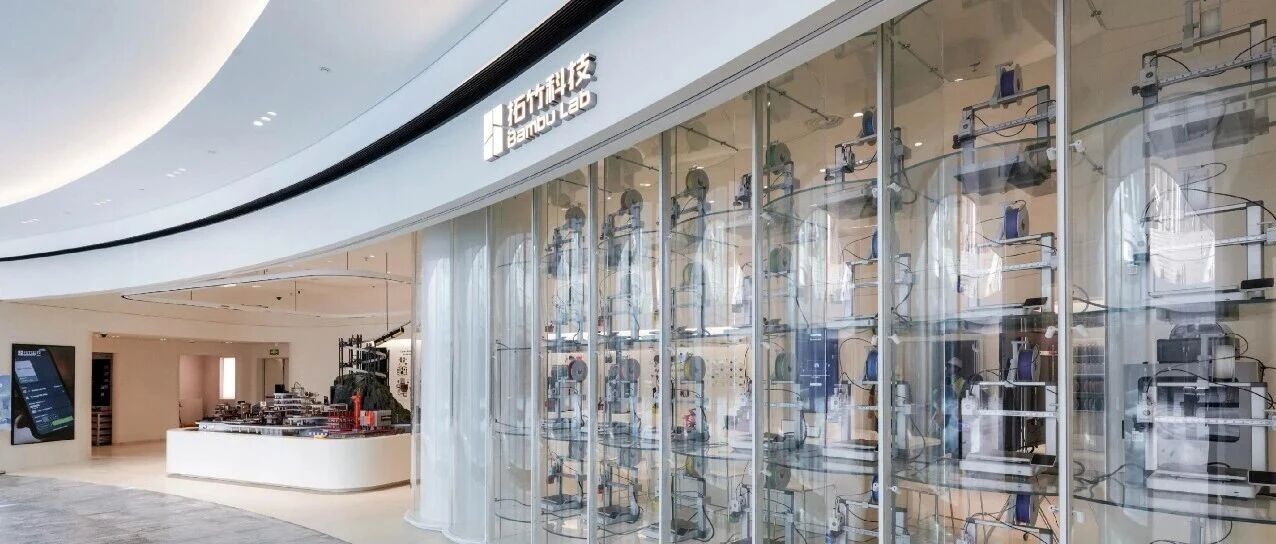
一亿元捐赠背后:为什么硬科技需要“动手”的年轻人?
经济观察报· 2026-01-30 02:30
中国制造业既需要仰望星空的科学家,也需要脚踏实地的工程 师,让两者在同一家企业获得体面的回报,发挥各自所长,相 互成就,是下一代科技制造业发展的必然要求。 作者:郑晨烨 封图:图片资料室 2026年1月,深圳一家高科技企业宣布了一项计划,向10所高校捐赠1亿元人民币。 在受赠名单中,可以看到哈尔滨工业大学、西安交通大学、中国科学技术大学等传统"C9"工科名 校,也看到了中国美术学院这类顶尖艺术院校,但在这些名字之间,深圳职业技术大学(深职大) 的出现,显得有些不同寻常。 将一所职业技术大学与国内顶尖的研究型高校并列,这在以往的企业大额捐赠中并不多见。 本次捐赠的发起方是拓竹科技,一家处于高速成长期的硬科技公司。据了解,这份名单基于公司内 部人才数据的统计,这10所高校,正是其核心技术人才的重要来源地,而这笔资金,也将重点流 向那些最能培养"实战能力"的领域。 将这一动作置于当下的就业环境中,很多逻辑便不难理解。 近年来,"就业"成为最具公共情绪张力的议题。首都经济贸易大学劳动经济学院副教授张成刚近 日在《经济观察报》发表的文章中指出:"岗位并非消失了,但'好找、好干、敢干的工作'的可获 得性正在下降。" 一方 ...
外贸企业外汇套保疾进
经济观察报· 2026-01-29 14:53
Core Viewpoint - The rapid growth of foreign exchange hedging in the past five years has become a crucial tool for companies to mitigate exchange rate risks, with a significant increase in the scale and adoption of such strategies among enterprises [3][4]. Group 1: Growth of Foreign Exchange Hedging - In 2025, the scale of enterprises using foreign exchange derivatives to manage exchange rate risks exceeded $1.9 trillion, nearly doubling since 2020 [3]. - The foreign exchange hedging ratio among enterprises reached 30%, an increase of 8 percentage points compared to 2020, indicating a stronger awareness and operational capability in managing exchange rate risks [3]. Group 2: Demand for Hedging - The demand for foreign exchange hedging remains robust, as many export enterprises face declining profit margins due to intense market competition, with some reporting export profit margins below 5% [4]. - Companies are increasingly concerned about rapid appreciation of the RMB against the USD, which could significantly reduce their foreign exchange earnings and profits [4][8]. Group 3: Changing Attitudes Towards Hedging - There has been a notable shift in the attitude of foreign trade enterprises towards foreign exchange hedging, with many now actively seeking hedging solutions rather than questioning their utility [8]. - In 2025, numerous foreign trade enterprises participated in promotional activities for foreign exchange hedging, reflecting a significant change from previous years when interest was minimal [8]. Group 4: Psychological Factors - Over 60% of enterprise leaders exhibit a "swinging psychology," recognizing the benefits of foreign exchange hedging while still holding onto a speculative mindset, hoping to time the market for better exchange rates [11]. - This speculative approach can lead to increased exposure to foreign exchange risks, as companies may gamble on favorable currency movements instead of securing stable rates through hedging [11][12]. Group 5: Cost Concerns - High costs associated with foreign exchange hedging are a significant barrier for many small and medium-sized enterprises, with some opting out of hedging when costs exceed 10% of their profits [16][17]. - The current interest rate differentials between China and the U.S. have pushed up the costs of hedging, making it less attractive for companies [19][20]. Group 6: Solutions and Strategies - To address the high costs of foreign exchange hedging, initiatives such as foreign exchange option fee subsidies are being implemented, which could reduce costs by up to 70% for small and medium-sized enterprises [20]. - Companies are encouraged to adopt a more systematic approach to hedging, focusing on long-term financial stability rather than short-term speculative gains [14][21].

红包轰炸AI社交,这场竞争“很中国”
经济观察报· 2026-01-29 14:53
随着更多大厂的加入,2026年的AI(人工智能)竞争正在变得空前激烈。 1月25日,腾讯宣布将于2月1日上线春节活动,用户在旗下AI应用"元宝"上参与活动即可分现金红包,"元宝"还同时上线了社交功能"元宝派"。同一 天,百度也宣布,其AI应用"文心助手"于1月26日上线春节红包活动,用户同样可通过参与活动分享现金红包。 腾讯、百度选择"红包轰炸",正是在用"最中国"的方式,试 图缩短用户从"知道AI"到"依赖AI"的教育曲线。 作者: 陈白 封图:图虫创意 上一次互联网科技领域出现类似场景,还要追溯到移动互联网爆发前后。那时,打车大战的硝烟、外卖补贴的狂欢,以及微信红包横空出世对传统金融 的"珍珠港偷袭",共同构成了中国互联网一段热气腾腾的记忆。 当然,激烈的竞速也对大厂提出了更高要求。红包能带来短期的流量激增,但真正留住用户的,必然是AI社交背后那份不可替代的"智能价值"。我们 期待看到的,不只是红包金额的攀升,更是大模型理解力的进阶、智能体响应速度的飞跃,以及生产生活交互界面的革新。这场良性竞速的最终受益 者,是每一个普通用户。 如今,这种久违的"砸钱"节奏与"社交"叙事的合体,像极了一场"中式梦核"—— ...

指数基金销售渠道暗战:蚂蚁的流量密码与招行的存量运营
经济观察报· 2026-01-29 14:53
Core Insights - The article highlights the competitive landscape of the public fund industry, particularly focusing on the dominance of Ant Fund and the contrasting strategies of different financial institutions in the ETF market [1][2][3]. Group 1: Market Overview - Ant Fund leads the non-cash fund market with a total holding of 15,675 billion yuan, followed by China Merchants Bank (CMB) at 10,419 billion yuan, ranking second [1][6]. - The ETF market has seen significant growth, surpassing 60,000 billion yuan, with an increase of over 20,000 billion yuan within the year [2]. Group 2: Competitive Dynamics - The rise of ETFs is reshaping the power dynamics within financial channels, emphasizing the disparity in profit and influence among different players [3][5]. - The rapid growth of the CSI A500 index products has positioned them as the second-largest in the broad-based index fund category, with several public fund institutions surpassing 40 billion yuan in scale [5]. Group 3: Channel Strategies - The success of Ant Fund in selling ETFs is attributed not merely to its large user base but to its ability to simplify complex index investments into a user-friendly service experience [9]. - CMB's approach contrasts with Ant Fund, viewing index funds as tools for meeting existing clients' asset allocation needs rather than merely a means to generate traffic [11]. Group 4: Institutional Insights - Securities firms have emerged as significant players in the ETF market, with seven firms holding nearly 40% of the sales volume in stock index funds, totaling 5,316 billion yuan [13]. - The advantages of securities firms include their ability to cater to trading-oriented clients, which aligns well with the characteristics of ETFs as trading tools [13]. Group 5: Future Trends - The article suggests that the competition in ETF channels indicates future trends, including increased specialization among channels, with securities firms focusing on trading needs, banks on relationship maintenance, and third-party platforms on user experience [14]. - The public fund industry is expected to see a shift towards service-oriented models, with a decline in traditional commission-based sales and a rise in advisory fees and collaborative revenue models [14][15].


助贷公司广告“绑定”微信为哪般?
经济观察报· 2026-01-29 13:19
一位广告行业人士向经济观察报记者透露,助贷或贷款机构广 告如此做,是为了"蹭流量",借助微信提升曝光和点击。 作者:刘颖 封图:图虫创意 2026年1月28日,刘先生在微信朋友圈刷到一则借款广告。 广告中"微信里信用飞可以借钱了""微信支付使用2年了,我在微信上信用飞借到了15万8!!"等 话术反复提及微信。 而当刘先生点击广告跳转链接后,发现进入到一个名为"信用飞"的借款小程序,却再无"微信"相 关字样,显示的资金来源为小米消金等。"我第一眼看到这个朋友圈广告时,还以为是微信推出的 贷款产品,难道互联网大厂的尽头都是放贷吗?"刘先生说。 让刘先生疑惑的是,信用飞与微信、微信支付是什么关系,使用微信支付2年真的能借到这么多 钱? 在这一过程中,并未再出现"微信"相关字样。 针对该广告引发的用户误解,腾讯方面回应,经核实,该广告主体为上海晓途网络科技有限公司 (信用飞平台经营主体)。为了防止用户误解为腾讯提供的服务,平台要求广告账号名称需明确露 出广告主品牌,同时在广告页面添加明确警示语。 腾讯方面表示,腾讯广告根据相关法律法规,从广告主准入、内容发布到广告巡查等环节建立了一 系列审核标准和规范流程。用户如发现 ...

超千亿核电新账本:山东如何跑通商业路径?
经济观察报· 2026-01-29 02:40
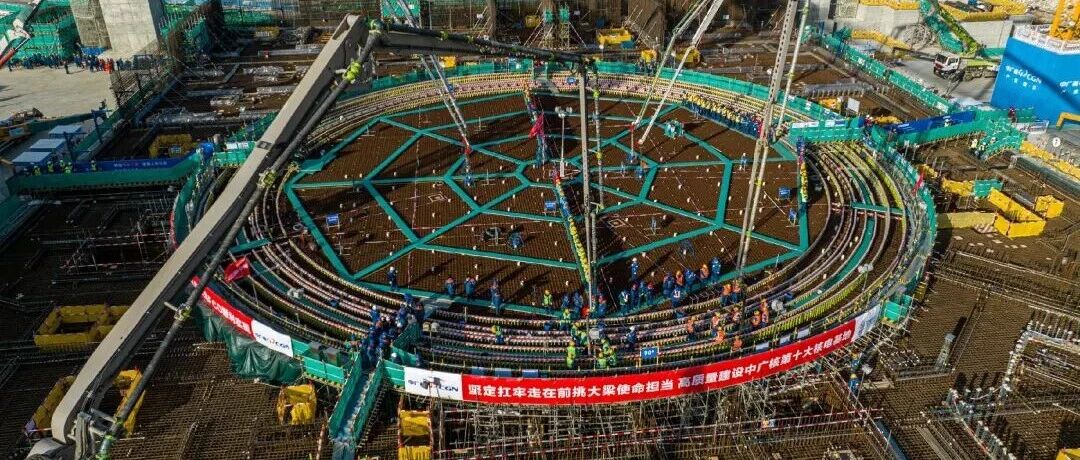
Core Viewpoint - Shandong Province is pioneering the world's first commercial nuclear heating project, "Warm Nuclear No. 1," extending the nuclear energy industry chain from electricity generation to urban heating networks, marking a significant shift in energy structure and a revolution in the "nuclear+" business model [3][4]. Summary by Sections Nuclear Power Development Goals - By 2030, Shandong aims to have an operational nuclear power capacity exceeding 13 million kilowatts and a nuclear heating area targeting 200 million square meters, forming a nuclear energy industry cluster worth 500 billion [3][22]. Commercial Model and Challenges - The commercial model involves a collaboration between nuclear power plants, government platforms, long-distance pipeline companies, and heating companies, which is essential for the sustainable replication of the model [5][11]. - Key challenges include unstandardized design and construction, cross-regional coordination, and profit distribution mechanisms [5][4]. Economic Viability - The cost of nuclear heating is comparable to that of thermal power, with a cost control of 50 to 60 yuan per gigajoule within a 50-kilometer radius, significantly lower than traditional coal and natural gas heating [9][8]. Infrastructure and Coordination - A communication mechanism involving government leadership and enterprise participation has been established to facilitate the construction of a 83-kilometer main pipeline [14][11]. - The transition from local to cross-city coordination has increased complexity, necessitating repeated discussions on heat source distribution and maintenance responsibilities [13][14]. Technological and Market Dynamics - The nuclear power market in Shandong features diverse technological routes, including AP1000 and domestically developed technologies, which can lead to higher operational costs and challenges in standardization [17][18]. - The introduction of private capital into nuclear projects, such as the Zhaoyuan nuclear project, represents a significant shift in capital structure and aims to alleviate financial pressure on state-owned enterprises [19][20]. Local Industry Development - Local equipment manufacturing has gained opportunities due to the nuclear heating projects, with companies like Yantai Taihai Nuclear Power securing significant orders [20][19]. - The establishment of a long-distance pipeline company as a new commercial entity is crucial for the cross-regional replication of the nuclear heating model [20][21]. Strategic Planning for the 14th Five-Year Plan - The strategic layout of Shandong's nuclear power development has evolved to encompass a comprehensive energy system and a 500 billion-level nuclear energy industry cluster [22][21]. - The provincial energy bureau has set clear quantitative targets for nuclear power capacity, heating area, and industry scale by 2025 and 2030 [22][23]. Policy and Standardization Efforts - Shandong is exploring policy solutions to address challenges in standardization, coordination, and funding, including the establishment of a provincial-level coordination agency or fund [24][25]. - The focus is on creating a market-oriented, diversified financing mechanism to attract more social capital into the nuclear energy sector [25][24].


投保易、理赔难!互联网意外险里“藏”了多少特别约定?
经济观察报· 2026-01-28 13:21
随着互联网保险的蓬勃发展,短期意外险、健康险等产品迅速 占领市场,但在推销时偏重低保费、高保额、投保便捷等卖 点,却甚少提示隐藏在《投保须知》《特别约定》或《免责条 款》中的限制性内容。 作者:姜鑫 封图:图虫创意 起初收到拒赔通知时,朱女士感到十分诧异。 2025年底,朱女士因突发车祸意外受伤住院。在医疗费用已通过医疗险报销后,朱女士想起家人 给她在互联网上购买的意外险中包含住院津贴责任,于是向保险公司提出理赔申请,却收到了拒赔 通知,保险公司的理由是,其就诊的医院属于保险责任除外范围。 让朱女士困惑的是,这份保费318元的老年意外险虽然在保单中载明"二级或二级以上医院普通 部"就医均在保障范围内,但在特别约定里却列出了数量众多的除外医院。 随着互联网保险的蓬勃发展,短期意外险、健康险等产品迅速占领市场,但在推销时偏重低保费、 高保额、投保便捷等卖点,却甚少提示隐藏在《投保须知》《特别约定》或《免责条款》中的限制 性内容。 除外责任有多长 简单风控背后 一位财险从业人士称,设置广泛的"除外医院"或"除外地区",是保险公司和销售高性价比产品的 互联网保险平台控制理赔风险、维持低成本运营的核心手段之一。"通过大 ...

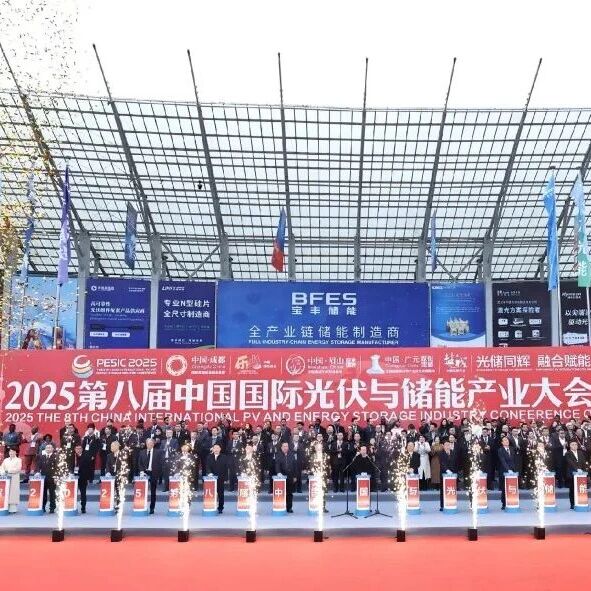
共筑全球能源新生态!2026第九届中国国际光伏与储能产业大会向世界发出诚挚邀约
经济观察报· 2026-01-28 12:24
Core Viewpoint - The article highlights the significant growth and development of the photovoltaic and energy storage industry in China, emphasizing the upcoming 2026 China International Photovoltaic and Energy Storage Industry Conference as a pivotal event for industry collaboration and innovation [1][6]. Group 1: Industry Growth and Development - As of September 2025, China's renewable energy installed capacity reached nearly 2.2 billion kilowatts, a year-on-year increase of 27.2%, accounting for approximately 59.1% of the total installed capacity [2]. - The installed capacity of new energy storage exceeded 100 million kilowatts, representing a growth of over 30 times compared to the end of the 13th Five-Year Plan, with over 40% of the global total installed capacity [2]. - The 2025 National Energy Work Conference outlined a clear path for energy development, aiming for an additional 200 million kilowatts of wind and solar power installations in 2026, creating substantial market opportunities for the photovoltaic and energy storage sectors [2]. Group 2: Conference Highlights and Achievements - The 2025 conference resulted in over 33 billion yuan in signed cooperation projects, covering various aspects of the new energy industry, including photovoltaic projects, energy storage, and smart energy solutions [4]. - The event has evolved from a simple forum to a comprehensive platform for exhibitions, discussions, and collaborations, expanding its global network and influence [4]. - The upcoming 2026 conference aims to facilitate high-level discussions on policy interpretation, industry collaboration, and international cooperation, marking a new phase in the development of the photovoltaic and energy storage industry [6][7]. Group 3: Future Outlook - The 2026 conference will focus on integrating policies and market forces to drive the industry towards high-quality development, with expectations for authoritative forums, technology summits, and practical cooperation opportunities [6][7]. - The emphasis on AI integration in energy management and the exploration of hydrogen and nuclear energy as future energy sources are highlighted as key areas for innovation and growth [2].