傅里叶的猫

Search documents
H20恢复供应,市场如何
傅里叶的猫· 2025-07-15 14:36
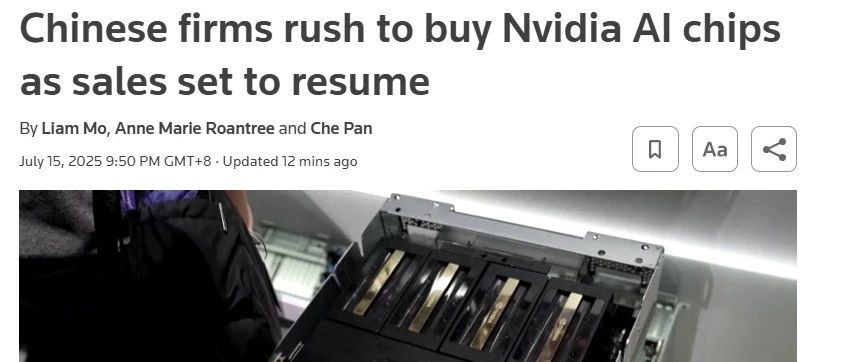
Core Viewpoint - The H20 market is experiencing high demand, with potential buyers urged to act quickly due to limited supply and significant interest from Chinese companies [1][4]. Supply and Demand - Current H20 supply consists of existing inventory, with estimates ranging from 300,000 to 400,000 units or 600,000 to 1,000,000 units, indicating a limited availability [1]. - Chinese enterprises are rapidly purchasing H20, with large companies submitting substantial applications [1]. Technical Aspects - Discussions on transitioning from H200 (or H800) to H20 suggest the use of "point cutting" technology for hardware downscaling, differing from previous software methods [2]. - There are indications that after the ban on H20, Nvidia considered reverting H20 back to H200, but the high costs led to abandonment of this plan [2]. Market Impact - The release of H20 is expected to negatively impact certain sensitive companies, although specific names are not disclosed [3]. - Once the existing H20 inventory is sold out, it is unlikely that new H20 units will be produced, as Nvidia is focusing on the Blackwell series [3]. Buyer Recommendations - Potential buyers are advised to act without hesitation, as future availability may become constrained [4].


二季度财报前聊聊台积电
傅里叶的猫· 2025-07-14 15:43
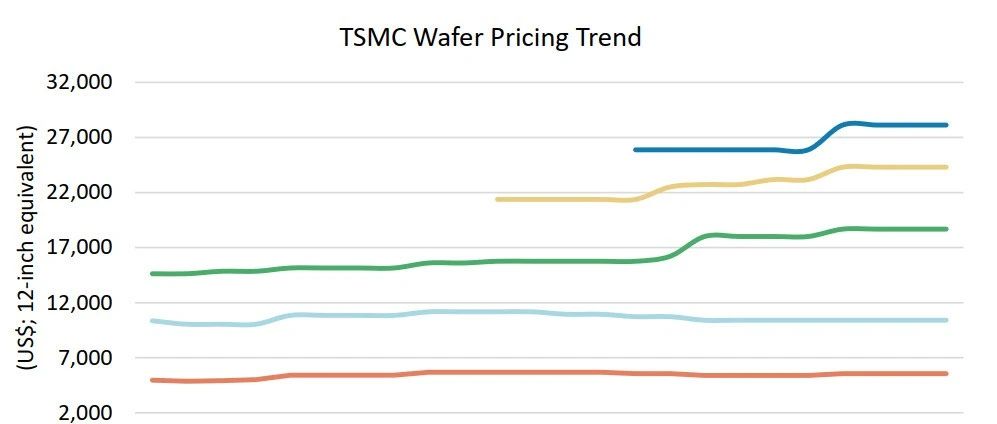
Group 1: TSMC's Investment and Pricing Strategy - TSMC plans to invest $165 billion in capacity expansion in the U.S., which may increase its chances of tariff exemptions [1] - TSMC's management indicated that potential semiconductor tariffs could suppress electronic product demand and reduce company revenue [1] - Due to inflation and potential tariff costs, TSMC expects profit margins from overseas factories to erode by 3-4 percentage points in the later years of the next five years [1] Group 2: Wafer Pricing and Currency Impact - TSMC is expected to increase wafer prices by 3%-5% globally due to strong demand for advanced processes and structural currency trends [2] - U.S. customers are reportedly locking in higher quotes for 4nm capacity at TSMC's U.S. factories, with plans to raise wafer prices by at least 10% [2] Group 3: 2nm Capacity Expansion - TSMC plans to start mass production of 2nm technology in the second half of 2025, with significant demand anticipated [5] - The projected capacity for 2nm will be 10k wafers per month (kwpm) in 2024, increasing to 40-50 kwpm in 2025, and reaching 90 kwpm by the end of 2026 [5] - Major clients for 2nm technology will include Apple, AMD, and Intel, with Apple expected to adopt the technology in Q4 2025 [5][6] Group 4: AI and Cryptocurrency Demand - By the end of 2026, AI ASICs will begin utilizing 2nm capacity, with increased usage expected in 2027 [6] - The contribution of cloud AI semiconductor business to TSMC's revenue is projected to rise from 13% in 2024 to 25% in 2025, and further to 34% by 2027 [12] Group 5: B30 GPU and Market Demand - TSMC's Blackwell chip production is expected to align with the demand from NVL72 server rack shipments, with a projected shipment of 30,000 racks in 2025 [10] - The design of the Chinese version of the B30 GPU is anticipated to be similar to the RTX PRO 6000, with demand continuing to grow [12] - If the B30 can be sold in China, it could account for 20% of TSMC's revenue growth in 2026 [12]

中国市场各云服务商水平到底咋样
傅里叶的猫· 2025-07-13 14:59
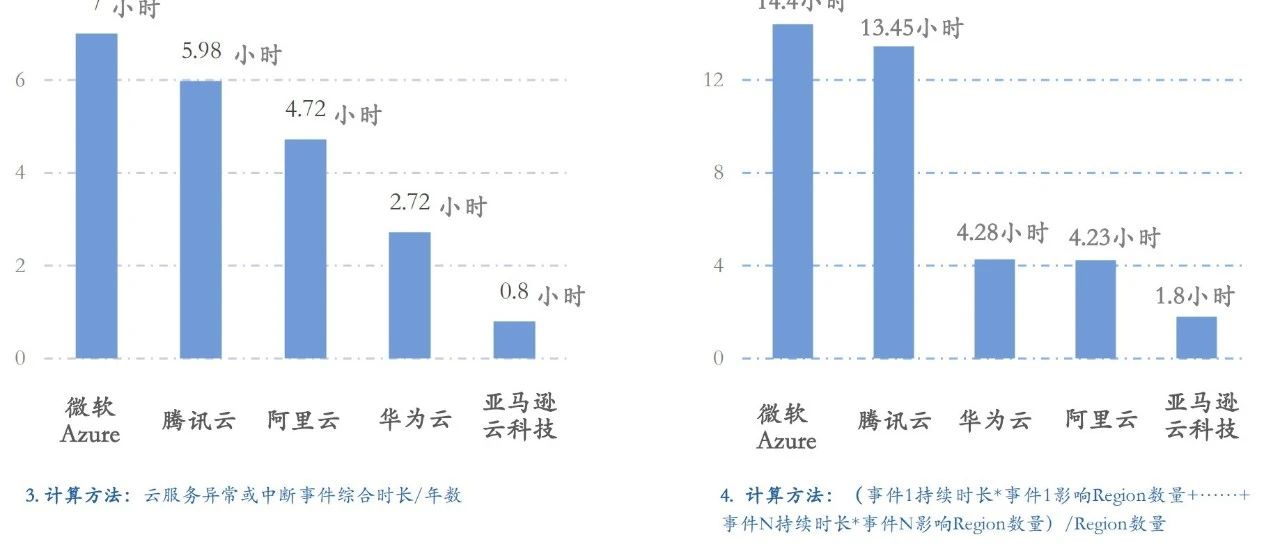
Core Viewpoint - The article analyzes the resilience of cloud service providers in China, focusing on their infrastructure and reliability, highlighting Amazon Web Services (AWS) as the most resilient provider, followed by Huawei Cloud, Alibaba Cloud, Tencent Cloud, and Microsoft Azure [1][10]. Infrastructure Deployment - AWS has a minimum of 3 availability zones in each region, achieving 100% physical isolation and supporting multi-availability zone deployments [3]. - Huawei Cloud has 1 region with 75% of its availability zones, but lacks support for multi-availability zone deployments [3]. - Alibaba Cloud has 1 region with 42% availability zones, facing risks of large-scale outages due to lack of physical isolation [3]. - Tencent Cloud has 1 region with 75% availability zones, but has single point deployments that complicate recovery during service disruptions [3]. - Microsoft Azure has no regions with multiple availability zones, resulting in a higher risk of service interruptions [3]. Actual Performance - From January 1, 2023, to March 31, 2025, AWS maintained an average service interruption time of less than 1 hour, achieving 99.9909% availability, outperforming its SLA commitments [6][8]. - Huawei Cloud had an average availability of 99.9689%, with a higher frequency of interruptions but shorter individual downtime compared to Alibaba and Tencent [6][8]. - Alibaba Cloud's average downtime was 2.12 hours, with significant global outages affecting its performance [8]. - Tencent Cloud had the longest average downtime among local providers, at 5.73 hours, indicating weaker infrastructure resilience [8]. - Microsoft Azure's performance was hindered by a lack of physical infrastructure, resulting in a 99.9201% availability [7][9]. Resilience Ranking - The ranking of cloud service providers based on resilience is as follows: AWS, Huawei Cloud, Alibaba Cloud, Tencent Cloud, and Microsoft Azure [10].




英伟达B30芯片:参数、互联网订单情况更新
傅里叶的猫· 2025-07-12 10:58
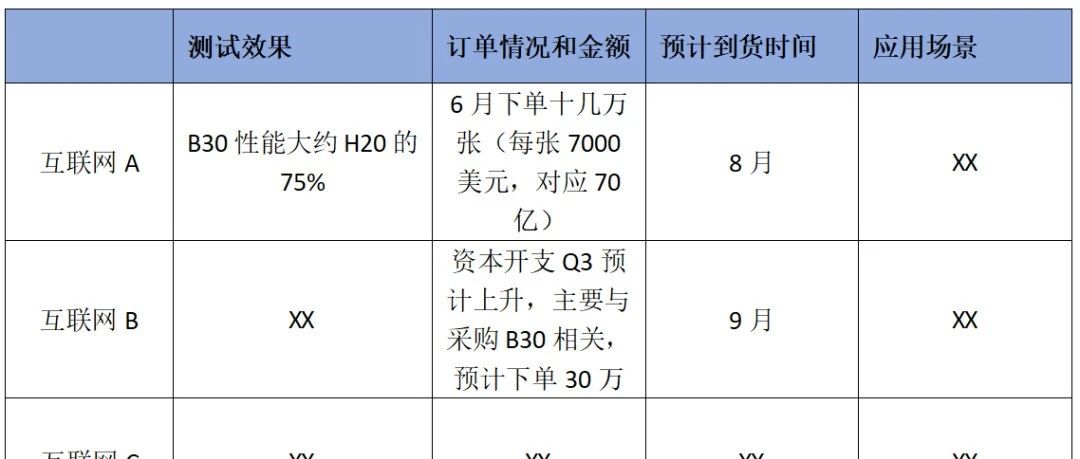
Core Viewpoint - The article discusses the significance of NVIDIA's upcoming B30 chip for the Chinese market, highlighting its competitive pricing and performance advantages over domestic alternatives [1][2]. Group 1: B30 Chip Overview - The B30 chip is expected to be a modified version of NVIDIA's Blackwell architecture, lacking NVlink and using GDDR memory instead of HBM, with a multi-card interconnect bandwidth of approximately 100 to 200 GB/s [1]. - Despite its limitations, the B30 is anticipated to outperform domestic chips in terms of usability due to the established CUDA ecosystem, which remains unmatched by local alternatives [1][2]. Group 2: Pricing and Market Demand - The B30 is priced between $6,000 and $8,500, making it potentially half the cost of domestic cards while maintaining comparable performance [2]. - Initial testing results from major companies indicate strong performance, with significant orders expected, including a projected order of 100,000 units from one internet company [2]. Group 3: Application Scenarios - The B30 is positioned as an optimal solution for small to medium model inference, particularly in applications like intelligent customer service and text generation, where its efficiency can be enhanced through multi-GPU configurations [3][4]. - In cloud services, the B30 can serve as a low-cost computing pool, with a test showing that 100 B30 units can support lightweight training of models with billions of parameters, reducing procurement costs by 40% compared to H20 [4].
GPU跟ASIC的训练和推理成本对比
傅里叶的猫· 2025-07-10 15:10
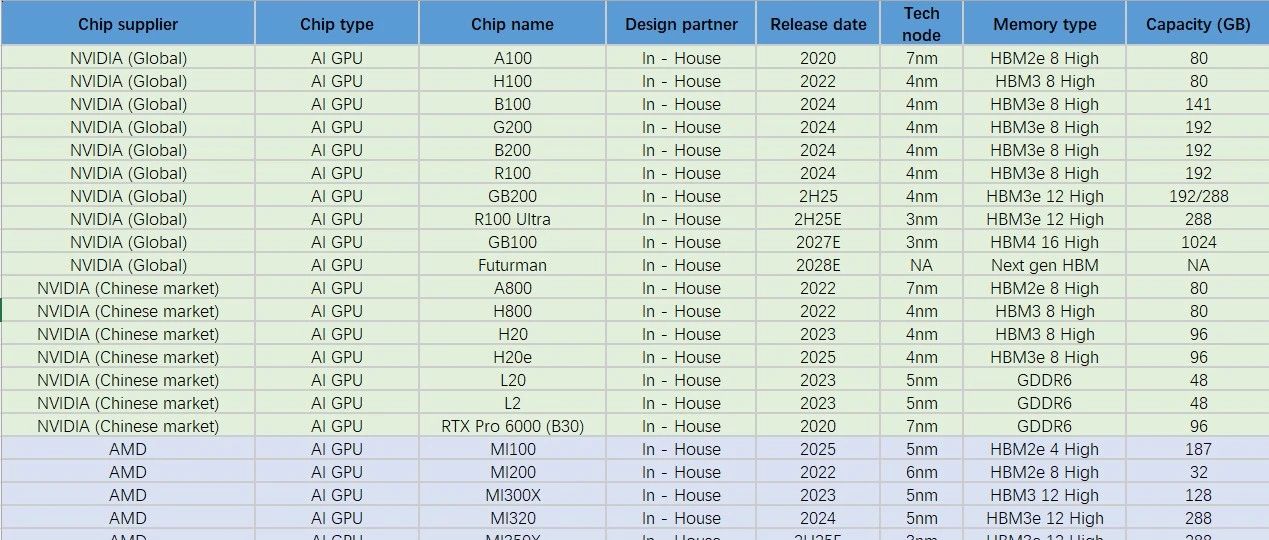
Core Insights - The article discusses the advancements in AI GPU and ASIC technologies, highlighting the performance improvements and cost differences associated with training large models like Llama-3 [1][5][10]. Group 1: Chip Development and Performance - NVIDIA is leading the development of AI GPUs with multiple upcoming models, including the H100, B200, and GB200, which show increasing memory capacity and performance [2]. - AMD and Intel are also developing competitive AI GPUs and ASICs, with notable models like MI300X and Gaudi 3, respectively [2]. - The performance of AI chips is improving, with higher configurations and better power efficiency being observed across different generations [2][7]. Group 2: Cost Analysis of Training Models - The total cost for training the Llama-3 400B model varies significantly between GPU and ASIC, with GPUs being the most expensive option [5][7]. - The hardware cost for training with NVIDIA GPUs is notably high, while ASICs like TPU v7 have lower costs due to advancements in technology and reduced power consumption [7][10]. - The article provides a detailed breakdown of costs, including hardware investment, power consumption, and total cost of ownership (TCO) for different chip types [12]. Group 3: Power Consumption and Efficiency - AI ASICs demonstrate a significant advantage in inference costs, being approximately ten times cheaper than high-end GPUs like the GB200 [10][11]. - The power consumption metrics indicate that while GPUs have high thermal design power (TDP), ASICs are more efficient, leading to lower operational costs [12]. - The performance per watt for various chips shows that ASICs generally outperform GPUs in terms of energy efficiency [12]. Group 4: Market Trends and Future Outlook - The article notes the increasing availability of new models like B300 in the market, indicating a growing demand for advanced AI chips [13]. - Continuous updates on industry information and investment data are being shared in dedicated platforms, reflecting the dynamic nature of the AI chip market [15].
美国的数据中心分布
傅里叶的猫· 2025-07-09 14:49
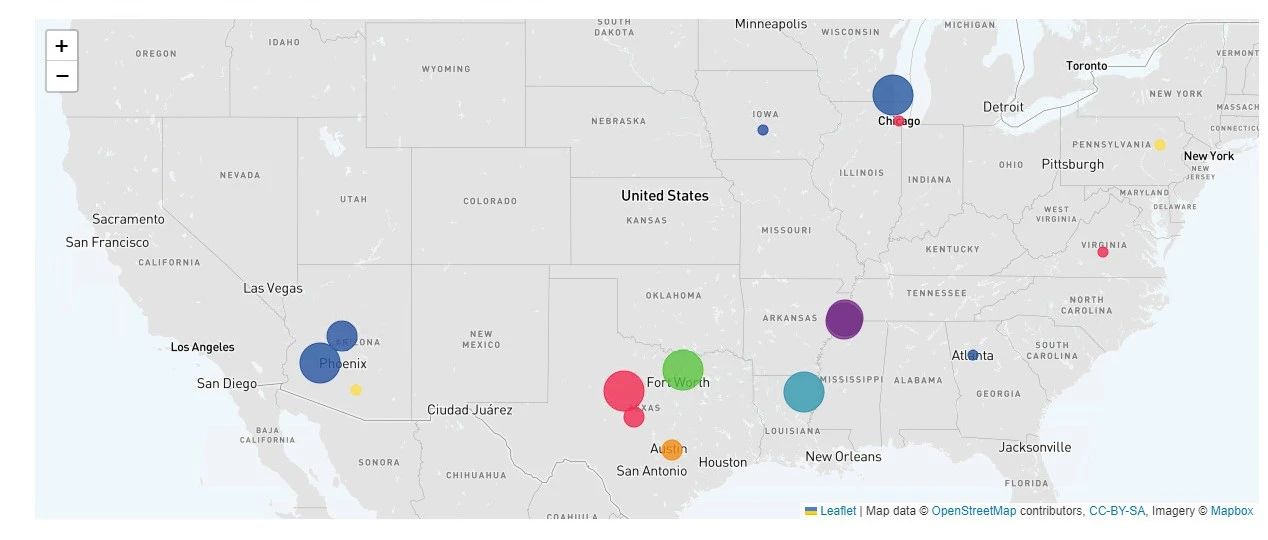
Core Insights - The article provides a comprehensive overview of AI data centers in the U.S., detailing their locations, chip types, and operational statuses, highlighting the growing investment in AI infrastructure by major companies [1][2]. Company Summaries - **Nvidia**: Operates 16,384 H100 chips in the U.S. for its DGX Cloud service [1]. - **Amazon Web Services (AWS)**: Plans to build over 200,000 Trainium chips for Anthropic and has existing GPU data centers in Phoenix [1]. - **Meta**: Plans to bring online over 100,000 chips in Louisiana by 2025 for training Llama 4, with current operations of 24,000 H100 chips for Llama 3 [1]. - **Microsoft/OpenAI**: Investing in a facility in Wisconsin for OpenAI, with plans for 100,000 GB200 chips, while also operating data centers in Phoenix and Iowa [1]. - **Oracle**: Operates 24,000 H100 chips for training Grok 2.0 [1]. - **Tesla**: Partially completed a cluster in Austin with 35,000 H100 chips, aiming for 100,000 by the end of 2024 [2]. - **xAl**: Has a partially completed cluster in Memphis with 100,000 H100 chips and plans for a new data center that could hold 350,000 chips [2]. Industry Trends - The demand for AI data centers is increasing, with several companies planning significant expansions in chip capacity [1][2]. - The introduction of new chip types, such as GB200, is being adopted by major players like Oracle, Microsoft, and CoreWeave, indicating a shift in technology [5]. - The competitive landscape is intensifying as companies like Tesla and xAl ramp up their AI capabilities with substantial investments in chip infrastructure [2][5].


GB200 出货量更新
傅里叶的猫· 2025-07-08 14:27
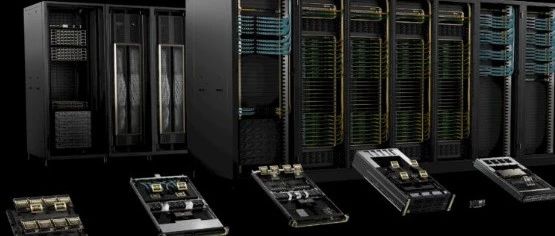
Core Viewpoint - The AI server market is dominated by NVIDIA, with the emergence of ASIC servers as a significant competitor, indicating a shift in the industry landscape [1][6]. Group 1: Market Growth and Projections - The global server market is expected to grow at a CAGR of 3% from 2024 to 2026, approaching a size of nearly $400 billion by 2026, with AI servers being the main growth driver [1]. - AI server shipments are projected to maintain double-digit growth, while overall server shipments will see a slight slowdown, with a 4% year-on-year increase in 2024 [1]. - High-end GPU servers, particularly those equipped with 8 or more GPUs, are expected to see over 50% growth in 2025 and a low 20% increase in 2026 [1]. Group 2: NVIDIA's Product Launches - The GB200 server began mass shipments in Q2 2025, with expected shipments of approximately 7,000 units, increasing to 10,000 units in Q3 2025 [3][4]. - The GB300 server is set to enter mass production in Q4 2025, with expected shipments in the thousands [2][3]. - The introduction of the next-generation Rubin chip is anticipated to raise the average selling price (ASP) of high-end AI servers, enhancing market size and supply chain opportunities [1]. Group 3: Competitive Landscape - While NVIDIA leads the market, major cloud service providers (CSPs) like Amazon, Meta, Google, and Microsoft are advancing with their ASIC servers, which offer cost and customization advantages [6][7]. - NVIDIA's GB200 chip boasts a BF16 performance of 2250 TFLOPS, significantly outperforming competitors' offerings in terms of performance [10]. Group 4: Future Market Opportunities - Broadcom predicts that the market for custom XPU and commercial network chips will reach $60-90 billion by FY2027, indicating substantial growth potential in the AI server market [8]. - Marvell anticipates a 53% CAGR growth in its data center market from 2023 to 2028, further supporting the upward trend in AI server demand [8].
聊一聊长鑫
傅里叶的猫· 2025-07-07 15:53
Core Viewpoint - The article discusses the potential listing wave in the semiconductor industry, particularly focusing on Changxin Memory Technologies (CXMT) and its advancements in DRAM and HBM production, highlighting the positive outlook from both domestic and international analysts [1]. Group 1: Company Developments - CXMT has initiated its listing guidance, indicating a potential trend of IPOs in the semiconductor sector [1]. - The company plans to start mass production of HBM2E in the first half of 2026, with small-scale production expected by mid-2025 [2]. - CXMT aims to deliver HBM3 samples by the end of 2025 and to begin full-scale production in 2026, with a long-term goal of developing HBM3E by 2027 [2]. Group 2: Production Capacity - According to Morgan Stanley, CXMT's HBM production capacity is projected to reach approximately 10,000 wpm by the end of 2026 and expand to 40,000 wpm by the end of 2028, responding to the growing demand in the AI market [4]. - In the DRAM sector, CXMT plans to increase its DDR5/LPDDR5 capacity to 110,000 wpm by the end of 2025, capturing 6% of the global DRAM capacity [5]. - The company’s DRAM chip production is expected to account for about 14% of the global market by 2025, although actual market share may drop to 10% due to yield issues [6]. Group 3: Technological Advancements - CXMT faces significant challenges in developing the D1 node without EUV lithography, particularly in yield improvement and chip size [7]. - The company has successfully manufactured DDR5 chips at the 1z nm node, although the chip size remains larger compared to competitors [7]. - CXMT has introduced a 16nm node 16Gb DDR5 chip, which is approximately 20% smaller than its previous 18nm third-generation DRAM [7]. Group 4: Market Position - CXMT's current production capabilities are still behind major international competitors, which utilize processes below 15nm [10]. - The company is actively participating in the DDR4 market while beginning to supply DDR5 samples to customers [10].
AI这条赛道,大家都在卷
傅里叶的猫· 2025-07-06 15:23
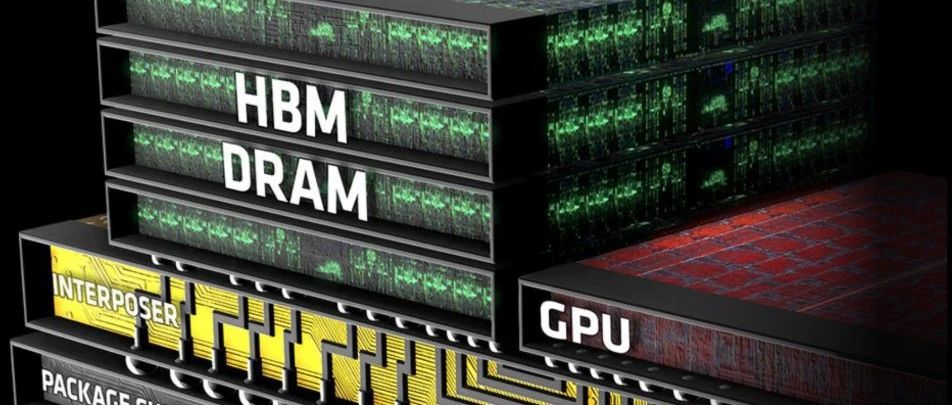
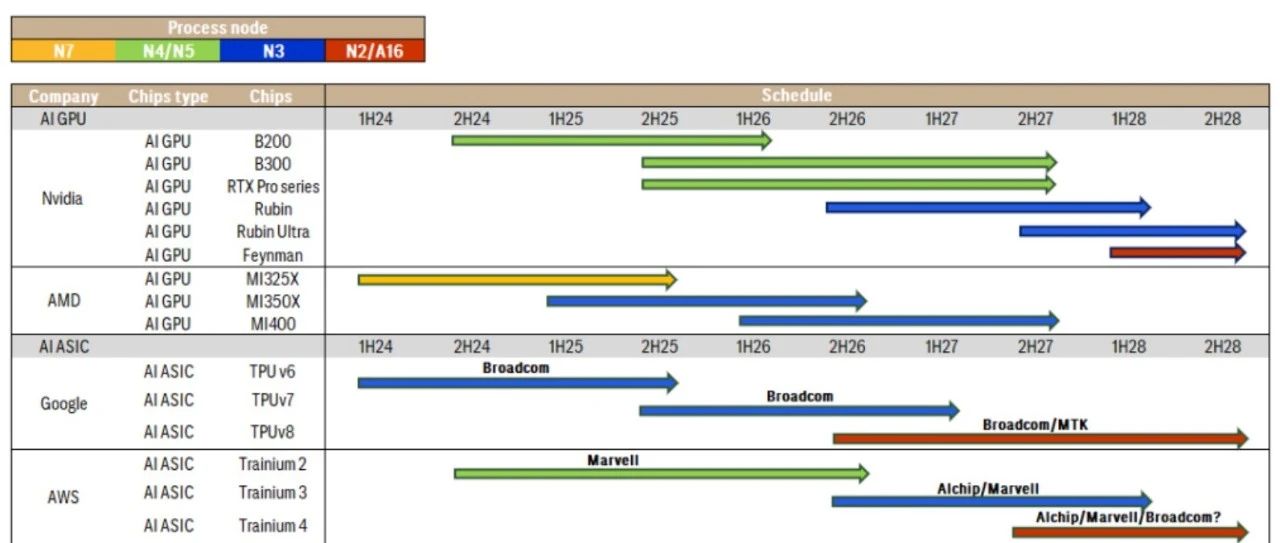
Core Viewpoint - The article discusses the intense competition for AI talent in Silicon Valley, highlighting the rapid advancements in AI technology and the aggressive recruitment strategies employed by major tech companies to attract top experts in the field [1][5][6]. Group 1: AI Talent Competition - Since the launch of ChatGPT at the end of 2022, there has been a significant increase in demand for mid to senior-level AI talent, while entry-level tech job demand has dropped by 50% [5][6]. - Silicon Valley and New York attract over 65% of AI engineers, despite high living costs and the flexibility of remote work [5][6]. - The scarcity of top AI talent is a critical factor in the competition, with estimates suggesting that only a few dozen to a thousand researchers can drive significant breakthroughs in AI technology [6]. Group 2: Recruitment Strategies - Major tech companies like Meta, OpenAI, Google DeepMind, and Anthropic are offering exorbitant salaries, stock incentives, and strategic acquisitions to secure AI talent [6][7]. - Meta has notably led a recruitment drive, successfully hiring several key researchers from OpenAI, enhancing its capabilities in AI development [7][8]. - Meta's recruitment offers include signing bonuses up to $150 million and total contract values reaching $300 million, which are considered highly competitive in the industry [9]. Group 3: AI Chip Development - AI chip manufacturers are releasing new platforms almost annually, with Nvidia's roadmap indicating new products based on the Rubin architecture expected to ship in the second half of next year [1][3]. - AMD is also set to release its MI400 chip in the first half of next year, indicating ongoing advancements in AI hardware [2].
基于PCIe XDMA 的高速数据传输系统
傅里叶的猫· 2025-07-05 11:41
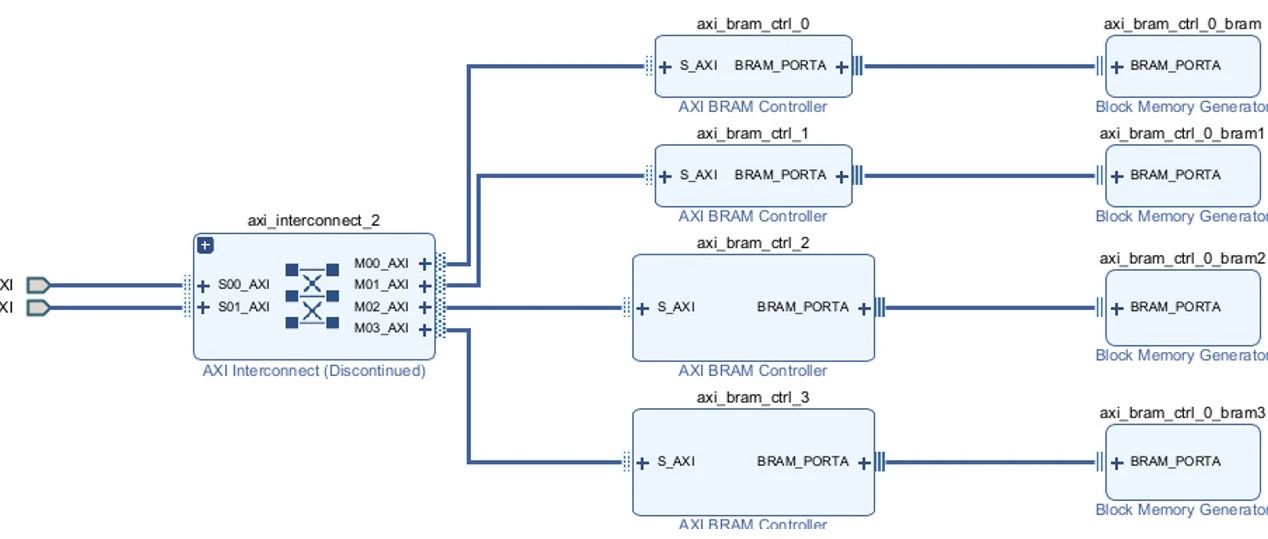
Core Viewpoint - The article discusses the design of a high-speed data transmission system using CXP acquisition cards based on PCIe interfaces, emphasizing the need for high bandwidth and reliability in video data transmission. Group 1: System Design - CXP acquisition cards typically utilize PCIe interfaces to achieve data transmission bandwidths of 12.5G for 4lane/8lane or 40G/100G for optical connections, necessitating PCIe Gen3x8/16 for rapid data transfer to the host computer [1] - A DMA write module (Multi_ch_dma_wr) is integrated between the CXP host and DDR4 cache to manage multi-channel block caching, allowing for flexible data handling [2] Group 2: Performance Metrics - PCIe Gen3x8 can achieve over 6.5GB/s bandwidth, while Gen3x16 can reach over 12GB/s, ensuring high-speed data transfer capabilities [5] - The system is designed to support simultaneous connections of 1-4 cameras, enhancing flexibility and reliability for long-duration data transmission without loss [5] Group 3: Data Handling - The data is organized into blocks based on the translate size set by the host, with a specific reading and writing sequence to ensure efficient data management [6] - In high-speed scenarios, the read pointer follows the write pointer, allowing for immediate reading after writing a block, optimizing the data flow [8] Group 4: Testing and Validation - Testing with DDR4 (64bit x 2400M) shows a read/write bandwidth limit of around 16GB, while using UltraRam with PCIe Gen3x16 yields a read bandwidth of approximately 11-12GB [8] - The system has been successfully tested on various operating systems (Windows 10, Ubuntu, CentOS) for long periods without data loss or errors, indicating robust performance [22]